2027 Easiest Online Bachelor's in History Degree Programs Ranking in Missouri

Co-Founder and Chief Data Scientist
If you're in Missouri and considering pursuing a history degree, finding the right online program can make all the difference. This article introduces the 2027 Easiest Online Bachelor's in History Degree Programs Ranking in Missouri, created by Research.com's skilled data scientists. It's designed to guide you toward programs that fit your goals and lifestyle.
Reading this ranking helps you focus on programs that offer accessibility and quality, making your educational journey smoother. Earning a history degree opens doors to understanding our past and building a meaningful career. Let's explore the best options together.
Key benefits of getting online history degree in Missouri
- History degree graduates in Missouri often find careers in education, museum curation, and archival work, with average salaries around $50,000 to $60,000 annually in similar U.S. roles.
- Graduates from Missouri universities, like the University of Missouri, pursue diverse careers such as teaching, research, and public history, offering fulfilling options to apply their skills.
- Obtaining a history degree online provides flexibility for working students and those with family commitments, allowing them to balance life while earning a recognized credential from institutions like Missouri State University.
- 2027 Easiest Online Bachelor's in History Degree Programs Ranking in Missouri
- What can I expect from online history degree in Missouri?
- Where can I work with online history degree in Missouri?
What can I expect from online history degree in Missouri?
The average cost of an online history degree in Missouri typically falls between $7,000 and $9,000 annually for in-state students, making it an accessible option compared to many traditional on-campus programs. Graduates from institutions like the University of Missouri often share how this affordability allowed them to balance family and work commitments without accumulating overwhelming debt. They describe navigating rigorous coursework on American history or archival studies, all while engaging through video lectures and lively online discussions that bring historical events to life.
These students appreciate that Missouri's public universities offer in-state tuition rates for online learners, which reduces financial stress and lets them focus on mastering critical thinking and research skills. Envision a working parent diving into digital archives late at night, uncovering primary sources that reshape their understanding of world civilizations - this is the tangible experience behind the affordable price tag. The ability to transfer credits from AP classes or military service further accelerates their journey, demonstrating that Missouri's online history programs value prior learning and practical experience as much as academic rigor.
Where can I work with online history degree in Missouri?
Graduates from online history programs at Missouri State University or the University of Missouri often find themselves stepping into vibrant roles beyond the classroom. One fellow graduate shared how starting as a high school social studies teacher in Springfield sparked a passion for community engagement, proving that education careers in Missouri carry profound local impact. This path, common among bachelor's holders, usually involves certification through the Missouri Department of Elementary and Secondary Education, emphasizing the state's dedication to qualified educators.
Others have taken unexpected turns into Missouri's rich public history sector-working behind the scenes at the Missouri History Museum or the State Historical Society of Missouri. In these roles, graduates don't simply handle artifacts; they actively shape narratives that connect people with their heritage. A recent alum recounted collaborating on an exhibit that brought light to underrepresented local stories, illustrating how history skills extend far beyond textbooks.
From government positions involved in cultural resource management to archives at the Missouri State Archives, history graduates wield research skills to preserve legacies. This blend of analytical rigor and creative communication opens doors not just in nonprofits but also private sectors focused on market research and cultural consultancy, proving a history degree's versatility in Missouri's dynamic job market.
Graduates from online history degree programs in Missouri often find that starting salaries hover around $40,000 annually, especially within education or entry-level historical research roles. Consider a recent graduate from the University of Missouri who began working as an archivist in St. Louis; their pay matched this entry point but quickly progressed with experience. In urban centers like Kansas City, where large museums and historical societies concentrate, some graduates leverage their degree into roles that pay closer to the $60,000 median wage typical for historians in the state.
What encourages deeper reflection is how additional credentials can shift these figures dramatically. For example, a graduate pursuing a master's degree through Missouri State University might see a 20-30% salary boost, underscoring the tangible value higher education adds beyond the bachelor's level. Alumni who pivot into public administration or law-related fields often push earnings past $70,000, proving the versatility of a history degree in Missouri's diverse job market.
These salary outcomes challenge the common misconception that history majors face limited financial prospects, instead portraying a path filled with professional growth and rewarding opportunities that resonate with many Missouri graduates' aspirations.
- The annual cost for an in-state online history degree in Missouri typically ranges from $8,000 to $15,000 at public universities.
- Most online history programs require about 120 credit hours, including courses in American, world, and Missouri regional history.
- Entry-level history graduates in Missouri earn median salaries around $40,000, with experienced professionals making $60,000 or more annually.
- The job market includes roles in education, public history, libraries, and government, but competition means internships and experience are important.
- Online programs often provide flexible, asynchronous coursework to accommodate students with work or family commitments.
Completing an online history degree in Missouri generally takes about four years for full-time students, mirroring the timeline at institutions like the University of Missouri or Missouri State University. Graduates often describe this period as a transformative journey, balancing rigorous courses in American and world history while navigating life's demands. For many, this structured pace provides a steady rhythm that fosters deep learning without overwhelming stress.
Yet, the timeline isn't fixed. Part-time students juggling jobs or family frequently extend their studies to five or six years, a reality many find liberating rather than discouraging, as it offers flexibility to progress without sacrificing quality of life. On the other hand, some ambitious learners accelerate their path by enrolling in summer sessions or heavier credit loads, slicing their experience to around three years and gaining an empowering sense of rapid accomplishment.
Transfer credits play a crucial role too-graduates who leverage credits from community colleges report feeling relief and motivation, often cutting their degree journey by two years. Missouri's online programs accommodate these varied paths, demonstrating that completing an online history degree is less about a fixed timeline and more about crafting a personal, rewarding educational experience.
Choosing between online and on-campus history degrees in Missouri reveals more than just a difference in location; it's about how you engage deeply with the past. Graduates from universities like the University of Missouri recall the vibrant energy of face-to-face discussions held in historic campus halls, where spontaneous debates spark fresh insights. Yet, those who completed their degrees online value the flexible rhythm that suits their busy lives-balancing work or family while accessing archives and lectures anytime through digital platforms. Imagine exploring Missouri's layered history on your own schedule, diving into virtual libraries without the commute.
On-campus students often cherish the tactile experience of visiting local archives or joining history clubs that bring Missouri's cultural heritage alive. But online learners describe a different kind of fulfillment-connecting through live seminars and virtual study groups that create unexpected communities across cities. Both paths carry the same academic weight, yet the way you interact with history and your peers shifts, prompting you to consider what kind of learning environment truly fuels your curiosity and passion.
The average cost of an online history degree in Missouri hovers around $45,000 for the entire program, reflecting a balance between public and private institution rates. Graduates from well-regarded schools like the University of Missouri system often recall the manageable tuition fees that allowed them to focus on their passion for history rather than stressing over overwhelming debt. Many found this cost reasonable compared to the emotional and financial toll of relocating for a traditional campus experience.
While some programs at private colleges might advertise higher tuition, around $15,000 to $30,000 per year, Missouri's public universities maintain affordability, which resonates deeply with students aiming for affordable online bachelor's history programs Missouri residents value. These costs are not just numbers; they shape the educational journey, influencing how students allocate time for research or internships that enrich their understanding of history.
Beyond tuition, aspiring history majors must consider fees and materials that can add several hundred dollars each semester. Yet, many who completed their degrees speak highly of the financial aid opportunities available, which ease these extra expenses and foster a sense of accomplishment. Exploring different history degrees can also reveal unique program structures that fit diverse budgets while maintaining academic quality.
Thinking critically about the average cost of online history degree in Missouri also means recognizing that investing in this degree is investing in a deeper connection to the past and a future full of potential. It empowers students to engage with history in a meaningful, accessible, and affordable way.
Online history students in Missouri often discover that financial aid can transform what feels like an overwhelming cost into an attainable goal. Consider a graduate from the University of Central Missouri who accessed merit-based scholarships specifically for liberal arts majors, easing tuition burdens and allowing more focus on their studies rather than finances. Federal Pell Grants, offering up to $7,395, provide critical non-repayable support based on need, while direct federal student loans offer manageable repayment terms that many find comforting when planning their futures.
State programs like Access Missouri add an extra layer of opportunity, targeting residents enrolled in Missouri colleges with grant funds that reflect personal financial circumstances. The A+ Scholarship, primarily for community college pathways, opens doors for students starting with two-year history programs before transferring, creating a flexible, budget-conscious route. These layered financial supports encourage many to envision not just earning a degree, but thriving through the journey, with less worry about the cost and more about their passion for history.
To enroll in an online history degree in Missouri, students often face more than just the traditional checklist. A high school diploma or GED is the baseline, but graduates from popular Missouri universities describe how submitting official transcripts that reflect strong humanities courses-history, literature, social studies-can set an early tone of dedication and passion.
Many recall how the shift to test-optional admissions at several public universities since 2020 reshaped their journeys, turning anxiety over SAT or ACT scores into confidence and focus on their personal statements. These essays aren't mere formalities; they reveal genuine motivation and invite admissions committees to connect with a student's thirst for understanding the past.
Transfer students, balancing work and education, highlight the value of prior college credits accepted by Missouri's institutions, easing their path while maintaining a GPA threshold near 2.0 to 2.5. Letters of recommendation, when requested, illuminate a student's character and commitment-elements that standardized tests can't capture.
This mosaic of prerequisites creates a welcoming yet rigorous gateway, inviting students ready to engage deeply with history while managing life's real demands.
Online history degrees in Missouri immerse you in courses that stretch far beyond memorizing dates and events. Graduates from programs at institutions like the University of Missouri often describe their journey through foundational classes in American and world history as eye-opening explorations into the forces that shaped societies. They don't just study the Civil War or ancient civilizations-they analyze these periods through critical lenses that reveal hidden narratives and biases.
Many students resonate deeply with Missouri History courses, feeling a genuine connection to the state's frontier and Civil War legacy. These classes transform abstract textbook knowledge into vivid stories of their own communities, sparking pride and curiosity about local heritage. At Missouri State University, the blend of historical research methods and specialized topics such as African American or women's history empowers learners to approach history as living, evolving conversations rather than static facts.
Through these carefully crafted courses, students develop confidence in their analytical skills and a passion for unearthing diverse perspectives-preparing them not just for careers, but for thoughtful citizenship rooted in historical understanding.
What truly sets online history degrees in Missouri apart are their thoughtfully curated specializations that reflect the state's rich historical tapestry and evolving academic trends. Missouri accredited history degree concentrations often include American History, with a particular focus on the Midwest's pivotal role in westward expansion and the Civil War. Graduates from the University of Missouri often share how this specialization brought regional history to life, sparking a personal connection to their studies.
Other options like Public History and Museum Studies resonate deeply with those eager to work in Missouri's vibrant cultural institutions, such as the museums in St. Louis and Kansas City. These specializations offer practical internships that transform learning into gratifying real-world experiences. Meanwhile, the rising field of Digital History equips students at institutions like Missouri State University with cutting-edge skills to curate and preserve digital archives, expanding their relevance in today's job market.
Exploring these varied paths reveals how online history degree specializations Missouri students pursue are not only academic choices but gateways to meaningful careers. For those wondering about future prospects, resources exist to illuminate careers with a history degree, ensuring informed decisions that blend passion with opportunity.
Choosing the best online history degree programs Missouri requires more than a quick glance at tuition costs or program length. Graduates from well-known universities in Missouri often highlight the difference made by faculty who bring to life Missouri's unique history alongside broader U.S. narratives, showing that a diverse and rigorous curriculum is essential. One noted graduate recalls juggling work and family while relying on asynchronous classes tailored to busy schedules, proving the value of program flexibility beyond traditional classroom settings.
Cost shouldn't overshadow quality; many affordable online history bachelor's Missouri programs still provide strong student support and rich archival resources. Some graduates from public institutions felt empowered by internship opportunities that connected them to local museums and government archives, which enhanced their readiness for careers. When evaluating options, consider graduation rates - Missouri schools report a wide range, reflecting how well programs support student success.
Reflect on your future beyond the degree. History graduates speak about the doors opening through networks and practical experiences that lead to roles in education, public history, and government. For insights on career pathways, check out history ma jobs to align your studies with meaningful outcomes.
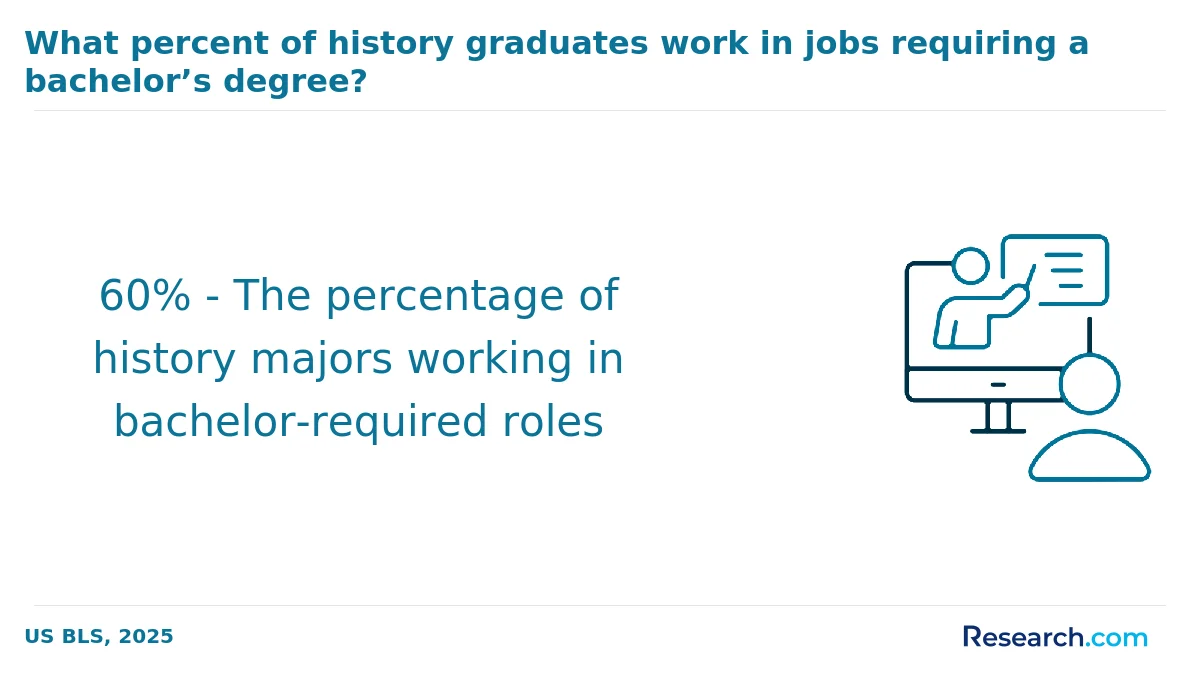
Graduates with an online history degree in Missouri often find themselves at crossroads, yet the opportunities that open up challenge simple expectations. Many alumni from universities such as the University of Missouri or Missouri State University recall beginning their careers as history teachers, transforming their passion into classrooms across the state. Beyond teaching, the historical societies and museums-like the Missouri History Museum in St. Louis-offer roles that connect deeply with Missouri's cultural legacy, providing work as curators or archivists that many find profoundly rewarding.
Exploring online history degree jobs in Missouri reveals surprising versatility. Some graduates tap into government roles involving research and policy analysis, where their analytical skills shape public administration. Others embrace careers in media or publishing, writing historical content that educates and captivates broad audiences. The evolving digital landscape especially invites those seeking dynamic, flexible careers.
For prospective students, seeking affordable history online programs in Missouri enables access to quality education paired with statewide career possibilities. Alumni often emphasize how this degree blends intellectual growth with promising, diverse career options.
The job market for graduates with an online history degree in Missouri is more dynamic than one might initially assume. Employers in urban centers like St. Louis and Kansas City actively seek individuals with refined research and analytical skills, often found in students graduating from well-regarded universities such as the University of Missouri and Washington University. Many graduates report finding meaningful roles in museums, government agencies, and educational institutions, where historical knowledge enriches their contributions.
Missouri history degree career opportunities extend beyond traditional historian positions, encompassing roles like archivists, museum curators, and secondary education teachers. Graduates share a sense of fulfillment working in public history organizations such as the Missouri History Museum, where they apply their expertise to engage communities and preserve cultural heritage. The online format of these programs allows students to balance studies with professional experiences, enhancing their marketability.
Prospective students should note that pursuing an online history degree jobs Missouri can lead to versatile career paths. The skills gained also translate into law, journalism, and public administration. Those interested may explore history masters degrees online to deepen their qualifications and expand their prospects in this evolving job market.
2027 Easiest Online Bachelor's in History Degree Programs Ranking in Missouri
Investing in your education is a significant decision that can shape your future, and the Research.com team understands the importance of making informed choices. To assist prospective students in Missouri, we have meticulously crafted the "2027 Easiest Online Bachelor's in History Degree Programs Ranking in Missouri." Our commitment to quality, credibility, and accuracy is reflected in the extensive research and analysis conducted to compile this ranking.
We utilized the following reputable data sources to ensure a comprehensive evaluation of history programs:
By exploring this ranking, readers will gain valuable insights into the easiest accredited online history degree programs available in Missouri, helping them make informed decisions about their educational paths. For more details on our methodology, please visit our Research.com methodology page.


Frequently Asked Questions About history
Online history degree students in Missouri can maximize their learning experience by actively engaging in their coursework and utilizing available resources. Missouri hosts several accredited institutions offering online history programs, such as the University of Missouri, which emphasizes access to extensive digital archives and libraries. Students benefit from regularly interacting with professors and peers through discussion boards and virtual office hours.
Time management is crucial; dedicating consistent hours weekly helps balance studies with other responsibilities. Supplementing classes with Missouri-specific historical sources, like the Missouri State Archives, enriches understanding of regional history.
Participation in online seminars or webinars about historiography techniques further enhances critical thinking skills essential for success.
The field of history is evolving with several emerging niches that appeal to students pursuing online degrees in Missouri. One growing area is public history, which focuses on preserving and interpreting history for museums, archives, and cultural institutions. Missouri's rich historical sites offer practical opportunities in this niche.
Another expanding focus is digital history, where students learn to use technology to analyze and present historical data. This skill is increasingly valued across academic and professional sectors.
Environmental history is also gaining attention, examining the interaction between humans and the environment, a relevant topic given Missouri's diverse natural landscapes. These niches reflect both local heritage and broader academic trends, helping graduates stay competitive in varied career paths.
Graduates with an online history degree in Missouri should focus on building practical skills alongside their academic knowledge to improve job prospects. Missouri's economy offers opportunities in education, museums, public history, and local government, where strong research and communication skills are valued.
Internships and volunteer work at institutions like the Missouri Historical Society can provide hands-on experience and vital networking connections. Additionally, joining professional organizations such as the Missouri History Teachers Association helps graduates stay informed about job openings and industry trends.
Enhancing digital literacy, including proficiency in archival software and online research tools, can give candidates an edge in today's competitive job market.
According to the Missouri Department of Higher Education & Workforce Development, fields related to history show steady growth, especially in education and public service sectors, emphasizing the importance of continuous skill development.
Employers in Missouri highly value history degree graduates who demonstrate strong research and critical thinking skills. According to the Missouri Department of Higher Education, these abilities enable graduates to analyze complex historical data and interpret diverse perspectives effectively.
Communication skills, both written and verbal, are essential for conveying historical knowledge clearly. Many Missouri employers also seek graduates proficient in digital literacy, especially those comfortable with digital archives and online databases.
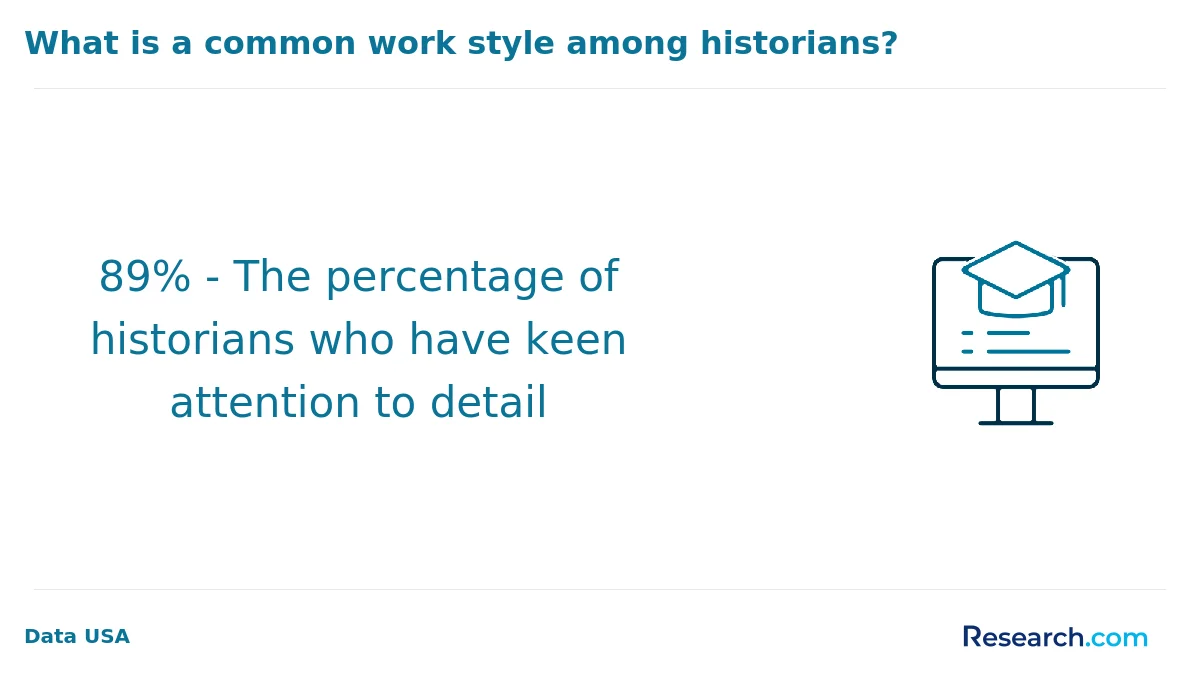
Attention to detail and an ability to synthesize information across sources rank among the top skills. Additionally, problem-solving capabilities help graduates adapt historical insights to modern challenges in various sectors.
Finding internships relevant to a history degree in Missouri involves focusing on institutions that value historical research and preservation. Key places include museums, archives, historical societies, and government offices. The Missouri History Museum and the State Historical Society of Missouri often offer internships for students.
Many universities with history programs also provide internship databases or partnerships with local organizations. For example, the University of Missouri's Career Center lists internships related to history and cultural heritage fields.
Students should explore Missouri's local libraries and county historical societies, which frequently need interns to assist with cataloging and public outreach. Checking platforms such as Handshake and Missouri's Department of Higher Education site can also help locate available positions.
Networking at history conferences within the state and joining professional organizations like the Missouri Alliance for History & Archaeology boost internship prospects by connecting students with working historians and cultural institutions.
In Missouri, earning an online history degree can significantly enhance career mobility and advancement. Many employers in education, public administration, and cultural institutions value the critical thinking and research skills developed through history programs. According to the Missouri Department of Higher Education & Workforce Development, graduates with humanities degrees, including history, showed a 7% higher employment rate within one year of graduation compared to the state average.
Online degrees offer flexibility, allowing students to work while studying, which is appealing to professionals seeking advancement without career interruption. Furthermore, Missouri's growing historical tourism and museum sectors often seek candidates with strong historical knowledge and analytical skills.
Additionally, online history programs in Missouri frequently include internships or partnerships with local historical societies, supporting practical experience that boosts resumes. These factors together enable graduates to transition more easily between roles or rise to leadership positions in government, nonprofit, and educational organizations across the state.
Studying for a history degree in Missouri offers students a strong foundation in critical thinking, research, and communication skills that are essential for interdisciplinary careers. Missouri colleges emphasize combining history with fields like political science, education, and public administration, enabling graduates to apply historical perspectives in diverse professional contexts.
Programs often encourage analysis of regional history, such as Missouri's role in westward expansion and civil rights movements, linking past events to contemporary social issues. According to the Missouri Department of Higher Education, nearly 60% of history graduates pursue careers outside traditional academia, demonstrating the degree's versatility.
Online history degrees in Missouri prepare students to work collaboratively across sectors, including museums, government agencies, and nonprofits, where historical knowledge informs decision-making and strategy development.
Choosing between a thesis and a non-thesis online history degree program in Missouri depends on your career goals and learning preferences. A thesis program requires conducting original research and writing a detailed paper, which suits students aiming for advanced graduate study or research-oriented careers. Non-thesis programs focus more on coursework and comprehensive exams, appealing to those seeking practical knowledge for teaching or public history jobs.
Missouri universities typically offer both options, with thesis tracks involving about 6-9 credit hours of research, while non-thesis tracks emphasize broader subject coverage. The Missouri Department of Higher Education notes that thesis options can enhance critical thinking and academic writing skills, valuable in academic and archival roles.
Consider your future plans and time commitment before deciding.
Students in Missouri interested in studying history abroad have several options facilitated through their home institutions' partnerships and study abroad programs. Missouri universities like the University of Missouri and Missouri State University offer exchange programs and faculty-led trips to countries rich in historical significance, providing immersive learning experiences related to European, Latin American, and Asian history.
Online history degree students may access virtual international learning opportunities through collaborations with foreign universities. Many Missouri schools provide language and culture courses tied to historical studies, supporting global perspectives remotely.
Resources such as the Institute of International Education report that around 2,000 Missouri students studied abroad in recent years, with history among popular fields due to its relevance in global contexts.
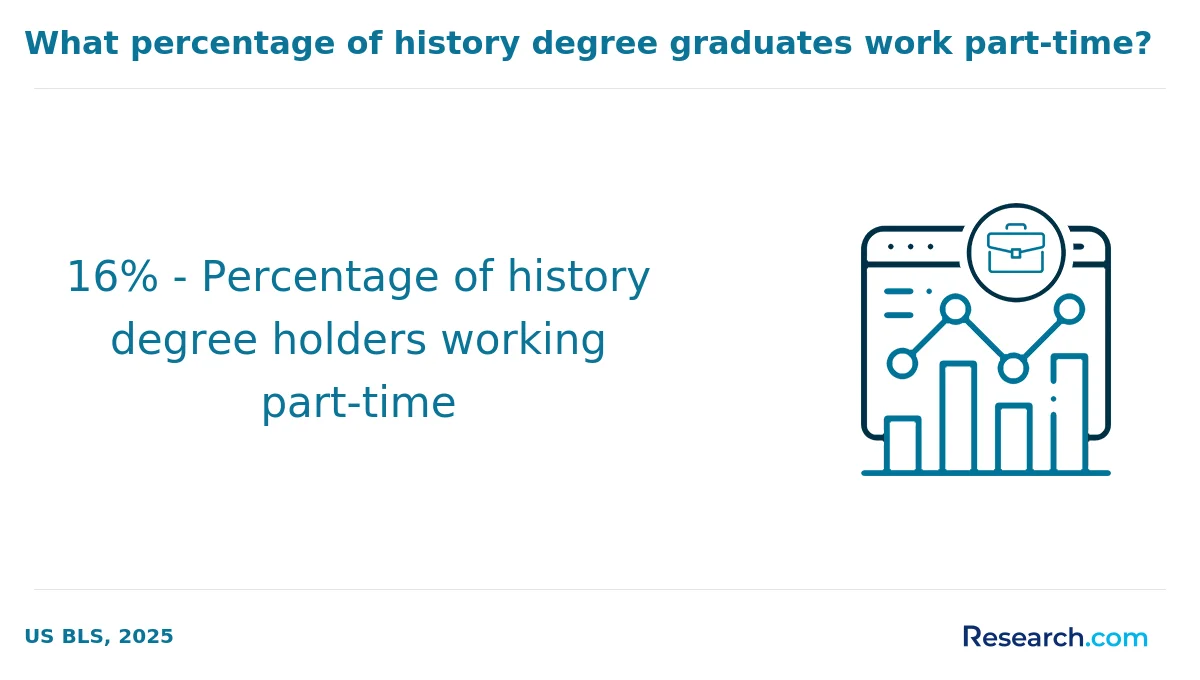
Part-time job opportunities that complement a history degree in Missouri often involve roles in museums, archives, and education. For example, working as a museum assistant or archivist intern offers hands-on experience with historical artifacts and documents, building practical skills.
Missouri has numerous institutions like the Missouri Historical Society and local heritage centers which frequently offer part-time positions suited to history students. These roles enhance research, cataloging, and public engagement abilities.
Additionally, tutoring history at community colleges or offering educational support in local schools can strengthen communication and teaching skills.
The U.S. Bureau of Labor Statistics projects steady growth in related fields, supporting sustainable part-time employment options during study.
Online history students in Missouri benefit from multiple networking opportunities that connect them to peers, faculty, and local professionals. Many universities offer virtual events, discussion forums, and alumni groups designed to foster relationships among online learners. For example, the Missouri Historical Society and local chapters of the American Historical Association provide webinars and workshops that online students can attend remotely.
Students may also engage with statewide history conferences like those hosted by the Missouri State Archives, which can be attended virtually or in person. These events allow students to meet historians and archivists, enhancing career prospects.
Additionally, internships and volunteer roles at Missouri's numerous museums, such as the Missouri History Museum in St. Louis, can be pursued alongside studies and provide valuable hands-on experience and networking.
Alumni networks offer significant benefits to online history degree students in Missouri by providing valuable professional connections and career support. Graduates often gain access to exclusive job postings, internships, and mentoring opportunities tailored to fields like education, research, and public history.
In Missouri, strong alumni groups associated with universities such as the University of Missouri and Missouri State University help students stay connected with regional employers and historical institutions. According to the National Association of Colleges and Employers, 85% of jobs are filled through networking, highlighting the importance of these alumni connections.
Moreover, alumni events and online forums allow students to engage with experienced professionals, fostering skills development and collaboration opportunities within the local history community.
Customizing an online history degree program in Missouri involves selecting electives and concentrations that align with your career goals. Many Missouri institutions offer flexible curriculums allowing students to focus on areas such as American, European, or Missouri state history. Elective choices might include public history, archival studies, or museum management, which are valuable for careers in education, research, or cultural preservation.
Students can often tailor their studies by engaging in internships or independent research projects related to Missouri's rich historical context. According to the Missouri Department of Higher Education, about 40% of history students pursue these experiential learning opportunities to gain practical skills.
Advising services at Missouri universities also help students create degree plans aligning with local job markets, such as work in local archives, libraries, or historical societies.
Online history students in Missouri often face challenges related to limited access to local archival materials and primary sources. Unlike traditional campuses, online learners may find it difficult to engage directly with Missouri-specific historical documents housed in state libraries or museums, which are crucial for research. According to the Missouri State Library, many primary sources are not digitized, posing obstacles for in-depth study.
Another common issue is maintaining motivation and time management. Since online programs require a high degree of self-discipline, students juggle studies alongside work or family commitments. Data from the National Center for Education Statistics shows that adult learners, common in online history programs, report time management as their biggest hurdle.
Finally, networking and interaction can be limited. History students benefit from discussions and debates, but virtual formats sometimes reduce peer and faculty engagement, impacting the learning experience.
With an online history degree, graduates in Missouri can pursue several professional certifications that enhance their career prospects. One common option is the Certified Archivist credential, offered by the Academy of Certified Archivists, which validates expertise in managing historical records. This certification is valuable for those interested in working with Missouri's extensive state and local archives.
Another pathway includes earning teaching certification if you plan to educate at the secondary level. Missouri requires a state-approved teaching license that can be attained through programs aligned with an online history degree, allowing graduates to teach social studies.
Historical researchers and museum professionals may also seek certifications such as the Museum Studies Certificate, which can improve job opportunities in Missouri's numerous historical societies and museums.
Applying to an online history program in Missouri requires a clear and focused approach. Start by researching accredited Missouri institutions offering online history degrees to ensure program quality and recognition. Strong applications usually include a well-crafted personal statement explaining your passion for history and how the degree aligns with your career goals. Missouri public universities like the University of Missouri system often give preference to candidates who demonstrate academic readiness and relevant experiences.
Include official transcripts showing a solid GPA; many programs prefer a minimum 2.5 GPA, though competitive applicants often exceed this. Highlight any history-related coursework or extracurricular activities to strengthen your profile. Letters of recommendation from instructors or employers familiar with your analytical skills can be valuable. Finally, adhere closely to application deadlines found on official school websites such as the Missouri Department of Higher Education. This careful preparation increases your chances of a successful application.
Careers in history offer valuable global perspectives, particularly relevant to students pursuing online degrees in Missouri. Graduates gain skills applicable worldwide, such as critical thinking, research, and cultural awareness, which are essential in diverse fields like education, museums, and public policy. According to the Bureau of Labor Statistics, historian employment is expected to grow nationally by 7% from 2022 to 2032. In Missouri, institutions like the University of Missouri emphasize global history in their curricula, preparing students to understand complex international contexts. This broader outlook enhances employability both domestically and internationally, reflecting the increasing interconnectedness of historical study.
Gaining practical experience while studying for an online history degree in Missouri is essential for building skills and enhancing employability. Many Missouri universities encourage students to participate in internships with local museums, archives, or historical societies. For example, the Missouri Historical Society offers internship opportunities that allow students to work with primary sources and assist in public history projects.
Additionally, students can engage in virtual research projects or contribute to digital history initiatives. Networking through Missouri-based professional organizations, such as the Missouri Conference on History, also helps connect students with practical experiences. These activities complement online coursework and provide valuable hands-on learning.
Choosing the right concentration within an online history degree program in Missouri involves considering your career goals and academic interests. Missouri schools often offer concentrations such as American history, public history, or world history, allowing students to focus on specific areas.
Look at each program's curriculum to identify courses that align with your passions and career plans. For instance, if you want to work in museums or archives, a public history track might be best.
According to the Missouri Department of Higher Education, tailoring your degree to in-demand skills improves job prospects locally and nationally.
Also, review faculty expertise and research opportunities, as these influence your educational experience and networking potential.
- Drury GO Bachelor of Science in History https://www.drury.edu/go/bachelor-history/
- The Impact of History Degrees: Opportunities and Trends Among History Degree Jobs https://www.ucumberlands.edu/blog/the-impact-of-history-degrees
- Undergraduate Student Opportunities https://warwick.ac.uk/fac/arts/history/students/studentopportunities/
- History Programs Abroad: Degrees & Opportunities - AEC https://www.aecoverseas.com/history/
- 2023 Most Popular Online History Bachelor's Degree Schools in Missouri - Course Advisor https://courseadvisor.com/majors/history/rankings/most-popular-online/bachelors-degrees/the-plains-states/missouri/
- History Online https://www.nsu.edu/History-and-Interdisciplinary-Studies/History-Online
- Undergraduate Certificate in History | Thomas Edison State University https://www.tesu.edu/degrees-programs/certificates/undergraduate-history.php
- THE list of internships for history majors https://employedhistorian.com/history-major/internships-for-history-majors/
- Online Degree vs. Traditional | University of Arkansas Grantham https://www.uagrantham.edu/blog/pros-cons-online-degree-vs-traditional-university/
- Finding Networking Opportunities as a Student | National Society of High School Scholars https://www.nshss.org/resources/blog/blog-posts/how-to-find-networking-opportunities-as-a-student/