2027 Most Valuable Online History Degree Programs Ranking in the South

Co-Founder and Chief Data Scientist
Choosing the right history degree can be both exciting and overwhelming. To help, this article presents the 2027 Most Valuable Online History Degree Programs Ranking in the South, created by the Research.com team of data scientists. This ranking offers clear insights to guide you toward programs that deliver strong value and respected credentials.
Exploring these programs can open doors to meaningful careers and deepen your understanding of the past. With flexible online options, earning a history degree is more accessible than ever. Dive in to discover the opportunities awaiting you.
Key benefits of getting online history degree in the South
- History degree graduates in the South often pursue careers such as museum curators or archivists, with typical salaries ranging from $45,000 to $60,000 annually, reflecting steady income in rewarding fields.
- Graduates from popular Southern universities have found diverse career paths including education, public history, and research, offering exciting opportunities to work in communities and preserve cultural heritage.
- Online history degrees from respected Southern institutions provide flexibility, allowing students to balance work and study while still gaining valuable connections and skills comparable to traditional programs.
- 2027 Most Valuable Online History Degree Programs Ranking in the South
- What can I expect from online history degree in the South?
- Where can I work with online history degree in the South?
What can I expect from online history degree in the South?
The average cost of an online history degree in the South typically ranges between $15,000 and $35,000 for a bachelor's program, though prices can vary depending on the institution and program length. For example, graduates from the University of Florida or Texas Tech University often find that tuition rates are competitive compared to traditional, on-campus options, making it easier to invest in their education without overwhelming debt.
Many students appreciate the flexibility of asynchronous coursework, which allows them to balance studies with work or family commitments while managing expenses more effectively. Additionally, institutions with regional accreditation, like those under SACSCOC, maintain quality standards that ensure your degree holds value in the job market.
Graduates frequently mention how elective options in Southern history or public history at schools like the University of North Carolina at Chapel Hill enhance their learning experiences, providing both cultural context and practical skills without additional cost. This level of accessible education fosters confidence and motivation in pursuing careers in education, museums, or archival work across the South.
Where can I work with online history degree in the South?
Graduates with an online history degree from southern institutions like the University of North Carolina or Texas A&M often find rewarding careers teaching history in public schools, community colleges, or universities. Many successful alumni share how their degree opened doors to fulfilling roles as educators, shaping young minds and contributing to vibrant academic communities.
Others leverage their knowledge by working in museums or cultural sites across Georgia and South Carolina, serving as curators or archivists preserving the rich history of the South. These roles provide hands-on opportunities to engage with local heritage and connect with diverse audiences.
State and local governments also hire online history graduates for positions in historic preservation and urban planning. Working with agencies that protect landmarks, such as those near New Orleans or Charleston, offers the satisfaction of safeguarding important cultural sites for future generations.
Many graduates expand their careers into nonprofit work or media, applying their skills in research and storytelling to develop educational programs or support historical documentaries. In every case, history degrees from southern schools prepare students to build meaningful careers rooted in the unique culture and stories of the South.
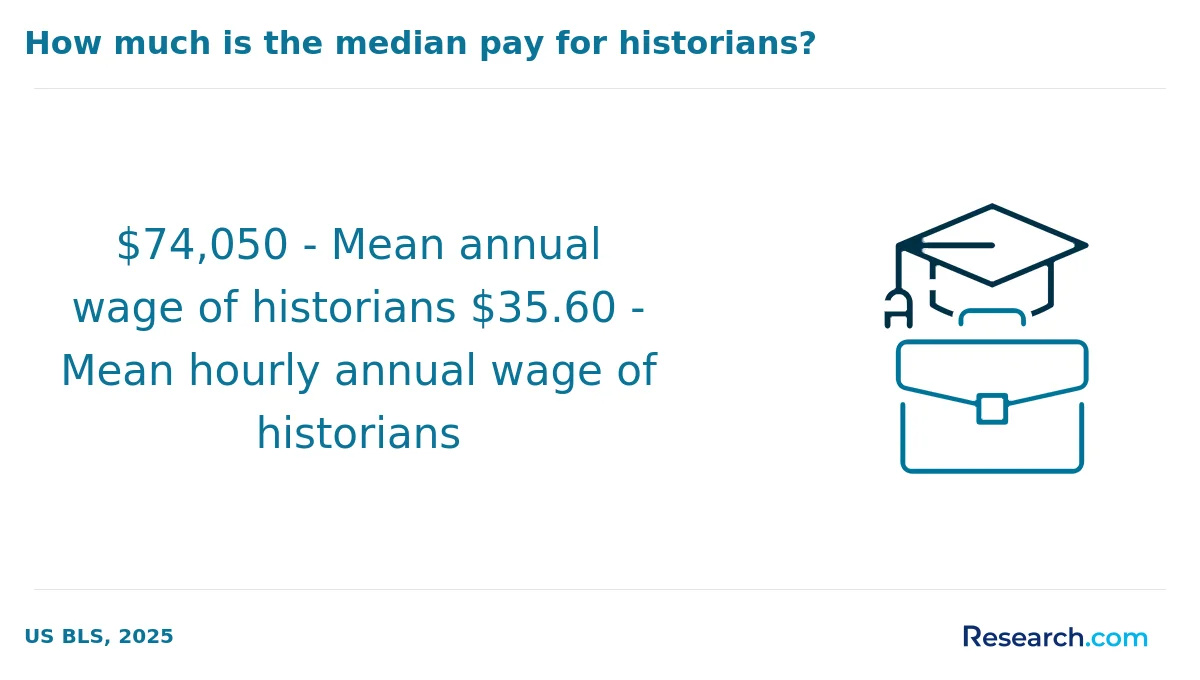
Graduates with an online history degree in the South typically earn around $64,000 annually, according to U.S. Bureau of Labor Statistics data. For example, historians working in Texas, Georgia, or North Carolina reported this average wage, reflecting a solid starting point for many career paths in the region.
Entry-level positions, such as public school history teachers, often start with salaries between $45,000 and $55,000, matching reports from education-focused organizations. Many graduates from Southern universities find early career success working in schools or museums where salaries usually range from $40,000 to $60,000 depending on the institution's size and location.
Advancing to roles that require higher degrees, such as university faculty or research consultants, can significantly boost earnings, sometimes reaching $70,000 to $90,000 annually. Graduates from well-known Southern colleges with strong alumni networks emphasize how leveraging career services and local connections helped them secure these higher-paying opportunities.
Choosing programs with a focus on practical skills and regional demand ensures graduates can confidently pursue jobs offering competitive salaries and a comfortable lifestyle in the South.
- Many accredited Southern universities offer fully online history bachelor's and master's degrees, allowing remote study without relocation.
- The average cost for a bachelor's online history degree in the South ranges from $15,000 to $35,000 at public institutions; private universities can exceed $40,000.
- Starting salaries for history graduates in the South typically range from $35,000 to $45,000 per year, increasing to $55,000-$75,000 with experience.
- Job opportunities are concentrated in education, museums, archives, and public history, especially in metropolitan areas like Atlanta, Nashville, and Charlotte.
- Online programs emphasize skills such as archival research, digital history, and public communication, enhancing employability.
- Programs maintain accreditation through SACSCOC and differ in transfer credit policies, specialization options, and internship availability.
Completing an online history degree in the South typically takes about four years for full-time undergraduates, similar to the national average. For example, students at the University of Florida often find that dedicating themselves to a full course load allows them to graduate in this timeframe. Some Southern universities offer accelerated programs that let motivated learners finish in as little as three years, a great option for those eager to start their careers sooner.
Part-time students, like many balancing jobs or family at universities in the University of North Carolina system, often complete their degrees in five to six years. This flexibility means you can tailor your studies around your life, taking fewer classes when needed without losing progress.
Graduate history degrees typically require 1.5 to 3 years, depending on intensity. Many students speed up their Master's by enrolling in summer courses or heavier semester loads, especially with online options that fit around busy schedules at Southern schools.
Online and on-campus history degrees in the South differ mainly in learning format and accessibility. Graduates from universities like the University of Georgia often recall the energy of in-person lectures and the benefit of exploring physical archives on campus, which deepened their understanding of Southern history. In contrast, online students at institutions such as Appalachian State University appreciate the flexibility to balance work and studies; they access digital archives and attend virtual discussions that fit their schedules.
Cost is another key difference. On-campus students budget for housing and commuting, while online learners save on these but should plan for technology needs. Alumni from UNC-Chapel Hill highlight how on-campus networking through history clubs helped build valuable career connections, whereas online graduates emphasize the importance of proactively engaging in virtual forums and seeking out career resources.
For Southern history aficionados, choosing the right format depends on personal preferences for environment and interaction. Both paths offer strong curricula; success comes from leveraging available resources and staying engaged.
The average cost of an online history degree in the South usually revolves around $43,860 for in-state students, while out-of-state students can expect costs closer to $64,116. Residents attending public universities like those in the University of North Carolina system often find tuition more affordable, making it a popular choice among graduates who highlight the value of completing their degree without excessive debt. On the other hand, private institutions in the region typically have higher tuition fees, sometimes reaching well above $30,000 annually.
Graduates who studied at prominent Southern universities frequently mention the practical benefits of financial aid and scholarships, which help lower the total expenses for Southern online history programs. These students often balance costs with quality, appreciating flexible payment options and accelerated pathways that reduce the time needed to graduate. For those concerned about budgeting, additional yearly fees for technology and materials can add up to $1,000 but are manageable when planned for in advance.
Many students find it helpful to explore alternatives like credit transfers or competency-based models offered by Southern colleges to significantly reduce their total tuition load. For a detailed look at different programs and options, exploring different history degrees can provide a clearer picture to match personal financial and academic goals.
Students pursuing an online history degree in the South can access multiple financial aid options to ease tuition costs. Many graduates from institutions like the University of Florida or the University of Texas share how completing the FAFSA early unlocked federal grants such as the Pell Grant, which helped cover essential expenses without repayment obligations.
State scholarships are valuable too; for example, residents of Georgia or Florida often benefit from state-specific aid designed to encourage local enrollment in online history programs. These grants make studying from home more affordable while staying connected to respected Southern universities.
Institutional scholarships at schools like Vanderbilt University cater directly to history majors, rewarding strong academic records or demonstrated need. Graduates recall how applying for these scholarships took just a few extra steps but brought significant financial relief.
Professional groups, such as the American Historical Association, also offer competitive scholarships and fellowships that serious history students should explore. Additionally, many Southern employers provide tuition assistance, making it easier for working students to continue their education without financial stress.
Acting early by submitting FAFSA and communicating proactively with financial aid offices has proven crucial for many Southern online history students, helping them unlock the full range of support available.
To enroll in an online history degree program in the South, prospective students typically need a high school diploma or GED as a foundational credential. Graduates from universities in Texas and Georgia share that maintaining a GPA around 2.5 to 3.0 enhances admission chances, reflecting readiness for college-level history coursework. While some competitive programs may still ask for SAT or ACT scores, many Southern schools have eased this requirement, making admission more accessible, especially after the pandemic.
Transfer students benefit from official transcripts, which Southern institutions like those in Florida often use to recognize community college credits, speeding up graduation. Technical readiness is essential; a reliable internet connection and a computer that meets software needs help students confidently participate in online discussions and research projects, much like successful graduates have experienced.
Applicants should also prepare personal statements or recommendation letters when applying to specialized history tracks. These elements allow you to showcase your passion and writing skills, key traits appreciated by admissions committees in the region's well-regarded programs.
Online history degrees in the South typically include foundational courses like U.S. History to 1877, U.S. History since 1877, and World History from the Renaissance to the Present. Graduates from popular Southern universities often recall how these classes gave them a solid grasp of major historical events and critical thinking techniques, essential for any history career.
Students also dive into specialized courses focusing on the South's unique history, such as Southern U.S. History, African American History in the South, and the Civil Rights Movement. For many, these classes bring history to life by connecting them to real regional stories and cultural shifts they recognize from their own communities.
Practical skills are emphasized through classes on historical research methods, primary source analysis, and historiography. These prepare students for hands-on work with digital archives or crafting historical narratives. Graduates consistently highlight how this blend of broad and local history components creates an engaging and rewarding learning experience tailored for those passionate about Southern heritage and history careers.
Online history degree specializations in the South typically include focused areas like American History with an emphasis on Southern heritage, Public History and Museum Studies, and World History. Graduates from popular Southern colleges often share how studying Civil War history or regional civil rights movements creates a meaningful connection to their roots, enriching their learning experience. These programs provide practical skills for roles in museums or archives, ideal for those seeking hands-on careers.
Many students appreciate the flexibility of studying Military History or Historical Research and Digital Methods, which develop strong analytical and research skills usable in various historical professions. Such specializations align well with Southern universities' strengths, blending local insights and advanced digital archives for an engaging online experience. Choosing a program here means benefiting from competitive tuition and specialized courses designed to support both academic and career growth.
For those wondering about the career benefits of these tracks, graduates often note increased job opportunities in heritage industries and public history fields. Explore more about careers with a history degree to align your studies with your professional goals.
When choosing the best online history degree in the South, start by verifying the program's regional accreditation, like SACSCOC, to ensure recognized credentials and federal aid eligibility. Graduates from well-known southern public universities often praise affordable tuition rates-sometimes as low as $200 per credit-which make affordable online history degrees Southern US an achievable goal. Consider programs that emphasize Southern and American history through courses tailored to regional heritage and Civil Rights studies, providing a deeper connection to local culture.
Look into faculty expertise; students frequently share how professors with strong research ties to Southern archives elevate their learning experience. Flexible scheduling and asynchronous classes help working adults balance study with life in southern cities. Lastly, investigate career support services-internship placements at local museums or archives often lead to rewarding positions. For insights into career prospects, explore history ma jobs to see how degrees translate into real opportunities.
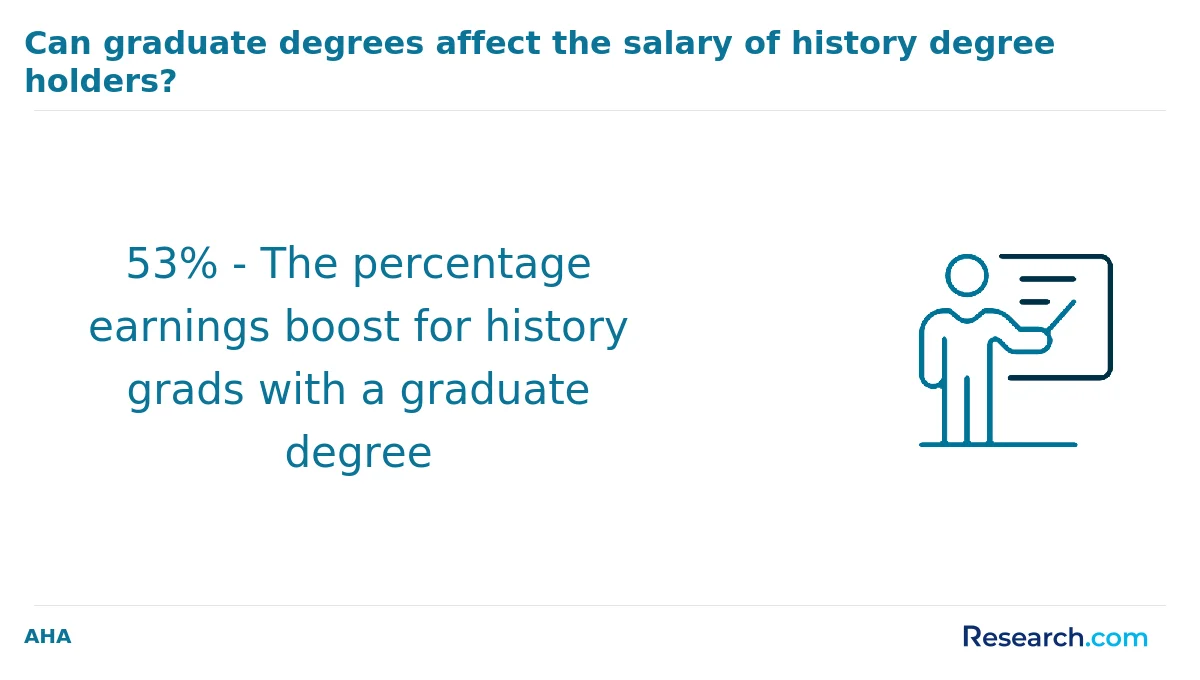
Graduates pursuing online history degree careers in the South often find rewarding positions as historians, educators, or cultural resource managers. Many graduates from universities like the University of Alabama or the University of North Carolina embark on careers researching and interpreting the South's rich past, working in museums or government agencies. These roles provide a deep connection to regional history and satisfaction in preserving local heritage.
Others leverage their degrees to teach history at secondary or postsecondary institutions, filling a steady regional demand highlighted by the Southern Regional Education Board. Such graduates report strong job prospects and fulfilling engagement with students eager to learn about Southern and American history. Many enhance their credentials with certifications or advanced degrees, broadening their career options.
For those interested in hands-on roles, cultural resource management and museum careers offer opportunities to serve as curators or preservationists, especially in states like Georgia or Virginia with rich historical sites. Local governments also value history graduates for roles supporting public history projects. To begin this journey affordably, students should explore affordable history online programs tailored to the Southern region history degree job opportunities.
Graduates with an online history degree in the South often find promising opportunities in education, museums, and government roles. For example, many alumni from popular Southern universities pursue careers in K-12 education or public history, benefiting from the region's rich cultural institutions in states like Georgia and Texas. However, competition can be strong, and employers frequently prefer candidates with advanced degrees, especially for postsecondary teaching positions. History graduates have felt encouraged when pursuing additional certification or a master's degree to improve their job prospects.
Understanding the career outlook for history graduates Southern US is crucial. Jobs such as museum curator or archivist typically offer salaries ranging from $40,000 to $60,000, which aligns with local museum funding and size. Teaching positions in secondary schools usually pay between $40,000 and $55,000, varying by district. To further boost employability, some graduates explore history masters degrees online, which provide more specialized expertise and better access to competitive roles.
2027 Most Valuable Online History Degree Programs Ranking in the South
Investing in your education is a significant decision that can shape your future, and the Research.com team understands the importance of making informed choices. To assist prospective students in the South, we have meticulously crafted the "2027 Most Valuable Online History Degree Programs Ranking in the South." Our commitment to quality, credibility, and accuracy is reflected in the extensive research and analysis conducted to compile this ranking.
We utilized the following reputable data sources to ensure a comprehensive evaluation of history degree programs:
By exploring this ranking, readers will gain valuable insights into the most valuable online history degree programs in the South, helping them make informed decisions about their educational paths. For more details on our methodology, please visit our Research.com methodology page.


# 5 position
University of Maryland Global Campus
Bachelor of History


# 11 position
Judson College
Bachelor of History




# 19 position
Mary Baldwin University
Bachelor of History

# 20 position
Texas A&M University - Victoria
Bachelor of History

Frequently Asked Questions About history
Students pursuing online history degrees in the South can enhance their learning by actively engaging with both digital and local resources. Utilizing online archives and databases-such as those provided by the Library of Congress and Southern historical societies-can deepen understanding of regional history. Students should take advantage of faculty office hours and discussion boards to foster interaction, which improves retention and critical thinking.
Exploring regional museums and historic sites, many of which offer virtual tours, adds practical context to theoretical studies. According to the American Historical Association, students who connect coursework with local history often achieve higher academic success. Planning study groups or attending webinars on Southern history can also enrich the educational experience.
Emerging niches within the history field reflect broader shifts in academic and public interests, especially for students pursuing online history degrees in the South. One growing area is digital history, which combines traditional historical research with digital tools to create interactive archives and visualizations. This niche is supported by increased funding at Southern universities to advance public history through technology.
Another expanding focus is environmental history, analyzing the South's unique landscape changes and human impact over time. Given the region's vulnerability to climate change, this area attracts attention from both scholars and policy makers. Additionally, social justice history, including race and gender studies, remains vital, with Southern institutions largely contributing new research reflecting regional diversity and civil rights legacies.
After earning an online history degree in the South, graduates should focus on building skills valued by employers. Research from the American Historical Association highlights that strong writing, critical thinking, and data analysis are essential for history-related roles. Networking is also crucial; joining local historical societies or Southern academic groups can open doors.
Internships and volunteer opportunities with museums or archives in Southern states strengthen practical experience. Familiarity with digital tools like GIS mapping or archival databases improves job prospects, aligning with trends in public history jobs reported by the U.S. Bureau of Labor Statistics.
Continuing education, such as certificates in digital humanities, is another pathway to stay competitive in regional job markets.
Employers in the South highly value history degree graduates who demonstrate strong critical thinking and research skills. According to the Southern Association of Colleges and Schools Commission on Colleges, graduates capable of analyzing complex historical data and drawing clear conclusions are more competitive in the job market. Effective written and verbal communication skills are also essential, as many roles require presenting findings clearly to diverse audiences.
Additionally, proficiency in digital literacy, including the use of archival databases and geographic information systems (GIS), is increasingly sought after, reflecting technological trends in historical research. Familiarity with regional history and cultural dynamics further enhances a candidate's appeal to Southern employers in education, public history, and government sectors.
Finding internships in the South relevant to a history degree involves targeting museums, archives, and historical societies, which are abundant in this region. Institutions like the Southern Historical Association and state archives often offer internship listings tailored for history students.
Universities such as the University of North Carolina and Louisiana State University frequently partner with local cultural organizations to provide hands-on experience. According to the National Association of Colleges and Employers (NACE), 60% of history majors secure internships through university programs or faculty connections.
Additionally, leveraging online platforms focusing on regional nonprofits can uncover valuable opportunities in historic preservation and public history roles.
Online history degrees in the South provide valuable opportunities for career mobility and advancement. Many Southern states invest heavily in education, and earning a recognized degree online allows students to access flexible learning while maintaining local employment.
Graduates with history degrees often pursue careers in education, public history, museums, and government. According to the Bureau of Labor Statistics, educational services and historical sites are growing sectors in Southern states such as Georgia, North Carolina, and Texas.
The Southern Regional Education Board highlights that online degrees from accredited institutions can lead to higher salaries and promotions, especially when combined with relevant experience.
Such degrees also open doors to graduate studies, which further enhance career prospects in academic and research roles across the region.
Studying for a history degree in the South offers students a unique foundation to excel in interdisciplinary roles. Many Southern universities emphasize combining history with subjects like political science, cultural studies, and economics, reflecting the region's complex past and diverse social dynamics.
According to the American Historical Association, Southern history programs often integrate primary research with digital humanities tools, boosting skills relevant to public policy, education, and archival work. Furthermore, collaboration with departments such as African American studies or environmental science enriches graduates' adaptability.
This approach allows students to engage with real-world challenges, making them valuable in various professional settings beyond traditional historical careers.
Choosing between a thesis and a non-thesis online history degree program in the South depends on your academic and career goals. Thesis programs typically involve original research and a substantial writing project, ideal for students planning to pursue graduate studies or scholarly careers. Non-thesis options focus more on coursework and applied skills, suiting professionals aiming for advancement in education, museums, or public history.
Southern universities often offer both paths; for example, the University of Alabama provides flexible online history degrees with clear distinctions between the two formats. According to the National Center for Education Statistics, 38% of history graduates in the South enroll in programs with thesis components.
Consider your available time, research interests, and future plans when making this choice to ensure alignment with your objectives.
Students in the South seeking to study history abroad have growing opportunities through partnerships between Southern universities and international institutions. Many Southern schools offer study abroad programs or exchange agreements allowing history majors to spend a semester or year overseas while earning credits. According to the Institute of International Education, Southern universities such as the University of Florida and University of North Carolina have established programs in Europe and Latin America focused on historical studies. Online degree programs sometimes include virtual study abroad components, blending distance learning with global perspectives. These options provide accessible ways to gain international experience within the history field.
Students pursuing online history degrees in the South have several part-time job options that enhance their academic experience. Working as archivists or library assistants is common, providing hands-on experience with historical documents and resources. According to the U.S. Bureau of Labor Statistics, the demand for archivists in the Southeast is expected to grow moderately over the next decade.
Museum technician or guide roles often pay part-time and allow students to engage directly with historical artifacts and public education. Additionally, tutoring history or assisting professors are valuable opportunities on many Southern university campuses.
Jobs in local cultural heritage sites and historical societies also offer practical experience relevant to this field.
Online history students in the South have access to various networking opportunities that enhance their academic and professional growth. Many southern universities offer virtual events such as webinars, guest lectures, and online discussion forums, allowing students to connect with faculty and history professionals nationwide.
Additionally, organizations like the Southern Historical Association provide membership options for students, granting access to conferences, job boards, and research networks specifically focused on southern history. According to the Association, participating in their events can increase graduate employment prospects by up to 20%.
Regional museums and historical societies in states like Georgia and Virginia frequently offer internships and virtual volunteer positions, helping students to build connections in the field even remotely. These opportunities are vital for those balancing online studies with work or family commitments.
Alumni networks play a vital role in supporting online history degree students in the South by connecting them to regional professionals and academic resources. Graduates from Southern universities often benefit from these networks through mentorship, internship opportunities, and job referrals in historical societies, museums, and educational institutions. According to the National Center for Education Statistics, alumni engagement significantly improves career outcomes for history majors by up to 15% in Southern states.
These networks foster a sense of community despite the virtual nature of online programs, helping students build relationships that extend beyond graduation. They also provide access to regional events and workshops focused on Southern history and culture.
Participation in alumni activities can improve students' understanding of local historical contexts, offering a practical advantage in careers that emphasize Southern heritage and public history.
Students pursuing online history degrees in the South can often tailor their studies through elective courses and concentration options. Many programs allow specialization in areas like Southern history, African American history, or public history, helping align education with career objectives.
Institutions accredited by the Southern Association of Colleges and Schools Commission on Colleges (SACSCOC) typically offer flexible curricula. According to the National Center for Education Statistics, about 65% of Southern universities with history programs provide customizable tracks online, supporting careers in education, archives, or museum work.
Additionally, internships and capstone projects offered remotely help deepen practical skills. Choosing programs with faculty experienced in regional history can further enhance relevance for careers focused on Southern culture or heritage preservation.
Online history students in the South often face unique challenges related to technology access and regional educational resources. According to the National Center for Education Statistics, rural areas in Southern states like Mississippi and Arkansas report lower broadband availability, which can hinder smooth participation in online courses.
Many students also struggle with limited access to local archives or historical sites, important for immersive study and research projects. This reduces hands-on opportunities that complement virtual learning. Additionally, balancing work, family, and study remains a common issue, especially in states with higher poverty rates such as Louisiana.
Finally, students sometimes encounter a lack of tailored support services for history majors in online formats, affecting academic advising and networking options.
With an online history degree from a Southern institution, you can pursue several professional certifications that enhance career prospects. One popular certification is the Certified Archivist credential, offered by the Academy of Certified Archivists, which validates skills in managing and preserving historical records. Another option is the Museum Studies Certificate, valuable for those aiming to work in museums or cultural institutions.
For educators, a teaching certification in history or social studies is essential, often requiring additional state-specific licensure beyond the degree. According to the Southern Regional Education Board, history teachers remain in demand across Southern states, highlighting the value of such certification.
Additionally, certificates in historic preservation or public history can strengthen credentials for roles in heritage management and community planning.
Applying to an online history degree program in the South requires a focused and well-structured application. Start by carefully reviewing each university's requirements, which often include a statement of purpose, transcripts, and letters of recommendation. Schools in the South, such as the University of North Carolina and Georgia State University, emphasize clear goals related to Southern history or broader historical themes.
Highlight any relevant academic or professional experience in history to demonstrate your commitment. According to the National Center for Education Statistics, Southern institutions award approximately 40% of all history bachelor's degrees nationwide, showing the region's strong academic emphasis.
Writing a concise, compelling personal statement that connects your interests with faculty expertise can set you apart. Proofreading and adhering to application deadlines, typically between December and February for fall admission, is critical.
The global perspective on a history career highlights diverse opportunities beyond traditional education roles. Graduates with history degrees often work in museums, archives, cultural resource management, and public policy, reflecting worldwide demand for skills in research and critical analysis.
In the Southern US, online history degrees prepare students for these roles with regional insights and connections to historic sites. According to the National Center for Education Statistics, the South awarded approximately 15% of all US history bachelor's degrees in 2022, emphasizing the region's growing focus on historical studies.
Employers increasingly value global awareness, making graduates with broad historical knowledge competitive internationally.
Gaining practical experience while studying for an online history degree in the South is achievable through several effective methods. Many Southern universities offer virtual internships with local museums, archives, and historical societies. For example, the Southern Historical Collection at the University of North Carolina provides digital access and research opportunities to students nationwide.
Additionally, students can participate in online research projects or serve as digital curators, enhancing their skills remotely. Some programs also encourage volunteering for community history projects, which helps build networks and practical knowledge.
According to the American Historical Association, 70% of history students who engage in internships increase their employability after graduation.
Choosing the right concentration within an online history degree program in the South begins with understanding your personal interests and career goals. Many Southern universities offer specializations such as Southern history, Civil Rights, American Indian studies, or public history, reflecting the region's rich and complex past. For example, programs at schools like the University of Alabama emphasize local history which can be valuable for careers in education, museums, or heritage tourism.
Consider the curriculum carefully, focusing on courses that align with your intended career path. According to the Southern Association of Colleges and Schools, accredited programs ensure academic quality and relevance. Additionally, reviewing faculty expertise and available research opportunities can guide your choice.
Finally, evaluate job market trends in the South, where public history and education sectors often seek graduates with regional specialization, enhancing your employability after graduation.
- Online History Degrees https://mycollegeguide.org/online-history-degrees/
- How to Apply to Graduate School | Canadian Historical Association | Société historique du Canada https://cha-shc.ca/publications/employing-history-a-guide-to-graduate-school-and-navigating-the-job-market/how-to-apply-to-graduate-school/
- The Impact of History Degrees: Opportunities and Trends Among History Degree Jobs https://www.ucumberlands.edu/blog/the-impact-of-history-degrees
- History Programs https://www.isepstudyabroad.org/programs/by-field-of-study/history-programs
- What Can I do With a History Degree? https://theinterngroup.com/our-blog/what-can-i-do-with-a-history-degree
- Undergraduate Student Opportunities https://warwick.ac.uk/fac/arts/history/students/studentopportunities/
- History (B.A.) https://king.edu/programs/humanities/history/
- How a Strong Alumni Network Can Benefit Students https://www.pacificu.edu/blog/how-strong-alumni-network-can-benefit-students
- 5 Challenges of Teaching History in International Classrooms (and How https://millerskills.co.uk/blogs/teaching-overseas/5-challenges-of-teaching-history-in-international-classrooms-and-how-to-overcome-them
- History Fieldwork - Do Our Students Get Out Enough? https://www.historyworkshop.org.uk/museums-archives-heritage/history-fieldwork/