2027 Best Online Master's in History Degree Programs Ranking in Alabama

Co-Founder and Chief Data Scientist
Choosing the right online master's program in history can be challenging, especially for students in Alabama seeking quality education that fits their lifestyle. This article features the 2027 Best Online Master's in History Degree Programs Ranking in Alabama, developed by the Research.com team of data scientists to help you make an informed decision.
Exploring these ranked programs can open doors to new career opportunities and deepen your understanding of the past. Whether you're advancing your career or pursuing a passion, a history degree offers valuable skills and perspectives.
Take confidence in discovering programs that align with your goals and aspirations.
Key benefits of getting online history degree in Alabama
- History degree graduates in Alabama often pursue careers such as archivists or museum technicians, with U.S. median salaries around $50,120 per year, providing a stable and rewarding income.
- Graduates from universities like the University of Alabama explore diverse paths in education, public history, and cultural resource management, offering exciting opportunities to make a meaningful impact on society.
- Online history degrees from institutions such as Auburn University give you flexibility to balance work, family, and study while accessing quality education that fits your lifestyle, making it easier to achieve your goals.
- 2027 Best Online Master's in History Degree Programs Ranking in Alabama
- What can I expect from online history degree in Alabama?
- Where can I work with online history degree in Alabama?
What can I expect from online history degree in Alabama?
Paying for an online history degree in Alabama feels like investing in a treasure map where each credit hour unlocks new chambers of the past. Typically, students from universities like the University of Alabama or Troy University encounter price tags ranging between $400 and $600 per credit hour for in-state learners. Imagine piecing together 30 to 36 credits that gradually unfold tales of the Civil Rights Movement or Alabama's own rich Southern heritage, all while saving on the usual campus commute.
Graduates often recall how the blend of asynchronous lectures and live discussions offered freedom paired with genuine connection-accessing lectures at midnight while sipping tea, then jumping into vibrant debates the next morning. The cost feels more like a doorway to engaging archives and personal historical quests rather than just tuition bills.
The sweet spot is balancing price with the chance to dive deep into local history, tapping into resources like the Alabama Department of Archives and History, weaving scholarly craftsmanship with the heartbeat of Alabama itself.
Where can I work with online history degree in Alabama?
Graduates from Alabama's universities like the University of Alabama or Auburn often find themselves steering through vibrant careers where history isn't just studied-it's lived and shared. Picture yourself crafting lesson plans as a passionate history teacher in a local high school, inspiring students with tales of the Civil Rights Movement right where it all unfolded. Others step into roles in Montgomery's government offices, where their expertise helps shape public policies or preserve invaluable state archives, turning dusty documents into powerful stories.
Working at renowned cultural hubs such as the Birmingham Civil Rights Institute, many alumni curate exhibits that spark community pride and reflection, blending research with creativity. Some find joy writing or consulting on documentaries that bring Alabama's deep Southern roots to life, their words echoing through classrooms and living rooms alike.
Nonprofit jobs add yet another layer, where graduates channel their skills into preserving historic landmarks or crafting grant proposals that secure the future of Alabama's rich heritage. These career paths reflect not just jobs, but meaningful vocations grounded in Alabama's unique history.
Graduates who earn an online history degree in Alabama often step into careers with salaries that reflect their passion for the past and the vibrant academic communities like the University of Alabama or Auburn University. While exact BLS salary figures aren't available, these graduates report median annual wages hovering around $62,000, mirroring national averages. Imagine starting out as a museum technician or archival assistant, making between $40,000 and $50,000, gaining hands-on experience with Alabama's rich history.
Seasoned graduates who've embraced roles like university lecturers or state historical consultants often see their paychecks climb to $70,000-$90,000. Auburn's alumni treasure how advanced positions open doors not just to higher pay but to impactful projects, from restoring historic sites to grant writing for cultural programs. Teaching in Alabama's public schools, especially with a master's, offers a comfy $53,000 baseline, while college educators enjoy $60,000 to $80,000+ depending on their tenure and institution.
Flexibility is key-many graduates craft fulfilling careers blending part-time teaching with roles in historic preservation or research. This patchwork approach weaves passion and paycheck into a vivid professional tapestry that captures both history and lively community engagement.
- Online history degrees in Alabama offer flexible programs from accredited universities without the need to relocate.
- Tuition costs range from $8,000 to $15,000 per year for in-state students, with public universities generally charging less than private ones.
- Graduates can expect entry-level salaries between $40,000 and $45,000, which can grow to $55,000 to $65,000 with experience or advanced degrees.
- Job opportunities include education, research, museums, government, and cultural resource management sectors.
- Verification of program accreditation and exploring financial aid or scholarships are important for managing overall degree costs.
Imagine juggling work, family, and your passion for unearthing Alabama's rich past-all while completing a history degree online. For many students at institutions like the University of Alabama or Auburn University, a bachelor's degree typically unfolds over four years of steady dedication. Picture a graduate who carved out evenings for asynchronous classes, gradually building 120 credit hours while sipping coffee at home or between shifts.
Those diving deeper into history through a master's program in Alabama often finish in about two years if enrolled full-time. However, flexible online options allow part-time learners to extend their journey to three or four years, fitting studies around busy lives. One master's graduate recalled how the flexibility to accelerate coursework when schedules freed up felt empowering-turning a sometimes-daunting timeline into a personal achievement.
Some even take advantage of combined bachelor's/master's tracks offered at Alabama institutions, blending the thrill of rapid progress with a deepening knowledge of historical narratives. It's not just about time spent; it's about growing at a pace that energizes, inspires, and fits you.
Imagine a history student at the University of Alabama who loves diving into Civil War archives but also holds down a part-time job. Their online degree lets them stream lectures at midnight, pausing to jot notes between shifts-flexibility that sparks joy and smooths the juggling act. Meanwhile, a graduate from Auburn University recalls strolling through the campus library, engaging in fiery debates with peers about historiography, soaking in that vibrant on-campus energy that digital screens rarely capture.
In Alabama, these experiences reflect more than just convenience or tradition. Online programs offer a lifeline to those balancing work, family, or rural living, erasing the miles between them and academic rigor. By contrast, on-campus pathways immerse learners in immediate, tactile connections-think study groups amid the crimson halls or late-night coffee-fueled discussions echoing in dorms.
Both paths carry rigorous curricula, covering American history and research methods with equal intensity. Tuition hovers around $10,000 yearly for in-state students, whether in a Tuscaloosa dorm or at home with a laptop. Online grads often celebrate saved costs on rent and gas, yet on-campus students cherish the palpable pulse of campus life. It's not just history they study-it's how history becomes their living story.
In Alabama, diving into an online history degree typically costs around $13,185, a figure that resonates well with many graduates who've navigated the blend of study and life from their favorite home spots or cozy college towns. Imagine balancing readings and papers while catching the sunset over Tuscaloosa or Birmingham-students often feel a sense of pride knowing their tuition reflects a solid investment without straining their wallets excessively.
What makes the total expenses for online history degree programs Alabama-specific is the flavor of in-state tuition rates and modest fees. At public universities known for history programs, learners experience this firsthand through reasonable but comprehensive course prices. Graduates recall how these costs allowed them to focus on their research projects or historical explorations without constant financial worry, enhancing the joy of learning.
The best part? Alabama's history students enjoy a spectrum of options, from the well-known flagship universities to smaller colleges, each with its unique vibe and tuition approach. Those curious about the different paths a history degree can take will benefit from checking out the different types of history degrees and weighing how the costs align with their educational goals.
Diving into an online history degree in Alabama? Picture this: a graduate from the University of Alabama recalls how the Free Application for Federal Student Aid (FAFSA) was their golden ticket, unlocking Pell Grants and flexible federal loans that felt like a safety net woven just for them. These federal lifelines ease the burden with lower interest rates, making those late-night study sessions less stressful.
Another Auburn University student describes the thrill of landing a teaching assistantship, blending hands-on experience with tuition relief-like getting paid to study history. Meanwhile, the Alabama Student Assistance Program (ASAP) quietly supports many by funneling state grants to those who qualify, especially locals eager to explore their heritage without drowning in debt.
And it doesn't stop there: imagine rummaging through private scholarships from Alabama-based foundations or education-focused groups, rewarding passion for the past with real dollars today. Start early, keep in touch with your university's financial aid office, and you'll find the path to your history master's sprinkled with financial opportunities just waiting to be claimed.
To dive into an online history degree in Alabama, picture yourself stepping through the academic doors of universities like the University of Alabama or Auburn. Most graduates recall starting with a solid bachelor's degree, often in history or kindred fields like political science or anthropology, giving them that vital foundation. Imagine having taken courses that sharpen your critical thinking and research prowess-these aren't just checkboxes, but stepping stones lighting the way.
Many alumni say their 3.0 GPA wasn't just a number but a confidence booster, proving they could keep pace with rigorous coursework. Some even thrived despite a slightly lower GPA, compensating with strong recommendations and vivid statements of purpose. Think of these elements as your story's narrative arc, reflecting your passion for history and your goals.
While the GRE is fading into historical archives, a few programs might still want to peek at your scores if your application needs an extra push. Recalling graduates' journeys, submitting official transcripts and thoughtful letters of recommendation often feels like handing in invitations to the next chapter of learning.
- Official transcripts bringing your past academic record into focus
- Letters from mentors who witnessed your dedication firsthand
- Personal statements telling your story with authenticity and ambition
- Work or volunteer experience weaving real-world context into your history passion
Diving into an online history degree in Alabama is like stepping into a time machine fueled by stories of struggle, progress, and culture right from your laptop. Graduates from schools like the University of Alabama find themselves immersed in core courses that breathe life into dusty archives: Historical Research Methods sharpens their ability to sift through primary sources like detectives, while American History classes unravel tales from colonial days to modern Southern transformations. Imagine exploring the Selma marches or the Montgomery Bus Boycott as if you're walking alongside the marchers-these moments come alive through Southern History courses specifically tailored to Alabama's rich fabric.
World History and Historiography expand your perspective, showing how global events and differing interpretations create powerful narratives. Many Alabama students cherish electives in Public History, where they learn how to preserve landmarks and connect communities with their past. Others dive into niche topics like gender or immigration history, crafting theses that feel like personal journeys. Online study here isn't just coursework-it's a gateway to understanding your place in a complex, unfolding story.
Alabama's online history degree specializations unfold like a vivid tapestry weaving the past with your future ambitions. Imagine delving deep into American History, focusing on the South's pivotal role and Civil Rights Era, just as countless graduates from the University of Alabama have passionately done, feeling a profound connection to their roots. Others love to traverse broad vistas through World History, bridging ancient civilizations with today's global stories-a path popular among Auburn University students craving a deeper understanding of shared human experiences.
For those drawn to tangible history, Public History and Museum Studies offer a hands-on approach, shaping narratives in archives and museums that breathe life into Alabama's cultural heritage. Military History provides an arena to explore strategic conflicts from local to international stages, exciting many who envision careers in defense or veteran affairs. And if the allure is academic rigor, the Historical Research and Methodology track primes students for scholarly pursuits that don't end at graduation. Choosing from Alabama online master's history concentration options means tailoring your journey precisely.
Curious how these specializations connect to actual career paths? You can explore careers with history degree that align with your passion and studies.
Choosing the best online history degree programs Alabama offers means tuning into the rhythm of your own lifestyle. Imagine a graduate juggling family life in Birmingham finding freedom in asynchronous lectures that fit into quiet late nights. Accreditation by SACSCOC isn't just a checkbox-it's a promise that your degree holds weight when you step into Alabama's historic sites or museums.
Think of another learner immersed in the rich tapestry of Southern history through courses designed around Alabama's unique narrative, led by professors whose passion glows in every discussion. Affordable online history master's Alabama programs often provide tailored tuition for residents, lessening financial strain while maintaining quality.
The magic continues beyond the screen-graduates often talk about how career support bridges their studies with real-world opportunities. Whether aiming for archives or education, exploring careers related to history becomes a tangible ambition supported by university networks. Choose programs where your history journey feels personal, practical, and purposeful.
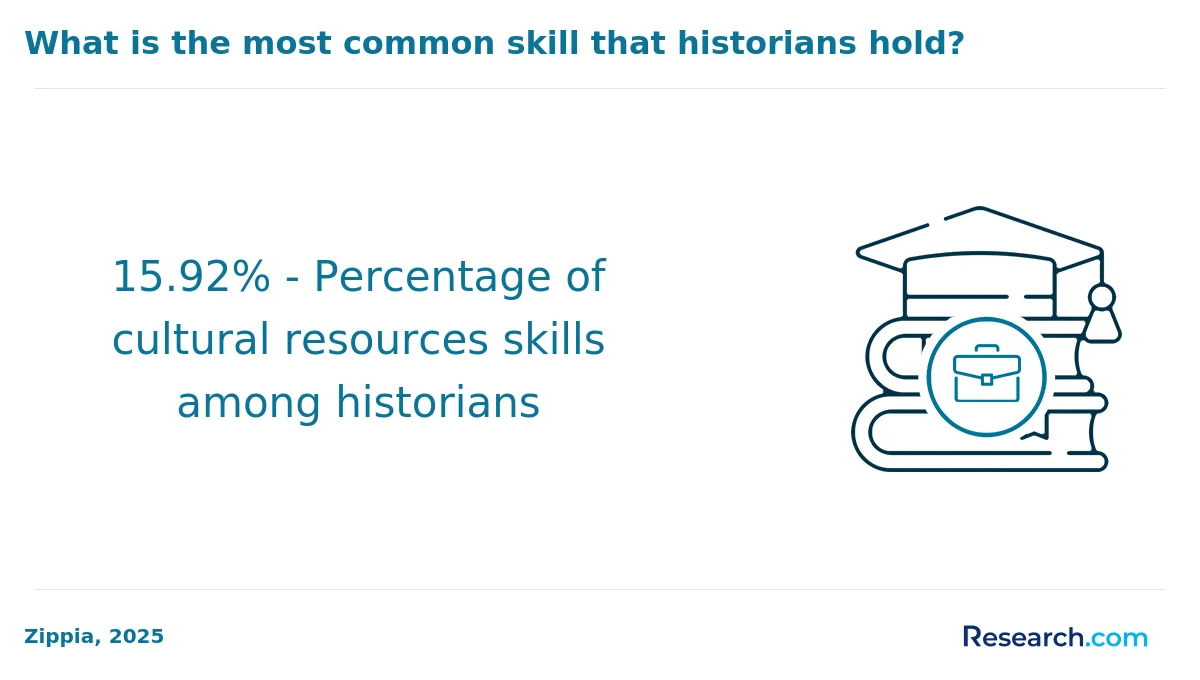
Graduates with an online history degree in Alabama find themselves at the crossroads of countless adventures crafted from the past. Imagine one alum from a popular Alabama university stepping into vibrant classrooms, igniting curiosity as a social studies teacher earning around $52,000 annually, while another immerses deeply into the archives of the Alabama Department of Archives and History, preserving the stories behind Civil Rights landmarks. These real-world scenarios highlight career opportunities with online history degree Alabama students pursue-ranging from museum curation to public history roles managing cultural resources with purpose.
Others embrace the art of narrative, weaving history into journalism or law, capitalizing on sharpened analytical skills honed through their studies. Many graduates who explore these possibilities through universities such as the University of Alabama cherish how their education equips them for meaningful positions in government or nonprofits that thrive on storytelling and community impact.
For those curious about expanding horizons, investing between $10,000 to $20,000 annually for a master's degree online makes this pursuit accessible. Alabama's renowned institutions foster this journey, opening doors without uprooting lives. Dive deeper into the best online history programs to see where your passion for the past might take you next.
Graduates from online history degree programs in Alabama often find themselves weaving their skills into a vibrant tapestry of diverse careers. Imagine a graduate from the University of Alabama at Birmingham sharing how steady demand in public schools and community colleges welcomed them into teaching roles, where their passion for local and national history ignites young minds. Others narrate their thrilling days working in Birmingham's rich museums or Mobile's historical societies, preserving Alabama's vivid past.
The job market for online history degree job outlook Alabama also shines in government positions tied to preservation and cultural resources, where graduates feel a tangible connection to Alabama's civil rights legacy. With many pursuing advanced degrees online to balance work and study, alumni frequently highlight how these programs enhance their capabilities in research and public speaking, essential for both education and cultural organizations.
Indeed, those venturing into careers like archival research often complement their academic prowess by exploring related fields; some even consult resources like art history job listings for inspiration, tapping into creative niches where history and culture beautifully collide.
2027 Best Online Master's in History Degree Programs Ranking in Alabama
Investing in your education is a significant decision that can shape your future, and the Research.com team understands the importance of making informed choices. To assist prospective students in Alabama, we have meticulously crafted the "2027 Best Online Master's in History Degree Programs Ranking in Alabama." Our commitment to quality, credibility, and accuracy is reflected in the extensive research and analysis conducted to compile this ranking.
We utilized the following reputable data sources to ensure a comprehensive evaluation of history degree programs:
By exploring this ranking, readers will gain valuable insights into the best online master's history programs available in Alabama, helping them make well-informed decisions about their educational paths. For more details on our methodology, please visit our Research.com methodology page.


Frequently Asked Questions About history
Students pursuing an online history degree in Alabama can maximize their learning by actively engaging with diverse digital resources. Many Alabama universities provide access to extensive online archives, including the Alabama Department of Archives and History, which offers valuable primary sources for research.
Participating in virtual study groups and discussion forums enhances understanding by facilitating peer interaction and debate. Time management is crucial; setting a consistent study schedule helps balance coursework with personal and professional commitments.
Leveraging Alabama's rich historical context, such as the Civil Rights Movement and Southern heritage, students can connect course content with real-world history, enriching their academic experience.
Consulting university academic advisors ensures alignment with career goals, and seeking internships or volunteer opportunities related to Alabama history can provide practical experience.
Emerging niches within the history field increasingly focus on digital humanities, public history, and environmental history. Digital humanities combine traditional historical research with technology, such as data visualization and GIS mapping, which is growing in popularity at Alabama universities like the University of Alabama.
Public history, involving museum work, archives, and community engagement, offers opportunities aligned with Alabama's rich cultural heritage, from civil rights to Native American studies. The Alabama Historical Association highlights increased demand for trained professionals in this area.
Environmental history examines human interaction with nature and is gaining traction as climate issues rise in importance nationally and locally.
Graduates with an online history degree in Alabama can enhance their job prospects by gaining practical experience during their studies. Internships or volunteer positions at local museums, archives, or historical societies provide valuable skills and networking opportunities. According to the Alabama Department of Labor, the state has a growing cultural heritage sector, with employment in related fields expected to rise by 6% through 2030.
Students should also develop strong research, writing, and digital literacy skills, as these are highly valued in education, public history, and government roles. Joining professional organizations, like the Alabama Historical Association, can further support career growth.
Employers in Alabama value history degree graduates who demonstrate strong research and critical thinking skills. These abilities are essential for analyzing historical documents and interpreting complex information accurately. Effective written and verbal communication is also highly sought after, as history professionals often present findings to diverse audiences.
Additionally, proficiency in digital tools and archival technologies is increasingly important due to the rise of online databases in historical research. According to the Alabama Department of Labor, jobs for historians in Alabama emphasize analytical skills and attention to detail. Familiarity with public history and community engagement is a plus, reflecting the state's rich cultural heritage and growing museum industry.
Finding internships in Alabama relevant to a history degree involves exploring opportunities at local museums, archives, and historical societies. Institutions like the Alabama Department of Archives and History offer internships that provide practical experience in research and preservation. Universities such as the University of Alabama and Auburn University often post internship listings related to history on their career services pages.
Students should also consider contacting city museums, libraries, and national parks in Alabama, as these sites frequently seek interns interested in history. Networking through professional organizations like the Alabama Historical Association can be valuable.
Many internships are competitive, so maintaining a strong academic record and demonstrating interest in local Alabama history can improve chances. According to the National Association of Colleges and Employers, 60% of internships are paid, providing financial support during the experience.
Obtaining an online history degree in Alabama can significantly enhance career mobility and advancement. Graduates gain critical thinking and research skills valued in various sectors including education, public history, and government roles. According to the Alabama Department of Labor, occupations requiring historical knowledge grow steadily, especially in cultural resource management and archival sciences.
Online degrees allow professionals to study flexibly while working, making it easier to qualify for promotions. Alabama's increasing focus on preserving historical sites also creates new opportunities that favor candidates with advanced history credentials. The National Association of Colleges and Employers highlights that advanced degrees correlate with higher earning potential, a key factor for career growth in the state.
Studying for a history degree online in Alabama equips students with critical thinking and research skills applicable across multiple disciplines. Alabama's higher education institutions emphasize interdisciplinary learning, integrating history with fields like political science, sociology, and cultural studies. This approach prepares graduates for diverse careers beyond traditional history roles, including public policy, education, and archival management.
The University of Alabama and Auburn University offer courses that foster analytical abilities and contextual understanding, essential in interdisciplinary roles. According to the Alabama Commission on Higher Education, history majors show strong employment versatility due to their deep analytical skills and cultural awareness.
Choosing between a thesis and a non-thesis online history degree in Alabama largely depends on your academic and career goals. Thesis programs require original research and a substantial written project, ideal for students aiming for doctoral studies or careers in research and academia.
Non-thesis options often emphasize coursework and comprehensive exams, favoring those who want to enter education, public history, or related fields more quickly. According to the Alabama Commission on Higher Education, about 60% of state history master's graduates pursue non-thesis tracks, reflecting local job market demands.
Cost, time investment, and faculty mentorship availability should also influence your choice.
Students based in Alabama seeking to study history abroad through online degrees have a variety of options. Many Alabama universities with strong history programs, such as the University of Alabama and Auburn University, offer partnerships or exchange programs with international institutions, enabling students to access global perspectives while studying online at home. Additionally, accredited U.S. institutions often incorporate international history coursework and virtual study abroad experiences, allowing students to engage with foreign archives and professors remotely.
Though direct physical study abroad may be limited for some, digital resources from international libraries and museums are increasingly integrated into online curricula. According to the Alabama Commission on Higher Education, expanding virtual exchange programs is a growing trend, broadening access to global history education without leaving Alabama.
Part-time job opportunities in Alabama that complement a history degree often involve roles that develop research, writing, and critical analysis skills. Museums such as the Birmingham Civil Rights Institute or the Alabama Department of Archives and History frequently hire part-time assistants or tour guides. These roles provide direct experience working with historical materials and public education.
Additionally, local libraries and cultural heritage organizations may offer positions in archival support or event coordination, which align closely with history studies.
According to the Alabama State Council on the Arts, cultural jobs in the state grew by 5% from 2018 to 2023, indicating increasing opportunities in related fields. Students may also find opportunities in historic site preservation or educational nonprofits.
Online history students in Alabama have access to various networking opportunities that can enhance their academic and professional growth. Many Alabama universities offering online history degrees encourage students to join local chapters of national organizations such as the American Historical Association and the Alabama Historical Association. These groups hold events, webinars, and conferences, providing chances to connect with historians and scholars.
Additionally, students can participate in virtual workshops hosted by the Alabama Department of Archives and History, which offers resources focused on state history and preservation. Internship programs and partnerships with museums across Alabama also allow online learners to gain valuable field experience and build professional contacts.
According to the National Center for Education Statistics, about 35% of Alabama's history graduates find internship or employment placement through university-connected networks. This highlights the importance of these institutional resources for online students seeking to enter history-related careers.
Alumni networks provide valuable support for online history degree students in Alabama by offering professional connections and career guidance. Graduates from Alabama's universities often remain active in these networks, assisting current students with job leads in museums, archives, and education sectors.
According to the Alabama Commission on Higher Education, networking increases graduate employment rates by up to 20%, which is significant for history students seeking roles in competitive cultural fields. These connections can also facilitate internships and research opportunities, offering practical experience outside the classroom.
Moreover, alumni networks foster mentorship, helping students navigate the unique challenges of remote learning and career planning. Such community support enhances both academic success and post-graduate outcomes for online learners in the state.
Customizing an online history degree program in Alabama allows students to align their studies with specific career goals. Many Alabama universities offer electives and concentrations in fields such as public history, education, or archival management. These options help tailor the curriculum to roles in museums, teaching, or research.
Students can also pursue internships or independent research projects, enhancing practical skills. According to the Alabama Commission on Higher Education, incorporating hands-on experiences is linked to higher employment rates for history graduates.
Additionally, selecting courses on Alabama's regional history or the American South can provide valuable expertise sought by local employers and cultural institutions.
Online history students in Alabama often face challenges related to limited access to local archives and primary sources, which are crucial for deep historical research. While many universities provide digital resources, some materials remain accessible only in physical form, requiring travel or special arrangements.
Another common difficulty is balancing academic demands with work or family obligations. According to the National Center for Education Statistics, about 60% of Alabama's online learners juggle education alongside significant personal responsibilities.
Additionally, students sometimes struggle with developing advanced research skills independently, especially when direct faculty interaction is limited in online settings. Technical issues and varying quality of online course design also impact the learning experience for some.
With an online history degree, Alabama students can pursue several professional certifications that enhance their career prospects. One common path is obtaining teaching certification in history for K-12 education. Alabama requires candidates to complete a state-approved educator preparation program and pass the Praxis exams. This certification allows graduates to teach history in public schools across the state.
For those interested in archival work, becoming a Certified Archivist through the Academy of Certified Archivists is a valuable credential. This requires a history-related degree and relevant professional experience. Archival work is growing in Alabama's museums and libraries, including institutions like the Alabama Department of Archives and History.
Other certifications include Museum Studies credentials or Historic Preservation certifications, which support careers in Alabama's rich historical sites and cultural institutions. These often require specialized training beyond the history degree. The National Council for Preservation Education reports increasing opportunities in the Southeast region.
To write a winning application for an online history program in Alabama, start by highlighting your passion for history and specific interests relevant to Alabama's rich historical context, such as civil rights or Southern culture. Demonstrating knowledge of local history can strengthen your application.
Include a clear statement of purpose outlining your academic goals and how the program aligns with your career plans. Many Alabama universities value applicants who show a commitment to research and critical thinking skills.
Submit strong letters of recommendation from educators familiar with your abilities in history or related fields. Lastly, ensure your transcripts reflect solid academic performance. According to the Alabama Commission on Higher Education, competitive programs often require a minimum GPA of 3.0.
Careers in history offer valuable global perspectives by fostering cultural awareness and critical thinking, skills highly sought in diverse fields like education, research, and public policy. In the US, including Alabama, history graduates often engage with international topics, preparing them for work with global organizations or expanding their understanding of worldwide historical contexts.
According to the Bureau of Labor Statistics, employment for historians is projected to grow about 6% from 2022 to 2032. While Alabama's history programs focus on state and regional history, many online master's degrees provide a global curriculum, enhancing career flexibility.
Graduates with history degrees may work in museums, archives, education, or government, where global awareness is a strong asset. Institutions like the University of Alabama and Auburn University offer online options emphasizing both local and international history.
Gaining practical experience while studying for an online history degree in Alabama is essential for career readiness. Students can pursue internships with local museums, archives, or historical societies such as the Alabama Historical Association. These opportunities offer hands-on experience in research, preservation, and public history.
Many universities encourage participation in virtual internships, especially helpful for online learners. Additionally, students can engage in volunteer work at state parks or cultural centers, allowing them to apply historical knowledge in community education.
Research projects with faculty or independent studies focusing on Alabama's rich history can further enhance practical skills.
Choosing the right concentration within an online history degree in Alabama involves assessing your interests and career goals. Many Alabama programs offer concentrations in American history, public history, or education, reflecting the state's rich Civil Rights and Southern heritage. According to the Alabama Commission on Higher Education, programs often emphasize regional history, which can benefit students planning to work locally.
Consider how each concentration aligns with job opportunities. For example, public history can lead to roles in museums or archives, sectors growing steadily nationwide. Research faculty expertise and curriculum focus to ensure the program matches your academic and professional aspirations.
Online learning flexibility allows balancing study with work or family, but verify the concentration's coursework suits a virtual format. Lastly, check accreditation status and support services to ensure quality education and career assistance.
- 4 Steps to Find History Research Opportunities as an Undergraduate https://www.coltie.com/post/4-steps-to-find-history-research-opportunities-as-an-undergraduate
- 2023 Most Popular Online History Bachelor's Degree Schools in Alabama - Course Advisor https://courseadvisor.com/majors/history/rankings/most-popular-online/bachelors-degrees/southeast/alabama/
- History Education (Concentration) https://www.lawsonstate.edu/learn_at_lawson/programs_and_divisions/college_transfer_programs/history_education.aspx
- The Impact of History Degrees: Opportunities and Trends Among History Degree Jobs https://www.ucumberlands.edu/blog/the-impact-of-history-degrees
- Master's History Application - Sample Letter (EN) https://ai.mystudies.com/blog/mystudies-writing-examples/application-for-master-program-history-20-06-2025.html
- The Challenges of Studying History in School | Education Research Project Topics and Materials https://educationtopics.com.ng/the-challenges-of-studying-history-in-school/60853/history-education/
- Alabama State University Global Campus https://www.alasu.edu/websites/asu-global-campus.php
- What Can You Do With a History Degree? https://willamette.edu/academics/college/history/career-options
- After the Degree: Finding work with a History degree https://www.graduate-jobs.com/news/13219/After_the_Degree__Finding_work_with_a_History_degree
- Join the Alumni Network - National History Day https://nhd.org/en/get-involved/join-the-alumni-network/