2027 Easiest Online History Degree Programs Ranking in Missouri

Co-Founder and Chief Data Scientist
Choosing the right online history degree program in Missouri can feel overwhelming. That's why the Research.com team of data scientists created the 2027 Easiest Online History Degree Programs Ranking in Missouri to help you find options that match your goals and lifestyle.
This article breaks down the simplest and most accessible programs, making your decision easier and more confident. Earning a history degree opens doors to exciting careers and personal growth. Dive in to discover which programs could be your perfect fit and take the next step toward a rewarding future.
Key benefits of getting online history degree in Missouri
- History degree graduates in Missouri can pursue careers such as archivists or museum technicians, with median annual wages around $56,000 to $60,000 nationwide, reflecting solid earning potential in meaningful roles.
- Graduates from Missouri State University often find diverse career paths in education, public history, and research, offering opportunities to make a positive impact in communities and preserve important stories.
- Completing a history degree online through institutions like the University of Missouri allows flexible scheduling and the ability to balance work or family commitments, making education accessible without sacrificing quality.
- 2027 Easiest Online History Degree Programs Ranking in Missouri
- What can I expect from online history degree in Missouri?
- Where can I work with online history degree in Missouri?
What can I expect from online history degree in Missouri?
On average, pursuing an online history degree in Missouri costs around $10,000 per year for in-state students attending public universities such as Missouri State University or University of Missouri System campuses. Graduates often recall managing this cost effectively by taking advantage of reduced online fees and scholarships tailored to history majors. For example, one graduate balanced work and studies while benefiting from no extra campus charges, making their degree affordable and accessible.
Private institutions may charge higher tuition, but many online history students find that financial aid and scholarships help ease the burden, allowing them to focus on courses about American, European, and world history without excessive financial stress. Expect to complete between 120 and 130 credit hours, combining core history classes, electives, and general education.
With costs kept reasonable at regional universities and solid financial support options, students passionate about historical research and cultural resource management can confidently plan for a degree that offers flexibility and value in Missouri's online learning landscape.
Where can I work with online history degree in Missouri?
Graduates with an online history degree in Missouri often find rewarding careers in education. Many start as teachers or curriculum developers in public and private schools, especially when paired with licensure from Missouri's Department of Elementary and Secondary Education. Those from institutions like the University of Missouri or Missouri State University appreciate how their online programs prepare them for certification and real classroom challenges.
Museum work is another popular path. Graduates often secure roles as archivists or curators at places like the Missouri History Museum in St. Louis. These jobs make good use of research and preservation skills gained through their coursework, offering a hands-on way to share history with the community.
Government roles are accessible too. Graduates work in local or state agencies on historical preservation projects or policy analysis, where their knowledge directly influences cultural heritage management.
Nonprofits and businesses also hire history grads for grant writing and community outreach, especially when understanding Missouri's heritage matters. Many alumni feel proud contributing to such meaningful work after attending programs at well-known Missouri colleges.
Further studies in library science or archival management enhance career options, matching the rising demand for digital information specialists across the state's libraries.
Graduates with an online history degree in Missouri typically see diverse earning opportunities depending on their career choice. For example, many find rewarding roles in education, where history teachers at the high school level earn between $45,000 and $58,000 annually. This range reflects variations in experience and school district funding across the state. Those who studied at universities like the University of Missouri or Missouri State University often enter teaching with solid credentials and competitive salaries.
Others pursue work in museums, archives, or historical societies. Entry-level museum roles in Missouri usually start around $40,000, with mid-career professionals earning closer to $65,000. Veterans of institutions such as the Missouri Historical Society often report satisfaction from combining their passion for history with stable pay.
Graduates engaged in government or consultancy can leverage advanced degrees to push earnings beyond $75,000. Studying online through reputable programs in Missouri allows flexibility while preparing for these opportunities. Many alumni express pride in contributing to state heritage through education or research while enjoying steady income growth.
- Attending a public university in Missouri for an online undergraduate history degree costs about $9,500 per year for in-state students, with private schools generally charging more.
- Several public universities in Missouri offer accredited online history degree programs with flexible part-time or full-time options.
- Entry-level history graduates in Missouri earn an average salary between $40,000 and $45,000 annually, increasing to $55,000-$65,000 with experience.
- Job opportunities for history graduates include education, government agencies, museums, and cultural institutions, with roles like archivists and curators being common.
- Online history programs in Missouri are designed to meet state standards and often provide transfer options and career counseling for distance learners.
Completing an online history degree in Missouri usually takes between two and four years, depending on your pace and prior credits. Full-time students at schools like the University of Missouri or Missouri State University often finish in about four years, aligning with traditional timelines. However, many online learners juggle work and family, so part-time study is common and can extend completion to around six years, as some graduates report.
If you've earned college credits from AP courses or community colleges, you can significantly speed up your path. Many Missouri public universities accept transfer credits, allowing students to finish in two to three years instead of four. These flexible programs often accommodate working professionals, so you can balance studies without overwhelming your schedule.
Graduate history programs usually take about two years full-time but offer options for slower pacing. Students appreciate this adaptability, sharing that it lets them stay motivated without sacrificing their job or personal life. Missouri's online programs are crafted with this balance in mind, helping you progress steadily toward your degree.
Choosing between an online or on-campus history degree in Missouri comes down to how you prefer to learn and balance your life. Online programs, like those offered by popular Missouri universities, allow you to study from home or anywhere, making them ideal if you juggle work or family. Many graduates appreciate the flexibility of accessing lectures and readings whenever their schedule permits, which is especially helpful if you're not close to a campus.
On-campus study, such as at Missouri State University or the University of Missouri, means regular face-to-face classes and lively discussions. Graduates often mention the energy of in-person seminars and the chance to visit local archives and museums firsthand, enriching their understanding of Missouri's rich history.
Both paths cover essential topics like American and European history, but online students rely more on digital materials and forums, while on-campus students benefit from immediate feedback and group projects. Cost-wise, tuition rates may be similar, but online learners save on housing and travel, though some programs may add technology fees. Think about your daily routine and how much direct interaction you want before deciding.
Understanding the average cost of an online history degree in Missouri helps you plan your education with confidence. On average, in-state students pay a total of about $14,781 for their degree, while out-of-state students can expect costs closer to $29,484. This reflects the significant savings available by attending public universities such as the University of Missouri system, which many graduates have found both affordable and high quality. One student shared how managing tuition payments alongside work became feasible thanks to these in-state rates.
Private institutions in Missouri typically have higher tuition, pushing the total cost closer to the median of $41,596. However, many offer financial aid packages that make these online history degrees more accessible. Graduates from these schools often highlight flexible payment plans and scholarships as game-changers in their academic journey.
When budgeting, it's wise to include additional costs like textbooks, technology fees, and occasional travel for exams or campus visits, which combined usually add up to around $1,000 annually. Prospective students interested in exploring what kind of history degrees are there will find that Missouri's affordable online history degree programs Missouri offer strong value by balancing price and reputation.
If you're pursuing an online history degree in Missouri, start by completing the FAFSA. This opens the door to federal aid like Pell Grants, which can cover up to $7,395 without repayment, and low-interest federal loans. Many history students at the University of Missouri found these federal loans essential to spreading out costs responsibly while studying remotely.
Missouri residents should also explore state-specific aid. Programs like the Access Missouri Financial Assistance Program boost federal aid based on financial need, helping students from places like Missouri State University reduce their tuition burden. The Missouri A+ Scholarship is another valuable option if you graduated from a qualifying high school, reimbursing tuition at participating community colleges and some universities offering online history courses.
Don't overlook private scholarships tailored for history majors. Regional historical societies and the American Historical Association often award funds that former online students at St. Louis University appreciated for easing out-of-pocket expenses. Finally, reach out directly to your school's financial aid office-many offer exclusive scholarships and payment plans that make earning your history degree online more manageable.
To enroll in an online history degree program in Missouri, you'll need a high school diploma or GED as your first step. Most programs at Missouri State University or the University of Missouri expect this foundational credential along with transcripts showing at least a 2.5 GPA. Imagine a recent graduate who successfully navigated this by gathering their transcripts early and ensuring their grades met the criteria before applying.
Additionally, many schools require proof of skills in English and math, often through placement tests or previous coursework. This helps you confidently manage the reading and analytical work involved in history courses. Some programs may still ask for SAT or ACT scores, but many institutions in Missouri are shifting toward test-optional policies to ease the admission process.
For graduate-level history degrees, like a Master's at Webster University, having a relevant bachelor's degree with about a 3.0 GPA is standard. Applicants often prepare recommendation letters and writing samples, which give you a chance to showcase your passion for historical research-a step many successful students find rewarding and motivating.
Lastly, reliable internet and technology setup are must-haves to fully participate in online classes, submit assignments on time, and engage with classmates and professors virtually, just as alumni from popular Missouri colleges have experienced firsthand.
Online history degree programs in Missouri commonly include courses that build a strong foundation in understanding historical events and critical analysis. Graduates from schools like Missouri State University or University of Missouri often mention how classes such as United States History help them connect with key moments from colonial times to today, making the past feel tangible and relevant.
World History courses open doors to global perspectives, which many students say broaden their appreciation for different cultures and international influences on American history. Historical Research Methods is another essential class, where students learn hands-on skills to evaluate sources effectively - a crucial ability for crafting well-supported essays or projects.
Missouri-focused Regional History courses allow students to explore the state's unique role in significant events like the Civil War or westward expansion, making their education feel personalized and connected to home. Electives in areas like Ancient Civilizations or American Civil Rights give students flexibility to dive deeper into topics that spark their passion.
Graduates often describe the challenge and reward of mastering historiography, helping them understand how history is interpreted differently over time - a skill that feels empowering when writing papers or preparing for careers in education or public history.
Online history degree specializations Missouri programs frequently include options like American History, World History, Public History, Military History, and Social and Cultural History. Graduates from popular universities such as those in the University of Missouri system often find focusing on American History rewarding, especially when exploring Missouri's pivotal Civil War and westward expansion roles. These real-world connections make past events feel tangible and relevant.
Students interested in a broader perspective might choose World History, which helps develop understanding of international conflicts and cross-cultural interactions-skills valuable in diplomacy or global education careers. Missouri State University's online offerings attract learners who appreciate Public History, where graduates apply their knowledge in local museums or archives, enjoying the satisfaction of preserving and sharing community stories.
Choosing the right concentration also impacts practical outcomes, including tuition and resources. For those curious about what careers can you get with a history degree, this resource offers clear guidance linked to these specializations.
Start by verifying accreditation. Many graduates who valued their degree from Missouri universities emphasize how institutional accreditation from recognized agencies ensured their credits transferred smoothly and employers respected their credentials. You'll find this critical when evaluating the best online history degree programs Missouri offers.
Next, examine the curriculum closely. Look for courses that balance U.S. history, Missouri-specific content, and practical research skills. Graduates from well-rounded programs recall how specialized topics like Missouri history made their studies more relevant and engaging.
Cost is often a decisive factor. Affordable online history degrees in Missouri can ease financial stress. Some public universities offer in-state tuition around $10,000 annually, while private institutions may be higher. Alumni often recommend checking for scholarships or lower online rates before committing.
Flexibility matters if you juggle work or family. Graduates appreciate programs allowing part-time enrollment or accelerated paths to accommodate busy schedules. Also, consider programs with strong faculty expertise and student support to enhance your learning experience.
Finally, investigate career outcomes and support services. This influences how well your degree prepares you for future roles. For ideas on career paths, see what jobs can i get with a masters in history.
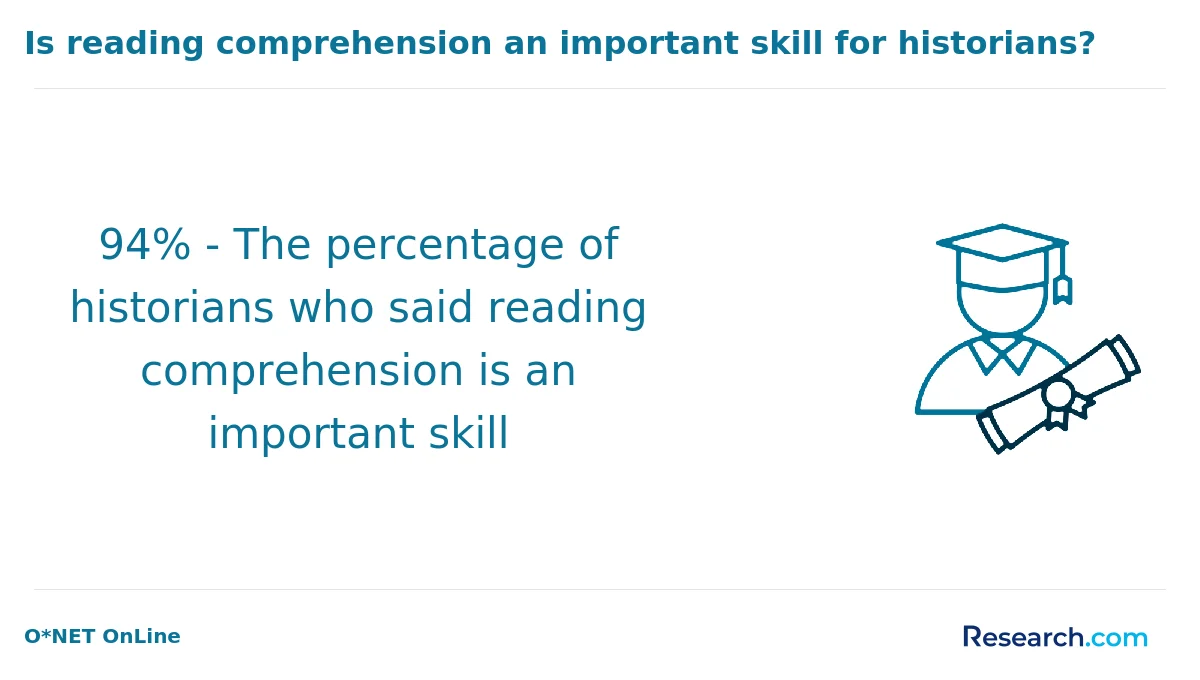
Graduates with an online history degree in Missouri often find diverse career options that match their skills and interests. Many begin by pursuing teaching jobs in local schools or community colleges, responding to steady demand from the Missouri Department of Elementary and Secondary Education for qualified social studies teachers. Graduates from popular institutions like the University of Missouri gain practical classroom experience that builds confidence and job readiness.
Others explore roles in museums or archives, where they curate exhibitions or manage collections at places such as the Missouri History Museum. These careers appeal to graduates who enjoy hands-on history and public engagement. With history's emphasis on research and analysis, some alumni secure government jobs focused on cultural resource management or policy research within state agencies.
In addition to public service, many find fulfilling opportunities in business sectors like marketing and communications, leveraging their critical thinking and writing skills. Those aiming to deepen expertise often use their degree as a springboard to graduate studies. To find affordable options aligned with your goals, explore the cheapest online history programs and make a plan that fits your budget.
The job market for an online history degree in Missouri offers steady opportunities, especially for those targeting education and cultural institutions. Graduates from popular schools in Missouri, such as the University of Missouri and Missouri State University, often find roles in public school systems where demand for history educators remains strong. Many report satisfaction working in settings like the Missouri Historical Society, where their skills in research and digital archiving come into play daily. This specific focus on teaching and museum work reflects the localized nature of the Missouri history degree career opportunities.
Students pursuing an online history degree benefit from practical experiences, including internships with local heritage organizations, which translate into competitive advantages when job hunting. Salaries align with national averages near $63,000 annually, but entry-level roles can pay less, encouraging new graduates to build their credentials actively. For those interested in advancing their education or enhancing career prospects, exploring online masters in history programs can provide a valuable next step.
2027 Easiest Online History Degree Programs Ranking in Missouri
Investing in your education is a significant decision that can shape your future, and the Research.com team understands the importance of making informed choices. To assist prospective students, we have meticulously crafted the "2027 Easiest Online History Degree Programs Ranking in Missouri." Our commitment to quality, credibility, and accuracy is reflected in the extensive research and analysis conducted to compile this ranking.
We utilized the following reputable data sources to ensure a comprehensive evaluation of history degree programs:
By exploring this ranking, readers will gain valuable insights into the most accessible online history degree programs in Missouri, allowing for well-informed educational decisions. For more details on our methodology, please visit our Research.com methodology page.



Frequently Asked Questions About history
Online history degree students in Missouri can maximize their learning experience by engaging actively with course materials and participating in virtual discussions. Research from the Missouri Department of Higher Education shows that interaction with professors and peers improves retention and critical thinking skills. Supplementing coursework with visits to local historical sites, like the Missouri State Museum or Harry S. Truman Library, deepens understanding through real-world context. Utilizing digital archives and databases, such as the Missouri Digital Heritage Initiative, offers access to valuable primary sources. Additionally, setting a consistent study schedule and taking advantage of academic advising services helps maintain focus and academic progress.
The field of history is expanding into several emerging niches that appeal to students pursuing online history degrees in Missouri. One significant area is public history, which includes museum work, archiving, and cultural resource management. Missouri's rich past offers many opportunities in this niche, supported by institutions like the Missouri Historical Society.
Another growing niche is digital history, focusing on using technology to analyze and present historical data. Many Missouri universities incorporate digital tools in their curricula, reflecting national trends identified by the American Historical Association.
Environmental history and the history of science are also gaining attention, reflecting broader societal concerns. These niches align well with Missouri's connections to both agriculture and industry, offering specialized research and career options.
After completing an online history degree in Missouri, preparing for the job market involves several key steps. First, gaining practical experience through internships at local museums, historical societies, or archives can enhance your resume and professional network.
Next, consider obtaining certifications related to archival management or public history to increase employability. According to the Missouri Department of Economic Development, jobs for historians and archivists are expected to grow mildly, making specialized skills valuable.
Networking through Missouri-based organizations like the Missouri Historical Society also provides job leads and mentorship opportunities.
Finally, developing transferable skills such as research, writing, and data analysis will increase your options across education, cultural institutions, and government roles.
Employers in Missouri highly value skills that history degree graduates bring to the workplace. Critical thinking and analytical abilities top the list, enabling graduates to interpret complex historical data and apply it to modern problems. Strong research skills are essential, as they allow graduates to gather, assess, and synthesize diverse sources accurately.
Effective communication, both written and verbal, is also crucial. Many Missouri employers seek graduates who can clearly present findings and craft well-structured arguments. Additionally, attention to detail supports accuracy in historical documentation and data management.
The Missouri Department of Higher Education notes that these competencies align with increasing demand in education, public history, and archival work across the state.
Finding internships in Missouri related to a history degree involves targeting museums, historical societies, and archives. The Missouri State Archives and St. Louis History Museum offer regular internship openings for history students interested in research and preservation. Universities like the University of Missouri and Missouri State University often publish internship opportunities through their career centers, which can include partnerships with local organizations.
Students should also explore the Missouri Historical Society, which provides internships that emphasize public history and curation. Networking through Missouri's academic institutions can increase access to government and nonprofit internships relevant to history majors.
Obtaining an online history degree in Missouri can significantly enhance career mobility and advancement opportunities. Many employers in education, government, and cultural institutions value the critical thinking and research skills that history graduates bring. According to the Missouri Economic Research and Information Center, sectors like education and public administration show steady employment growth, benefiting degree holders.
Online programs provide flexibility, enabling students to balance work and study, which often results in career progression without interruption. Graduates can pursue roles such as museum curators, archivists, or educators, where advanced degrees improve promotion prospects. Additionally, Missouri's online degrees meet regional accreditation standards, ensuring the qualifications are respected statewide and beyond.
Studying for a history degree in Missouri offers a strong foundation for interdisciplinary roles by emphasizing critical thinking, research skills, and cultural awareness. Missouri universities often integrate history with fields like political science, sociology, and education, preparing students to adapt in diverse professional settings.
According to Missouri Department of Higher Education, students in history programs gain experience analyzing complex social systems, which is valuable in public policy, museum curation, and archival work.
By engaging with primary sources and multidisciplinary coursework, graduates develop versatile skills that employers increasingly seek across industries.
This versatility makes Missouri history degrees particularly relevant for careers bridging humanities and applied social sciences.
When choosing between a thesis and a non-thesis online history degree program in Missouri, consider your career goals and learning preferences. Thesis programs emphasize original research and writing, which benefits students aiming for doctoral studies or academic careers. Non-thesis programs focus more on coursework and practical knowledge, suited for professionals seeking advancement in teaching, archiving, or public history roles.
Many Missouri universities, like the University of Missouri system, offer both options, reflecting national trends where about 60% of master's students select non-thesis paths for flexibility and speed (NCES, 2023). Cost, time commitment, and faculty availability also influence this decision.
Students in Missouri interested in studying history abroad through online programs have several pathways to consider. Many Missouri colleges offer partnerships with international universities, allowing students to participate in virtual exchanges or study abroad hybrid options. For example, the University of Missouri system includes agreements with European and Asian institutions that enhance history curricula with global perspectives.
Additionally, some online history degree programs incorporate international history components, which help students understand world history without physically traveling. According to Missouri Department of Higher Education, nearly 15% of Missouri students enrolled in history courses engage in study abroad or related programs annually, showing growing interest in global experiences.
Because of these options, students can blend Missouri-based online learning with international exposure, enriching their academic and professional development in history.
Students pursuing an online history degree in Missouri can benefit from numerous part-time job opportunities that closely align with their studies. Working as a library assistant or archive technician allows hands-on experience with historical documents and research methods. Missouri's many museums and historical societies, such as the Missouri Historical Society in St. Louis, often seek part-time tour guides or educators to help convey local history to visitors.
Other options include positions with local government agencies or non-profits focusing on cultural preservation. These roles develop skills in research, communication, and public education, valuable for future historians or educators.
According to the U.S. Bureau of Labor Statistics, Missouri projects steady growth in jobs related to archivists and museum technicians through 2030, indicating a supportive environment for history graduates seeking part-time work.
Online history students in Missouri benefit from several networking opportunities despite the distance-learning format. Many universities, including the University of Missouri and Missouri State University, offer virtual events such as guest lectures and alumni forums that connect students with faculty and professionals.
Additionally, statewide organizations like the Missouri Historical Society provide memberships and online access to seminars and conferences, facilitating connections with historians and researchers.
Online students can also join national groups such as the American Historical Association, which frequently hosts virtual networking sessions relevant to Missouri history scholars.
These options help students build valuable professional relationships and gain insights into regional history careers.
Alumni networks offer valuable support to students pursuing online history degrees in Missouri. These networks connect current students with graduates who have experience in Missouri's academic and cultural history landscape. Access to alumni can provide mentorship, career advice, and job leads, which are especially helpful in a competitive job market.
Many Missouri universities with history programs, such as the University of Missouri system, maintain active alumni associations. According to the Missouri Higher Education Consortium, over 60% of alumni engage in networking activities that help new graduates find opportunities in education, museums, and public history.
Such networks also facilitate professional development through webinars and local events. This engagement can enhance a student's understanding of Missouri's unique historical context while building a professional reputation within the state's history community.
Customizing an online history degree program in Missouri often involves selecting electives and concentrations that align with your career goals. Many Missouri universities offer specialized courses in areas like American history, public history, or archival studies. This flexibility helps tailor your education to jobs in education, museums, or government.
Students can also engage in internships or research projects remotely, which enhances practical skills. According to the Missouri Department of Higher Education & Workforce Development, integrating real-world experience boosts employability in history-related fields. Additionally, certain programs allow combining history with fields like political science or education for broader career options.
Online history students in Missouri often face challenges related to balancing coursework with personal and professional responsibilities. Many students juggle jobs and family duties, which can limit the time available for in-depth study and research. According to data from the Missouri Department of Higher Education, over 40% of online learners are part-time students, emphasizing this time management issue.
Another common challenge is accessing primary historical resources. While digital archives have expanded, some Missouri-specific materials remain available only in physical libraries or institutions, requiring students to plan visits or rely on limited reproductions.
Furthermore, students report difficulties with maintaining engagement in asynchronous classes, which can lead to isolation and decreased motivation. Missouri universities often provide support services, but the effectiveness varies among institutions.
With an online history degree in Missouri, graduates can pursue several professional certifications that enhance career opportunities. One popular option is the Certified Archivist credential, offered by the Academy of Certified Archivists, which is valuable for careers in museums, libraries, and government agencies.
Additionally, history graduates interested in teaching can obtain Missouri's teaching certification in social studies for K-12 education. This requires passing the Missouri Content Assessments and completing teacher preparation programs. According to the Missouri Department of Elementary and Secondary Education, the demand for qualified social studies teachers remains steady.
Certification as a Museum Studies professional or Historic Preservationist through organizations like the American Alliance of Museums or the National Trust for Historic Preservation can also be pursued. These certifications open doors in Missouri's rich cultural institutions and conservation projects.
To write a winning application for an online history program in Missouri, start by carefully reviewing each school's admission requirements. Many programs, including those at the University of Missouri system, look for a strong academic record, particularly in humanities and social sciences.
Highlight your passion for history by sharing specific experiences, such as relevant coursework, research projects, or volunteer activities. Missouri's rich historical context, from the Lewis and Clark Expedition to the civil rights movement, can provide meaningful examples to reference.
Strong letters of recommendation from educators familiar with your academic ability add credibility. Also, write a clear, focused personal statement explaining your career goals and why an online history degree suits your needs.
Finally, ensure all materials are submitted on time and proofread carefully; attention to detail reflects your commitment and professionalism.
History careers offer diverse opportunities worldwide, with a strong foundation in research, analysis, and communication skills. In the United States, including Missouri, historians often find roles in education, museums, archives, and government agencies. According to the U.S. Bureau of Labor Statistics, employment of historians is projected to grow 5% from 2021 to 2031, reflecting steady demand.
Missouri's rich historical heritage supports local jobs in preservation and cultural institutions. Online history degrees can prepare students to work internationally by teaching critical thinking and cross-cultural understanding, valued in global education and diplomacy roles.
Such programs also emphasize digital literacy, important in worldwide historical research and public history careers.
Gaining practical experience while studying for an online history degree in Missouri is essential for applying academic knowledge to real-world settings. Many Missouri universities encourage students to seek internships with local museums, historical societies, or archives, such as the Missouri Historical Society in St. Louis. These opportunities provide hands-on work with primary source materials and public history projects.
Students can also participate in virtual internships or research projects through university partnerships, gaining valuable skills in digital archiving and historical analysis. According to the Missouri Department of Higher Education, practical experience enhances employability by 40% among history graduates.
Volunteering for community heritage initiatives or contributing to local historical publications further builds résumés while studying remotely.
When choosing a concentration within an online history degree in Missouri, start by assessing your career goals and personal interests. Popular concentrations often include American history, world history, and Missouri or regional history, reflecting the state's rich historical heritage.
Consider local resources such as the Missouri Historical Society or the State Historical Society of Missouri, which provide valuable research materials and internship opportunities specific to Missouri's history.
Also, examine the curriculum offered online by Missouri universities. Some programs emphasize archival research or public history, which can lead to careers in museums or education.
The U.S. Bureau of Labor Statistics notes that history-related occupations are projected to grow 5% from 2021 to 2031, making specialization a strategic choice for future employment.
- What Can I do With a History Degree? https://theinterngroup.com/our-blog/what-can-i-do-with-a-history-degree
- Drury GO Bachelor of Science in History https://www.drury.edu/go/bachelor-history/
- Study History Abroad | Go Overseas https://www.gooverseas.com/study-abroad/history
- Online Degree vs. Traditional | University of Arkansas Grantham https://www.uagrantham.edu/blog/pros-cons-online-degree-vs-traditional-university/
- History majors should have a more global perspective - The Lamron https://www.thelamron.com/opinion/history-majors-should-have-a-more-global-perspective
- After the Degree: Finding work with a History degree https://www.graduate-jobs.com/news/13219/After_the_Degree__Finding_work_with_a_History_degree
- History - Accelerated B.A./M.A. https://programs.umkc.edu/graduate/school-of-humanities-and-social-sciences/ba-ma-history
- History Programs Abroad: Degrees & Opportunities - AEC https://www.aecoverseas.com/history/
- Top Niche Historical Topics for Deep-Dive High School Projects https://riseglobaleducation.com/blogs/top-niche-historical-topics-for-deep-dive-high-school-projects
- Undergraduate Student Opportunities https://warwick.ac.uk/fac/arts/history/students/studentopportunities/