2027 Easiest Online Master's in History Degree Programs Ranking in the Midwest

Co-Founder and Chief Data Scientist
Are you a prospective student in the Midwest considering an online master's in history? Choosing the right program can feel overwhelming, but our 2027 Easiest Online Master's in History Degree Programs Ranking in the Midwest is here to help.
Created by the Research.com team of data scientists, this ranking highlights accessible and quality programs to make your decision easier.
Discover options that fit your lifestyle and career goals, and unlock the many opportunities a history degree offers for personal and professional growth.
Key benefits of getting online history degree in the Midwest
- History degree graduates in the Midwest often pursue careers in education or research, where salaries typically range from $40,000 to $60,000 annually, reflecting steady and rewarding earning potential.
- Graduates from Midwestern universities commonly explore careers as museum curators, archivists, or history teachers, offering diverse opportunities to engage with history in meaningful ways.
- Completing a history degree online provides flexibility to balance work and study, enabling students in the Midwest to learn at their own pace while gaining valuable skills similar to traditional degrees.
- 2027 Easiest Online Master's in History Degree Programs Ranking in the Midwest
- What can I expect from online history degree in the Midwest?
- Where can I work with online history degree in the Midwest?
What can I expect from online history degree in the Midwest?
The average cost of an online history degree in the Midwest usually ranges between $12,000 and $25,000 for the entire program, depending on the university and residency status. Graduates from well-known institutions like the University of Illinois Springfield or Michigan State University often recall balancing affordability with quality, appreciating how their tuition covered access to rich digital archives and vibrant online discussions.
For many students, investing in a history degree this cost is an adventurous dive into exploring Midwest heritage-from industrial revolutions to civil rights movements-without leaving home. This price point often includes 30 to 36 credit hours, with flexible pacing to suit busy professionals or parents juggling responsibilities.
Graduates share how affordable tuition at schools like Indiana University helped fuel their passion for uncovering local history through virtual research assignments, making scholarly discovery both exciting and accessible. They value the accredited programs that ensure their degree holds weight nationwide while immersing them in the stories that define the Midwest's cultural landscape.
Where can I work with online history degree in the Midwest?
Graduates with an online history degree from Midwest institutions like the University of Illinois or Ohio State University often find themselves stepping into vibrant careers across education and cultural sectors. Imagine teaching social studies in a suburban Chicago high school, where students' curiosity about the past sparks lively classroom debates-many history grads thrive in exactly this role, especially as the demand for skilled teachers grows throughout states like Illinois and Michigan.
Others dive into the world of museums or historical societies in cities such as St. Louis or Minneapolis, curating exhibits or leading public programs that bring history to life for visitors. Working behind the scenes, they manage archives or craft educational experiences, fueled by passion and a master's-level understanding gained through online programs focusing on public history.
Then there are those who join government agencies preserving the rich Native American and industrial heritage of the Midwest, collaborating on digitization projects or community outreach. These roles blend research, grant writing, and history to protect stories often hidden in plain sight.
Graduates holding an online history degree in the Midwest often find themselves embarking on rewarding career adventures with promising earnings that reflect their growing expertise. Early in their journey, many secure roles like research assistants or teaching assistants at institutions such as Indiana University or the University of Wisconsin, where salaries typically range from $40,000 to $50,000. This phase, filled with exciting discoveries and hands-on learning, offers a solid financial foothold.
As explorers in government agencies, museums, or archives, history alumni with master's degrees see their earnings climb to between $50,000 and $70,000. These opportunities, easily found in states like Illinois and Michigan, reward a passion for uncovering and preserving stories with competitive pay that matches the Midwest's balanced cost of living.
For those who delve deeper into academia, working as adjunct professors or lecturers, salaries can range from $50,000 to over $75,000, especially when affiliated with well-known regional universities. Graduates often share how blending their historical knowledge with skills in digital humanities or public history opens new doors and enhances their career trajectory in this vibrant region.
- Online history degrees in the Midwest are offered by many public and private universities, ranging from bachelor's to master's levels with options for working professionals.
- Annual tuition costs for online history programs vary from $10,000 to $20,000 at public universities and can exceed $25,000 at private institutions.
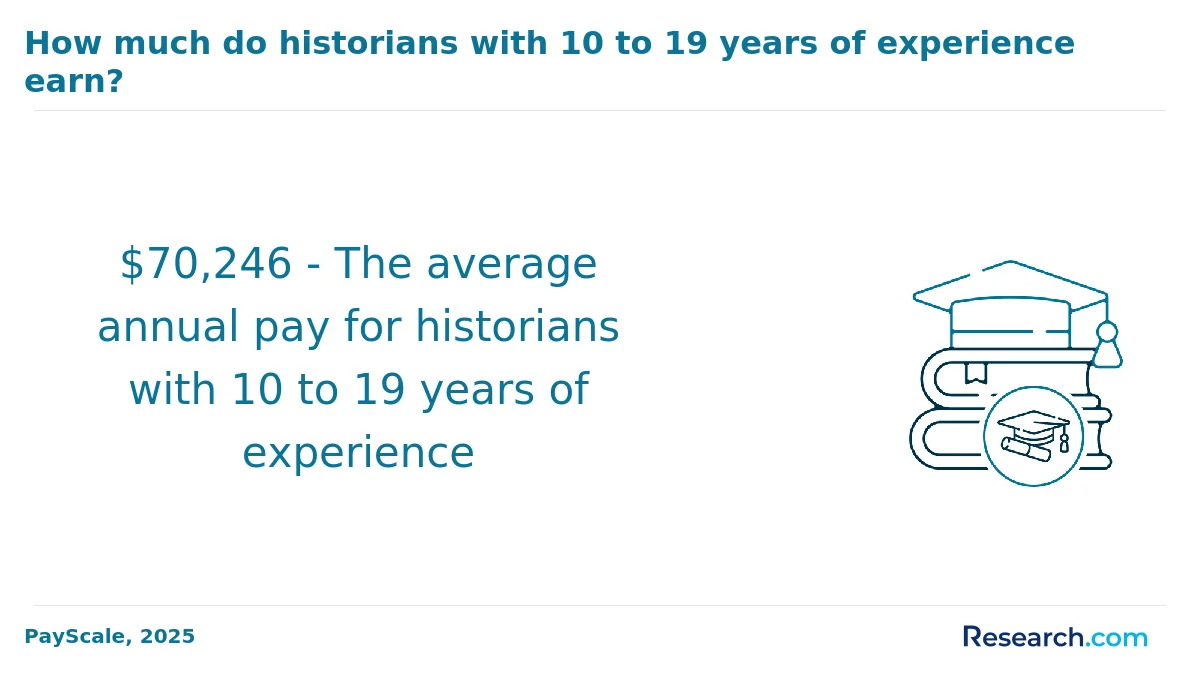
- The average starting salary for history graduates in the Midwest is between $40,000 and $50,000, rising to $60,000-$75,000 with 10 years of experience.
- Jobs are more plentiful in metropolitan areas like Chicago, Minneapolis, and St. Louis, with moderate growth expected in public historian and educational roles.
- Programs focus on critical thinking, research methods, and both regional and global history to prepare students for careers in teaching, libraries, consulting, and nonprofits.
- Students should confirm program accreditation and explore financial aid options such as state grants and scholarships to reduce tuition costs.
Opting for an online history degree in the Midwest means embracing flexibility-imagine attending lectures from a cozy café in Chicago or while traveling through Michigan's scenic routes. These programs let you juggle work, family, and study without the commute to a brick-and-mortar campus.
On the other hand, attending a university like Indiana University in person offers vibrant, hands-on experiences. Graduates often recall flipping through actual archival records in the library, or engaging in lively discussions with professors and peers between classes. The energy of campus life breeds a unique connection to history that digital screens can only partially capture.
Cost-wise, online programs frequently ease financial burdens by cutting commuting and campus fees, though not always with guaranteed tuition discounts. Midwest students have reported that schools such as the University of Wisconsin strike a balance by offering robust digital resources alongside traditional on-campus benefits, making the history journey immersive whichever route you take.
If you're considering an online history degree in the Midwest, expect the average cost to hover around $11,872 total for many programs, making it a surprisingly affordable adventure into the past. Students from well-known Midwestern universities often share that the manageable tuition fees ease the stress of balancing studies with everyday life. For in-state learners, the cost typically averages about $14,781, while those coming from out-of-state can expect something closer to $29,484, which still compares favorably to pricier coastal options. This balance reflects the region's blend of quality education and reasonable pricing, many graduates remarking on the welcoming value of their investment.
Graduate students pursuing a Midwest online master's in history tuition fees also show an interesting picture. These costs are generally higher but still accessible, capturing a sweet spot for those ready to deepen their understanding of history without overwhelming debt. The flexibility of spreading out payments and coursework further sweetens the deal, allowing students to study at their own pace while saving on overall expenses along the way.
Explorers of knowledge enrolling at popular schools in this region often appreciate that these institutions not only keep tuition competitive but also offer packages that might blur the lines between in-state and out-of-state pricing, a bonus for those venturing beyond their home states. Beyond just the cost, fascinated learners can discover more about types of history degrees available to tailor their academic journeys in ways that fit their goals and passions.
At universities like the University of Michigan or Ohio State, online history students uncover a treasure trove of financial aid opportunities that make their academic adventures more affordable. Imagine a graduate sharing how the Free Application for Federal Student Aid (FAFSA) unlocked federal loans with manageable repayment options, allowing them to focus on exploring historical narratives without financial stress.
Many Midwest institutions offer merit-based scholarships awarded to students demonstrating passion and excellence in history, transforming dreams into achievable goals. One graduate recalls receiving state-sponsored grants in Illinois that boosted their confidence to pursue a thesis on local heritage.
Working professionals often tap into employer tuition assistance programs, turning job experience into financial support. A history student balancing work and study at a Chicago-based university found that such benefits covered a significant chunk of tuition, opening doors to career growth.
Professional associations, including the American Historical Association, also present competitive scholarships and fellowships, providing both monetary aid and inspiring connections that enrich a student's journey through the humanities.
Embarking on an online history degree in the Midwest means gearing up with some key prerequisites that unlock this exciting journey. Most universities, like those popular in Illinois or Ohio, expect applicants to hold a bachelor's degree-though it doesn't always have to be in history. Graduates often reflect on how their backgrounds in social sciences or humanities enriched their studies, even if their undergrad wasn't history-focused.
A common thread across these programs is a solid GPA, usually around 3.0, which sets a foundation for academic success. Many students recall the confidence boost from submitting letters of recommendation and a compelling statement of purpose, sharing how these documents revealed their passion for exploring the past in fresh ways.
While some Midwest schools still request GRE scores, the trend toward test-optional policies eases the path for many adventurers. And when an undergraduate degree lies outside history, prerequisite courses in historical methods or periods often become the thrilling first chapters of their academic quest.
United States History span from colonial tales to modern moments, sparking curiosity about the nation's evolving identity.
World History classes reveal epic stories from ancient civilizations to today's global dynamics, while Historiography challenges students to explore how historians debate and interpret events, opening doors to deep critical thinking. Imagine analyzing original documents in Historical Research and Writing courses, crafting your own narratives that connect past and present.
Regional focus courses excite learners with explorations of Midwestern life - from Great Lakes fisheries to booming industries in Chicago and Detroit. Electives let you venture into chapters on African American or Native American histories, enriching your understanding of diverse voices that shaped the Midwest.
Combining storytelling with modern research tools, these programs turn education into discovery, leaving students eager to explore history's exciting trails, both near and far.
Choosing from online history degree specializations Midwest programs unlocks fascinating journeys through time and culture. Graduates from popular universities like the University of Illinois or Ohio State cherish the chance to dive deep into American history, exploring stories from Native American roots to the rise of Midwestern industries. Many find excitement in European history tracks, where centuries of dramatic events come alive through international perspectives and spirited class discussions.
Others embark on practical adventures with public history and museum studies, gaining hands-on skills at well-known Midwest institutions, preparing them for vibrant careers in museums or archives right in their own communities. These specializations often spark a passion for preserving local heritage, connecting students to the heart of the Midwest. Some students take the road less traveled, focusing on unique areas like African American history or the history of science and technology, fueling their curiosity and expertise in these rich thematic fields.
Exploring Midwest online master's in history concentrations offers a blend of academic rigor and personal connection, empowering students to engage with the past in meaningful ways. Many find inspiration knowing that affordable, quality online study can open doors to exciting jobs to get with a history degree, fueling their adventurous spirit for discovery.
Choosing the best online history degree in the Midwest means diving into programs that offer more than just lectures-they invite you to explore a rich tapestry of past lives and events with flexibility. Graduates from well-known Midwestern universities often recall how their diverse curriculum, spanning from American to global history, sharpened their critical thinking and opened doors to unexpected insights. Imagine studying asynchronously yet staying connected through lively virtual discussions that fit around your busy schedule, an ideal setup for working professionals or parents balancing family life.
Affordability is another treasure to seek. Many Midwestern schools offer competitive tuition compared to national averages, making an affordable online history master's Midwest students can access without financial strain. Alumni highlight supportive services like online advising and access to extensive digital archives, fueling both academic success and confidence in their career path. Those aiming for practical experience find internships with local museums invaluable, bridging theory and real-world application.
For anyone curious about future possibilities, exploring history jobs that pay well reveals exciting options beyond the classroom-research roles, public history, and cultural resource management, all within reach after graduation.
Graduates with an online history degree from Midwestern institutions like the University of Chicago or Ohio State University find themselves navigating a fascinating array of career paths. Many eagerly step into teaching roles in vibrant public schools throughout Illinois and Michigan, where they shape young minds with stories of the past, bringing history alive in classrooms. The sense of fulfillment comes from connecting students to the rich heritage of the region.
Others dive into public history, taking on roles in museums or historical societies nestled in cities such as Kansas City. Here, graduates curate exhibitions or preserve landmarks, experiencing pride in safeguarding culture for future generations. This practical engagement turns academic knowledge into a tangible legacy.
Midwest job opportunities for history graduates also include positions in government and nonprofit sectors where analytical skills meet impactful community outreach. Whether helping develop preservation plans or crafting educational content, these professionals enjoy varied work that feels meaningful, often with competitive regional salaries.
The job market for graduates with an online history degree in the Midwest offers a fascinating array of paths filled with discovery and growth. Many graduates from popular institutions like the University of Illinois and Ohio State University find themselves drawn to roles in museums, libraries, and local government, where their skills in research and critical thinking truly shine. These opportunities tap into the vibrant cultural scene of states such as Illinois and Minnesota, blending passion for history with meaningful career advancement.
For those curious about Midwest career opportunities with history master's degrees, versatility is key. Many graduates leverage their education to branch out into publishing or digital archiving at community colleges around Chicago or Columbus. Others embrace communications or market research roles, demonstrating how a history degree fuels creative and analytical strengths in unexpected industries.
Salary prospects in the region generally hover around median national levels, giving students a hopeful outlook. Those balancing costs appreciate how an online program can make earning their degree more feasible. If you want to explore the diversity of paths available, you might also want to check out opportunities for jobs for art history majors that often overlap in the Midwest job market.
2027 Easiest Online Master's in History Degree Programs Ranking in the Midwest
Investing in your education is a significant decision that can shape your future, and the Research.com team understands the importance of making informed choices. To assist prospective students in the Midwest, we have meticulously developed the "2027 Easiest Online Master's in History Degree Programs Ranking in the Midwest." Our dedication to quality, credibility, and accuracy is demonstrated by the thorough research and analysis behind this ranking.
We utilized the following reputable data sources to ensure a comprehensive evaluation of history master's programs:
By exploring this ranking, readers will gain valuable insights into accessible and flexible online history master's degree options in the Midwest, empowering them to make well-informed decisions about their academic and professional futures. For more details on our methodology, please visit our Research.com methodology page.


Frequently Asked Questions About history
Online history degree students in the Midwest can maximize their learning by actively engaging with multimedia resources and virtual archives relevant to regional history. For example, the Chicago History Museum and the Minnesota Historical Society offer digital collections that enrich coursework. Leveraging synchronous class sessions allows students to interact with professors and peers, enhancing understanding through discussion.
Supplementing studies with webinars and lectures from local historical organizations broadens perspectives. Additionally, joining regional professional groups such as the Organization of American Historians' Midwest chapter provides networking and mentorship opportunities. Research from the National Center for Education Statistics shows that students who participate in interactive learning experience higher retention rates, an important factor for online learners.
The field of history is evolving with new and specialized areas gaining attention, especially for students pursuing online degrees in the Midwest. One emerging niche is digital history, which combines traditional historical methods with digital tools to analyze and present historical data. This area is growing with the rise of online archives and digital mapping technologies.
Environmental history is another expanding field, focusing on how human activity has affected the environment over time. Given the Midwest's rich agricultural heritage, this niche is particularly relevant. According to the American Historical Association, interest in environmental history programs has increased by over 20% in Midwest universities during the past five years.
Public history also remains popular, involving museum work, historical preservation, and community engagement. Many online programs in the Midwest emphasize training students for these practical roles, often partnering with local historical societies and government agencies to provide experiential learning opportunities.
Preparing for the job market after completing an online history degree in the Midwest involves strategic steps. Graduates should focus on building both research and communication skills, crucial for roles in education, public history, or archiving. According to the U.S. Bureau of Labor Statistics, employment in related fields like archivists and curators is projected to grow 10% from 2022 to 2032, which is faster than average.
Internships or volunteer work with local museums and historical societies in the Midwest provide valuable practical experience. Networking with regional professional associations, such as the Ohio Academy of History or the Illinois Historical Society, can open doors to job opportunities.
Furthermore, enhancing digital literacy by mastering tools for digital archiving and historical databases increases competitiveness. Many employers in the Midwest value candidates familiar with Geographic Information Systems (GIS) and digital preservation techniques.
Employers in the Midwest highly value history graduates who demonstrate strong critical thinking and research skills. According to the American Historical Association, analytical abilities and the capacity to synthesize complex information remain top priorities. Effective written and verbal communication also rank prominently, given the need to present historical insights clearly in education, museums, or public policy roles.
Additionally, employers seek graduates proficient in digital literacy, including experience with archives and databases, essential for modern historical research. The National Endowment for the Humanities highlights the importance of adaptability and cultural awareness, reflecting the diverse communities across the Midwest. These skills collectively prepare history degree holders to meet regional workforce demands effectively.
Finding internships in the Midwest relevant to a history degree often starts with university career centers, which frequently partner with local museums, archives, and historical societies. Many institutions offer online databases listing internship opportunities specifically for history students.
States like Illinois and Ohio boast numerous cultural institutions-the Illinois State Museum and Ohio History Connection-that regularly offer internships. According to the American Historical Association, over 60% of history students secure internships through academic networks or local government programs. Public libraries and national parks also provide practical experience tied to historical preservation and research.
Additionally, online platforms such as Handshake and Symplicity, commonly used by Midwestern universities, help students connect with employers offering internships in historical research, education, and curation. Developing relationships with professors can also lead to valuable internship referrals.
Obtaining an online history degree in the Midwest can significantly enhance career mobility and advancement, especially in education, public administration, and cultural management sectors. According to the Bureau of Labor Statistics, regions in the Midwest have seen a steady demand for historians and social scientists, with growth rates around 5% over the next decade. Employers value critical thinking and research skills gained through history programs. Online degrees offer flexible learning while maintaining access to Midwest-based internship opportunities and professional networks.
Many Midwestern states support hiring individuals with graduate history degrees in museums, archives, and government agencies, providing clear paths for promotion. For working professionals, an online degree from accredited Midwestern institutions also increases eligibility for higher-level roles requiring advanced credentials and specialized knowledge.
Studying for a history degree in the Midwest often includes interdisciplinary coursework, blending subjects such as political science, sociology, and economics. This approach equips students with diverse analytical skills, enabling them to tackle complex issues across fields. According to the National Center for Education Statistics, many Midwestern universities integrate digital history and public history into their online curricula, offering practical experience with archival research and multimedia projects.
Additionally, History graduates often engage with regional case studies-such as industrialization in the Rust Belt-which deepen their understanding of social and economic transformations. This regional focus enhances adaptability in roles ranging from education to public policy.
Choosing between a thesis and a non-thesis online history degree in the Midwest depends on your career goals and learning preferences. Thesis programs typically require original research and a written dissertation, preparing students for doctoral studies or careers in academia. Non-thesis programs focus more on coursework and applied skills, appealing to professionals aiming for roles in museums, archives, or education.
Midwestern universities like the University of Illinois offer both options, with recent surveys showing 40% of history master's students prefer thesis tracks for deeper research experience. Consider your workload capacity and whether you seek hands-on research or flexible study when deciding.
Students in the Midwest seeking to study history abroad often look for online programs offering international perspectives. Many Midwestern universities, such as the University of Illinois and Ohio State University, provide flexible online history degrees that include study abroad opportunities or virtual exchanges with global institutions. According to the Institute of International Education (IIE), nearly 15% of US students participate in some form of international study, with online programs expanding access further.
Some programs integrate archival research or collaboration with European or Asian universities, allowing students to engage with primary sources abroad without leaving home. Additionally, organizations like the Midwest Association of International Educators promote partnerships facilitating online global learning focused on history.
Part-time job opportunities that complement a history degree in the Midwest often involve roles focused on research, education, and cultural preservation. Working as a museum assistant or historical site guide provides hands-on experience with regional history. According to the Illinois Humanities Council, regional museums and heritage sites frequently seek part-time staff to help engage visitors with Midwestern history.
Research assistant positions at universities or local historical societies enable students to deepen their knowledge while contributing to academic projects. Additionally, tutoring middle or high school students in history is a practical job that supports skill development. The U.S. Bureau of Labor Statistics notes steady demand for education-related jobs in the Midwest, beneficial for history majors seeking flexible work.
Online history students in the Midwest benefit from various networking opportunities despite the virtual nature of their programs. Many universities partner with local historical societies, museums, and archives, offering students chances to attend events, lectures, and workshops. For example, the Illinois State Historical Society frequently hosts virtual programs welcoming university students across the state.
Additionally, online programs often provide access to alumni networks and faculty connections, which are valuable for mentorship and job placement.
Regional conferences, such as the Ohio Valley History Conference, also allow remote students to present research and connect professionally.
Overall, these avenues ensure students build meaningful professional contacts within Midwest history circles.
Alumni networks provide valuable benefits for online history degree students in the Midwest by fostering connections that extend beyond the classroom. These networks often include graduates working in academia, museums, public history, and education sectors, helping current students find internships and job opportunities.
Strong Midwest alumni associations can connect students with regional history organizations and cultural institutions, enhancing practical experience. According to the American Historical Association, alumni involvement increases job placement rates by up to 25% in history-related careers. These connections are especially crucial for online learners who may lack face-to-face interaction.
Networking through alumni groups also offers mentorship, career advice, and collaborative research possibilities tailored to Midwestern history contexts.
Customizing an online history degree in the Midwest often involves selecting electives and concentrations that align with your career goals. Many universities allow students to focus on specific historical periods, such as American, European, or African history, or themes like public history and museum studies. Some programs also offer internship opportunities with local archives or historical societies, providing practical experience.
Midwestern institutions frequently incorporate regional history into their curricula, reflecting the area's rich cultural and industrial past. This regional focus can be advantageous for careers in education, research, or cultural resource management.
Students can also choose part-time or accelerated tracks to balance education with their professional life, as reported by the National Center for Education Statistics (NCES, 2023).
Online history students in the Midwest often face challenges related to access and engagement. Rural areas in states like Nebraska and Kansas sometimes experience limited high-speed internet, which is crucial for streaming lectures and accessing digital archives, according to Pew Research Center (2023). Another concern is the lack of in-person interaction, which can affect networking and mentorship opportunities vital for history scholars.
Many students also find balancing work, family, and studies difficult. The asynchronous nature of online learning requires strong self-discipline. Midwestern universities are increasingly offering virtual discussion forums to help with peer interaction, but some students still report feelings of isolation.
Finally, securing internships or archival research opportunities can be harder remotely, especially since many historical collections are housed locally. Students must often travel or rely on digitized materials, which may not always be comprehensive.
With an online history degree, especially from a Midwest institution, graduates can pursue several professional certifications that enhance career prospects. One notable certification is the Certified Archivist credential, recognized nationally and helpful for those seeking work in museums or libraries, common in Midwest cultural hubs like Chicago and St. Louis.
Another relevant option is the Public Historian Certification, offered by some organizations, which focuses on managing public history projects. Additionally, teaching certification is a path for history graduates who want to teach at the secondary level in states like Ohio, Michigan, or Minnesota, where requirements align closely with an education-focused history degree.
Some graduates also pursue certification in Museum Studies or Historic Preservation, fields with growing opportunities due to the Midwest's rich historical sites preserved by state agencies. According to the National Association for History Education, professionals holding these certifications have improved employment rates and salary growth compared to those without.
Applying for an online history program in the Midwest requires a clear, well-structured application tailored to the field. Begin by highlighting your academic background, especially coursework or experiences related to history. Many programs value research skills and critical thinking, so emphasize any relevant projects or papers.
Strong letters of recommendation from professors or professionals familiar with your study of history can significantly enhance your application. According to the National Center for Education Statistics, about 15% of graduate history students in the Midwest enter with research experience, which boosts acceptance chances.
Craft a compelling personal statement explaining your interest in Midwest history or specific historical themes pertinent to the region. Admissions committees appreciate applicants who connect their goals with the university's resources or faculty expertise.
History careers have a broad global outlook, offering diverse opportunities beyond traditional teaching roles. Graduates with history degrees, including those from Midwest online programs, often find roles in museums, archives, and cultural resource management, which are growing sectors worldwide.
According to the U.S. Bureau of Labor Statistics, employment of historians is projected to grow 6% from 2021 to 2031, slightly faster than average. This growth reflects international demand for expertise in historical analysis and preservation.
Midwest universities emphasize global history perspectives, preparing students for careers in diplomacy, international nonprofits, or research institutions. Such roles often require cultural literacy and critical thinking skills honed in history programs.
Overall, a history career supports engagement with global narratives, benefiting from increased interest in cultural heritage and international relations.
Gaining practical experience while studying for an online history degree in the Midwest is vital for both skill development and career advancement. Many universities partner with local museums, archives, and historical societies to offer virtual internships or remote project opportunities. For example, the Illinois State Historical Society often collaborates with students on research assignments and digitization projects.
Students can also participate in online workshops and webinars hosted by organizations such as the Midwest Archives Conference. These experiences enhance understanding of archival methods and preservation techniques.
Additionally, volunteering with local history projects or assisting faculty research remotely provides valuable hands-on experience. Combining coursework with these activities helps students build a practical portfolio while completing their degree.
Choosing the right concentration within an online history degree program in the Midwest involves considering your career goals and interests carefully. Many Midwestern universities offer concentrations such as American History, Public History, or Global History, reflecting regional and national trends. According to the National Center for Education Statistics, about 20% of history graduates pursue public history, which is growing due to the demand for museum work and cultural preservation.
Explore programs that emphasize Midwestern history if you want to specialize locally. Check faculty expertise and course offerings for specialized topics that align with your passion. Additionally, assess internship opportunities or partnerships with local institutions, which can enhance practical experience.
- How to Apply to Graduate School | Canadian Historical Association | Société historique du Canada https://cha-shc.ca/publications/employing-history-a-guide-to-graduate-school-and-navigating-the-job-market/how-to-apply-to-graduate-school/
- 2025 Most Popular Online History Degrees https://www.onlineu.com/degrees/history
- Undergraduate Student Opportunities https://warwick.ac.uk/fac/arts/history/students/studentopportunities/
- Making sure you're not a bot! https://journals.uclpress.co.uk/herj/article/pubid/Hist_Educ_Res_J-23-16/
- Online History Degrees https://www.affordablecollegesonline.org/degrees/history-programs/
- Jobs for History Majors: 12 Career Paths That Use Your Skills | Extern https://www.extern.com/post/jobs-for-history-majors-career-guide
- After the Degree: Finding work with a History degree https://www.graduate-jobs.com/news/13219/After_the_Degree__Finding_work_with_a_History_degree
- History Programs Abroad: Degrees & Opportunities - AEC https://www.aecoverseas.com/history/
- How to Become a History Researcher: Steps and Career Outlook https://online.norwich.edu/online/about/resource-library/how-become-history-researcher-steps-and-career-outlook
- Online Bachelor's Degree Completion Financial Aid https://www.hamline.edu/admission-aid/financial-aid/online-bachelors