2027 Easiest Online Master's in History Degree Programs Ranking in the USA

Co-Founder and Chief Data Scientist
Choosing the right online master's program in history can feel overwhelming. To help you navigate this journey, the article presents the 2027 Easiest Online Master's in History Degree Programs Ranking in the USA created by the Research.com team of data scientists.
This ranking offers clear insights to guide your decision, focusing on programs that balance quality and accessibility. Earning a history degree online opens doors to understanding our past while building valuable skills for your future career and personal growth.
Explore the options with confidence and take a meaningful step toward your academic goals.
Key benefits of getting online history degree in America
- History degree graduates in the US often pursue roles like archivists or historians, with median annual wages around $48,000, offering stable income potential in cultural and educational fields.
- Graduates from respected universities, such as the University of Michigan, commonly find diverse careers in education, research, public history, and museum work, highlighting a broad range of exciting opportunities.
- Completing a history degree online, like students from Arizona State University, provides flexibility, allowing learners to balance study with work or family, making education more accessible and personalized.
- 2027 Easiest Online Master's in History Degree Programs Ranking in the USA
- What can I expect from online history degree in America?
- Where can I work with online history degree in America?
What can I expect from online history degree in America?
The average cost of an online history degree in America often dances around $400 to $800 per credit hour, with total tuition for a master's program hovering between $12,000 and $28,800 depending on the school. Imagine a graduate from a renowned public university in California who fondly recalls balancing work and study, appreciating how the asynchronous classes let them dive into American Revolutionary archives late at night after their kids were asleep-all while keeping tuition manageable compared to on-campus programs.
At universities like the University of Florida or Arizona State, learners savor access to rich digital libraries without breaking the bank, turning JSTOR and ProQuest into treasure chests of discovery. One graduate shared how stretching each credit hour dollar felt like wielding a historian's time machine, making centuries-old knowledge reachable and affordable. This blend of flexible scheduling and cost efficiency ignites both excitement and gratitude among students carving careers from dusty pages and data bytes alike.
Where can I work with online history degree in America?
Graduates armed with an online history degree from schools like the University of Florida or Arizona State often find themselves immersed in dynamic roles where the past tangibly shapes the future. Picture a historian unearthing forgotten narratives in a government archive or a museum curator at the Smithsonian crafting exhibitions that transport visitors through time. These careers aren't just jobs-they're invitations to be storytellers who breathe life into America's diverse heritage.
Many alumni discover joy in the classroom, transforming abstract events into lively discussions at community colleges or regional universities. Their passion ignites curiosity, inspiring the next generation to see history beyond dates and documents. Others navigate the adrenaline of preserving historical sites, balancing development with cultural stewardship in partnership with national parks or local preservation societies.
For some, their path winds into media and publishing, scripting documentaries or editing books that weave fact with compelling narrative. Each role is a chance to harness analytical skills honed through their studies and translate them into enriching careers rooted in American history, culture, and identity.
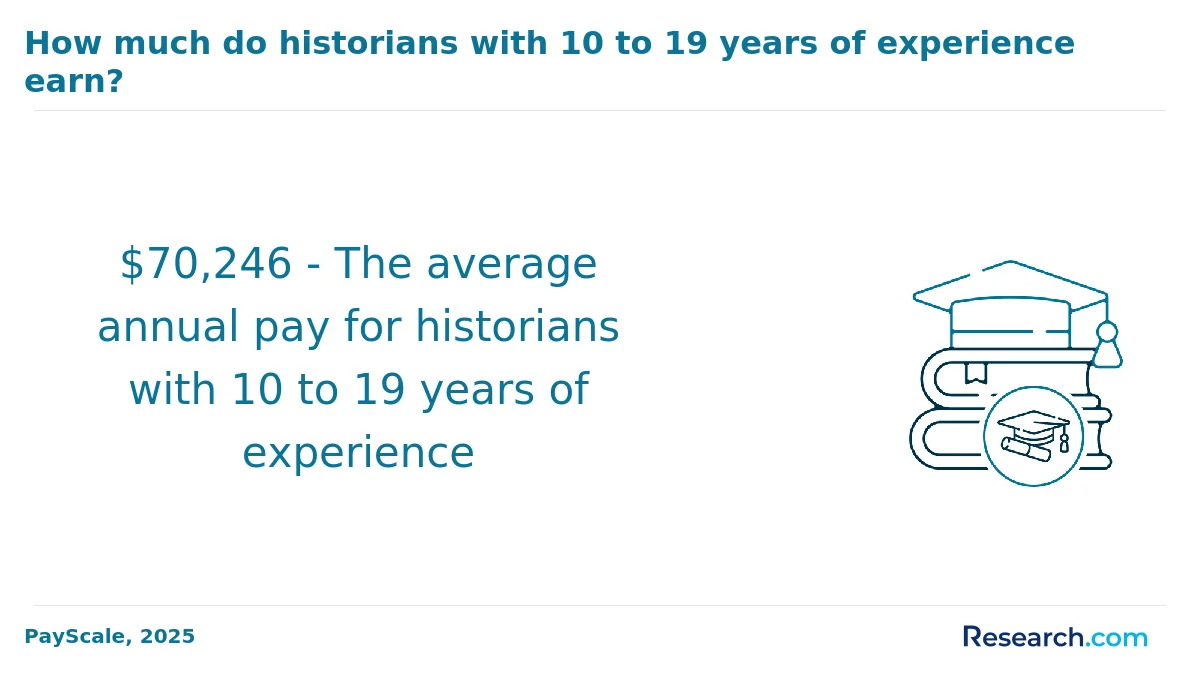
Picture this: a graduate fresh from an online history degree program at a renowned university like the University of California, Berkeley, stepping into the workforce with excitement and a solid credential. In America, historians generally earn around $63,000 a year, but that number dances up and down depending on where you land. Those who become high school history teachers with a master's can expect salaries from $50,000 to $70,000, a range influenced by whether you're in bustling New York or quieter Midwest towns.
College instructors specializing in history often enjoy a wider earning spectrum-from $60,000 to $100,000-reflecting their institution's prestige and tenure status. Imagine a graduate launching a career as a museum archivist in Washington, D.C., starting near median wages but climbing toward $80,000 or beyond with experience. The federal government, a major employer for historians, offers salaries ranging from $58,000 upward, with the potential to surpass $100,000 in specialized roles.
When online students envision their journey from lecture screen to paycheck, it's this blend of passion, location, and skill that shapes their financial narrative-writing history and earning a respectable living along the way.
- Online history degrees are available fully online at many accredited universities, with bachelor's programs typically lasting four years and master's programs two years.
- Annual tuition costs for online history degrees range from $7,000 to $15,000 at public institutions and can exceed $30,000 at private universities.
- The total cost to complete a four-year online bachelor's degree in history averages between $40,000 and $60,000.
- Starting salaries for history graduates usually range from $40,000 to $50,000, with potential increases to $60,000-$80,000 or more over time based on experience and education level.
- Job growth for historians and archivists is projected at 3% through 2031, mainly in government, museums, and education sectors.
- Regional accreditation is essential for degree recognition and credit transfer, ensuring quality and acceptance by employers and other schools.
Imagine a history graduate from the University of California lounging on their couch, pressing play on a lecture about the Civil War while sipping coffee-learning history on their own clock. That's the beauty of an online history degree in America: flexibility wrapped in pixels. These programs, like those at Arizona State University, let you juggle family, jobs, and education without sacrificing academic rigor. You dive into asynchronous discussions where ideas spring to life on-screen, crafting your own path through U.S. history, historiography, and beyond.
Meanwhile, an on-campus student at institutions like the University of Michigan might find themselves debating Reconstruction theory in lively seminar rooms, flipping through primary sources in ancient libraries as history literally unfolds around them. They soak in cultural events and build face-to-face networks that often spark lifelong connections. The tactile experience-feeling the weight of a leather-bound archive volume or the energy from a heated debate-shapes their learning.
Tuition dances to its own tune, too. While attending a private college may set you back nearly $40,000 a year, some online programs in America offer slightly leaner price tags, though this isn't universal. Both paths bear the same academic value, but your choice sculpts not just how you learn history-it shapes your daily reality.
If you're diving into the journey of an online history degree in America, brace for a tuition landscape that gently sways between $14,781 for in-state students and about $17,040 for out-of-state learners, crafting an accessible pathway for many. Imagine a graduate from a prestigious institution like the University of North Carolina marveling at how this investment fueled a lifelong passion for history while balancing working full-time from home. Their story embodies the spirit of affordable online master's history programs 2027, where dedication meets value in the evolving digital classroom.
Think about students at well-known universities, catching the rhythm of post-Civil War essays or ancient civilizations, all while paying a median total cost that feels less overwhelming than it might at first glance. The blend of technology fees and resource access enriches their experience without derailing budgets. With this blend of cost and convenience, many find themselves energized rather than burdened, embracing the challenge of chronicling the past with enthusiasm.
The magic lies in exploring degrees related to history that fit your budget and schedule, opening doors to careers that treasure the past. Students often celebrate how this affordable online history degree USA path doesn't just prepare them academically but also sparks a deep connection to the human stories behind every date and event.
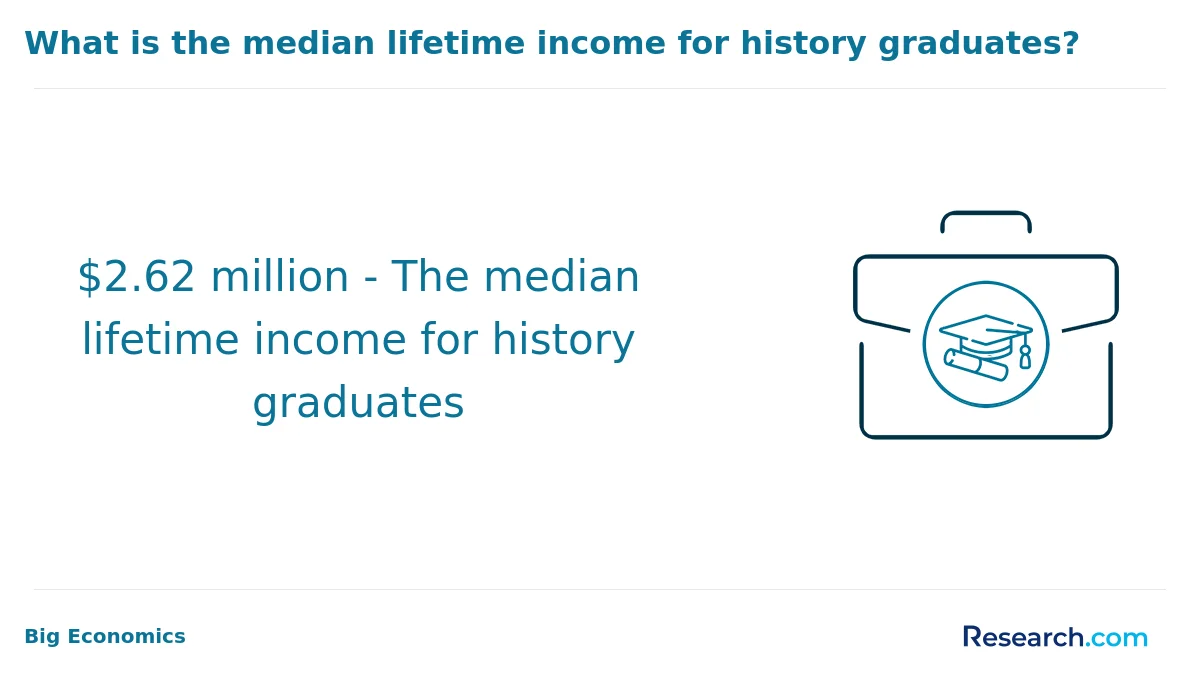
Imagine navigating your online history degree at a school like Arizona State or the University of Florida, where the financial aid landscape is a mosaic of opportunity rather than a barren field. Federal aid steps in first-Pell Grants may be elusive for graduate history buffs, but Direct Loans arrive with low interest and flexible payback plans, a lifeline for those juggling late-night study sessions and work. Some grads find part-time gigs through federal work-study tailored for remote participation, blending earning and learning effortlessly.
State grants and scholarships act like secret treasure chests depending on your residency-think California or Texas turning education into an accessible expedition. Private scholarships from historical societies become more than just funding; they're badges of recognition, rewarding your passion for history. Universities' own grants and fellowships at places like the University of Illinois can slash tuition bills, transforming dreams into reality. And then there's the unsung hero: employer tuition assistance, quietly funding the ambitions of working historians across America.
Picture yourself diving into the stories and struggles of civilizations past, but first, you need to unlock the gateway: a high school diploma or GED, the common key for many aspiring historians in America. Graduates from schools in Boston or Los Angeles recall the thrill of submitting their applications-showcasing not only their transcripts but also those cherished humanities and social science grades that whisper, "I'm ready." Some universities might ask for SAT or ACT scores, yet many are tossing those aside like outdated relics, embracing a test-optional future.
For those venturing toward a master's at top institutions like the University of Michigan or Berkeley, the bar gently lifts. You'll need a bachelor's degree-maybe not strictly in history but from kindred fields like political science or literature-to show you can dance with ideas across disciplines. A solid GPA near 3.0 often signals your ability to wrestle with dense texts and complex theories.
Beyond grades, imagine crafting essays that reveal your analytical spark and collecting heartfelt letters recommending your scholarly promise. These pieces become your voice in a sea of eager applicants, helping admissions officers envision your potential as a historian, ready to contribute meaningfully to the tapestry of the past.
Imagine diving into the vibrant past through courses that bring American history alive-from colonial tales to the complexities of the 21st century. Students at universities known for their history programs often find themselves engrossed in detailed explorations of United States History alongside sweeping surveys of World History, where ancient empires and modern revolutions come into sharp focus.
Graduates frequently share how Historical Research Methods transformed their approach, teaching them to sift through primary sources with newfound critical eyes, as if uncovering hidden treasures in archives. At the same time, Historiography classes challenge them to rethink how history is told, revealing the evolving stories behind the stories.
Electives offer the thrill of specializing-imagine engaging with courses on African American history or the history of science and technology, connecting past struggles and triumphs to present realities. Many appreciate interdisciplinary links, weaving insights from political science or sociology into their historical tapestry, a hallmark of programs like those at large public universities where flexibility meets rigorous scholarship.
If you dive into online history degree specializations USA offers, you'll find a rich tapestry of paths that transform dusty textbooks into vibrant stories. Graduates from renowned institutions like the University of Illinois or Arizona State speak of immersing themselves in American History, tracing the twists of the Civil War or civil rights movements, feeling the pulse of a nation's evolving identity. This concentration connects their virtual classrooms to palpable historical moments, making past struggles feel immediate and alive.
Others chose history master's concentration options in America that stretched across borders-World History specializations unfold global narratives, whisking students from ancient empires to 20th-century world wars. Some graduates at Georgetown have marveled at decoding the Renaissance or political revolutions in European History, a sharp lens on the continent's dynamic upheavals and cultural breakthroughs. Specialty tracks like Military History and Cultural History let students explore warfare tactics or societal shifts, adding layers of depth to their studies.
With passions transforming into promising futures, many students seek careers with a degree in history that honor these specializations. The choice to study online in America turns these academic pursuits into flexible adventures, rich with discovery and tailored expertise.
Imagine logging into a virtual lecture from the University of Michigan, diving deep into American history while sipping your coffee at home. Choosing the best online history degree programs USA means blending rigorous academics with the freedom to explore your passions. Graduates from top schools often share how a program's regional accreditation gave their degrees real weight in the job market, turning dreams into reality.
Affordability is no myth-many find affordable online master's in history America by hunting programs that balance cost and quality, like public universities offering in-state rates even out-of-state. Picture reviewing curricula that stretch from Revolutionary War battles to cutting-edge digital history, tailored to your interests. This alignment sparks excitement and fuels your study habits.
Support systems are where the magic happens-graduates recall advisors guiding them around complex research projects and internships. It's this personal touch that transforms learning into a journey. When envisioning your future, explore careers for history majors through reliable platforms like careers for history majors, making sure your choice fits your aspirations.
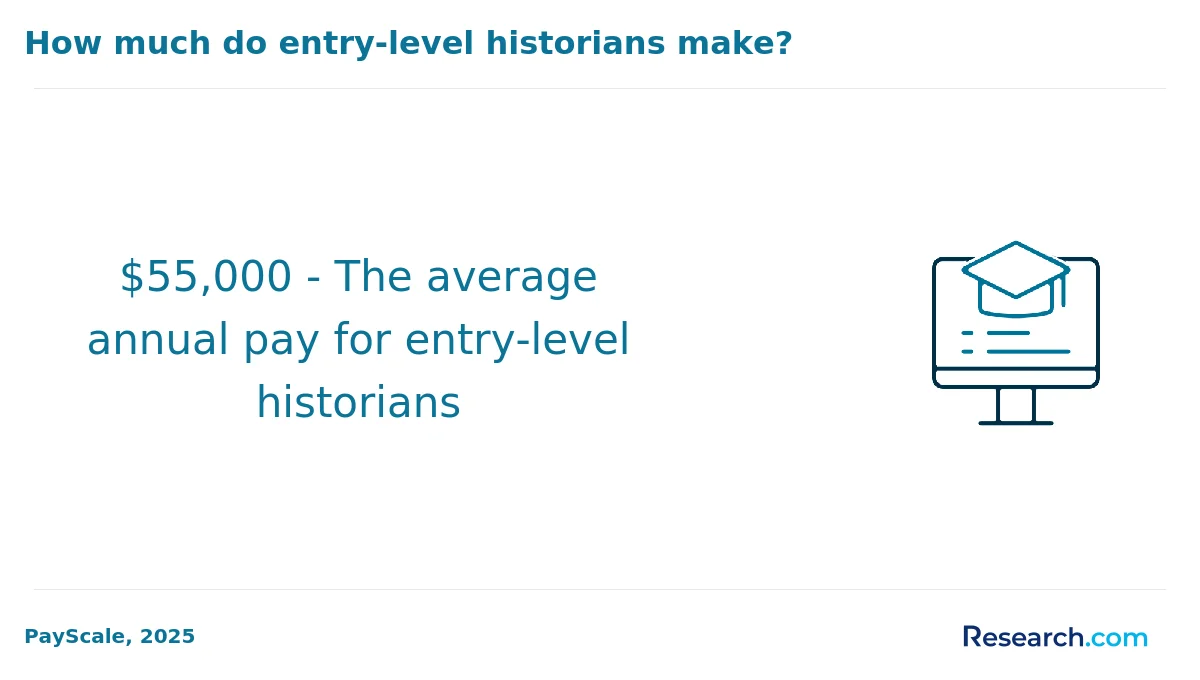
Graduates with an online history degree in America often find themselves stepping into vibrant roles where the past truly comes alive. Those from renowned institutions like the University of Florida or Arizona State University bring their research prowess and knack for storytelling into classrooms, becoming inspiring history teachers who ignite curiosity in young minds. Others channel their passion into museums or cultural hubs, transforming dusty archives into engaging narratives as curators or archivists, a path many alumni find emotionally rewarding and creatively fulfilling.
Government roles beckon too, offering a stage for history aficionados to influence public policy or preserve national treasures. Imagine working in the National Archives, where your knowledge shapes how future generations understand heritage. These opportunities reflect the diverse career opportunities with history degree in America, allowing graduates to blend analytical skills with impactful work.
Beyond traditional arenas, online history degree careers USA often expand into media consultancy or nonprofit cultural preservation, where enthusiastic graduates advise on historical accuracy or safeguard cultural legacies. Exploring such paths after earning an online history degree opens doors-with the ability to explore best online history degree programs ensuring you're prepared for these dynamic journeys.
Graduates holding an online history degree in America often discover a spectrum of engaging pathways, reflecting the vast landscapes of history itself. Imagine a graduate from a renowned public university balancing their coursework with virtual internships at museums or archives, weaving academic insights with hands-on experience. These graduates tap into history degree career opportunities America offers, from teaching in community colleges to curatorial roles, thanks to skills honed in research and storytelling.
While competition is real, the flexibility of online history degree jobs in USA allows many to craft unique positions in government agencies or nonprofits, blending legacy with modern challenges. Median earnings hover around the $60,000 mark, but those who pair their degree with digital savvy or public outreach often unlock richer prospects. For those curious about niche roles, exploring art history degree jobs reveals creative careers with cultural impact, illustrating how versatile this field truly is.
2027 Easiest Online Master's in History Degree Programs Ranking in the USA
Investing in your education is a significant decision that can shape your future, and the Research.com team understands the importance of making informed choices. To assist prospective students, we have meticulously crafted the "2027 Easiest Online Master's in History Degree Programs Ranking in the USA." Our commitment to quality, credibility, and accuracy is reflected in the extensive research and analysis conducted to compile this ranking.
We utilized the following reputable data sources to ensure a comprehensive evaluation of these programs:
By exploring this ranking, readers will gain valuable insights into the most accessible and flexible online master's programs in history, helping them make informed decisions about their educational journeys. For more details on our methodology, please visit our Research.com methodology page.


Frequently Asked Questions About history
Online history degree students in America can maximize their learning experience by actively engaging with digital resources. Utilizing reputable databases such as JSTOR and Project MUSE, which many accredited universities provide access to, helps deepen research and understanding. Participating in virtual discussion forums and study groups encourages critical analysis and exchange of historical perspectives, crucial for graduate-level comprehension.
Time management is vital; structuring study periods around course deadlines improves retention. Additionally, students should seek professors' office hours or online chats for guidance, as faculty interaction enhances academic performance. According to the National Center for Education Statistics, 34% of graduate students enrolled fully online report higher satisfaction when regularly connecting with instructors.
Emerging niches within the history field show significant growth and interest, particularly for students pursuing online history degrees in America. One key area is public history, focusing on how history is presented to the public through museums, archives, and digital projects. This niche is growing due to increased demand for accessible historical knowledge.
Environmental history is another expanding field. It explores the interaction between humans and the environment over time, responding to the rising focus on climate change issues. According to the American Historical Association, programs incorporating environmental perspectives have grown by over 15% in recent years.
Lastly, digital history merges technology with traditional study, using data visualization and digital archives, appealing to students seeking modern approaches. These niches reflect changing job markets and societal concerns in the US.
Graduates with an online history degree in America should begin preparing for the job market well before completing their studies. Building a strong resume with relevant internships or volunteer work in museums, archives, or historical societies is crucial. According to the U.S. Bureau of Labor Statistics, employment in history-related fields is projected to grow 5% between 2021 and 2031, slightly slower than average, making practical experience valuable for standing out.
Networking through professional organizations like the American Historical Association and attending local history events can open doors to job opportunities. Additionally, developing skills in digital archives, research databases, and historical software increases employability in diverse sectors such as education, public history, and government agencies.
Many history graduates also enhance their job prospects by pursuing additional certifications in teaching or library sciences, responding to demands within education and public service careers. Overall, a combination of experience, networking, and technical skills helps graduates successfully transition from study to work.
Employers in America highly value history degree graduates for their strong research abilities. According to the American Historical Association, critical thinking and analytical skills rank among the top competencies these graduates develop through evaluating sources and understanding complex contexts.
Communication skills, both written and oral, are essential. History graduates are trained to present information clearly and persuasively, which is crucial in many careers.
Additionally, attention to detail and the ability to synthesize large amounts of information are frequently cited as important by employers in fields like education, law, and public policy.
Tech proficiency, including familiarity with digital archives and database management, is increasingly important given the growing use of technology in historical research and documentation.
Finding internships relevant to a history degree in America involves a strategic approach. Many online history programs offer career services that connect students with internship opportunities in museums, archives, and historical societies. According to the American Historical Association, internships provide valuable hands-on experience and networking.
Students should also explore federal and state government agencies, like the National Park Service or state historical commissions, which often offer internships for history majors. Job platforms such as USAJOBS list paid internships for students interested in public history careers.
Local universities and libraries sometimes advertise internships through their websites, even for remote candidates. Engaging with professional organizations, such as the Organization of American Historians, can further expose students to internship openings and mentorship programs.
An online history degree in America offers significant potential for career mobility and advancement, especially in fields like education, public history, and research. According to the U.S. Bureau of Labor Statistics, jobs related to historians and archivists are projected to grow by 6% between 2021 and 2031, reflecting steady demand.
Graduates with a history degree often gain strong analytical, research, and communication skills valued by employers in government, non-profits, and cultural institutions. An online degree provides flexibility for working professionals to enhance qualifications without interrupting careers.
Additionally, earning a reputable online degree from an accredited American institution enables access to professional networks and career services, which can lead to promotions or transitions into management roles. According to the American Historical Association, advanced degrees often correlate with higher salary potential and job security in academic and non-academic positions.
Studying for a history degree in America offers a strong foundation for interdisciplinary roles by developing critical thinking, research, and communication skills. History programs emphasize understanding diverse perspectives, which is essential for collaborating across fields like law, public policy, and education. According to the American Historical Association, nearly 75% of history graduates engage in careers beyond academia, including roles in business, government, and nonprofit sectors.
The curriculum often integrates courses from political science, sociology, and cultural studies, encouraging students to connect historical contexts with contemporary issues. This cross-disciplinary approach equips graduates to analyze complex problems with a broad, informed outlook.
Online history degrees in the U.S. maintain these rigorous standards while offering flexibility, making it easier for professionals to gain expertise applicable to varied industries.
When choosing between a thesis and a non-thesis history degree program in America, consider your career goals and learning preferences. A thesis track involves independent research, culminating in a substantial written document, which is beneficial for students aiming at academic or research careers. This option may require 6 to 12 months of focused work beyond regular coursework, according to the American Historical Association.
Conversely, non-thesis programs often emphasize coursework and practical skills like teaching or public history. They tend to be shorter and may suit professionals seeking to advance without committing to extensive research. Data from the National Center for Education Statistics show that roughly 40% of history master's students choose non-thesis options for faster completion.
Another factor is program format-many online programs offer both tracks with flexibility. Verify accreditation and faculty expertise to ensure quality, especially since 85% of US history graduate programs are regionally accredited (Council for Higher Education Accreditation).
Students in America interested in studying history abroad through online programs have several options. Many U.S. universities collaborate with international institutions, offering joint or dual degrees that incorporate global history perspectives. These programs often include virtual exchanges or study-abroad components, allowing students to experience different cultures while completing their degree remotely. According to the National Center for Education Statistics, over 20% of American history graduate students in 2022 participated in programs with international elements. Additionally, some American colleges provide fully online master's degrees in history that emphasize global or regional studies, enabling students to explore foreign historical contexts without relocating.
Part-time jobs that complement a history degree in America often involve research, education, and archival work. Positions such as museum assistants or archivists allow students to apply their knowledge of historical context while gaining practical experience. According to the U.S. Bureau of Labor Statistics, jobs in archivist and curatorial fields are expected to grow around 8% through 2031.
Other roles include research assistants for academic institutions or historical societies, which strengthen skills in critical analysis and source evaluation. Teaching assistant positions in history departments also provide valuable instructional experience. Additionally, freelance writing or content creation related to American history can support students financially while deepening their expertise.
Online history students in America have several networking opportunities that help build professional connections despite studying remotely. Many accredited online programs offer virtual discussion forums and group projects where students engage with peers and faculty, fostering academic and professional relationships. National organizations such as the American Historical Association provide memberships, conferences, and online seminars specifically catering to historians, which online students can access.
Additionally, regional historical societies often hold virtual events that online students can join to meet local professionals and enthusiasts. According to the AHA, digital networking tools and social media groups dedicated to history graduate students have grown by over 30% in recent years, enhancing community building for online learners. These options support career development and knowledge exchange across the U.S.
Alumni networks play a valuable role for online history degree students in America by providing access to professional connections and career resources. Graduates often share job openings, internships, and academic opportunities within these communities, enhancing students' chances of employment in history-related fields such as museums, archives, and education.
According to the National Association of Colleges and Employers, 85% of jobs are filled through networking, highlighting the importance of alumni contacts. Many online programs facilitate virtual meetups, mentoring, and webinars, helping distance learners engage with experienced professionals.
In addition, alumni networks support academic collaboration and continuing education, which can be crucial for historians aiming to stay current in the evolving discipline.
In the US, many online history degree programs offer flexibility to tailor your studies toward specific career goals. You can often choose electives focused on areas like American history, public history, or museum studies. This customization helps align coursework with roles in education, archives, or cultural preservation.
Graduate students may select thesis topics or capstone projects that support career interests, enhancing expertise in desired fields. Additionally, some programs provide internship opportunities linked to government agencies or historical organizations.
According to the National Center for Education Statistics (NCES), over 60% of American history graduate students value flexible, career-oriented online options, reflecting a growing trend in targeted learning paths.
Online history students in America often face challenges related to limited access to primary sources and archives, which are crucial for in-depth historical research. Unlike traditional students, they may find it harder to visit physical libraries or special collections that host rare documents.
Time management is another significant issue. According to the National Center for Education Statistics, about 55% of online learners juggle work and study, making it difficult to dedicate consistent hours to complex historical analysis.
Additionally, students may encounter difficulties with engagement and interaction, as online formats sometimes reduce opportunities for spontaneous discussion and collaborative learning.
Technical issues and varying digital literacy levels also affect success rates in online history programs across the US.
With an online history degree, you can pursue several professional certifications to enhance your career opportunities. One popular option is becoming a Certified Archivist through the Academy of Certified Archivists. This credential is valuable for those interested in managing historical records and archives.
The American Alliance of Museums offers the Certified Public Historian certification, designed for professionals working in public history, including museums and historical societies.
In education, you might seek state teaching certification to work as a history teacher or professor. Requirements vary, but most states require a master's degree plus passing exam scores.
These certifications can increase job prospects and validate your expertise in the US history field.
Writing a winning application for an online history program in America requires clear organization and focus on relevant experience. Begin with a well-crafted personal statement that highlights your passion for history and your career goals. Admissions committees value applicants who demonstrate critical thinking and analytical skills, so include examples from academic or professional experiences.
Make sure to highlight any previous coursework or research related to American or world history. The National Center for Education Statistics reports increased enrollment in history graduate programs, reflecting growing interest and competition.
Strong letters of recommendation from professors or professionals who can attest to your academic abilities also strengthen applications. Lastly, ensure your resume details relevant skills such as writing, research, and familiarity with archival tools used in historical study.
History careers in the United States increasingly emphasize global perspectives, reflecting how interconnected world events shape societies. According to the American Historical Association, over 40% of history degrees awarded in 2022 included coursework focused on global or transnational history. This trend aligns with job markets valuing professionals who understand diverse cultures and international contexts.
Graduates find opportunities not only in academia but also in government agencies, museums, and non-profits involved in global policy and cultural preservation. The U.S. Bureau of Labor Statistics notes steady growth in historian roles, projecting a 6% increase between 2022 and 2032, partly driven by demand for expertise in global affairs.
Online history degree programs in America often integrate these worldwide aspects, preparing students to analyze historical narratives beyond national borders. This approach strengthens critical thinking skills necessary for careers impacting global understanding and diplomacy.
Gaining practical experience while studying for an online history degree in America is achievable through several avenues. Many universities encourage internships at museums, archives, or historical societies, which can often be completed remotely or locally. The American Historical Association notes that such internships enhance research and analytical skills critical in the field.
Students can also engage in virtual research projects or contribute to digital history databases. Participation in online forums and webinars hosted by organizations like the Organization of American Historians offers networking and learning opportunities. Some programs include capstone projects that simulate real-world history work, providing hands-on experience essential for career readiness.
Choosing the right concentration within an online history degree program in America begins with understanding your interests and career goals. History offers diverse fields such as American history, European history, military history, and public history. According to the American Historical Association, concentrations aligned with your passion can improve academic engagement and job prospects. Research program curricula carefully to see which concentrations are emphasized, as this varies widely between U.S. institutions.
Consider the career paths connected to each concentration. For example, public history graduates often find roles in museums or archives, while those focused on political history may pursue law or government positions. Exploring faculty expertise and available resources also helps in making an informed choice. Selecting a concentration that matches both your academic curiosity and professional objectives enhances the value of your degree.
- 4 Steps to Find History Research Opportunities as an Undergraduate https://www.coltie.com/post/4-steps-to-find-history-research-opportunities-as-an-undergraduate
- THE list of internships for history majors https://employedhistorian.com/history-major/internships-for-history-majors/
- After the Degree: Finding work with a History degree https://www.graduate-jobs.com/news/13219/After_the_Degree__Finding_work_with_a_History_degree
- Finding Networking Opportunities as a Student | National Society of High School Scholars https://www.nshss.org/resources/blog/blog-posts/how-to-find-networking-opportunities-as-a-student/
- How to Apply to Graduate School | Canadian Historical Association | Société historique du Canada https://cha-shc.ca/publications/employing-history-a-guide-to-graduate-school-and-navigating-the-job-market/how-to-apply-to-graduate-school/
- The Challenges of Studying History in School | Education Research Project Topics and Materials https://educationtopics.com.ng/the-challenges-of-studying-history-in-school/60853/history-education/
- Jobs for History Majors: 12 Career Paths That Use Your Skills | Extern https://www.extern.com/post/jobs-for-history-majors-career-guide
- 5 things I’ve learned from teaching U.S. history to high schoolers https://fordhaminstitute.org/national/commentary/5-things-ive-learned-teaching-us-history-high-schoolers
- Online Degree vs. Traditional University: Pros and Cons https://www.uagrantham.edu/blog/pros-cons-online-degree-vs-traditional-university/
- History Online https://www.nsu.edu/History-and-Interdisciplinary-Studies/History-Online