2027 Best Online History Degree Programs Ranking in Missouri

Co-Founder and Chief Data Scientist
Choosing the right history degree program can feel overwhelming, especially when considering online options in Missouri. This article presents the 2027 Best Online History Degree Programs Ranking in Missouri, developed by the Research.com team of data scientists.
Our goal is to help you make informed decisions by highlighting top programs that combine quality education with flexibility. Earning a history degree opens doors to numerous career paths and enriches your understanding of the world.
Explore the rankings to find a program that fits your goals and lifestyle with confidence.
Key benefits of getting online history degree in Missouri
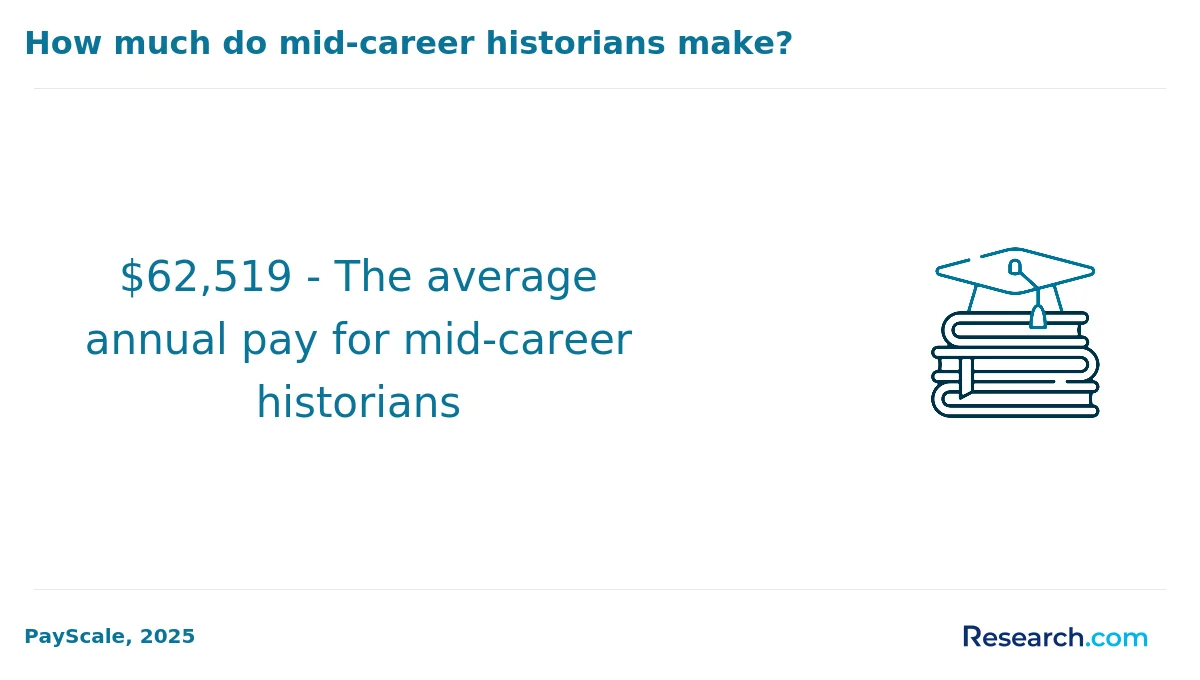
- History degree graduates often find roles in education, research, or archival work, with average salaries in the US ranging from $45,000 to $65,000 annually, offering a stable and fulfilling career path.
- Graduates from Missouri State University's history program have pursued careers as museum curators, educators, and historical consultants, showcasing the degree's versatility in various engaging fields.
- Online history degrees from the University of Missouri allow flexible scheduling and location independence, making it easier to balance work and study while gaining valuable knowledge just as effectively as traditional on-campus programs.
- 2027 Best Online History Degree Programs Ranking in Missouri
- What can I expect from online history degree in Missouri?
- Where can I work with online history degree in Missouri?
What can I expect from online history degree in Missouri?
The average cost of an online history degree in Missouri typically ranges between $7,000 and $15,000 per year at public institutions, depending on residency status and credit load. For example, graduates from Missouri State University often recall that the affordable tuition allowed them to focus more on their studies rather than worrying about finances. Many students appreciate that in-state tuition rates make pursuing a history degree via online formats accessible without sacrificing quality.
Graduates emphasize the added value of resources such as virtual libraries and access to expert professors, which enhance the learning experience despite the remote setting. These factors contribute to a feeling of academic connection and rigor, paralleling traditional classroom experiences. The steady tuition costs, combined with financial aid options, enable learners to plan their budgets confidently while gaining comprehensive historical knowledge and research skills.
This expense is viewed as an investment that opens doors to careers in public history, education, and archival work, making the overall value highly positive for many Missouri online history students.
Where can I work with online history degree in Missouri?
Graduates with an online history degree in Missouri find rewarding employment opportunities across multiple sectors. Many secure positions within state and local government agencies, contributing to cultural resource management and historic preservation. For instance, graduates from the University of Missouri have gone on to work in roles supporting the maintenance of state archives and historic sites, engaging deeply with Missouri's rich heritage.
Museum and historical society careers are common paths, with institutions such as the Missouri Historical Society and the St. Louis History Museum frequently seeking curators and archivists. These roles appeal to graduates from online programs at Missouri State University, who often describe the fulfillment found in developing educational exhibits and collaborating on public history initiatives.
Teaching is another prominent avenue. Many graduates pursue certification to teach K-12 history, while others join community colleges and universities across Missouri, where there's steady demand for instructors in history and liberal arts courses. This pathway offers the joy of inspiring new generations with stories of the past.
Private sector roles in publishing, research, and cultural consultancy also attract graduates, particularly in Kansas City and St. Louis. Nonprofit organizations, like the Missouri Humanities Council, provide meaningful work environments where analytical and communication skills cultivated in online history programs prove invaluable.
Graduates with an online history degree in Missouri can anticipate median salaries around $60,000 when employed by state and local governments, reflecting regional market conditions. Entry-level historians typically start with earnings near $40,000 to $45,000 annually, while professionals in research institutions or government agencies may reach $70,000 or more as they gain experience and expertise.
Those pursuing teaching careers in Missouri see varied outcomes: high school social studies teachers earn an average salary around $52,000, increasing with tenure and advanced qualifications. Postsecondary instructors at Missouri's universities often earn between $60,000 and $85,000, depending on faculty rank and institution reputation. Graduates from schools known for their history programs in Missouri often find these opportunities rewarding both financially and intellectually.
In cultural sectors such as museums and archives, salaries range from entry-level $35,000 positions to over $65,000 for seasoned curators or directors. Graduates who have leveraged their online history degrees from Missouri institutions report a fulfilling balance of competitive pay and meaningful career paths within the state's diverse historical and educational landscape.
- Online history programs in Missouri are expanding, offered by both public and private institutions with flexible options for adult learners.
- Tuition for in-state students at public universities ranges from $8,000 to $15,000 per year, while private schools can charge over $20,000 annually.
- Typical career paths for history graduates include education, research, museum curation, archival work, and public history roles.
- The average starting salary for history majors in Missouri is about $40,000, increasing to mid-$60,000 or more with experience and advanced qualifications.
- Job growth in history-related fields is steady but modest, with demand mainly in education, government, and cultural organizations.
- Institutions should be regionally accredited by the Higher Learning Commission to ensure degree value and educational standards.
Completing an online history degree in Missouri generally requires a commitment of time that varies with the degree level and enrollment status. For bachelor's degree students, universities such as the University of Missouri system and Missouri State University typically require 120 to 130 credit hours, which full-time students complete in about four years. Graduates recall the flexibility of asynchronous courses allowing them to study alongside work or family commitments, making this timeline manageable and rewarding.
Master's degree candidates usually undertake 30 to 36 credit hours, finishing in two years full-time. Some part-time students extend their studies to three or four years without sacrificing the quality of education or engagement. Many students appreciate that flexible course pacing and the option to transfer previous credits can shorten total duration, accommodating adults balancing multiple responsibilities.
Part-time learners often face longer timelines, sometimes five to six years for bachelor's degrees, yet benefit from balancing education with life's demands. These flexible pathways reflect the commitment of Missouri's institutions to support diverse student experiences while maintaining rigorous academic standards.
Online history degrees in Missouri offer the flexibility to complete coursework remotely, making them ideal for students balancing work or family responsibilities. Graduates from the University of Missouri online program often describe the convenience of accessing lectures and assignments at any time, fitting studies around busy schedules without sacrificing quality. This format reduces commuting costs and allows those living outside urban centers like St. Louis or Kansas City to pursue their education without relocation.
In contrast, on-campus history programs provide immersive experiences through direct interaction with professors and peers. Graduates recall enriching visits to campus archives or local museums, such as the historic collections at Washington University in St. Louis, which deepen research skills and foster meaningful academic relationships. The structured environment of on-campus programs helps develop discipline but can challenge students managing outside commitments.
Tuition generally ranges from $7,500 to $12,000 annually, with online options often at a lower cost per credit hour. Both online and in-person students benefit from accredited Missouri institutions emphasizing critical analysis and research methodologies, ensuring a robust and recognized education regardless of format.
The average cost of an online history degree in Missouri varies significantly based on residency and the type of institution. For in-state students, the median total cost is approximately $14,781, reflecting a more affordable option primarily offered by public universities. Graduates from these programs often emphasize the value of this investment, noting that the manageable tuition fees combined with flexible online formats enabled them to balance education with work or family commitments. For out-of-state students, the median total rises to around $29,484, which aligns with the typical higher tuition fees charged by public universities for non-residents. This higher cost often motivates some students to seek scholarships or financial aid to mitigate expenses.
Private colleges in Missouri tend to charge more, contributing to a median total cost near $41,596. Students at these institutions frequently share that the comprehensive resources and close faculty engagement justified the steeper price, especially for those aiming to deepen their expertise. Considering the various tuition fees for history degree online Missouri, many students find that comparing program details alongside costs helps them make a well-rounded decision. Additional costs, such as technology fees and course materials, should also be anticipated, though online learners benefit from eliminating expenses like housing and commuting.
Prospective students planning to pursue a history degree online in Missouri are encouraged to explore all financial options thoroughly. Missouri residents may access state-specific aid programs, significantly lowering net costs. Asking financial aid offices about current opportunities is crucial. Moreover, understanding what to do with a history degree can help clarify potential returns on investment, motivating students to pursue their studies with confidence and enthusiasm.
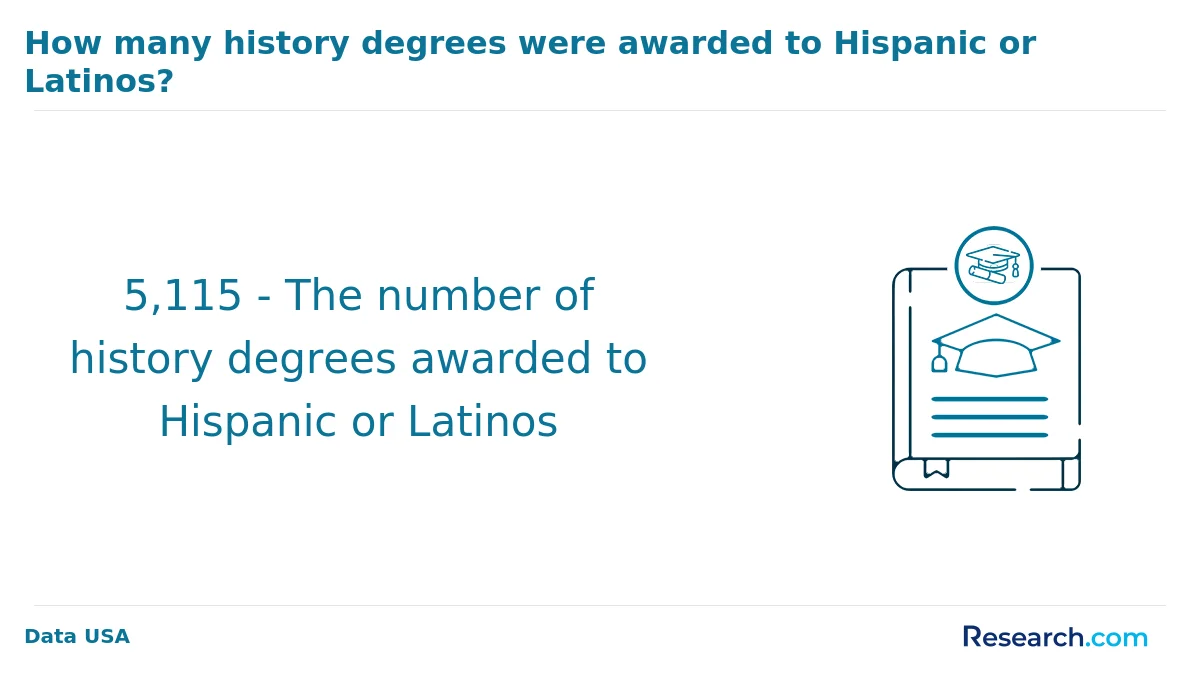
Students pursuing an online history degree in Missouri can access multiple financial aid options designed to ease their educational expenses. Federal aid through FAFSA allows them to receive Pell Grants, which have supported many by covering up to $7,395, often enough to offset tuition costs at institutions like the University of Missouri or Missouri State University.
State programs, such as the Access Missouri Financial Assistance Program, provide need-based grants specifically to Missouri residents, significantly reducing financial barriers for students enrolled in online history courses. Graduates from Missouri public universities often praise how these grants enabled them to focus more on their studies rather than financial stress.
Additionally, institutional scholarships targeted at history majors reward academic merit and leadership, sometimes lowering tuition fees by half or more. Many students report feeling encouraged when awarded these scholarships, which recognize their hard work and community involvement. Work-study opportunities, available at several Missouri campuses, further help by providing part-time jobs that complement studies.
Tuition payment plans at Missouri colleges offer another practical solution, allowing students to manage their payments conveniently over time without extra interest, making higher education more accessible and less overwhelming.
To enroll in an online history degree program in Missouri, applicants must first hold a high school diploma or equivalent, such as a GED. For graduate-level programs, completion of a bachelor's degree is also required, typically in history or a related discipline. Many universities, including well-known institutions like the University of Missouri, expect students to have completed college preparatory courses in English, social studies, mathematics, and foreign languages. These prerequisites help develop essential skills for analyzing historical texts and understanding complex social contexts.
Standardized test scores such as the SAT or ACT may be optional, reflecting recent shifts in admissions policies, yet some schools still consider them. Applicants often share how submitting a personal statement allowed them to express their passion for history and their dedication to succeeding in an online environment. Letters of recommendation may also be required, especially for advanced degrees.
Reliable internet access and basic computer skills are vital, ensuring smooth participation in virtual classes. Missouri students find these requirements manageable and rewarding, contributing to their positive academic experience.
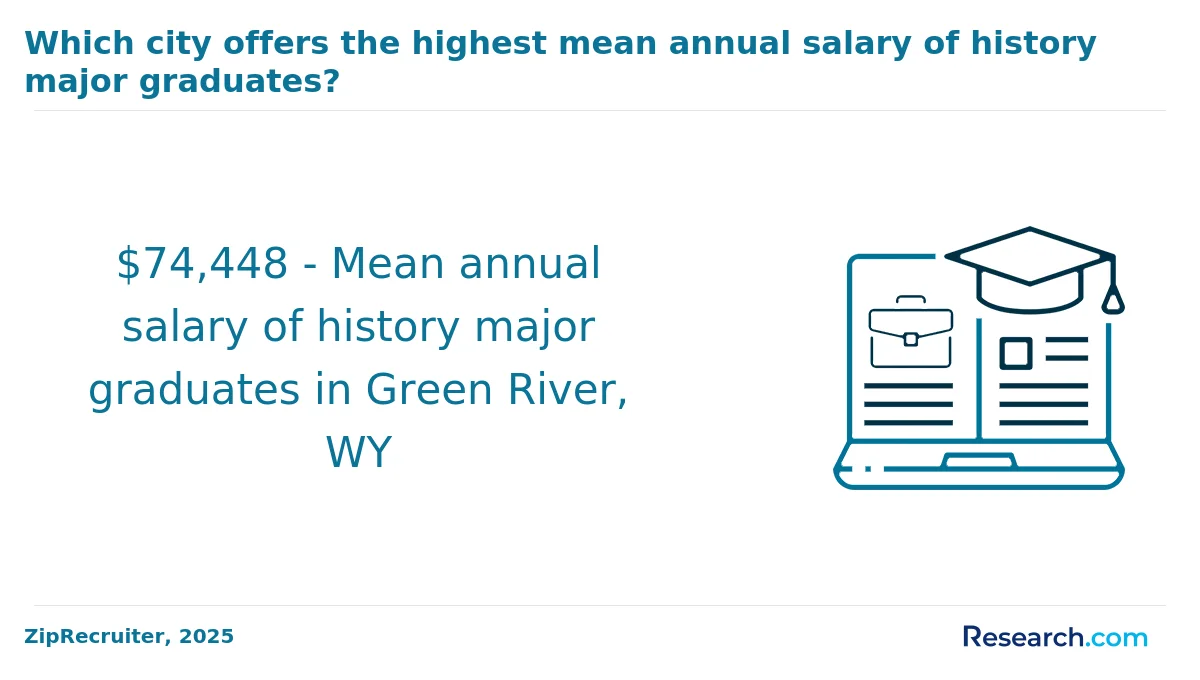
Students enrolled in online history degree programs at popular Missouri institutions often encounter a curriculum rich in both breadth and depth. Core courses typically include United States History to 1877, offering an essential foundation in the nation's early years, and Modern European History, which explores transformative political and social developments. Graduates recall how these classes provided contextual clarity, making distant historical periods feel immediate and relevant.
To sharpen analytical abilities, many programs include Historical Methods and Research, where students learn to rigorously evaluate primary and secondary sources-a skill praised by alumni for improving critical thinking. Regional relevance is emphasized through courses on Missouri and Midwest history, enabling learners to connect national narratives with their own community's past.
Additional seminars often delve into themes like civil rights and political history, while courses on world civilizations expose students to diverse global perspectives. Graduates frequently describe these offerings as engaging and empowering, fueling a meaningful passion for history that resonates beyond the classroom.
Online history degree specializations Missouri programs typically offer allow students to deeply engage with diverse historical themes relevant both locally and globally. For instance, graduates from popular institutions often highlight their focus on American History, which includes Missouri's unique position during the Civil War and Reconstruction era, enriching their understanding of regional impact within national events.
Other common concentrations include World History, where learners develop a broad perspective on civilizations and intercultural dynamics, and Public History, which prepares students for museum or archival work, drawing on partnerships with Missouri Historical Society and similar entities. Military History is also a favored pathway, emphasized by Missouri's rich military heritage, while Native American History offers an immersive exploration into Indigenous cultures and their contributions to the state's identity.
Historiography and Historical Methods specialization enhances critical thinking by teaching students how to analyze and interpret historical narratives rigorously. Many graduates from Missouri's esteemed online programs cherish the practical opportunities their studies provide, feeling well-prepared for varied career paths. Prospective students interested in detailed career outcomes should explore what jobs can you get with a history degree to align their studies with professional goals.
To choose the best online history degree in Missouri, begin by verifying regional accreditation, particularly from the Higher Learning Commission, which ensures program quality recognized by employers and graduate schools. Graduates from popular Missouri colleges often praise the comprehensive curriculum that includes American, European, and world history, alongside opportunities to specialize according to career goals. Many students report that programs with faculty actively engaged in research bring a richer academic experience and useful networking connections.
Affordability is crucial; public universities in Missouri typically offer more affordable history degrees online Missouri, with tuition averaging below $9,500 annually, while private institutions may be higher. Graduates frequently highlight the importance of considering financial aid and scholarships tailored for history students to manage costs effectively.
Flexibility is another key factor. Students balancing work or family appreciate asynchronous classes and multiple start dates. Practical support services such as academic advising and access to digital research resources, common in top Missouri programs, enhance student success. When exploring career outcomes, consult data on graduation and job placement rates to make informed decisions. Exploring options can help you understand what is the best career in history and how your degree choice may influence it.
Graduates with an online history degree in Missouri find diverse career paths that fully utilize their analytical and communication skills. Many pursue education roles, becoming secondary school history teachers or advancing toward certification through institutions such as the University of Missouri. Their work impacts local communities by fostering historical awareness among younger generations. Others engage in public history fields, taking on roles like museum curators or archivists at organizations like the Missouri Historical Society, where they manage collections and develop exhibits that bring history to life for the public.
History graduates often secure positions within Missouri's government or nonprofits, leveraging their expertise as policy analysts or grant writers in Jefferson City and urban areas. The adaptability of the degree also opens doors to writing, research, and media, where graduates contribute to documentaries or educational content. Those aiming for further academic opportunities often enroll in graduate programs to teach or research history. Prospective students can explore options and find ideal programs for career success by visiting undergraduate history degree online.
By choosing popular Missouri universities offering flexible online programs, many graduates feel well-prepared and confident in pursuing rewarding careers that align with their passions and local community needs. This makes jobs with history degree Missouri especially appealing for individuals seeking meaningful and dynamic work.
The job market for graduates with an online history degree in Missouri is specialized but offers steady opportunities, especially in education and cultural sectors. Many graduates from institutions such as the University of Missouri or Missouri State University find rewarding careers teaching social studies in secondary schools or supporting college administration, roles that require certification but benefit greatly from a strong academic foundation. Missouri's rural areas particularly maintain a consistent demand for qualified history educators. For those interested in public history, local museums like the Missouri History Museum and organizations like the State Historical Society of Missouri provide competitive but meaningful positions in archives and preservation.
Salary expectations vary, with entry-level roles in museums typically starting between $35,000 and $45,000. Career growth is common in research or administrative positions. Additionally, graduates often explore government roles in preservation and cultural resource management. Earning an online history degree in Missouri thus opens doors not only to immediate job opportunities but also to further study, which can enhance career prospects. Students curious about the versatility of their degree might explore what to do with an art history degree for comparable paths in the field of history.
Online history degree jobs Missouri are best approached with the understanding that success often comes from combining strong academic preparation with internships and local networking, leveraging Missouri's rich historical institutions to build a meaningful career.
2027 Best Online History Degree Programs Ranking in Missouri
Investing in your education is a significant decision that can shape your future, and the Research.com team understands the importance of making informed choices. To assist prospective students in Missouri, we have meticulously crafted the "2027 Best Online History Degree Programs Ranking in Missouri." Our commitment to quality, credibility, and accuracy is reflected in the extensive research and analysis conducted to compile this ranking. We utilized the following reputable data sources to ensure a comprehensive evaluation of history programs:
By exploring this ranking, readers will gain valuable insights into the best online history degree programs available in Missouri, helping them make informed decisions about their educational paths. For more details on our methodology, please visit our Research.com methodology page.


Frequently Asked Questions About history
Online history degree students in Missouri can maximize their learning by actively engaging with course materials and participating in virtual discussions. Research shows students who frequently communicate with professors and peers tend to perform better (National Center for Education Statistics, 2023). Utilizing Missouri public libraries' digital archives, such as the Missouri State Archives, enriches understanding of regional history and primary sources. Regularly attending online seminars and history webinars offered by Missouri universities helps deepen historical perspectives. Time management is crucial; setting a structured study schedule supports retention. Additionally, leveraging academic support services offered by Missouri colleges enhances skills in research and writing, essential for success in history programs.
Emerging niches in the history field reflect evolving interests and societal needs, especially relevant for students pursuing online history degrees in Missouri. One growing area is public history, which focuses on presenting history to the general public through museums, archives, and cultural heritage sites. Missouri's rich Civil War and Native American history provide fertile opportunities for exploration.
Another niche is digital history, which integrates technology to analyze and present historical data. This intersects well with online learning and digital humanities programs offered by several Missouri universities.
Environmental history is gaining attention as well, studying human interactions with the environment over time-a relevant topic given Missouri's diverse ecosystems. These niches offer practical and academic paths for history students ready to engage with contemporary challenges.
Preparing for the job market after earning an online history degree in Missouri involves strategic planning and skill development. Graduates should focus on enhancing research, writing, and critical thinking abilities, which are highly valued in fields like education, public history, and museum work.
Internships with Missouri historical societies or cultural institutions provide practical experience and networking opportunities. According to the Missouri Department of Higher Education, connecting with local organizations can improve employment prospects significantly.
Additionally, joining professional groups such as the Missouri Historical Society helps build contacts in relevant fields. Considering graduate certificates in archives or public history can also boost qualifications and marketability.
Employers in Missouri value several key skills when hiring history degree graduates, especially those with online education. Critical thinking tops the list, enabling graduates to analyze sources and interpret historical events accurately. Strong research skills are essential, including the ability to work with primary and secondary documents.
Communication is another priority. Graduates must present complex information clearly, both in writing and orally. According to the Missouri Department of Higher Education, nearly 65% of local employers emphasize written communication for history-related roles.
Attention to detail and proficiency with digital archives or databases are increasingly important due to the growth of online resources. Adaptability and project management skills also help graduates succeed in various settings, from museums to education.
Finding internships in Missouri that align with a history degree involves targeting institutions that value historical knowledge and research skills. Start by exploring museums, historical societies, and archives such as the Missouri Historical Society or the State Historical Society of Missouri, which regularly offer internship programs. Universities like the University of Missouri also provide internship listings through their career services tailored to history students.
Additionally, consider government agencies and local libraries that manage historical records. Websites like Missouri's official state portal or Handshake can be helpful to discover available internship opportunities.
Networking through history faculty and attending local history events can significantly increase your chances of securing a position. Many internships are unpaid but provide valuable experience and professional contacts in Missouri's historical community.
Obtaining an online history degree in Missouri can significantly enhance career mobility and advancement opportunities. Employers in education, public history, and cultural resources value candidates with strong analytical and research skills, which history programs emphasize. According to the Missouri Economic Research and Information Center, the demand for historians and related positions is expected to grow by 5% over the next decade.
Online degrees offer flexibility, allowing students to gain credentials while working, which supports career progression. Graduates often find roles in museums, archives, and government agencies, where advanced degrees can lead to management positions.
Missouri's online history programs also facilitate networking with local historical societies, aiding job placement and advancement.
Studying for a history degree in Missouri prepares students for interdisciplinary roles by emphasizing critical thinking, research, and communication skills applicable across multiple fields. Missouri's online history programs often integrate courses in political science, economics, and cultural studies, enabling students to analyze historical events through diverse perspectives.
A 2023 report from the Missouri Department of Higher Education highlights that graduates with history degrees frequently pursue careers in law, education, public policy, and business-fields requiring broad analytical abilities. Additionally, Missouri's universities encourage collaboration with other departments, fostering adaptable professionals who can address complex societal issues using historical context.
When choosing between a thesis and a non-thesis online history degree program in Missouri, students should consider their academic and career goals. Thesis programs typically require original research and a formal written thesis, which prepares students for doctoral studies or research-intensive roles. Non-thesis programs often focus on coursework and comprehensive exams, offering flexibility and faster completion.
Missouri universities like the University of Missouri offer both pathways, with thesis options favored by 30% of history graduate students based on recent enrollment data (Missouri Department of Higher Education, 2023). Prospective students should also assess faculty expertise and available resources for research.
Financial considerations matter as thesis programs may take longer and incur higher costs. Employment goals are key: teaching, archival, or academic positions may favor thesis completion, while public history or museum work might align better with non-thesis tracks.
Students based in Missouri seeking to study history abroad through online degree programs have limited direct options within the state, as most Missouri universities primarily offer domestic-focused online history degrees. However, many institutions participate in study abroad partnerships or exchange programs that allow students to gain international experience while completing coursework remotely. For example, the University of Missouri system often encourages global learning opportunities though virtual international collaborations.
Additionally, students can explore history degree programs at accredited universities outside Missouri that provide fully online curricula with optional short-term abroad residencies. These programs meet U.S. Department of Education standards, ensuring credits transfer toward Missouri-based degrees. According to the National Center for Education Statistics, nearly 30% of U.S. undergraduates take at least one online course, indicating a growing emphasis on flexible global study options for history majors.
Students pursuing online history degrees in Missouri can benefit from various part-time jobs that align with their academic interests. Working as a research assistant at local universities or historical societies provides practical experience with archival documents and data analysis. Places like the Missouri Historical Society frequently offer internships and part-time roles for students. Additionally, libraries across Missouri, including the St. Louis County Library system, often need aides to assist with cataloging and public programming. These roles enhance skills in research, organization, and public communication, all valuable for history graduates.
Online history students in Missouri have access to various networking opportunities that enhance their academic and professional growth. Many universities offering online history degrees in Missouri provide virtual events, guest lectures, and discussion forums where students can connect with peers and faculty. For example, the Missouri Historical Society and the Missouri State Archives often host webinars and public history talks that are open to students.
Professional organizations like the Missouri Conference on History offer annual meetings and workshops, helping students build contacts within the historical community. According to the American Historical Association, students engaged in such activities report higher job placement rates.
Additionally, some Missouri schools partner with local museums and cultural institutions, enabling online students to participate in internships or volunteer programs remotely, enriching their resumes and networking reach.
Alumni networks offer valuable support for online history degree students in Missouri by connecting them with graduates who have firsthand experience in the field. These networks often facilitate mentorship opportunities, career advice, and job referrals, which are crucial for entering competitive history-related roles in education, research, or public history.
The Missouri Department of Higher Education notes that alumni engagement can significantly increase employment outcomes for graduates by expanding professional connections within the state. Members of alumni networks frequently share updates on Missouri's historical institutions, such as the Missouri Historical Society, providing insights into local job openings and internships.
Participation in alumni events and online forums also helps students build a sense of community despite studying remotely. This network engagement can enhance confidence and professional development by offering access to workshops, lectures, and exclusive history conferences in Missouri.
Customizing an online history degree program in Missouri allows students to align their education with specific career goals. Many universities offer elective courses focused on regional, national, or global history, giving students the flexibility to specialize in areas such as American history, public history, or archival studies.
Students may also choose concentrations or minors in related fields like political science, anthropology, or museum studies. This approach broadens skill sets and enhances job prospects in diverse sectors including education, research, and cultural resource management.
Missouri's accredited institutions often provide internships or practicum experiences, which let students gain practical skills tailored to their career interests. According to the Missouri Department of Higher Education & Workforce Development, these experiential opportunities improve graduate employment rates by up to 15% in history-related roles.
Distance learning technology further supports customization by allowing asynchronous study, making it easier for working adults to balance education and professional growth.
Online history students in Missouri face several notable challenges that can impact their educational experience. One common difficulty is limited access to local archives and historical resources, which are often essential for research but harder to utilize remotely. According to the Missouri State Library, many archives require physical visits or have limited digital collections, complicating deep research for online students.
Another challenge is staying engaged in a subject that thrives on discussion and debate. Without face-to-face interaction, students may find it harder to participate actively in class or connect with peers and professors.
Missouri's time zone differences and varying institutional schedules can also create obstacles, especially for students balancing work and family commitments.
Finally, ensuring that online programs meet Missouri's accreditation and transfer standards remains a concern for students planning to continue their education or seek professional positions within the state.
With an online history degree in Missouri, graduates can pursue several professional certifications that enhance career opportunities. One popular option is the Certified Archivist credential offered by the Academy of Certified Archivists. This certification is valuable for those interested in managing historical records and archives, a role common in Missouri's museums and public institutions.
Another relevant certification is the Project Management Professional (PMP), beneficial for history graduates overseeing historical projects or working in cultural resource management. Additionally, Missouri education professionals can seek teaching certification to become licensed history educators at the secondary level.
These certifications align well with Missouri's growing emphasis on preserving local history and expanding educational access, as noted by the Missouri Historical Society and the Missouri Department of Elementary and Secondary Education.
Writing a winning application for an online history program in Missouri begins with thorough research on the institution's specific requirements. Most programs, including those at Missouri State University and the University of Missouri, require a strong academic record supported by transcripts. Highlighting any prior coursework or experience related to history can strengthen your application.
Clear and concise personal statements are crucial. Emphasize your passion for history, your career goals, and why an online program in Missouri suits your needs. Missouri's higher education system values applicants who demonstrate a commitment to understanding diverse historical perspectives.
Letters of recommendation from former professors or employers familiar with your academic abilities are often required. Be sure these references specifically address your skills relevant to history studies.
Finally, meet all deadlines and provide accurate documentation. According to the Missouri Department of Higher Education & Workforce Development, organized and complete applications have higher acceptance rates in state universities.
A history career offers a broad global perspective, combining critical thinking with cultural awareness. In the US, including Missouri, historians study diverse eras, influencing fields such as education, law, and public policy. According to the Bureau of Labor Statistics, historian roles are projected to grow by 6% from 2022 to 2032, reflecting steady demand.
Globally, history degrees equip students to analyze past events that shape societies, encouraging careers in museums, research, or government. Missouri institutions, via online programs, emphasize these skills, preparing graduates for both local and international opportunities.
Understanding global narratives enhances a history graduate's adaptability, making them valuable in diplomacy, heritage preservation, and education worldwide.
Gaining practical experience while studying for an online history degree in Missouri can significantly enhance your education and career prospects. Many Missouri universities encourage students to participate in internships with local museums, historical societies, and archives. For example, the Missouri Historical Society often offers internships that allow students to work directly with primary historical documents and exhibits.
Additionally, you can engage in virtual research projects or assist professors with academic studies, which helps develop skills in historical analysis and digital archiving. Volunteering at historical sites across Missouri, such as the Wilson's Creek National Battlefield, can also provide hands-on experience.
Online students may access Missouri's state digital collections for research, gaining familiarity with regional history and digital tools. These approaches together provide a broad, practical foundation alongside your coursework.
Choosing the right concentration within an online history degree program in Missouri depends on your career goals and interests. Missouri universities often offer concentrations such as American history, world history, and public history. For example, the University of Missouri emphasizes Missouri and Midwest history, reflecting regional relevance and available resources.
Consider how each concentration aligns with job opportunities in Missouri. Public history, which includes museum work and archiving, is growing due to local cultural institutions. Additionally, analyzing course offerings and faculty expertise can help identify strengths within programs.
Check the Missouri Department of Higher Education's data on graduate outcomes for specific history concentrations to ensure your choice supports career growth.
- 4 Steps to Find History Research Opportunities as an ... https://www.coltie.com/post/4-steps-to-find-history-research-opportunities-as-an-undergraduate
- Global Alumni Networks and Social Class: Epistemic ... https://www.developmenteducationreview.com/issue/issue-40/global-alumni-networks-and-social-class-epistemic-communities-and-%E2%80%98thought-collective
- Best Online History Degrees https://www.affordablecollegesonline.org/degrees/history-programs/
- Join the Alumni Network https://nhd.org/en/get-involved/join-the-alumni-network/
- Online Bachelor of Arts in History https://online.maryville.edu/online-bachelors-degrees/history/
- Drury GO Bachelor of Science in History https://www.drury.edu/go/bachelor-history/
- History BA | History Bachelor of Arts https://www.ucmo.edu/academics/programs/majors/history-ba-42-420/_nav.inc
- Undergraduate History Student Opportunities https://warwick.ac.uk/fac/arts/history/students/studentopportunities/
- Finding Networking Opportunities as a Student https://www.nshss.org/resources/blog/blog-posts/how-to-find-networking-opportunities-as-a-student/
- History Degree (BS) - Joplin https://www.mssu.edu/academics/arts-sciences/social-science/degree-bs-history.php