2027 Best Online History Degree Programs Ranking in Alabama

Co-Founder and Chief Data Scientist
Choosing the right history degree program is an important step toward a rewarding future, especially for students in Alabama. Our article presents the 2027 Best Online History Degree Programs Ranking in Alabama, created by the Research.com team of data scientists. This carefully crafted ranking helps you find programs that truly stand out in quality and value.
Reading this guide will give you clarity and confidence in your decision, highlighting options that fit your goals and lifestyle. Exploring history opens doors to understanding the world and shaping a meaningful career path.
Key benefits of getting online history degree in Alabama
- History degree graduates can explore fulfilling careers like museum curator or archivist, where the average annual salary in the US ranges from $50,000 to $60,000, providing a stable income.
- Graduates from the University of Alabama have pursued diverse paths such as teaching, research, and public history, offering exciting opportunities to impact communities and preserve culture.
- Online history degrees from institutions like Auburn University offer flexible schedules and accessibility, allowing students in Alabama to balance work and studies while earning a respected qualification.
- 2027 Best Online History Degree Programs Ranking in Alabama
- What can I expect from online history degree in Alabama?
- Where can I work with online history degree in Alabama?
What can I expect from online history degree in Alabama?
The average cost of pursuing an online history degree in Alabama offers an affordable pathway for dedicated learners eager to explore the past with passion and purpose. Many students find that public universities like the University of Alabama and Troy University provide competitive tuition rates, typically ranging from $350 to $400 per credit hour for in-state online learners. This affordability allows students to focus on their studies without overwhelming financial pressure.
Graduates often share how this balance between quality education and accessible pricing made their journey feel achievable and rewarding. They describe diving deeply into Alabama's rich history-from the Civil Rights Movement to local cultural shifts-while benefiting from engaging digital resources and expert faculty support.
Studying online in Alabama means joining a community where historical inquiry meets flexibility and practical affordability. Students can thrive knowing their investment in education unlocks valuable skills and opens doors to fulfilling careers, all while maintaining control over their schedule and budget.
Where can I work with online history degree in Alabama?
Graduates with an online history degree from popular Alabama institutions like the University of Alabama or Auburn University find themselves stepping confidently into diverse and rewarding careers across the state. Many become inspiring educators, sharing Alabama's rich past with students in middle and high schools, or supporting higher education as advisors or administrative staff. Their work brings history alive, shaping young minds with stories deeply connected to their community.
Others enthusiastically join cultural hubs such as the Alabama Department of Archives and History or the Birmingham Civil Rights Institute, where they curate exhibits and preserve important artifacts. These roles not only honor Alabama's heritage but also allow graduates to engage actively with the public, making a lasting impact.
Many alumni also find meaningful roles in government agencies or cultural resource organizations, helping to guide urban planning and preservation projects that celebrate the state's history. In addition, creative positions in publishing and media offer opportunities to craft compelling historical narratives that resonate across cities like Birmingham and Huntsville.
History graduates from Alabama's top schools feel empowered knowing their skills open doors to careers that blend passion, research, and community connection, truly making history their own.
Graduates with an online history degree in Alabama can look forward to rewarding career opportunities with promising earnings. Entry-level roles such as museum technicians or archivists typically earn around $48,000 nationwide, and while Alabama salaries may be somewhat lower, these positions remain a fulfilling start for many graduates from institutions like the University of Alabama or Auburn University.
Historians in Alabama often earn close to $57,000 annually, slightly below the national median of $63,000. These professionals find meaningful work in universities, government agencies, and cultural organizations, contributing to preserving and interpreting local heritage.
Some alumni choose education, where high school teachers specializing in history can expect average salaries near $50,000 per year according to state data. With additional certification or graduate studies, these educators boost their earning potential significantly, inspiring the next generation.
Public history roles such as museum curators and consultants pay between $40,000 and $55,000, offering dynamic environments for creative graduates passionate about history's impact. Government historian positions in cities like Birmingham or Huntsville often exceed $60,000, reflecting growing opportunities linked to experience and expertise.
- Online history degrees in Alabama are offered fully online or as hybrid programs at accredited universities statewide.
- Annual tuition for in-state students at public universities ranges from $7,000 to $10,000, while private institutions may charge between $15,000 and $25,000.
- The average starting salary for history graduates in Alabama is about $40,000, with median salaries rising to around $55,000 with experience.
- Job growth in history-related roles like postsecondary education and archives is expected to increase by 5-7% over the next decade.
- Programs often provide access to Alabama's state archives and museums, which support learning and career networking opportunities.
Completing an online history degree in Alabama is a rewarding journey that fits many different lifestyles and goals. For those enrolling full-time at universities like the University of Alabama or Auburn University, a bachelor's degree usually takes about four years-just the right time to deeply explore the rich stories of the past while balancing campus resources and support.
Many graduates reflect on how the flexible online format allowed them to balance work, family, and study. Part-time students, especially those attending community colleges such as Jefferson State, often extend their timeline to five or six years, embracing a personalized pace that fits their busy lives without sacrificing progress.
Associates earners celebrate finishing in about two years, building a strong foundation before transferring to four-year programs across Alabama. Meanwhile, master's students enjoy intensive, focused programs in just one or two years, often finding that these advanced degrees open doors to new careers with confidence and pride.
With Alabama's institutions aligning to national standards, students can trust that their hard work and time investment will translate into respected, transferable qualifications nationwide, empowering them to write their own success stories.
Choosing between online and on-campus history degrees in Alabama opens exciting paths tailored to your lifestyle and goals. Imagine a graduate from the University of Alabama who balances work and family while completing an online history degree-flexibility lets them study evenings after a busy day. This freedom, common in programs across Alabama's respected institutions, means you can dive into rich historical content without uprooting your life.
Conversely, students at Auburn University thrive on the vibrant campus energy, engaging directly with professors and classmates in lively discussions that spark new ideas. Being on campus offers an inspiring atmosphere and immediate access to libraries and study groups-perfect for those who love hands-on learning and face-to-face connections.
Both paths lead to the same respected credentials, but what makes Alabama's history programs stand out is how they adapt to you. Whether you're drawn to the convenience of online learning or the dynamic campus experience, your educational journey in Alabama's history field will be rewarding, empowering, and uniquely yours.
The average cost of an online history degree in Alabama typically revolves around $36,000 for the entire program, making it a valuable investment in your future. Many students from well-known universities across Alabama find that this cost strikes a balance between affordability and quality education. Graduates often share how programs at schools like the University of Alabama or Auburn University provided them with flexible online options that fit their busy lives while still delivering a rich, engaging history curriculum.
Residents benefit from in-state tuition rates that substantially reduce expenses compared to out-of-state fees, which can be higher but often come with tailored financial aid opportunities. This makes pursuing an affordable online history degree program in Alabama more accessible than ever before. Students commonly highlight how managing costs while gaining access to expert faculty and comprehensive resources gave them confidence during their studies and into their careers.
Exploring history through online classes allows learners to dive deeply into past eras without the added burdens of housing or commuting costs, which many find incredibly motivating. Understanding the average cost empowers prospective students to plan wisely and embrace their passion for history. For those interested in details about how to get a degree in history, Alabama's online programs offer inviting paths supported by solid financial options and academic excellence.
Pursuing an online history degree in Alabama is made more accessible through a variety of financial aid options that empower students to focus on their passion without overwhelming debt. Many graduates from institutions like the University of Alabama or Auburn University recall how federal Pell Grants, which can cover a substantial portion of tuition, brought their dreams within reach. These grants, combined with loans accessed through FAFSA, create a dependable foundation of support.
State-specific programs such as the Alabama Student Assistance Program and the Tuition Grant further ease the path by providing need-based aid and tuition support, especially valuable for students attending private colleges. Graduates often speak about institutional scholarships that recognize academic achievements or unique backgrounds, which turned online learning into a more affordable adventure.
Private scholarships offered by local historical associations add another layer of encouragement, motivating students to connect with their interests while financing their education. With all these resources, Alabama's online history students can confidently take strides toward their future.
To begin your journey in an online history degree in Alabama, you'll typically need a high school diploma or GED if you're enrolling as an undergraduate. Many students from universities like the University of Alabama have found that maintaining a GPA around 2.5 or higher opens doors to these programs, setting a strong foundation for academic success.
Graduate programs, such as those at Auburn University, often require a bachelor's degree and a GPA near 3.0, but don't be discouraged if your background isn't solely in history. Many graduates share how a passion for social sciences has enriched their understanding and made their transition rewarding. Letters of recommendation and a heartfelt statement of purpose can truly showcase your drive and commitment.
Technical skills matter too-picture yourself confidently navigating your course materials, submitting assignments, and engaging in lively discussions online. Students from Alabama State University emphasize how mastering these tools empowers them to learn independently while staying connected with peers and professors.
Remember, Alabama's supportive academic community warmly welcomes determined students ready to embrace history from the comfort of home!
Online history degree programs in Alabama offer a rich blend of courses that ignite curiosity and deepen understanding of both national and regional heritage. Graduates from well-known Alabama institutions often speak enthusiastically about how courses like U.S. History take them on a journey from colonial times through the Civil War to the inspiring Civil Rights Movement, making history come alive through vivid storytelling and analysis.
These programs also include broad World History surveys, guiding students through ancient civilizations and global events, which helps connect Alabama's story to a wider world context. Many students appreciate the hands-on approach in Historical Research Methods, where they develop skills in analyzing original documents and writing compelling research papers, equipping them for real-world challenges.
Courses focused on Alabama's unique Southern history, including the Antebellum South and the civil rights struggles within the state, provide a meaningful perspective that resonates deeply with local students. Electives let learners explore fascinating themes like African American history in the South or political movements, sparking passion and a personal connection to their studies.
Students pursuing an online history degree in Alabama can choose from diverse specializations that reflect both regional heritage and broad global perspectives. Many graduates from popular institutions find themselves captivated by American History, which delves into Alabama's rich involvement in the Civil War and the Civil Rights Movement. This connection brings their studies to life, making history feel vivid and meaningful.
Others are drawn to World History, exploring international cultures and historical connections that span continents, enriching their understanding of how global events influence our world today. Selecting an Alabama online history degree concentration option like Public History or Museum Studies opens doors to careers in archives and heritage management, combining passion with practical skills in digital history tools-an exciting advantage of online learning.
For those who love deep research and critical thinking, specializations in Historical Research and Methodology prepare graduates for academic success and beyond. These varied paths ensure every student can tailor their experience, fueling enthusiasm and confidence for their future.
Choosing these programs also means access to affordable education, balancing quality with value while opening opportunities for jobs for a history degree.
Choosing the best online history degree in Alabama means focusing on programs with strong regional accreditation and a well-rounded curriculum. Graduates from top universities in Alabama often praise how their courses seamlessly blend Southern history with global perspectives, making the learning journey both rich and meaningful. Many find that affordable options at public institutions offer not only quality education but also flexibility with asynchronous classes, ideal for balancing work and family.
Consider programs known for excellent online student support and engaging faculty who bring Alabama's vibrant history to life. These elements create a supportive learning environment that motivates students to excel. Alumni often share how this foundation helped them confidently pursue careers in education, research, or public history. Exploring post-grad outcomes is key to understanding the value of your investment.
For those wondering about long-term opportunities, examine graduation rates and career paths in the state. Discover more about potential history degree jobs to inspire your next step. Choosing among the best affordable online history degree Alabama programs can transform your passion into a rewarding future.
Graduates who pursue an online history degree in Alabama find a wealth of career paths to explore, each offering rewarding opportunities to apply their knowledge and skills. Many embrace roles in education, becoming passionate teachers who inspire the next generation in Alabama's public and private schools. These educators often share how their background from universities like the University of Alabama or Auburn University equips them to engage students and bring history to life.
Others discover fulfilling careers in Alabama's rich cultural institutions, such as the Alabama Department of Archives and History. Here, history graduates thrive as archivists or museum specialists, preserving the state's heritage and connecting communities with their past. This area is perfect for those driven by curiosity and a love for storytelling through artifacts.
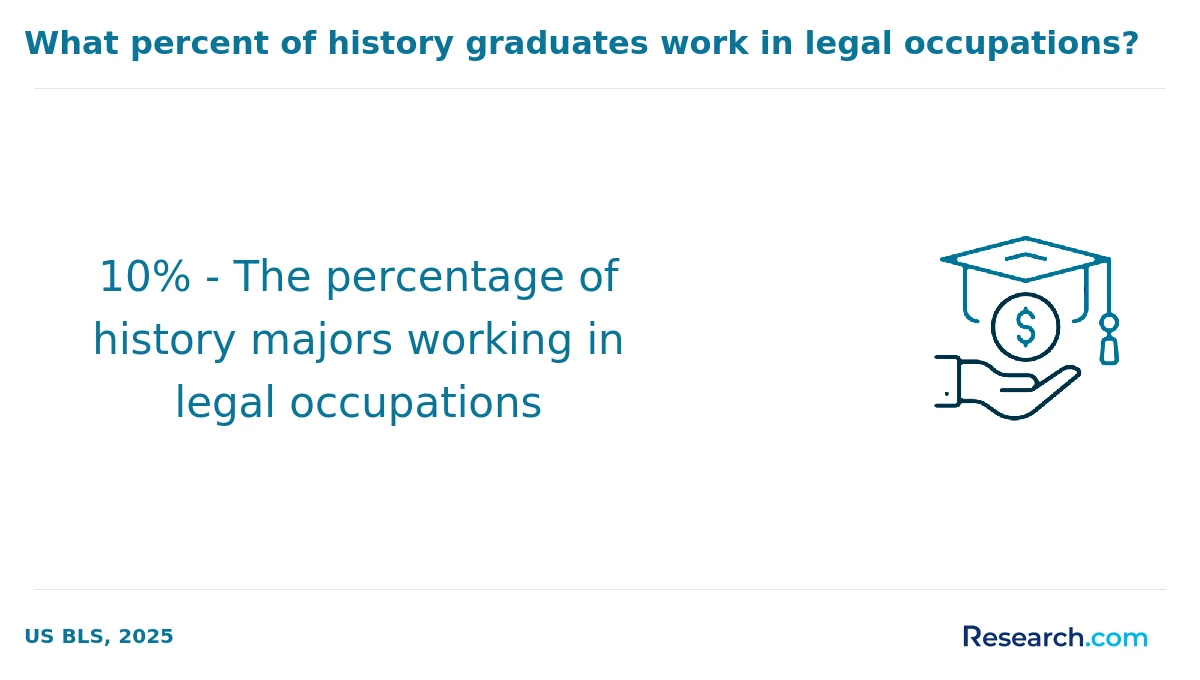
Plus, careers in government, law, journalism, and public history highlight the versatility of the online degree. Graduates leverage analytical and research skills to impact policy, community programs, or compelling investigative reports. For students weighing options, affordable tuition in Alabama makes an online degree history an exciting investment in a future filled with meaningful work and lifelong growth.
Across Alabama, numerous jobs for history graduates online show that with determination and passion, a history degree opens doors to inspiring, impactful professions.
The job market for online history degree in Alabama offers a rewarding range of opportunities for graduates eager to make an impact. Many students from well-regarded institutions such as the University of Alabama and Auburn University have found fulfilling roles in regional museums and cultural heritage sites, where they actively contribute to preserving Alabama's unique history. Graduates often highlight the satisfaction of working in cities like Birmingham or Montgomery, supporting historical commissions and educational programs that celebrate the state's Civil Rights legacy.
Those pursuing online history degree jobs in Alabama appreciate the accessible in-state tuition and the chance to gain certification for teaching roles within public schools and community colleges. This pathway opens doors to stable careers in education, with alumni frequently sharing how their hands-on experiences and internships enriched their understanding and boosted their confidence.
Many also explore research and analytical positions in government or private sectors, where skills developed during their studies translate directly into meaningful work. For those curious about the financial aspects, exploring the highest paying jobs with art history degree can offer inspiration and insight into related fields.
2027 Best Online History Degree Programs Ranking in Alabama
Investing in your education is a significant decision that can shape your future, and the Research.com team understands the importance of making informed choices. To assist prospective students in Alabama, we have meticulously crafted the "2027 Best Online History Degree Programs Ranking in Alabama." Our commitment to quality, credibility, and accuracy is reflected in the extensive research and analysis conducted to compile this ranking.
We utilized the following reputable data sources to ensure a comprehensive evaluation of history programs:
By exploring this ranking, readers will gain valuable insights into the best online history degree programs available in Alabama, helping them make informed decisions about their educational paths. For more details on our methodology, please visit our Research.com methodology page.


# 4 position
Judson College
Bachelor of History

Frequently Asked Questions About history
Online history degree students in Alabama can maximize their learning by actively engaging with course materials and participating in virtual discussions. Research shows that students who contribute to online forums tend to retain information better (Source: Alabama Commission on Higher Education, 2023). Setting a regular study schedule helps manage the flexibility of online programs effectively.
Leveraging local resources such as Alabama's digital archives and history museums can deepen understanding beyond textbooks. For instance, the Alabama Department of Archives and History offers extensive online collections relevant to many coursework topics.
Additionally, connecting with professors during virtual office hours enhances personalized learning and networking opportunities. Students should seek internships or volunteer roles at historical sites across Alabama, which provides practical experience applicable to their studies.
Emerging niches within the history field reflect growing interests in specialized areas of study that align with modern societal needs. In Alabama, online history degrees increasingly emphasize public history, which includes museum work, archival management, and historic preservation. This niche is notably relevant given Alabama's rich civil rights history, attracting both students and institutions focused on community engagement and cultural heritage.
Another expanding area is digital history. This involves using digital tools to analyze and present historical data, offering innovative career paths in academia, libraries, and education technology companies. According to the American Historical Association, growth in digital history programs has accelerated nationwide, including at Alabama's universities.
Environmental history also gains traction, connecting historical research with climate studies and policy development. This interdisciplinary approach suits Alabama's diverse ecosystems and ongoing environmental discussions.
After completing an online history degree in Alabama, preparing for the job market involves several strategic steps. Graduates should begin by gaining practical experience through internships or volunteer opportunities at local museums, archives, or historical societies. Alabama houses institutions like the Alabama Department of Archives and History, which can provide valuable connections.
Building a strong résumé highlighting research, writing, and critical-thinking skills is essential. According to the U.S. Bureau of Labor Statistics, historians' employment is projected to grow 6% from 2021 to 2031, showing steady demand.
Networking with professionals through organizations such as the Alabama Historical Association also enhances job prospects.
Employers in Alabama highly value history degree graduates who demonstrate strong research and analytical skills. These abilities allow graduates to interpret historical data and provide meaningful context, essential for roles in education, archives, and museums.
Written and verbal communication skills are also crucial. Graduates must clearly present complex historical information to diverse audiences, as highlighted by the National Association of Colleges and Employers.
Critical thinking and problem-solving capabilities are frequently sought after, enabling graduates to assess sources' credibility and develop persuasive arguments. According to Alabama's Department of Labor, these skills improve employability in public history and governmental positions.
Finally, proficiency with digital tools for historical research and archival management is increasingly important in today's job market.
Finding internships in Alabama related to a history degree involves targeting institutions that value historical knowledge. Start by exploring opportunities at museums, historical societies, and archives, such as the Alabama Department of Archives and History. These organizations often offer internships that provide hands-on experience with historical documents and preservation.
Universities with history programs in Alabama, like the University of Alabama, frequently have career services that list local internships or cooperative education programs. According to the Alabama Humanities Foundation, many cultural organizations actively seek interns to assist with public history projects.
Networking through local history groups and attending regional events can also uncover less-publicized opportunities. Use online platforms like Handshake or your university's job board to find timely internship listings specific to the state's history sector.
Obtaining an online history degree in Alabama can significantly enhance career mobility and advancement opportunities. Many state employers, including museums, archives, and educational institutions, value candidates with specialized knowledge in history and research skills.
According to the Alabama Department of Labor, roles in education and historical services are expected to grow by 6% through 2030, reflecting steady demand. Online degrees offer flexibility, allowing working professionals to upskill without pausing their careers.
Graduates with history degrees often pursue positions in teaching, public history, or government roles, which frequently provide room for promotion based on educational credentials and expertise. Additionally, Alabama offers state certification for teachers that supports career advancement for degree holders.
Studying for an online history degree in Alabama equips students with critical thinking, research, and analytical skills that are highly valued in interdisciplinary fields. Alabama's universities emphasize connecting historical knowledge with disciplines like political science, cultural studies, and education.
Many programs incorporate coursework in digital humanities and archival methods, preparing students to manage data and historical records across various sectors. According to the Alabama Commission on Higher Education, graduates with history degrees have found roles in museums, public policy, and media, demonstrating the flexibility of their skills.
This approach allows students to tackle complex societal issues using historical perspectives alongside other disciplines, making them strong candidates for careers beyond traditional history roles.
When choosing between a thesis and a non-thesis history degree program in Alabama, students should consider their career goals and learning preferences. A thesis option often appeals to those interested in research, academia, or continuing toward a PhD, as it requires writing a substantial original paper under faculty supervision. Non-thesis programs typically emphasize coursework and may include internships or comprehensive exams, making them suitable for students aiming for careers in education, public history, or government roles.
Alabama's universities with online history degrees, like the University of Alabama and Auburn University, provide both tracks, reflecting national trends. According to the National Center for Education Statistics, about 40% of master's history students opt for thesis tracks nationwide; Alabama's figures align closely. Selecting based on workload, faculty mentorship availability, and post-graduation plans is crucial for success.
Students based in Alabama who wish to study history abroad have several options through online programs and affiliated study-abroad partnerships. Many Alabama universities offering online history degrees encourage participation in international research and exchange programs, often coordinating with institutions in Europe and Latin America.
While direct enrollment in foreign universities abroad may be limited for online students, programs like the University of Alabama's international internships and virtual study tours allow practical engagement with global history topics. According to the Alabama Commission on Higher Education, about 12% of Alabama college students participate in some form of international study experience annually, which can complement online history curricula.
Some community colleges in Alabama partner with foreign universities for dual credit opportunities or study-abroad seminars focused on history, enhancing a student's global perspective without disrupting online learning schedules.
Students pursuing an online history degree in Alabama can benefit from various part-time job opportunities that align with their academic focus. Working as a museum assistant or docent at institutions such as the Alabama Historical Commission or the Birmingham Civil Rights Institute offers hands-on experience with historical artifacts and education.
Another option includes roles in local archives or libraries, where students can assist with cataloging or research, fostering skills important in historical preservation and analysis. Additionally, tutoring peers in history or assisting professors with research projects provide practical experience that complements coursework.
According to the Alabama State Department of Education, positions in cultural heritage sites contribute valuable insights into the state's past, enriching both academic knowledge and professional skills.
Online history students in Alabama benefit from various networking opportunities through state universities and professional organizations. Many institutions offer virtual events, alumni groups, and history clubs that encourage student interaction beyond the classroom. For instance, the Alabama Historical Association hosts annual conferences that are accessible to students and provide valuable connections with historians and educators statewide.
The Southern Historical Association, which includes many Alabama-based professionals, also offers memberships and online forums. State libraries and museums, such as the Alabama Department of Archives and History, occasionally partner with universities to create internships and workshops, helping students gain practical experience.
Overall, these platforms foster connections critical for career development in history-related fields.
Alumni networks play a significant role in supporting students pursuing online history degrees in Alabama. These networks connect current students with graduates who have successfully navigated the academic and professional landscape, offering valuable mentorship and career guidance. According to the Alabama Commission on Higher Education, active alumni groups can increase job placement rates by providing access to exclusive local internships, historical societies, and educational institutions statewide.
For students studying Alabama's rich historical heritage, alumni often share insights into regional archives and research opportunities unique to the state. This networking can enhance students' understanding of local history careers and open doors to roles in museums, public history, and education. Moreover, alumni connections frequently lead to professional recommendations, helping graduates establish their reputations in competitive job markets.
Customizing an online history degree in Alabama allows students to align their studies with specific career goals. Many Alabama universities offer flexible course selections, enabling students to focus on areas such as American history, public history, or archival studies. According to the Alabama Commission on Higher Education, students can choose from electives that enhance skills relevant to education, government, or museum curation.
Additionally, some programs offer internships or independent research projects, providing practical experience. Students should also consider schools affiliated with state historical organizations for networking opportunities. Customizing your degree in these ways helps prepare for careers in teaching, historical preservation, or public service.
Online history students in Alabama frequently face challenges related to limited access to local archival resources and primary documents, essential for deep historical research. While digital libraries and databases have expanded, some specialized materials remain geographically restricted, complicating comprehensive study. Additionally, students often report difficulties with maintaining motivation and managing time effectively without the traditional structure of on-campus classes. According to the National Center for Education Statistics, retention rates for fully online programs can be lower than in-person studies, a factor impacting many Alabama learners. Furthermore, limited direct interaction with professors and peers may hinder collaborative learning and critical discussion.
Technical issues also play a role; inconsistent internet connectivity in rural Alabama areas can disrupt synchronous sessions or delay access to course materials. Many programs try to accommodate these challenges by offering asynchronous content, but this does not fully replace live engagement. Finally, online history curricula sometimes lack sufficient opportunities for internships or local fieldwork in Alabama, which are valuable for practical experience and networking within the state's historical community.
With an online history degree, graduates in Alabama can pursue several professional certifications to enhance their career prospects. One popular option is the Certified Archivist credential offered by the Academy of Certified Archivists, which is valuable for those interested in working with historical documents and records.
Additionally, the Certified Public Historian (CPH) certification is recognized nationally and can boost credentials for professionals aiming to work in museums, preservation, or academic environments.
For those interested in education, Alabama requires history teachers to obtain state teaching certification through the Alabama State Department of Education. Combining this with a history degree provides a pathway to teaching careers in the state's public schools.
These certifications can increase job opportunities and demonstrate specialized skills to employers.
When applying to an online history program in Alabama, start by carefully reviewing each school's specific requirements. Most programs require transcripts showing a strong academic record, particularly in humanities and social sciences. Alabama State University, for example, emphasizes a minimum GPA around 2.5, though competitive applicants often exceed this.
Craft a clear, focused personal statement that explains your passion for history and your reasons for choosing an online format. Highlight any relevant experience with Alabama history or related research, since local knowledge can strengthen your application.
Letters of recommendation should ideally come from professors familiar with your academic abilities. Demonstrating strong writing and analytical skills is crucial, given the demanding reading and essay work of history programs.
Finally, ensure your digital application is error-free and submitted before deadlines, usually early spring for fall enrollment in Alabama universities, as noted by the Alabama Commission on Higher Education.
Careers in history offer a broad global perspective, emphasizing critical thinking, research, and cultural awareness. Graduates with history degrees often find roles in education, museums, archives, and public policy both in the U.S. and internationally. According to the U.S. Bureau of Labor Statistics, employment for historians is expected to grow 6% from 2021 to 2031, reflecting steady demand worldwide.
In Alabama, institutions like the University of Alabama and Auburn University provide strong online history programs, helping students engage with global historical contexts from a local base. Employers value history graduates for their analytical skills and their ability to interpret diverse narratives.
Understanding history in a global context enriches careers, preparing students to address international issues and cultural complexities, skills increasingly sought in government and non-profit sectors.
Gaining practical experience while studying for an online history degree in Alabama is crucial for career readiness. Many Alabama universities encourage students to engage in internships with local museums, archives, and historical societies. For instance, the Alabama Department of Archives and History offers internship opportunities that provide hands-on experience in preserving state documents and artifacts. Online students can also volunteer for digital history projects or participate in virtual seminars and conferences hosted by regional historical organizations.
Additionally, research assistant positions at Alabama's universities allow students to work alongside faculty on historical research. These opportunities help build skills in primary source analysis and data interpretation, enhancing both academic and professional profiles.
Choosing the right concentration within an online history degree in Alabama starts with assessing your interests and career goals. Common focuses include American history, public history, and museum studies, each offering distinct skills and job prospects. For example, American history concentrations often highlight topics relevant to Alabama's rich Civil Rights past, which aligns with local cultural institutions' needs.
Consider the faculty expertise and course offerings at Alabama universities, as they vary significantly. According to the Alabama Commission on Higher Education, institutions like the University of Alabama emphasize Southern and Civil Rights history, providing unique research opportunities.
Additionally, evaluate how concentrations align with employment trends. The U.S. Bureau of Labor Statistics notes growing demand for historians in education and preservation, especially in culturally significant states like Alabama. Choose a concentration that balances your passion with local market needs.
- My Top 3 Recommendations on Networking in the History World | An Historian About Town https://anhistorianabouttown.com/recommendations-on-networking-in-the-history-world/
- How to Apply to Graduate School | Canadian Historical Association | Société historique du Canada https://cha-shc.ca/publications/employing-history-a-guide-to-graduate-school-and-navigating-the-job-market/how-to-apply-to-graduate-school/
- Join the Alumni Network - National History Day https://nhd.org/en/get-involved/join-the-alumni-network/
- The Impact of History Degrees: Opportunities and Trends Among History Degree Jobs https://www.ucumberlands.edu/blog/the-impact-of-history-degrees
- 4 Steps to Find History Research Opportunities as an Undergraduate https://www.coltie.com/post/4-steps-to-find-history-research-opportunities-as-an-undergraduate
- Alabama State University Global Campus https://www.alasu.edu/websites/asu-global-campus.php
- Undergraduate Student Opportunities https://warwick.ac.uk/fac/arts/history/students/studentopportunities/
- Online Degree vs. Traditional | University of Arkansas Grantham https://www.uagrantham.edu/blog/pros-cons-online-degree-vs-traditional-university/
- 2025 Most Popular Online History Degrees https://www.onlineu.com/degrees/history
- Top Niche Historical Topics for Deep-Dive High School Projects https://riseglobaleducation.com/blogs/top-niche-historical-topics-for-deep-dive-high-school-projects