2027 Best Online Bachelor's in History Degree Programs Ranking in Missouri

Co-Founder and Chief Data Scientist
Choosing the right online history degree program in Missouri can feel overwhelming. Our 2027 Best Online Bachelor's in History Degree Programs Ranking in Missouri offers clear guidance to help you make an informed decision.
This ranking was carefully created by the Research.com team of data scientists, focusing on programs that deliver quality education and flexibility for busy students.
Discover opportunities that fit your goals and lifestyle, and unlock the value of earning a history degree that can open doors to careers in education, research, or public service.
Key benefits of getting online history degree in Missouri
- History degree graduates in Missouri can pursue careers such as archivists or museum technicians, with median annual wages around $50,000 to $60,000 nationally, offering a stable and rewarding income.
- A history graduate from the University of Missouri may explore paths in education, public history, or cultural resource management, showing the degree's versatility and meaningful job opportunities.
- Online history degrees from Missouri State University provide flexibility, allowing you to balance work and study while gaining the same quality education as traditional programs, making it easier to achieve your goals.
- Key benefits of getting online history degree in Missouri
- What can I expect from online history degree in Missouri?
- Where can I work with online history degree in Missouri?
- How much can I make with online history degree in Missouri?
- 2027 Best Online Bachelor's in History Degree Programs Ranking in Missouri
- Key Findings
- How long does it take to complete online history degree in Missouri?
- What's the difference between online and on-campus history degree?
- What is the average cost of online history degree in Missouri?
- What financial aid is available to online history degree students in Missouri?
- What are the prerequisites for enrolling in online history degree program in Missouri?
- What courses are typically in online history degree programs in Missouri?
- What types of specializations are available in online history degree programs in Missouri?
- How do you choose the best online history degree in Missouri?
- What career paths are available for online history degree students in Missouri?
- What is the job market for online history degree in Missouri?
- Related History Rankings for Nearby States
- Top Trending History Rankings
What can I expect from online history degree in Missouri?
The average cost of pursuing an online history degree in Missouri typically falls between $10,000 and $25,000 for the entire bachelor's program, depending largely on the institution. Graduates from the University of Missouri system often recall the value of regional accreditation and how it assured them that their tuition investment translated into respected credentials. For example, students balancing work and family appreciate that these universities offer competitive in-state tuition rates that feel more manageable over the span of their studies.
At smaller private colleges, graduates sometimes face higher tuition but benefit from personalized attention and flexible scheduling. These aspects often bring a sense of reassurance and motivation, knowing the cost supports a tailored learning experience that fits their busy lives. Many students share that the financial commitment feels worthwhile, given the career versatility their degrees provide-whether in education, research, or public history.
Financial aid and scholarships available within Missouri's public institutions also help ease the cost burden, enabling many to pursue their passion for history without overwhelming debt. This blend of affordability and academic rigor is often highlighted as a positive takeaway from the experience.
Where can I work with online history degree in Missouri?
Graduates with an online history degree from institutions like the University of Missouri or Missouri State University often find their skills valued in a variety of career paths throughout the state. Many start as secondary school teachers, inspiring young minds with stories of the past, while others discover fulfilling roles in museums such as the Missouri History Museum in St. Louis, where they engage directly with preserving and interpreting the state's rich heritage.
Friends who graduated recently shared how their knowledge of historical research and communication opened doors in government agencies, including cultural resource management positions at the Missouri Department of Natural Resources. These jobs offer the rewarding challenge of protecting historic sites and supporting public history projects that keep Missouri's legacy alive.
Other graduates have found satisfaction working in archives, libraries, or nonprofit organizations, where their passion for history helps document and celebrate local stories. The ability to connect academic study with real community impact creates a meaningful career experience specific to Missouri's vibrant historical landscape.
How much can I make with online history degree in Missouri?
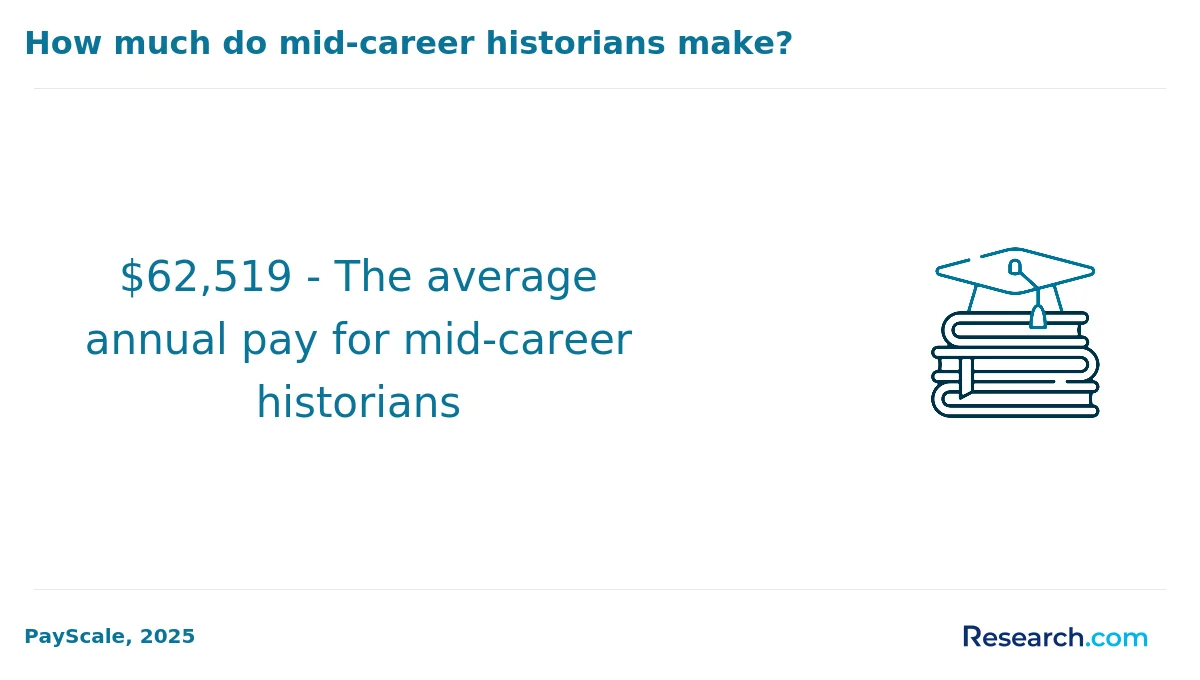
Graduates with an online history degree in Missouri often find their earning potential shaped by the diverse paths they choose, enriched by the state's unique cultural and educational landscape. For instance, many graduates from well-regarded institutions such as the University of Missouri or Missouri State University step into roles as museum curators or archivists, where annual salaries typically range from $55,000 to $65,000. This range reflects both regional demand and the distinct opportunities available in Missouri's historical hubs.
Teaching is another rewarding avenue. High school educators in Missouri earn about $56,000 annually, a figure confirmed by state education data. In contrast, those who pursue postsecondary teaching roles can expect salaries between $50,000 and $70,000, depending on the college or university, adding a layer of growth potential for dedicated graduates.
Beyond direct history roles, graduates often leverage their critical thinking and research skills in government and law sectors, where earnings may exceed $80,000 with experience and further education. These trajectories highlight how an online history degree from Missouri colleges blends passion with practical financial returns, making it a fulfilling investment for thoughtful students.
2027 Best Online Bachelor's in History Degree Programs Ranking in Missouri
How do we rank schools?
Investing in your education is a significant decision that can shape your future, and the Research.com team understands the importance of making informed choices. To assist prospective students in Missouri, we have meticulously crafted the "2027 Best Online Bachelor's in History Degree Programs Ranking in Missouri." Our commitment to quality, credibility, and accuracy is reflected in the extensive research and analysis conducted to compile this ranking.
We utilized the following reputable data sources to ensure a comprehensive evaluation of history degree programs:
By exploring this ranking, readers will gain valuable insights into the best online bachelor's history degree programs available in Missouri, helping them make informed decisions about their educational paths. For more details on our methodology, please visit our Research.com methodology page.


Key Findings
- Missouri offers accredited online bachelor's degrees in history through various public and private institutions.
- In-state online tuition at public universities ranges from $8,000 to $12,000 per year, while private schools can charge $15,000 to over $20,000 annually.
- History programs cover American, European, and world history, along with research and critical thinking skills.
- Starting salaries for history graduates in Missouri are typically between $35,000 and $45,000 per year, rising to median salaries of $55,000 to $65,000 with experience.
- Employment opportunities exist in education, research, museums, archives, government roles, and public history sectors.
How long does it take to complete online history degree in Missouri?
Completing an online history degree in Missouri most often takes about four years for full-time students, reflecting the experience of many graduates from institutions like the University of Missouri and Missouri State University. These programs typically require around 120 to 130 credit hours, which students usually spread over eight semesters. Many alumni recall how this steady pace allowed them to deeply engage with coursework without feeling overwhelmed.
Part-time students often take more time-sometimes five or six years-to balance their studies alongside work or family commitments. This flexible path resonates with those who appreciate the asynchronous courses offered by Missouri colleges, enabling them to learn on their own schedules.
Transfer credits are a powerful tool that some students have used to accelerate their journey, shaving off semesters by applying previously earned credits from community colleges. This often brings a sense of relief and motivation, helping students stay on track toward graduation.
For the motivated, accelerated or cohort models provide a chance to finish in less than four years, making the pursuit of a history degree in Missouri not only achievable but deeply rewarding.
What's the difference between online and on-campus history degree?
Choosing between an online and an on-campus history degree in Missouri means weighing flexibility against immersive experiences. Graduates from the University of Missouri often reflect on how the online program's convenience allowed them to balance work and family, completing coursework from home while still engaging deeply with Missouri's historical themes.
Conversely, alumni who attended on-campus programs at places like Washington University cherish the chance to walk through the Missouri History Museum or explore local archives as part of their studies-moments that transformed abstract lessons into tangible stories.
Online learners appreciate saving time and money on commuting and housing, though some have noted technology fees and the discipline needed to stay connected. On-campus students value the spontaneous interactions with professors and peers, along with access to tutoring centers and vibrant campus events that build community.
Both paths demand dedication, but the choice often depends on whether you thrive in a flexible self-driven setting or desire the hands-on, shared campus journey Missouri's rich history makes uniquely vivid.
What is the average cost of online history degree in Missouri?
The average cost of an online history degree in Missouri hovers around $45,000 in total, reflecting a balanced blend of affordable tuition and quality education. Graduates from the University of Missouri system often recall how managing tuition costs was feasible thanks to competitive in-state rates, which usually fall between $7,000 and $9,000 per year. This affordability allows many to pursue a bachelor's degree without overwhelming financial strain, especially when compared to private institutions where annual tuition might be significantly higher.
Many students at well-known Missouri colleges describe the value of their online history degrees not only in terms of cost but also through the enriching educational experience. Attending these programs often means completing 120 to 130 credit hours, with minor additional fees for technology or course materials. Alumni frequently appreciate how these transparent fees helped them budget effectively throughout their studies.
For those exploring what history degrees are there and considering Missouri's offerings, the state's affordability and range of programs stand out. With thoughtfully designed online curricula, these degrees offer a pathway to deepening historical knowledge without excessive expense. Missouri truly shines as an option that makes achieving an online history degree accessible and rewarding for residents seeking both quality and cost-effectiveness.
Reflecting on the journeys of past students, many express gratitude for the opportunity to study history affordably. Their experience serves as practical encouragement for prospective students weighing the average cost of online history degree Missouri and the benefits of pursuing a bachelor's in history online here.
Explore what history degrees are there to find programs that fit your goals and budget.
What financial aid is available to online history degree students in Missouri?
Studying history online in Missouri often comes with the reassuring support of varied financial aid options. Many graduates recall how completing the FAFSA unlocked access to Pell Grants and federal student loans, easing the burden of tuition that commonly sits between $8,000 and $12,000 annually at public institutions like the University of Missouri or Missouri State University.
Beyond federal aid, state programs such as the Access Missouri Financial Assistance have been pivotal for students facing financial challenges, offering grants that directly reduce costs after federal aid is applied. Alumni from these schools frequently highlight how combining these with institutional scholarships-tailored for online or history majors-created opportunities they hadn't anticipated, making higher education feel more attainable.
Some graduates also mention tapping into scholarships from local organizations like the Missouri Historical Society, which adds a personal connection to their educational journey. Finally, many working students balance employment with study by utilizing employer tuition assistance programs, feeling grateful for this flexibility that honors both their career and academic goals.
What are the prerequisites for enrolling in online history degree program in Missouri?
Enrolling in an online history degree program in Missouri often begins with fulfilling some straightforward yet essential prerequisites. Most graduates recall the relief of securing their high school diploma or GED-this foundational step felt like unlocking access to the broader academic world. Popular universities in Missouri, such as those in St. Louis and Columbia, typically expect applicants to submit standardized test scores like the SAT or ACT, though many have eased these requirements in recent years, making the process more accessible for diverse learners.
Maintaining a cumulative GPA around 2.5 to 3.0 is another common expectation. Alumni often reflect on how this benchmark encouraged consistent study habits, laying groundwork for engaging deeply with historical texts and analysis. Official transcripts from prior schools provide admissions officers a clear academic narrative, vital for understanding each student's journey.
Though personal statements and letters of recommendation aren't always mandatory, they can illuminate applicants' passion for history, helping them stand out. Moreover, some institutions recommend completing introductory coursework in history or social sciences, easing the transition into more challenging classes and often saving time and tuition.
- High school diploma or GED
- Standardized test scores if required
- Minimum GPA (typically 2.5-3.0)
- Official transcripts
- Possible letters of recommendation or personal statements
- Prerequisite coursework considerations
What courses are typically in online history degree programs in Missouri?
Students enrolled in online history degrees in Missouri often find their coursework deeply engaging and thoughtfully structured around both broad and locally relevant historical themes. Graduates from institutions like the University of Missouri frequently reflect on how core classes-such as American History covering pivotal eras like the Revolutionary War and Civil War-helped them connect national events to their own communities.
World History courses open their eyes to global shifts, while specialized classes in Missouri or Midwest History give them a unique perspective on the state's social and political evolution, often using resources from local archives. Many also appreciate the emphasis on Historical Methods and Research, which equips them with skills to critically evaluate sources and craft compelling narratives, useful beyond academics.
Electives such as African American history or women's history allow personal interests to flourish, and the required senior seminar or capstone project is viewed by online learners at community colleges as a rewarding culmination of their studies. These courses collectively foster a strong sense of connection to both global and Missouri heritage, inspiring confidence and a deeper appreciation for the past.
What types of specializations are available in online history degree programs in Missouri?
Students pursuing an online history degree in Missouri often encounter a variety of specializations tailored to deepen their academic and career trajectories. Graduates from the University of Missouri and similar institutions frequently highlight the appeal of American History, which dives into significant eras like the Civil War-an especially poignant choose given Missouri's historical border state role. This specialization enriches understanding through perspectives grounded in local heritage.
Many also appreciate the broadened viewpoint offered by World History, which goes beyond regional focus to engage with global narratives and cultural exchanges. Those drawn to hands-on, practical experiences find value in Public History, leveraging partnerships with entities like the Missouri Historical Society to gain real-world skills in museum curation and archival management.
Military History remains another compelling concentration, reflecting Missouri's rich martial past and offering insights valuable for defense-oriented careers. Students exploring online history degree specializations Missouri note that these focused tracks enhance both personal passion and professional readiness, often opening doors to diverse opportunities.
Some graduates emphasize the importance of exploring interdisciplinary areas such as Historical Research Methods and Regional History to tailor their education further. For those curious about potential career paths, reviewing listings like jobs with history degree can provide motivation and direction aligned with their academic focus.
How do you choose the best online history degree in Missouri?
Choosing the best online history degree in Missouri means starting with accreditation. Many graduates from popular Missouri universities praise programs accredited by the Higher Learning Commission for providing a solid foundation and ensuring their credits transferred smoothly when continuing education. Such accreditation is a vital guarantee of quality and recognition in the job market.
Curriculum depth and faculty expertise shape a rewarding experience. For instance, students often recall classes that explore diverse periods from Missouri's own rich past to global events, taught by professors actively engaged in research. These immersive programs reflect the strengths of the best online history degree programs in Missouri.
Affordability is also key. Those pursuing affordable history bachelor's degrees Missouri appreciate when tuition aligns with or falls below the $11,500 average public in-state cost, making education accessible without sacrificing quality. Graduates emphasize the importance of comparing detailed cost breakdowns before committing.
Robust student support and flexible online formats help balance busy schedules. Many find that features like synchronous sessions and dedicated advisors reduce isolation, enhancing persistence and satisfaction.
Understanding career trajectories is essential. Missouri alumni often mention how exploring history related careers early guided their goals and motivated their studies, proving invaluable in their professional journeys.
What career paths are available for online history degree students in Missouri?
Graduates of an online history degree in Missouri often find themselves drawn to meaningful careers that utilize their passion for research and storytelling. Many embark on paths as educators, securing Missouri state certification to teach social studies and history in schools, particularly in underserved rural communities where their knowledge is deeply valued. Others engage with museums or historical societies like the Missouri Historical Society, where they contribute as archivists or curators, preserving and sharing the state's rich heritage.
Missouri's public history sector also offers rewarding roles in cultural resource management and historic site preservation through state and local government agencies. For many graduates from well-regarded institutions in Missouri, these opportunities combine their love of history with community service, sparking a genuine sense of purpose. These practical experiences are echoed by alumni who praise the versatility of an online history degree, often successful in careers tied to law, journalism, or public administration due to their strong analytical skills. Students considering their future should explore online history degree bachelor's options to tap into these diverse Missouri history degree job opportunities.
What is the job market for online history degree in Missouri?
The job market for those holding an online history degree in Missouri offers a variety of fulfilling paths, especially for graduates from well-known institutions such as the University of Missouri or Missouri State University. Many find rewarding careers as secondary school teachers, museum curators, or research analysts within local government agencies. The career opportunities for history graduates Missouri provides encourage roles that blend research, communication, and critical thinking, highly valued skills that employers continuously seek.
Graduates often share how their hands-on experiences, like internships at the Missouri Historical Society or roles preserving cultural heritage, helped solidify their confidence and job readiness. Missouri's steady 7% growth projection in education and library occupations highlights the increasing demand for qualified educators and history specialists, making this an optimistic field. Additionally, affordable educational costs in Missouri enhance the return on investment, allowing many to launch their careers without overwhelming debt.
For those curious about related roles, exploring jobs with art history degree may reveal additional opportunities that align with their background and interests.
Frequently Asked Questions About history
Online history degree students in Missouri can enhance their learning by actively engaging with course materials and professors through virtual office hours and discussion boards. Missouri is home to several accredited institutions offering robust online history programs, including the University of Missouri system, known for its extensive digital library resources. Utilizing these resources can deepen understanding beyond lectures.
Students should also join history-related online forums or local Missouri historical societies to connect theory with regional context. According to the Missouri Department of Higher Education, participating in such extracurricular activities can improve critical thinking and research skills.
Balancing study time with digital note-taking and regular review helps retention. Missouri students might also consider internships with local museums or archives, which offer practical experience relevant to their online studies.
Emerging niches within the history field reflect growing interests in technology, culture, and diversity. Digital history, which uses tools like GIS mapping and digital archives, is expanding rapidly in Missouri universities. This niche allows history students to analyze data sets and present findings interactively.
Public history remains vital, focusing on museums, historic preservation, and community outreach. Missouri's rich Civil War heritage fuels demand for professionals skilled in curating and managing historical sites.
Additionally, environmental history is gaining prominence as scholars explore the relationship between humans and nature, relevant to Missouri's river systems and agricultural developments. These areas offer promising career paths for online history degree students.
After completing an online history degree in Missouri, preparing for the job market involves strategic steps. Graduates should focus on building a strong resume highlighting research, writing, and analytical skills gained during their studies. Networking with local Missouri historical societies, museums, and archives can open doors to opportunities. According to the Missouri Department of Higher Education, jobs for historians and related fields are growing steadily, with a median annual wage of about $63,000 nationally.
Internships or volunteer work at institutions like the Missouri Historical Society provide practical experience and connections. Additionally, obtaining skills in digital archiving or public history enhances employability in today's tech-focused market. Missouri graduates should consider professional certifications or graduate studies for competitive advantage.
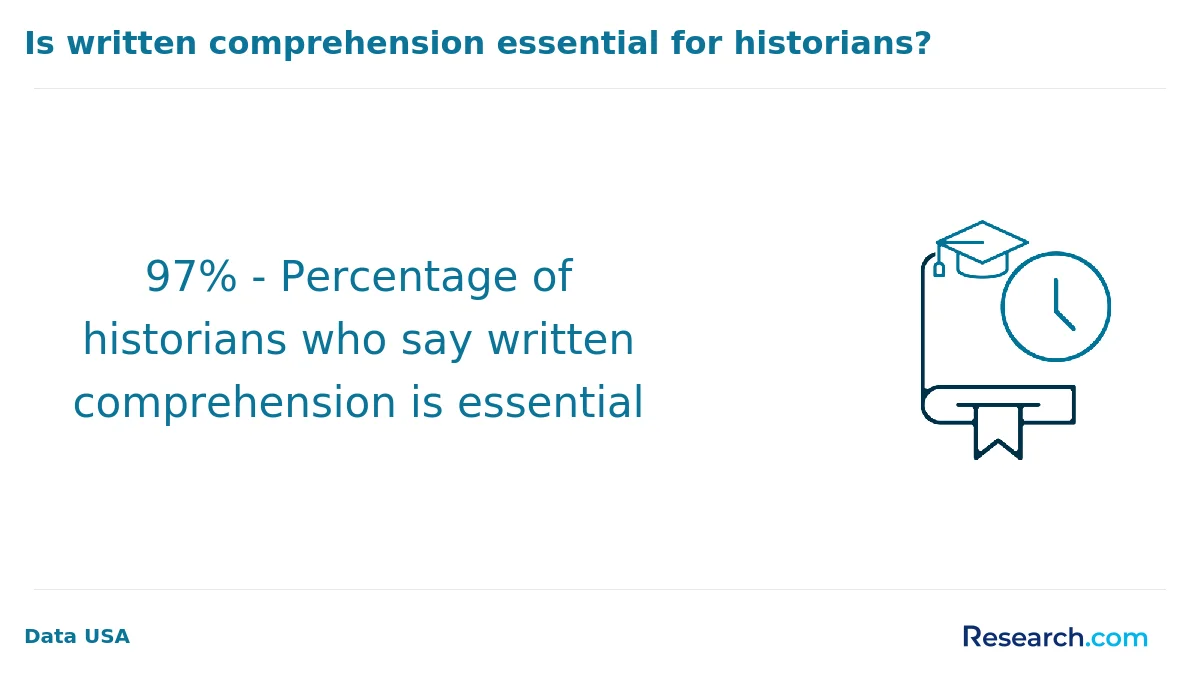
Employers in Missouri highly value history degree graduates who demonstrate strong research skills. Online programs emphasize the ability to analyze both primary and secondary sources, which is essential for many roles in education, law, and public policy. According to the Missouri Department of Higher Education, critical thinking and writing skills are also key for success after graduation.
Communication is important too, as graduates often need to present complex historical information clearly. Familiarity with digital archives and historical databases is increasingly sought, reflecting a national trend toward digital literacy in history fields.
Other valued skills include attention to detail, problem-solving, and cultural awareness. These help graduates adapt to diverse workplaces and contribute meaningfully to research or community engagement projects in Missouri's growing heritage tourism industry.
Finding internships in Missouri relevant to a history degree involves exploring multiple local resources. Students should start by contacting university career centers, which often have partnerships with museums, libraries, and historical societies. For example, institutions like the Missouri Historical Society offer internship programs related to archival work and public history.
Another key resource is the Missouri Department of Natural Resources, which occasionally provides internships focused on cultural preservation and history. Websites like Handshake or local nonprofit job boards can list opportunities specifically for history students in the region.
Networking through professional organizations such as the Missouri Alliance for History Education can also improve chances of securing internships. These opportunities often provide valuable experience for students pursuing careers in education, research, or heritage management.
Obtaining an online history degree in Missouri can significantly enhance career mobility and advancement opportunities. Many state employers, including museums, educational institutions, and government agencies, recognize the value of a bachelor's degree in history for roles that require strong research, analytical, and communication skills. According to the Missouri Department of Higher Education, history graduates who continue into related fields often see a salary increase between 10% and 20% after completing their degree.
Online history programs in Missouri often provide flexible learning options, allowing students to balance work and study, which is crucial for career advancement. The Missouri Economic Research and Information Center reports that the demand for historians and cultural resource managers in the state is growing steadily, supporting upward career trajectories for qualified professionals.
Studying for a history degree in Missouri equips students with critical thinking and research skills valuable across multiple disciplines. Missouri's online history programs emphasize analyzing historical events within broader social, political, and economic contexts, which enhances interdisciplinary understanding.
According to the Missouri Department of Higher Education, many programs integrate courses in sociology, political science, and cultural studies. This blend prepares graduates for roles in education, public policy, and museum curation, where cross-disciplinary knowledge is essential.
Students also learn to interpret diverse sources and communicate findings clearly, skills prized in law, journalism, and business sectors.
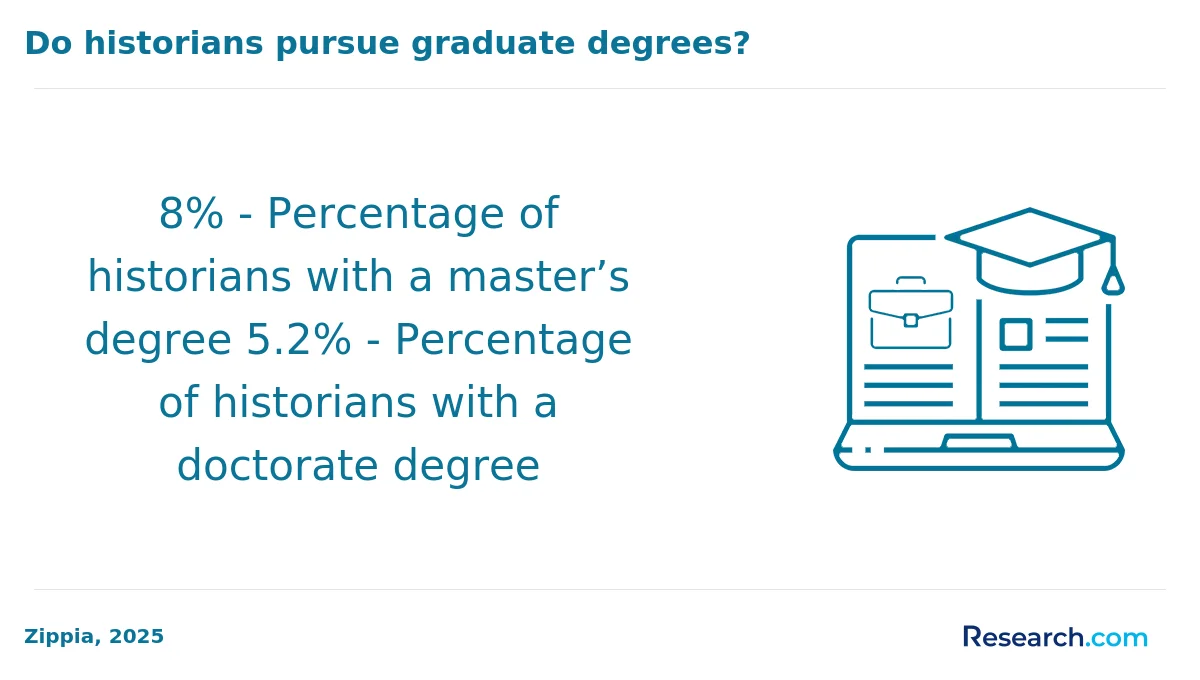
Choosing between a thesis and a non-thesis online history degree program in Missouri depends largely on your academic and career goals. A thesis option typically involves conducting original research and writing a substantial paper, which can be valuable if you plan to pursue graduate studies or a research-based career.
Non-thesis programs usually focus on coursework and may include a capstone project or comprehensive exam instead. These are often preferred by students aiming for careers in education, public history, or related fields where practical skills are emphasized.
According to the Missouri Department of Higher Education, roughly 40% of history graduates in the state pursue advanced degrees, making the thesis route relevant for many. Consider your long-term plans and consult academic advisors at Missouri institutions offering online history degrees when deciding.
Students based in Missouri who wish to study history abroad while pursuing an online degree have several options tailored to their needs. Many Missouri universities with online history programs encourage participation in study abroad partnerships, allowing students to earn credits from international institutions. For example, the University of Missouri system often facilitates exchanges with European and Asian universities specializing in history and cultural studies.
Additionally, online students can take advantage of virtual international learning experiences, such as digital archives, webinars, and collaborative projects with foreign scholars. These opportunities broaden historical perspectives without the need to travel physically.
According to the Missouri Department of Higher Education and Workforce Development, approximately 15% of Missouri undergraduates participate in study abroad programs, a percentage expected to grow alongside online education trends.
Students pursuing an online history degree in Missouri can benefit from several part-time job opportunities that align with their academic focus. Working as a research assistant at local universities or historical societies is a common option, allowing students to apply skills in archival research and analysis. Missouri is home to notable institutions such as the Missouri Historical Society and the State Historical Society of Missouri, which frequently seek part-time help.
Other positions include museum or archive assistants, where students manage collections or assist with educational programs. According to the Bureau of Labor Statistics, Missouri employs over 1,800 archivists and curators, indicating a steady demand.
Additionally, roles in local libraries or historic site tour guides provide practical experience and networking opportunities relevant to history graduates.
Online history students in Missouri have several networking opportunities despite the remote learning format. Many universities offering online history degrees encourage participation in virtual events, such as guest lectures, webinars, and discussion forums that connect students with faculty and professionals in the field.
Additionally, Missouri is home to several historical societies, including the Missouri Historical Society and the State Historical Society of Missouri, which often hold conferences and public programs open to students. These events provide valuable chances to meet historians, archivists, and museum professionals.
Students can also join national organizations like the American Historical Association and regional affiliates such as the Missouri Conference on History, which offer membership benefits including networking events and job boards tailored for history graduates. Leveraging these resources helps online students build professional contacts within Missouri's rich historical community.
Alumni networks play a significant role for online history degree students in Missouri by providing valuable connections and career support. Graduates often gain access to Missouri-based historians, educators, and professionals who share insights about local job markets and historical institutions.
According to the Missouri Department of Higher Education, active alumni groups help recent graduates find internships and employment opportunities within museums, archives, and educational settings statewide.
Networking through these groups also offers mentorship, helping students navigate their academic path and career planning in history-related fields. This can be especially useful given the competitive nature of history jobs in Missouri's public and private sectors.
Furthermore, alumni events and online forums allow students to build long-term professional relationships, crucial for research collaboration and continuous learning.
Many online history degree programs in Missouri offer flexible curriculum options that help students tailor their studies to specific career goals. You can often choose from a variety of electives focusing on American, European, or world history to deepen knowledge in relevant areas.
Some programs include opportunities for minors or certificates in related fields such as political science, archaeology, or public history, which enhance career readiness. Missouri institutions like the University of Missouri system emphasize experiential learning, including virtual internships and project-based assignments, to develop practical skills.
Advisors typically assist students in creating individualized academic plans aligned with careers in education, research, or museum work. Accreditation from bodies such as the Higher Learning Commission ensures program quality and transferability of credits across Missouri universities.
Online history students in Missouri often face challenges related to time management and staying motivated. Balancing coursework with jobs or family responsibilities can be difficult, especially since history programs require extensive reading and writing.
Access to primary sources and archives poses another issue. While Missouri has rich historical resources, online students may find it harder to engage directly with local museums or libraries, impacting their research depth.
Technical difficulties and limited direct interaction with professors or peers also contribute to feelings of isolation, which may reduce learning effectiveness according to studies by the Missouri Department of Higher Education.
Graduates with an online history degree in Missouri can pursue several professional certifications to enhance their careers. One common path is obtaining teacher certification for history or social studies, required to teach in Missouri public schools. The Missouri Department of Elementary and Secondary Education (DESE) oversees these licensures, ensuring candidates meet specific coursework and exam requirements.
Beyond education, history graduates often seek certifications in archival studies or museum curation, such as the Certified Archivist credential offered by the Academy of Certified Archivists. These certifications can improve job prospects in Missouri's cultural institutions like the Missouri History Museum.
Additionally, skills from a history degree apply well to project management certifications, useful in government or nonprofit sectors prevalent in Missouri cities. Pursuing such certifications broadens career opportunities beyond traditional history roles.
Writing a winning application for an online history program in Missouri begins with a clear, well-organized personal statement. Applicants should emphasize their passion for history and how an online degree fits their career goals. Missouri universities typically require transcripts showing strong performance in humanities and social sciences, so include these to strengthen your case.
Highlight any relevant experience, such as research projects or internships, especially if they relate to Missouri history or broader US historical subjects. According to the Missouri Department of Higher Education, competitive online programs look for candidates demonstrating critical thinking and writing skills, essential in history studies.
Letters of recommendation can boost your application by providing evidence of your academic abilities. Finally, carefully follow each program's specific application instructions to avoid administrative errors that might disqualify your submission.
Global perspectives on a career in history emphasize its relevance beyond national borders. History professionals often engage in work that connects cultures, societies, and international relations. In the US, including Missouri, a history degree prepares students for roles in education, research, and public history, all of which can have global impact.
According to the National Center for Education Statistics, over 8,000 history degrees were awarded nationwide in recent years, with Missouri contributing a significant share through institutions like the University of Missouri. Jobs in history often require strong analysis and communication skills valuable internationally.
Historians may also work with global archives, museums, or NGOs, emphasizing the worldwide context of historical events. Understanding historical dynamics equips graduates to address current global challenges thoughtfully and responsibly.
Gaining practical experience while studying for an online history degree in Missouri is achievable through several accessible methods. Many institutions encourage internships with local museums, historical societies, and archives, such as the Missouri Historical Society in St. Louis. These internships provide hands-on experience in research, preservation, and public education.
Additionally, some programs offer virtual internships tailored for online students, allowing participation in digitization projects and remote archival work. Volunteering at state parks with historical significance, like those managed by the Missouri Department of Natural Resources, can also enhance practical knowledge.
Networking through Missouri-based history organizations supports professional growth and job readiness.
Choosing the right concentration within an online history degree program in Missouri requires evaluating your academic interests and career goals. Missouri universities often offer concentrations like American history, European history, or public history. Consider which area aligns with your passions or professional plans, such as teaching, research, or museum work.
Look for programs accredited by recognized bodies like the Higher Learning Commission, ensuring quality education. Review course offerings and faculty expertise to find strengths in Missouri-specific topics, such as Ozark regional history or the state's role in westward expansion.
Consult resources like the Missouri Department of Higher Education for program details and graduation outcomes to guide your decision.
Related History Rankings for Nearby States
Top Trending History Rankings
References
- Region Selector - AUBG https://www.aubg.edu/aubg-today/what-to-do-with-a-major-in-history-civilizations-finding-the-right-career-path-for-you/
- Practical learning https://www.reading.ac.uk/history/undergraduate/how-youll-study/practical-learning
- Undergraduate Certificate in History | Thomas Edison State University https://www.tesu.edu/degrees-programs/certificates/undergraduate-history.php
- Master's History Application - Sample Letter (EN) https://ai.mystudies.com/blog/mystudies-writing-examples/application-for-master-program-history-20-06-2025.html
- Online Bachelor of Arts in History https://online.maryville.edu/online-bachelors-degrees/history/
- The Impact of History Degrees: Opportunities and Trends Among History Degree Jobs https://www.ucumberlands.edu/blog/the-impact-of-history-degrees
- 4 Steps to Find History Research Opportunities as an Undergraduate https://www.coltie.com/post/4-steps-to-find-history-research-opportunities-as-an-undergraduate
- What Can I do With a History Degree? https://theinterngroup.com/our-blog/what-can-i-do-with-a-history-degree
- History Online https://www.nsu.edu/History-and-Interdisciplinary-Studies/History-Online
- Online Degree vs. Traditional | University of Arkansas Grantham https://www.uagrantham.edu/blog/pros-cons-online-degree-vs-traditional-university/