2027 Easiest Online Master's in History Degree Programs Ranking in the South

Co-Founder and Chief Data Scientist
For students in the South looking to advance their education, choosing the right online master's in history program can feel overwhelming. This article introduces the 2027 Easiest Online Master's in History Degree Programs Ranking in the South, carefully developed by the Research.com team of data scientists. The ranking aims to help you make an informed decision by highlighting programs that balance quality and accessibility.
History degrees open doors to exciting careers and deeper understanding of the past. Reading this guide will inspire confidence as you explore options suited to your goals and lifestyle.
Key benefits of getting online history degree in the South
- History degree graduates in the South can expect competitive salaries, with many related careers in education, research, or public history offering an average annual wage around $60,000 nationally.
- Graduates from popular Southern universities, like the University of Georgia, pursue diverse careers such as museum curators, archivists, or teachers, providing rewarding opportunities to work with history daily.
- Online history degrees from respected Southern schools offer flexibility and access to expert faculty without relocating, making it easier to balance work, family, and studies while earning your diploma.
- 2027 Easiest Online Master's in History Degree Programs Ranking in the South
- What can I expect from online history degree in the South?
- Where can I work with online history degree in the South?
What can I expect from online history degree in the South?
The average cost of an online history degree in the South typically ranges between $400 and $600 per credit hour. For a standard 30 to 36 credit hour program, this translates to an estimated total tuition cost between $12,000 and $21,600. Many southern institutions like the University of North Carolina and the University of Alabama offer competitive in-state tuition rates even to online learners nationwide, making these programs financially accessible.
Graduates from these programs often report satisfaction with the value received, especially considering the rich digital archives and specialized faculty expertise focused on Southern history. For instance, students appreciate coursework that delves into Civil Rights history or Southern political movements, which are bolstered by unique regional resources.
Financial aid and scholarships specifically targeting history students further alleviate costs, enabling many to pursue degrees while balancing work and family obligations. The combination of affordable tuition and robust academic support makes southern online history programs attractive for students seeking both quality and flexibility.
Where can I work with online history degree in the South?
Graduates with an online history degree in the Southern United States often find varied career opportunities across education, museums, government, and private sectors. For instance, those from universities like the University of North Carolina or the University of Georgia frequently secure teaching roles in public and private K-12 schools, where a teaching certification combined with a master's in history meets licensure requirements. The U.S. Bureau of Labor Statistics projects an 8% growth in high school teaching jobs through 2031, reflecting strong demand for history educators in the region.
Higher education roles, such as research assistants or adjunct instructors, are common for alumni of Southern colleges. These positions value the mastery of historical methods emphasized in online programs, supporting graduates in institutions like Texas A&M or Emory University.
Museums and cultural heritage sites in cities like Charleston and Savannah also employ graduates as curators and archivists, benefiting from Southern history's rich context. Furthermore, local and federal government agencies and National Park Service sites seek experts in public history and preservation, aligning well with the specialized skills gained from an online degree.
Lastly, private sectors-publishing, heritage tourism, and consultancy-offer exciting roles, with graduates often motivated by passion for Southern Civil War history and cultural storytelling. This blend of career paths illustrates how an online history degree from Southern universities leads to fulfilling, impactful work grounded in regional heritage.
Graduates holding online history degrees in the South typically encounter median salaries between $50,000 and $60,000, reflecting regional economic trends. Those employed as university professors at recognized Southern institutions like the University of Georgia or the University of North Carolina often earn from $60,000 up to $90,000 annually, depending on experience and tenure.
Graduates stepping into roles such as archivists, curators, or museum technicians generally find salaries ranging from $40,000 to $55,000, consistent with reports from the Southern Economic Development Council. Government historians and cultural resource managers working within federal or state agencies may earn upwards of $70,000, especially in metropolitan hubs like Atlanta or Houston.
Entry-level positions frequently start near $40,000, but graduates who enhance their degrees with skills in digital archiving or public history services often improve their earning potential. Many Southern alumni describe satisfaction in leveraging local networks and resources through their accredited online programs, aiding successful employment in both urban and rural areas.
- Online history degrees in the South offer flexible learning with a mix of asynchronous coursework and occasional live sessions.
- The average cost for a complete master's program ranges from $12,000 to $25,000, with public universities generally more affordable for in-state students.
- Graduates typically earn between $40,000 and $50,000 annually soon after graduation, with experienced professionals making $55,000 to $70,000.
- Main employers include public institutions, cultural organizations, and government agencies, especially in states with rich historical heritage.
- The job market is stable but niche, requiring strong research, analysis, and historical interpretation skills for competitive roles.
Completing an online history degree in the South typically takes about four years for full-time bachelor's students, matching national averages but with added flexibility. Many students at institutions like the University of Florida or Texas A&M appreciate the ability to balance coursework with jobs or family, sometimes extending their studies to five years without penalty.
Master's degrees, such as those offered by Georgia Southern University, often require one to two years full time. However, online programs allow part-time study, meaning graduates frequently take up to three or four years to finish while working. This extended schedule helps adult learners manage responsibilities while advancing their education.
Southern universities accommodate diverse pacing through credit requirements-typically 120 credits for bachelor's and 30-36 for master's degrees-and flexible admission cycles. Graduates often report satisfaction with this adaptability, enjoying the opportunity to accelerate when life allows or slow down to reduce stress, reflecting the region's supportive approach to online learning.
Online and on-campus history degree programs in the Southern United States share academically rigorous curricula, but their delivery and student experience vary notably. On-campus students at universities like the University of North Carolina benefit from direct interaction with professors and peers, enriching discussions and immediate feedback. Graduates often describe this environment as energizing, highlighting access to campus libraries and archives as invaluable for deep research.
Conversely, online learners pursuing history degrees from institutions such as Florida State University appreciate the flexibility to balance work and family while studying remotely. These students report feeling empowered by controlling their schedules, though success demands disciplined time management. Southern online programs maintain accreditation standards, ensuring degree recognition comparable to their on-campus counterparts.
Cost differences also influence decisions. Residents attending public universities in the South face average tuition between $8,000 and $12,000 annually, with online options sometimes costing less. However, technology expenses and digital platform fees should be considered. Many online history graduates attest to strong virtual support networks, which help bridge gaps in access to campus resources.
The average cost of an online history degree in the South typically centers around $17,104 in total expenses for Southern online history master's program graduates. Public universities often provide more affordable tuition, especially for in-state students, making these programs accessible while maintaining strong academic standards. Many students at well-known Southern institutions appreciate how their tuition investment reflects the quality of education and resources offered, including knowledgeable faculty and comprehensive digital archives.
Online bachelor's and master's programs in history vary in cost, influenced heavily by factors such as residency status and program format. For instance, in-state learners attending prominent Southern public universities generally pay less than those enrolled at private colleges, where tuition can be significantly higher. Graduates often remark on the value of flexible scheduling and the ability to balance work or family commitments alongside their studies, which contributes positively to their overall satisfaction and sense of achievement.
When considering the average cost of online history degrees in this region, students find it helpful to explore various offerings and financial aid opportunities. Those researching history degrees may benefit from comparing tuition rates and additional fees, including technology and course materials. More information on accredited programs and realistic cost expectations can be found at history degrees.
Students pursuing an online history degree in Southern universities benefit from a range of financial aid designed to make education affordable. Federal Pell Grants offer up to $7,395 annually for eligible students, significantly reducing tuition costs at public institutions like the University of Florida or the University of North Carolina.
State-funded scholarships such as Tennessee's HOPE Scholarship and Georgia's HOPE Grant provide vital support for in-state students, often covering a substantial portion of tuition. Graduates from these programs frequently highlight how these awards eased financial stress, allowing full focus on their studies.
Many Southern colleges also extend institutional merit-based scholarships specifically for history students demonstrating strong academic records or relevant experience. When paired with federal work-study opportunities and low-interest federal loans, students find multiple flexible options to fund their education.
Additionally, professionals returning to study history online in the South often utilize employer tuition reimbursement programs, which supplement other financial aid avenues. These combined resources create a supportive environment for learners balancing education with other life demands.
Enrolling in an online history degree program in the South generally requires a bachelor's degree from an accredited institution, preferably in history or related fields like political science or anthropology. However, many Southern universities, such as those popular in states like Georgia and North Carolina, accept students from varied academic backgrounds if they demonstrate strong analytical and writing skills. Graduates from these programs often recall submitting official transcripts with a minimum GPA around 3.0, reflecting a standard academic expectation across regional institutions.
Some programs still request GRE scores, although this requirement is decreasing as schools recognize the test's limited predictive value. Letters of recommendation from former professors or supervisors remain a vital part of the application, highlighting an applicant's research skill and motivation.
Applicants also write personal statements to clearly express their goals and passion for history, a stage where many feel a genuine connection to Southern history and their future careers. Relevant work experience, especially in museums or archives, can significantly bolster an application, reflecting current demands for practical skills alongside academic achievement.
Online history degree programs in the Southern United States commonly include core courses such as Introduction to Historical Methods, Historiography and Research Techniques, and Historical Writing and Communication. These classes develop critical skills in analyzing sources, interpreting events, and expressing historical arguments clearly. Graduates from well-known Southern colleges often reflect on how these foundational courses boosted their confidence and prepared them for real-world research challenges.
Regional history courses are a distinctive feature of Southern programs. Students typically study Southern History and Culture, The Civil War and Reconstruction Era, and Black History in the American South. These subjects offer deep insight into local heritage and social dynamics, making the learning experience both personal and motivating for many students who feel connected to the region's complex past.
Electives allow customization toward broader or specialized interests, including U.S. history, world history, economic history, women's history, and slavery's history. This flexibility caters to diverse career paths. Many Southern online students appreciate how these courses equip them for jobs in education, museums, and public history, blending academic rigor with practical skills.
Online history degree specializations in the South typically include focused studies on American history, notably Southern history from the Civil War through Reconstruction and regional economic developments. Graduates from universities such as the University of Alabama and Louisiana State University often highlight the immersive experience of accessing local archives and historic sites remotely, which enriches understanding beyond textbooks. The best history master's concentrations southern US also frequently emphasize public history, preparing students for careers in historical preservation, museum curation, and community engagement-fields strongly supported by Southern states' emphasis on cultural tourism.
Other popular tracks include Civil Rights and African American History, Military History, and Cultural and Social History, reflecting the South's complex social narratives and pivotal historical events. These specializations appeal to students who seek to connect professional goals with a deep sense of place and heritage. Many online learners appreciate that such programs balance rigorous study with affordability and flexibility, making it possible to advance their careers without relocating.
For those curious about career outcomes, exploring history degree job opportunities linked to these specializations can guide students toward rewarding paths rooted in Southern history and culture.
To select the best online history degree in the South, prioritize regional accreditation, such as from the Southern Association of Colleges and Schools Commission on Colleges (SACSCOC), to guarantee recognized academic standards. Graduates from universities popular in the South often praise the robust faculty expertise, which enriches courses spanning American, Southern, and world history. These programs provide flexibility critical for working adults, with asynchronous classes and access to extensive online archives and databases.
Cost considerations are crucial; average annual tuition for public online history programs in the Southern US ranges from $7,000 to $15,000, making it essential to compare fees carefully. Many schools also offer reduced in-state rates for Southern residents, making some options especially affordable. Students value programs that combine affordability with strong academic resources, often referring to them as the best affordable online history degree programs in the South.
Graduates frequently highlight the advantage of programs with proven graduation and job placement rates, noting these metrics reflect real opportunities in sectors like education, public history, and archives. For those exploring career trajectories, resources on jobs for history masters degree provide valuable insights to align program choice with future goals. Choosing from top accredited online history master's programs Southern US ensures both academic rigor and practical outcomes.
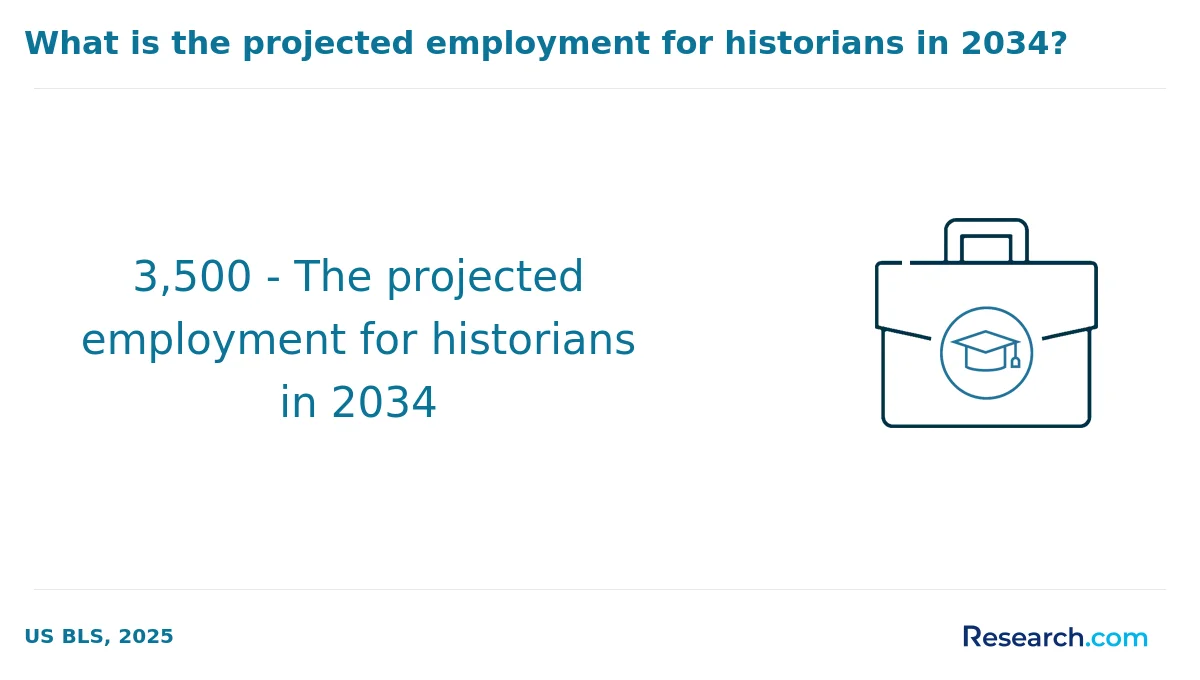
Graduates with an online history degree in the South find a variety of promising career opportunities linked to the region's rich historical heritage. Many pursue academic roles, becoming history teachers or professors at respected Southern universities where local historical knowledge is especially valued. These positions offer a satisfying blend of scholarship and community connection, with median salaries around $70,000, as reported by the Bureau of Labor Statistics.
Others build careers in museums and archives, often engaging with Southern cultural institutions that focus on Civil Rights and Native American history. Working as curators or archivists allows graduates to actively preserve and share regional stories. Similarly, roles in public history and preservation attract those passionate about protecting historic sites such as plantations and battlefields, providing meaningful work closely tied to Southern identity.
Online history degree jobs in the South also include government and public policy positions where historical insight enhances policy development and cultural resource management. Graduates frequently leverage their skills in media and publishing, contributing to documentaries or digital platforms, utilizing research experience gained from programs at popular colleges. For prospective students weighing options, exploring affordable online history degrees is a practical step toward these diverse paths.
The job market for graduates holding an online history degree in the South reflects steady opportunities in traditional and developing fields. States such as Texas, Florida, and Georgia, known for their rich cultural heritage and populous cities, provide fertile ground for employment in museums, archives, and public history positions. Graduates from institutions popular in the South often report success in securing roles related to heritage preservation and cultural management, applying skills honed during their studies.
With the growing acceptance of online education, the South regional job market history graduates experience is improving. Many students from Southern universities find internships and entry-level positions through local historical societies, such as the Texas Historical Commission and the Georgia Historical Society. These roles frequently value expertise in digital archives and public programming, areas emphasized in online courses.
Graduates also highlight the positive impact of combining their studies with skills like grant writing and digital literacy, which often enhance employability in education, research, and media. For more information on pursuing this path, prospective students can explore programs such as an online history degree masters.
2027 Easiest Online Master's in History Degree Programs Ranking in the South
Investing in your education is a significant decision that can shape your career and personal growth, and the Research.com team fully recognizes the importance of making well-informed choices. To support prospective students in the South, we have carefully developed the "2027 Easiest Online Master's in History Degree Programs Ranking in the South." Our dedication to quality, credibility, and accuracy is evident in the thorough research and analysis behind this ranking.
We utilized the following reputable data sources to ensure a comprehensive evaluation of online history master's programs:
By reviewing this ranking, readers will gain valuable insights into accessible and reputable online history master's programs in the South, enabling them to make strategic decisions about their educational journeys. For more information on how this ranking was created, please visit our Research.com methodology page.


Frequently Asked Questions About history
Online history degree students in the South can enhance their learning experience by actively engaging with regional historical resources. Many Southern universities provide access to digital archives, including Civil War documents and Southern cultural histories, which are invaluable for coursework. According to the Southern Historical Association, students should take advantage of virtual seminars and workshops focused on Southern history topics.
Time management is also critical when balancing studies with personal commitments, especially as over 60% of online graduate students in the US work full-time, per the National Center for Education Statistics.
Networking with peers and professors through online forums can deepen understanding and support career goals. Lastly, seeking internships with local historical societies or museums strengthens practical skills and professional connections within the region.
The field of history is expanding into several emerging niches, especially relevant for students pursuing online degrees in the South. One growing area is public history, which focuses on preserving and interpreting history outside academia, including museums, archives, and historic sites. Southern states, rich in Civil Rights and Civil War history, offer unique opportunities in this niche.
Another notable trend is digital history, combining historical research with technology to analyze and present data. Online master's programs increasingly integrate digital tools, reflecting demand in government and education sectors. Environmental history is also gaining traction, exploring the South's agricultural and ecological changes over centuries, supported by research from universities like UNC Chapel Hill.
Graduates with an online history degree in the South should focus on building practical skills to enhance employability. Internships and volunteer opportunities at local museums, archives, or historical societies provide valuable hands-on experience. According to the Southern Historical Association, networking with regional historians and joining professional groups can open doors to job opportunities.
Students should also develop strong research, writing, and digital literacy skills, as many employers value the ability to analyze historical data and present findings clearly. Additionally, pursuing certifications in archival management or museum studies can give candidates an advantage.
Familiarity with Southern history and cultural heritage is essential, especially for jobs in education, tourism, or public history sectors in the region.
Employers in the South value history degree graduates who demonstrate strong critical thinking and research skills. These competencies enable graduates to analyze complex historical data and present coherent arguments, essential for roles in education, public history, and cultural institutions.
Proficiency in written and verbal communication is also crucial. According to the Southern Regional Education Board, effective storytelling and clear writing enhance employment opportunities in museums, archives, and government agencies.
Technical skills, such as familiarity with digital archives and geographic information systems (GIS), are increasingly requested. In fact, the 2023 report from the American Historical Association highlights a 15% rise in demand for digital literacy among history graduates nationally, with strong adoption in Southern universities.
Additionally, employers appreciate cultural awareness and adaptability, reflecting the diverse history and communities across Southern states.
Finding internships in the South relevant to a history degree often begins with exploring partnerships that universities hold with local museums, archives, and cultural institutions. Many Southern universities collaborate with state historical societies and the National Park Service for opportunities.
The Southern Historical Association reports that history-related internships in the region frequently focus on archival work, preservation projects, and educational programs. Students should check university career portals and local government websites for postings.
Professional networking through organizations like the American Historical Association's Southern chapter can also connect students to internship openings. Additionally, reaching out directly to historical sites such as Civil War battlefields or heritage museums can yield opportunities.
Online history degree students benefit from virtual internships offered by institutions in cities such as Atlanta, Charleston, and New Orleans, expanding access beyond campus borders.
An online history degree can significantly enhance career mobility and advancement opportunities in the South, especially as the region's economy diversifies. Many Southern states, such as Georgia and North Carolina, have growing cultural institutions and education sectors that value advanced historical knowledge. According to the National Center for Education Statistics, over 30% of master's in history graduates in the South find roles in education, museums, or archives within five years of graduation.
Online programs provide flexible access to accredited Southern universities, enabling working professionals to improve qualifications without relocating. This flexibility supports career progression for those balancing jobs and family commitments.
Employers in government, nonprofit, and academic fields increasingly seek candidates with digital research skills and critical thinking abilities that history programs emphasize. Graduates with an online history degree can pursue diverse roles including teaching, public history, and cultural resource management across the Southern states.
Studying for a history degree in the South offers unique opportunities to engage with the region's rich and diverse past, fostering interdisciplinary skills. Many Southern universities incorporate courses that blend history with fields like sociology, political science, and cultural studies, which prepares students to approach problems from multiple perspectives. For example, programs often include the study of Civil Rights, Southern literature, and economic development, connecting historical analysis with social and economic contexts.
According to the Southern Association of Colleges and Schools Commission on Colleges, over 60% of history degrees emphasize interdisciplinary coursework. Such integration builds skills useful in education, public policy, and heritage management.
Choosing between a thesis and a non-thesis online history degree in the South depends largely on your career goals and learning preferences. A thesis program requires original research and a significant writing project, ideal for students aiming to pursue doctoral studies or research-intensive careers. Non-thesis options often focus on coursework and practical skills, suitable for professionals seeking advancement in education, public history, or museum work.
Southern universities, including those highlighted by U.S. News, often offer both formats. The thesis path can take longer to complete due to the research involved, while non-thesis programs typically finish faster. Understanding your professional objectives will guide this choice effectively.
Students based in the Southern United States interested in studying history abroad through online programs have several options. Many Southern universities offer online history degrees with international study components or study-abroad partnerships to enhance global perspectives. For example, programs at institutions like the University of Florida and University of North Carolina sometimes include virtual exchange projects or summer study abroad opportunities in Europe and Latin America.
Additionally, Southern schools often participate in consortiums that allow online students to take courses focusing on global history or gain credit for approved overseas experiences. The Southern Regional Education Board provides resources to help students access these opportunities.
Data from the National Center for Education Statistics shows a 15% increase in online graduate enrollment in Southern public universities between 2019 and 2023, reflecting a growing interest in flexible global history education formats.
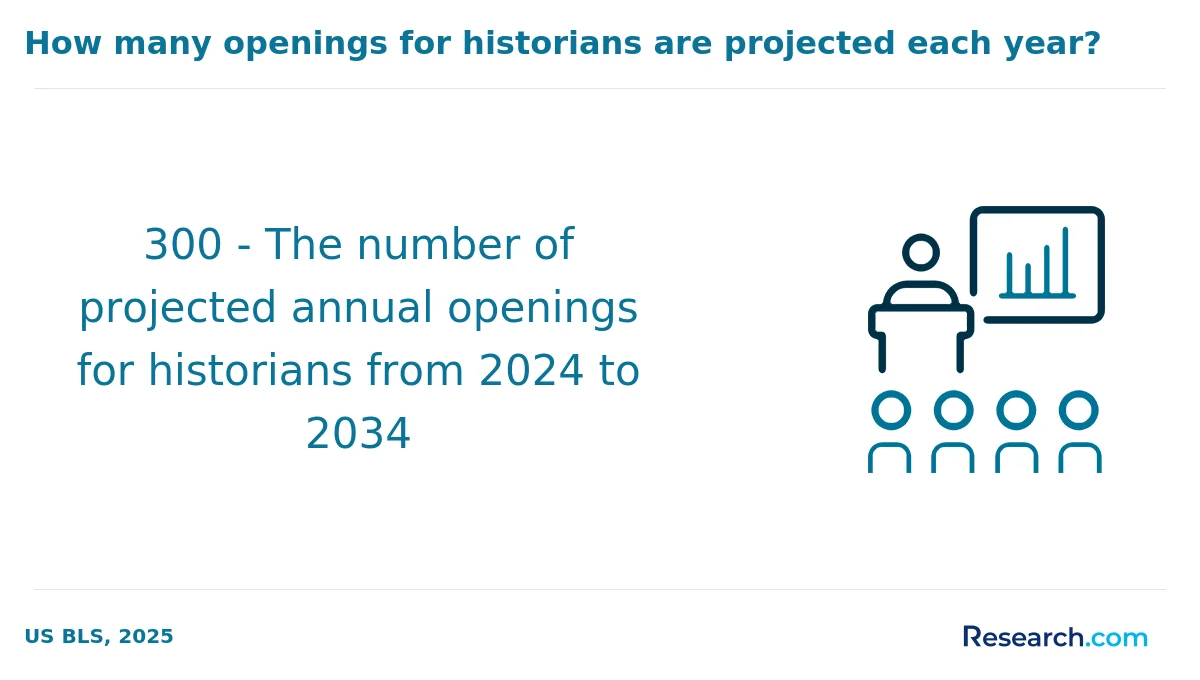
Part-time job opportunities in the South that complement online history degrees often involve roles in museums, archives, and historic sites. According to the U.S. Bureau of Labor Statistics, about 15% of historian jobs are tied to educational services and museums, which are plentiful in Southern states like Georgia, Tennessee, and Virginia. Working as a museum assistant or archival technician allows students to engage with primary historical materials while gaining hands-on experience relevant to their studies.
Additionally, many historic plantations and Civil War battlefields hire part-time guides and researchers. These positions help sharpen critical thinking and public speaking skills essential for history graduates. Universities in the South often offer research assistant roles related to local history projects, ideal for part-time work alongside online coursework.
Online history students in the South benefit from various networking opportunities designed to connect them with peers, faculty, and professionals in the field. Many Southern universities offer virtual history clubs and discussion groups, facilitating collaboration across campuses.
Students can also access regional conferences like the Southern Historical Association's annual meeting, which includes virtual components, allowing remote participation. These events provide chances to present research and engage with historians specializing in Southern history.
Additionally, partnerships with Southern museums and archives occasionally offer remote internships or volunteer projects, boosting practical experience and professional contacts.
According to the National Center for Education Statistics, over 30% of Southern history programs emphasize alumni networking through online portals, enhancing career prospects.
Alumni networks play a vital role for online history degree students in the South by offering professional connections and support beyond the classroom. These networks help graduates access job opportunities in museums, archives, education, and public history sectors, which are particularly active in Southern states like Georgia and North Carolina. According to the American Historical Association, strong alumni connections can increase employment chances by up to 30% in history-related fields.
Moreover, alumni groups often host regional events, webinars, and mentorship programs tailored to online students, enabling them to build relationships despite geographic distances.
In the South, where historical institutions thrive, such networks provide essential local insight and guidance for career growth among history graduates.
Customizing an online history degree in the South allows students to align their studies with specific career goals. Many Southern universities offer concentrations such as public history, archival management, or teaching, letting students focus on practical skills or academic research. Elective courses often include Southern history, civil rights, or museum studies, which are valuable for local employment opportunities. Additionally, students can usually choose capstone projects or internships related to their interests. According to the Southern Association of Colleges and Schools, accredited programs maintain flexible curricula that support diverse professional paths in education, preservation, or government fields.
Online history students in the South often face challenges related to access and engagement. While many universities have improved digital platforms, some rural areas still experience unreliable internet connectivity, affecting participation in synchronous classes and research activities.
Another common issue is limited access to local archives and specialized resources. Southern history students may struggle to access primary documents without visiting physical libraries or historical centers, which can hinder research depth.
Furthermore, balancing work and family commitments presents difficulties for many, especially since online programs require significant self-discipline. According to the National Center for Education Statistics, 60% of Southern graduate students juggle employment alongside their studies.
Finally, students sometimes report a lack of interaction with faculty and peers, which can impede collaborative learning and mentorship opportunities important in history education.
An online history degree opens several paths for professional certifications, especially relevant in the Southern United States. Graduates often consider the Certified Archivist credential offered by the Academy of Certified Archivists, which is valuable for working in libraries, museums, or government agencies. Another common option is the Certified Records Manager certification, beneficial for those managing historical documents and archives.
For educators, obtaining a teaching certification in history or social studies is a practical step, with states like Georgia and North Carolina providing clear licensure routes for history graduates. Additionally, the American Association for State and Local History offers the Certified Local Government Historian designation, which supports work preserving Southern heritage.
These certifications enhance employability and demonstrate specialized expertise, important in a region rich with cultural sites and historic institutions. According to the Bureau of Labor Statistics, history-related fields in the South continue to grow steadily, reflecting ongoing demand for qualified professionals.
Writing a winning application for an online history program in the South requires careful preparation. Start by researching programs accredited by the Southern Association of Colleges and Schools Commission on Colleges (SACSCOC), ensuring the institution meets quality standards. Your personal statement should highlight your passion for history, especially regional topics such as Southern Civil War history or Reconstruction, reflecting a genuine connection to the area.
Include relevant academic achievements, like undergraduate history coursework or research projects. Letters of recommendation from professors familiar with your scholarly abilities significantly strengthen your application. Demonstrating clear career goals linked to your history degree improves your chances.
Pay attention to deadlines and tailor each application to emphasize both academic readiness and a commitment to Southern history scholarship.
A career in history offers diverse global perspectives, especially for students in the Southern United States pursuing online degrees. Historians contribute to understanding cultural identities, international relations, and social justice worldwide. According to the American Historical Association, demand for historians is growing in public history, education, and research sectors, both domestically and abroad.
In the South, universities report increasing enrollment in history programs, reflecting interest in regional and global historical contexts. History graduates often work in museums, archives, and government agencies, engaging with worldwide audiences. Online degrees expand access, preparing students to analyze historical events with global insight while rooted in Southern heritage.
Students pursuing an online history degree in the South can gain practical experience through internships, research projects, and local historical societies. Many Southern universities offer virtual internships with museums and archives, allowing students to apply classroom knowledge to real-world settings. For example, partnerships with institutions such as the Smithsonian-affiliated museums in Washington, D.C., accessible to Southern students, provide valuable opportunities.
A 2023 survey by the American Historical Association indicated that 62% of history students secured internships before graduation. Additionally, students can engage in digital history projects, contributing to public history websites or oral history collections, often coordinated by university programs. These experiences build skills and enhance resumes.
Choosing the right concentration within an online history degree program in the South requires careful consideration of your interests and career goals. Many Southern universities offer concentrations such as Southern history, African American history, public history, and civil rights movements. According to the Southern Historical Association, these areas reflect the region's rich and complex past, providing unique learning opportunities.
Consider practical factors like faculty expertise and available resources, as strong mentorship can enhance your experience. Review course offerings to match your passion, whether it's cultural, economic, or political history. Understanding your preferred career path also helps guide your choice.
- History majors should have a more global perspective - The Lamron https://www.thelamron.com/opinion/history-majors-should-have-a-more-global-perspective
- Free Online History Course for College Credit- No Books or Tuition https://www.onlinedegree.com/free-courses/history-turning-points-modern-history/
- What Can You Do With a History Degree? https://willamette.edu/academics/college/history/career-options
- Online History Degrees https://mycollegeguide.org/online-history-degrees/
- 2025 Most Popular Online History Degrees https://www.onlineu.com/degrees/history
- History Programs https://www.isepstudyabroad.org/programs/by-field-of-study/history-programs
- History Online https://www.nsu.edu/History-and-Interdisciplinary-Studies/History-Online
- Making sure you're not a bot! https://journals.uclpress.co.uk/herj/article/pubid/Hist_Educ_Res_J-23-16/print/
- History (B.A.) https://king.edu/programs/humanities/history/
- Top Niche Historical Topics for Deep-Dive High School Projects https://riseglobaleducation.com/blogs/top-niche-historical-topics-for-deep-dive-high-school-projects