2027 Most Affordable Online History Degree Programs Ranking in Missouri

Co-Founder and Chief Data Scientist
Choosing the right online history degree program in Missouri can feel overwhelming. To help, the Research.com team of data scientists created the 2027 Most Affordable Online History Degree Programs Ranking in Missouri. This ranking highlights quality programs that balance cost and value, making your decision easier.
Pursuing a history degree opens doors to understanding the past and shaping your future. Reading this article will support you in finding affordable, reputable options that fit your goals and budget. Your educational journey starts here, with confidence and clarity.
Key benefits of getting online history degree in Missouri
- History degree graduates in Missouri pursuing jobs like archivists or curators generally earn a median annual wage around $56,000 to $60,000, offering a stable income with room for growth in cultural institutions.
- A graduate from the University of Missouri with a history degree can explore diverse careers including education, museum curation, or public history roles that tap into their passion for storytelling and research.
- Completing an online history degree from Missouri State University provides flexibility, allowing students to balance work and study while gaining the same respected qualification as traditional students.
- Key benefits of getting online history degree in Missouri
- What can I expect from online history degree in Missouri?
- Where can I work with online history degree in Missouri?
- How much can I make with online history degree in Missouri?
- 2027 Most Affordable Online History Degree Programs Ranking in Missouri
- Key Findings
- How long does it take to complete online history degree in Missouri?
- What's the difference between online and on-campus history degree?
- What is the average cost of online history degree in Missouri?
- What financial aid is available to online history degree students in Missouri?
- What are the prerequisites for enrolling in online history degree program in Missouri?
- What courses are typically in online history degree programs in Missouri?
- What types of specializations are available in online history degree programs in Missouri?
- How do you choose the best online history degree in Missouri?
- What career paths are available for online history degree students in Missouri?
- What is the job market for online history degree in Missouri?
- Related History Rankings for Nearby States
- Top Trending History Rankings
What can I expect from online history degree in Missouri?
The average cost of pursuing an online history degree in Missouri varies greatly depending on the type of institution you choose. Public universities in the state often offer tuition rates below $10,000 per year for residents, which can make earning your degree more affordable without sacrificing quality. For many students balancing work and family, this affordability provides real peace of mind, allowing them to focus on learning rather than financial stress.
Graduates from well-known Missouri universities often share how lower tuition combined with scholarship opportunities made their education accessible. They recall late nights studying Missouri's Civil War history or engaging in virtual discussions about the Mississippi River's cultural impact, all from their own homes.
Keep in mind, private colleges usually have higher tuition, but some students find their unique programs and smaller class sizes worth the investment. Researching financial aid specifically for history majors can make these options viable as well.
Where can I work with online history degree in Missouri?
Graduates with an online history degree from Missouri universities like the University of Missouri or Missouri State University often find rewarding careers in education, shaping young minds as middle or high school history teachers. Many share how fulfilling it feels to bring Missouri's rich past alive in classrooms, especially after completing the state's certification through the Department of Elementary and Secondary Education.
Others thrive working in museums and historic sites across St. Louis or Kansas City. Think of alumni who curate exhibits at the Missouri History Museum or assist with educational programs at the Harry S. Truman Presidential Library. These roles let them connect people with regional heritage in meaningful ways.
Government jobs also attract graduates eager to preserve public records or support historical projects at local or state agencies, including the Missouri State Archives. Meanwhile, some enter nonprofits or publishing, using research skills honed during their degree to develop content, write grants, or engage communities.
Many alumni echo how the online flexibility combined with Missouri's unique cultural landscape has opened doors, keeping their career options exciting and diverse.
How much can I make with online history degree in Missouri?
Graduates from online history programs in Missouri often find starting salaries in the range of $45,000 to $60,000, especially if they begin their careers at institutions like the University of Missouri or Missouri State University. These early earnings reflect roles in colleges, museums, or local government, where practical experience gained during studies can make a real difference. Many alumni share that stepping into community colleges or state cultural projects opens doors to salaries closer to $50,000, with room for growth over time.
For those who pursue teaching in Missouri's K-12 schools, salaries typically hover around $57,000, though this can increase as certification and experience build. Graduates often recount how the licensure process initially limits pay, yet with commitment, advancing credentials leads to more rewarding opportunities.
Moreover, Missouri's urban hubs like St. Louis and Kansas City commonly offer higher wages, sometimes reaching up to $75,000 or more for history graduates involved in consulting or research analysis. These roles provide thrilling challenges that many find fulfilling as they blend passion with a stable income. Embracing the journey through an online degree from trusted Missouri institutions equips students with both knowledge and practical pathways to achieve these earnings.
2027 Most Affordable Online History Degree Programs Ranking in Missouri
How do we rank schools?
Investing in your education is a significant decision that can shape your future, and the Research.com team understands the importance of making informed choices. To assist prospective students in Missouri, we have meticulously crafted the "2027 Most Affordable Online History Degree Programs Ranking in Missouri." Our commitment to quality, credibility, and accuracy is reflected in the extensive research and analysis conducted to compile this ranking.
We utilized the following reputable data sources to ensure a comprehensive evaluation of history degree programs:
By exploring this ranking, readers will gain valuable insights into the most affordable and credible online history degree options in Missouri, helping them make well-informed decisions about their educational paths. For more details on our methodology, please visit our Research.com methodology page.



Key Findings
- Tuition for in-state online undergraduate history programs in Missouri averages around $8,500 per year at public universities, with private colleges typically charging more.
- Employment growth for history-related jobs in Missouri is expected to remain stable, with opportunities in education, research, government, and cultural organizations.
- Starting salaries for history graduates in Missouri range from $40,000 to $45,000 annually, with experienced professionals earning up to $60,000.
- Most Missouri colleges offering online history degrees are regionally accredited, which helps with credit transfers and federal financial aid eligibility.
- Online history programs in Missouri mostly offer asynchronous courses, allowing students to study flexibly without disrupting their careers or relocating.
How long does it take to complete online history degree in Missouri?
Completing an online history degree in Missouri typically takes about four years for full-time students, aligning well with the experiences of many graduates from Missouri State University and the University of Missouri system. These students often share how balancing courses with life's demands felt manageable thanks to the structured 120 to 128 credit hours required for their bachelor's degree.
For those juggling work or family, part-time study extends the timeline to around six years or more, offering flexibility that many find empowering rather than limiting. Graduates recall how spreading out coursework allowed them to stay engaged without feeling overwhelmed.
Associate degrees offer a quicker path, about two years full-time, perfect for those eager to enter their fields or continue toward a bachelor's later.
Graduate students appreciate Missouri's online master's programs, which fit busy schedules and usually take 1.5 to 2 years, highlighting how dedication and good planning can turn ambitions into reality.
What's the difference between online and on-campus history degree?
Choosing between an online and an on-campus history degree in Missouri means considering how you want to engage with your studies and your daily life. Graduates from the University of Missouri-Columbia often recall the vibrant classroom discussions and immediate access to campus resources that brought history to life in ways you can't always replicate online. Being on campus means you can walk through the stacks of the university library or connect face-to-face with professors who ignite your passion for Missouri's rich past.
On the other hand, students who pursued their history degree online appreciated the freedom to balance coursework with full-time jobs or family obligations. Missouri State University's online program lets you dive into American or European history from home, eliminating commute costs and allowing you to study at your own pace, ideal for those with busy schedules. This flexibility, however, demands strong self-motivation and organization to keep up with recorded lectures and digital discussions.
Both paths cover the same core subjects and meet Missouri's rigorous academic standards, so your learning remains solid. It's about finding the rhythm that fits your lifestyle while immersing yourself in Missouri's historical narrative.
What is the average cost of online history degree in Missouri?
The average cost of an online history degree in Missouri for in-state students typically falls around $14,781 in total, which makes it an accessible investment for many aspiring historians. Public universities, such as those in the University of Missouri system and Missouri State University, offer affordable online history degree programs that attract students eager to balance education with work or family commitments. Graduates from these programs often share how the manageable tuition helped them focus on deepening their understanding of history without overwhelming financial stress.
Graduates recount experiences of efficiently navigating their studies through flexible schedules and cost savings, such as reduced commuting and housing expenses. Those pursuing history degrees online enjoy the possibility of continuing employment alongside their studies, a practical option that lessens economic pressure and adds value to their educational journey. The emphasis on affordability in Missouri's public universities makes these programs appealing to residents seeking quality education without excessive debt.
While private universities may have higher costs, sometimes ranging considerably above public tuition, students can find scholarships and financial aid to offset expenses. When exploring affordable online history degree programs Missouri offers, it is essential to review specific tuition fees and additional costs associated with textbooks or technology.
For students interested in degrees related to history, detailed program research is useful to uncover the best fit for both budget and academic goals. Checking out degrees related to history can provide valuable insights and guide your decision-making process toward a fulfilling, affordable online degree.
What financial aid is available to online history degree students in Missouri?
When pursuing an online history degree in Missouri, financial aid can be both a lifeline and a source of encouragement. Many graduates from popular institutions like the University of Missouri or Missouri State University share how federal aid, especially Pell Grants, helped ease their worries. These grants, which don't require repayment, can provide up to $7,395, making a real difference in managing tuition costs.
In addition, Direct Subsidized and Unsubsidized Loans offer manageable borrowing options, backed by the government's commitment to keep education affordable. State-specific programs, such as the Access Missouri Financial Assistance and Missouri State Scholarship Program, have been game-changers for many students, rewarding academic achievement and supporting financial need.
Institutional scholarships also hold promise; many history students recall how scholarships targeted to humanities majors through their university's financial aid office helped fund their studies. Private foundations like the Missouri Humanities Council add another hopeful possibility for those passionate about historical scholarship. With these resources, pursuing your history degree online in Missouri becomes an empowering journey.
What are the prerequisites for enrolling in online history degree program in Missouri?
To enroll in an online history degree in Missouri, you'll want to start by meeting the basic academic requirements that many graduates once faced. For undergraduate programs, having a high school diploma or GED is essential, along with a GPA typically around 2.0 to 2.5. Imagine a student applying to a well-known Missouri university who focused on maintaining steady grades and gathering transcripts to show their dedication-this step proves you're prepared for college-level study.
Many institutions, including popular ones in Missouri, now emphasize test-optional admissions, meaning your high school GPA and transcripts often carry more weight than SAT or ACT scores. Graduates frequently share how submitting a thoughtful personal statement helped them stand out, showing their passion for history and ability to express complex ideas clearly.
If you're aiming for a master's degree in history, expect to present a bachelor's degree with a GPA around 3.0 or higher. Letters of recommendation and writing samples become crucial here, reflecting the advanced research and analytical skills you'll need to thrive. Graduate applicants at Missouri's top schools often find these components showcase their readiness for rigorous academic work while making their application memorable and compelling.
What courses are typically in online history degree programs in Missouri?
When you enroll in an online history degree in Missouri, expect courses that ground you firmly in the rich tapestry of both American and global history. Graduates from institutions like the University of Missouri and Missouri State University often recall how core classes exploring American history-from the Revolutionary Era to 20th-century transformations-helped them understand the country's evolving identity firsthand.
Many students appreciate specialized courses that focus on Missouri's unique past, such as southeast Missouri's role in westward expansion or the Civil War border conflicts, making your learning deeply connected to local heritage.
Beyond American history, programs include global history surveys that open your eyes to the civilizations of Asia, Europe, and beyond-equipping you to see history in a wider, interconnected context, just as Missouri graduates have described.
Courses in historiography and research methods sharpen your analytical skills. You'll also explore public history, museum studies, and social history topics like race and class, allowing you to engage with history from multiple vibrant perspectives.
These thoughtfully designed classes prepare you to think critically and apply history practically, whether in capstone projects or virtual internships that bring textbook lessons to life.
What types of specializations are available in online history degree programs in Missouri?
When pursuing an online history degree in Missouri, you'll find a variety of specializations designed to match your passions and career goals. Many graduates from respected institutions in the state focus on American History, diving deep into Missouri's unique role in the Civil War and westward expansion. Others choose European History, exploring pivotal moments like the Renaissance and World Wars to gain a broader understanding of global events.
Students interested in hands-on, practical careers often gravitate toward Public History, preparing for roles in museums, archives, or historic preservation-fields where you can actively engage with history every day. For those drawn to strategic and social dynamics, Military History offers insight into conflicts and their lasting societal impacts, enriched by Missouri's own military heritage.
Some learners prefer broader perspectives through World History specializations, mastering the complex interactions of global civilizations. Choosing the right focus at popular Missouri colleges can empower your studies and open doors to fulfilling work. Exploring affordable history degree programs Missouri offers will help you invest wisely in your future.
Understanding these options enriches your decision-making, letting you align your education with your dreams. For guidance on career pathways beyond graduation, check out careers with a degree in history.
How do you choose the best online history degree in Missouri?
Choosing the best online history degree in Missouri means focusing on programs that combine accreditation, affordability, and flexibility. Graduates from popular Missouri universities often share how attending schools accredited by the Higher Learning Commission gave them confidence that their degree held value both locally and nationally. Many also highlight the importance of curriculum variety-programs that cover not only American and world history but regional topics like Missouri history help deepen your connection to the subject and community.
Look for a program with asynchronous classes, letting you study on your own schedule without sacrificing thoroughness, much like the experience of students balancing work and family here. When considering tuition, research schools that offer affordable online history degree Missouri options and check if they participate in tuition reciprocity or provide financial aid. This makes pursuing your passion more accessible, reducing stress.
Also, engaging with faculty who specialize in Midwest history and tapping into support services can elevate your learning journey. For practical insight into your future, explore careers for history majors that past students have thrived in after graduation.
What career paths are available for online history degree students in Missouri?
Graduates with an online history degree in Missouri discover diverse career paths fueled by the state's rich cultural heritage and expanding job market. Many alumni from well-known institutions like the University of Missouri pursue teaching roles in middle and high schools, leveraging state-approved certification programs to inspire the next generation. Such educators find fulfillment in sharing history's lessons while earning competitive salaries.
Others gravitate toward roles in higher education or research, working as university lecturers, archivists, or museum curators within organizations such as the Missouri Historical Society in St. Louis. These positions offer rewarding opportunities to protect and interpret Missouri's past, making history come alive for communities.
Exploring job opportunities with history degree Missouri alumni have also built careers in public administration, publishing, and historical consultancy. With practical skills gained online, graduates contribute to archival projects or help prepare historical impact reports in vibrant cities like Kansas City and Springfield. You can explore the best online history degree options to align your ambitions with these promising fields by visiting best online history degree.
What is the job market for online history degree in Missouri?
The online history degree job outlook Missouri offers is encouraging, especially for those who are passionate about education and cultural preservation. Graduates from universities such as the University of Missouri or Missouri State University often find rewarding careers as middle or high school history teachers, with Missouri's steady demand for qualified educators providing a solid employment base. Many describe the satisfaction of helping younger generations connect with the past and develop critical thinking skills as deeply fulfilling.
Beyond the classroom, history degree employment opportunities Missouri include roles in government research, policy analysis, and museum work. Graduates have successfully secured positions in institutions like The Missouri Historical Society, contributing as curators or archivists. These roles allow graduates to engage directly with Missouri's rich heritage, preserving it for future generations while enjoying a dynamic, community-focused career.
For students interested in expanding into related fields, careers in publishing or communications are a natural fit, leveraging strong writing skills honed during their degree. Exploring options through resources like art history degree jobs can open additional paths beyond traditional history roles.
Frequently Asked Questions About history
Students pursuing online history degrees in Missouri can enhance their learning by actively engaging with the broad range of digital resources available. The Missouri State Library and the State Historical Society of Missouri offer extensive online archives and documents that support in-depth research.
Participation in virtual discussion groups and history forums helps develop critical thinking and connects students with peers and experts. Missouri's community colleges and public universities often provide access to webinars and guest lectures, which enrich the curriculum beyond textbook learning.
Additionally, leveraging Missouri's local history sites, like the Missouri History Museum's digital exhibits, offers contextual understanding important for history majors. Consistent communication with academic advisors and faculty ensures that students remain on track and take advantage of internship opportunities linked to Missouri's historical institutions.
The field of history is evolving with new areas gaining attention, particularly for students pursuing online degrees in Missouri. One emerging niche is public history, which focuses on applying historical knowledge outside academia, often in museums, archives, and cultural resource management. Missouri's rich Civil War and pioneer history make this niche particularly relevant locally.
Another growing area is digital history. With advances in technology, historians are using digital tools to analyze and present data, improving access to archives and engaging broader audiences.
Environmental history is also gaining traction, examining historical relationships between humans and nature-an important topic given Missouri's diverse ecosystems.
According to the Missouri Humanities Council, interest in these niches contributes to expanding career paths for history graduates across the state.
Preparing for the job market after earning an online history degree in Missouri involves strategic planning and skill development. Graduates should focus on building strong research and writing skills, as these are highly valued in history-related careers. Missouri's job market offers opportunities in education, museums, archives, and government agencies. According to the Missouri Economic Research and Information Center (MERIC), employment for historians is expected to grow about 5% through 2031, which is steady. Internships or volunteer roles with local historical societies or archives can provide practical experience and networking prospects.
Developing digital literacy skills, such as proficiency in databases and digital archives, also increases employability. Additionally, certifications in museum studies or public history can set candidates apart. Networking through professional organizations like the Missouri Historical Society enhances job connections. Missouri's educational institutions often host job fairs and career workshops beneficial for online students. Staying informed about sector trends and local job openings will help graduates transition effectively into the workforce.
Employers in Missouri seek history degree graduates with strong research and analytical skills. The ability to analyze diverse sources and synthesize information is crucial in roles such as archival work, education, and public history. Critical thinking and problem-solving also rank highly, helping graduates interpret historical data accurately.
Effective written and oral communication skills are essential. Graduates must present complex information clearly to different audiences, whether creating reports or delivering presentations. Attention to detail and organization are important, especially for jobs in museums or libraries.
According to the Missouri Department of Higher Education & Workforce Development, graduates with these skills have higher employment rates in education, government, and cultural sectors. Understanding digital tools for historical research and preservation increasingly benefits candidates in Missouri's evolving job market.
Finding internships in Missouri relevant to a history degree involves targeting institutions that preserve and promote local heritage. Key organizations include the Missouri Historical Society and state archives, which often offer internship opportunities for history students. Universities such as the University of Missouri provide internship listings through their history departments and career centers.
Many internships are unpaid or offer modest stipends, focusing on research, archiving, or museum work. According to the National Association of Colleges and Employers, over 60% of interns in history-related fields secure internships through university connections or local nonprofits.
Online students should leverage virtual internship platforms that connect candidates with Missouri institutions, enabling remote participation and skill development.
Obtaining an online history degree in Missouri enhances career mobility by providing access to diverse job sectors such as education, public administration, and cultural resource management. The convenience of online programs allows working professionals to earn credentials while maintaining employment, increasing opportunities for promotion.
According to the Missouri Economic Research and Information Center, occupations requiring historical knowledge often see steady growth, with museums and archives roles expected to grow by 7% through 2030. Employers value critical thinking and research skills gained through history degrees, which help graduates advance into leadership positions.
Furthermore, Missouri's commitment to supporting online education via institutions like the University of Missouri System ensures quality degree options that align with state workforce needs, making online history graduates competitive in the local job market.
Studying for an online history degree in Missouri equips students with critical thinking, research, and communication skills adaptable to multiple fields. Missouri universities emphasize interdisciplinary learning, encouraging students to connect history with political science, economics, and cultural studies. This approach develops a broad perspective valued in careers like education, public policy, and museum work.
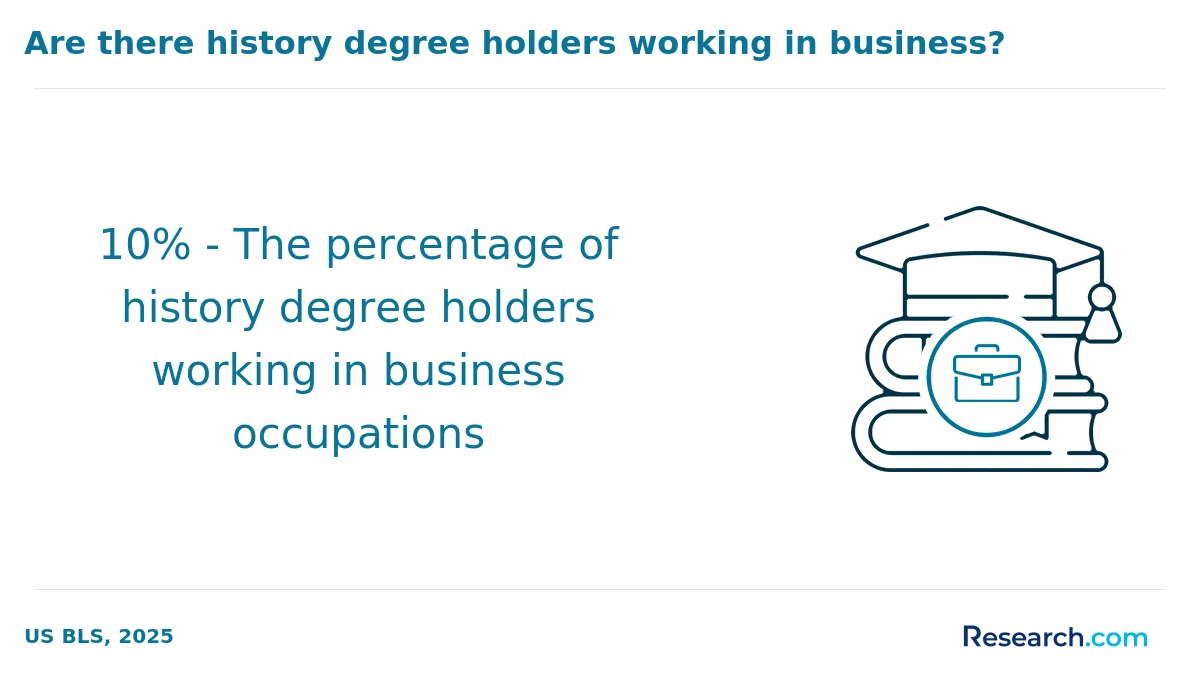
Data from the Missouri Department of Higher Education shows many history graduates enter diverse roles beyond academia, including business analysis and heritage management. Online history programs in Missouri often include internships and project-based work, providing practical experience across disciplines.
Such degrees build analytical abilities essential for understanding complex societal issues, which benefits roles requiring cross-sector collaboration and innovative problem-solving.
When choosing between a thesis and a non-thesis online history degree program in Missouri, consider your career goals and learning preferences. Thesis programs require original research and a formal paper, suitable for students planning to pursue graduate studies or research careers. Non-thesis options often emphasize coursework and practical skills, ideal for those seeking immediate employment in education, public history, or librarianship.
Missouri universities offering online history degrees may differ in credit requirements: thesis tracks typically require fewer credits but more independent work. According to the Missouri Department of Higher Education, about 40% of history graduates pursue further study, which can justify choosing a thesis path.
Assess your time availability and interest in research rigor, since thesis options demand significant self-motivation. Non-thesis routes often provide more flexibility for working professionals balancing study with other commitments.
Students based in Missouri interested in studying history abroad while pursuing an online degree have several options through US higher education institutions offering virtual programs with international components. These programs often include study abroad partnerships or virtual exchanges that allow students to explore global historical perspectives remotely or through short-term travel.
Missouri universities like the University of Missouri offer online history degrees with opportunities to study abroad in Europe or Latin America, supported by faculty experts and established exchange agreements. Additionally, Missouri students can enroll in nationwide online history programs that incorporate study abroad options through consortiums.
According to the Institute of International Education (IIE), the number of US students participating in study abroad grew steadily before 2020, with history and social sciences among the most popular fields. Missouri students can leverage these opportunities to gain global insights integral to a comprehensive history education.
Students pursuing an online history degree in Missouri can find several part-time job opportunities that strengthen their academic learning and professional skills. Working as a research assistant for local museums or historical societies is a common option. Missouri is home to institutions like the Missouri Historical Society, which occasionally offers flexible roles suited for students.
Archive technician or library assistant positions at university libraries or public archives also complement history studies. According to the Missouri State Library, these roles enhance skills in document preservation and data management.
Additionally, part-time jobs in education, such as tutoring history or assisting with community history programs, provide valuable experience. The Missouri Department of Elementary and Secondary Education supports various outreach initiatives that benefit from student participation.
Online history students in Missouri can access a variety of networking opportunities through their institutions and local professional organizations. Many universities offering online history degrees provide virtual events, such as guest lectures, discussion groups, and career workshops, which foster student interaction and connections with faculty and alumni. Missouri also hosts local chapters of national history and education associations, like the Missouri Conference on History and the Missouri Historical Society, where students can participate in conferences and volunteer activities.
These opportunities enable online students to build relationships with professionals and peers in the state, which can be valuable for internships and career prospects.
Alumni networks offer significant advantages to online history degree students in Missouri. These networks connect students with graduates who have navigated careers in history, education, and related fields, providing valuable mentorship and advice. Access to alumni increases opportunities for internships, job referrals, and professional development, which is crucial in Missouri's competitive job market.
According to data from the Missouri Department of Higher Education, graduates engaged with alumni connections report a 20% higher likelihood of securing employment within six months. Such networks also facilitate participation in history-focused events and workshops, enhancing learning beyond coursework.
For online students, these connections help bridge the gap of physical distance, fostering community and career growth.
Students pursuing an online history degree in Missouri have several options to customize their programs to align with specific career goals. Many Missouri universities offer electives or concentrations such as public history, archival management, or American history, allowing learners to focus on areas that suit professions like museum work, education, or research.
Additionally, some programs provide internships and practical experience opportunities with local historical societies and museums, which is valuable for building relevant skills. According to Missouri Department of Higher Education data, nearly 20% of history graduates in the state engage in internships to enhance employability.
Advising services at Missouri institutions also help students select courses and projects tailored to their career plans. Flexibility in course schedules supports working professionals aiming to balance study with job commitments.
Online history students in Missouri often face challenges related to limited access to local archives and historical sites, which can restrict research opportunities. While many programs provide digital resources, the lack of in-person access to primary documents can impact the depth of study.
Another difficulty is balancing coursework with personal and professional responsibilities, as many online students in Missouri are adult learners or working professionals. According to Missouri Department of Higher Education, nearly 40% of online learners manage work alongside studies, adding stress and time-management challenges.
Additionally, staying engaged in discussion-based history courses can be harder online, affecting interaction with peers and instructors, which some students find essential for critical analysis development.
With an online history degree in Missouri, graduates can pursue a variety of professional certifications that enhance career opportunities. One common path is becoming a Certified Archivist, a credential offered by the Academy of Certified Archivists. This certification is valuable for careers in museums, libraries, and historical societies throughout Missouri.
Another option is the Museum Studies Certificate, which provides specialized knowledge for managing cultural heritage institutions. Missouri has numerous museums that value such expertise. Additionally, some history graduates pursue teaching certifications to work in K-12 education, requiring Missouri state licensure.
For research roles, certifications in digital humanities or public history can be beneficial. According to the Missouri Department of Higher Education, these credentials improve job prospects in academic and public sectors statewide.
When applying to an online history degree program in Missouri, focus on demonstrating your passion for the subject. Admissions committees value clear, well-written statements that explain your interest in history and how the program fits your career goals. Missouri universities often review your academic record, so highlight relevant coursework and any research experience. Including specific examples, such as papers or projects related to Missouri or U.S. history, can strengthen your application.
Make sure to meet all application requirements, including transcripts and standardized tests if required, as policies may vary. Check official university websites for the most current details. Personalizing your application to reflect Missouri's unique historical context can make you a more compelling candidate.
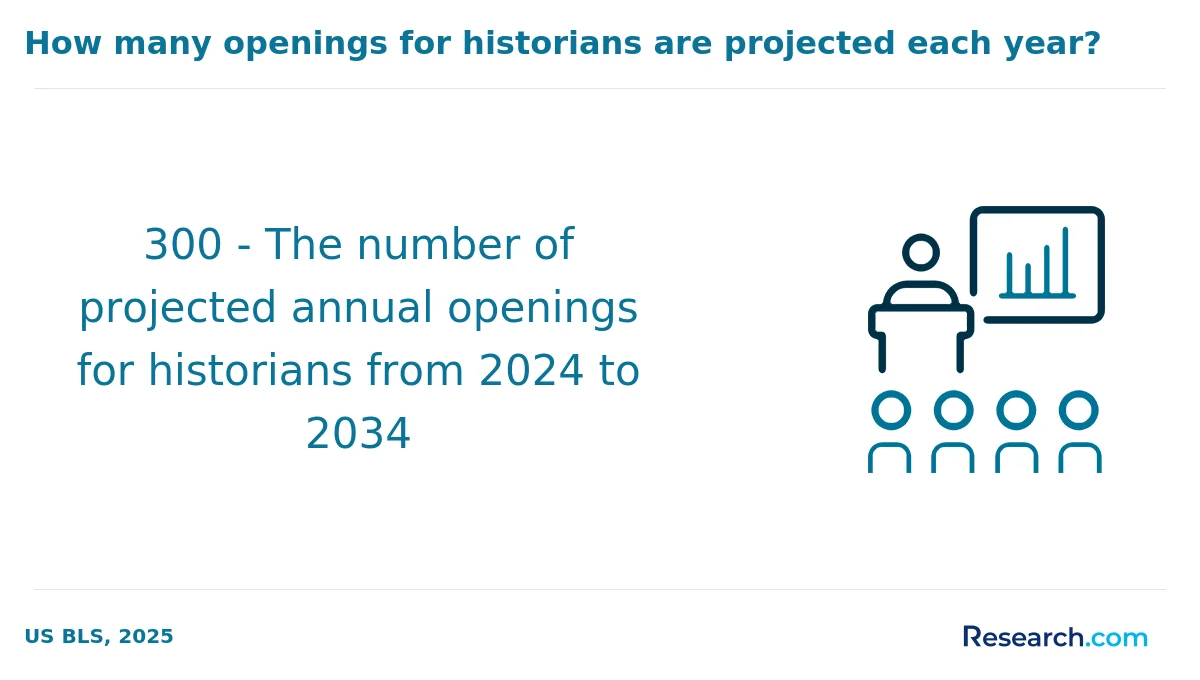
Careers in history often benefit from a global perspective, especially for students pursuing online history degrees in Missouri. Understanding international contexts enhances skills such as critical thinking and cultural awareness, which are highly valued in diverse fields. According to the U.S. Bureau of Labor Statistics, jobs for historians are expected to grow 5% from 2021 to 2031, reflecting steady demand.
Missouri's history graduates frequently find opportunities not just locally but in global organizations like museums, archives, and educational institutions. Employers increasingly seek candidates who understand cross-cultural narratives and global histories-competencies emphasized in many Missouri online programs.
Such skills prepare graduates for careers in diplomacy, research, and education worldwide, highlighting the importance of global perspectives in history careers.
Gaining practical experience while pursuing an online history degree in Missouri is essential for building skills and improving job prospects. Many Missouri universities encourage students to engage in virtual internships with local museums, historical societies, or archives. For example, the Missouri Historical Society and State Archives often offer remote internships suitable for online learners.
Additionally, online history programs may provide opportunities for research assistantships that allow students to work directly with professors on relevant projects. Participating in Missouri-based community history projects or digital history initiatives can also enhance practical understanding.
Students should consult academic advisors about service-learning or fieldwork options that fit their schedules.
Choosing the right concentration within an online history degree program in Missouri requires understanding your personal interests and career goals. Many Missouri universities offer specializations such as American history, public history, or world history, each with unique academic and professional opportunities.
Researching the curriculum is essential to ensure it aligns with your areas of interest. For instance, Missouri State University highlights its focus on regional history and archival studies, which may appeal to students seeking museum or library careers.
Consider Missouri's job market, where public history roles grow by about 5% annually according to the Bureau of Labor Statistics, influencing concentration choice. Additionally, consulting academic advisors and reviewing alumni outcomes can provide valuable guidance.
Related History Rankings for Nearby States
Top Trending History Rankings
References
- Undergraduate Certificate in History | Thomas Edison State University https://www.tesu.edu/degrees-programs/certificates/undergraduate-history.php
- 4 Steps to Find History Research Opportunities as an Undergraduate https://www.coltie.com/post/4-steps-to-find-history-research-opportunities-as-an-undergraduate
- The Challenges of Studying History in School | Education Research Project Topics and Materials https://educationtopics.com.ng/the-challenges-of-studying-history-in-school/60853/history-education/
- History, BA https://www.ucmo.edu/academics/programs/majors/history-ba-42-420/_nav.inc
- Online Bachelor of Arts in History https://online.maryville.edu/online-bachelors-degrees/history/
- 5 Challenges of Teaching History in International Classrooms (and How https://millerskills.co.uk/blogs/teaching-overseas/5-challenges-of-teaching-history-in-international-classrooms-and-how-to-overcome-them
- My Top 3 Recommendations on Networking in the History World | An Historian About Town https://anhistorianabouttown.com/recommendations-on-networking-in-the-history-world/
- How to Become a History Researcher: Steps and Career Outlook https://online.norwich.edu/online/about/resource-library/how-become-history-researcher-steps-and-career-outlook
- Study History Abroad | Go Overseas https://www.gooverseas.com/study-abroad/history
- History Programs https://www.isepstudyabroad.org/programs/by-field-of-study/history-programs