2027 Most Affordable Online History Degree Programs Ranking in Massachusetts

Co-Founder and Chief Data Scientist
Choosing the right online history degree program in Massachusetts can feel overwhelming, but this article is here to help. The 2027 Most Affordable Online History Degree Programs Ranking in Massachusetts was created by the Research.com team of data scientists to guide you through the best options available.
By exploring this ranking, you'll gain valuable insights into affordable programs that balance quality and cost. Pursuing a history degree opens doors to understanding our past while building critical thinking skills for a meaningful career path.
Take the first step with confidence and discover programs worth considering for your future.
Key benefits of getting online history degree in Massachusetts
- History degree graduates in Massachusetts can expect rewarding career opportunities with average salaries around $55,000 to $65,000 annually in related fields like education, research, and cultural resource management.
- A graduate from Boston University with a history degree often pursues careers in museums, archives, education, or public service, showcasing diverse and meaningful work options.
- Completing a history degree online from UMass Amherst offers flexible scheduling and the ability to balance work and study, making education more accessible and stress-free compared to traditional classroom settings.
- Key benefits of getting online history degree in Massachusetts
- What can I expect from online history degree in Massachusetts?
- Where can I work with online history degree in Massachusetts?
- How much can I make with online history degree in Massachusetts?
- 2027 Most Affordable Online History Degree Programs Ranking in Massachusetts
- Key Findings
- How long does it take to complete online history degree in Massachusetts?
- What's the difference between online and on-campus history degree?
- What is the average cost of online history degree in Massachusetts?
- What financial aid is available to online history degree students in Massachusetts?
- What are the prerequisites for enrolling in online history degree program in Massachusetts?
- What courses are typically in online history degree programs in Massachusetts?
- What types of specializations are available in online history degree programs in Massachusetts?
- How do you choose the best online history degree in Massachusetts?
- What career paths are available for online history degree students in Massachusetts?
- What is the job market for online history degree in Massachusetts?
- Related History Rankings for Nearby States
- Top Trending History Rankings
What can I expect from online history degree in Massachusetts?
The average cost of earning an online history degree in Massachusetts generally ranges between $15,000 and $25,000 for a full bachelor's program, depending on the institution. For instance, graduates from the University of Massachusetts online programs often reflect on how the accessible pricing and financial aid options made pursuing their passion for history genuinely achievable without overwhelming debt.
Many students appreciate the balance between quality education and affordability, especially at schools like UMass Amherst and UMass Boston, which offer regionally accredited degrees known for their academic rigor and flexible online formats. This combination helps students manage both their time and finances wisely, turning dreams into reality.
Graduates frequently mention the value of investing in a program where local historical resources and internship opportunities enhance their learning experience, adding practical skills alongside scholarship. This approach creates a fulfilling, enriching education that feels relevant and deeply connected to Massachusetts's vibrant historical community.
Where can I work with online history degree in Massachusetts?
Graduates from online history programs at institutions like the University of Massachusetts or Boston University often find themselves immersed in vibrant careers that bring Massachusetts' rich past to life. Many step into classrooms as passionate K-12 educators or community college instructors, using their degrees to inspire students with stories from the Bay State's historic landscapes. Pursuing teacher certification and passing the MTEL becomes a rewarding milestone for those eager to shape young minds.
Others embrace roles in museums like the Boston Museum of Fine Arts, working as curators or archivists, protecting priceless cultural artifacts and designing engaging exhibitions. These positions offer a unique chance to connect directly with history, combining research skills with creativity.
For graduates drawn to public service, government agencies such as the Massachusetts Historical Commission provide pathways to impact historic preservation and community heritage projects. Meanwhile, private sector opportunities in publishing, genealogy, and digital content creation allow history lovers to craft narratives that captivate audiences while building meaningful careers.
How much can I make with online history degree in Massachusetts?
Graduates with an online history degree in Massachusetts often find themselves stepping into rewarding careers with competitive salaries. For instance, historians in the state enjoy a median annual wage of about $73,000, notably higher than the national average. This is encouraging news for those finishing programs at institutions like Boston University or the University of Massachusetts Amherst, where alumni have shared how their education opened doors to roles in museums and academic research.
For graduates leaning toward education, especially teaching at the high school or postsecondary level, Massachusetts offers attractive pay. High school history teachers earn around $78,000 annually, while college instructors often see salaries near $90,000, demonstrating the value placed on expertise in history here.
Many alumni also thrive in nonprofit or cultural sector roles, managing archives or curating exhibits with salaries ranging from $50,000 to $75,000. These paths show the versatility of a history degree and reflect Massachusetts's strong commitment to preserving its rich heritage.
Remember, your salary may grow with experience or further study, especially if you pursue advanced degrees often encouraged by graduates who started in the Boston metropolitan area's vibrant academic scene.
2027 Most Affordable Online History Degree Programs Ranking in Massachusetts
How do we rank schools?
Investing in your education is a significant decision that can shape your future, and the Research.com team understands the importance of making informed choices. To assist prospective students in Massachusetts, we have meticulously crafted the "2027 Most Affordable Online History Degree Programs Ranking in Massachusetts." Our commitment to quality, credibility, and accuracy is reflected in the extensive research and analysis conducted to compile this ranking.
We utilized the following reputable data sources to ensure a comprehensive evaluation of history degree programs:
By exploring this ranking, readers will gain valuable insights into the most affordable and credible online history degree options available in Massachusetts, empowering them to make well-informed decisions about their educational investments. For more information on our approach, please visit our Research.com methodology page.


Key Findings
- Online history degrees in Massachusetts usually take four to six years to complete depending on full-time or part-time study.
- Tuition costs range from $12,000 to $25,000 per year, with public universities generally more affordable than private ones.
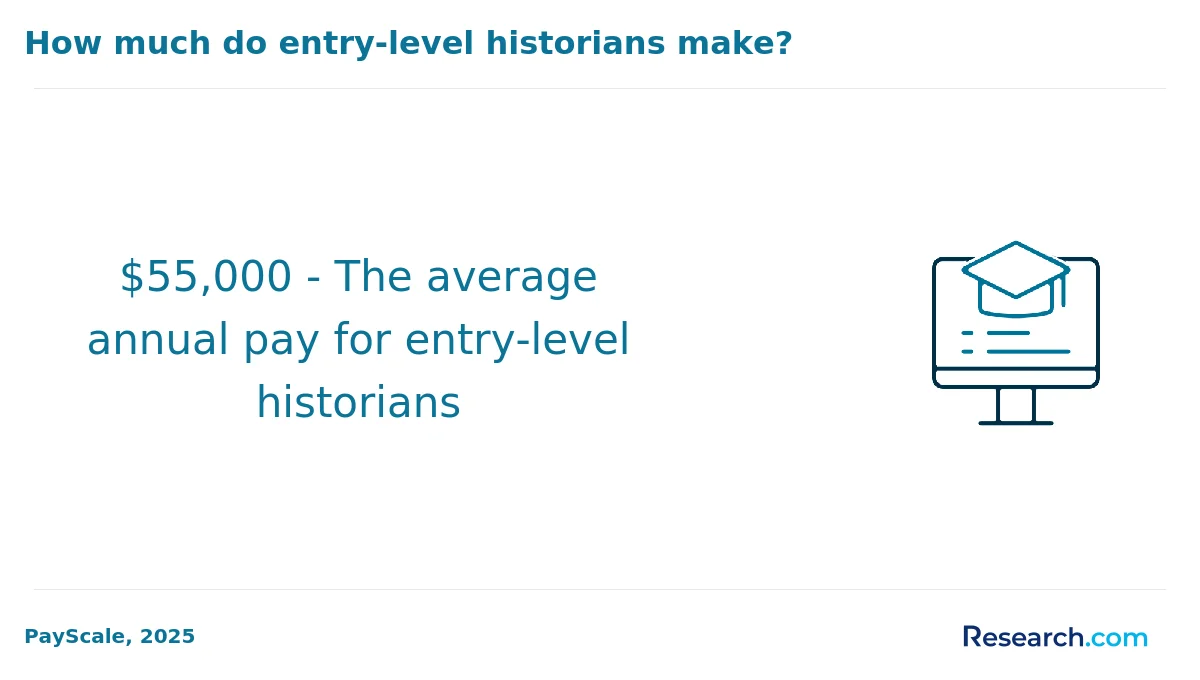
- Entry-level salaries for history graduates average between $45,000 and $50,000 annually, varying by job type and location.
- Experienced history professionals can earn between $65,000 and $80,000 per year, especially with advanced skills or degrees.
- Massachusetts supports online education quality and credit transfer, offering a mix of asynchronous and live coursework to fit students' schedules.
How long does it take to complete online history degree in Massachusetts?
In Massachusetts, completing an online history degree typically takes around four years for full-time students, especially at well-known institutions like the University of Massachusetts. Many graduates share how balancing their studies with work or family led them to choose part-time schedules, extending their degree timeline to six years or more. This flexibility allows you to tailor your education around life's demands.
Some motivated students opt for accelerated tracks offered by colleges like Boston University or Northeastern University, finishing in as little as two to three years by taking extra courses and summer sessions. Imagine diving deeper into the stories of the past while managing a career-these programs make it possible without overwhelming your schedule.
For those pursuing a Master's in history online, the journey generally lasts one to two years full-time. Many find asynchronous learning helpful, enabling them to study at their own pace and truly absorb the material. This adaptable approach is perfect for working professionals in Massachusetts seeking a meaningful, achievable path to advancing their historical knowledge.
What's the difference between online and on-campus history degree?
Choosing between an online and an on-campus history degree in Massachusetts really shapes your learning journey. Online programs, like those offered by several Massachusetts colleges, give you the freedom to study on your own schedule. Graduates often share how this flexibility allowed them to balance work or family while still diving deep into historical topics, using digital lectures and discussions through learning management systems.
By contrast, students at Boston University or UMass Amherst cherish the face-to-face interactions that spark lively debates and instant connections with professors and peers. Being on campus lets them explore rich archives and join history events that bring the past to life, creating a community feel many find invaluable.
While on-campus study may demand more in tuition and living costs-especially in urban areas-online learning can reduce expenses, though technology fees might apply. Both paths lead to respected degrees, so the choice comes down to your lifestyle and how you want to experience history in Massachusetts.
What is the average cost of online history degree in Massachusetts?
The average cost of an online history degree in Massachusetts centers around $19,200 for the entire program, making it a realistic investment for many students seeking to deepen their understanding of the past while balancing life commitments. Graduates from well-known public institutions like the University of Massachusetts have shared how this balance of affordability and flexibility helped them achieve their academic dreams without overwhelming debt. Many found the combination of in-state tuition rates and convenient online delivery crucial in managing their budgets and schedules.
For those exploring affordable online history degree programs Massachusetts offers, community colleges provide even more budget-conscious options with annual tuition often below $8,000 for in-state students. This pathway enables learners to gradually build their credits and experience the academic environment before transferring to four-year programs, creating a clear and manageable route toward completion.
Online history students in Massachusetts often appreciate how their tuition reflects real savings beyond the classroom-no commuting or housing costs add layers of financial pressure. To fully understand the financial commitment, it's wise to investigate each institution's full tuition breakdown and available aid. Exploring history related degrees through trusted resources can uncover scholarships and financial planning tips that make earning a degree both attainable and inspiring.
What financial aid is available to online history degree students in Massachusetts?
Students pursuing an online history degree in Massachusetts have a variety of financial aid options that can truly lighten the financial load. Federal aid is a powerful resource-Pell Grants, for example, provide up to $7,395 annually and don't need to be paid back. Graduates from schools like the University of Massachusetts recall how these grants made a huge difference in covering tuition without adding overwhelming debt.
State aid also plays a crucial role. Massachusetts residents qualify for programs like MassGrant, helping reduce costs for those who demonstrate financial need. Many students studying history online at institutions such as Salem State or Fitchburg State have benefited from these grants, allowing them to focus more on their studies and less on bills.
Institutional scholarships often target history majors or online learners specifically. Work-study programs offer flexible jobs that relate to history fields, providing valuable experience while earning money. Veterans and their families find added support through the GI Bill and local military education programs, making education attainable for those who served.
Private scholarships from historical societies further encourage dedication to history, rewarding passion and academic effort. Many alumni reflect fondly on how these combined aids helped turn their historical interests into meaningful careers.
What are the prerequisites for enrolling in online history degree program in Massachusetts?
To embark on your journey toward an online history degree in Massachusetts, you'll need to meet some foundational prerequisites. Most undergraduate programs expect you to have a high school diploma or GED, along with a GPA usually between 2.5 and 3.0. Imagine a graduate from a well-regarded institution like UMass Amherst who vividly recalls submitting official transcripts reflecting steady academic progress-this step is essential to showcase your readiness.
Many programs also recommend familiarity with strong writing and research skills since courses demand reading-intensive work and thoughtful essays. Don't be discouraged if you didn't take advanced history classes in high school; a solid foundation in English and social studies often proves enough.
For graduate-level programs, having a bachelor's degree, preferably with a focus on history or a related discipline, is key. Admissions committees at places like Boston University look for candidates who demonstrate a clear passion for historical inquiry, often supported by letters of recommendation and a well-crafted statement of purpose. Your journey will be supported by these requirements, guiding you confidently toward your goals.
What courses are typically in online history degree programs in Massachusetts?
When pursuing an online history degree in Massachusetts, you'll dive into courses designed to sharpen your critical thinking and deepen your understanding of both local and global history. Graduates from well-known Massachusetts institutions often recall how core classes like American History and Regional History connected them personally to Massachusetts' rich past, from colonial times through the American Revolution and the industrial era. These courses don't just teach facts-they invite you to explore your own community's roots through compelling stories and archival research.
Alongside these, students engage with classes in World History and Historiography that challenge them to think like historians, analyzing how history is interpreted and taught. Many mention how Historical Research Methodology equipped them with practical skills in navigating digital archives and academic writing, essential for excelling in any history career.
Specialized electives, such as Military History or Public History, offer students opportunities to focus on areas tied closely to Massachusetts' unique heritage, sparking passion and inspiration in ways that textbooks alone can't match.
What types of specializations are available in online history degree programs in Massachusetts?
Students pursuing an online history degree in Massachusetts benefit from a variety of exciting specialization options that bring history to life. Graduates often reflect on how focusing on American History helped them connect personally with Massachusetts' revolutionary sites, making each lesson deeply meaningful. Others found that exploring Public History opened doors to hands-on experiences with local museums and archives, enriching their practical skills.
Massachusetts history degree concentration options also include European History, where students immerse themselves in transformative eras like the Renaissance and World Wars, and Military History, which attracts those drawn to strategic thinking and global conflicts. The Cultural and Social History track resonates with students eager to explore the layered stories of everyday lives and social movements.
If you want to understand more about program structures and history degree requirements, exploring these specializations in well-known Massachusetts universities can help tailor your academic journey with real-world relevance and personal inspiration.
How do you choose the best online history degree in Massachusetts?
When choosing the best online history degree in Massachusetts, start by verifying the program's regional accreditation to ensure your degree holds value nationwide. Graduates from colleges with New England Commission of Higher Education accreditation often share how this recognition opened doors for advanced study and meaningful careers.
Next, consider the curriculum's depth and relevance. Many students at Massachusetts institutions appreciate programs that include courses on the state's colonial and revolutionary heritage, enriching their understanding of local history. Look for programs offering specialization options so you can align your studies with your passions.
Affordability matters, especially when seeking an affordable online history degree Massachusetts offers. Public institutions typically have lower tuition, but watch for hidden fees too. Graduates often mention feeling relieved when they found transparent pricing and financial aid options, enabling them to focus on learning rather than costs.
Flexibility is key. Asynchronous classes enable working professionals and busy parents to study comfortably, while others might prefer scheduled live sessions to stay connected. Choose the format that fits your life seamlessly.
Don't overlook faculty expertise and support services. Students thrive when professors engage actively in history research and when schools provide strong advising and career counseling. Exploring jobs for masters in history can also guide you toward programs that prepare you for rewarding career paths.
What career paths are available for online history degree students in Massachusetts?
Graduates with an online history degree in Massachusetts find rewarding career paths that leverage their skills in critical thinking and research. Many alumni from renowned institutions like UMass Amherst and Boston University thrive as secondary school teachers, combining their passion for history with state certification to inspire young minds. Others choose public history careers, working in local museums or the Massachusetts Historical Society, where they curate exhibits and bring the past to life for diverse audiences.
For those who pursue graduate studies, teaching at colleges or engaging in academic research provides fulfilling opportunities. Government positions in policy analysis and cultural preservation tap into graduates' ability to interpret historical contexts, especially given Massachusetts's rich Revolutionary War heritage. Several online history degree jobs in Massachusetts also exist in media and publishing, where storytelling and research skills drive success. Exploring options through affordable online undergraduate history degrees can help you find flexible programs that fit your goals and budget.
What is the job market for online history degree in Massachusetts?
The job market for online history degree graduates in Massachusetts offers a range of exciting opportunities, especially for those ready to engage with local cultural institutions. Graduates from well-known Massachusetts colleges often find roles in museums, archives, or educational settings where their online history degree job prospects Massachusetts become tangible. For instance, curators and archivists frequently find rewarding careers at places like the Massachusetts Historical Society or the Boston Athenaeum, blending passion with steady demand.
Many history graduates have shared how internships with these institutions, encouraged by their programs, provided invaluable hands-on experience. This practical exposure, combined with strong academic knowledge from programs in the state, helps graduates stand out in the moderately competitive Massachusetts history degree career opportunities. Mastering skills like digital archiving or public history opens additional doors in a changing landscape.
For students seeking further specialization, exploring an online history masters can deepen expertise and enhance future roles. Ultimately, combining your studies with local networking and internships creates a roadmap to a fulfilling career in Massachusetts's rich historical sector.
Frequently Asked Questions About history
Online history degree students in Massachusetts can maximize their learning by actively engaging with course materials and participating in virtual discussions. Research shows that Massachusetts offers over a dozen accredited institutions with history programs, ensuring access to quality resources. Utilizing digital libraries like the Massachusetts Historical Society and the American Antiquarian Society can enrich understanding of American and regional history.
Students should also leverage local events, lectures, and archives when possible, as these experiences deepen contextual knowledge. Massachusetts ranks highly in per capita library access, supporting research during studies. Time management skills are crucial; setting consistent study times helps balance coursework with personal commitments. Connecting with professors and peers through video calls can foster a supportive academic network.
The field of history is evolving, with several emerging niches gaining prominence in Massachusetts and across the U.S. One growing area is public history, which focuses on preserving local heritage and engaging communities through museums, archives, and historic sites. Massachusetts, home to many historic landmarks, offers strong opportunities in this niche.
Another expanding specialization is digital history, where historians use technology to analyze and present historical data. This field benefits from advancements in data visualization and digital archiving, important for academic and public audiences.
Environmental history, examining the relationship between humans and nature over time, is also gaining traction, reflecting wider concerns about climate change. These niches are increasingly emphasized in online history degree programs, responding to evolving job markets and student interests.
After earning an online history degree in Massachusetts, preparing for the job market involves strategic planning. Start by building practical skills such as research, analysis, and critical thinking, which are highly valued in fields like education, museums, and public history.
Consider internships or volunteer opportunities with local historical societies, like the Massachusetts Historical Society, to gain experience and network professionally.
Massachusetts has a growing demand for history professionals, with the Bureau of Labor Statistics projecting 3% growth in related roles through 2030. Strengthening your resume with relevant certifications or teaching credentials can also enhance employability.
Engage actively in job fairs and use career services offered by your online institution to connect with employers statewide.
Employers in Massachusetts highly value history degree graduates who demonstrate strong critical thinking and research skills. These abilities enable graduates to analyze complex historical data and draw insightful conclusions, essential in roles within museums, archives, and education. Effective written and verbal communication is also crucial, as many positions require clear presentation of historical information.
Additionally, proficiency in digital tools for data management and archival research is increasingly important, reflecting trends in Massachusetts' growing cultural institutions. According to the Massachusetts Historical Society, 75% of employers prioritize adaptability and analytical skills in history graduates. Knowledge of regional history combined with evidence-based argumentation equips students to meet employer expectations effectively.
Finding internships in Massachusetts relevant to a history degree requires a focused approach. Start by exploring local museums, historical societies, and archives, such as the Massachusetts Historical Society or the Museum of African American History. Many welcome interns to support research, curation, and education programs.
Universities often offer internship resources for history students, even for those enrolled online. Check the career services portals of institutions like UMass Amherst or Boston University for listings and partnerships with local organizations.
Additionally, use state resources like MassHire Career Centers and websites like Internships.com to find openings. Networking through academic conferences or local history groups can also reveal hidden opportunities. A 2023 report from the American Historical Association highlights that about 60% of history graduates secure internships through direct outreach and networking.
In Massachusetts, earning an online history degree can significantly enhance career mobility and advancement opportunities. The state's diverse economy values skills developed through history programs, such as critical thinking, research, and communication. According to the U.S. Bureau of Labor Statistics, related occupations such as archivists, curators, and historians are projected to grow by 5% nationally from 2021 to 2031, with Massachusetts showing steady demand due to its rich cultural and academic institutions.
Completing an accredited online degree from a Massachusetts institution or regional university can improve credentials, making graduates competitive candidates for roles in education, public history, or government. Employers in Massachusetts increasingly recognize online degrees, especially when paired with relevant local internships or networking.
Studying for an online history degree in Massachusetts equips students with critical thinking and analytical skills that apply across multiple disciplines. Massachusetts colleges emphasize interdisciplinary coursework, blending history with subjects like political science, sociology, and economics, fostering versatile knowledge.
Many programs also encourage research projects that connect historical events with contemporary issues, helping students develop a broad perspective valued in fields such as law, education, and public policy.
According to the Massachusetts Department of Higher Education, nearly 30% of history graduates pursue careers in related interdisciplinary sectors, highlighting the state's support for this approach. Online formats enhance accessibility for diverse students balancing education with professional goals.
Choosing between a thesis and a non-thesis online history degree in Massachusetts depends largely on your career goals and academic interests. Thesis programs require students to conduct original research and write a substantial paper, which can be beneficial for those aiming for doctoral studies or roles in research and academia. Non-thesis tracks generally focus on coursework and may include a capstone project, appealing to students seeking practical skills for teaching or public history jobs.
Massachusetts, home to renowned institutions like UMass and Boston University, often offers both options. According to the National Center for Education Statistics, approximately 40% of history master's graduates from Massachusetts schools completed a thesis (2022 data). Evaluating your professional ambitions and the demands of Massachusetts' job market can help determine the best fit.
Students based in Massachusetts seeking to study history abroad have several options through partnership programs and study abroad initiatives offered by local universities. Institutions like the University of Massachusetts and Boston University often provide opportunities to participate in history-focused programs in Europe and other regions.
Many of these programs include online preparatory courses, allowing students to combine virtual learning with short-term international experiences. According to the Massachusetts Department of Higher Education, about 15% of undergraduate students engage in some form of study abroad, with history among the popular fields.
Additionally, some history degrees offer fully online coursework with global perspectives, supplementing traditional study abroad experiences. This flexibility benefits working professionals or graduate students who cannot relocate long term.
In Massachusetts, part-time job opportunities that align with an online history degree are abundant, especially in cultural and educational institutions. Museums such as the Boston Museum of Fine Arts and the JFK Library often seek part-time research assistants and docents, providing hands-on experience with historical materials.
Public libraries and archives across cities like Cambridge and Worcester offer roles in cataloging and archival assistance, helping students develop skills in document preservation and research. According to the Massachusetts Cultural Council, there are over 1,100 cultural organizations statewide, many offering flexible roles suited to history students.
Additionally, part-time positions in heritage tourism-such as guided tours at historic sites like Plymouth Plantation-allow students to apply their knowledge directly within the community.
Online history students in Massachusetts benefit from various networking opportunities despite the virtual format. Many state universities offer virtual events, workshops, and guest lectures featuring local historians and professionals. For instance, the Massachusetts Historical Society regularly hosts webinars and discussion panels which are accessible to students statewide.
Students can also join academic organizations such as the New England Historical Association, which holds annual conferences and provides a platform to connect with scholars and peers. Additionally, Massachusetts' rich historic sites, like Boston's Freedom Trail, offer virtual tours and community forums that engage learners in local history discussions.
These resources, supported by institutions like the Massachusetts Department of Higher Education, aim to build professional networks for online history students across the state.
Alumni networks offer valuable support for online history degree students in Massachusetts by connecting them with graduates who have firsthand experience in both academic and professional fields. These networks help students access mentorship, internships, and job opportunities in museums, archives, and education sectors, which are prominent employers of history graduates in the state.
Massachusetts hosts several historical societies and cultural institutions that often collaborate with university alumni for career development. According to the Massachusetts Department of Higher Education, graduates who actively engage with alumni associations report higher employment rates within six months post-graduation.
Furthermore, these networks provide a platform for sharing resources and advice tailored to the Massachusetts job market, enhancing students' career prospects after completing an online history program.
Students pursuing an online history degree in Massachusetts can tailor their studies through elective courses, specializations, and independent research projects. Many universities allow customization by offering focused tracks such as American history, public history, or archival studies. This flexibility helps align the degree with career goals in education, museum work, or government roles. Additionally, some programs provide internships or partnerships with local historical societies, enhancing practical experience. According to the Massachusetts Department of Higher Education, over 30% of history graduates engage in such experiential learning to improve job readiness. Careful selection of coursework is key to meeting personal ambitions in this field.
Online history students in Massachusetts often face unique challenges related to balancing rigorous coursework with personal and professional obligations. The asynchronous nature of many programs requires strong self-discipline and time management skills, which can be difficult without on-campus structure. According to the National Center for Education Statistics, about 34% of online students nationwide report feeling isolated, which can impact learning motivation and engagement.
Additionally, students may encounter limited access to local archives or libraries essential for in-depth historical research. Massachusetts has rich historical resources, but remote learners might struggle to utilize these effectively. Technical issues and adapting to digital platforms can also pose hurdles, particularly for those less familiar with online learning tools.
With an online history degree, graduates in Massachusetts can pursue several professional certifications that enhance their career prospects. One common option is becoming a Certified Archivist, which requires passing an exam administered by the Academy of Certified Archivists. This credential is valuable for those interested in working with historical records or museums.
Another path involves earning teaching certification in Massachusetts to become a licensed history teacher in public schools. This usually requires completing state-approved teacher preparation programs and passing the Massachusetts Tests for Educator Licensure (MTEL).
Additionally, some graduates may pursue certifications in museum studies or public history offered by professional associations, which can improve job opportunities in cultural institutions.
To craft a winning application for an online history program in Massachusetts, begin by highlighting your academic strengths and passion for historical studies. Many Massachusetts schools value a solid GPA, preferably above 3.0, with strong performance in social sciences and humanities courses. Include a well-written personal statement that explains your interest in history and how an online degree fits your career goals.
Massachusetts institutions often require letters of recommendation; choose individuals familiar with your academic abilities. Demonstrating familiarity with Massachusetts history or local institutions can add depth to your application. Check specific requirements on each school's website, such as those listed by the Massachusetts Department of Higher Education.
History careers offer diverse opportunities with a global outlook, influenced by the demand for cultural understanding and international collaboration. In the US, 25% of history graduates pursue roles related to global policy, education, or heritage management, according to the American Historical Association.
Massachusetts, home to rich historical sites and leading educational institutions like Harvard and Boston University, provides online history degrees positioned to prepare students for worldwide careers. The state emphasizes skills such as critical thinking and research, which are valued globally.
Many graduates work in international organizations, museums, or educational settings requiring broad cultural perspectives. This trend reflects a growing appreciation of history's role in global affairs and diplomacy.
Gaining practical experience while studying for an online history degree in Massachusetts is essential to applying theoretical knowledge. Many programs encourage internships with local museums, archives, and historical societies. For example, the Massachusetts Historical Society and the Boston Public Library offer internship opportunities that students can access remotely or through part-time local involvement.
Students may also participate in virtual research projects or digitization efforts, which have grown due to increased online collaboration. Additionally, Massachusetts offers access to rich historical resources such as the American Antiquarian Society's digital archives, providing hands-on experience in primary source analysis.
Some schools partner with local institutions to facilitate these experiences, improving job readiness and networking within the history field.
Choosing the right concentration within an online history degree program in Massachusetts begins with identifying your interests and career goals. Common concentrations include American history, world history, public history, and archival studies. Massachusetts is rich in colonial and revolutionary history, so programs often offer specialized courses in these areas.
Consider the faculty expertise and resources available at each institution. For example, schools like the University of Massachusetts-Amherst provide access to extensive archives and historical societies, enhancing research opportunities. According to the Massachusetts Department of Higher Education, history-related jobs are projected to grow by 3% through 2030, especially in education and museum sectors.
Lastly, look for programs accredited by recognized bodies such as the Higher Learning Commission (HLC), ensuring academic quality and transferability of credits within the U.S. higher education system.
Related History Rankings for Nearby States
Top Trending History Rankings
References
- 2026 Best Online History Degrees https://www.onlineu.com/degrees/history
- Global Alumni Networks and Social Class: Epistemic ... https://www.developmenteducationreview.com/issue/issue-40/global-alumni-networks-and-social-class-epistemic-communities-and-%E2%80%98thought-collective
- Undergraduate History Student Opportunities https://warwick.ac.uk/fac/arts/history/students/studentopportunities/
- Admissions & Financial Aid - Massachusetts ... https://masscc.org/financial-aid-resources/
- 5 Must-Have Experiences for History Graduate Students https://www.lizcovart.com/blog/5-must-have-experiences-history-graduate-students
- Join the Alumni Network https://nhd.org/en/get-involved/join-the-alumni-network/
- Massachusetts Historical Society: About https://www.masshist.org/teaching-history/about
- Finding Networking Opportunities as a Student https://www.nshss.org/resources/blog/blog-posts/how-to-find-networking-opportunities-as-a-student/
- 4 Steps to Find History Research Opportunities as an ... https://www.coltie.com/post/4-steps-to-find-history-research-opportunities-as-an-undergraduate
- My Top 3 Recommendations on Networking in the History ... https://anhistorianabouttown.com/recommendations-on-networking-in-the-history-world/