2027 Most Affordable Online Bachelor's in History Degree Programs Ranking in the Midwest

Co-Founder and Chief Data Scientist
Choosing the right online history degree can feel overwhelming, especially when balancing quality and affordability. This article introduces the 2027 Most Affordable Online Bachelor's in History Degree Programs Ranking in the Midwest, thoughtfully created by the Research.com team of data scientists to help you make an informed choice.
With this guide, you'll discover accessible programs tailored for Midwest students, making your educational journey smoother and more affordable. A history degree not only broadens your understanding of the past but also sharpens critical thinking, opening doors to diverse career paths. Dive in and explore the opportunities awaiting you.
Key benefits of getting online history degree in the Midwest
- While specific Midwest salary data for history graduates is unavailable, U.S. history-related careers typically offer a mean annual wage around $60,000, providing a solid income foundation.
- Graduates from Midwest universities often pursue diverse careers such as museum curators, educators, or archivists, showcasing the versatile opportunities an online history degree can unlock.
- Online history degrees from reputable Midwest schools offer flexible schedules and lower costs, making it easier to balance work, family, and study without sacrificing quality education.
- Key benefits of getting online history degree in the Midwest
- What can I expect from online history degree in the Midwest?
- Where can I work with online history degree in the Midwest?
- How much can I make with online history degree in the Midwest?
- 2027 Most Affordable Online Bachelor's in History Degree Programs Ranking in the Midwest
- Key Findings
- How long does it take to complete online history degree in the Midwest?
- What's the difference between online and on-campus history degree?
- What is the average cost of online history degree in the Midwest?
- What financial aid is available to online history degree students in the Midwest?
- What are the prerequisites for enrolling in online history degree program in the Midwest?
- What courses are typically in online history degree programs in the Midwest?
- What types of specializations are available in online history degree programs in the Midwest?
- How do you choose the best online history degree in the Midwest?
- What career paths are available for online history degree students in the Midwest?
- What is the job market for online history degree in the Midwest?
- Top Trending History Rankings
What can I expect from online history degree in the Midwest?
The average cost of pursuing an online history degree in the Midwest is remarkably accessible, often ranging from $9,000 to $12,000 per year for in-state students at public universities. This affordability empowers many individuals balancing work, family, and studies to confidently invest in their education without overwhelming financial strain. Graduates from institutions like the University of Illinois Springfield or Ohio University often express gratitude for this balance, noting how tuition rates allowed them to focus more on their passion for history rather than worrying about excessive debt.
Many students appreciate the flexibility to tailor their schedules around life's demands while engaging deeply with diverse historical topics-from Midwest migration patterns to global cultural shifts. These programs often offer vibrant online communities and interactive digital resources, helping students feel connected and motivated. The relatively low cost paired with rich academic experiences makes studying history online in the Midwest a truly empowering and joyful journey.
Where can I work with online history degree in the Midwest?
Graduates of online history degree programs from well-known Midwestern schools like the University of Illinois or Ohio State University discover a world of fulfilling career options. Many become passionate educators, shaping young minds as high school history teachers or adjunct professors at local colleges, proud to share the rich stories of their own communities in places like Chicago or Columbus.
Others find joy working in vibrant museums across Michigan or Wisconsin, becoming curators or archivists who preserve and interpret captivating local history for visitors of all ages. These roles offer a tangible connection to the past and a chance to engage directly with cultural heritage.
Government positions are another rewarding path, where graduates contribute to preserving historic sites or managing community projects in states like Illinois and Minnesota. They bring history to life through public outreach that strengthens regional pride and unity.
Finally, many utilize their critical thinking and research skills to thrive in genealogy or historical consultancy, helping Midwestern families uncover their unique stories. The practical and diverse opportunities within the Midwest inspire confidence and a deep sense of purpose for history graduates.
How much can I make with online history degree in the Midwest?
Graduates with an online history degree in the Midwest enjoy promising salary opportunities that reflect regional strengths and diverse career paths. Many succeed in states like Illinois, Ohio, and Michigan, where historians and archivists earn between $50,000 and $70,000 annually. Graduates from respected institutions like the University of Illinois or Ohio State University often share how entry-level roles in museums or historical research start around $45,000, with experienced professionals earning upwards of $75,000.
Teaching is another rewarding avenue for history graduates, with starting salaries generally ranging from $40,000 to $55,000, especially in Indiana and Wisconsin. Many find fulfilling work in secondary education or community colleges, knowing their pay tends to rise with experience and further certifications.
For those drawn to public history roles in cities such as St. Louis or Minneapolis, salaries typically fall between $45,000 and $65,000, offering both financial stability and meaningful community impact. The lower Midwest cost of living makes these opportunities even more attractive.
Ultimately, an online history degree from a Midwest program opens doors to a solid and growing financial future, blending passion with practical success.
2027 Most Affordable Online Bachelor's in History Degree Programs Ranking in the Midwest
How do we rank schools?
Investing in your education is a significant decision that can shape your future, and the Research.com team understands the importance of making informed choices. To assist prospective students seeking affordable online bachelor's degrees in history in the Midwest, we have meticulously crafted the "2027 Most Affordable Online Bachelor's in History Degree Programs Ranking in the Midwest." Our commitment to quality, credibility, and accuracy is reflected in the extensive research and analysis conducted to compile this ranking.
We utilized the following reputable data sources to ensure a comprehensive evaluation of history degree programs:
By exploring this ranking, readers will gain valuable insights into affordable, credible history programs that align with their goals, helping them select the best educational path. For more details on our methodology, please visit our Research.com methodology page.


Key Findings
- Online history degrees in the Midwest typically cost between $20,000 and $35,000 for a bachelor's degree, with public universities offering the lowest tuition rates for in-state students.
- Graduates can expect an average starting salary of $40,000 to $45,000 annually, with potential to earn $60,000 or more as they gain experience.
- The job market includes opportunities in education, archives, libraries, museums, and cultural organizations, particularly in states like Illinois, Minnesota, and Wisconsin.
- Most programs require about 120 credit hours and four years of study, with options for part-time enrollment and remote internships or capstone projects.
- Programs should be accredited to improve employment chances, and many include coursework in American history, world history, historiography, and regional or archival studies.
How long does it take to complete online history degree in the Midwest?
Completing an online history degree in the Midwest typically takes around four years for full-time students, mirroring the traditional path at beloved institutions like the University of Illinois or Ohio State University. Many graduates recall how the 120-credit hour curriculum, spread over eight semesters, allowed them to pace themselves confidently toward success while balancing life's demands. For those juggling jobs or family, part-time options extend the journey slightly, often between five to six years, offering a manageable and rewarding path without sacrificing quality.
Many Midwestern schools embrace flexible scheduling that empowers students to thrive. Graduates have shared how 8-week courses at colleges such as Indiana University helped them immerse fully in history topics while staying motivated. Transfer credits from community colleges also provide a valuable shortcut, encouraging faster degree completion and saving money.
This accessible approach in the heart of the Midwest inspires many to pursue their passion for history-proving that with dedication and support, an online history degree is both achievable and deeply fulfilling.
What's the difference between online and on-campus history degree?
Online and on-campus history degrees in the Midwest each offer unique advantages tailored to different lifestyles. Graduates from popular schools like the University of Illinois and Ohio State often speak of the freedom online programs provide-imagine studying beloved historical eras late at night while balancing work and family, all through engaging virtual platforms. This flexibility empowers students to progress at their own pace, transforming challenges into triumphs.
On the other hand, campuses such as the University of Chicago create vibrant communities where students thrive through lively classroom debates and hands-on access to archives. The buzz of collaboration and face-to-face mentorship sparks inspiration, deepening a passion for history in ways that online learning strives to emulate.
Both paths embrace the rich historical heritage of the Midwest, blending modern technology and traditional scholarship. Whether connecting through digital discussion boards or gathering in iconic libraries, students build meaningful networks and grow confident as emerging historians, ready to make their mark.
What is the average cost of online history degree in the Midwest?
The average cost of an online history degree in the Midwest typically centers around $34,448 for in-state students, offering tremendous value for those who qualify for local tuition rates. Many graduates from institutions like the University of Illinois Springfield share how manageable tuition combined with the flexibility of online study made pursuing their passion for history not only achievable but deeply rewarding. Public universities in the region often provide affordable online bachelor's history programs Midwest students seek, with tuition generally ranging below private university prices without compromising educational quality.
Out-of-state students may encounter higher costs, averaging closer to $43,995, yet many find that scholarships and credit transfers help lower tuition significantly. Graduates often speak about how leveraging prior college credits and part-time enrollment helped them stay within budget while balancing work and family commitments. Institutions popular for history degrees in this region embrace these benefits, empowering students to personalize their learning pace and financial investment.
For those exploring the types of history degree options, it's encouraging to know online study not only reduces commute expenses but also offers scheduling flexibility essential for busy adults. Whether your goal is to explore ancient civilizations or modern history, investing in an online history degree in the Midwest unlocks new horizons for personal growth and career opportunity. Discover more about the types of history degree available to help you make the best decision for your future.
What financial aid is available to online history degree students in the Midwest?
Many students pursuing an online history degree in the Midwest find financial aid to be a powerful ally in achieving their educational dreams. Graduates from well-known institutions like the University of Illinois or Ohio State University often share how federal Pell Grants, which can award up to $7,395, dramatically eased their tuition burden. These grants require no repayment, giving students peace of mind as they focus on their studies and passion for history.
State programs such as Illinois' Monetary Award Program (MAP) have also been a game-changer for Midwest residents, providing much-needed support to those balancing education with work and family life. Merit scholarships and awards tailored for returning adult learners or veterans further boost confidence, making the journey feel both supported and celebrated.
One graduate described how employer tuition assistance transformed their life, offering financial relief while pursuing a degree that connected deeply with their career goals in public administration. These varied forms of aid create a welcoming path for passionate history students across the Midwest.
What are the prerequisites for enrolling in online history degree program in the Midwest?
To begin your journey toward an online history degree in the Midwest, most universities welcome applicants with a high school diploma or GED, setting the stage for exciting academic growth. Graduates from popular universities in this region often share how meeting this simple milestone unlocked a world of opportunity.
Many institutions ask for standardized test scores such as the SAT or ACT, though many programs have embraced test-optional policies. This change makes it easier for passionate learners from all walks of life to pursue their dreams in history without added pressure.
Official transcripts reflecting solid academic performance, usually with a GPA around 2.0 to 2.5, demonstrate readiness and dedication. Students recount how submitting their transcripts from accredited schools eased their transfer process, allowing seamless credit acceptance that sped up their degree completion.
Applicants are often encouraged to write personal statements sharing their love for history and future goals. These essays become a powerful way to showcase unique perspectives and a genuine passion, qualities highly valued by Midwest colleges renowned for their rich historical programs like those at the University of Illinois or Ohio State University.
What courses are typically in online history degree programs in the Midwest?
Online history degree programs in the Midwest offer a vibrant curriculum designed to ignite your passion for the past. Graduates from respected Midwest universities often describe how foundational courses like American History, World History, and Historiography opened their eyes to the art of critical thinking and deep analysis. These classes build confidence in interpreting primary and secondary sources, essential tools for any aspiring historian.
You'll also dive into specialized topics that bring history to life, such as Pre-Colonial and Colonial American History, Civil War and Reconstruction, and Modern European History. Many cherished courses focus on the unique heritage of the Midwest itself, exploring the dynamic industrial growth and cultural diversity of states like Ohio, Michigan, and Illinois.
Students share how regional courses connected them to their communities and enriched their understanding of history's living impact. Alongside content, training in research methods and digital history empowers learners to use cutting-edge tools, making the past accessible and exciting in today's digital world.
What types of specializations are available in online history degree programs in the Midwest?
The online history degree specializations Midwest students pursue offer a rich variety of paths that ignite passion and curiosity. Many graduates from renowned Midwestern universities dive deep into American History, often discovering the vibrant stories of the region itself and how they weave into the nation's narrative. Others embrace World History to explore cultures and events beyond borders, cultivating a global understanding that expands their horizons.
Social and Cultural History captivates those eager to uncover the diverse experiences shaping society, while Military History draws students fascinated by the complexities of conflict and its lasting influence. Some programs also shine with unique choices like Native American or agricultural history, reflecting the Midwest's distinctive heritage and inviting personal connections to local history.
Graduates appreciate how these specialized tracks empower them to pursue careers aligned with their interests and strengths. Many find inspiration in practical learning experiences that prepare them for real-world applications. If you're curious about jobs that require a history degree, exploring these programs proves both exciting and rewarding. This blend of affordability, flexibility, and depth makes Midwest affordable history degree concentrations uniquely appealing to students balancing their futures.
How do you choose the best online history degree in the Midwest?
Choosing the best online history degree in the Midwest means focusing on programs that balance quality, affordability, and real-world opportunities. Graduates from top online history programs Midwest often share how the flexible schedules allowed them to pursue careers while advancing their education. Many find joy in engaging with accessible digital archives and immersive course materials that bring history to life, from local Midwestern events to global narratives.
Look for schools with strong regional accreditation and partnerships with nearby museums or historical societies, which provide hands-on experience enhancing your resume. Several graduates speak highly of in-state tuition rates extended to online students, easing financial burdens without sacrificing excellence. For those weighing costs, finding the best affordable online history degree Midwest is a game changer, opening doors to impactful career paths.
Exploring curriculum focus and student support prepares you to excel academically and professionally. Whether you're drawn to public history or archival work, these programs shape your future. To learn about career options after graduation, check insights on master in history jobs.
What career paths are available for online history degree students in the Midwest?
Graduates with an online history degree from Midwest colleges often find inspiring paths that draw on their strong research and critical thinking skills. Many step confidently into education careers, becoming high school teachers or adjunct professors in schools throughout Ohio, Michigan, and Illinois. Their ability to connect the past to present-day questions brings history alive for new generations. Others find rewarding roles in local museums or historical societies, where they curate exhibits or work on preservation projects, fueled by hands-on experiences gained from programs at regional universities.
For many, the versatility of a Midwest history degree opens doors in public administration and nonprofit sectors, where analytical skills support community outreach and policy development. Graduates appreciate how flexible online history degree careers Midwest can be, with some pursuing legal or corporate fields that value their writing and analytical abilities. Those seeking affordable programs often explore the cheapest history programs online, combining cost-effective education with broad career opportunities.
What is the job market for online history degree in the Midwest?
The job market for those pursuing an online history degree in the Midwest is both promising and rewarding. Graduates from popular institutions like the University of Illinois and Michigan State University often find fulfilling roles in museums, archives, and cultural institutions throughout Illinois, Michigan, and Ohio. Many success stories come from students who have leveraged their strong research skills to land positions in Chicago's renowned museums or community history projects, showcasing how the region values their expertise.
Midwest career opportunities with history degree online extend beyond traditional roles. Graduates frequently step into teaching positions at local schools after receiving certification or work in government agencies as archivists. The combination of affordable tuition at regional universities and a growing demand for skilled professionals creates an encouraging landscape. Students appreciate how programs offer flexibility to balance work and family, which supports their long-term career goals with confidence.
Many find it valuable to enhance their qualifications through complementary areas like digital archiving or museum studies. For those ready to take the next step, exploring an online masters degree in history adds a competitive edge and opens new doors in this vibrant field.
Frequently Asked Questions About history
Online history degree students in the Midwest can maximize their learning by actively engaging with digital archives and regional historical societies. Many universities partner with state historical organizations, providing rich primary sources relevant to Midwestern history. For example, the Wisconsin Historical Society offers extensive online collections that students can access remotely.
Utilizing university libraries' online resources, such as JSTOR and Project MUSE, enhances research quality. Participating in webinars and virtual lectures featuring Midwestern historians also broadens understanding. Additionally, joining online study groups or history forums helps deepen analysis through discussion.
According to the National Center for Education Statistics, online history programs in the Midwest frequently offer flexible schedules, encouraging students to balance work and study effectively.
Emerging niches within the history field reflect growing scholarly and public interest areas, shaping online history degree curricula across the Midwest. One prominent niche is public history, which focuses on preserving and interpreting historical knowledge for community use. Programs at institutions like the University of Illinois emphasize digital archiving and museum studies, responding to regional demands.
Another growing area is environmental history, studying human interaction with nature over time, a field gaining traction due to climate change concerns. Some Midwest universities integrate this niche into broader history courses to attract students interested in sustainability.
Finally, social justice history explores marginalized groups and equity issues, aligning with national trends. According to the National Council for Public History, enrollment in such interdisciplinary topics has increased by 18% nationally from 2018 to 2023, reflecting student and employer interest in inclusive narratives.
Preparing for the job market after earning an online history degree in the Midwest involves strategic planning. Graduates should develop strong research, writing, and analytical skills, which are highly valued in education, government, and cultural institutions.
Networking is crucial. Joining regional professional groups such as the Midwest Historical Association helps build connections with potential employers. Internships or volunteering at local museums and archives provide practical experience and enhance resumes.
The U.S. Bureau of Labor Statistics reports that job growth for historians is steady, especially in the Midwest's expanding educational and heritage tourism sectors. Enhancing digital literacy and proficiency with history-related software also improves job prospects.
Employers in the Midwest value several key skills when hiring history degree graduates. Critical thinking tops the list, enabling graduates to analyze sources and develop reasoned arguments. Communication skills, both written and verbal, are essential for presenting complex historical information clearly. Research proficiency, including the ability to use digital archives and databases effectively, is also crucial, especially as many employers require familiarity with online resources.
Additionally, employers appreciate adaptability, as history graduates often work in diverse roles, from education to public history. According to the National Association of Colleges and Employers (NACE), 85% of employers seek strong analytical skills in humanities graduates, including history majors.
Finding internships in the Midwest relevant to a history degree involves leveraging local museums, archives, and historical societies. Many states in this region have rich historical resources, including Illinois, Ohio, and Michigan. Students can explore opportunities through university career centers, which often maintain listings of internships specific to history and public history fields.
Organizations like the Midwest Archives Conference also provide resources for finding internships with institutions preserving regional history. According to the National Archives, approximately 65% of history internships in the Midwest are offered by nonprofit organizations and government agencies.
Networking through academic conferences and virtual job fairs tailored for humanities students can further enhance internship prospects.
Obtaining an online history degree in the Midwest can significantly enhance career mobility and advancement opportunities. Employers in education, government, and cultural institutions increasingly value the critical thinking and research skills cultivated through history programs. According to the National Center for Education Statistics, Midwest states like Illinois and Ohio have seen a 12% growth in demand for history-related roles over the past five years.
Online degrees from accredited Midwest universities also allow working professionals to balance education with their careers, enabling faster progress without geographic relocation. The flexible nature of these programs supports continuous skill development, which is crucial for promotions in public sector jobs.
Moreover, many cultural heritage organizations and museums in the region prefer candidates with formal history education, supporting career advancement for online graduates. The Mid-America Association of Museums reports that over 60% of their member institutions prioritize applicants with a bachelor's degree, often accepting online credentials.
Studying for a history degree online in the Midwest offers strong preparation for interdisciplinary roles by blending historical knowledge with skills in fields like political science, education, and cultural studies. Midwestern universities emphasize critical thinking, research methods, and communication, which are key for diverse careers. For example, many programs incorporate regional history relevant to industries such as agriculture and manufacturing, enhancing practical understanding.
According to the National Center for Education Statistics, over 30 percent of history graduates in the Midwest pursue careers in law, business, and public administration, highlighting the degree's versatility. This region's colleges also encourage collaboration across departments, fostering adaptable professionals able to work in multiple sectors.
When choosing between a thesis and a non-thesis history degree program online in the Midwest, consider your career goals and learning style. Thesis programs require original research and a formal written project, which is ideal for students planning to pursue graduate school or research-based roles. Non-thesis programs focus more on coursework and often include internships or capstone projects, suitable for those wanting to enter teaching or public history jobs quickly.
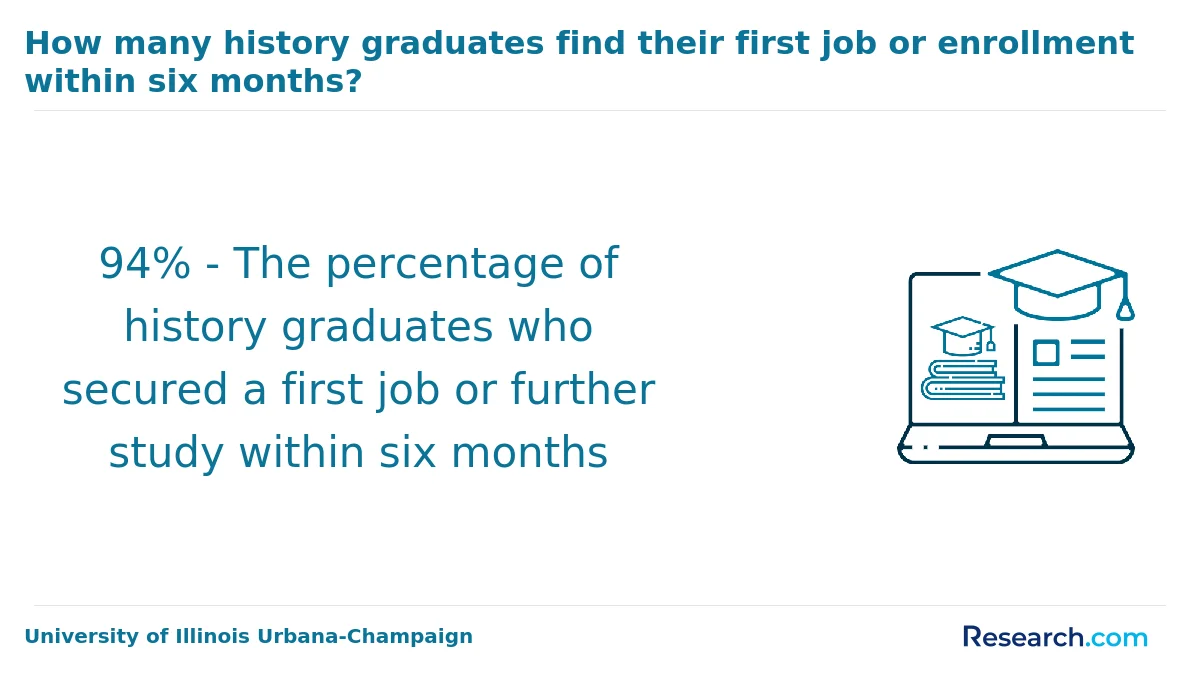
Midwestern universities such as the University of Illinois and Michigan State offer both options, reflecting regional emphasis on practical and research skills. According to the National Center for Education Statistics, about 40% of history bachelor's graduates pursue further study, highlighting the importance of this choice for career planning.
Students in the Midwest seeking to study history abroad while enrolled in online degree programs have growing opportunities through partnerships between regional universities and international institutions. Many Midwest colleges encourage virtual exchange programs, allowing students to engage with global history perspectives without leaving the country.
For example, some public universities in Illinois and Ohio offer study-abroad credit options that integrate with online coursework. According to the Institute of International Education, the number of U.S. students studying abroad has increased annually, with Midwestern institutions promoting flexible programs tailored for online learners.
Additionally, Midwestern students can access summer or short-term international history fieldwork opportunities via affiliated universities, combining virtual learning with hands-on experiences. This hybrid model helps bridge geographic limitations in studying abroad for those enrolled in online history degree programs.
Students pursuing online history degrees in the Midwest have various part-time job opportunities that complement their academic learning. Museums and historical societies frequently seek assistants for cataloging collections, conducting research, or leading tours. According to the American Alliance of Museums, the Midwest hosts over 1,200 museums, offering numerous internship and part-time roles.
Archives and libraries also provide work options, allowing students to gain hands-on experience with primary sources and preservation techniques. The U.S. Bureau of Labor Statistics notes that library assistant roles in the Midwest are expected to grow marginally over the next decade.
Additionally, local government agencies hire research aides to support planning and public engagement by leveraging historical insights relevant to the region's development.
Online history students in the Midwest benefit from diverse networking opportunities despite the virtual format. Many universities offer access to regional history associations such as the Midwest History Association, which hosts conferences and workshops attracting hundreds of professionals and academics annually. According to the American Historical Association, participation in these groups enhances career prospects and professional growth. Additionally, students can engage in online forums and collaborative projects facilitated by their institutions, linking them with local historians and archivists.
Internship partnerships with Midwestern museums and libraries also provide practical experience and valuable connections. These opportunities help students build contacts within their communities while studying remotely.
Alumni networks play a crucial role for online history degree students in the Midwest by offering valuable connections and career support. Graduates from these programs often access mentorship opportunities, which can guide them through early career challenges and academic pursuits.
According to Midwest Education Association data, 68% of alumni networks actively facilitate job placements in regional museums, archives, and educational institutions. This can be especially beneficial in a specialized field like history, where local contacts improve access to internships and roles.
Furthermore, alumni gatherings and online forums create a space for sharing research, resources, and advice, fostering a sense of community despite the distance inherent in online learning.
Customizing an online history degree in the Midwest allows students to tailor their education toward specific career goals. Many programs offer elective courses focusing on regional history, public history, or archival studies, which can prepare graduates for careers in museums, education, or governmental agencies.
Students can often choose between theoretical or applied history tracks, aligning coursework with interests such as research, teaching, or preservation. According to the National Center for Education Statistics, about 65% of Midwest history programs include flexible electives or minors.
Internships or independent study options are available in some programs, providing practical experience linked directly to career aspirations. This customization enhances employability within Midwest cultural institutions and beyond.
Online history students in the Midwest face several notable challenges. One common difficulty is limited access to local archival resources, which are essential for primary research, especially in regional history. Many institutions require travel to campus or nearby libraries for specialized materials.
Another challenge involves balancing coursework with responsibilities. Midwestern students often juggle work and family obligations alongside online classes, which can affect timely submission and participation.
Technical issues also pose barriers. Reliable high-speed internet remains unevenly available in some rural Midwestern areas, impacting students' ability to engage in synchronous learning and submit multimedia assignments.
Finally, fewer Midwest schools offer accredited or fully online history degrees compared to other regions. This can limit program choice, as noted by the National Center for Education Statistics (NCES), which reports that only 30% of Midwest institutions provide complete online history bachelor's programs.
An online history degree can open doors to several professional certifications that enhance career prospects. For example, the Certified Archivist credential, offered by the Academy of Certified Archivists, is valuable for those wanting to work in museums, libraries, or historical societies, many of which are prominent in Midwest cities like Chicago and St. Louis.
Another option is the Certified Museum Professional (CMP) certification from the American Alliance of Museums, suitable for graduates aiming to manage or curate historical collections.
History graduates interested in education can pursue state teaching certifications, which vary across Midwest states but often require passing content-specific exams and completing pedagogy courses.
Such certifications boost credibility and signal specialized expertise in historical research, preservation, and education.
To write a winning application for an online history program in the Midwest, start by carefully researching each school's admission requirements. Highlight your passion for history, especially regional topics like Midwestern U.S. events, which show your genuine interest. According to the National Center for Education Statistics, many Midwestern universities value strong writing skills and critical thinking, so include well-crafted personal statements and essays.
Emphasize any relevant experience, such as volunteer work or internships related to history or museums. Provide clear transcripts and, if required, standardized test scores. Letters of recommendation from educators familiar with your academic abilities can strengthen your application significantly.
Focus on demonstrating your ability to succeed in an online learning environment by mentioning previous remote coursework or self-motivation strategies. This practical approach aligns with admissions officers' preferences in Midwest schools adapting to digital education trends.
History careers are increasingly valued worldwide for their role in understanding cultural, political, and social dynamics. In the U.S., and particularly the Midwest, history graduates find opportunities beyond traditional teaching roles, including in museums, archives, public policy, and digital humanities. According to the American Historical Association, demand for history skills is growing in government and cultural sectors.
Globally, historians contribute to policymaking and heritage preservation, emphasizing critical thinking and research skills. Midwestern institutions often emphasize global and comparative history perspectives in their online programs, preparing students for diverse, international roles.
For those pursuing online history degrees in the Midwest, the emphasis on cross-cultural awareness supports competitive international career prospects.
Gaining practical experience while studying for an online history degree in the Midwest is possible through multiple avenues. Many universities encourage virtual internships with local museums, archives, and historical societies, allowing students to work remotely. For example, institutions often partner with organizations such as the Chicago History Museum or the Indiana Historical Society.
Students can also engage in research projects under faculty supervision, contributing to local history databases or assisting with the preservation of regional records. Participating in online history conferences and workshops hosted by Midwest academic associations helps build professional networks.
The National Council on Public History reports that hands-on experience strongly boosts job prospects for graduates, emphasizing the value of applied history skills.
Choosing the right concentration within an online history degree in the Midwest requires understanding your career goals and personal interests. Many programs offer areas such as American history, public history, or global history, allowing you to focus on topics relevant to Midwestern heritage and beyond. According to the National Center for Education Statistics, concentrations in American history are among the most popular nationally, reflecting strong regional ties.
Consider future career opportunities. For example, a concentration in public history can prepare students for work in museums or archives, sectors growing steadily in Midwest cities such as Chicago and St. Louis. Research university offerings carefully to ensure they provide courses linked to your desired focus.
Additionally, look at faculty expertise and available resources within the program. Schools with professors specializing in Midwestern history or historical preservation may offer unique insights and internships. Accreditation and program flexibility are also key factors to keep in mind when selecting the best fit for your education.
Top Trending History Rankings
References
- Financial Aid and Scholarships for Non-Traditional Students - Midwest Technical Institute https://www.midwesttech.edu/resources/careers/financial-aid-and-scholarships-for-non-traditional-students/
- THE list of internships for history majors https://employedhistorian.com/history-major/internships-for-history-majors/
- My Top 3 Recommendations on Networking in the History World | An Historian About Town https://anhistorianabouttown.com/recommendations-on-networking-in-the-history-world/
- Ways of Seeing: Evidence and Learning in the History Classroom https://rrchnm.org/publications/ways-of-seeing-evidence-and-learning-in-the-history-classroom/
- Master's History Application - Sample Letter (EN) https://ai.mystudies.com/blog/mystudies-writing-examples/application-for-master-program-history-20-06-2025.html
- Online Bachelor's Degree Completion Financial Aid https://www.hamline.edu/admission-aid/financial-aid/online-bachelors
- History Programs Abroad: Degrees & Opportunities - AEC https://www.aecoverseas.com/history/
- How to Network with Alumni | Student Guide to Alumni Networking 2026 https://digitalrecordboard.com/blog/how-to-network-with-alumni/
- How to Become a History Researcher: Steps and Career Outlook https://online.norwich.edu/online/about/resource-library/how-become-history-researcher-steps-and-career-outlook
- 5 Challenges of Teaching History in International Classrooms (and How https://millerskills.co.uk/blogs/teaching-overseas/5-challenges-of-teaching-history-in-international-classrooms-and-how-to-overcome-them