2027 Fastest Online History Degree Programs Ranking in the USA

Co-Founder and Chief Data Scientist
Choosing the right online history degree program can feel overwhelming. That's why this article presents the 2027 Fastest Online History Degree Programs Ranking in the USA, crafted by the Research.com team of data scientists. It's designed to help you find the best options efficiently and confidently.
Exploring these programs can open doors to understanding the past and shaping your future. Whether you're starting fresh or advancing your education, this ranking aims to guide your decision with clear, trustworthy insights.
Investing in a history degree offers rewarding opportunities, and this article encourages you to take that exciting step forward.
Key benefits of getting online history degree in America
- History degree graduates can pursue fulfilling careers such as archivists, curators, and historians, with archivists earning a median annual wage of about $56,700 in the US.
- Graduates from well-known universities often explore diverse paths including education, research, and public history, offering opportunities to work in museums, schools, or government agencies.
- Online history degrees provide flexibility and accessibility, allowing students from anywhere to balance studies with personal commitments, as demonstrated by graduates from popular online programs like those at Arizona State University.
- 2027 Fastest Online History Degree Programs Ranking in the USA
- What can I expect from online history degree in America?
- Where can I work with online history degree in America?
What can I expect from online history degree in America?
The average cost of pursuing an online history degree in America typically hovers around $10,940 per year for in-state students at public four-year institutions. This reasonable investment has empowered countless graduates from universities like the University of Florida and Arizona State University to deepen their passion for history without the need to relocate or sacrifice their current jobs. Many students share uplifting stories of balancing work, family, and study while accessing rich digital archives and expert faculty remotely.
Financial aid and scholarships often ease the journey, turning dreams into attainable goals. Imagine joining vibrant online forums where you debate critical moments in American and world history, or unlocking digital libraries that bring centuries-old documents right to your screen. This dynamic learning experience fuels motivation and a sense of achievement, proving that a top-notch history education is well within reach for dedicated learners across the nation.
Where can I work with online history degree in America?
Graduates with an online history degree in America find exciting opportunities across education, public history, government, and the private sector. Many alumni from well-known institutions like the University of Florida or Arizona State University start their careers as teachers or instructors, inspiring young minds in middle and high schools or community colleges. The satisfaction of shaping future generations fuels their passion daily.
Others embrace roles as museum curators or archivists, managing vibrant collections and creating exhibitions that bring history to life for communities. Imagine collaborating on a local museum project in Chicago or Washington, preserving stories that might otherwise be forgotten. Such careers provide meaningful connections to America's past.
Government agencies like the National Park Service attract history graduates for cultural resource management and public outreach, giving them a unique chance to protect national heritage. Graduates also thrive in private sectors, joining research firms or media outlets where their analytical skills sharpen narratives and uncover new insights.
History majors pursuing law school find their critical thinking skills invaluable, while some comfortably take on paralegal roles that draw on their deep understanding of historical legal documents. Many appreciate how their history degree opens doors to purposeful, dynamic careers.
Graduates with an online history degree in America can look forward to rewarding and diverse career opportunities with promising earning potential. For example, postsecondary history teachers typically earn a median annual wage of around $71,820. Many who pursue this path begin their journey with an online bachelor's from respected institutions like Arizona State University or the University of Florida, later advancing their careers in academia. This salary supports a meaningful role shaping future generations.
Other history graduates find fulfillment as archivists, curators, or museum professionals, earning approximately $58,630 per year. Alumni from schools such as Penn State World Campus have shared how their online education prepared them to preserve cultural heritage while achieving financial stability in these roles.
The starting salary for many history majors entering the workforce is about $46,000 annually, according to NACE. These figures highlight the real, attainable income potential that comes with strong research, critical thinking, and communication skills developed through history programs across America's top online universities.
- Online history degrees typically take about four years to complete for a bachelor's, with associate and master's options available.
- Tuition for an online bachelor's degree in history ranges from $15,000 to $40,000, with public universities generally being more affordable than private ones.
- Students benefit from flexible study schedules, accessing lectures and assignments at their own pace.
- The average starting salary for history graduates in the U.S. is around $45,000, increasing to about $65,000 with experience in education, research, or government roles.
- Job growth in history-related fields is projected at 5% through 2030, with many graduates enhancing employability by combining history with digital technology, public administration, or library science.
Completing an online history degree in America commonly takes around four years when enrolled full-time, mirroring the pace of campus-based programs. Many graduates from respected universities like the University of Florida or Indiana University share that this timeline offers a well-balanced journey through 120 to 130 credits, immersing them in captivating U.S. and world history courses.
For those juggling work or family, the flexibility of online study can be a true blessing. Students from well-known schools like Arizona State University often take a bit longer-sometimes up to six years-but cherish the ability to learn at their own rhythm without sacrificing other parts of life.
Some ambitious learners embrace accelerated options, taking extra summer classes or earning credits through prior knowledge assessments to finish in as little as three years. This approach, popular at institutions such as Northeastern University, empowers students to dive into their passions quickly and confidently.
Choosing between an online and on-campus history degree in America means embracing two enriching paths tailored to your lifestyle. Online programs spark excitement for learners balancing careers or family, offering the freedom to engage with courses from anywhere-imagine studying American history while comfortably settled at home or between work commitments. Graduates from respected schools like Arizona State University often share how this flexibility empowered them to dive deeply into research without sacrificing daily routines.
On-campus degrees, popular at institutions such as the University of Michigan, immerse students in vibrant academic communities. Picture exploring original archives firsthand or engaging in dynamic discussions that fuel intellectual curiosity, surrounded by peers passionate about history. This environment creates a strong sense of connection and spontaneous inspiration.
Both methods uphold rigorous standards and provide equal opportunities for success. Whether you thrive in the dynamic energy of campus life or the adaptable pace of online learning, history programs across America ignite a passion for discovery and prepare you to make meaningful contributions to the field.
The average cost of an online history degree in America offers an accessible and exciting path for many aspiring students. On average, the total tuition and fees for online history degree programs hover around $42,000, making it a manageable investment in your future. For those attending as out-of-state students, costs rise slightly to approximately $54,600, while in-state learners often benefit from lower totals near $36,580. These figures reflect the growing affordability and flexibility of online education, especially in well-regarded institutions known for their history programs, such as those at public and private universities across the country.
Graduates from various American colleges often share stories of how pursuing an online history degree allowed them to balance work, family, and studies without the heavy financial burden of traditional programs. Many public universities enable online learners to pay the in-state rate regardless of residency, presenting a great opportunity to reduce the overall cost. These options encourage students to follow their passion for history without compromising financial stability.
Reflecting on the average cost of an online history degree USA, it's clear that investing in history education opens doors to enriching careers and lifelong learning. Weighing in additional expenses like textbooks and technology, students often find that financial aid and scholarships provide strong support. For a deeper dive into your potential journey and what you might do with your history degree, explore what to do with a history degree.
Federal financial aid opens doors for many online history students across the U.S., making dreams achievable. By submitting the FAFSA, learners at renowned institutions like Arizona State University unlock Pell Grants providing up to $7,395 annually-funds that past graduates recall as game changers in managing tuition costs.
State programs also brighten the path. A student enrolled remotely at the University of Florida, benefiting from Florida's need-based grants, vividly remembers how these awards eased the burden and allowed focus on studies without financial stress. California residents pursuing history degrees at San Diego State University gain remarkable help through the Cal Grant, helping to bridge the cost gap.
Scholarships from respected organizations, such as the American Historical Association, have empowered graduates to deepen their research without financial distraction. Many schools offer merit scholarships and veterans' discounts, echoing stories of adult learners who returned to study after years in the workforce and found newfound hope.
With employer tuition assistance programs supporting ongoing learning in education and cultural sectors, countless history students balance work and study, confident that financial aid paves the way to their academic and professional goals.
To step into the world of online history degrees in America, many passionate students first secure a high school diploma or equivalent, like a GED. Graduates from universities known for strong history programs often describe their journey beginning with meeting straightforward GPA requirements-usually between 2.5 and 3.0 for undergraduates-which helped them build confidence in their academic abilities early on.
Transcripts reflecting prior coursework in English and social studies form the bedrock of their applications, showcasing readiness to dive deeper into historical studies. For those aiming at graduate levels, a bachelor's degree is essential-though it need not always be in history-paired with heartfelt letters of recommendation and personal statements that reveal unique motivations and goals.
Many find that submitting GRE scores is becoming optional, allowing students from all walks of life to pursue their dreams. Whether pursuing an online degree at a university renowned for its humanities or a state college, students feel empowered knowing their genuine passion and experiences, including relevant work or research, can open doors in this exciting academic journey.
Online history degrees in America immerse students in a rich tapestry of courses designed to ignite curiosity and deepen understanding. Graduates from renowned universities often describe their transformative experiences exploring the American History Survey, where they journey through Colonial America, the Civil War, and beyond, gaining a profound connection to the nation's story.
Programs also include expansive World History classes, helping students see America's past within a global context, while Historical Research Methods empower learners with hands-on skills to dive into archives and critically evaluate sources-abilities praised by alumni for shaping their careers.
Many students find inspiration in Specialized Topics like Native American history or women's history, sparking passion projects and meaningful capstones. Courses in Historiography encourage thoughtful reflection on how history is told, enabling graduates to appreciate diverse perspectives and become thoughtful contributors to ongoing conversations.
These offerings, typical at top-tier American colleges, foster a dynamic learning environment-flexible, engaging, and tailored to the ambitious historian eager to make a meaningful impact.
Online history degree specializations USA offer inspiring pathways tailored to your passions and career goals. Many graduates from top American universities discover powerful connections through specializations like American History, where they immerse themselves in the nation's profound political and cultural narratives, from the Civil War to civil rights movements. These focused studies equip students to become dynamic educators and historians deeply rooted in U.S. heritage.
Specialized history programs online America often include exciting options such as World History, opening a global lens on major civilizations and cross-cultural exchanges. Graduates appreciate how this broad perspective prepares them for diverse roles in museums, archives, and international research, sparking curiosity and empathy for worldwide human stories.
Other enriching specializations include Military History, Public History, and Digital History. Students learn to explore military strategies, engage communities through museum work, or innovate using digital tools. These diverse tracks excite learners seeking meaningful ways to impact history's future.
For those wondering what jobs can you get with a history degree, these specializations unlock promising opportunities infused with passion and purpose.
Choosing the best online history degree in America means focusing on accredited programs recognized by employers and ensuring the curriculum fits your passions and goals. Graduates from popular colleges often praise the flexibility of asynchronous classes, which allow them to balance work and study while diving deep into American, European, and world history. This approach helps make learning feel both personal and relevant to real-life challenges.
Many students report that access to support services like digital libraries and academic advising truly enhances their experience, especially when studying remotely. For those seeking affordable online history degrees in America, comparing tuition and extra costs across institutions can reveal options that don't sacrifice quality. Hands-on opportunities such as internships, even if virtual or local, provide invaluable experience that brings history to life.
Exploring programs with transferable credits also empowers students to continue their journey seamlessly. If you dream about your future career, check out what is the best career in history to inspire your path to success.
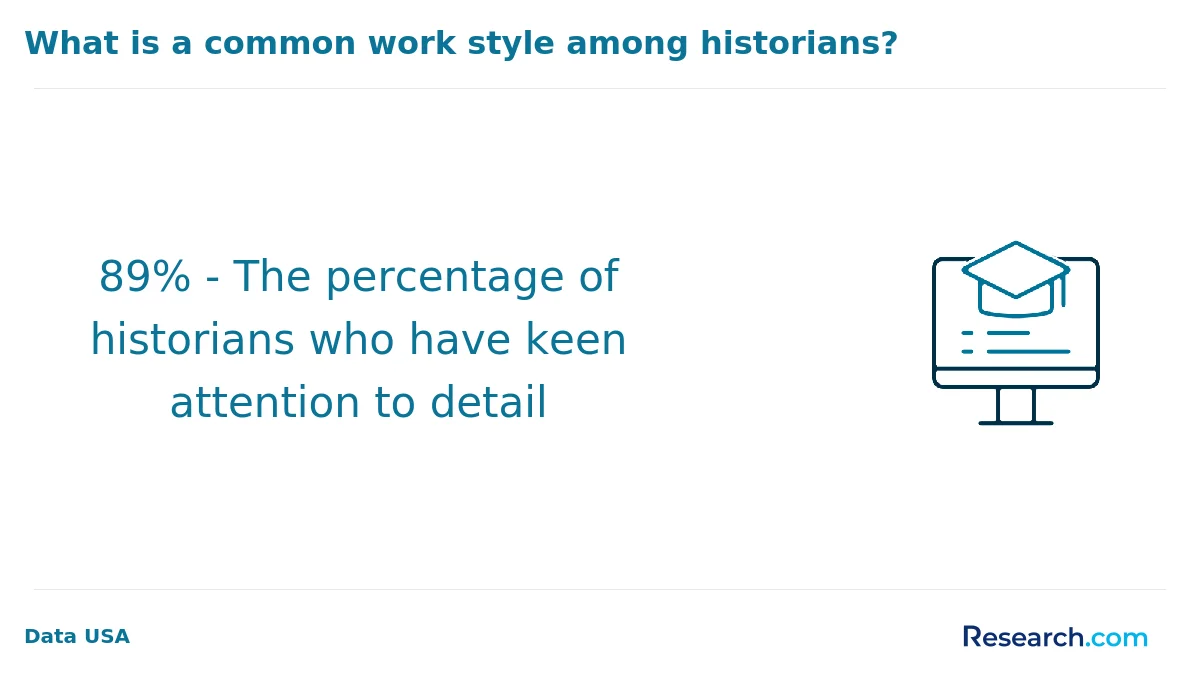
Graduates with an online history degree in America often find themselves stepping confidently into diverse career paths that leverage their strong analytical and research skills. Many choose to follow a passion for education, becoming history teachers at secondary schools or colleges, where they inspire young minds and shape future leaders. Others secure rewarding roles as museum curators or archivists, preserving invaluable artifacts and telling powerful stories of the past. Alumni from well-known institutions like the University of California and the University of Michigan have shared how their degrees opened doors to unique government positions, working with agencies such as the National Archives to influence public policy and community programs.
Those exploring career paths for history graduates America often discover opportunities in journalism, publishing, and legal research, too. With skills honed in writing and critical thinking, they thrive as editors, writers, or legal analysts, contributing important perspectives. Many students pursuing an undergraduate history degree online appreciate the flexibility and affordability of these programs, which support a seamless transition into exciting roles across the country.
The job market for graduates with an online history degree in America offers diverse and rewarding opportunities. Many alumni from prominent colleges, such as those attending well-known public universities, find fulfilling careers in education, museums, and government roles, where their passion for history comes alive through teaching, preserving cultural heritage, or shaping public policy. Embracing the online history degree job prospects USA means tapping into a growing acceptance of remote learning credentials by employers across the country.
Graduates report thriving by combining their history knowledge with practical skills like digital archiving and data analysis, opening doors in publishing and consulting. The flexibility of online programs allows students from various backgrounds to join vibrant academic communities and gain the expertise required to stand out. Understanding what to do with an art history degree can similarly inspire other history majors to explore creative and impactful career paths.
With growing support for remote degrees and the potential for career advancement through graduate studies, history graduates in America can confidently pursue meaningful work in fields aligned with their passions and talents, reflecting the positive momentum in career opportunities for history graduates America.
2027 Fastest Online History Degree Programs Ranking in the USA
Investing in your education is a significant decision that can greatly impact your future. The Research.com team recognizes the importance of providing trustworthy and accurate information to guide prospective students. To support those interested in history, we have carefully developed the "2027 Fastest Online History Degree Programs Ranking in the USA." Our dedication to quality, credibility, and accuracy is reflected in the thorough analysis and research underpinning this ranking.
We utilized the following reputable data sources to ensure a comprehensive evaluation of online history degree programs:
By consulting this ranking, readers will obtain valuable insights into the fastest accredited online history degree options available across the USA, empowering them to make well-informed educational choices. For more information on how this ranking was developed, please visit our Research.com methodology page.


# 8 position
Judson College
Bachelor of History


# 11 position
University of Maryland Global Campus
Bachelor of History


# 16 position
Penn State University Park
Bachelor of History




Frequently Asked Questions About history
To maximize their learning experience, online history degree students in America should actively engage with a wide range of digital resources such as JSTOR and the National Archives' online collections. According to the American Historical Association, accessing primary sources enhances critical thinking and analytical skills. Participating in online discussion forums and virtual study groups can also replicate classroom interaction, allowing students to debate and deepen understanding.
Time management is crucial; setting regular study schedules aligns with research from the National Center for Education Statistics showing that self-discipline increases online learning success. Additionally, seeking faculty office hours or virtual mentoring supports personalized guidance throughout coursework.
Emerging niches in the history field reflect growing academic and societal interests, especially within American online history degree programs. One key area is public history, which combines historical knowledge with community engagement, museum work, and digital archiving. According to the American Historical Association, public history jobs grew by 15% between 2015 and 2020.
Another expanding niche is environmental history, focusing on the relationship between humans and nature over time, a field gaining importance amid current climate concerns. Digital history also stands out, where historians utilize technology to analyze and present data, supported by a 30% increase in digital humanities projects nationwide.
Moreover, social and cultural history continues to evolve, highlighting marginalized groups' experiences often underrepresented in traditional narratives.
After completing an online history degree in America, preparing for the job market requires strategic planning. Graduates should focus on building relevant skills such as research, critical thinking, and effective communication. Internships and volunteer work at museums, archives, or historical societies provide valuable experience and networking opportunities.
According to the U.S. Bureau of Labor Statistics, jobs in history-related fields like archivists and museum technicians are expected to grow about 5% through 2031. Graduates are advised to develop digital literacy and proficiency with databases to meet employer demands.
Joining professional organizations like the American Historical Association can help with career resources and job leads. Tailoring resumes to highlight specialized knowledge in U.S. history improves chances in competitive fields.
Employers in America highly value history degree graduates who demonstrate strong research and analytical skills. These graduates excel at evaluating primary and secondary sources, a critical ability for roles in education, archives, and public policy. According to the American Historical Association, 85% of employers seek candidates with effective written communication skills, essential for drafting reports and persuasive arguments.
Critical thinking is another priority, enabling graduates to interpret complex historical contexts and apply them to modern challenges. Moreover, digital literacy, including proficiency in databases and digital archives, is increasingly important as many institutions transition to online resources.
Lastly, adaptability and cultural awareness are prized, reflecting history's role in understanding diverse perspectives in a globalized workforce.
Finding internships relevant to a history degree in America involves targeted research and leveraging various resources. Many universities with online history programs have partnerships with museums, archives, and historical societies offering remote or local internships. Platforms like the National Archives Internship Program and the Smithsonian Institution's intern opportunities cater specifically to history students.
Networking through academic advisors and professional organizations such as the American Historical Association (AHA) can also help locate unpaid and paid internships. According to the AHA, about 60% of history students secure internships before graduation, enhancing job opportunities.
Additionally, online job portals and university career centers often list history-focused internships nationwide that accept remote candidates.
In the United States, earning an online history degree can significantly enhance career mobility and advancement. According to the U.S. Bureau of Labor Statistics, careers in history and related fields are expected to grow modestly through 2032, but higher education remains a key factor for better job prospects. An online degree offers flexibility for working adults seeking promotions or career changes without pausing their employment.
Employers often value the critical thinking and research skills developed in history programs, which can be applied across sectors like education, museums, government, and more. Institutions like the American Historical Association highlight that graduates with history degrees frequently pursue advanced roles in public history or archives, facilitated by their specialized knowledge and credentials.
Studying for a history degree in America offers strong preparation for interdisciplinary roles by developing critical thinking, research, and communication skills that are valuable across multiple fields. History programs often emphasize analyzing complex social, political, and cultural contexts, enabling students to work effectively with diverse perspectives.
The curriculum typically includes courses in economics, political science, anthropology, and sociology, reflecting the interconnected nature of historical study. According to the American Historical Association, 68% of history graduates find employment in fields beyond traditional academia, such as law, public policy, and education.
Online history degrees in the U.S. provide flexibility to combine historical knowledge with other disciplines, supporting careers in museums, archives, journalism, and more.
When choosing between a thesis and a non-thesis online history degree in America, consider your educational and career goals. A thesis program emphasizes original research and is ideal for students aiming for doctoral study or research-focused roles. According to the National Center for Education Statistics, about 30% of master's history programs in the U.S. require a thesis.
Non-thesis programs often include more coursework and may suit students seeking practical skills for teaching or museum work. These programs typically take less time to complete, averaging around 1.5 years versus 2 years for thesis tracks. Understanding these differences helps tailor your choice to your future plans.
American students pursuing online history degrees can enhance their education by studying abroad through various university partnerships and exchange programs. Many U.S. institutions offer virtual study abroad courses with international historians, allowing students to engage with global historical perspectives without leaving the country. According to the Institute of International Education, over 20% of U.S. study abroad participants choose programs focusing on humanities, including history, reflecting growing interest in global contexts.
Additionally, some online programs incorporate curated modules developed in collaboration with foreign universities, providing exposure to diverse historical archives and methodologies. These options make it easier for students to gain international insights while maintaining progress in their American degree programs.
Part-time jobs that complement a history degree education in America often align with skills in research, writing, and analysis. Common roles include archival assistants, museum guides, and library aides, where students gain practical experience related to historical preservation and public education. According to the U.S. Bureau of Labor Statistics, employment for archivists and curators is projected to grow by 9% from 2022 to 2032, reflecting steady opportunities in these areas.
Additionally, students might find roles as freelance writers or assistants in historical research projects. These positions help develop critical thinking and communication skills that are essential for history majors planning to enter academia, education, or public history fields.
Online history students in America have a variety of networking opportunities to enhance their academic and professional growth. Many accredited programs partner with historical associations such as the American Historical Association (AHA), which offers online memberships, webinars, and conferences. This creates a platform for students to connect with scholars and professionals nationwide.
Virtual internships and collaborative projects are increasingly common, giving students exposure to museums, archives, and cultural institutions. According to the AHA, nearly 70% of history graduates engage in internships which can often be completed remotely.
Additionally, online discussion forums and alumni groups linked to universities provide consistent networking channels. These digital spaces allow students to exchange knowledge, job leads, and research opportunities within the history community.
Alumni networks play a crucial role for online history degree students in America by providing valuable professional connections and support. Graduates from history programs often enter fields like education, archival work, or museum curation, where networking greatly enhances career opportunities. According to the American Historical Association, about 20% of history graduates find their first jobs through alumni referrals or connections.
These networks offer mentoring, job leads, and access to exclusive events that are otherwise difficult for online students to find. They also foster lifelong learning through workshops and lectures, helping graduates stay current with historical research trends.
Finally, strong alumni networks help in building credibility and can assist students in securing internships or positions in competitive government and nonprofit roles related to history.
Many online history degree programs in America offer customizable options that allow students to tailor their studies to specific career goals. Students can often select concentrations such as American history, public history, or museum studies, depending on their interests and intended professions. For example, the National Center for Education Statistics reports that interdisciplinary approaches combining history with education, political science, or cultural studies are increasingly popular.
Electives and capstone projects provide opportunities to focus on topics relevant to careers in teaching, research, or historical preservation. Additionally, some programs offer internships or partnerships with museums and archives, enhancing practical experience.
Online history students in America commonly face challenges such as limited access to primary source materials, which are often held in physical archives. This can restrict research opportunities essential for deep historical analysis. Additionally, students may struggle with time management, balancing coursework with work or family commitments, since online programs demand high self-discipline. According to the National Center for Education Statistics, 54% of online learners report time management as their main hurdle. Another significant issue is reduced interaction with professors and peers, which can affect critical discussion and feedback. Connectivity and technical problems also impact learning, especially in rural areas with less reliable internet access.
With an online history degree, graduates can pursue several professional certifications that enhance career opportunities in education, archives, and public history. One popular certification is the Certified Archivist credential offered by the Academy of Certified Archivists, which validates expertise in managing historical records. According to the U.S. Bureau of Labor Statistics, archivists typically need this certification for advanced roles.
Additionally, many history graduates seek teaching certifications to work as K-12 educators. This generally requires fulfilling state-specific licensure requirements, including passing exams like the Praxis.
Other options include museum studies certificates that prepare students for careers in curation and exhibit design. Organizations such as the American Association for State and Local History provide relevant training programs recognized across the country.
Writing a winning application for an online history program in America requires clear focus and strong evidence of your passion for history. Start with a compelling personal statement that explains why you want to study history and how it fits your career goals. Highlight any relevant experiences, such as research projects or history-related work.
Include strong letters of recommendation from professors or supervisors familiar with your academic abilities. According to the National Center for Education Statistics, demonstrating academic readiness and commitment increases acceptance chances significantly.
Lastly, ensure your transcripts meet program requirements, and tailor your application to the specific institution's values and curriculum strengths.
The global outlook on a history career emphasizes diverse opportunities beyond traditional roles. In America, history graduates often pursue jobs in education, museums, archives, and public policy. According to the U.S. Bureau of Labor Statistics, the median annual wage for historians was about $63,000 in 2021, with steady employment growth projected.
Internationally, history skills such as critical thinking and research are valued in diplomacy, cultural preservation, and international business. Many U.S. programs encourage global awareness through study abroad or international research components, increasing career adaptability. This combination makes history degrees useful worldwide, particularly for those seeking cross-cultural and interdisciplinary careers.
Gaining practical experience while studying for an online history degree in America is essential for career readiness. Many programs encourage internships with museums, archives, or historical societies, offering remote and local opportunities. According to the American Historical Association, internships enhance research, writing, and critical analysis skills valued by employers.
Students can also participate in virtual projects, such as digital archiving or oral history collections, which are increasingly common in history departments. Additionally, joining history-related organizations and attending webinars or conferences helps build professional networks.
Faculty mentorship and capstone projects provide hands-on experience in historical research and interpretation within the online learning structure.
Choosing the right concentration within an online history degree program in America depends largely on your career goals and interests. Popular concentrations include American history, world history, public history, and archival studies. According to the American Historical Association, around 40% of history graduates pursue careers in education, museums, or public administration, often favoring public history tracks.
Consider programs offering courses aligned with your desired sector. For example, if you aim for museum work or preservation, look for concentrations in public or applied history. Accreditation and faculty expertise are also important. Many online programs provide flexibility, so check if they allow switching concentrations as your interests evolve.
- The Impact of History Degrees: Opportunities and Trends Among History Degree Jobs https://www.ucumberlands.edu/blog/the-impact-of-history-degrees
- History Programs Abroad: Degrees & Opportunities - AEC https://www.aecoverseas.com/history/
- Online Degree vs. Traditional | University of Arkansas Grantham https://www.uagrantham.edu/blog/pros-cons-online-degree-vs-traditional-university/
- Master's History Application - Sample Letter (EN) https://ai.mystudies.com/blog/mystudies-writing-examples/application-for-master-program-history-20-06-2025.html
- How to Become a History Researcher: Steps and Career Outlook https://online.norwich.edu/online/about/resource-library/how-become-history-researcher-steps-and-career-outlook
- Top Niche Historical Topics for Deep-Dive High School Projects https://riseglobaleducation.com/blogs/top-niche-historical-topics-for-deep-dive-high-school-projects
- What Can I do With a History Degree? https://theinterngroup.com/our-blog/what-can-i-do-with-a-history-degree
- Online History Degrees https://www.affordablecollegesonline.org/degrees/history-programs/
- Finding Networking Opportunities as a Student | National Society of High School Scholars https://www.nshss.org/resources/blog/blog-posts/how-to-find-networking-opportunities-as-a-student/
- Study History Abroad | Go Overseas https://www.gooverseas.com/study-abroad/history