2027 Most Affordable Online Bachelor's in History Degree Programs Ranking in Missouri

Co-Founder and Chief Data Scientist
Exploring online history degree options in Missouri can feel overwhelming. That's why this article offers the 2027 Most Affordable Online Bachelor's in History Degree Programs Ranking in Missouri, created by the Research.com team of data scientists. It's designed to help you find affordable, quality programs that fit your needs.
Reading this ranking can guide you toward a history degree that opens doors to exciting careers and personal growth. Whether you're starting or returning to school, discovering the right program is an important step forward.
Key benefits of getting online history degree in Missouri
- History degree graduates in Missouri can pursue careers such as archivists or museum technicians, with a median annual wage of around $56,000 nationwide, offering a stable and rewarding income.
- Graduates from Missouri State University with a history degree often find diverse career options in education, public history, or cultural resource management, opening doors to meaningful and impactful work.
- Completing a history degree online from the University of Missouri provides flexibility, allowing students to balance work and life while gaining respected credentials without relocating or disrupting daily routines.
- 2027 Most Affordable Online Bachelor's in History Degree Programs Ranking in Missouri
- What can I expect from online history degree in Missouri?
- Where can I work with online history degree in Missouri?
What can I expect from online history degree in Missouri?
Imagine diving into the archives from your couch, knowing that your total investment in an online history degree from a Missouri university might hover around in-state tuition rates that are notably kind to your wallet. Graduates from the University of Missouri or Missouri State University often recount balancing their courses with work and family, appreciating that the usual price tag-roughly for 120 credit hours-doesn't force them to choose between passion and practicality.
These programs cleverly combine affordability with academic depth, often costing less for residents thanks to in-state tuition discounts, while also offering scholarships tailored to online learners. Picture a graduate who, while exploring cultural history from the Western Historical Manuscript Collection virtually, feels confident that their educational investment is both substantial and reasonable.
The financial landscape for Missouri online history degrees is built to support flexible lifestyles without sacrificing access to rich resources, ensuring students feel empowered through every credit earned and every dollar spent.
Where can I work with online history degree in Missouri?
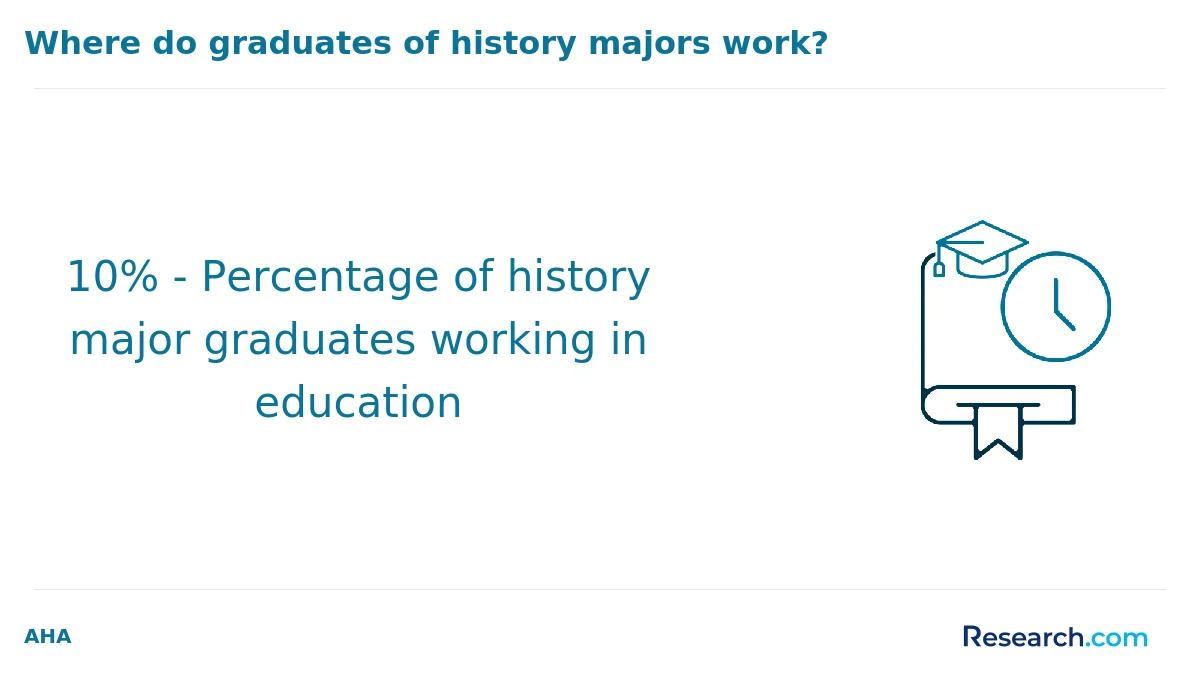
Step off the beaten path in Missouri with an online history degree and find yourself guiding curious minds as a teacher in buzzing classrooms from Columbia to Springfield. Graduates from the University of Missouri or Missouri State University often share how their virtual studies fueled their passion, preparing them to inspire students in lively social studies lessons about the Civil War or the Trail of Tears.
Picture yourself unlocking dusty archives at the Missouri Historical Society or curating engaging exhibits near the Gateway Arch, bringing stories to life for museum visitors. Many graduates relish these hands-on roles, blending research skills with a flair for storytelling in places like St. Louis or Kansas City's cultural hubs.
Government gigs await too-imagine shaping urban planning projects or preserving local heritage files at the Missouri State Archives, weaving history into public policy. Others find joy in weaving narratives as writers or grant specialists for nonprofits that champion Missouri's rich legacy.
With history at your fingertips, careers aren't just jobs-they're invitations to explore, protect, and share Missouri's past with vibrant communities around you.
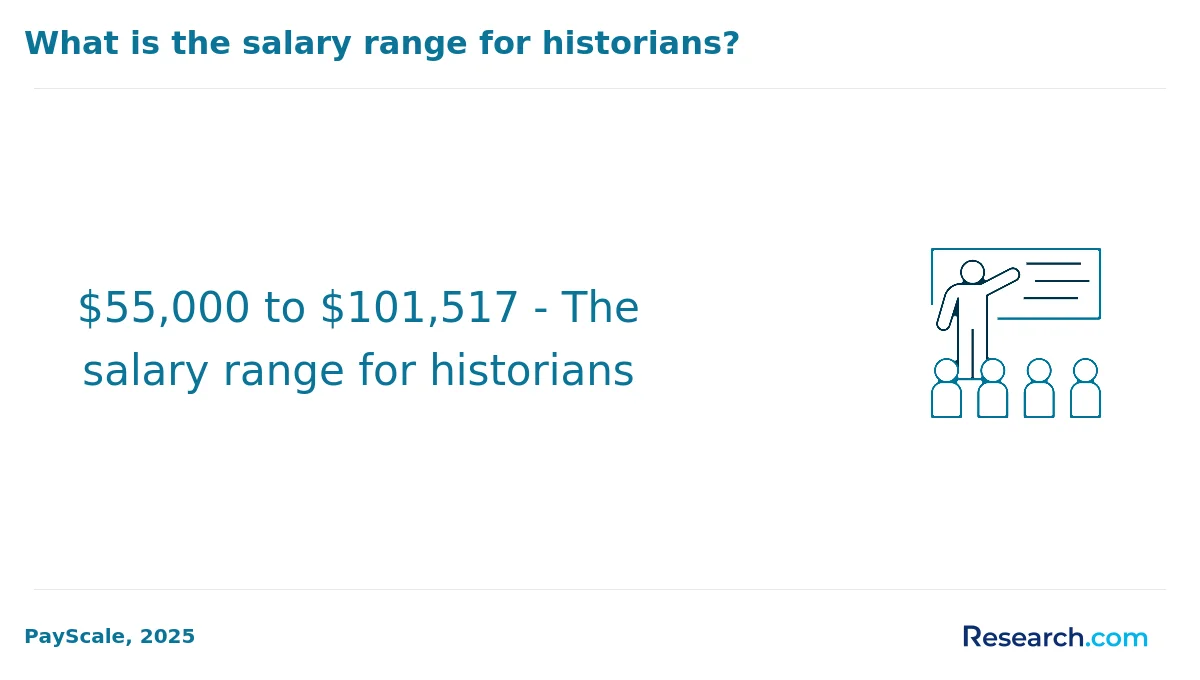
Picture yourself stepping out of an online history degree program from a respected Missouri institution like the University of Missouri or Missouri State University, ready to claim your place in the job market. In Missouri, historians earn around $59,000 a year on average-an inviting number when you imagine transforming dusty archives into compelling stories or leading community exhibits.
New grads starting in smaller museums or local government roles may initially earn closer to $40,000, but the journey doesn't stop there. Those who sharpen their teaching skills or earn a master's find themselves comfortably crossing the $70,000 mark, especially in bustling hubs like St. Louis or Kansas City where history pulses through the streets.
Visualize working in a cultural resource office, crafting programs that preserve Missouri's rich heritage, with salaries ranging from $45,000 to $65,000. Many graduates from popular schools tell of the pride and excitement as their online studies translate into meaningful roles, all while earning a reliable income that respects their passion for history.
Missouri's varying landscapes shape job availability and pay, making your career a dynamic adventure tailored to where you choose to live and grow. Investing in credentials beyond the degree opens doors to leadership, ensuring your historical knowledge becomes not only your passion but your paycheck.
- Missouri offers online history degree programs at both public and private universities, providing flexible study options for various students.
- Tuition for public universities typically ranges from $8,000 to $12,000 per year, while private institutions charge between $15,000 and $25,000 annually.
- Graduates often find jobs in education, research, public administration, museums, and cultural organizations across cities like St. Louis, Kansas City, and Columbia.
- Job growth for social scientists, including historians, is projected to be around 5% over the next decade in Missouri.
- Starting salaries for history graduates average between $40,000 and $45,000 annually, with mid-career professionals earning over $60,000 in some sectors.
Imagine juggling a full-time job while diving deep into Missouri's rich past through an online history degree at the University of Missouri or Missouri State University. Many graduates found themselves cruising through about 120 to 130 credit hours over four years, taking roughly 15 credits each semester. It's like pacing a marathon-steady, purposeful, and rewarding. But others, balancing life's demands, stretched their journey to five or even six years, savoring each lesson while managing work and family.
Some went faster, thanks to degree completion programs accepting transfer credits, shaving time down to two or three years. Picture a graduate who tapped into summer classes, turning what could be a slow stroll into a brisk sprint toward their diploma. These flexible pathways let Missouri history buffs tailor their academic adventure-whether you're a night owl or a weekend scholar-making your degree as unique as the stories you study.
Imagine a history student at the University of Missouri-Columbia juggling night shifts and family dinners while logging into a vibrant virtual classroom from their kitchen table. That's the pulse of online history degrees here-flexibility wrapped in digital threads, perfect for those far from traditional hubs like St. Louis or Kansas City. Lectures unfold asynchronously or in live Zoom sessions, inviting students to dive into archives through their screens, fitting study hours around real life rather than the other way around.
Contrast this with peers at Washington University strolling through campus halls, debates sparking in lively seminar rooms, or flipping pages at historic Walker Library. These on-campus experiences fuel face-to-face camaraderie, spontaneous discussions, and richer access to Missouri's tangible history resources, like local museums or guest lectures that spark intellectual fire.
Missouri grads from both worlds carry the same academic spark but cherish different rhythms-online learners relish autonomy and adaptability; on-campus students thrive in immersion and immediacy. Tuition might weigh differently, too, with online saving on commute and housing, though sometimes adding digital fees. Both routes weave Missouri's past into their student stories, but their day-to-day beats are uniquely their own.
Imagine diving into your history online degree in Missouri, attending a popular local university like the University of Missouri or Missouri State University, where the average cost feels like a manageable investment rather than a mountain to climb. Students often find that their tuition, typically falling between $8,000 and $12,000 per year for in-state rates, helps keep the dream alive without breaking the bank. The affordable online history bachelor's programs Missouri-wide attract many who value flexibility and the ability to balance life commitments while exploring centuries gone by.
Graduates recall how the tuition, calculated per credit hour, aligns with the usual 120 to 130 credits needed for a full bachelor's experience. Along the way, they might encounter small additional fees-technology access or course-specific charges-that add a touch of reality to the mostly inclusive tuition price. Still, this financial layout makes studying history online in Missouri an appealing pathway, especially compared to pricier private schools that can ask for between $25,000 and $35,000 annually.
One alum remarked how this cost-effectiveness allowed them to focus more on passions rather than finances, enhancing their educational journey. Those aiming to understand precisely how a history degree can shape their future may find exceptional insights by visiting what jobs can a history degree get you, helping translate their educational investment into real-world opportunity.
Imagine unlocking the treasure chest of financial aid while pursuing your online history degree in Missouri-where funding feels like an adventure map leading you through a world of support. Federal aid kicks off this journey with FAFSA, offering Pell Grants up to $7,395 yearly, a shimmering reward that doesn't demand repayment. Missouri's own Access Missouri Financial Assistance Program acts like a key carved just for you, granting funds that ease tuition burdens at beloved institutions like Missouri State University and the University of Missouri system.
Picture graduates from these schools who combined merit and need-based scholarships-a blend that turned daunting tuition numbers into manageable stepping stones toward their dreams. They accessed specialized scholarships targeting history buffs and online learners, stacking awards like chapters in their success stories.
Beyond campus, national scholarships from organizations like the American Historical Association sprinkle extra magic, all while federal student loans stand as a cautious compass guiding borrowing choices. This ecosystem of aid creates a vivid path for Missouri's history enthusiasts to pursue their passions without fear of financial dragons.
To embark on an online history degree journey in Missouri, you'll first need a high school diploma or its equivalent-think of it as your golden ticket to delve into the stories of the past. Graduates from well-regarded Missouri institutions often recall how a minimum GPA around 2.0 to 2.5 acted like a compass, guiding their admission through the academic gateways without stress. For instance, students at universities like the University of Missouri or Missouri State found their transcripts telling their academic tales with clarity, opening doors to vibrant online classrooms.
Imagine prepping for spirited discussions on ancient civilizations from your living room; having sturdy English skills and a knack for research becomes crucial. Many alumni emphasize how basic composition courses polished their voices to analyze history's complex narratives with confidence.
Reliable internet and a trusty computer become your time machine's controls, essential for navigating virtual lectures and submitting essays that breathe life into dusty archives.
These prerequisites, woven with positive anticipation, shape a smooth launch into Missouri's rich history programs without overwhelming hurdles.
Diving into an online history degree in Missouri means stepping into vibrant courses that bring the past alive. Imagine exploring U.S. History where graduates from Missouri State University describe unraveling stories from colonial times to modern days, making the nation's evolution feel personal and immediate. World History takes you on a whirlwind tour from ancient empires to global revolutions, sparking awe as you connect distant civilizations to today's world.
At the heart of the curriculum lies Historical Methods, where students at the University of Missouri system learn to sift through archives like detectives, decoding primary sources and peeling back layers of time. Historiography invites you to challenge whose stories are told, helping graduates appreciate the power of perspective in shaping history.
Missouri History courses ground you right in the state's unique saga, from political shifts to rich cultural tapestries. Electives often include spirited studies of the American Civil War's impact here, or vibrant regional explorations like the Midwest's transformation, making history not just facts, but a thrilling personal journey through familiar lands.
Missouri's online history degree specializations open doors to lively intellectual adventures tailored to your curiosities. Graduates from the University of Missouri and Saint Louis University often describe diving deep into American History, tracing the echoes of the Civil War through local archives or imagining daily life on the Oregon Trail. This isn't just studying dates; it's reliving moments that shaped Missouri's identity.
For those craving a global gaze, concentrating in World History takes you beyond borders, connecting stories of distant empires and transnational movements that ripple into today's culture. Students from Missouri State University cherish how this broad lens enriches their understanding of global complexities while rooted safely in their homes.
Exploring history major concentration options Missouri includes European History's castles and revolutions as well as Public History, where ambitions to preserve memories at places like the Gateway Arch turn into rewarding careers. Others delve into Historical Research and Methodology, sharpening skills essential for archival explorations or digital history projects. Curious learners should check the requirements for history degree to map their perfect path.
Choosing the best online history degree in Missouri feels like uncovering a hidden treasure map-you want the right landmarks. Graduates from popular Missouri campuses praise programs that blend deep dives into American and Midwestern history with flexible, asynchronous classes, letting them juggle job shifts or family calls while still exploring the past. Imagine studying Civil War archives from your cozy living room, feeling connected because the curriculum highlights local narratives alongside global perspectives.
"Affordable online bachelor's in history Missouri" seekers often find joy where tuition is transparent and paired with robust financial aid, keeping stress and student debt at bay. One alum recalls how their university's regional accreditation made job hunting smoother, as employers instantly trusted the degree's credibility.
Faculty expertise brings history alive-graduates cite professors passionate about Missouri's unique heritage and the personalized support that transforms abstract dates into stirring stories. Career services also matter: programs tied to local museums or archives unlock thrilling jobs for history majors, turning passion into a paycheck.
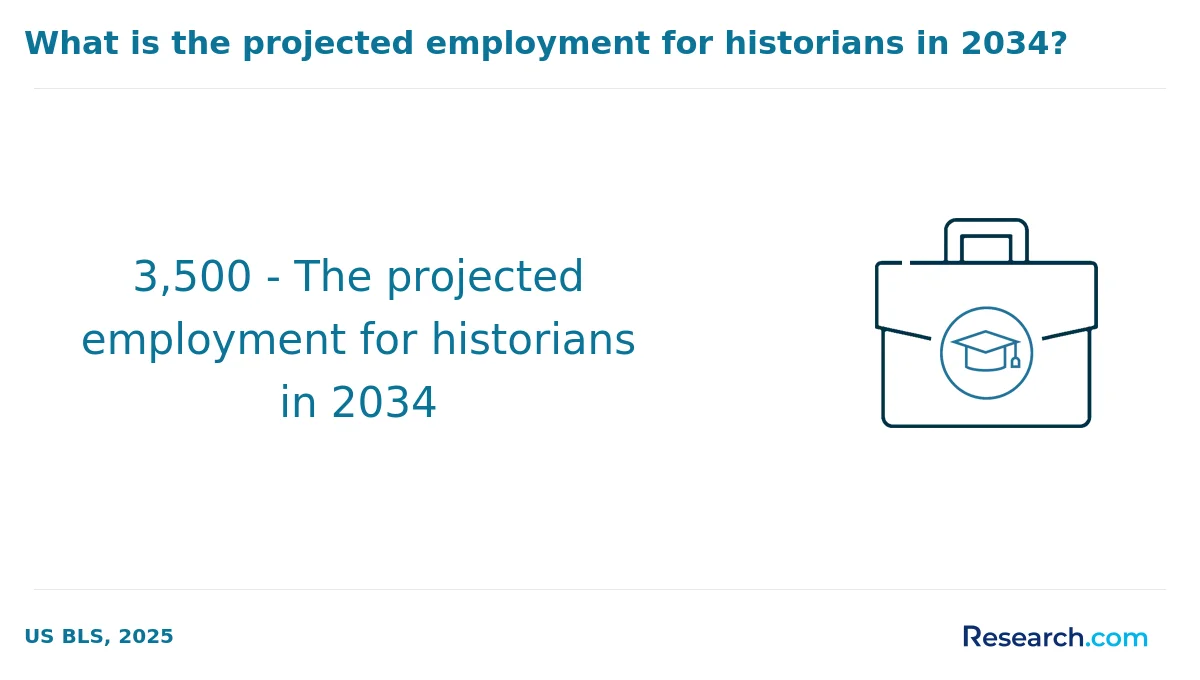
Graduates from Missouri's renowned universities often find themselves stepping into vibrant careers that blend history with hands-on impact. Imagine starting as an educator in Kansas City's bustling schools, shaping young minds with stories of the past while holding a certificate earned through an online history degree career options Missouri. Others become stewards of heritage, curating exhibits or archiving treasures in St. Louis' historical societies, where their digital skills transform dusty records into interactive experiences.
Many alumni also dive into government roles, aiding public policy with a historian's insight-whether preserving records at the Missouri State Archives or crafting narratives that inform community projects. A graduate often shares that the analytical skills gained online opened doors beyond traditional halls of academia, propelling them into publishing or nonprofit work, where storytelling meets social change.
For anyone wondering about versatile paths and real-world impact, exploring online history degrees from Missouri institutions offers a gateway to careers rich with purpose and discovery, perfectly tuned to local and national job landscapes.
Missouri offers a vibrant tapestry of job opportunities with history degree Missouri graduates often find themselves stepping into roles that bridge past and present. Those earning an online history degree careers Missouri report a spectrum of jobs-from teaching in local schools to curating priceless artifacts in museums spread across St. Louis or Kansas City. Imagine graduates from popular institutions like the University of Missouri or Missouri State University channeling their passion into classrooms or government agencies, where their research and critical thinking skills shape public knowledge and policy.
Wages tend to echo national benchmarks, with cultural hubs offering a notable boost. Many graduates describe the satisfaction of landing stable roles with a real community impact, especially when they combine their degrees with Missouri's teaching licenses or advanced studies. For those wondering what can you do with a art history degree, these pathways become even clearer alongside traditional history careers.
2027 Most Affordable Online Bachelor's in History Degree Programs Ranking in Missouri
Investing in your education is a significant decision that can shape your future, and the Research.com team understands the importance of making informed choices. To assist prospective students in Missouri, we have meticulously crafted the "2027 Most Affordable Online Bachelor's in History Degree Programs Ranking." Our commitment to quality, credibility, and accuracy is reflected in the extensive research and analysis conducted to compile this ranking.
We utilized the following reputable data sources to ensure a comprehensive evaluation of history degree programs:
By exploring this ranking, readers will gain valuable insights into the most affordable online history degree options in Missouri, assisting them in making well-informed educational decisions. For more details on our methodology, please visit our Research.com methodology page.


Frequently Asked Questions About history
Online history degree students in Missouri can maximize their learning experience by actively engaging with their coursework and available resources. Participating in virtual discussions and study groups helps deepen understanding of historical concepts and boosts critical thinking. Utilizing Missouri-based archives and digital libraries, such as the Missouri State Archives, provides valuable primary sources for research. Students should also seek internships or volunteer opportunities with local museums or historical societies to gain practical experience.
Additionally, learners benefit from time management and setting a consistent study schedule to stay on track. Missouri universities often offer online tutoring and academic advising, which can guide students throughout their program.
Emerging niches within the history field reflect growing student and employer interest in specialized areas. In Missouri, online history degrees increasingly emphasize digital history, which uses technology to preserve and interpret historical data. According to the Missouri Humanities Council, digital archives and virtual exhibits are expanding rapidly, creating opportunities in this niche. Another rising area is public history, focusing on community engagement and museums. Environmental history, exploring human interaction with nature over time, also gains traction amid current climate discussions. These niches offer students practical skills alongside traditional research, aligning with modern job market demands in education, cultural preservation, and information management.
After earning an online history degree in Missouri, preparing for the job market involves several key steps. First, gaining practical experience through internships or volunteer positions at local museums, archives, or historical societies is valuable. Missouri hosts organizations like the Missouri Historical Society, which often offer such opportunities.
Networking is essential. Joining professional groups like the Missouri Organization of Historians can help connect graduates to job openings and mentorship. Additionally, developing strong research and writing skills enhances employability across education, public service, and private sectors.
Finally, consider further certifications or graduate studies to improve job prospects, as 2023 data from the Bureau of Labor Statistics highlights competitive demand in this field.
Employers in Missouri seek several key skills when hiring history degree graduates. Critical thinking is paramount, as analyzing historical events and sources strengthens decision-making. Strong research skills are essential, enabling graduates to gather and evaluate diverse information effectively. Communication abilities, both written and verbal, rank highly since historians must present findings clearly.
Data from the Missouri Department of Higher Education highlights that graduates with proficiency in digital archives and historical databases have a competitive advantage. Additionally, problem-solving skills and cultural awareness are valued, reflecting Missouri's diverse social history. These competencies prepare graduates for roles in education, public history, and research sectors.
Finding internships in Missouri relevant to a history degree involves targeting organizations that value historical knowledge and research skills. Museums such as the Missouri History Museum and the National World War I Museum offer internships that provide practical experience. Universities like the University of Missouri also post history-related internships through their career services.
Students should utilize Missouri's job portals like Missouri Job Center and Handshake, where many employers list internships specifically for history majors. Networking with professors and attending statewide history conferences can uncover less advertised opportunities.
According to the Missouri Department of Higher Education, internships significantly enhance employability for graduates pursuing history-related careers.
Obtaining an online history degree in Missouri can significantly enhance career mobility and advancement opportunities. Missouri's job market includes roles in education, government, and cultural institutions where strong historical knowledge is valued. According to the U.S. Bureau of Labor Statistics, employment in social sciences and related fields is projected to grow moderately, offering steady prospects for degree holders.
Graduates with an online history degree often qualify for positions such as museum curators, archivists, or educators. Missouri's requirement for certified teachers includes a bachelor's degree, which online history programs can fulfill. This certification can open doors to public school careers.
Furthermore, online degrees provide flexibility, enabling professionals to upskill without leaving their current jobs. This adaptability is crucial in Missouri's diverse labor market, helping learners remain competitive and advance more quickly.
Studying for a history degree in Missouri offers strong preparation for interdisciplinary roles by emphasizing critical thinking, research skills, and cultural literacy. Missouri's online history programs often integrate coursework in political science, sociology, and economics, reflecting the state's diverse academic approach. According to the National Center for Education Statistics, over 20% of students in Missouri's history programs engage in combined studies, enhancing their adaptability in various career fields.
Furthermore, Missouri's rich historical context, including its role in westward expansion and civil rights, provides students with practical case studies useful across disciplines such as law, education, and public policy. This experience supports graduates in pursuing versatile roles.
Choosing between a thesis and a non-thesis online history degree in Missouri depends on your career goals and learning preferences. A thesis option typically requires conducting original research and writing a substantial paper, which suits students aiming for graduate study or research careers. The non-thesis route often focuses on coursework and may include internships or comprehensive exams, appealing to those targeting immediate employment or teaching roles.
Missouri universities follow U.S. Department of Education guidelines, ensuring accredited programs meet rigorous academic standards. Prospective students should review specific program details, like credit requirements and faculty expertise. According to the Missouri Department of Higher Education, institutions such as the University of Missouri offer both paths, allowing flexibility based on individual goals.
Students in Missouri interested in studying history abroad through online degree programs have several options primarily via institutional partnerships and study abroad affiliates. Many Missouri universities offering online history degrees collaborate with international programs, enabling students to participate in exchanges or virtual seminars focused on global historical perspectives.
For example, the University of Missouri system provides resources through its Education Abroad office, which supports history students in gaining international experience, either remotely or with short-term travel. While hands-on overseas study is limited for fully online programs, digital archives and virtual tours from historic sites worldwide supplement coursework.
The National Center for Education Statistics reports that over 20% of Missouri's undergraduates engage in study abroad programs, reflecting growing interest. Online history students can tap into these opportunities via their home institutions' global networks. Such experiences enrich understanding of diverse cultures while maintaining Missouri residency.
Students pursuing an online history degree in Missouri have various part-time job options that align with their academic goals. Working as a library assistant or archival aide in institutions such as the Missouri State Archives offers practical experience with historical documents. Many local museums, including the Missouri History Museum, frequently seek part-time docents or educational program assistants, giving students hands-on insight into public history and curation.
Additionally, roles like research assistants at universities or historical societies help develop skills in data analysis and historical interpretation. Part-time positions with local government agencies, such as city planning departments, also provide connections between historical knowledge and community development.
According to the Missouri Department of Labor, occupations related to history and cultural resources are expected to grow steadily, creating opportunities to complement academic studies with relevant work experience.
Online history students in Missouri have access to various networking opportunities that can enhance their academic and professional growth. Many universities offer virtual events, webinars, and alumni groups that connect students with professors, historians, and industry professionals statewide. For example, the Missouri Historical Society hosts online forums and special interest groups where students can engage with local history experts.
Students may also participate in online internships and research projects, which are often promoted through university career centers. These experiences help build connections within Missouri's historical organizations and museums. Additionally, statewide academic conferences regularly include virtual attendance options, allowing online learners to present research and network without relocating.
Alumni networks offer significant benefits to online history degree students in Missouri by providing valuable professional connections. These networks often include graduates working in local museums, archives, and educational institutions, which can open doors to internships and job opportunities specific to the state's history sector.
Many Missouri universities maintain active alumni associations that organize workshops and networking events, helping students build contacts beyond virtual classrooms. According to the Missouri Department of Higher Education, strong alumni connections can increase employment rates among graduates by as much as 20%.
For online history students, alumni networks also provide mentoring and career guidance, which is crucial for navigating Missouri's competitive job market in history-related fields.
Customizing an online history degree in Missouri often starts with selecting electives that align with your career goals. Many Missouri institutions allow students to focus on areas like American history, public history, or museum studies. This flexibility helps tailor your education to fields such as education, archival work, or cultural resource management.
Internships and research projects are another way to personalize your degree. According to the Missouri Department of Higher Education & Workforce Development, partnerships between universities and local organizations can provide practical experience relevant to your interests.
Additionally, some programs offer certificates or minors that complement history studies, such as political science or library science, enhancing your qualifications for specific careers.
Online history students in Missouri often face unique challenges related to balancing flexibility with academic rigor. Many must manage coursework alongside work and family commitments, which can lead to time management difficulties. Research-intensive assignments require access to specialized resources, and not all online programs provide sufficient digital archives or library support.
Another hurdle is the limited interaction with faculty and peers, which can impede critical discussions vital for understanding historical context. According to the Missouri Department of Higher Education, retention rates for online students are lower than traditional students, highlighting engagement issues.
Furthermore, the nature of history degrees demands strong writing and analytical skills, which some students find challenging without in-person guidance.
With an online history degree in Missouri, graduates can pursue several professional certifications that enhance career opportunities. One common path is earning a teaching certification to become a licensed social studies educator. Missouri requires passing the Missouri Educator Gateway Assessments for certification in history or government teaching.
Another option is certification in archival management or museum studies, valuable in Missouri's many historical societies and museums. The Academy of Certified Archivists offers credentials to qualified candidates with history backgrounds.
Additionally, some graduates seek project management certifications like the PMP, which are respected across sectors involving historical research and preservation.
These certifications help demonstrate expertise and boost employability within Missouri's cultural and educational institutions.
Applying to an online history program in Missouri requires a clear and well-organized approach. Start by researching programs accredited by recognized bodies such as the Higher Learning Commission, which ensures quality education standards. Missouri public universities like the University of Missouri offer respected online history degrees backed by experienced faculty.
Highlight your academic record and relevant experiences in your personal statement. Missouri values applicants who demonstrate strong writing and critical thinking skills, essential for history studies. Include specific examples of your interest in history, preferably connected to Missouri or U.S. history topics.
Request recommendation letters from educators familiar with your academic abilities. Missouri institutions typically require official transcripts, so ensure these are accurate and submitted promptly. Following these steps can strengthen your application and improve your chances of admission.
The global perspective on a history career emphasizes a broad understanding of cultures, events, and societies over time. For students in Missouri seeking online history degrees, this field offers diverse opportunities beyond traditional teaching roles. Employers often value skills in research, critical thinking, and communication, which history students develop extensively.
According to the U.S. Bureau of Labor Statistics, historians in the U.S. may work in government, museums, or archives, with growing demand for digital curation and historical consulting. Missouri benefits from organizations like the Missouri Historical Society that support career paths combining local history with global perspectives.
Studying history online in Missouri allows access to such regional and national resources while preparing for careers that address global issues through historical context.
Gaining practical experience while studying for an online history degree in Missouri is essential for applying academic knowledge in real-world contexts. Many Missouri universities encourage internships at local museums, archives, or historical societies. For example, institutions often collaborate with the Missouri Historical Society, which offers volunteer and internship opportunities that provide hands-on experience.
Students may also engage in research projects or community history initiatives facilitated by their programs. Online learners can connect with professors for guidance on local resources and digitized archives. Additionally, attending virtual history conferences or webinars, such as those hosted by the Missouri State Historical Society, enriches practical understanding.
Such experiences enhance resumes and deepen historical insights, helping graduates stand out in competitive job markets within Missouri and beyond.
Choosing the right concentration within an online history degree program in Missouri involves considering both personal interests and local opportunities. Prospective students should explore areas such as Missouri state history, American civil rights movements, or public history, which are commonly offered by Missouri institutions. According to the Missouri Department of Higher Education, schools often tailor concentrations to regional historical significance, which can enhance career prospects.
It is helpful to review course catalogs from Missouri universities to identify concentrations aligning with your career goals, such as education, museum studies, or archival management. Also, consider how faculty expertise and online resources support your chosen field. Programs accredited by recognized bodies ensure academic rigor and may influence your future employability in state and national historical organizations.
- Drury GO Bachelor of Science in History https://www.drury.edu/go/bachelor-history/
- Niche History Picks from EPOCH https://www.epoch-magazine.com/post/niche-history-picks-from-epoch
- How a Strong Alumni Network Can Benefit Students https://www.pacificu.edu/blog/how-strong-alumni-network-can-benefit-students
- History Degree (BS) https://www.mssu.edu/academics/arts-sciences/social-science/degree-bs-history.php
- History - Accelerated B.A./M.A. https://programs.umkc.edu/graduate/school-of-humanities-and-social-sciences/ba-ma-history
- Online Degree vs. Traditional | University of Arkansas Grantham https://www.uagrantham.edu/blog/pros-cons-online-degree-vs-traditional-university/
- 4 Steps to Find History Research Opportunities as an Undergraduate https://www.coltie.com/post/4-steps-to-find-history-research-opportunities-as-an-undergraduate
- How to Become a History Researcher: Steps and Career Outlook https://online.norwich.edu/online/about/resource-library/how-become-history-researcher-steps-and-career-outlook
- History majors should have a more global perspective - The Lamron https://www.thelamron.com/opinion/history-majors-should-have-a-more-global-perspective
- Practical learning https://www.reading.ac.uk/history/undergraduate/how-youll-study/practical-learning