2027 Best Online Master's in History Degree Programs Ranking in the USA

Co-Founder and Chief Data Scientist
Exploring a master's degree in history can open doors to rewarding careers and a deeper understanding of the past. Choosing the right program is essential to make the most of your investment in education.
This article presents the 2027 Best Online Master's in History Degree Programs Ranking in the USA, created by the Research.com team of data scientists. It's designed to help you navigate options and find programs that fit your goals and lifestyle.
Reading this guide will empower you to select a program that boosts your knowledge and enriches your future. Pursuing history online offers flexibility without sacrificing quality or engagement.
Key benefits of getting online history degree in America
- Salary: History degree graduates often find roles such as archivists or curators, with archivists earning a median annual wage of around $56,000 in the U.S., offering a stable and rewarding career.
- Career Paths: Graduates from popular schools like the University of California enjoy diverse opportunities in education, research, and cultural resource management, allowing them to follow their passions in meaningful ways.
- Online Degree Benefits: Earning a history degree online from respected institutions offers flexibility and accessibility, making it easier to balance studies with work or family life while gaining respected credentials.
- Key benefits of getting online history degree in America
- What can I expect from online history degree in America?
- Where can I work with online history degree in America?
- How much can I make with online history degree in America?
- 2027 Best Online Master's in History Degree Programs Ranking in the USA
- Key Findings
- How long does it take to complete online history degree in America?
- What's the difference between online and on-campus history degree?
- What is the average cost of online history degree in America?
- What financial aid is available to online history degree students in America?
- What are the prerequisites for enrolling in online history degree program in America?
- What courses are typically in online history degree programs in America?
- What types of specializations are available in online history degree programs in America?
- How do you choose the best online history degree in America?
- What career paths are available for online history degree students in America?
- What is the job market for online history degree in America?
- Top Trending History Rankings
What can I expect from online history degree in America?
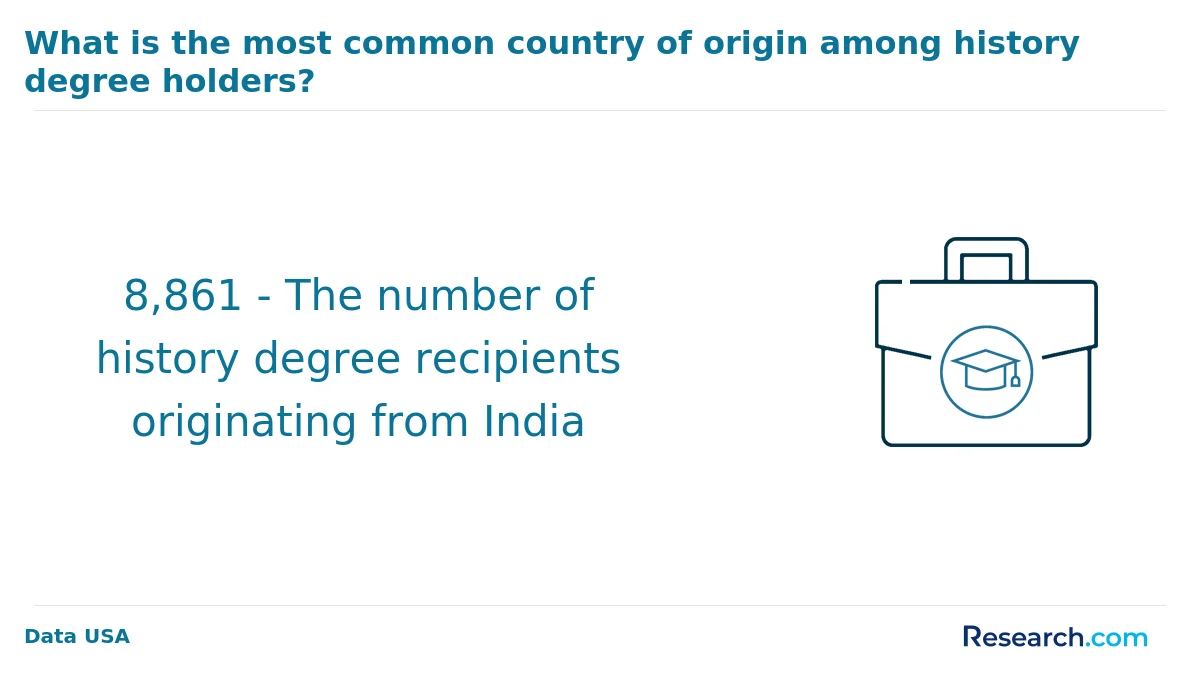
The average cost of an online history degree in America typically ranges from $15,000 to $40,000, depending on the institution and program length. Graduates from universities such as Arizona State University or the University of Massachusetts often report a strong return on investment, highlighting the value of flexible, affordable education coupled with rigorous coursework.
Students pursuing these degrees experience dynamic virtual classrooms where they engage with comprehensive historical content-from ancient civilizations to modern American social movements. Many appreciate the blend of synchronous lectures and asynchronous assignments, allowing them to balance work, family, and study effectively. The online format at well-known public universities makes advanced history education accessible without the high costs of private colleges.
Graduates describe how affordable tuition paired with access to resources like JSTOR and digital archives creates a rewarding learning environment. This affordability enables more students to explore passions in public policy or cultural management, opening doors to evolving careers in history-related fields, all while maintaining financial peace of mind during their studies.
Where can I work with online history degree in America?
Graduates with an online history degree from institutions like Arizona State University or the University of Illinois often find themselves thriving in diverse career paths across America. Many secure roles as educators, either teaching high school history or serving as adjunct faculty at community colleges. This pathway taps into a growing demand, as federal data shows increasing needs for postsecondary history instructors.
Others venture into museums and archives, preserving cultural heritage by curating exhibits or managing historical collections. Imagine working at a regional museum in Texas, where your expertise illuminates local history and enriches community knowledge - an experience many online history graduates eagerly pursue.
Government roles also attract history majors, with opportunities ranging from cultural resource analysts to National Park Service historians, blending research with site preservation. Online program alumni from schools like Penn State often describe the fulfillment of protecting historical landmarks while engaging with the public.
Moreover, emerging digital humanities fields open exciting future prospects. Graduates who embrace data analytics and digital archiving collaborate on projects that make history accessible through technology, a trend supported by partnerships between universities such as Georgetown and tech firms.
How much can I make with online history degree in America?
Graduates with an online history degree in America typically see median salaries around $63,000 as historians, with opportunities to earn more by specializing or advancing into research or academic roles. Imagine a graduate from a well-known institution like Arizona State University, leveraging their flexible online coursework to quickly land a museum curator position or a research role, earning close to this median.
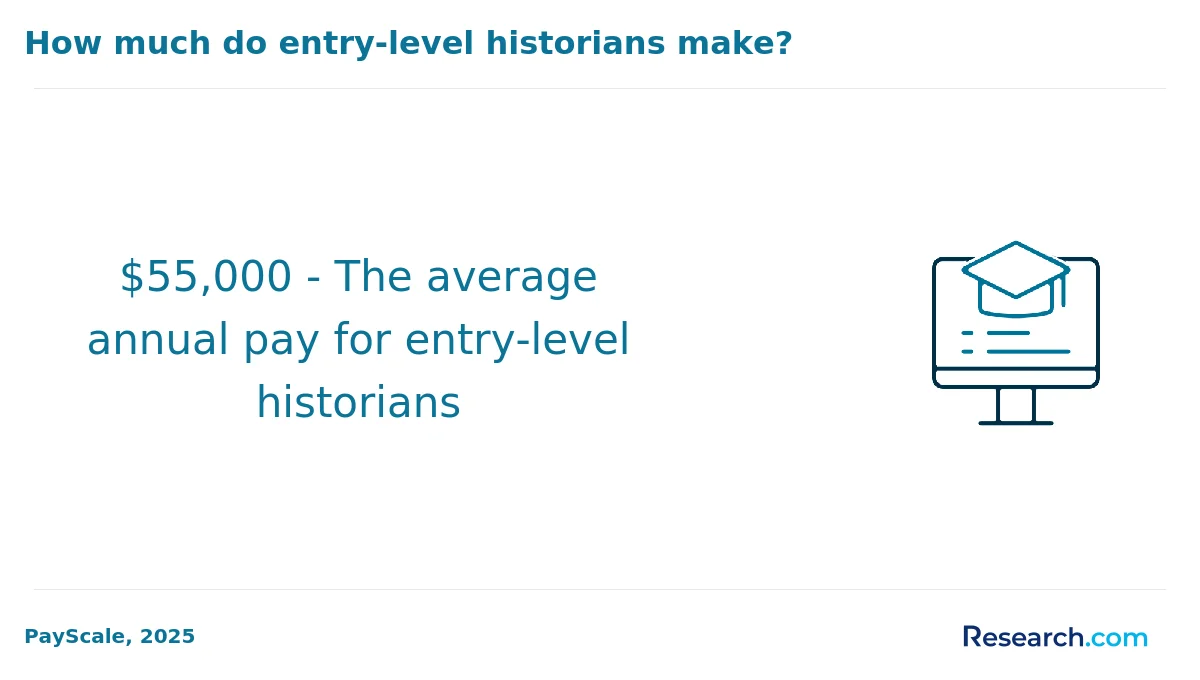
While specific government salary data is limited, industry trends and reports from sources like the Bureau of Labor Statistics and PayScale suggest strong earning potential, especially for those pursuing master's degrees. For example, archivists make about $56,000 annually, and high school teachers with history backgrounds earn near $63,000, which many online graduates find quite encouraging.
Those in metropolitan areas, such as New York or Washington D.C., often experience higher pay, sometimes nearing $95,000, reflecting the premium on experience combined with digital proficiency. This means graduates can feel optimistic about balancing online studies with real-world job growth.
Adopting emerging skills like digital archiving or public history can open doors to unique careers and higher income, proving to graduates that an online history degree in America offers promising financial and personal fulfillment pathways.
2027 Best Online Master's in History Degree Programs Ranking in the USA
How do we rank schools?
Investing in your education is a significant decision that can shape your future, and the Research.com team understands the importance of making informed choices. To assist prospective students nationwide, we have meticulously crafted the "2027 Best Online Master's in History Degree Programs Ranking in the USA." Our commitment to quality, credibility, and accuracy is reflected in the extensive research and analysis conducted to compile this ranking.
We utilized the following reputable data sources to ensure a comprehensive evaluation of history programs:
By exploring this ranking, readers will gain valuable insights into the best online history master's programs available in the USA, helping them make informed decisions about their educational paths. For more details on our methodology, please visit our Research.com methodology page.


Key Findings
- Online history degrees in the U.S. cover topics like American history, world history, research methods, and historiography.
- Tuition for online history programs ranges from $10,000 to over $40,000 per year, depending on the institution and residency status.
- The median salary for history teachers in secondary schools is about $62,000 per year.
- Historians, curators, and archivists earn median salaries near $60,000 annually, with entry-level jobs starting between $40,000 and $50,000.
- The job market for history graduates is expected to grow by 5% from 2022 to 2032, aligning with average occupation growth rates.
How long does it take to complete online history degree in America?
For online master's programs in history, popular at institutions such as Georgetown University and the University of Illinois, the timeline shortens to around 1.5 to 2 years full-time. Many past students appreciate the flexibility this provides, letting them continue working while advancing their education. Part-time study options, which can extend the process to three or four years, allow even more adaptability without sacrificing quality.
Emerging trends in accelerated courses and year-round sessions, offered by schools like Penn State World Campus, hint at even quicker paths ahead. Transfer credits and personalized pacing reflect growing options, giving each student the freedom to shape their own academic journey with confidence and optimism.
What's the difference between online and on-campus history degree?
Online and on-campus history degrees in America differ mainly in learning style and environment, yet both provide respected credentials. Graduates from institutions like the University of Michigan or Arizona State University often describe on-campus programs as rich with lively, face-to-face discussions that spark spontaneous ideas during seminars or late-night study sessions at the library. This immersive engagement builds strong networks and a sense of community.
Conversely, online students from schools such as Oregon State University appreciate the flexibility to dive into lectures and assignments on their schedule, balancing study with work or family life. They often feel empowered by mastering time management and learning independently through video lectures and interactive forums. While direct access to archives might be limited, partnerships with local institutions help them create unique research opportunities close to home.
Both experiences foster critical thinking and deep historical understanding, but the online path increasingly offers tailored support and vibrant digital communities, making it an appealing choice for diverse learners navigating modern challenges.
What is the average cost of online history degree in America?
The average cost of an online history degree in America generally centers around $17,000, balancing between in-state and out-of-state tuition rates. Graduates from well-regarded public universities such as the University of Florida or Texas A&M often recall the manageable investment it took to complete their degrees, noting that the total tuition and fees for history master's USA typically fall near this median. This affordability fosters a sense of optimism among students who value both quality education and financial practicality.
At private institutions, the experience can differ, with tuition ranging higher but often including flexible payment plans and scholarships that make the commitment feel more attainable. Many students who pursued their programs at private colleges emphasize how these financial aid opportunities transformed their educational journeys, allowing them to focus more on the excitement of learning history rather than worrying about costs.
Technology fees, online access charges, and materials might add extra expenses, but numerous history students at diverse schools share stories about creatively leveraging employer tuition assistance or federal aid. Such resources often bridge the gap between dream and reality, making the pursuit of an online history degree a hopeful and rewarding path.
Those curious about various program options and the evolving market are encouraged to explore the range of different history degrees offered across American universities, helping to personalize cost expectations and educational outcomes based on individual goals.
What financial aid is available to online history degree students in America?
Students pursuing online history degrees in America often find that federal financial aid remains the cornerstone of funding their education. Graduates from universities such as Arizona State and the University of North Carolina appreciate how FAFSA applications unlock access to Pell Grants and Federal Direct Loans, easing tuition costs that can average over $12,000 annually. These federal programs offer manageable repayment plans, which reduce anxiety about post-graduation debt.
Many have benefited from scholarships offered by organizations like the American Historical Association, which provide critical support without the burden of repayment. Imagine a history student at the University of Florida receiving such a fellowship, allowing more focus on research rather than finances. State-specific grants also fuel opportunities, especially for residents attending online programs at schools like Ohio State University.
Working professionals find employer tuition reimbursement invaluable, especially those in education or government roles, as it rewards pursuing advanced history knowledge without sacrificing income. While private loans remain an option, graduates often advise weighing them carefully due to higher interest rates and fewer protections.
What are the prerequisites for enrolling in online history degree program in America?
Submitting official transcripts is standard, reflecting your previous academic journey. A GPA near 3.0 is usually expected, which helped many feel motivated and ready to dive deeper into their studies. Some programs have eased GRE requirements, acknowledging the shifting landscape of online education, allowing hopeful students to focus more on crafting personal statements and gathering compelling recommendation letters.
Effective online learning also demands reliable internet access and comfort with digital platforms, something graduates from colleges like Oregon State have noted as vital to their positive and flexible study experiences. These elements prepare students not just academically but practically for the journey ahead.
What courses are typically in online history degree programs in America?
Online history degrees in America commonly include courses such as United States History, which immerses students in transformative moments from colonial times to the present, encouraging them to connect past political and social shifts to contemporary issues. Graduates from universities like Arizona State often reflect on how this course sparked their curiosity about America's evolving identity, making history feel immediate and relevant.
World History courses broaden perspectives, letting students explore interactions between civilizations across centuries. Learners frequently describe how this global view deepens their appreciation for cultural diversity and the interconnectedness of human stories.
Foundational classes in Historical Methods and Research teach practical skills-archival work, source analysis, and academic writing-that new graduates say boost their confidence in tackling complex projects, whether for further study or museum work. Popular colleges such as the University of Florida highlight digital history courses too, preparing students to engage history through innovative technologies that bring the past alive.
What types of specializations are available in online history degree programs in America?
Online history degrees in America often feature a rich variety of specializations tailored to diverse interests, reflecting the increasing demand for flexible and focused education. Graduates from popular colleges appreciate the ability to dive into fields like American History, where they explore critical periods such as the Civil War and 20th-century politics, gaining insights relevant for education or government roles. Others find fulfillment in World or Global History, studying transnational events that resonate in today's interconnected world, which aligns perfectly with the rising trend of online history degree specializations in the USA.
Students eager to engage with dynamic narratives often choose Social and Cultural History, examining themes like race and immigration, areas growing in relevance within American academia. Meanwhile, Military and Diplomatic History attract those fascinated by conflict and international relations, offering perspectives that enhance understanding of current global affairs. Public History remains a favorite for tech-savvy learners interested in museum work and digital archives, as seen in alumni from well-known universities.
These specializations encourage exploration and personal growth, often preparing graduates for various roles. Many find inspiration through real-world applications, and the broad availability of focused tracks makes it easier to envision careers with a history degree that suit their passions and goals.
How do you choose the best online history degree in America?
Choosing the best online history degree in America means looking beyond just rankings or cost. Graduates from top programs at universities like the University of Florida or Arizona State often highlight the importance of accredited curricula and faculty expertise that bring American and global perspectives to life. These programs offer a broad set of courses in historiography and research methods, cultivating skills that are essential for today's evolving job market.
Flexibility is equally crucial. Many students appreciate asynchronous classes that fit their busy lives, allowing them to work and learn without stress. Schools known for affordable online master's in history America often provide part-time options, which helps maintain balance and motivation over time. Graduates describe the personal satisfaction of pacing their study without sacrificing quality.
Career support also shapes the experience. Graduates from established colleges find value in strong alumni networks and internship connections, which boost confidence when exploring history ma jobs. This practical edge can transform passion into a promising future.
Investing time to compare programs with these features will help every learner find the best online history degree programs USA geared to their goals and lifestyle.
What career paths are available for online history degree students in America?
Graduates with an online history degree in America find diverse career opportunities in sectors ranging from cultural institutions to government policy. Many alumni from respected programs at universities like the University of California or Ohio State University have embraced roles as professional historians or researchers, contributing valuable context to policy development and heritage preservation. The evolving job market now increasingly values these graduates for their critical thinking and communication skills, especially in public administration and urban planning.
Others explore careers as museum curators or archivists, managing priceless collections while employing preservation techniques learned through their studies. Those inspired by education might pursue teaching positions across middle schools, high schools, or community colleges, often balancing certification processes alongside their history master's degree jobs in America. Working professionals appreciate how flexible online history degree programs from popular colleges open doors to careers in journalism, publishing, and corporate research, all informed by historical insight.
For those interested in affordable options, the rise of affordable history online programs across the country offers promising pathways to reshape their careers with manageable investment and convenience.
What is the job market for online history degree in America?
The job market for those holding an online history degree in America remains steady and promising, especially for graduates from well-regarded programs at universities known for strong history departments. Many find rewarding careers in education, government, museums, and cultural preservation. For example, graduates from popular colleges often land roles as archivists or curators, working hands-on with historical collections in vibrant metropolitan institutions. Such positions offer professional satisfaction and the chance to engage deeply with America's past.
Career opportunities for history graduates in America continue to evolve, with more roles emerging in research analysis and public policy, particularly as digital archiving and data interpretation grow in importance. Graduates who developed strong writing and research skills during their studies often report exciting opportunities analyzing historical data for think tanks or businesses.
Those pursuing an online history degree find value in programs that emphasize practical skills alongside theory. Many students explore options through resources like history masters degrees online, enabling them to balance education with work or family commitments while preparing for diverse career paths.
Frequently Asked Questions About history
Online history degree students in America can maximize their learning experience by actively engaging with course materials and participating in virtual discussions. Research from the American Historical Association highlights that interaction with peers and instructors significantly improves comprehension and retention of historical concepts. Students should also take advantage of digital archives and databases provided by their institutions, as these offer access to primary sources essential for deep analysis.
Time management is crucial; dedicating consistent study hours helps maintain progress. Additionally, joining online study groups or history forums can foster community and broaden perspectives. According to the National Center for Education Statistics, students involved in collaborative learning online report higher satisfaction and success rates in graduate programs.
The field of history is expanding into several emerging niches that reflect current social and technological trends. One rapidly growing area is digital history, which combines traditional research with digital tools such as databases, GIS mapping, and virtual archives. This niche enhances historical analysis and presentation, making history more accessible to diverse audiences.
Public history is also gaining prominence, focusing on museum studies, historic preservation, and community engagement. The U.S. Bureau of Labor Statistics projects a 4% growth for archivists and curators through 2031, showing demand for these skills.
Environmental history is another evolving niche. It examines how human activity has shaped the natural world, reflecting rising academic interest in sustainability and climate issues.
These specializations offer practical applications for online history degree students aiming to enter versatile and in-demand career paths within the American history field.
Graduates with an online history degree in America should begin preparing for the job market early by building relevant skills alongside their studies. Strong research, writing, and critical thinking abilities are essential, as 80% of history-related roles require proficiency in these areas, according to the U.S. Bureau of Labor Statistics (BLS).
Networking is also vital. Joining professional organizations such as the American Historical Association can help students connect with mentors and learn about job openings. Internships and volunteer positions in museums, archives, or cultural institutions provide practical experience valued by employers.
Additionally, consider supplementing your degree with digital skills like data analysis or GIS, which are increasingly sought in history careers. Tailoring resumes to highlight applicable experience and preparing for interviews will further enhance opportunities in competitive job markets.
Employers in America highly value history degree graduates for their strong analytical and research skills. According to the American Historical Association, graduates adept at sourcing and interpreting diverse historical documents tend to stand out in fields like education, public policy, and archival work.
Critical thinking is essential, as history students learn to assess evidence and construct coherent arguments. Additionally, effective written and verbal communication skills are important, enabling graduates to present complex information clearly.
Technological proficiency, including familiarity with digital archives and databases, is increasingly sought after. The National Center for Education Statistics reports that history majors who combine traditional skills with technology have better job prospects overall.
Finding internships relevant to a history degree in America involves using multiple resources. Many universities with online history programs maintain partnerships with museums, historical societies, and archives that offer internships to their students. The National Council on Public History reports that about 60% of history-related internships are unpaid, but they provide valuable hands-on experience.
Students should also explore federal and state government websites, such as the National Archives or local historical commissions, which frequently post internship openings. Platforms like USAJOBS.gov list paid internships for history majors in federal agencies.
Additionally, professional organizations like the American Historical Association provide internship listings and career advice specifically for history students. Networking through academic conferences or professors can often lead to opportunities not widely advertised.
In America, an online history degree can significantly enhance career mobility and advancement, especially in fields like education, museum curation, and public history. According to the U.S. Bureau of Labor Statistics, jobs requiring a master's in history or related fields are projected to grow moderately, with a 5% increase over the next decade. Earning this degree online provides flexibility, allowing working professionals to develop advanced skills without disrupting their careers. Graduates often gain critical thinking, research, and communication abilities highly valued in government, archives, and cultural organizations. This combination positions degree holders for promotions and leadership roles within their industries.
Studying for a history degree in America offers a strong foundation for interdisciplinary roles by encouraging critical thinking, research skills, and analytical reasoning. History programs often integrate perspectives from political science, economics, sociology, and cultural studies, allowing students to connect historical events with broader societal patterns.
According to the American Historical Association, nearly 70% of history graduates work in diverse fields such as education, public policy, and information technology, demonstrating the versatility of the degree.
Online history degrees in particular provide flexible learning environments that often emphasize cross-disciplinary collaboration through digital archives and data analysis tools.
This prepares graduates for careers requiring synthesis of complex information from various disciplines, which is highly valued in today's job market.
Choosing between a thesis and a non-thesis online history degree program in America depends largely on your academic and career goals. Thesis programs require original research and a substantial written project, ideal for students aiming for doctoral studies or careers in academia. According to the National Center for Education Statistics, about 40% of history master's programs in the US include a thesis option.
Non-thesis programs typically focus on coursework and comprehensive exams, catering to professionals seeking advanced knowledge without research commitments. These programs are often completed faster and may suit students targeting roles in education, public history, or government. Consider your time, interests, and future plans carefully when deciding.
American students interested in studying history abroad through online programs have several options. Many U.S. universities partner with foreign institutions, offering study abroad opportunities integrated with online coursework. This hybrid model allows students to access international perspectives without leaving the U.S. completely. Additionally, some universities provide fully online history degrees with global content, enabling learners to explore non-U.S. histories remotely.
Institutions like Arizona State University and University of Florida offer history degrees that include international topics, supported by faculty with global expertise. According to the National Center for Education Statistics, roughly 14% of U.S. undergraduates engage in study abroad, often combining it with online resources.
These options ensure flexibility while broadening historical understanding beyond American borders.
Students pursuing an online history degree in America can benefit from part-time jobs that enhance their academic and professional skills. Common roles include research assistants at universities or local archives, where familiarity with historical methods and primary sources is essential. According to the U.S. Bureau of Labor Statistics (BLS, 2023), library assistants and museum staff positions often align well with history students seeking practical experience. These jobs develop valuable skills such as cataloging, data organization, and public engagement. Additionally, tutoring in history or related social sciences can offer flexible hours while reinforcing subject expertise. Such roles not only supplement income but build networks for future careers.
Online history students in America have increasing opportunities to build professional networks despite physical distance. Many accredited programs partner with historical societies and museums where students can access virtual events, internships, and mentorships. For example, the American Historical Association (AHA) hosts webinars and online discussion forums that connect graduate students with historians nationwide.
Additionally, platforms like LinkedIn and specialized online groups enable students to engage with alumni and professionals actively working in public history and academia. According to the AHA Annual Report 2023, over 60% of history graduate students found networking through professional associations valuable for career advancement.
Some universities also offer virtual career fairs focused on history-related roles, facilitating direct interaction with employers. These resources help online students create meaningful connections that support their academic and professional growth.
Alumni networks provide significant advantages for online history degree students in America. These networks connect graduates who share a common academic background, offering opportunities for mentorship, career advice, and professional growth. According to the National Association of Colleges and Employers, 85% of jobs are filled through networking, highlighting its importance.
For history graduates, alumni groups often share resources like job openings in museums, archives, or education. Networking events, both virtual and local, allow students to engage with professionals who understand historical scholarship and the job market.
Active alumni networks also foster collaboration on research and projects, enhancing students' academic experiences and post-graduate opportunities.
Customizing an online history degree in America allows students to align their studies with specific career goals. Many accredited universities offer concentration options such as public history, archival studies, or museum curation. These specializations enable learners to develop skills tailored to careers in education, research, or heritage management.
Course selection is key; students can often choose electives focused on American history, international history, or thematic topics like civil rights or economic history. According to the American Historical Association, nearly 40% of graduate history programs provide flexible curricula designed to support diverse professional pathways.
Additionally, some programs offer internships or practical projects, enhancing real-world experience. This practical component helps graduates meet the demands of employers and stand out in competitive job markets.
Online history students in America often face challenges related to the rigorous research and critical analysis skills needed for success. Unlike in-person programs, online learners may struggle with limited access to physical archives and libraries, which are integral to historical study. According to the National Center for Education Statistics, 45% of online learners report difficulties accessing adequate academic resources.
Time management and self-discipline also present significant barriers. Many students balance studies with work or family commitments. The asynchronous format can lead to feelings of isolation, impacting motivation and engagement. Additionally, STEM fields typically receive more funding, so history programs may have fewer resources for online tools and interactive learning.
Finally, building relationships with professors and peers online can be harder, limiting collaborative opportunities essential in historical discourse and interpretation.
With an online history degree in America, you can pursue several professional certifications that enhance your career prospects. Common options include the Certified Archivist credential, offered by the Academy of Certified Archivists, which validates expertise in preserving historical documents and records. Additionally, the Museum Studies certification, available through various accredited programs, prepares graduates for roles in curation and museum management.
Those interested in education might seek teacher certification to become history educators at the K-12 level, a requirement regulated by state education boards.
The Diversity and Inclusion certificate is growing in relevance, helping historians work effectively in multicultural environments.
To write a winning application for an online history program in America, start with a clear and compelling personal statement. Highlight your passion for history and explain why you chose an online format. Admissions committees value applicants who demonstrate strong critical thinking and writing skills, which are crucial for history studies. Include relevant academic achievements and any research or work experience related to history.
Make sure to request letters of recommendation that specifically address your analytical abilities and dedication to historical scholarship. According to the National Center for Education Statistics, nearly 70% of graduate programs emphasize these elements in applications.
Finally, tailor your resume to focus on history-related coursework and projects, showing your commitment to the field.
Globally, a career in history is valued for its emphasis on critical thinking and cultural awareness. In the United States, history graduates often pursue paths in education, research, public policy, and cultural resource management. According to the U.S. Bureau of Labor Statistics, job growth for historians is projected at 7% from 2021 to 2031, reflecting steady demand.
Internationally, history professionals contribute to diplomacy, heritage preservation, and global education initiatives. American online history degrees equip students with skills that are applicable worldwide, such as archival research and historical analysis. The interdisciplinary nature of history makes it a versatile field, adaptable to various global job markets.
Gaining practical experience while studying for an online history degree in America is essential to enhance your understanding and employability. Many programs encourage internships at museums, archives, or historical societies, which can often be completed remotely. According to the American Historical Association, about 70% of graduate history students participate in internships to build real-world skills.
Additionally, some universities offer virtual research assistant positions, allowing students to assist faculty with projects. Engaging in online history forums, digital exhibits, or writing for academic blogs also helps develop critical skills. Students are advised to seek opportunities that align with their interests and career goals.
Choosing the right concentration within an online history degree in America requires understanding your career goals and interests. Popular concentrations include American history, world history, public history, and museum studies. According to the National Center for Education Statistics, over 30% of history graduate students focus on American history, reflecting strong demand for expertise in this area.
Evaluate program curricula and faculty expertise before deciding. Concentrations with practical applications, like public history, may offer better job prospects in archives, education, or cultural institutions. Also, consider how coursework aligns with fields you wish to enter.
Research accreditation and graduation outcomes to ensure quality and employability. The American Historical Association provides resources on program rankings and career paths.
Top Trending History Rankings
References
- History majors should have a more global perspective - The Lamron https://www.thelamron.com/opinion/history-majors-should-have-a-more-global-perspective
- Master's History Application - Sample Letter (EN) https://ai.mystudies.com/blog/mystudies-writing-examples/application-for-master-program-history-20-06-2025.html
- How a Strong Alumni Network Can Benefit Students https://www.pacificu.edu/blog/how-strong-alumni-network-can-benefit-students
- What Can I do With a History Degree? https://theinterngroup.com/our-blog/what-can-i-do-with-a-history-degree
- After the Degree: Finding work with a History degree https://www.graduate-jobs.com/news/13219/After_the_Degree__Finding_work_with_a_History_degree
- Learn US history with online courses and programs https://www.edx.org/learn/us-history
- Free Online History Courses https://www.openculture.com/history_free_courses
- Online Bachelor's Degree: History https://www.umgc.edu/online-degrees/bachelors/history
- What Can You Do With a History Degree? https://willamette.edu/academics/college/history/career-options
- 2025 Most Affordable Online History Degrees https://www.onlineu.com/most-affordable-colleges/history-degrees