2027 Most Valuable Online Bachelor's in History Degree Programs Ranking in the USA

Co-Founder and Chief Data Scientist
Choosing the right online history degree can feel overwhelming. To help, the Research.com team of data scientists created the 2027 Most Valuable Online Bachelor's in History Degree Programs Ranking in the USA. This ranking offers clear insights into which programs provide the best value for your time and investment.
Exploring these programs can open doors to exciting careers and deepen your understanding of the past. Whether you're starting fresh or advancing your education, this article guides you to make confident choices for your future. Discover the history degree that fits your goals and passions.
Key benefits of getting online history degree in America
- History degree graduates often pursue careers such as archivists, curators, or museum workers, with median annual salaries around $56,000 to $60,000, offering a stable income while working in engaging environments.
- A graduate from a popular American university might find diverse career paths including education, research, or public history, allowing passion for history to translate into meaningful work.
- Completing an online history degree from a recognized university enables flexibility and balance, making it easier to manage work and study, while still gaining a respected credential.
- Key benefits of getting online history degree in America
- What can I expect from online history degree in America?
- Where can I work with online history degree in America?
- How much can I make with online history degree in America?
- 2027 Most Valuable Online Bachelor's in History Degree Programs Ranking in the USA
- Key Findings
- How long does it take to complete online history degree in America?
- What's the difference between online and on-campus history degree?
- What is the average cost of online history degree in America?
- What financial aid is available to online history degree students in America?
- What are the prerequisites for enrolling in online history degree program in America?
- What courses are typically in online history degree programs in America?
- What types of specializations are available in online history degree programs in America?
- How do you choose the best online history degree in America?
- What career paths are available for online history degree students in America?
- What is the job market for online history degree in America?
- Top Trending History Rankings
What can I expect from online history degree in America?
The average cost of an online history degree in America generally ranges from $15,000 to $40,000 for a full bachelor's program, depending on the institution and residency status. Many students who chose online history programs at well-known universities like the University of Florida or Arizona State University found this investment worthwhile, as it provided them with both quality education and flexible schedules. Graduates often describe the experience as empowering, balancing work, family, and studies while accessing rich digital archives and engaging lectures.
Students thrive on developing critical thinking and writing skills through coursework that mirrors traditional programs, yet with the convenience of remote learning. They appreciate interaction via discussion boards and video calls, which keeps them connected with professors and peers. Some who studied at major public universities felt inspired by the collaborative environment and specialized courses that helped tailor their career paths toward education, museums, or public history.
Where can I work with online history degree in America?
With an online history degree in America, graduates unlock a world of exciting career paths that tap into their passion for the past and critical thinking. Many find themselves shaping young minds as high school history teachers, armed not just with knowledge but also teaching certifications. Schools like Arizona State University and the University of Florida boast alumni thriving in vibrant classrooms, inspiring students to appreciate history's power.
Others step into dynamic roles in museums or archives, preserving stories for future generations. Graduates from institutions such as University of North Carolina or Pennsylvania State proudly work as curators or researchers, preserving cultural heritage and bringing history to life.
Government agencies and nonprofits also eagerly recruit history graduates for their sharp analytical skills. From influencing public policy to leading social outreach programs, alumni enjoy fulfilling roles that make a meaningful impact. Many even pursue law, utilizing their strong research skills to excel in legal paths.
Each experience highlights the versatility and rewarding opportunities that an online history degree in America offers, turning passion into purpose every day.
How much can I make with online history degree in America?
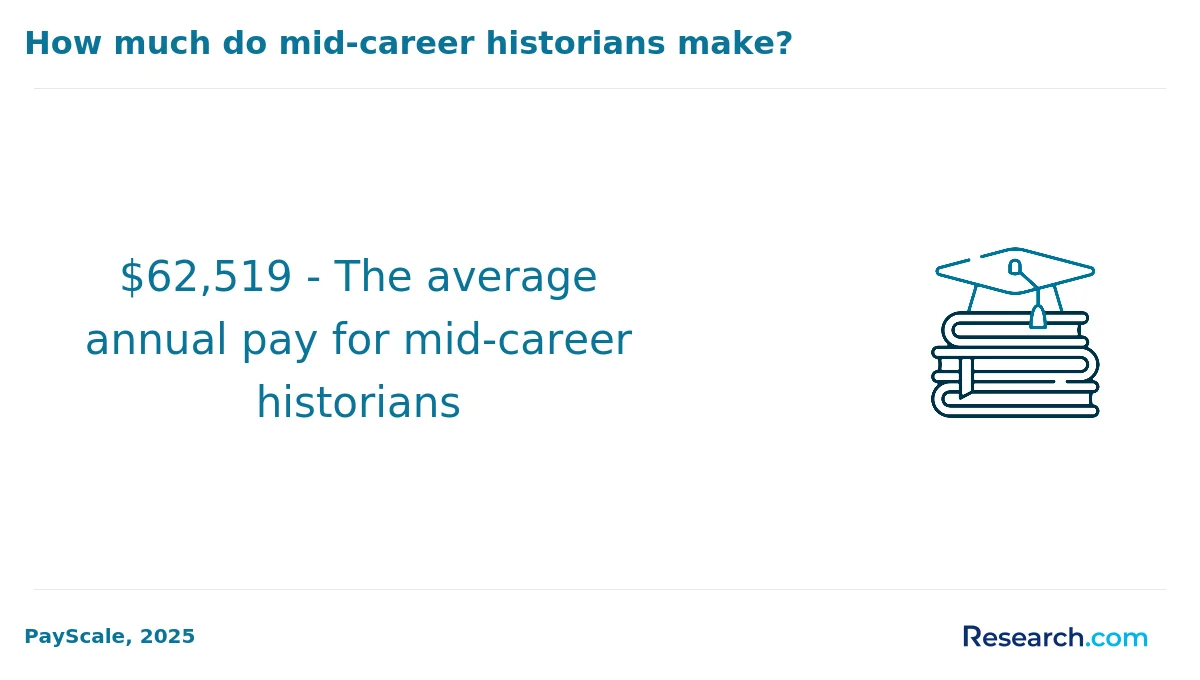
Graduates holding an online history degree in America can anticipate rewarding earnings that reflect the diverse career paths available. Many alumni from renowned institutions such as the University of Texas or Boston University find themselves stepping into roles like historians, archivists, or museum technicians, where salaries typically range from $45,000 to $60,000 annually. These figures offer a solid foundation as graduates embark on fulfilling careers preserving and interpreting our shared past.
For those who aspire to work in government or education, incomes often soar between $50,000 and $90,000, reflecting specialized expertise and dedication. Imagine graduates leveraging their skills in metropolitan hubs like Washington D.C. or New York, where opportunities in public policy and legal research bring median salaries above $70,000, highlighting how blending history with other disciplines opens doors to prosperous, impactful jobs.
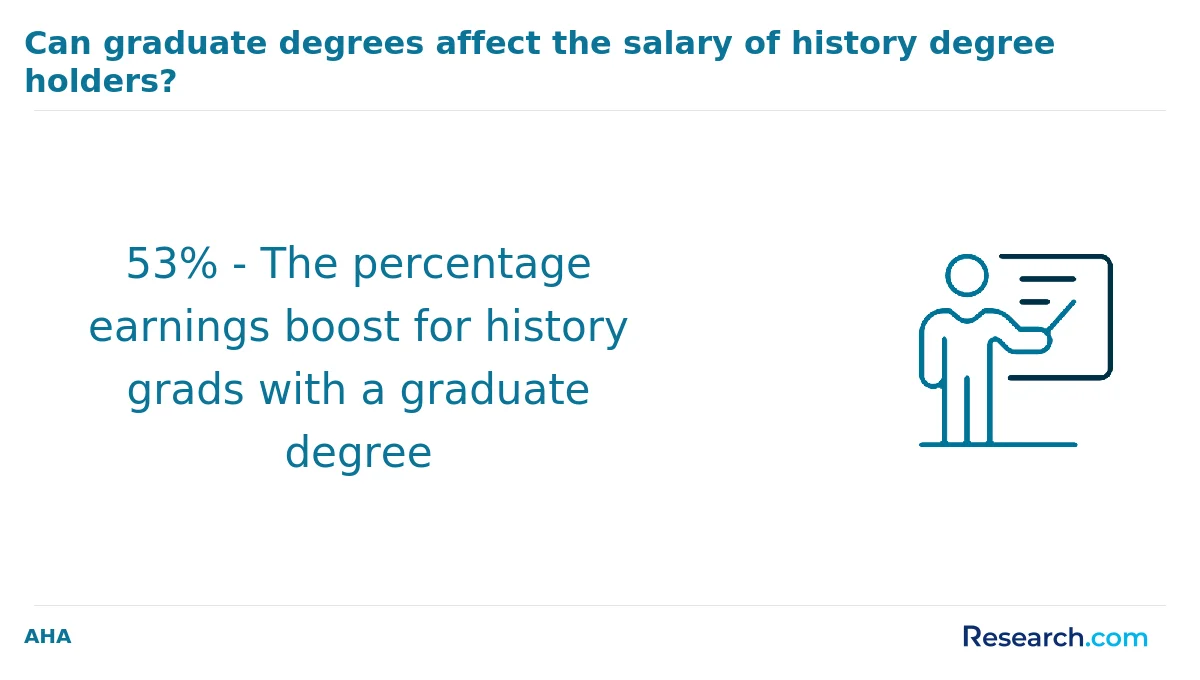
History graduates from online programs frequently express pride in how their degrees ignite exciting career trajectories. By pairing their strong historical knowledge with internships, advanced schooling, or tech skills, they unlock higher earning potential while contributing meaningfully to society's understanding of heritage and culture.
2027 Most Valuable Online Bachelor's in History Degree Programs Ranking in the USA
How do we rank schools?
Investing in your education is a significant decision that can profoundly impact your future, and the Research.com team recognizes the importance of making well-informed choices. To guide prospective students, we have carefully developed the "2027 Most Valuable Online Bachelor's in History Degree Programs Ranking in the USA." Our dedication to quality, credibility, and accuracy is demonstrated through thorough research and precise analysis.
We utilized the following reputable data sources to ensure a comprehensive evaluation of online history degree programs:
By consulting this ranking, readers will obtain valuable insights into the most valuable online history programs nationwide, empowering them to make confident, informed decisions about their education. For a detailed explanation of our ranking process, please visit our Research.com methodology page.


# 12 position
University of Maryland Global Campus
Bachelor of History

# 13 position
SUNY Empire State College
Bachelor of Historical Studies

# 15 position
Penn State University Park
Bachelor of History




Key Findings
- Most online history bachelor's programs require about 120 credit hours, typically completed in four years full-time.
- Annual tuition varies widely, from $7,000-$15,000 at public universities for in-state students to over $30,000 at private schools.
- Total program costs, including fees and materials, can range from roughly $28,000 to more than $120,000.
- Median annual salary for history graduates within five years is around $48,000, rising to over $70,000 with experience and advanced roles.
- Job growth for historians and archivists is projected at about 5% over the next decade, driven by demand for cultural preservation and research.
- Regional accreditation and programs offering internships enhance credit transferability, financial aid eligibility, and practical experience.
How long does it take to complete online history degree in America?
Completing an online history degree in America typically takes about four years for full-time students, mirroring the traditional pace at well-known universities like the University of Arizona or Penn State World Campus. Many graduates share how they balanced their passion for history with everyday life, finding motivation in flexible scheduling that online programs provide. Imagine studying fascinating eras while managing work or family; this flexibility feels empowering.
Part-time learners often extend their journey to five or six years, but many embrace this pace as a way to deeply connect with each course at their own rhythm. Graduates from institutions known for online history, such as Oregon State or Arizona State University, often speak proudly of how transfer credits accelerated their progress, shaving years off their degree.
Some programs even offer accelerated paths, finishing in three years with intense, year-round courses, fueling a strong sense of accomplishment. These stories highlight how pursuing history online in America is not just attainable but a rewarding journey tailored to your lifestyle and goals.
What's the difference between online and on-campus history degree?
Choosing between an online and on-campus history degree in America opens exciting possibilities tailored to your lifestyle. Imagine a graduate from a respected university like the University of North Carolina, thriving in an on-campus program, engaging deeply with historic archives and vibrant campus discussions. The face-to-face interactions foster strong connections with professors and peers, enriching your education through shared passion and real-world experiences.
On the other hand, picture a graduate from Arizona State University's online history program balancing work and family while studying American history at their own pace. The flexibility to explore digital libraries and virtual archives empowers students to dive into research whenever inspiration strikes, making history accessible anywhere. Online programs encourage self-motivation and cultivate disciplined time management-skills that boost confidence and academic success.
Both paths deliver rich curricula covering U.S. and world history, shaped to inspire curiosity and critical thinking. Whether walking the historic hallways of Georgetown or logging in from home, your journey toward a history degree in America is built on accessibility, choice, and personal growth.
What is the average cost of online history degree in America?
The average cost of an online history degree in America often centers around $55,680, with some variation depending on residency and institution type. For example, in-state students generally pay less, with median total costs near $40,440, while out-of-state students see figures closer to $57,780. These numbers reflect the overall financial commitment, but many graduates emphasize the value they received throughout their educational journey.
Many students who have earned their online bachelor's in history from well-known state universities describe their experience as an accessible path to a rich understanding of the past without breaking the bank. Attending renowned schools like the University of Florida, which charges about $217 per credit for in-state online students, shows how pursuing a degree remotely can still be affordable and flexible. These graduates often share how they managed balancing work, family, and studies, highlighting the empowering feeling of earning a respected degree on their terms.
Beyond tuition, considering total expenses for online bachelor's in history USA includes fees such as technology charges and course materials, but financial aid programs can dramatically ease these costs. Many find that scholarships, grants, and employer tuition assistance create real opportunities to invest in their future with confidence. If you are curious about what career paths await, learning about what jobs can you do with a history degree helps keep motivation high throughout your studies.
What financial aid is available to online history degree students in America?
Many students pursuing online history degrees in America find financial aid to be a powerful support on their educational journey. For example, graduates from well-known institutions like the University of California and the University of North Carolina often rely on federal aid through FAFSA, which opens doors to grants, loans, and work-study programs. Pell Grants provide up to $7,395 without needing repayment, easing worries about upfront costs.
Federal student loans with manageable repayment plans are another common lifeline, helping students at schools such as Indiana University to invest in their futures without overwhelming debt. State-based aid programs often provide extra relief depending on where a student lives, giving added flexibility and hope.
Scholarships tailored for history enthusiasts, including awards from organizations like the American Historical Association, also brighten students' paths. Many online learners have shared how tuition discounts and employer reimbursement programs transformed their ability to pursue a passion for history at colleges like Arizona State University.
These resources collectively turn ambitious dreams into achievable goals, making history degrees accessible and inspiring.
What are the prerequisites for enrolling in online history degree program in America?
Enrolling in an online history degree in America opens a world of opportunity for curious minds ready to explore the past. To start this exciting journey, you'll need a high school diploma or GED as your foundation, much like many graduates from well-known universities who credit this step as their launchpad. Core courses in English and social studies sharpen your critical thinking and analytical skills, essential tools for delving into complex historical narratives.
Many students find encouragement in the flexible approach to standardized tests today; numerous colleges, including top public universities, now embrace test-optional policies, making access more inclusive and less stressful. Transcripts from prior education help admissions teams understand your unique academic story and readiness.
For transfer students, maintaining a solid GPA and earning transferable credits can smooth the path just as it did for peers who've successfully shifted into programs at respected institutions. Beyond academics, reliable internet and familiarity with platforms like Canvas empower you to connect and thrive, no matter where you study.
- High school diploma or equivalent (GED)
- Completion of core high school courses, especially in English and social studies
- Submission of transcripts and, where required, standardized test scores
- Transfer credit eligibility with a minimum GPA for students coming from other colleges
- Access to a computer and reliable internet service
What courses are typically in online history degree programs in America?
Online history degree programs in America offer an inspiring journey through time, providing courses that bring the past vividly to life. Students at renowned institutions like Arizona State University and the University of Massachusetts find themselves deeply engaged in foundational classes such as Introduction to American History, where they explore the intricate events shaping the nation from colonial times to modern days.
Graduates often share how World History courses broadened their horizons, allowing them to connect global civilizations in meaningful ways. The study of Historical Research Methods equips learners with essential skills to analyze sources critically, just as they would when working on projects or archives, turning abstract facts into compelling stories.
Electives like Modern European History or Public History ignite passion by linking academic knowledge with real-world applications-imagine crafting digital exhibits or exploring museum studies from home. These courses empower students to develop critical thinking and writing skills that resonate well beyond the classroom, opening doors to careers in education, archiving, or public service with pride and purpose.
What types of specializations are available in online history degree programs in America?
Students pursuing an online history degree in America enjoy a wealth of specialization options that align perfectly with their passions and career ambitions. Many graduates from prominent universities find their enthusiasm ignited by American online history degree concentration options such as the deep dive into the country's political, cultural, and economic development. These paths offer a strong foundation with access to rich primary sources, empowering learners to connect vividly with the nation's past.
Others expand their horizons through global perspectives in World History, immersing themselves in the stories of civilizations across Europe, Asia, and Africa. Graduates often share how these programs enhance their cross-cultural awareness, preparing them for impactful roles in education or international relations. Specializations in Public History inspire students to engage directly with communities through museums and archives, turning historical knowledge into tangible, meaningful experiences.
For those eager to explore diverse areas, Military History, History of Science and Technology, and Ethnic and Social History provide unique lenses on conflict, innovation, and social movements. Popular colleges known for excellence in the field ensure students receive expert guidance and meaningful opportunities aligned with these interests. Discover more about the types of history degree specializations available that can shape your future.
How do you choose the best online history degree in America?
Choosing the best online history degree programs USA means focusing on accreditation and curriculum that truly excites you. Graduates from popular American colleges often reflect on how a balanced curriculum combining foundational courses with specialized electives helped them discover their passion-whether in American history or world history. Imagine studying flexible, asynchronous courses that fit your busy life, just like many working professionals do, allowing you to thrive without sacrificing your commitments.
Affordability matters-selecting affordable online history bachelor's degrees America offers can reduce financial stress. Graduates share how understanding full costs, including fees and technology, empowered their smart choices. Seeking programs with experienced faculty and strong student support creates an encouraging learning environment, boosting confidence and success.
Finally, envision yourself stepping into exciting roles by connecting with historical organizations or government offices. Explore more about careers by checking out masters in history jobs, inspiring you to pursue a future where your passion for history comes alive.
What career paths are available for online history degree students in America?
Graduates with an online history degree in America enjoy a wealth of career opportunities that leverage their critical thinking and communication skills. Many find fulfilling roles in education, becoming inspiring high school or college teachers who shape young minds. Universities like Arizona State and University of Florida offer programs that prepare students exceptionally well for these paths. For those drawn to preserving the past, careers as museum curators or archivists provide rewarding experiences managing cultural treasures.
Others discover their passion in research, policy work, or writing, contributing meaningful analysis at nonprofits, government agencies, or think tanks. History graduates from schools such as the University of North Carolina speak proudly of their ability to impact public understanding and decision-making. The business world also welcomes history majors, as their strong analytical skills translate into success in marketing, human resources, and public relations.
Exploring the variety of cheapest online history degree programs in America reveals that the career opportunities for online history degree in the USA truly span diverse, dynamic fields, empowering graduates to follow their passions confidently.
What is the job market for online history degree in America?
The job market for online history degree graduates in America is vibrant and diverse, offering many rewarding career opportunities. Many alumni from popular universities find themselves excelling in roles across education, research, government, and cultural institutions. Graduates often combine their history degree with teaching credentials, unlocking fulfilling careers in secondary education with average salaries around $64,000. For those passionate about museums or archival work, the competitive landscape encourages continual skill development, resulting in positions that are both meaningful and stable.
Government and nonprofit sectors remain strong employers, with roles focusing on policy analysis and historical research that empower graduates to make a tangible impact. Those pursuing advanced study, including online masters in history, frequently experience increased access to higher-paying jobs and specialized fields like digital archiving or public history. Many find the cost-effective, flexible paths offered by online degrees a crucial element in launching successful careers rooted in American history.
Exploring the job outlook for online history degrees USA highlights promising possibilities for motivated students ready to make history come alive in their professional lives.
Frequently Asked Questions About history
Online history degree students in America can enhance their learning by actively engaging with digital archives and primary source databases such as those provided by the Library of Congress. Utilizing these resources supports critical thinking and a deeper understanding of U.S. history. Many American universities also offer virtual seminars and discussion groups, which foster collaboration and broaden perspectives.
Consistent communication with professors and peers is crucial; students should take advantage of office hours and online forums. According to the National Center for Education Statistics, students who regularly participate in interactive online activities report higher satisfaction and academic success.
Additionally, aligning coursework with specific interests-such as colonial, civil war, or modern American history-can make study more relevant and motivating.
The field of history in the United States is evolving with several emerging niches gaining attention among scholars and students. One notable area is public history, where graduates work in museums, archives, and historic preservation, translating research for broader audiences. Digital history is also expanding rapidly, integrating technology to analyze and present historical data online.
Additionally, environmental history is growing, focusing on the relationship between humans and nature over time-reflecting increasing interest in climate change issues. Military and social justice histories remain vital, propelled by ongoing societal discussions on race, gender, and identity.
According to the American Historical Association, enrollment in public and digital history programs has increased by over 20% in the last five years, signaling robust interest in these specialties.
Preparing for the job market after earning an online history degree in America involves several clear steps. Graduates should build a strong resume by highlighting research, writing, and critical thinking skills developed during their studies. According to the U.S. Bureau of Labor Statistics, history-related roles often require effective communication and analytical abilities.
Internships and volunteer work with museums, archives, or historical societies can provide valuable experience. Networking through organizations like the American Historical Association is also important for job leads. Additionally, many positions value familiarity with digital tools and databases used in historical research.
Continuing education or certifications in specialized areas, such as public history or archival management, can increase employability in a competitive job market.
Employers in America seek specific skills from history degree graduates, emphasizing critical thinking and strong communication. According to the American Historical Association, 85% of history graduates find that analytical skills gained during their studies are highly valued by employers. These skills help them evaluate complex information and make informed decisions.
Effective writing and research abilities are also crucial. Graduates must demonstrate the capacity to interpret primary sources and present arguments clearly, a foundational aspect of history programs accredited in the US.
Additionally, digital literacy, including proficiency with archives and databases, is increasingly important. The Bureau of Labor Statistics highlights that 70% of history-related jobs now require competency in digital research tools.
Finding internships relevant to a history degree in America involves targeting institutions aligned with historical research, preservation, and education. Students should explore opportunities at museums, archives, historical societies, and government agencies such as the National Park Service. According to the American Historical Association, internships often provide practical experience valuable for careers in education, research, or public history.
Many universities with online history programs offer internship placement services or partnerships to connect students with local or virtual internships. Additionally, websites like the National Archives' internship portal list openings specifically for history interns.
Networking through professional organizations such as the American Historical Association or attending local history conferences can also enhance internship prospects. Statistics from the Bureau of Labor Statistics indicate that 9% of historians gain experience through internships before employment.
An online history degree in America can significantly enhance career mobility, offering flexibility for working professionals. According to the U.S. Bureau of Labor Statistics, careers in history, archival science, and museum work are expected to grow moderately but with opportunities for advancement through additional education.
Graduates with history degrees often pursue roles in education, government, and cultural institutions where analytical and research skills are valued. An accredited online program provides the same credentials as traditional degrees, enabling access to various career paths.
Employers increasingly recognize online degrees, especially from regionally accredited institutions, supporting upward career movement. Additionally, online history degrees allow you to balance work and study, which can lead to promotions or shifts into specialized fields such as public history or historical consulting.
Studying for a history degree online in America equips students with strong analytical and research skills. These skills are valuable across many disciplines, such as law, education, public policy, and communication. History programs encourage critical thinking by analyzing diverse sources and perspectives, which fosters an ability to understand complex social, political, and cultural issues.
Interdisciplinary roles benefit from history graduates' familiarity with evidence-based arguments and contextual analysis. According to the American Historical Association, 70% of history graduates work in fields outside academia, indicating versatility. Many programs also integrate courses from political science, economics, and sociology, broadening students' knowledge and career options.
Choosing between a thesis and a non-thesis online history degree program in America depends on your career goals and learning preferences. A thesis program typically requires original research, suitable for students aiming for graduate school or research careers. According to the American Historical Association, theses help develop critical thinking and writing skills essential for academia.
Non-thesis programs focus more on coursework and practical skills, appealing to those pursuing education, public history, or related professional fields. The U.S. Department of Education notes that many online history programs offer flexible options for working adults. Cost, duration, and faculty expertise also vary by institution, so consider these factors carefully.
Students based in America who wish to study history abroad have several online options available through partnerships between U.S. universities and foreign institutions. Many accredited American universities offer online history degrees that include study-abroad components or virtual exchange programs, allowing students to experience international perspectives without relocating.
Additionally, programs such as the Council on International Educational Exchange (CIEE) support American students in pursuing global history coursework remotely. According to the National Center for Education Statistics, over 2,500 U.S. colleges offer online bachelor's degrees, with history among the popular majors that incorporate global content.
These programs often provide access to foreign archives, virtual lectures by international scholars, and joint research projects, enabling students to gain a broad understanding of history beyond U.S. borders.
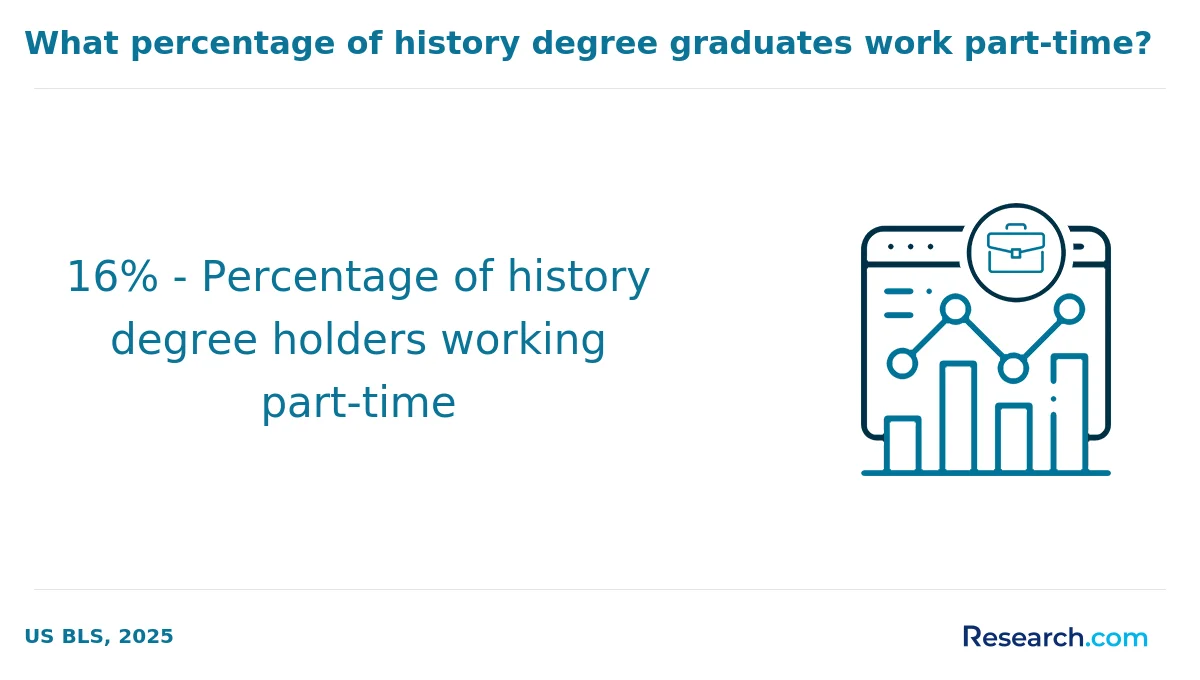
Part-time job opportunities that complement a history degree in America often align with skills in research, analysis, and communication. Roles such as museum assistants, archival aides, or library support staff allow students to apply historical knowledge directly. According to the U.S. Bureau of Labor Statistics, these positions often provide flexible hours suitable for part-time commitments.
Other relevant jobs include freelance writing for educational websites or local historical societies, which help develop critical writing skills. Some students also find opportunities as teaching assistants or tutors in history, providing valuable experience in educational settings.
Engaging in internships with cultural institutions or non-profits offers practical exposure and networking advantages within the field.
Online history students in America have access to various networking opportunities despite the virtual nature of their studies. Many universities offer virtual events, discussion forums, and alumni networks tailored to history majors. These platforms allow students to engage with professors, historians, and peers across the country. For example, the American Historical Association hosts webinars and conferences that are accessible online, providing valuable professional connections.
Moreover, students often join specialized history associations and regional chapters through membership or school sponsorship. These groups offer mentorship and job leads, which are crucial in fields like archival work or education. According to the National Center for Education Statistics, participation in these networks improves career outcomes for history graduates.
Alumni networks provide significant benefits to students pursuing online history degrees in America. These networks offer valuable connections to professionals working in academia, museums, archives, and public history sectors. According to the American Historical Association, networking helps graduates access job opportunities in fields where nearly 70% of history degree holders work outside traditional teaching roles. Active alumni groups often host webinars, mentorship programs, and job boards focused on history-related careers.
For online students, alumni networks also promote a sense of community and professional support beyond the virtual classroom. Participating in events and discussions through these networks can enhance students' research and career prospects. Additionally, they can provide guidance on publishing, grant applications, and advanced studies, crucial for history graduates aiming to deepen their expertise.
Customizing an online history degree in America involves selecting courses and specializations aligned with your career goals. Many accredited programs allow students to focus on fields like American history, public history, or museum studies. According to the American Historical Association, students who pick relevant electives increase their employability in archives, education, or cultural resource management.
Additionally, internships and research projects integrated into online programs offer practical experience. Choosing electives in digital history or archival science can prepare you for evolving job markets. Data from the National Center for Education Statistics shows flexible programs often report higher satisfaction due to tailored study paths.
Advisors typically help students map courses to careers, enhancing outcomes in government, education, or nonprofit sectors focused on history.
Online history students in America often face unique challenges related to the nature of remote learning. A primary difficulty is limited access to physical archives and libraries, which are crucial for deep research in history. Many students report that virtual resources do not fully replace hands-on archival work, affecting the quality of their research.
Another challenge is maintaining motivation and time management. According to the National Center for Education Statistics, about 40% of online students struggle with self-discipline, which can impact completion rates in demanding fields like history.
Additionally, students may experience fewer opportunities for direct interaction with professors and peers, limiting collaborative learning and mentorship critical in humanities studies.
With an online history degree in the United States, graduates can pursue several professional certifications to enhance their career prospects. One popular option is becoming a Certified Archivist, certified by the Academy of Certified Archivists (ACA). This credential is highly regarded in libraries, museums, and government agencies.
Another relevant certification is the Historical Administration Certificate, offered by some universities, which prepares students for leadership roles in history-related organizations.
For those interested in education, teaching certifications vary by state but often require passing exams like the Praxis History exam to teach social studies at the K-12 level. Additionally, the Public Historian Certification recognizes expertise in public history projects.
Gaining such certifications can increase employability and professional credibility in history-related fields.
To write a winning application for an online history program in America, start by clearly demonstrating your passion for history and your reasons for choosing an online format. Admissions committees value applicants who articulate their career goals and how the degree supports them. Highlight relevant academic achievements, including coursework or projects related to history, with a strong emphasis on writing and research skills.
Include a well-crafted personal statement that connects your background to the program's offerings. According to the National Center for Education Statistics, history remains one of the popular humanities majors, so competition can be strong.
Also, secure strong letters of recommendation from educators familiar with your academic abilities. Be sure to meet all application deadlines and provide all requested materials, such as transcripts and standardized test scores if required.
A history career in America offers a unique global perspective due to the country's diverse cultural heritage and its role in world events. Graduates with history degrees often engage in research, education, or public policy, contributing to international understanding.
According to the U.S. Bureau of Labor Statistics, historians in the U.S. earned a median annual wage of approximately $63,000 in 2022, with growth driven by increased demand for analyzing context in global affairs.
American history programs frequently emphasize comparative and transnational history, preparing students to address global challenges through historical insights. This approach aligns with global academic trends that value interdisciplinary study.
Many online history degrees incorporate global perspectives to equip students with skills applicable beyond U.S. borders, supporting careers in diplomacy, archives, and cultural heritage management worldwide.
Gaining practical experience while studying for an online history degree in America is essential to complement theoretical knowledge. Many programs encourage internships at museums, archives, or historical societies, providing students with hands-on skills in research and preservation. According to the American Historical Association, internships enhance employability for history graduates by up to 30%. Online students can also participate in virtual projects, such as digital archiving or oral history interviews, which have grown significantly since 2020.
Additionally, joining professional organizations like the National Council on Public History offers networking and volunteer opportunities. Some universities offer capstone projects or fieldwork components adaptable to remote learning, helping students apply historical methods in real-world contexts.
Choosing the right concentration within an online history degree program in America begins with understanding your interests and career goals. History degrees often offer various concentrations, such as American history, world history, public history, or museum studies. According to the American Historical Association, nearly 40% of history graduates in the U.S. pursue careers in education, which may influence your choice.
Check if the program provides courses aligned with your desired field. For example, a concentration in public history often includes archives or heritage management, useful for museum or nonprofit work. Investigate faculty expertise and research opportunities, as these affect the quality of your education.
Also consider how each concentration aligns with job market trends. The U.S. Bureau of Labor Statistics projects a 7% growth for historians through 2031, with stronger demand in cultural resource management and education. Ensure the program's online format supports your learning style and schedule.
Top Trending History Rankings
References
- 2025 Most Popular Online History Degrees https://www.onlineu.com/degrees/history
- Online Degree vs. Traditional | University of Arkansas Grantham https://www.uagrantham.edu/blog/pros-cons-online-degree-vs-traditional-university/
- History Programs Abroad: Degrees & Opportunities - AEC https://www.aecoverseas.com/history/
- Undergraduate Certificate in History | Thomas Edison State University https://www.tesu.edu/degrees-programs/certificates/undergraduate-history.php
- How to Apply to Graduate School | Canadian Historical Association | Société historique du Canada https://cha-shc.ca/publications/employing-history-a-guide-to-graduate-school-and-navigating-the-job-market/how-to-apply-to-graduate-school/
- History Online https://www.nsu.edu/History-and-Interdisciplinary-Studies/History-Online
- The Challenges of Studying History in School | Education Research Project Topics and Materials https://educationtopics.com.ng/the-challenges-of-studying-history-in-school/60853/history-education/
- How to Become a History Researcher: Steps and Career Outlook https://online.norwich.edu/online/about/resource-library/how-become-history-researcher-steps-and-career-outlook
- 5 Challenges of Teaching History in International Classrooms (and How https://millerskills.co.uk/blogs/teaching-overseas/5-challenges-of-teaching-history-in-international-classrooms-and-how-to-overcome-them
- Finding Networking Opportunities as a Student | National Society of High School Scholars https://www.nshss.org/resources/blog/blog-posts/how-to-find-networking-opportunities-as-a-student/