2027 Fastest Online Bachelor's in History Degree Programs Ranking in the South

Co-Founder and Chief Data Scientist
Choosing the right online history degree can feel overwhelming, especially when you want quality and speed. This article introduces the 2027 Fastest Online Bachelor's in History Degree Programs Ranking in the South, created by the Research.com team of data scientists. It's designed to help you find programs that truly deliver value and accelerate your educational journey.
History offers a fascinating window into the past and sharpens critical thinking for your future. Exploring this ranking will guide you toward programs that match your goals and lifestyle, making your decision easier and more confident.
Key benefits of getting online history degree in the South
- History degree graduates in the South often pursue careers in education, research, and public history, with typical salaries ranging broadly but generally around $50,000 to $60,000 annually in related roles across the US.
- Graduates from Southern universities, like the University of Georgia, find diverse career paths including museum curation, archival work, and teaching, offering fulfilling opportunities that connect people to the past.
- Online history degrees from Southern schools provide flexibility and accessibility, allowing students to balance work and study while gaining recognized credentials without relocating.
- Key benefits of getting online history degree in the South
- What can I expect from online history degree in the South?
- Where can I work with online history degree in the South?
- How much can I make with online history degree in the South?
- 2027 Fastest Online Bachelor's in History Degree Programs Ranking in the South
- Key Findings
- How long does it take to complete online history degree in the South?
- What's the difference between online and on-campus history degree?
- What is the average cost of online history degree in the South?
- What financial aid is available to online history degree students in the South?
- What are the prerequisites for enrolling in online history degree program in the South?
- What courses are typically in online history degree programs in the South?
- What types of specializations are available in online history degree programs in the South?
- How do you choose the best online history degree in the South?
- What career paths are available for online history degree students in the South?
- What is the job market for online history degree in the South?
- Top Trending History Rankings
What can I expect from online history degree in the South?
The average cost of an online history degree in the South generally ranges from affordable in-state tuition rates to moderately higher out-of-state fees, often balancing accessibility with quality. Graduates from institutions like the University of Alabama recall managing costs effectively through financial aid and employer tuition assistance, making remote learning financially viable without sacrificing educational quality.
Many Southern universities are increasingly offering competitive tuition packages tailored to online learners, especially working adults seeking flexibility. For example, students at Florida State University benefit from pricing structures that reflect both traditional and accelerated tracks, allowing them to invest wisely in their education while advancing careers. These cost models often include in-state residency benefits applied even to online programs, reducing financial strain.
Looking ahead, there is growing potential for partnerships with local historical organizations to create paid internships and research opportunities, helping future students subsidize costs. This synergy enriches learning experiences uniquely tied to Southern history while alleviating tuition burdens, fostering greater enthusiasm among learners eager to connect classroom knowledge with real-world impact.
Where can I work with online history degree in the South?
Graduates with an online history degree in the South often find themselves stepping into vibrant roles that connect the past with the present. Many alumni from schools like the University of Georgia or Florida State University report working as educators, teaching history at high schools or community colleges where their passion truly inspires students. These experiences illuminate how states such as Texas and Florida continue to maintain steady demand for social studies teachers.
Others have launched careers in museums and archives, curating exhibits that celebrate Southern heritage. Imagine a graduate collaborating with cultural institutions in Atlanta or Charleston, bringing regional stories to life through innovative displays or digital archives. These positions often spark a strong sense of pride and purpose.
Government agencies in Georgia and Virginia also attract history graduates who apply their skills to preservation projects or cultural resource management, preserving historic landmarks and shaping public policy. Some graduates share excitement about contributing to local heritage initiatives, feeling valued as community stewards.
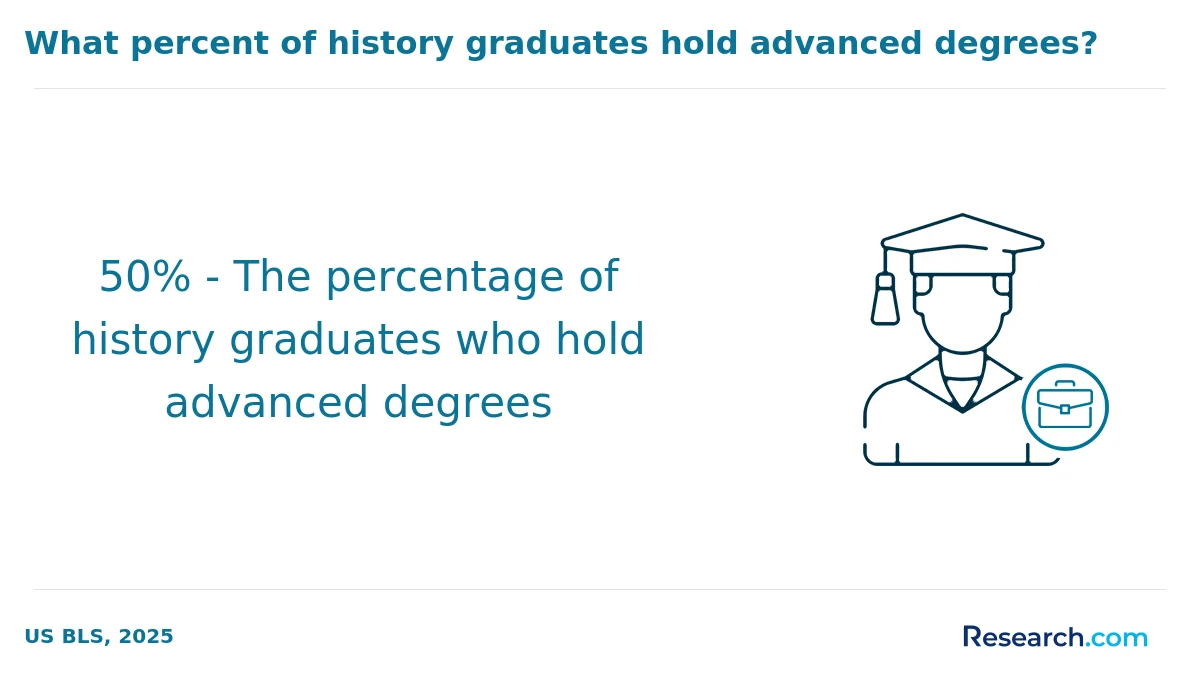
In media and publishing hubs like Nashville, history grads dive into research and content creation, producing engaging narratives for educational platforms or nonprofits. Their critical thinking and communication skills open doors beyond traditional roles, expanding into law, public administration, or business-especially as many pursue advanced degrees.
These diverse paths illustrate an optimistic horizon for online history degree holders in the South, where regional richness and evolving job markets blend to create meaningful, future-oriented opportunities.
How much can I make with online history degree in the South?
Graduates with an online history degree in the South can expect varied earnings depending on their chosen career paths and locations. Many find rewarding roles as historians, earning around $63,000 annually, which is just below the national average of approximately $65,000. For instance, those graduating from universities popular in the South, such as the University of North Carolina or the University of Florida, often find opportunities in larger cities like Raleigh or Tampa where salaries can exceed this average.
Teaching is another common path, with recent history graduates working in Southern public schools or community colleges earning between $45,000 and $60,000. While pay might be modest compared to some regions, these roles offer meaningful community impact and personal fulfillment, often reported positively by alumni of schools like the University of Georgia.
Museum professionals and archivists typically make $40,000 to $55,000, with higher wages in metropolitan areas such as Atlanta benefiting graduates who network through institutions like Emory University. Looking ahead, leveraging skills in related sectors like public administration or cultural resource management could elevate earnings well into the mid-$50,000s and beyond, reflecting ongoing trends toward interdisciplinary career growth in the South.
2027 Fastest Online Bachelor's in History Degree Programs Ranking in the South
How do we rank schools?
Investing in your education is a significant decision that can impact your career and personal growth, and the Research.com team recognizes the importance of making well-informed choices. To support prospective students interested in pursuing history degrees in the South, we have carefully developed the "2027 Fastest Online Bachelor's in History Degree Programs Ranking in the South." Our dedication to quality, credibility, and accuracy is evident through the thorough research and data analysis that underpin this ranking.
We utilized the following reputable data sources to ensure a comprehensive evaluation of these programs:
By exploring this ranking, readers will gain valuable insights into the fastest and most credible online history degree options available in the South, enabling them to make confident decisions that align with their educational and career goals. For more information about how this ranking was created, please visit our Research.com methodology page.


# 3 position
Judson College
Bachelor of History

# 4 position
University of Maryland Global Campus
Bachelor of History


Key Findings
- Average tuition for in-state online history bachelor's degrees in Southern universities ranges from $6,500 to $15,000 per year.
- The South accounts for about 12% of the nation's history-related jobs, with high demand in Atlanta, Charlotte, and Raleigh-Durham.
- Entry-level salaries for history graduates typically fall between $40,000 and $50,000 annually.
- Experienced history majors can earn median salaries of $60,000 to $70,000 after 5 to 10 years.
- Southern online history programs often include regional history topics like Civil War studies and Southern cultural history.
- These programs offer flexible scheduling, asynchronous coursework, and require regional accreditation for quality assurance.
How long does it take to complete online history degree in the South?
Completing an online history degree in the South generally takes about four years for full-time students at popular schools like the University of North Carolina or Florida State University. Many graduates recall balancing work and family but still finishing on time by taking roughly 15 credits each semester. Part-time students often extend their journey to five or six years, which suits those managing busy lives without sacrificing their passion for history.
Some graduates share how accelerated options offered by Southern institutions transformed their experience-enabling them to complete their degree in three years or less through year-round courses including summer terms. These programs attract motivated learners eager to jumpstart careers quickly.
Transfer-friendly policies at schools such as Clemson University make a big difference too. Students with prior credits from community colleges often feel empowered as their progress speeds up significantly, reducing stress and fueling excitement.
The future could see more tailored pacing and flexible timelines, making earning a history degree in the South more accessible and rewarding for everyone.
What's the difference between online and on-campus history degree?
Online and on-campus history degrees in the South offer distinct learning experiences that shape students' academic journeys and future careers. Graduates from online programs at institutions like the University of Florida often recall the freedom to study asynchronously, balancing coursework with jobs or family commitments without sacrificing quality. This flexibility lets them engage deeply with Southern history while managing their busy lives.
Alternatively, on-campus students at universities such as the University of North Carolina at Chapel Hill often highlight the energizing campus atmosphere-vibrant lecture halls, lively debates, and immediate access to local archives and museums. This immersion fosters close-knit connections with professors and peers, enriching their understanding of regional history.
Looking ahead, emerging technologies may blend these experiences, allowing online learners more interactive opportunities while retaining flexibility. Southern history students might soon join virtual reality tours of plantation homes or Civil War battlefields, bridging the gap between digital convenience and hands-on discovery.
What is the average cost of online history degree in the South?
The average cost of an online history degree in the South varies notably depending on residency and institution type, but many students find the total expenses manageable with proper planning. Public universities popular for history programs, such as those in Georgia or North Carolina, typically offer in-state tuition that results in a median in-state total cost around $43,860. Graduates often reflect on how this affordability allowed them to balance work, family, and studies without overwhelming debt, creating a positive and motivating learning experience.
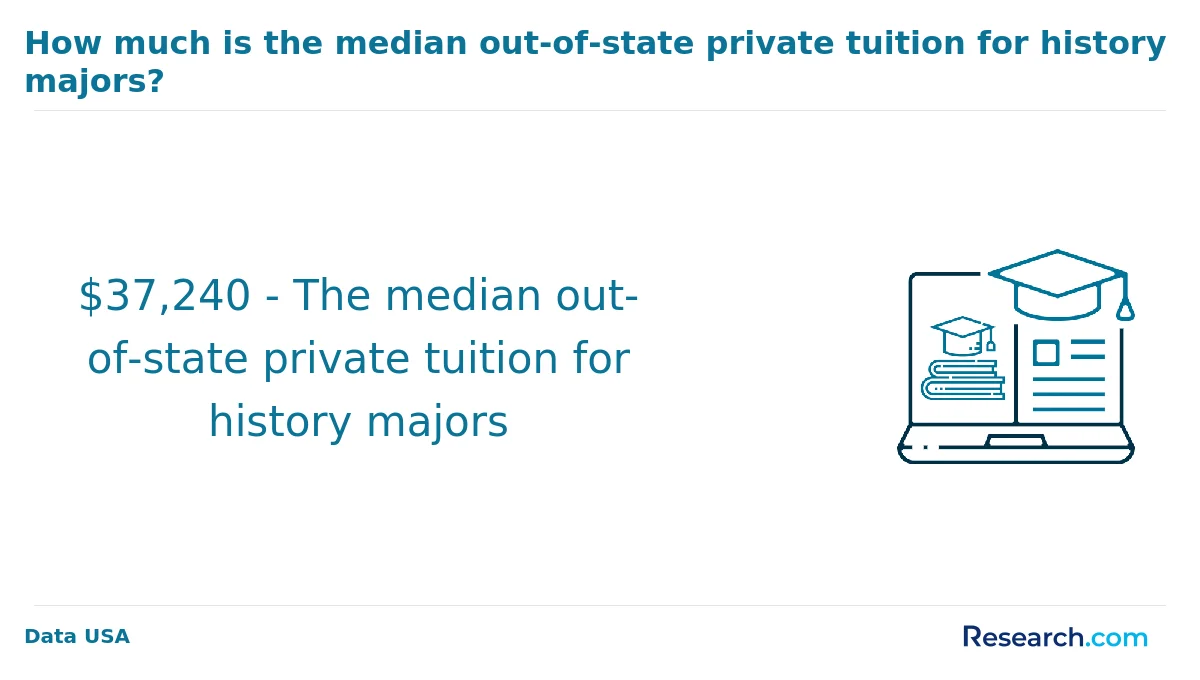
Out-of-state students tend to face higher fees, with median total costs nearing $64,116. However, many prospective students view this as an investment in their future, especially given the growing demand for flexible online history programs that Southern colleges provide. The median total cost across all students averages about $57,960, encompassing tuition, fees, and necessary course materials. Such costs prompt many online learners to seek financial aid or scholarships tailored specifically to history majors in the region.
Studying online history degrees at Southern universities offers the unique advantage of lower living expenses compared to traditional on-campus programs. This can make the total expenses for online history bachelor programs southern US students consider significantly lower. Additionally, the digital format enables wide access to resources, fostering enthusiasm and deeper engagement among students.
Many graduates recall how these programs prepared them well for future opportunities, connecting their passion for the past with modern career options. Interested students can explore detailed career pathways related to history degrees by reviewing history degree jobs, emphasizing how an investment in affordable education transforms into rewarding professional prospects.
What financial aid is available to online history degree students in the South?
Future students enrolling in online history degree programs at Southern universities like the University of Georgia or Texas A&M often find a range of financial aid options acting as vital support pillars. Graduates recall how federal Pell Grants, reaching up to $7,395, helped them reduce sticker shock while balancing work and study. These grants, combined with flexible Direct Subsidized and Unsubsidized Loans, make pursuing history degrees manageable without excessive debt.
State-based aid programs continue evolving, with scholarships like Georgia's HOPE and Texas Grants expanding accessibility, instilling hope in regional students pursuing history online. Alumni frequently mention the encouragement from institutional scholarships designed for humanities students, which rewarded both strong academic records and financial need.
Increasingly, creative funding routes appear: military benefits such as the GI Bill and employer tuition reimbursement plans provide unique pathways for working adults to pursue their passion for history without sacrificing financial stability. These evolving affordability options inspire confidence and determination for those embarking on Southern online history studies.
What are the prerequisites for enrolling in online history degree program in the South?
Enrolling in an online history degree program in the South typically requires a high school diploma or GED, setting the foundation for college-level studies. Graduates from popular Southern universities often recall how meeting these basic academic credentials was just the first step toward a rewarding journey. Many programs ask for a minimum GPA around 2.0 to 2.5, which encourages students to maintain steady academic progress while balancing life and work commitments.
Test-optional policies have made the process less stressful for some, allowing applicants to focus on crafting compelling personal statements or gathering strong letters of recommendation. One graduate shared how submitting a vivid narrative about their passion for Southern history helped them stand out without standardized test scores.
Transferring credits from regionally accredited institutions is another common prerequisite, giving students flexibility to build on previous coursework. Reliable internet and familiarity with office software remain key technical requirements, ensuring smooth participation in dynamic online classes supported by schools familiar with the region's needs.
What courses are typically in online history degree programs in the South?
Online history degree programs in the South commonly feature courses that immerse students in both broad narratives and region-specific topics. Graduates from universities such as the University of Alabama or University of South Carolina often recall diving deep into U.S. History from Colonial Times to Reconstruction, gaining a vivid understanding of foundational events. Many find the Southern History and Culture classes especially resonant, as they explore Civil War impacts, Reconstruction challenges, and Civil Rights movements that shaped their own communities.
Courses like The Great Depression and 20th Century America add context to national changes, while World History from Antiquity to Modern Times connects Southern history to global shifts. More forward-thinking programs incorporate Historical Research Methods with digital tools, enabling students to analyze primary sources and access online archives with increasing ease. Online learners appreciate how these methods mirror real research, making history tangible and engaging beyond textbooks, as many graduates express pride in mastering skills that prepare them for future careers or graduate studies.
What types of specializations are available in online history degree programs in the South?
Students pursuing online history degrees in the South often choose specializations that highlight the region's rich and complex past. Popular focus areas include American History with an emphasis on Southern history, Civil War studies, and Reconstruction era-subjects that graduates frequently describe as deeply fulfilling and closely connected to their personal heritage. Others explore Public History, gaining real-world experience by working with local museums or archives, which brings history to life beyond textbooks. Institutions known for strong history programs often tailor courses to these interests, reflecting the Southern region history degree focus areas in a way that feels personalized and meaningful.
Looking ahead, emerging trends suggest growing emphasis on digital history and virtual archival work, enabling students to engage with historical materials remotely while preserving Southern heritage. This shift could open new career pathways for alumni eager to adapt traditional skills to modern technologies. Graduates often share how their immersion in these specializations inspires passion for teaching, preservation, or advanced research.
For those considering career prospects, exploring the highest-paying jobs with a history degree highlights how these specializations can translate into rewarding futures.
How do you choose the best online history degree in the South?
Choosing the best online history degree in the South means looking beyond just price and accreditation. Graduates from prominent Southern universities often share how flexible scheduling allowed them to balance family and work, especially when courses were asynchronous. This flexibility is essential since many Southern students juggle multiple responsibilities.
Affordability plays a key role, and programs offering affordable accredited history degrees southern US students appreciate are increasingly common. Some graduates recall how scholarships or credit transfer options accelerated their path, easing financial and time burdens. Digital student services like tutoring or library access at these institutions can make a big difference in feeling supported throughout the journey.
Curricula emphasizing regional history, such as Civil Rights or African American studies, resonate deeply with students in the South. Graduates speak enthusiastically about professors active in research, which adds unique insights. Future-forward learners might also explore opportunities linked to history masters degree jobs, preparing them for evolving career paths while earning a degree.
What career paths are available for online history degree students in the South?
Graduates with an online history degree in the South often find themselves drawn to education, where many pursue teaching certification through universities like the University of Georgia or Appalachian State. These programs offer streamlined tracks that empower graduates to confidently lead classrooms while earning competitive wages. Others discover rewarding careers within cultural institutions such as museums or archives in Southern cities, where roles like curator or preservation specialist bring history alive to their communities. Many alumni reflect on their fulfilling experiences working at local historical sites, blending passion with purpose.
Emerging job opportunities in government agencies also attract history graduates. For example, research and policy analysis roles in state heritage departments encourage innovative thinking to promote public education and tourism. The vibrant media landscapes of Atlanta and Nashville offer exciting possibilities for those interested in journalism and publishing, where analytical skills honed through their degree are invaluable. Southern universities fostering these pathways inspire graduates to explore diverse futures with optimism. For students weighing their options, exploring affordable online degree programs history in the South can unlock many career doors.
What is the job market for online history degree in the South?
Graduates pursuing online history degree jobs in the South often find promising pathways in government archives, museums, and educational institutions. Many from universities such as the University of North Carolina and Texas A&M share stories of securing roles as museum curators or public historians, where their expertise helps preserve the region's rich past. These positions offer both fulfilling work and competitive pay within local communities.
Southern US history degree career opportunities extend beyond traditional roles. Graduates frequently branch into tourism-related positions, managing historic sites that attract visitors eager to experience Southern heritage firsthand. Others leverage their skills in nonprofits and cultural organizations, designing engaging exhibits or educational programs that spark public interest and support.
Online programs in the South not only make education more affordable but also prepare students for diverse careers in law, public administration, and archival science. For those ready to advance, exploring options like a masters in history online can deepen expertise and open further doors in this evolving market.
Frequently Asked Questions About history
Online history degree students in the South can maximize their learning experience by actively engaging with regional resources. Enrolling in programs that incorporate Southern history allows learners to connect coursework with locally significant events and culture. Utilizing digital archives from Southern universities and state libraries enriches understanding with primary sources.
Students should participate in online discussion forums and virtual study groups to enhance critical thinking and collaboration. According to the National Center for Education Statistics, Southern students often benefit from flexible online scheduling that accommodates work and family commitments.
Choosing accredited institutions ensures quality education recognized by employers, while seeking opportunities for virtual internships or historical society memberships can deepen practical knowledge.
Emerging niches within the history field reflect growing interests in areas such as public history, digital history, and environmental history. Public history, involving museum curation and heritage management, is expanding as Southern states invest in preserving Civil Rights and Confederate history sites. Digital history uses technology to analyze and present historical data, appealing to students with tech skills. Environmental history examines human interaction with the Southern landscape, especially in regions affected by climate change.
According to the American Historical Association, 35% of history graduates in the South engage in public history roles, highlighting this area's growth. These niches provide diverse career options for online history degree students.
After earning an online history degree in the South, preparing for the job market involves strategic steps. Graduates should build strong research and writing skills, as these are highly valued in roles like archivists, educators, and museum staff. According to the U.S. Bureau of Labor Statistics, historians in Southern states earn a median wage of approximately $63,000 annually, reflecting steady demand.
Networking through local historical societies or virtual events can open career opportunities. Internships or part-time roles with regional institutions such as the Southern Historical Association enhance practical experience. Additionally, obtaining certifications in archives or public history improves employability. Staying updated on trends in Southern history education and cultural institutions is equally important.
Employers in the South value history degree graduates who demonstrate strong research and analytical skills. The ability to interpret complex historical data and contexts is essential for roles in education, museum work, and public history. According to the American Historical Association, Southern history professionals often require excellent written and verbal communication skills to convey historical knowledge clearly.
Additionally, proficiency with digital tools like archival databases and GIS mapping enhances job prospects. Critical thinking and attention to detail are key, as many employers look for graduates who can evaluate sources and construct well-supported arguments.
Networking and project management skills also play a role in securing positions within Southern cultural institutions and government agencies.
Finding internships in the South related to a history degree involves leveraging local resources and academic connections. Start by contacting university career centers, which often partner with museums, historical societies, and archives in states like Georgia, Tennessee, and North Carolina. According to the American Historical Association, these institutions offer numerous internships to students annually.
Many Southern states have rich historical sites needing interns, such as the Civil Rights Museum in Memphis or the Colonial Williamsburg Foundation. Online platforms like Handshake and LinkedIn also list regional internships. Networking with professors and attending local history conferences can expand opportunities. Early application and flexibility in location increase chances of placement.
An online history degree offers significant advantages for career mobility and advancement in the Southern United States. The region's expanding education and cultural sectors increasingly value candidates with strong historical knowledge paired with digital literacy. According to the U.S. Bureau of Labor Statistics, employment for historians is expected to grow by 6% nationally through 2032, with Southern states seeing a steady demand driven by museums, archives, and public history projects.
Graduates with online history degrees can access remote roles, enhancing geographic flexibility while competing locally. Southern employers often appreciate the disciplined self-study skills online programs develop, which are useful in research, education, and government careers. Moreover, many Southern online programs emphasize regional history, boosting graduates' relevance in local job markets.
Studying for an online history degree in the South equips students with critical thinking and analytical skills applicable across multiple fields. Southern universities emphasize regional history alongside national and global perspectives, enriching students' ability to connect historical events with disciplines such as political science, cultural studies, and economics. According to the National Center for Education Statistics, many Southern programs include interdisciplinary coursework, allowing students to tailor their education toward fields like public policy or education.
Courses often encourage research methods transferable to careers in law, journalism, and archival work. This flexibility supports diverse career paths beyond traditional history roles.
Choosing between a thesis and a non-thesis online history degree program in the South depends largely on your academic and career goals. Thesis programs typically emphasize original research and writing, preparing students for graduate studies or research-heavy careers. In contrast, non-thesis options focus more on coursework and practical skills, appealing to those aiming for teaching or public history roles.
Southern universities, such as those in Texas and Florida, often provide flexibility in program structure. Data from the Southern Association of Colleges and Schools (SACS) shows that nearly 40% of history programs in the region offer thesis options.
Consider your commitment to independent research; thesis paths demand a significant time investment, often involving a major project or paper. Non-thesis tracks usually allow faster completion, suited for working professionals.
Students in the South interested in studying history abroad through online degrees have flexible options. Many Southern universities partner with international institutions, allowing students to engage in virtual study-abroad experiences while remaining enrolled locally. For example, universities within the Southern Association of Colleges and Schools Commission on Colleges (SACSCOC) often facilitate global collaborations.
Programs may include study modules on global history or offer internships with international archives. According to the National Center for Education Statistics, over 35% of Southern online students participate in study abroad or exchange programs.
This integration helps students gain diverse perspectives without leaving their region or pausing their studies.
Part-time jobs that complement a history degree in the South often involve roles in museums, archives, and cultural institutions. Many Southern states have rich historical sites requiring docents or tour guides, offering practical experience. According to the American Alliance of Museums, about 33% of museum workers in the South hold positions suitable for students balancing work and study.
Internships at historical societies and local archives also provide valuable hands-on skills in research and preservation. Additionally, teaching assistant positions at community colleges or online tutoring for history courses can reinforce knowledge while earning income.
Such roles build critical thinking and communication skills directly applicable to history careers.
Online history students in the South benefit from a variety of networking opportunities tailored to their unique educational environment. Many Southern universities offer virtual student organizations and history-focused clubs, allowing students to connect with peers and faculty across the region. Additionally, professional associations such as the Southern Historical Association provide online events, conferences, and workshops where students can engage with historians and alumni. According to the National Center for Education Statistics, over 40% of Southern colleges support online mentorship programs that link students with experts in Southern history. These resources help build professional relationships crucial for future careers in teaching, research, or archival work.
Alumni networks play a significant role for online history degree students in the South by offering valuable professional connections. Graduates from Southern universities often remain in the region, making these networks crucial for local job opportunities in museums, archives, and education sectors.
These networks provide access to mentorship, internships, and job openings that may not be widely advertised. According to the National Association of Colleges and Employers, 85% of jobs are filled through networking, highlighting the importance of these connections.
For online students, alumni networks also foster a sense of community and support despite geographical distances.
Students pursuing an online history degree in the South can tailor their programs by selecting electives that align with specific career paths. Many Southern universities offer concentration options such as public history, archival studies, or education. These choices help develop skills relevant to museums, libraries, or teaching careers. Additionally, some programs provide internships or practicum experiences with local historical societies, enhancing practical expertise.
Course flexibility also allows students to focus on regional history, including Civil Rights and Southern heritage, which is valuable for cultural institutions in the South. According to the Southern Association of Colleges and Schools, this customization ensures the degree meets both academic and professional goals effectively.
Online history students in the South often face challenges related to limited access to specialized resources. Many regional libraries and archives are not fully digitized, which can hinder research opportunities for Southern history topics. According to the Southern Association of Colleges and Schools Commission on Colleges, nearly 40% of students report difficulty accessing primary source materials online.
Another common issue is the variability in online program quality. Some institutions in the South have yet to fully develop engaging digital curricula tailored for history courses, impacting student engagement and learning outcomes.
Additionally, balancing studies with work and family commitments remains a significant hurdle for many adult learners, as the Southern U.S. has a higher percentage of non-traditional students enrolled in online programs compared to other regions.
Finally, students occasionally encounter slower internet connectivity in rural Southern areas, which can disrupt live lectures and timely submission of assignments.
With an online history degree, you can pursue several professional certifications that enhance your qualifications and job prospects. One popular option is the Certified Archivist credential offered by the Academy of Certified Archivists. This certification is valuable for those interested in managing historical records, especially in Southern states rich with archival resources.
Another path is the Museum Studies certification, which can qualify graduates for curator or educational roles in museums. The Southern Historical Association often supports professional development aligning with these credentials.
Additionally, earning a teaching certification in your state allows history graduates to teach at secondary schools, a common career route in the South. Programs like the National Board Certification for teachers further advance professional standing.
To write a winning application for an online history program in the South, start by highlighting your passion for history and any relevant experience. Southern universities often value applicants who demonstrate understanding of regional history, such as the Civil Rights Movement or colonial settlements. Include strong letters of recommendation from educators or professionals familiar with your academic abilities. Many programs require a personal statement-use it to explain why an online format suits your goals and how you plan to succeed in a virtual classroom. According to the Southern Association of Colleges and Schools, clear communication and academic preparedness are key factors in admission decisions.
Focus on maintaining a competitive GPA; average accepted students typically hold a 3.0 or higher. If standardized tests are required, prepare thoroughly, as scores can influence acceptance.
Careers in history offer valuable global perspectives, especially for students pursuing online history degrees in the South. History graduates develop critical thinking, research, and communication skills that are prized worldwide. According to the U.S. Bureau of Labor Statistics, historian employment is expected to grow about 6% from 2021 to 2031, reflecting steady demand. Many history graduates work in education, archiving, or cultural resource management, often collaborating on international projects.
In the South, universities emphasize regional and global history, preparing students for global roles. The diverse economy in Southern states means history skills can support careers in museums, government, or global business sectors.
Students pursuing an online history degree in the South can gain practical experience through internships at local museums, archives, or historical societies. Many Southern states offer rich historical resources, such as the North Carolina Museum of History or Georgia Archives, that welcome interns. According to the American Historical Association, about 60% of history students complete internships to enhance their resumes. Additionally, virtual internships and project-based collaborations with regional heritage organizations are increasingly available, providing flexibility for online learners. Participating in community research projects or digital history initiatives can also build important skills, making students more competitive for future employment.
Choosing the right concentration within an online history degree program in the South involves assessing your interests and career goals. Southern universities often offer concentrations such as Civil Rights History, Southern U.S. History, or African American History, reflecting the region's unique cultural heritage.
Consider the faculty expertise and available resources; schools like the University of Alabama or Florida State University provide strong programs in Southern history, supported by extensive archives. According to the American Historical Association, focusing on regional history can improve job prospects in education, museums, and archives.
Also, review course offerings and internship opportunities that align with your desired profession to gain practical experience while studying online.
Top Trending History Rankings
References
- THE list of internships for history majors https://employedhistorian.com/history-major/internships-for-history-majors/
- Making sure you're not a bot! https://journals.uclpress.co.uk/herj/article/pubid/Hist_Educ_Res_J-23-16/print/
- History Fieldwork - Do Our Students Get Out Enough? https://www.historyworkshop.org.uk/museums-archives-heritage/history-fieldwork/
- My Top 3 Recommendations on Networking in the History World | An Historian About Town https://anhistorianabouttown.com/recommendations-on-networking-in-the-history-world/
- 5 Challenges of Teaching History in International Classrooms (and How https://millerskills.co.uk/blogs/teaching-overseas/5-challenges-of-teaching-history-in-international-classrooms-and-how-to-overcome-them
- How a Strong Alumni Network Can Benefit Students https://www.pacificu.edu/blog/how-strong-alumni-network-can-benefit-students
- History majors should have a more global perspective - The Lamron https://www.thelamron.com/opinion/history-majors-should-have-a-more-global-perspective
- What Can I do With a History Degree? https://theinterngroup.com/our-blog/what-can-i-do-with-a-history-degree
- Master of Arts (M.A.) Major in History (Non-thesis Option) https://mycatalog.txstate.edu/graduate/liberal-arts/history/history-nonthesis-nominor-ma/
- History Programs Abroad: Degrees & Opportunities - AEC https://www.aecoverseas.com/history/