2027 Most Affordable Online Master's in History Degree Programs Ranking in Alabama

Co-Founder and Chief Data Scientist
If you're considering advancing your education in history without leaving Alabama, this article is tailored for you. The 2027 Most Affordable Online Master's in History Degree Programs Ranking in Alabama offers clear guidance on top programs evaluated by the Research.com team of data scientists.
This ranking helps you find quality, budget-friendly options that fit your lifestyle and career goals. Earning a master's in history opens doors to exciting opportunities, from education to research, and fosters critical thinking and cultural understanding.
Explore this resource to make an informed, confident choice for your academic future.
Key benefits of getting online history degree in Alabama
- History degree graduates in Alabama can often pursue rewarding careers in education, research, or museum work, with typical U.S. salaries ranging from $40,000 to $60,000 annually depending on the role.
- Graduates from universities like the University of Alabama often find diverse career paths such as teaching, archival work, or public history, offering opportunities to engage with the community and preserve important cultural stories.
- Completing a history degree online offers flexibility and allows students from anywhere in Alabama to balance work or family commitments while gaining valuable skills, often graduating with the same respected qualifications as traditional students.
- Key benefits of getting online history degree in Alabama
- What can I expect from online history degree in Alabama?
- Where can I work with online history degree in Alabama?
- How much can I make with online history degree in Alabama?
- 2027 Most Affordable Online Master's in History Degree Programs Ranking in Alabama
- Key Findings
- How long does it take to complete online history degree in Alabama?
- What's the difference between online and on-campus history degree?
- What is the average cost of online history degree in Alabama?
- What financial aid is available to online history degree students in Alabama?
- What are the prerequisites for enrolling in online history degree program in Alabama?
- What courses are typically in online history degree programs in Alabama?
- What types of specializations are available in online history degree programs in Alabama?
- How do you choose the best online history degree in Alabama?
- What career paths are available for online history degree students in Alabama?
- What is the job market for online history degree in Alabama?
- Top Trending History Rankings
What can I expect from online history degree in Alabama?
The average cost of an online history degree in Alabama is generally quite affordable, especially when you enroll at public universities like the University of Alabama or Auburn University. Graduates often share how the reasonable tuition rates for in-state students allowed them to focus more on their studies and less on financial stress. Many found that, by taking advantage of these affordable programs, they could complete their master's degree within two to three years without accumulating overwhelming debt.
For example, students from the University of Alabama highlight how the integration of digital learning tools made every dollar invested worthwhile, providing rich access to archives and interactive lectures. These experiences helped them engage deeply with Alabama's unique history while staying on budget. The combination of cost-efficiency and quality instruction means you can plan a clear path toward your goals in education, research, or public history with confidence.
Where can I work with online history degree in Alabama?
Graduates holding an online history degree in Alabama find a variety of rewarding career paths aligned with their passions for the past and community. Many step confidently into education, becoming high school history teachers across the state-especially those who completed programs at institutions like the University of Alabama or Auburn University. These alumni speak of the satisfaction in shaping young minds while meeting local demand driven by school growth and retirements.
Museum and cultural work is another vibrant option. Graduates have thrived working with renowned sites like the Birmingham Civil Rights Institute or the Alabama Department of Archives and History. These roles let them breathe life into history through curation, research, and engaging public programs.
Government roles, including city planning or historic preservation in Montgomery or Mobile, also attract alumni eager to apply their skills in meaningful community projects. Plus, library and research center positions allow for deep dives into archival treasures, where attention to detail makes all the difference.
For those eager to innovate, freelance writing and digital media centered on Alabama's stories offer exciting, flexible futures-perfect for history graduates ready to inspire wider audiences.
How much can I make with online history degree in Alabama?
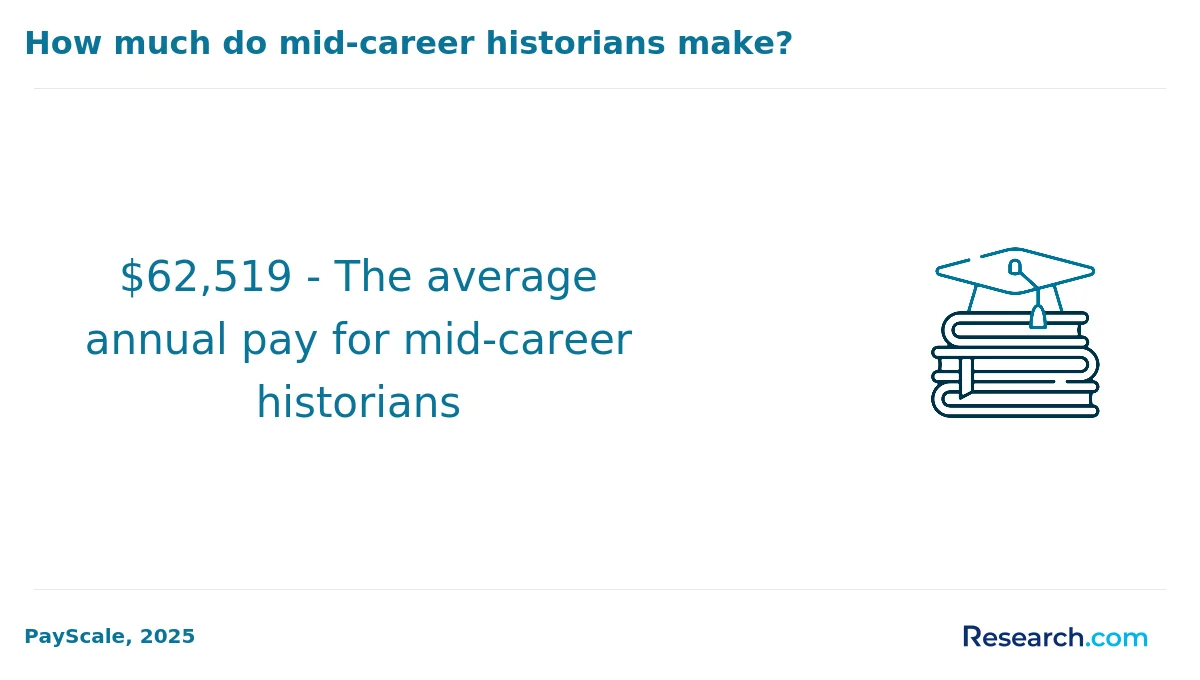
If you've earned or are pursuing an online history degree in Alabama, it's encouraging to know that your earning potential, while modest compared to some technical fields, remains solid with room to grow. Graduates from institutions like the University of Alabama or Auburn University often find starting salaries around $52,000 annually when teaching at the high school level, a fulfilling path many choose after graduation.
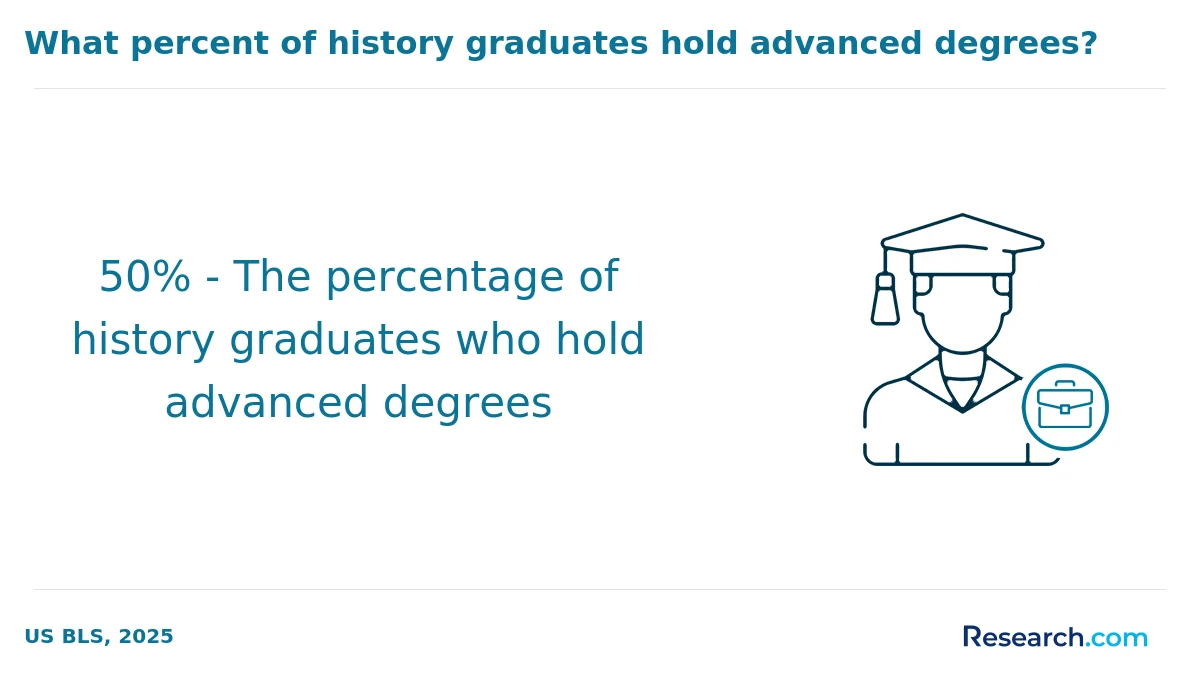
For those inspired to continue into higher education, postsecondary teaching roles can offer between $65,000 and $80,000 per year, especially at local universities where your expertise and experience are highly valued. This range reflects the real experiences of alumni who have transitioned from classrooms to university lecture halls.
Public history careers in museums and archives are another avenue, with salaries typically ranging from $40,000 to $58,000 in cities like Birmingham or Huntsville. These roles connect passion with practical earnings, often in vibrant community settings.
Remember, combining your degree with additional certifications or graduate studies can boost your prospects and deepen your impact in Alabama's diverse historical and educational landscape.
2027 Most Affordable Online Master's in History Degree Programs Ranking in Alabama
How do we rank schools?
Investing in your education is a significant decision that can impact your future, and the Research.com team recognizes the importance of making well-informed choices. To support prospective students in Alabama, we have carefully developed the "2027 Most Affordable Online Master's in History Degree Programs Ranking in Alabama." Our dedication to quality, credibility, and accuracy is demonstrated through thorough research and precise analysis.
We utilized the following reputable data sources to ensure a comprehensive evaluation of online history master's programs:
By exploring this ranking, readers will gain valuable insights into affordable and high-quality online master's history programs in Alabama, empowering them to make confident educational decisions. For more information on how this ranking was created, please visit our Research.com methodology page.


Key Findings
- Online history degrees in Alabama are offered fully online at both bachelor's and master's levels with a comprehensive curriculum covering American, European, and world history.
- Undergraduate tuition for in-state online students ranges from $5,000 to $10,000 per year, while graduate programs cost between $8,000 and $15,000 annually.
- Entry-level salaries for history graduates in Alabama typically start at $35,000 to $40,000 per year, with experienced professionals earning $50,000 to $60,000 or more.
- Key employment sectors include education, museums, archives, government, and cultural preservation agencies.
- Online programs provide access to a wider range of courses and faculty expertise from multiple Alabama institutions, especially in state and regional history.
How long does it take to complete online history degree in Alabama?
If you're aiming to earn your online history degree in Alabama, expect about four years to complete a bachelor's degree when studying full-time. This timing aligns well with what students have experienced at institutions like the University of Alabama or Auburn University, where many alumni recall balancing coursework with their everyday lives successfully. For part-time learners, often working professionals, the journey may extend to six years or more, yet the flexibility of online formats makes steady progress achievable without sacrificing personal commitments.
Graduate students pursuing a master's degree in history typically finish in around two years of full-time study. Many find value in the adaptable schedules offered by Alabama's universities, allowing them to accelerate their progress or take a lighter course load when needed.
Graduates commonly mention how transfer credits and accelerated courses helped them reduce their time spent, turning their educational goals into rewarding milestones that fit their busy lifestyles.
What's the difference between online and on-campus history degree?
Choosing between online and on-campus history degrees in Alabama means considering how you want to experience your education. Graduates from the University of Alabama often recall the vibrant campus life-the energy of in-person discussions, late nights in the history library, and spontaneous study groups that deepen understanding through shared passion. Meanwhile, those who pursued their degrees online found joy in the flexibility to study between work shifts or family duties, tapping into Auburn University's digital archives and video lectures at their own pace.
On-campus programs offer a tactile connection to Alabama's rich historical resources, fostering close-knit communities and immediate access to professors. Online students, however, embrace virtual forums and adaptable schedules, thriving by balancing ambition with life's demands. Both paths uphold the same rigorous academic standards, ensuring your degree prepares you thoroughly for future goals.
If you value dynamic campus interactions, the traditional route might inspire you. But if managing time and location is key, the online experience in Alabama's top universities can open doors without compromise.
What is the average cost of online history degree in Alabama?
The average cost of an online history degree in Alabama typically centers around $13,185 for total tuition, making it an attainable investment in your future. Public universities such as the University of Alabama offer online graduate history programs where in-state students find tuition rates between $400 and $600 per credit hour. Graduates often share how this balance of affordability and quality education allowed them to pursue their passion without overwhelming debt. These programs usually require 30 to 36 credit hours, comfortably fitting a budget-conscious plan for many.
When considering an affordable online master's in history tuition Alabama offers, it is important to account for additional fees like technology costs, which generally range from $50 to $200 per semester. Many students appreciate how these fees are far less than expenses tied to traditional on-campus programs, such as housing and commuting. Fellow history graduates from institutions like Auburn University have expressed satisfaction with the manageable costs paired with flexible learning schedules that empower them to study while working or managing other commitments.
Choosing an Alabama public university not only brings cost savings but also opens doors to financial aid and scholarships targeted for history students. It's wise to explore these opportunities as they greatly reduce your financial burden. For those curious about potential outcomes, exploring jobs with history degree can inspire how this affordable education leads to rewarding careers in education, research, and public service.
What financial aid is available to online history degree students in Alabama?
When pursuing an online history degree in Alabama, numerous financial aid options can truly lighten your path. Graduates from the University of Alabama often share how federal aid, accessed through the FAFSA, unlocked opportunities like Direct Unsubsidized Loans that made balancing study and life manageable. These loans, combined with grants, create vital support as you dive into graduate history studies.
In Alabama, state programs such as the Alabama Student Assistance Program (ASAP) provide need-based grants tailored for residents, even if you're studying remotely. Imagine attending Auburn University online and receiving reduced tuition thanks to in-state rates-this really brightens the road to your degree. Many learners feel encouraged by merit scholarships awarded to students with strong academic records, easing financial pressure without the worry of repayment.
Assistantships offering tuition waivers or stipends, though more common on-campus, sometimes extend to online history students who demonstrate dedication. Plus, employer tuition reimbursements in fields like education and government can turn your job into a powerful partner in your educational journey.
These forms of aid combine practical support with encouragement, empowering you to pursue your passion for history without overwhelming financial stress.
What are the prerequisites for enrolling in online history degree program in Alabama?
To enroll in an online history degree in Alabama, you'll need to hold a bachelor's degree from an accredited institution, a standard expectation across universities like the University of Alabama or Auburn University. Many alumni recall that having an undergraduate background in history or related fields-such as political science or sociology-gave them a confident edge when diving into advanced topics.
Transcripts showing a GPA of around 3.0 or higher are typically required, reflecting the commitment you'll need to succeed. Some programs waive GRE scores, valuing your professional experience and writing samples instead-several graduates found that showcasing their passion in personal statements helped them stand out.
Letters of recommendation from professors or employers who understand your work ethic also lift your application, providing a real sense of encouragement and belief from trusted mentors. Preparing a resume that highlights your academic and professional journey can spark your excitement about how past experiences shape your future in history.
What courses are typically in online history degree programs in Alabama?
When you enroll in an online history degree in Alabama, expect a rich curriculum that builds a strong foundation in both broad and focused historical studies. Courses like Introduction to Historiography and Research Methods teach you how to critically analyze sources-skills invaluable when tackling Alabama's complex past. Graduates from universities such as the University of Alabama often share how American History classes illuminated the state's pivotal role in the South and civil rights movements, making history feel immediate and relevant.
World and European History courses expand your perspective, connecting local stories to global contexts. Many students find the Historical Writing and Interpretation classes particularly empowering, as these sharpen their ability to communicate compelling narratives-whether for academic work or public history roles. Electives in Civil Rights History or Public History are especially meaningful in Alabama, linking theoretical knowledge to real-world impact, like preserving stories in museums or community archives. The blend of theory and practical skills prepares you to engage deeply with history while opening doors to diverse careers.
What types of specializations are available in online history degree programs in Alabama?
When pursuing an online history degree in Alabama, you'll find multiple specializations that truly enrich your learning experience. Students often choose from options like American History, where they explore pivotal events such as the Civil Rights Movement-a subject deeply connected to Alabama's own legacy. Others opt for Public History, gaining hands-on skills in museums or archives, a pathway that graduates from the University of Alabama say helped them secure meaningful careers in cultural institutions.
Military History is another popular track, with opportunities to study conflicts ranging from the Revolutionary War to modern times, often highlighting Alabama's military sites like the U.S. Space & Rocket Center. World History appeals to those passionate about understanding global cultures and international trends. Meanwhile, the Historical Preservation and Conservation specialization prepares you to protect Alabama's rich landmarks, a path many Auburn University graduates have followed with great success.
Picking the best history concentration options Alabama online depends on your passion and career goals; this flexibility allows you to craft a degree aligned with your future. For insight into career opportunities, check out jobs history degree to see where these paths can take you.
How do you choose the best online history degree in Alabama?
Choosing the best online history degree in Alabama means focusing first on accredited programs that offer strong curricula reflecting the rich heritage of the South. Graduates from universities well-known for affordable online history degrees Alabama often praise the balance of comprehensive coursework with specialized topics like civil rights and Southern history, which keep studies both meaningful and engaging. Many find that programs offering asynchronous classes allow them to manage work and family effectively while pursuing their passion.
Look for schools where faculty are active researchers or connected with Alabama's historical communities, giving students chances to engage beyond virtual classrooms. Graduates often share how career services linked to local museums and historical organizations opened doors for internships and job placement. Cost considerations are key too-Alabama's best online master's history programs Alabama usually provide competitive tuition plus scholarships or assistantships that ease financial strain.
For practical insight into career paths after earning your degree, explore resources about history professions through this history job guide, helping you envision life beyond your studies.
What career paths are available for online history degree students in Alabama?
Graduates with an online history degree in Alabama find themselves well-prepared for a range of fulfilling career options. Many embark on careers in education, becoming secondary school teachers or college instructors, inspired by professors from institutions like the University of Alabama or Auburn University who emphasize real-world applications of historical knowledge. These roles blend passion for history with strong communication skills, opening doors to meaningful work.
Others pursue jobs with online history degree Alabama credentials in public history roles, such as museum curators or archivists at local landmarks like the Alabama Department of Archives and History. These professionals craft engaging exhibits and preserve the state's rich heritage, turning history into an active, living force. Government positions also attract graduates who enjoy managing cultural resources or conducting policy research, with steady salaries and benefits providing confidence and security.
Importantly, many graduates thrive in private sector roles-including publishing and journalism-where their abilities to analyze and narrate history shine. For personalized guidance on these varied paths and more, consider exploring online degrees in history that fit Alabama's dynamic educational landscape.
What is the job market for online history degree in Alabama?
If you are pursuing an online history degree job prospects Alabama offers many rewarding avenues. Graduates often find fulfilling roles in secondary education and community colleges, where passing state certification can open doors to stable teaching careers. Many who studied at universities like the University of Alabama or Auburn University have successfully transitioned into archival and library positions, preserving important cultural records and contributing to Alabama's rich heritage.
Another vibrant sector includes museums and cultural heritage organizations, where alumni cherish opportunities to engage public interest and promote tourism linked to the state's history. Government roles also attract graduates, focusing on historical research and policy advising. Those eager to expand their options sometimes pursue complementary certifications or higher degrees to stand out in this competitive market.
Students from Alabama institutions appreciate how career services support internship placements and connections within local historical societies. Exploring resources like jobs for art history degree can further illuminate pathways for success and inspiration tailored to their interests.
Frequently Asked Questions About history
Online history degree students in Alabama can maximize their learning by actively engaging with diverse digital resources available through their universities. Leveraging Alabama's rich historical archives, such as those offered by the Alabama Department of Archives and History, enhances understanding beyond textbooks. Participating in virtual seminars and discussions helps to deepen critical thinking and connect theory with real-world contexts.
Consistent communication with professors and peers through online platforms fosters collaboration and enriches perspectives. Time management is crucial; setting a structured study schedule supports steady progress. Additionally, students should seek internships or volunteer opportunities related to Alabama's historical sites to gain practical experience and strengthen their resumes.
The field of history is expanding with several emerging niches that appeal to today's students, including those pursuing online history degrees in Alabama. One growing area is public history, which involves preserving and presenting history for the general public through museums, archives, and historic sites. Another significant trend is digital history, leveraging technology like GIS mapping and digital archives to analyze and display historical data.
Social history focused on marginalized communities, including African American and Indigenous histories, is also gaining importance. Given Alabama's deep civil rights legacy, these topics offer unique local engagement opportunities for students. According to the Alabama Historical Association, public interest in these areas has surged over the past decade, reflecting larger national trends in historical research.
Graduates with an online history degree in Alabama can improve job prospects by gaining practical experience alongside their studies. Internships with local museums, archives, or historical societies provide valuable skills and networking opportunities. According to the Alabama Historical Association, students involved in such programs report higher employment rates in education and public history fields.
Building a strong resume with research, writing, and analytical skills is essential. Joining professional groups, such as the Alabama Historical Commission, offers access to job postings and mentorship. Additionally, obtaining teaching certification can open pathways into Alabama's educational system, where demand for history educators remains steady.
Employers in Alabama highly value history degree graduates for their critical thinking and research skills. Graduates must demonstrate the ability to analyze complex historical data and present findings clearly. Strong writing and communication talents are essential, as many roles involve preparing reports or educational content.
Data from the Alabama Department of Labor indicates that employers also look for proficiency in digital tools and archival research techniques, reflecting the increasing use of technology in historical studies. Additionally, graduates with skills in project management and collaboration tend to stand out in fields such as museum work, education, and public history.
Understanding Alabama's unique historical context helps graduates engage meaningfully with local employers, adding practical value beyond academic knowledge.
Finding internships in Alabama relevant to a history degree involves leveraging local resources and institutions that value historical knowledge. State archives, museums, and historical societies such as the Alabama Department of Archives and History offer internship opportunities for students seeking practical experience. Universities like the University of Alabama often collaborate with these entities to facilitate placements.
Students should also explore online internship databases, regional job boards, and professional history networks like the Alabama Historical Association. Networking at local history conferences can provide valuable connections. According to the Bureau of Labor Statistics, history-related internships can improve employment prospects by 15-20% nationally, emphasizing their importance.
Obtaining an online history degree can significantly enhance career mobility and advancement in Alabama by equipping graduates with critical thinking, research, and communication skills valued across several industries. According to the Alabama Department of Labor, sectors such as education, public administration, and cultural resource management frequently seek candidates with strong historical knowledge and analytical abilities.
Online history degrees allow working professionals to earn credentials without disrupting their current jobs, facilitating promotions or career shifts. Additionally, the University of Alabama System reports that alumni with history backgrounds often secure roles in museums, archives, and governmental agencies, reflecting growing demand in Alabama's heritage and public sector.
Furthermore, completing a master's degree online can improve competitiveness in Alabama's job market, where median salaries for historians and related positions grew over 5% between 2019 and 2023, according to the U.S. Bureau of Labor Statistics. Overall, an online history degree offers flexible opportunities for career growth within Alabama's evolving economy.
Studying for a history degree in Alabama offers strong interdisciplinary preparation by integrating diverse fields such as political science, economics, and cultural studies. Alabama's online history programs emphasize critical thinking and research skills applicable across multiple sectors. According to the National Center for Education Statistics, Alabama awards over 300 history degrees annually, preparing students for careers in education, public policy, and museum work.
Programs often include courses on Southern history, which encourage understanding of regional issues within broader national and global contexts. This approach equips graduates to address complex challenges in various professional environments, reflecting the state's rich historical and cultural heritage.
Choosing between a thesis and a non-thesis history degree program in Alabama depends largely on your career goals and learning preferences. A thesis program involves conducting original research and writing a substantial paper, which can be ideal if you plan to pursue a PhD or a research-oriented job. Conversely, a non-thesis option typically emphasizes coursework and may include a comprehensive exam or project, appealing to those aiming for professional roles in education, archiving, or public history.
In Alabama, several universities offer both options online, reflecting the broader U.S. educational system's flexibility. According to the Alabama Commission on Higher Education, many students choose non-thesis programs for quicker completion and practical skills.
Consider your desired workload, time commitment, and future plans before deciding. The thesis route often requires significant independent study, while the non-thesis path suits learners seeking applied knowledge without intensive research demands.
Students based in Alabama who wish to study history abroad have several options through online programs combined with international study components. Most Alabama universities with online history degrees offer study-abroad opportunities, internships, or research projects in partnership with foreign institutions.
For example, the University of Alabama and Auburn University provide opportunities for history students to engage in global learning experiences, often allowing credit transfer for short-term overseas programs. These options help enrich understanding of world history beyond the online classroom.
According to the Alabama Commission on Higher Education, about 12% of students in history and related fields participate in study-abroad or international programs, reflecting moderate engagement compared to national averages.
Additionally, students can access virtual exchange programs, leveraging historical archives or live seminars hosted by international universities, which serve those unable to travel abroad physically.
Part-time job opportunities in Alabama that complement an online history degree are diverse and practical. Many students find roles as research assistants at local museums, such as the Alabama Department of Archives and History in Montgomery. This position allows hands-on experience with historical documents and artifacts, enriching academic knowledge.
Another opportunity lies in educational support roles like tutoring or substitute teaching in history for public schools, which often require only a background in education and subject expertise.
Additionally, positions in local libraries or historical societies enable students to assist with archiving and public programming, connecting Alabama's rich history with the community.
Online history students in Alabama benefit from various networking opportunities despite the virtual nature of their studies. Many universities offer access to regional history associations such as the Alabama Historical Association, which hosts conferences and events that students can attend to connect with professionals and academics.
Additionally, schools encourage participation in virtual seminars and webinars related to Southern and Alabama history, often featuring historians from across the state. Students often gain access to alumni networks, providing mentoring and career connections.
Some programs also partner with museums and archives, like the Alabama Department of Archives and History, offering internships or research opportunities that help students build professional relationships.
Alumni networks offer valuable support to online history degree students in Alabama by connecting them with experienced professionals and graduates. These networks facilitate mentorship, career advice, and job opportunities within the regional and national history fields. According to the Alabama Historical Association, collaborative efforts among graduates help students access internships and research projects related to Alabama's rich historical heritage.
An active alumni community can also enhance academic growth by sharing insights on courses, faculty, and resources, which is especially helpful for remote students. Additionally, networking events and online forums create spaces for exchanging ideas and professional development.
Customizing an online history degree program in Alabama allows students to align their studies with specific career goals. Many Alabama institutions offer flexible curricula where students can choose electives focusing on areas such as public history, archival studies, or education. For example, courses on Southern history or civil rights may appeal to those interested in regional expertise.
Students often have the option to complete internships or research projects remotely, providing practical experience that enhances job prospects. According to the Alabama Commission on Higher Education, over 60% of history graduates find roles in education, museums, or government sectors, making specialization valuable.
Advisors can help tailor course selections to match market demands, ensuring skills gained are relevant and competitive.
Online history students in Alabama commonly face challenges related to engagement and access to resources. Without face-to-face interaction, students may struggle to participate fully in discussions, which can affect critical thinking development. Additionally, locating Alabama-specific primary sources remotely can be difficult, limiting research opportunities compared to on-campus students.
Technical issues and the need for reliable internet also pose barriers, especially in rural Alabama areas where connectivity is less consistent. According to the Alabama Commission on Higher Education, about 15% of households lack broadband access, impacting online learning.
Time management is another frequent challenge, as many online learners balance studies with work or family responsibilities.
With an online history degree, graduates in Alabama can pursue several professional certifications that enhance career prospects. For example, the Certified Archivist credential, offered by the Academy of Certified Archivists, is highly valued in museums, libraries, and historical societies across the state. This certification requires a combination of education and professional experience in history-related fields.
Another option is the Certified Museum Professional (CMP) designation provided by the American Alliance of Museums, which supports careers in Alabama's numerous cultural institutions. Additionally, obtaining a teaching certification through Alabama's Department of Education enables graduates to teach history at K-12 levels, combining academic knowledge with practical skills.
These certifications demonstrate expertise and commitment, positioning degree holders competitively in Alabama's job market. According to the Alabama Department of Labor, occupations related to history and cultural management are expected to grow steadily through 2030.
Applying for an online history program in Alabama requires careful preparation to stand out. Start by thoroughly researching programs offered by accredited Alabama universities, such as the University of Alabama and Auburn University. Highlight your passion for history by including specific interests, like Southern history or Civil Rights movements, which are significant to Alabama's heritage.
Strong academic records, especially in history or related social sciences, improve your chances. Include relevant work or volunteer experiences, such as museum internships or archival research. Craft a clear, concise personal statement explaining your career goals and how the program aligns with them. Finally, ensure all transcripts, letters of recommendation, and test scores meet each school's criteria to avoid delays.
The global perspective on a history career highlights the diverse opportunities available to those with a history degree. In the United States, including Alabama, historians often work in education, research, museums, and archival management. According to the U.S. Bureau of Labor Statistics, employment of historians is expected to grow about 9% from 2022 to 2032, reflecting steady demand.
Internationally, history professionals contribute to cultural preservation, policy development, and education. Employers value critical thinking, research skills, and strong communication, which are central to history studies.
Alabama's online history programs prepare students to engage in this global job market by equipping them with analytical and cross-cultural skills.
Gaining practical experience while studying for an online history degree in Alabama can enhance your learning and boost career prospects. Many programs encourage internships with local museums, historical societies, or archives. For example, the Alabama Historical Commission offers internship opportunities that provide hands-on experience in preserving and researching state history.
Additionally, students may engage in virtual research projects or digital archiving, which are increasingly valued skills in history-related fields. Coursework often includes opportunities to conduct primary source analysis, helping develop critical thinking and research methods. Networking with Alabama-based professionals through online seminars and history associations further enriches practical skills.
Choosing the right concentration within an online history degree program in Alabama depends on your career goals and academic interests. Common concentrations include American history, world history, and public history. Research shows that Alabama universities often emphasize Southern history, which is beneficial if you plan to work in local museums or education sectors.
Consider the faculty expertise and course offerings when selecting your focus. For example, programs that partner with Alabama historical societies can provide practical experience. According to the Alabama Commission on Higher Education, about 30% of history students pursue concentrations linked to regional history and museum studies.
Finally, reflect on your long-term plans, such as teaching, archival work, or research, to ensure your concentration aligns with job market demands within Alabama and beyond.
Top Trending History Rankings
References
- 5 Challenges of Teaching History in International Classrooms (and How https://millerskills.co.uk/blogs/teaching-overseas/5-challenges-of-teaching-history-in-international-classrooms-and-how-to-overcome-them
- Niche History Picks from EPOCH https://www.epoch-magazine.com/post/niche-history-picks-from-epoch
- 2023 Most Popular Online History Schools in Alabama - Course Advisor https://courseadvisor.com/majors/history/history/rankings/most-popular-online/southeast/alabama/
- Finding Networking Opportunities as a Student | National Society of High School Scholars https://www.nshss.org/resources/blog/blog-posts/how-to-find-networking-opportunities-as-a-student/
- 6-semester-hour sequence in either literature or history https://talk.collegeconfidential.com/t/6-semester-hour-sequence-in-either-literature-or-history/1074231
- Online Degree vs. Traditional | University of Arkansas Grantham https://www.uagrantham.edu/blog/pros-cons-online-degree-vs-traditional-university/
- What Can I do With a History Degree? https://theinterngroup.com/our-blog/what-can-i-do-with-a-history-degree
- History Online https://www.nsu.edu/History-and-Interdisciplinary-Studies/History-Online
- What Can You Do With a History Degree? https://willamette.edu/academics/college/history/career-options
- After the Degree: Finding work with a History degree https://www.graduate-jobs.com/news/13219/After_the_Degree__Finding_work_with_a_History_degree