2027 Most Affordable Online History Degree Programs Ranking in the Midwest

Co-Founder and Chief Data Scientist
Exploring affordable online history degree programs in the Midwest just got easier. This article introduces the 2027 Most Affordable Online History Degree Programs Ranking in the Midwest, carefully crafted by the Research.com team of data scientists. It aims to guide you in finding quality programs that fit your budget and goals.
Whether you want to enrich your understanding of the past or prepare for a rewarding career, a history degree offers lasting value. Dive in to discover options that make pursuing your passion both smart and achievable.
Key benefits of getting online history degree in the Midwest
- The average salary for history-related jobs in the Midwest typically ranges from $45,000 to $65,000 annually, offering a stable income for graduates pursuing roles like archivists or museum workers.
- History degree graduates from Midwest universities often explore diverse career paths, including education, research, public history, and cultural resource management, providing flexibility and rewarding opportunities.
- Online history degrees from respected Midwest institutions offer convenience and affordability, allowing students to balance work and study while gaining the same quality education as traditional programs.
- 2027 Most Affordable Online History Degree Programs Ranking in the Midwest
- What can I expect from online history degree in the Midwest?
- Where can I work with online history degree in the Midwest?
What can I expect from online history degree in the Midwest?
When budgeting for an online history degree in the Midwest, expect tuition to be quite manageable compared to national figures. Graduates from universities like the University of Illinois Springfield often share how their in-state tuition hovered below $12,000 annually. This affordability made it easier for them to balance work, family, and studies without overwhelming debt. Many public institutions in the region prioritize accessible pricing, reflecting the cost-conscious mindset of Midwest students.
Keep in mind that this cost usually includes access to digital resources like video lectures and archives, which enrich the learning experience. Practical course components are delivered online, enabling you to study alongside career or family commitments efficiently. Students frequently mention the value of regional expertise these schools offer-providing an online curriculum centered on Midwestern and U.S. history that feels relevant and engaging.
Carefully check each program's accreditation status, which most reputable Midwest schools maintain through the Higher Learning Commission. Knowing this helps ensure your education is recognized nationally and that your tuition investment supports a quality degree.
Where can I work with online history degree in the Midwest?
With an online history degree from well-known Midwestern schools like the University of Illinois or Michigan State University, graduates find practical career paths throughout the region. Many begin by leveraging connections to local community colleges or universities to teach history or assist in educational administration, allowing them to stay close to home while gaining valuable experience.
Others take advantage of the Midwest's rich network of museums and cultural institutions, such as the Chicago History Museum or the Indiana Historical Society. Graduates often secure roles curating exhibits or managing collections, where their familiarity with regional history becomes a key asset. These roles provide fulfilling opportunities to engage directly with the public and preserve local heritage.
Government agencies like the National Park Service also hire history graduates for positions in preservation and cultural resource management, often within Illinois, Ohio, or Missouri. Graduates report feeling energized by contributing to meaningful public service projects that protect historic sites.
Finally, some alumni channel their skills into research and publishing, working with think tanks or non-profits focused on historical preservation. This variety of career options illustrates how an online history degree from the Midwest opens doors to vibrant, rewarding fields rooted in the region's unique history.
Graduates with an online history degree in the Midwest typically start their careers earning between $40,000 and $55,000, depending on location and job type. For instance, those working in larger cities like Chicago or Detroit often see starting salaries closer to $50,000-$55,000, while rural areas offer lower entry pay near $40,000.
Many history graduates from respected Midwest institutions find roles in education, public history, or government research. Around 30% enter secondary education, where median salaries generally range from $45,000 to $60,000. Public history jobs such as museum curators or archivists usually command salaries between $48,000 and $63,000, reflecting the added value of certifications or experience.
Graduates who enhance their history degrees with skills in digital archiving or data analysis can expect better pay, especially if pursuing senior roles in research or policy analysis. Those who studied at universities like the University of Illinois or Ohio State often highlight job flexibility and salary growth as key benefits of their online degree combined with practical experience.
- The Midwest offers accredited online and hybrid history degree programs at bachelor's and master's levels with focuses on American, European, or regional history.
- In-state tuition for online bachelor's degrees in history typically ranges from $10,000 to $20,000 per year, while private schools may charge over $30,000 annually.
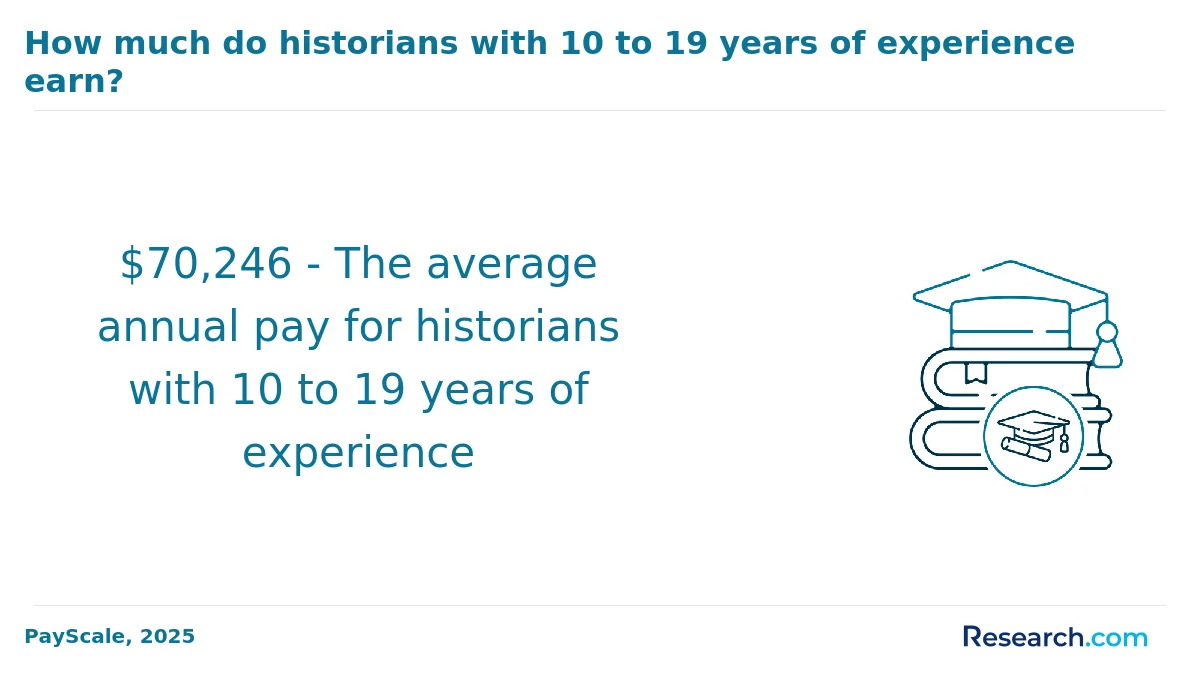
- Entry-level salaries for history graduates in the Midwest generally fall between $40,000 and $50,000 per year, increasing to $60,000-$75,000 with experience or a master's degree.
- The job market for history-related careers is stable with a projected 6% growth over the next decade, mainly in urban areas with cultural institutions and government archives.
- Many programs offer flexible, asynchronous coursework suitable for working adults, and financial aid or in-state discounts can reduce tuition costs.
Completing an online history degree in the Midwest typically takes about four years for full-time students, similar to on-campus programs. Graduates from popular Midwestern universities often report that sticking to a full course load of roughly 120 credit hours each year makes this timeframe achievable. For example, students balancing their studies with work at institutions like the University of Illinois or Indiana University found consistent pacing crucial to finishing on time.
Part-time students, such as those managing family responsibilities, may need up to six years, adjusting their course load each semester. Many Midwestern programs offer flexible options, allowing students to accelerate by adding summer classes or slow down when necessary. These adaptable schedules help maintain motivation and reduce stress.
Master's degree completion generally ranges from 1.5 to 3 years, depending on program structure. For instance, a master's at a school like Michigan State, often requiring 30 to 36 credits, fits into a 2-year plan if taken full-time. Utilizing credit transfers and summer sessions can further shorten time-to-degree.
Choosing between online and on-campus history degrees in the Midwest hinges on how you want to engage with your studies. Online students at universities like the University of Illinois benefit from flexible schedules, fitting coursework around jobs or family life. For example, a graduate from an online program might watch recorded lectures after work and participate in discussion boards late at night, enjoying the freedom to learn anywhere without relocating.
Conversely, on-campus students at schools such as Indiana State University experience direct interaction through seminars and access to campus archives. Graduates often recall lively classroom debates and hands-on research that deepened their understanding. This face-to-face setup helps build a routine and immersive environment often missing online.
Cost also varies; some online history programs reduce fees by cutting facility expenses, but this isn't always guaranteed. Both formats in the Midwest maintain accreditation and recognized quality, so your choice depends on whether you prioritize flexibility or in-person community.
The average cost of an online history degree in the Midwest typically ranges around $33,838 for the entire program. In-state students often benefit from lower tuition, with a median total cost near $25,456, making public universities and community colleges an affordable choice. Out-of-state learners can expect to pay more, around $43,440, which reflects the higher tuition rates charged by many Midwestern institutions for non-residents.
Graduates from popular history programs at Midwestern state universities often share how selecting an in-state public school made their degree achievable without overwhelming debt. These schools frequently offer flat tuition rates for online students, eliminating surprises in final costs and helping with straightforward budgeting. In contrast, private colleges in the region might present sticker prices over $30,000 annually but usually offer scholarships or specialized financial aid for online learners.
When planning, consider how online formats save costs beyond tuition, such as commuting and housing-two expenses that can significantly inflate total education spending. Many students pursuing an affordable online history degree programs Midwest find this flexibility key to balancing work, study, and family life.
For those exploring options, it's wise to understand the differences in credit transfer policies and program lengths across institutions. Learning about different types of history degrees can also help tailor your education path toward both your interests and budget.
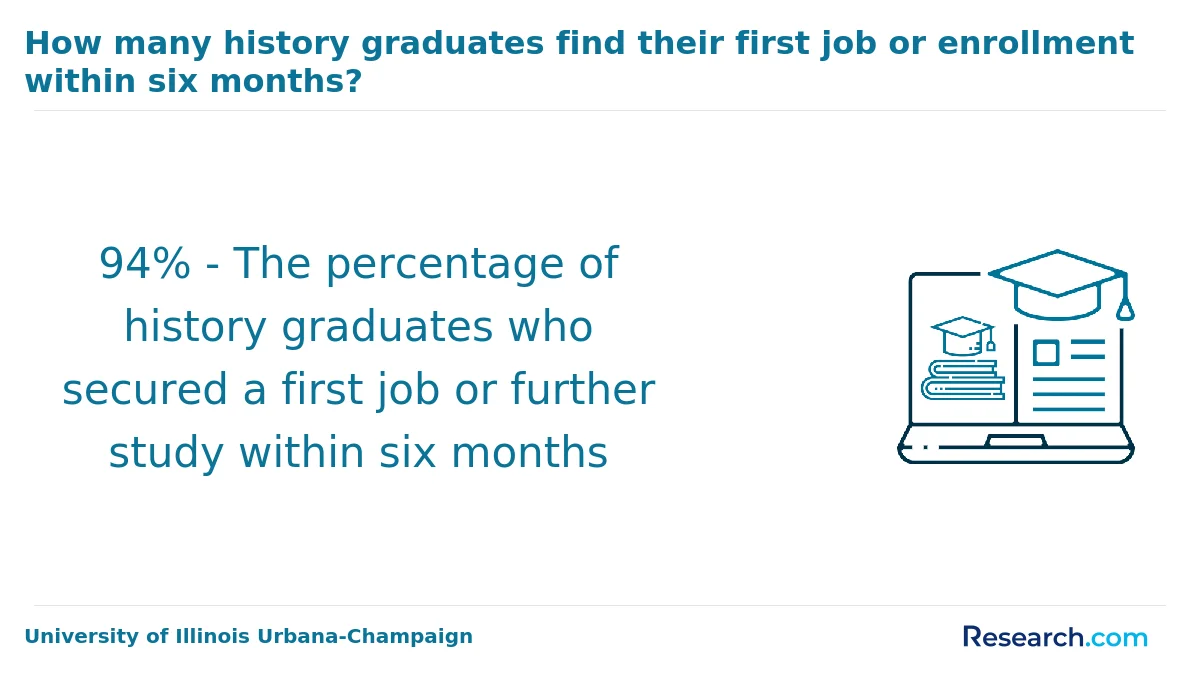
If you're pursuing an online history degree in the Midwest, start by completing the FAFSA to unlock federal aid like Pell Grants and Direct Subsidized Loans. For example, history graduates from the University of Illinois found Pell Grants invaluable, covering up to $7,395 annually and easing financial stress while studying remotely. State aid is another powerful tool-Illinois students often receive the MAP grant, significantly reducing tuition fees at public institutions. Indiana and Ohio residents should explore their own state scholarships, as these funds are tailored to regional students and often overlooked.
Many universities popular for online history, such as Indiana University, offer merit-based scholarships aimed at rewarding strong academic records-even for distance learners. A recent graduate shared how winning a merit scholarship helped focus more on studies and less on finances.
Don't forget to search for private scholarships from groups like the American Historical Association, which recognize dedication to history and community involvement. Lastly, working students benefit from employer tuition reimbursement, a lifeline for those balancing job and study, especially common among Midwest professionals.
To enroll in an online history degree program in the Midwest, you must start with a high school diploma or GED for undergraduate studies. Graduates from prominent Midwest colleges often recall submitting these credentials smoothly, feeling confident this first step was straightforward. Some programs still request SAT or ACT scores, though many have waived this, allowing applicants more flexibility, especially in light of recent admissions trends.
Applicants should be ready to showcase their writing and critical thinking abilities. For example, submitting a compelling personal statement or a writing sample was pivotal for many students at respected Midwest universities, helping them stand out with clear expression and insightful analysis.
If you aim for a master's degree, holding a bachelor's degree with a decent GPA-usually around 3.0-is crucial. Transcripts that reflect strong history coursework often open doors at institutions known across the region. Furthermore, being comfortable with online platforms and having reliable internet proves essential, as thriving in these programs means fully engaging with digital assignments and discussions.
Online history degree programs in the Midwest typically include a mix of foundational and region-specific courses that prepare you for versatile careers. Most students can expect to study American History, covering everything from colonial times through major 20th-century events, providing a clear timeline of political and social changes. A strong emphasis is placed on Historical Methods and Research, where you learn to handle primary sources and archival materials-skills that Midwest graduates recall as critical in real-world research projects.
World History courses introduce global civilizations and cross-cultural connections, broadening your perspective beyond local events. For those studying at universities like Ohio State or the University of Illinois, expect courses focused specifically on Midwestern history, including regional labor movements and immigration patterns, which alumni find valuable when relating historical trends to the community around them.
Other typical offerings include thematic studies such as civil rights or military history, allowing you to tailor your learning. Graduates often highlight how blending regional and broad historical knowledge helped them confidently approach careers in education, public history, or archival work.
Students pursuing an online history degree in the Midwest typically choose from a range of practical specializations that align well with regional strengths. Popular options include American History emphasizing the Midwest's role in industrialization and westward expansion, European History covering broad time frames, and Public History, which equips graduates for museum and archival work. Many graduates from well-known Midwestern universities report how military history or social and cultural history specializations helped them secure roles tied to local heritage organizations or education.
For those targeting diverse career paths, social and cultural focuses explore immigration and labor movements specific to the Midwest, offering relatable material for local community engagement. These options make Midwest affordable history degree focuses especially appealing to students balancing budgets and ambitions. Integrating interdisciplinary subjects like political science further broadens opportunities, with some programs facilitating hands-on experience through partnerships with nearby historical societies.
Graduates often emphasize how specialization sharpened their expertise and motivated them for careers with history degree credentials that matter in today's job market.
Start by choosing regionally accredited institutions, especially those recognized by the Higher Learning Commission, which is common among popular history colleges in the Midwest. Graduates from these programs often praise the quality and transferability of credits when moving between institutions or advancing to graduate school. Next, look closely at the curriculum offered. Top online history programs Midwest 2027 tend to provide a wide range of courses, from American to global history, allowing you to tailor your studies toward cultural or military history-like many students at large state universities appreciate when balancing work and study.
Affordability is crucial. Midwestern public universities frequently offer online tuition closer to in-state rates even for out-of-state students, making it easier to manage costs. Graduates often mention the relief of scholarships and financial aid, which many schools have specifically for online learners. Also, prioritize programs with strong student support-academic advisors, virtual libraries, and tutoring help keep you on track.
Before committing, investigate graduate outcomes, like job placement and internship opportunities tied to local museums or cultural institutions. This practical approach increases your chances of real-world success and satisfaction. For insights into careers related to history, explore resources like careers related to history.
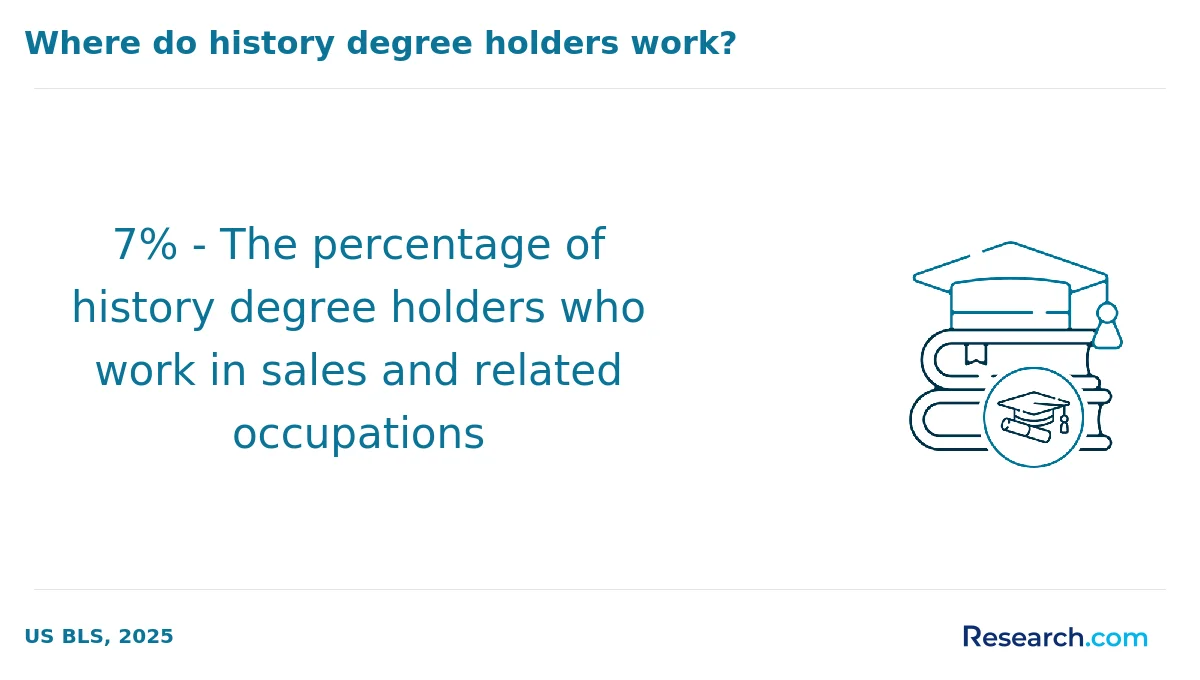
Graduates with an online history degree in the Midwest often find practical career paths that align with the region's rich cultural and educational landscape. For example, graduates from well-known Midwest colleges often pursue roles as secondary education teachers where their knowledge supports local public school systems in states like Illinois and Michigan. Many find this rewarding as they actively shape young minds and contribute to community growth.
Museum and archival work is another strong option. Graduates often take curator or archivist roles at institutions such as the Indiana Historical Society, combining their degree skills with specialized preservation training. This path offers hands-on involvement with preserving Midwest heritage, which adds a sense of accomplishment and connection to the local history.
For those interested in public history careers, positions within government or nonprofit sectors are growing. History graduates often engage in urban planning or heritage tourism, particularly in Midwest cities, creating real impact on community development. Students from regional universities report satisfaction working in these dynamic roles, where their degree directly informs policy and education initiatives.
Digital humanities is an emerging field where some history alumni use their expertise for digital archiving or content creation, often collaborating with media outlets or educational sites. If you're exploring Midwest job opportunities for history graduates, consider looking into these innovative roles that blend technology and history. Explore the best online history programs to start planning your path.
The job market for an online history degree in the Midwest offers solid opportunities, especially in education, museums, and government sectors. Graduates from well-known Midwestern universities often find roles in local museums or historical societies, managing exhibits or collections, leveraging their knowledge of regional history. Those pursuing teaching careers at community colleges or K-12 schools benefit from stable openings, though salary ranges vary from $45,000 to $60,000 annually depending on location. Experience matters: many successful graduates emphasize the importance of internships and networking, which help bridge the gap between classroom learning and professional roles.
Midwest career opportunities for history graduates also extend into public history roles and public administration, where demand remains steady due to the region's rich cultural heritage. Larger cities like Chicago and Minneapolis provide more diverse options, including positions in government agencies and private research firms, where higher median salaries around $63,680 are possible. Prospective students should consider affordable online programs in the region costing $8,000 to $15,000 annually, and explore art history job prospects and related fields to diversify their pathways.
2027 Most Affordable Online History Degree Programs Ranking in the Midwest
Investing in your education is a significant decision that can shape your future, and the Research.com team fully understands the importance of making informed and confident choices. To support prospective students interested in history, we have carefully developed the "2027 Most Affordable Online History Degree Programs Ranking in the Midwest." Our dedication to quality, credibility, and accuracy is evident in the thorough research and data analysis applied throughout this process. We utilized the following reputable data sources to create a well-rounded evaluation:
By consulting this ranking, readers will gain valuable, trustworthy insights into affordable online history degree options in the Midwest, empowering them to make well-informed educational choices. For more information on how this ranking was constructed, please visit our Research.com methodology page.


Frequently Asked Questions About history
Online history degree students in the Midwest can maximize their learning by actively engaging with digital resources and local historical archives. Many universities provide access to online databases such as JSTOR and America: History & Life, enabling comprehensive research. Additionally, students should participate in virtual seminars or discussion boards to deepen their understanding through collaboration.
Leveraging regional history museums, like Chicago History Museum or the Indiana Historical Society's online materials, enhances context for coursework. According to the National Center for Education Statistics, nearly 30% of history undergraduates in the Midwest pursue online learning, highlighting the need for self-discipline and structured study schedules. Combining digital resources with practical application creates a richer educational experience.
Emerging niches within the history field reflect growing areas of interest and job opportunities, particularly for students pursuing online history degrees in the Midwest. Public history is gaining prominence, focusing on museum work, archives, and preserving local heritage. This niche often involves partnerships with regional historical societies, which are abundant in states like Illinois and Ohio.
Digital history is another expanding area, combining technology with historical research to create interactive exhibits and databases. According to the American Historical Association, demand for digital historians has increased by over 20% in the past five years.
Environmental history also offers new perspectives, examining the relationship between people and nature in the Midwest's agricultural and industrial past.
Preparing for the job market after earning an online history degree in the Midwest involves strategic planning and skill development. Graduates should focus on building strong research and analytical skills, which are highly valued in fields like education, museum work, and public history.
Networking through regional organizations such as the Midwest Historical Association can help connect graduates with job opportunities. Additionally, internships and volunteer positions at local archives or historical societies provide valuable experience and professional references.
According to the U.S. Bureau of Labor Statistics, demand for historians is expected to grow about 6% through 2031, especially in education and research sectors in the Midwest. Staying updated on digital history tools can also improve employability.
Employers in the Midwest seek history degree graduates with strong analytical and critical thinking skills. These abilities enable graduates to interpret complex historical data and present clear arguments. Communication skills, both written and verbal, are also highly valued because employers need professionals who can effectively convey historical information to diverse audiences.
Research proficiency is essential; history graduates must be adept at locating and evaluating primary and secondary sources. According to the National Association of Colleges and Employers (NACE), 85% of employers value these skills for humanities graduates, including history majors.
Lastly, technological literacy, such as familiarity with digital archives and data visualization tools, is increasingly important in the Midwest's evolving job market. Employers expect graduates to integrate traditional knowledge with modern technology to enhance research and presentation.
Finding internships in the Midwest relevant to a history degree involves targeted research and leveraging local resources. Many universities in the region partner with historical societies, museums, and archives offering diploma-related internships. For example, institutions like the Illinois State Museum and the Indiana Historical Society frequently post opportunities suitable for history students.
Students should utilize university career centers and their faculty networks, as connections often lead to internships not broadly advertised. Online platforms such as Handshake and Idealist also list internships tailored to history majors.
According to the National Council on Public History, approximately 65% of history internships are unpaid but provide valuable experience and networking essential for future careers. Engaging with local heritage sites in states like Ohio or Minnesota can further enhance practical knowledge.
Obtaining an online history degree in the Midwest can significantly enhance career mobility and advancement opportunities. Employers in education, public history, and government sectors increasingly recognize flexible online credentials from accredited Midwestern institutions. According to the National Center for Education Statistics, nearly 30% of history graduates from the Midwest pursue careers outside traditional academia, highlighting the degree's versatility.
Online programs offer access to a broad network of regional employers and alumni, which supports job placement and promotions. Additionally, the ability to continue working while studying online allows professionals to apply new skills immediately, increasing their value in fields like museums, archives, and cultural resource management.
Studying for a history degree online in the Midwest offers unique opportunities to develop interdisciplinary skills. Many programs incorporate courses in political science, economics, and cultural studies, reflecting the region's diverse historical influences. According to the American Historical Association, Midwestern universities emphasize analytical thinking and research methods that apply across social sciences.
Students engage with case studies on topics like industrialization and migration, which connect history with geography and sociology. This approach equips graduates for roles in education, public policy, and museum curation, where understanding multiple perspectives is essential.
Furthermore, partnerships between universities and local institutions provide practical experiences, enhancing career readiness across fields.
Choosing between a thesis and a non-thesis online history degree in the Midwest depends largely on your career goals and learning preferences. Thesis programs focus on original research and are ideal for students interested in academic or research careers. These typically require a substantial research project and close faculty mentorship.
Non-thesis options emphasize coursework and practical skills, suiting those aiming for teaching, public history, or museum work. According to the National Center for Education Statistics, about 40% of history graduates in the Midwest pursue advanced research degrees, making thesis paths common in research-focused schools.
Consider also program flexibility and time commitment; thesis tracks usually demand more time for research and writing. Reviewing specific Midwest universities' offerings can clarify requirements and support available for each option.
Students based in the Midwest who wish to study history abroad through online degrees have several options. Many Midwestern universities offer online history programs with flexible study abroad components or partnerships with institutions worldwide. According to the National Center for Education Statistics (NCES), about 15% of Midwest universities with history programs include global study opportunities linked to their online courses.
Students can participate in virtual exchanges or short-term summer programs abroad while completing the majority of coursework online. Schools like the University of Illinois and Ohio State University provide such hybrid experiences, allowing students to gain international perspectives without living overseas for extended periods.
These options accommodate working adults and students with family commitments, making global historical study accessible from the Midwest.
Part-time job opportunities that complement a history degree in the Midwest include working as a museum assistant, archival technician, or historical tour guide. Museums across states like Illinois and Ohio often seek part-time staff to help with curation and education, offering practical experience closely linked to historical studies.
Archival positions at local libraries or university archives provide hands-on opportunities with primary sources, enhancing research skills. According to the U.S. Bureau of Labor Statistics, employment of archivists is projected to grow 6% nationally through 2031, reflecting steady demand.
Additionally, historical societies in Midwest states frequently hire part-time educators or event planners to engage the public with regional heritage. These roles build communication and organizational skills valuable for history graduates.
Online history students in the Midwest benefit from diverse networking opportunities despite remote learning. Many universities offer virtual events, guest lectures, and workshops connecting students with local historians and museum professionals. For example, the Midwest Historical Association hosts annual conferences that welcome online attendees, providing a platform for academic exchange and professional growth.
Regional historical societies in states like Illinois and Ohio actively engage students through internships, volunteer programs, and online forums. These connections often lead to job placements or research collaborations. Additionally, Midwestern universities frequently partner with libraries and archives, granting students access to valuable resources and professional networks.
Alumni networks provide valuable support to online history degree students in the Midwest by connecting them with graduates who share similar academic and professional interests. These networks often facilitate mentorship opportunities, helping current students navigate career paths in education, research, or public history.
Midwestern universities, such as those in Illinois and Ohio, report that participation in alumni groups can increase job placement rates by up to 20%, according to the National Center for Education Statistics. Alumni also share job leads, internship information, and research collaborations, which are crucial in a field where networking is key.
Furthermore, alumni networks often host events and webinars, creating a sense of community despite the distance inherent in online studies. This engagement helps online students build professional relationships within their region, which can be vital in securing local history-related roles.
Students pursuing an online history degree in the Midwest can customize their programs to align with career goals by selecting electives that focus on specific historical periods or themes, such as American, European, or African history. Many universities offer concentrations or minors in areas like public history, archival studies, or museum studies, which are key for careers in education, curation, or research.
Pathways for customization often include internships and research opportunities offered virtually or locally, helping students gain practical experience. According to the National Center for Education Statistics, over 60% of Midwest institutions provide flexible credit options that allow transfer credits or dual focus combinations.
Working professionals benefit from part-time and accelerated tracks tailored to their schedules, which many regional schools support to enhance career advancement while studying.
Online history students in the Midwest often face challenges related to limited access to local archival resources. Unlike traditional students who can visit university libraries or nearby historical societies, online learners may struggle to engage deeply with primary sources essential for history research.
Additionally, balancing coursework with work or family obligations is a common difficulty. According to the National Center for Education Statistics, roughly 60% of online adult learners in the U.S. report time management as a major obstacle.
Technical issues and adapting to virtual learning platforms also impact students' progress. While institutions strive to offer support, some Midwestern regions experience slower internet speeds, which can hinder involvement in synchronous sessions.
With an online history degree from a Midwestern institution, students can pursue several professional certifications that enhance career prospects. One common certification is the Certified Archivist credential offered by the Academy of Certified Archivists, which validates skills in managing historical records.
Those interested in education may consider state teaching certifications, particularly for history or social studies, which vary by state across the Midwest. For example, Illinois and Ohio require passing specific content exams along with the general teaching assessment.
Additionally, certifications in museum studies, such as Certified Museum Professional, can benefit history graduates working in Midwestern cultural institutions. These credentials often lead to roles in preservation, curation, or public history.
The U.S. Bureau of Labor Statistics highlights growing demand for archivists, curators, and museum workers, particularly in states like Michigan and Minnesota, where cultural heritage sectors are strong. Pursuing relevant certifications can improve employment opportunities in these fields.
To write a winning application for an online history program in the Midwest, start with a clear statement of purpose. Explain why you want to study history and how the Midwest's unique historical context inspires you. Midwest programs often value applicants who demonstrate an understanding of regional history and its national impact.
Highlight your academic achievements, especially in social sciences and humanities. Many schools look for a GPA of 3.0 or higher. Include any relevant experience, such as research projects or internships.
Letters of recommendation should come from instructors familiar with your writing and analytical skills. According to the National Center for Education Statistics, many Midwest universities emphasize strong writing abilities in history program candidates.
Finally, tailor your application to each school, using specific knowledge about their faculty or focus areas when possible.
The global perspective on a history career emphasizes versatility and critical thinking skills. In the U.S., including the Midwest, history graduates often pursue roles beyond traditional academia, such as in museums, archives, education, and cultural resource management. According to the National Center for Education Statistics, history degrees confer a solid foundation for various professions requiring analytical and research capabilities.
Midwestern universities offering online history degrees prepare students for opportunities that align with global trends in heritage preservation and public history. Employers increasingly value digital literacy alongside historical knowledge, reflecting a move toward accessible and interactive storytelling worldwide.
As of recent data, the U.S. Bureau of Labor Statistics projects a steady demand for historians and related roles, especially in government and education sectors. This holds true in the Midwest, where cultural institutions actively seek graduates familiar with regional and global historical contexts. Understanding multiple perspectives enhances career adaptability in a globalized workforce.
Students pursuing an online history degree in the Midwest can gain practical experience through internships and volunteer opportunities offered by local museums, historical societies, and archives. Many universities partner with institutions such as the Indiana Historical Society or the Minnesota Historical Society to provide remote or in-person placements.
Additionally, engaging in digital history projects or contributing to community history websites allows students to apply research skills in real-world contexts. According to the American Historical Association, nearly 60% of history programs encourage internships as part of the curriculum.
Online learners may also attend regional conferences or webinars focused on Midwest history to network and present research, enriching their academic experience beyond coursework.
Choosing the right concentration within an online history degree in the Midwest requires understanding both your interests and regional opportunities. Many programs offer specializations like American history, public history, or historical preservation, reflecting the Midwest's rich past in areas such as industrial development and Native American history.
Consider career goals: public history concentrations may lead to museum work or archives, while others focus on research or education. According to the National Council on Public History, about 40% of jobs in this sector are in the Midwest, highlighting the value of regional expertise.
Review program flexibility, faculty expertise, and available resources to ensure alignment with your academic and professional needs.
- Making sure you're not a bot! https://journals.uclpress.co.uk/herj/article/pubid/Hist_Educ_Res_J-23-16/
- FAFSA Approved Medical Programs | Midwest Institute MO https://www.midwestinstitute.edu/financial-aid/
- 5 Challenges of Teaching History in International Classrooms (and How https://millerskills.co.uk/blogs/teaching-overseas/5-challenges-of-teaching-history-in-international-classrooms-and-how-to-overcome-them
- History https://www.careerpilot.org.uk/job-sectors/subject/history
- Master's History Application - Sample Letter (EN) https://ai.mystudies.com/blog/mystudies-writing-examples/application-for-master-program-history-20-06-2025.html
- Undergraduate Certificate in History | Thomas Edison State University https://www.tesu.edu/degrees-programs/certificates/undergraduate-history.php
- History https://lakeland.edu/degrees/history
- History Programs Abroad: Degrees & Opportunities - AEC https://www.aecoverseas.com/history/
- Top Niche Historical Topics for Deep-Dive High School Projects https://riseglobaleducation.com/blogs/top-niche-historical-topics-for-deep-dive-high-school-projects
- Bachelor of Arts in History https://www.wiu.edu/cas/history/undergraduate_history.php