2027 Easiest Online Master's in History Degree Programs Ranking in Alabama

Co-Founder and Chief Data Scientist
Choosing the right online master's in history program can feel overwhelming, especially in Alabama where options vary widely. This article introduces the 2027 Easiest Online Master's in History Degree Programs Ranking in Alabama, thoughtfully compiled by the Research.com team of data scientists. It aims to guide you toward programs that balance quality and accessibility.
By exploring this ranking, you'll gain insight into programs that fit your lifestyle and goals. Pursuing a history degree can open new career paths and deepen your understanding of the world, making your educational journey both meaningful and rewarding.
Key benefits of getting online history degree in Alabama
- History degree graduates in Alabama can pursue rewarding careers such as museum curators or archivists, with average salaries around $60,000 to $65,000 annually, making the investment worthwhile.
- Graduates from the University of Alabama have successfully entered diverse fields like education, public history, and cultural resource management, demonstrating the degree's versatility in securing meaningful work.
- Completing a history degree online offers flexibility to balance work and life, as shown by graduates from Auburn University's online program who enjoy advancing their education without relocating or interrupting their careers.
- 2027 Easiest Online Master's in History Degree Programs Ranking in Alabama
- What can I expect from online history degree in Alabama?
- Where can I work with online history degree in Alabama?
What can I expect from online history degree in Alabama?
Students pursuing online history degrees in Alabama often face tuition costs ranging between $8,000 and $15,000 per year for graduate-level programs, particularly when enrolled in institutions like the University of Alabama or Auburn University. These rates reflect in-state tuition, which can offer significant savings compared to out-of-state fees. Graduates recall balancing these expenses with financial aid options such as federal loans and state-specific scholarships, which helped ease the financial burden.
Cost considerations are crucial but should be weighed alongside the value of flexible learning environments and access to academic resources. For example, students appreciate how recorded lectures and live discussions accommodate their varied schedules, especially when juggling work or family responsibilities. While some programs may have higher fees, the opportunity to study Southern and U.S. history through well-regarded Alabama universities often justifies these investments, creating a rewarding and engaging educational experience.
Where can I work with online history degree in Alabama?
Graduates from online history programs in Alabama often find employment in education, museums, government, and private sectors. Many pursue teaching roles at public high schools or community colleges, especially near institutions like the University of Alabama or Auburn University, where acquiring certification alongside their degree bolsters their prospects. For instance, a graduate teaching history in a Birmingham high school values the community connection and steady demand for qualified educators. Others thrive in museums or cultural centers in cities such as Montgomery or Mobile, working as curators or researchers. These positions allow graduates to engage with Alabama's rich heritage directly, making their work both meaningful and impactful.
Government roles are another viable path, particularly in managing archives or contributing to state history research. Graduates often report a sense of pride working for programs that preserve Alabama's historical narrative. The private sector includes opportunities in consulting, publishing, and nonprofit organizations, where history majors apply their skills to grant writing or public outreach, connecting communities with the past in innovative ways.
Graduates with an online history degree in Alabama typically see starting salaries around $50,000 annually if they enter secondary education, reflecting data from the Alabama State Department of Education. Many find rewarding roles as high school teachers, where experience can steadily increase earning potential. Those who advance to university lecturer positions or academic research roles, common ambitions for graduates from well-known institutions such as the University of Alabama or Auburn University, often earn between $60,000 and $80,000 per year.
Other career paths include working as archivists or museum curators, which in Alabama generally offer salaries from $40,000 to $55,000. While not as lucrative as positions in larger metropolitan areas, these roles provide meaningful engagement with the state's rich cultural heritage, a factor many graduates appreciate deeply.
Alabama history students often share that the ability to pursue advanced certifications or doctoral programs significantly enhances salary prospects and career flexibility. The blend of education, research, and public service fosters a fulfilling career outlook despite the modest starting salaries compared to national averages.
- Alabama offers accredited online or hybrid history degree programs covering topics from American history to global civilizations.
- Undergraduate tuition for in-state students ranges from $8,000 to $12,000 per year, while graduate programs cost between $10,000 and $15,000 annually.
- Entry-level historians in Alabama earn about $45,000 per year, with experienced professionals making between $65,000 and $75,000.
- Job opportunities are mostly in education, museums, archives, research institutions, and government agencies, mostly in Birmingham and Huntsville.
- Historian employment is expected to grow by about 5% nationally over the next decade, with better prospects for those with skills in digital humanities or teaching.
- Online programs typically require comprehensive exams, research projects, and writing-intensive work, and proper accreditation is essential for financial aid and job market recognition.
Completing an online history degree in Alabama generally takes around four years for full-time undergraduates, mirroring traditional timelines at institutions like the University of Alabama or Auburn University. Graduates often describe balancing coursework with personal commitments but appreciate the flexibility of online formats that allow them to study from home or work part-time.
Some students extend their programs beyond four years, especially if they enroll part-time due to work or family obligations. For these students, graduation might take six to eight years, though many find satisfaction in progressing at a comfortable pace without sacrificing academic quality.
Graduate degrees, such as a Master's in History, typically require about two years full-time online study, with credit hours including research or thesis work. Part-time graduate students often take three to four years, which reflects the realistic demands of balancing career and education.
The experiences of Alabama students suggest that while timelines align with national averages, the online format offers adaptability. This flexibility helps learners maintain motivation and momentum, making degree completion an achievable and rewarding goal despite varied life circumstances.
The main difference between online and on-campus history degrees in Alabama lies in the delivery method and student experience. Online programs, such as those offered by the University of Alabama and Auburn University, provide flexible schedules that allow students to balance work or family life while accessing materials from anywhere. Graduates of these programs often appreciate the convenience, especially when managing busy routines, but some note missing the immediacy of in-person discussions.
On the other hand, on-campus history students enjoy direct interactions with professors and peers, fostering dynamic classroom debates and networking opportunities. Attending classes physically also gives access to unique campus resources, like local archives and museums, which enrich hands-on learning in ways online formats may struggle to replicate.
Cost differences also play a role; online options sometimes reduce fees tied to campus facilities. Yet, many graduates emphasize evaluating personal learning styles-is asynchronous communication through video and email enough, or does real-time, face-to-face engagement provide more motivation and connection?
The average cost of an online history degree in Alabama typically centers around a median total cost of approximately $13,185, based on available data. This figure aligns with what many graduates from public universities, such as the University of Alabama and the University of South Alabama, report after completing their programs. For example, students often find that paying around $500 to $600 per credit hour for about 30 to 36 credits results in tuition fees close to this median, which many consider manageable when balanced with financial aid opportunities.
Many students appreciate the ability to study remotely without incurring the higher costs associated with private institutions, which can exceed $20,000. The in-state tuition rates offered by Alabama public universities contribute significantly to affordability, though additional fees like technology or administrative expenses can vary and affect the final total. Alumni often emphasize the value of budgeting carefully to avoid surprises, especially as residency status plays a crucial role in tuition discounts.
When weighing options for an online history degree, prospective students should also consider the length and credit requirements of the program, factors that influence overall costs. Those exploring programs frequently utilize resources like degrees for history to compare offerings and select paths that best fit both their academic goals and financial plans. This approach helps ensure a thoughtful investment in education within Alabama's evolving online learning landscape.
Alabama students pursuing an online history degree often rely on federal financial aid as a critical resource. Through FAFSA, many secure Pell Grants offering up to $7,395 annually, which non-repayable aid has been a game-changer for numerous graduates from institutions like the University of Alabama. These funds lighten the financial load and make enrolling in online history courses more feasible.
State-specific programs also play an essential role. For instance, the Alabama Student Assistance Program (ASAP) supports undergraduates who demonstrate financial need and academic progress, a benefit some Auburn University online learners have successfully used. Moreover, the Alabama College Assistance Program (ALCAP) provides helpful counseling, guiding students to scholarships tailored for Alabama residents.
Institutional scholarships are another valuable asset. Public universities such as UA and Auburn often award scholarships based on merit or service background, helping online history students reduce tuition significantly. Additionally, private scholarships from organizations like the Alabama Humanities Foundation can reward dedication to history studies, offering hopeful financial relief beyond federal and state aid.
Enrolling in an online history degree program in Alabama usually means having completed a bachelor's degree, preferably from an accredited institution with some background in history or related fields like political science. Graduates from universities such as the University of Alabama or Auburn often recall how their prior coursework made them feel confident entering graduate-level discussions. Yet, it's important to recognize that some programs remain open to students with diverse academic histories, especially if they demonstrate strong writing and research skills.
Most programs request official transcripts showing a minimum GPA around 3.0, a benchmark that several Alabama students have found reassuring as it signals readiness for the intellectual challenge ahead. Applicants also commonly submit letters of recommendation and personal statements explaining their academic motivation, experiences that help admissions committees understand unique individual journeys.
- While GRE scores were once a staple, many Alabama programs now treat them as optional, reflecting recent national trends.
- Applicants might also need to provide resumes highlighting relevant volunteer or work experience, emphasizing their genuine passion for history.
Online history degree programs in Alabama often include courses like Historical Research and Writing, which graduates describe as crucial for developing clear communication and analytical skills. For example, students at the University of Alabama find this course particularly empowering when crafting papers about complex historical debates.
The curriculum usually covers broad surveys such as U.S. History and World History. Those studying at Auburn University appreciate how the U.S. History Survey deepens their understanding of the nation's evolving identity, especially because of Alabama's own rich historical landscape.
Many courses focus on region-specific history, including Southern U.S. History. Graduates from the University of South Alabama speak highly of this course's relevance, noting its focus on Alabama's unique social and cultural development adds meaning to their studies.
Specialized classes like Public History and American Civil Rights History often resonate deeply with students, providing real-world applications in museums or archives. These courses help connect academic work to Alabama's pivotal role in civil rights movements, making the learning experience both personal and inspiring.
Students pursuing an online history degree specializations Alabama often encounter diverse focus areas tailored to regional and broader interests. For instance, graduates from universities well-known in the state appreciate concentrating on American History, where they explore eras like the Civil War or Reconstruction through engaging assignments that bring primary sources to life. Others find value in World History, gaining comparative insights by studying global cultural interactions, which aligns well with careers requiring a broad historical perspective.
Several programs emphasize Cultural and Social History, allowing students to critically analyze race, gender, and class within historical contexts-topics that resonate deeply with many Alabama learners who seek to understand societal shifts in their communities. Military History attracts those fascinated by conflict dynamics, notably relevant due to Alabama's strong military presence. Southern History concentrations offer a distinctive advantage by focusing on the South's unique heritage, backed by resources such as the Alabama Department of Archives and History.
Graduates often express satisfaction with how these specializations equip them for varying career paths, sometimes after discovering their interests through flexible, richly supported courses. When assessing Alabama master's in history concentration options, prospective students might consider exploring careers history degree opportunities that align with these varied study paths.
Choosing the best online history degree programs Alabama requires weighing accreditation, curriculum, and real-world relevance. Graduates from institutions like the University of Alabama often highlight how Southern Association of Colleges and Schools Commission on Colleges (SACSCOC) accreditation helped their degrees hold value in competitive job markets. Course variety also plays a crucial role; some programs with strong emphases on Civil Rights or Southern history provide deeper insights that resonate with local culture and personal interests.
Affordability can't be overlooked either. Many students seeking an affordable online history master's Alabama appreciate programs that balance tuition costs with academic rigor, especially compared to the steep fees at private universities. Flexibility is a plus too-graduates juggling family or work commitments praise asynchronous classes and robust student services for making progress possible without feeling overwhelmed.
When exploring options, consider alumni success stories and recognized career pathways. For instance, those who've leveraged programs at Auburn University often find opportunities in education and public history sectors. To better understand potential outcomes, reviewing career opportunities in history can clarify viable futures tied to your chosen degree.
Graduates with an online history degree in Alabama often find diverse career paths that reflect the state's educational and cultural landscape. Teaching remains a common route, with many alumni from the University of Alabama or Auburn University securing roles in secondary schools and community colleges where demand for qualified social studies educators is stable. These graduates often express satisfaction in shaping young minds while leveraging their degree for certification advancements.
Others gravitate toward research or archiving, especially in Alabama's rich historical institutions such as the Alabama Department of Archives and History. Graduates appreciate the rewarding challenge of preserving local heritage and frequently find opportunities in museums or cultural centers. This aligns well with Alabama online history master's job opportunities, where specialized expertise in public history enhances employability.
Some degree holders pursue government positions that involve cultural resource management or policy consultancy, relying on historical knowledge to benefit public programs. Those uncertain about a specific path benefit from exploring roles in libraries, nonprofit organizations, or publishing, fields that value strong communication and analytical skills. For guidance on the most suitable programs, prospective students may explore the best online colleges for history degree, helping to align academic choices with career objectives.
Graduates with an online history degree in Alabama often find meaningful opportunities in education, museums, and government sectors, reflecting the state's rich cultural landscape. For instance, many graduates from popular institutions like the University of Alabama and Auburn University have successfully secured educator roles within Alabama's public schools and community colleges, where their historical expertise is highly valued. However, obtaining a teaching position typically requires additional state certification beyond the degree itself, which some alumni note as a challenge but also an avenue for professional growth. This context highlights the realistic expectations students must hold when considering history master's career opportunities Alabama.
Others have found rewarding roles at local historical museums or with the Alabama Department of Archives and History, where they engage in curation, preservation, and public outreach. These positions, though somewhat limited in number, offer graduates a chance to connect with the community and preserve Alabama's heritage. For those interested in expanding their career outlook, exploring paths in cultural resource management within state government remains a practical option.
Salary prospects align broadly with national trends, though often adjusted for Alabama's cost of living. An encouraging aspect is how flexible online programs support working professionals aiming to pivot into history-related fields. For those exploring interdisciplinary options, insight into art history careers can also complement their historical expertise, opening additional doors.
2027 Easiest Online Master's in History Degree Programs Ranking in Alabama
Investing in your education is a significant decision that can profoundly impact your future, and the Research.com team is committed to helping you make well-informed choices. To support prospective students in Alabama, we have carefully developed the "2027 Easiest Online Master's in History Degree Programs Ranking in Alabama." Our dedication to quality, credibility, and accuracy is demonstrated through extensive research and thorough analysis.
We utilized the following reputable data sources to create a comprehensive and reliable ranking:
By exploring this ranking, readers will gain valuable insights into the most accessible and credible online master's history programs in Alabama, making it easier to select the right program to suit their educational goals and lifestyle. For more information on how we developed this ranking, please visit our Research.com methodology page.


Frequently Asked Questions About history
Students pursuing an online history degree in Alabama can maximize their learning by actively engaging with their coursework and utilizing available campus resources, even remotely. Many Alabama universities offer virtual access to libraries and archives, such as the Alabama Department of Archives and History, which provides valuable primary sources for research. Joining online study groups or history-focused forums helps deepen understanding through discussion.
Additionally, students should take advantage of webinars and lectures hosted by Alabama historical societies. Consistent time management and setting clear academic goals also play a key role in success. According to the National Center for Education Statistics, students who actively participate in online learning communities report higher satisfaction and retention rates.
The field of history is evolving, with new niches gaining attention among scholars and students. In Alabama and beyond, public history is becoming increasingly important. This niche focuses on preserving and interpreting history for the wider public through museums, archives, and historic sites.
Another growing area is digital history, which uses technology to analyze and present historical data. This approach is particularly relevant as online history degrees incorporate technology skills.
Environmental history is also emerging, exploring the interactions between humans and their environment over time. Given Alabama's rich ecological heritage, this niche offers local relevance.
Lastly, social history, emphasizing everyday lives and diverse communities, remains a vital subfield with increasing scholarly interest nationwide.
Preparing for the job market after earning an online history degree in Alabama involves building relevant skills and gaining practical experience. Graduates should consider internships or volunteering with local museums, archives, or historical societies. Organizations like the Alabama Historical Association offer networking opportunities and access to job listings.
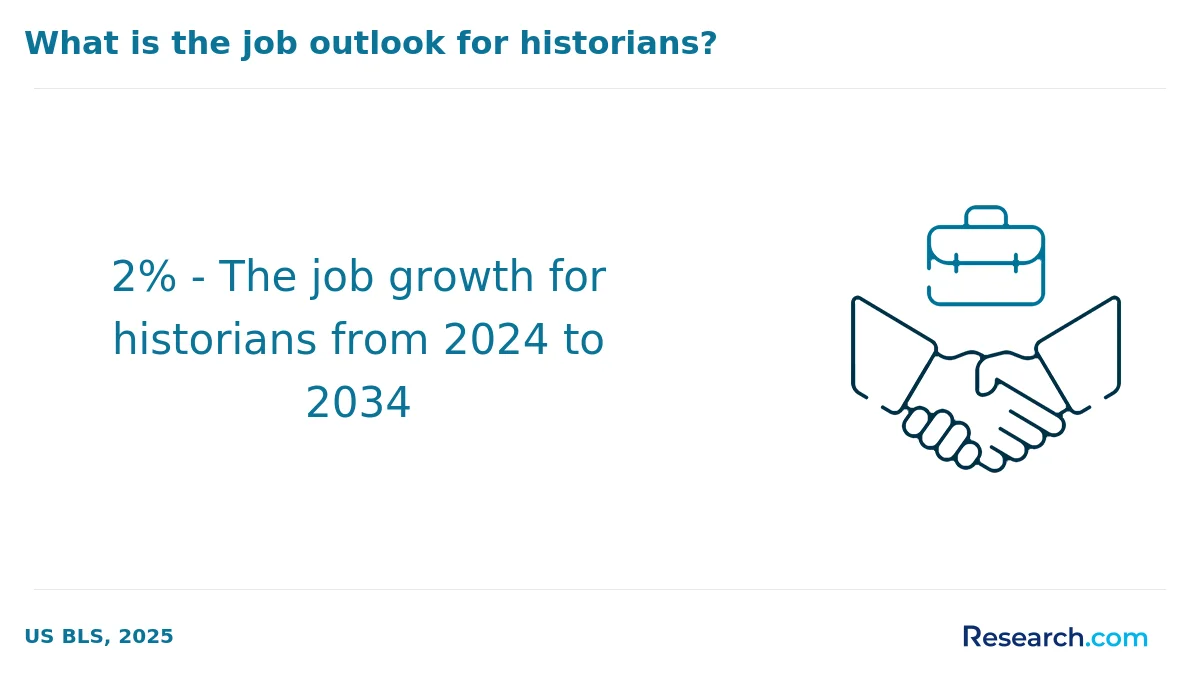
Developing strong research, writing, and digital literacy skills is essential, as many employers value the ability to analyze historical data and communicate clearly. According to the U.S. Bureau of Labor Statistics, employment for historians is projected to grow by 6% through 2032, with state and local government roles prevalent in Alabama.
Additionally, joining professional groups such as the American Historical Association or the Southern Historical Association can help graduates connect with experts and stay updated on job openings.
Employers in Alabama seek several essential skills from history degree graduates, especially those earning online degrees. Critical thinking tops the list, as graduates must analyze complex historical data and interpret diverse perspectives accurately. Strong research abilities are also crucial; Alabama's workforce values proficiency in using archives, digital databases, and primary sources effectively.
Communication skills, both written and verbal, are highly prized, enabling graduates to present historical findings clearly to varied audiences. According to the Bureau of Labor Statistics, effective communication and research skills correlate strongly with employment in sectors like education, museums, and public policy in Alabama.
Additionally, adaptability and digital literacy are increasingly important. History graduates familiar with digital tools and online research platforms have an advantage in Alabama's evolving job market.
Finding internships in Alabama relevant to a history degree involves targeting local institutions that preserve and study history. Museums, historical societies, and archives serve as the best starting points. The Alabama Department of Archives and History offers internship programs specifically for history students, providing hands-on experience with primary sources.
Universities such as the University of Alabama and Auburn University often partner with local historical organizations to facilitate internships. Additionally, many counties have historical commissions that occasionally offer internships or volunteer opportunities.
Internship seekers should also look for opportunities within the National Park Service sites in Alabama, including those related to civil rights history. Contacting career centers at schools offering online history degrees can provide updated local listings and resources.
An online history degree can significantly enhance career mobility and advancement opportunities in Alabama. The state's evolving job market, especially in education, public history, and cultural resource management, values candidates with strong historical knowledge. According to the Alabama Department of Labor, professions in education and museum work are projected to grow steadily through 2030. Completing an accredited online history program equips graduates with research, critical thinking, and communication skills, which are highly transferable across various public and private sectors.
Online degrees also offer flexibility for Alabama residents balancing work, family, or geographical constraints. This accessibility can lead to quicker degree completion and earlier entry into advancement roles. Additionally, Alabama employers increasingly recognize the rigor of online education, strengthening candidates' competitiveness. Overall, an online history degree supports a practical pathway for career growth within Alabama's diverse historical and educational institutions.
Studying for an online history degree in Alabama offers valuable interdisciplinary preparation by combining historical analysis with skills in research, critical thinking, and communication. Programs often include coursework in politics, sociology, and economics, which broadens students' understanding of societal issues.
Alabama universities emphasize regional history as well as national and global contexts, helping students connect local events to larger trends. This approach equips graduates for diverse careers in education, public history, law, and cultural resource management.
According to the Alabama Commission on Higher Education, institutions in the state have increased online offerings, making interdisciplinary study more accessible for working professionals. The integration of digital tools further enhances the adaptability of history graduates across various fields.
When choosing between a thesis and a non-thesis online history degree in Alabama, consider your career goals and learning style. A thesis program requires original research and a written dissertation, which is ideal for students aiming for academic or research careers. Non-thesis options focus on coursework and practical knowledge, appealing to those seeking careers in education, public history, or government.
Alabama universities often design thesis tracks for students wanting to progress to doctoral studies. Non-thesis programs usually take less time, with more flexibility.
According to the Alabama Commission on Higher Education, programs with a thesis component are typically longer but provide deeper analytical skills.
Students in Alabama interested in studying history abroad through online degrees have several opportunities to consider. Many Alabama universities offer online master's programs that include options for international study or research components abroad. For example, the University of Alabama and Auburn University provide partnerships or study-abroad exchanges that can complement online coursework.
Additionally, students can participate in global virtual seminars or internships related to history, which help expand their international perspective without leaving the state. According to the National Center for Education Statistics, nearly 30% of Alabama graduate students engage in some form of study abroad or international collaboration, reflecting growing interest.
Such options enable Alabama students to gain a broader understanding of global historical contexts while progressing in flexible online programs tailored to working adults.
Students pursuing an online history degree in Alabama can benefit from part-time jobs that enhance their academic experience and build relevant skills. Museums and historical societies across Alabama often seek part-time research assistants or docents. For example, the Alabama Department of Archives and History in Montgomery regularly offers volunteer and paid positions that complement history education.
Local archives and libraries, such as the Birmingham Public Library, may also provide opportunities for students to work with historical documents. Additionally, tutoring in history subjects or assisting with educational programs at local schools can deepen knowledge and communication skills.
These roles offer practical experience useful for future careers in education, preservation, or public history.
Online history students in Alabama have several networking opportunities to enhance their academic and professional growth. Many Alabama universities offering online history degrees encourage participation in virtual student organizations and history clubs. These groups provide interactive forums for discussions, events, and guest lectures relevant to historical studies.
The Alabama Historical Association also offers memberships and events that online students can join remotely, fostering connections with scholars and professionals statewide. Additionally, regional conferences such as the Alabama Humanities Foundation events allow students to present work and meet experts in Alabama's rich history.
Online students can benefit from university career services that host virtual networking sessions with alumni and local history professionals. According to the National Center for Education Statistics, about 25% of history master's students in Alabama engage in extracurricular academic groups, which is a solid avenue to build professional contacts.
Alumni networks play a vital role for students pursuing online history degrees in Alabama. These networks connect current students with graduates who share insights about local job markets and career opportunities in fields like museums, education, and public history. According to data from the Alabama Historical Association, graduates benefit from mentorships that improve job placement rates by up to 20% within the state.
Networking through alumni chapters often leads to internships and collaborative projects, which are especially valuable for online students seeking practical experience. Access to exclusive events and professional groups helps students stay updated on Alabama's rich historical resources and research trends. This support system fosters both academic and professional success, helping graduates build meaningful careers locally.
Customizing an online history degree program in Alabama allows students to align their studies with specific career goals. Many universities provide elective courses focused on areas like public history, archival management, or Southern history, reflecting the state's rich cultural past. By selecting relevant electives, students can develop expertise that suits roles in education, museums, or government work. Additionally, some programs offer capstone projects or internships with Alabama institutions, offering practical experience and networking opportunities. The Southern Association of Colleges and Schools Commission on Colleges accredits many Alabama schools, ensuring quality education that meets professional standards in history careers.
Online history students in Alabama often face challenges related to limited direct interaction with faculty and peers. This can impact engagement and the development of critical discussions essential to understanding historical contexts. Access to primary source materials, which are crucial for history studies, may be more difficult compared to on-campus resources.
Another common issue is balancing coursework with personal and professional responsibilities, especially since many online students are working adults. According to the Alabama Commission on Higher Education, about 40% of graduate students in Alabama juggle education with employment, which can prolong degree completion.
Finally, technical difficulties and ensuring reliable internet access remain concerns, particularly in rural parts of Alabama where broadband coverage is less consistent, affecting students' ability to participate in live lectures and access digital archives efficiently.
With an online history degree in Alabama, you can pursue several professional certifications to enhance your career opportunities. For those interested in teaching, Alabama requires passing the Praxis Series exams to earn state certification for K-12 history or social studies educators. This credential is essential for public school teaching roles.
History graduates may also consider certification from the American Association for State and Local History (AASLH), which offers credentials like the Certified Heritage Professional to validate expertise in museum and archival work. Additionally, the Certified Archivist designation, offered by the Academy of Certified Archivists, is valuable for careers in historical documentation and records management.
Obtaining these certifications can improve job prospects in Alabama's educational institutions, museums, and government agencies. According to the Alabama Department of Education and AASLH resources, these credentials align well with regional employment demands in history-related professions.
When applying for an online history degree program in Alabama, start by thoroughly researching the specific program requirements of your target schools. Many Alabama universities, such as the University of Alabama and Auburn University, offer reputable online history degrees recognized by the Southern Association of Colleges and Schools Commission on Colleges.
Craft a compelling personal statement that highlights your passion for history and how the degree aligns with your career goals. Be sure to demonstrate familiarity with Alabama's rich historical heritage, referencing local contexts where relevant.
Submit all required materials carefully, including transcripts and letters of recommendation. According to the National Center for Education Statistics, maintaining a GPA above 3.0 strengthens your application chances, especially in competitive programs.
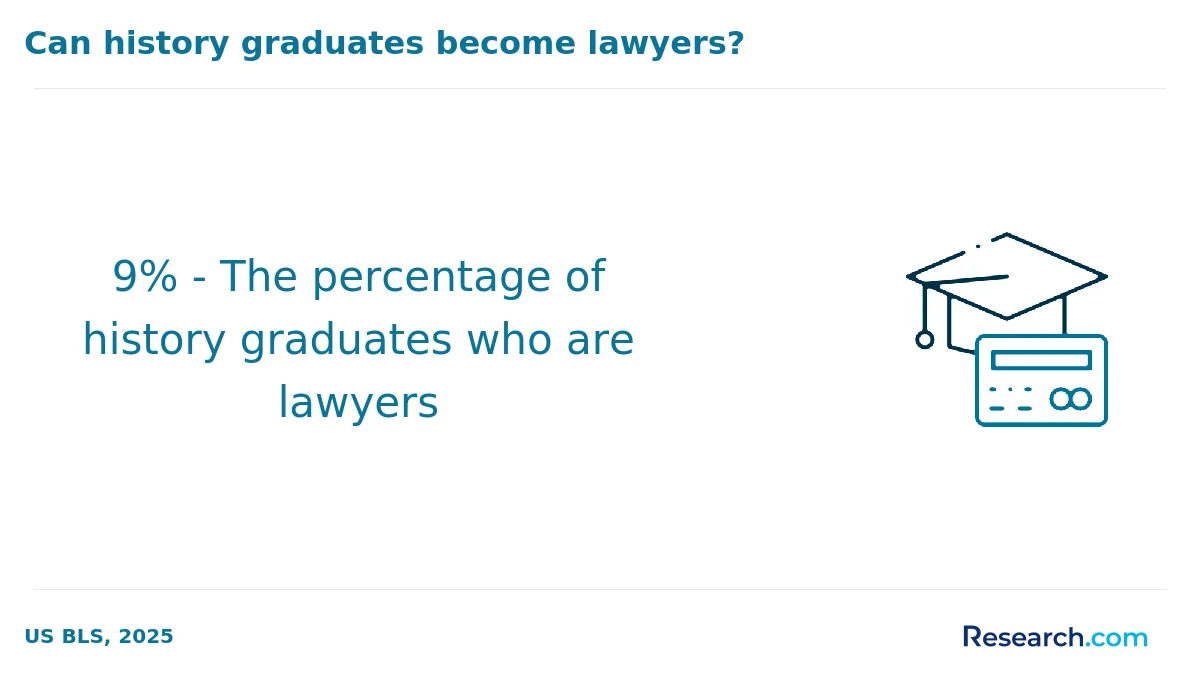
History careers have a broad global relevance, offering skills valued worldwide such as critical thinking, research, and cultural understanding. In the United States, including Alabama, history graduates often pursue roles in education, public history, museums, or government. The National Center for Education Statistics reports that history degrees contribute to approximately 2% of all bachelor's degrees awarded annually, reflecting steady interest.
Global demand emphasizes historians' role in interpreting cultural heritage and informing policy. Many U.S. history graduates also work in international organizations or global research contexts. Alabama's cultural sites and archives provide unique opportunities for applied historical work and community engagement.
Online history degrees in Alabama allow students to connect this local knowledge with global perspectives, preparing them for diverse career paths. According to the Bureau of Labor Statistics, employment of historians is projected to grow by 6% from 2022 to 2032, signaling stable opportunities in this field.
Gaining practical experience while studying for an online history degree in Alabama is essential for applying academic knowledge to real-world settings. Many students participate in virtual internships with museums, archives, or historical societies within the state. For example, the Alabama Department of Archives and History offers remote internships that allow students to engage with primary sources and exhibitions.
Additionally, online learners can join research projects or volunteer for local heritage organizations. Participating in such activities helps build skills in historical analysis and public history, both valuable for career development.
Some Alabama universities also encourage attending webinars and conferences virtually, connecting students with experts and networking opportunities in the historical field.
Choosing the right concentration within an online history degree program in Alabama involves assessing your interests and career goals carefully. Many Alabama universities offer specializations such as American history, public history, or Southern history, reflecting the state's rich historical context. For example, Southern history programs emphasize Alabama's role in the Civil Rights Movement and antebellum South, which may appeal to those interested in regional studies.
Consider also how your concentration aligns with job prospects in Alabama. Fields like public history or archival studies are growing, as Alabama invests in preserving local heritage, according to the Alabama Historical Commission. Reviewing course offerings and faculty expertise can further guide your decision.
- How to Become a History Researcher: Steps and Career Outlook https://online.norwich.edu/online/about/resource-library/how-become-history-researcher-steps-and-career-outlook
- How to Network with Alumni | Student Guide to Alumni Networking 2026 https://digitalrecordboard.com/blog/how-to-network-with-alumni/
- History Education (Concentration) https://www.lawsonstate.edu/learn_at_lawson/programs_and_divisions/college_transfer_programs/history_education.aspx
- Finding Networking Opportunities as a Student | National Society of High School Scholars https://www.nshss.org/resources/blog/blog-posts/how-to-find-networking-opportunities-as-a-student/
- After the Degree: Finding work with a History degree https://www.graduate-jobs.com/news/13219/After_the_Degree__Finding_work_with_a_History_degree
- History Degree - suitable work experience to showcase to Uni's | Mumsnet https://www.mumsnet.com/talk/_chat/4570522-history-degree-suitable-work-experience-to-showcase-to-unis
- History majors should have a more global perspective - The Lamron https://www.thelamron.com/opinion/history-majors-should-have-a-more-global-perspective
- Undergraduate Certificate in History | Thomas Edison State University https://www.tesu.edu/degrees-programs/certificates/undergraduate-history.php
- Jobs for History Majors: 12 Career Paths That Use Your Skills | Extern https://www.extern.com/post/jobs-for-history-majors-career-guide
- My Top 3 Recommendations on Networking in the History World | An Historian About Town https://anhistorianabouttown.com/recommendations-on-networking-in-the-history-world/