2027 Fastest Online Master's in History Degree Programs Ranking in the South

Co-Founder and Chief Data Scientist
Choosing the right online master's in history degree can feel overwhelming, especially with so many options available. To help students in the South, the Research.com team of data scientists has created the 2027 Fastest Online Master's in History Degree Programs Ranking in the South.
This ranking highlights programs that offer quality education in an accelerated format, helping you earn your degree faster without sacrificing learning.
Reading this article will guide you toward programs that fit your goals and lifestyle, opening doors to exciting career opportunities in history and beyond.
Key benefits of getting online history degree in the South
- While specific salary data is unavailable, history degree graduates in the South often pursue careers like archivists or museum specialists, where median wages typically range from $45,000 to $60,000 annually nationwide.
- Graduates from popular Southern universities, such as the University of North Carolina, find diverse career paths including education, public history, and research, offering fulfilling roles that connect the past with communities.
- Online history degrees from well-known Southern institutions provide flexibility and accessibility, enabling students to balance studies with life commitments, often leading to higher satisfaction and successful career transitions.
- 2027 Fastest Online Master's in History Degree Programs Ranking in the South
- What can I expect from online history degree in the South?
- Where can I work with online history degree in the South?
What can I expect from online history degree in the South?
Imagine diving into the online history world at a Southern school like the University of Alabama, balancing a job and family while navigating rich stories of the Civil War and civil rights movements. Many graduates describe the experience as an empowering journey, where learning doesn't break the bank. The average cost for these online history degrees in the South often stays within reach-public universities typically price tuition competitively, especially for residents.
Pricing varies, but generally, in-state students find themselves paying significantly less, making education feel like an attainable adventure rather than a distant dream. For example, while exact fees fluctuate, many Southern public universities offer online history degrees ranging from roughly $4,000 to $12,000 per year, depending on credit hours and program length. The affordable cost paired with immersive content and digital archives like those at the University of North Carolina creates a vibrant learning ecosystem that feels personal and regionally rooted.
Graduates often share how this blend of price and quality sparked enthusiasm and opened doors to careers in education, archives, or public history without the heavy weight of debt hanging over them. Flexibility, affordability, and rich Southern history combine to shape an experience that feels both historic and hopeful.
Where can I work with online history degree in the South?
Graduates from online history programs at Southern universities often find themselves stepping into dynamic roles where the past literally shapes the future. Imagine working as a history teacher in a bustling Georgia high school, breathing life into lessons about Civil War battlegrounds or the rich stories behind Texas towns-many alumni from respected Southern colleges have thrived in such classrooms, blending local heritage with statewide curricula.
Others dive deep into Charleston's museums or New Orleans' archives, curating exhibitions that weave tales told by dusty documents and treasured artifacts. These careers tap into a vibrant network of cultural institutions eager for passionate historians trained online to preserve Southern legacies.
State historic preservation offices in North Carolina and local planning departments also beckon graduates, who lend their expertise to protect landmarks and craft policy. Private sector paths buzz with opportunity too, from consulting on heritage tourism-an industry pumping billions into the Southern economy-to crafting compelling digital history content, employing analytical skills honed through virtual classrooms at Southern colleges.
Picture this: a fresh online history graduate from a Southern university-say, the University of Alabama or the University of North Carolina-stepping confidently into the world of archives or museum curation. Here, the annual paycheck typically dances between $50,000 and $60,000, a rewarding sum that mirrors their dedication to preserving the past. In classrooms stretching across Georgia or Tennessee, educators wield their history degrees to inspire young minds, earning around $50,000 to $55,000, blending passion with steady financial footing.
Those with a master's degree or specialized expertise might find themselves climbing the ladder, eyeing salaries nudging toward $70,000, especially if they secure roles in government agencies or cultural institutions peppered throughout the South. Entry-level roles usually start in the mid-$40,000 range, offering a solid launchpad for dreamers eager to turn history into a vibrant, living experience.
Graduates often smile reflecting on how their online studies not only molded their intellect but also opened doors to these tangible, fulfilling career adventures within Southern states. The blend of accessible education and meaningful salaries makes this path both achievable and inspiring.
- Tuition for online history degrees in Southern states typically ranges from $15,000 to $25,000 for a bachelor's degree.
- In-state students at public universities in Georgia, North Carolina, and Florida often pay lower tuition rates.
- History graduates in the South earn a median salary of about $45,000 within five years after graduation.
- Starting salaries in education or public history fields are around $40,000, while archival and research roles can pay over $55,000 long-term.
- The job market for history graduates in the South shows expected growth of 3-5% over the next decade.
- Regional accreditation, especially from SACSCOC, is important for online history programs in the South.
Imagine pouring a strong Southern sweet tea while juggling nights at work and logging into your history lectures from bustling Atlanta or serene Chapel Hill. For many online history students in the South, a bachelor's degree usually unfolds over four years of full-time study, matching the rhythm of Southern universities like those in Georgia and North Carolina. But life rarely moves in a straight line.
Some learners stretch the journey to five or six years, weaving their coursework around family, jobs, and Southern festivals. Others, hungry for an academic sprint, dive into summer classes at Texas schools, trimming their timeline with sheer determination and grit.
Graduate paths whisper even quicker tales-online master's degrees often wrap up in two years full-time but can shrink to as little as 12 months in accelerated programs. Southern grads recall the exhilaration of juggling year-round courses, fueled by that famous Southern resilience and a passion for history's stories.
Credits from local community colleges and previous studies can fast-forward this journey, turning what once seemed a marathon into a rewarding and manageable stroll through the rich past of the South and beyond.
Imagine juggling a history degree while managing a bustling family life in rural Alabama. Online programs from Southern schools like the University of Florida become lifelines, offering asynchronous lectures that unlock learning at dawn with a cup of coffee or late at night after the kids sleep. Graduates cherish this freedom, recalling how the Southern Regional Education Board's boost in online enrollment matches their own quest for flexibility without geographic barriers.
Meanwhile, on-campus students at the University of North Carolina savor the vibrant buzz of campus libraries and heated debates in seminar rooms. They dive deep into dusty archives or intern on local history projects, experiences that feel almost like stepping into the past. These immersive moments forge strong bonds with professors and classmates, sparking enthusiasm rooted in direct human connection.
Tuition dances between $7,500 and $15,000 for campus learners, though many online students find sweet spots with in-state fees and variable technology costs, expanding access across Southern landscapes. Both paths, whether via pixel or brick, carry the weight of rigorous accreditation and the promise of respected credentials.
Ultimately, the choice shapes not just where you study history, but how you live it-balancing convenience and community in the rich Southern setting.
The average cost of an online history degree in the South often feels like navigating a winding river-dynamic and varied depending on your university choice. Graduates from popular Southern institutions share stories of balancing tuition between $15,000 and $20,000 for the entire degree, reflecting a median total cost near $17,104. This figure captures the sweet spot between affordable public university programs and pricier private ones, painting a realistic picture of what future historians might expect when budgeting their studies.
Imagine a student wondering about the total expenses for online master's in history Southern universities. They quickly realize that while tuition is a major part of the financial landscape, tech fees and exam proctoring subtly ripple through their wallets each semester-adding a few hundred dollars, yet hardly overshadowing the overall value of earning a degree that opens doors. These additional costs can feel like small tolls on the journey to unlocking history's secrets.
For those curious about online study pathways, understanding history degree requirements is a key compass. Southern universities often offer flexible tuition discounts or flat rates for online learners, easing the load while embracing the richness of historical scholarship through digital halls. Such options make the dream of pursuing history more achievable and exciting, with a community of learners sharing a passion despite geographic distance.
Imagine logging into the online history portal at a Southern university, like the University of Georgia or Florida State, knowing your financial worries are softened by a patchwork quilt of aid. Federal Pell Grants, those golden tickets of education magic, can slice off up to $7,395 from the daunting tuition mountain, freeing students to dive into Southern heritage without the weight of debt dragging them down.
Then there's that spark of state pride lighting the way-Georgia's HOPE Scholarship or Florida's Bright Futures program, a reward for your hard-earned grades that turns your academic hustle into dollar signs applicable right there at in-state public universities. Graduates rave about how these state funds transformed their late-night study sessions into pathways toward graduation.
Private scholarships act like treasure hunts for history buffs passionate about preserving the South's stories. Combine these with institutional aid-merit scholarships and special tuition deals offered by Southern colleges embracing online learners-and suddenly funding feels less like a mystery, more like a community rallying behind your dream.
Many graduates remember employer tuition assistance that opened doors; their workplaces encouraged growth, reimbursing courses that fueled careers tied to education, cultural management, or public service. This mosaic of aid options turns the journey through history online into a funded adventure worth every click.
Imagine a Southern student logging into their first history lecture at a well-known university, armed with little more than a high school diploma and a spark of curiosity. That diploma is often the key to unlocking the door-most bachelor's programs ask for this basic credential along with a GPA hovering around 2.0 to 3.0, proving you've danced well enough through high school halls. Some grads recall how SAT or ACT scores faded in importance, especially as schools in the South embraced the test-optional wave, easing pressure on aspiring historians.
For those aiming higher, diving into graduate programs feels like stepping onto a more rigorous trail. Here, a bachelor's degree with a 3.0 GPA is your sturdy walking stick, sometimes supplemented by glowing letters of recommendation and thoughtful statements of purpose-like personal love letters to the craft of history. Southern universities known for their history offerings often ask for transcripts rich with relevant courses, making your academic past a vivid map of your journey.
Think beyond academics: the online portal is your stage, and a reliable computer plus stable internet become your essential companions. Graduates from flagship Southern schools share how mastering platforms like Canvas turned confusion into confidence, transforming virtual hallways into vibrant classrooms.
Financially, these programs whisper a practical truth: tuition dances between $4,000 and $15,000 yearly, depending on the academic level. Many Southern students breathe easier knowing FAFSA and aid options exist to soften those costs, turning dreams into degrees without heavy burdens. Extra hurdles, like prerequisites or professional experience, might appear for some, but they only sharpen your readiness to tell history's untold stories with passion and insight.
Diving into an online history degree in the South feels like stepping into a vivid time machine, guided by courses that unravel the past's rich tapestry. Graduates from popular Southern universities often recall their first encounter with Introduction to Historical Methods, where they learned to dissect old manuscripts and challenge narratives, sharpening that detective instinct.
Core classes like American History bring alive the cries and triumphs from colonial times through the Civil War, painting events not as distant dates but as living stories that shaped their own hometowns. Meanwhile, Southern US History courses offer a unique passport to the region's complex identity-students feel they're walking the streets where history unfolded, understanding the nuances behind local customs and traditions.
World History broadens the horizon, linking Southern experiences to global shifts, while Historiography invites students to debate how history itself is written and rewritten, sparking lively online discussions.
Many students treasure electives like the Civil Rights Movement and Indigenous Histories, finding these classes deeply personal and empowering. Through this blend, studying history online in the South becomes not just learning, but a heartfelt journey connecting past to present.
Online history degree specializations in the South spin a wide narrative tapestry, inviting you to walk through centuries of drama and culture from your own space. Imagine diving into American History, where graduates from universities in Texas cherish tracing the twists of the Civil War, feeling the echoes of Southern ancestral voices as if they were their own. Others embrace Public History, crafting museum exhibits or preserving archives in North Carolina, combining dusty documents with digital storytelling that brings history's pulse to life.
Military History, often favored by passionate learners, transports students into the heart of Southern battlefields, from Fort Sumter to the echoes of World War II, evoking profound respect and insight. Southern Studies, perfect for those with roots or curiosity about Georgia or Alabama, connects students with enduring stories of race, politics, and identity. Meanwhile, the Ancient and World History track widens the lens beyond borders, offering a cosmic journey through empires and epochs.
Those drawn to these rich pathways often find their passion translating into tangible futures, reflecting the region's unique heritage. For a deeper look at history degree careers, explore history degree careers to discover how these specializations open doors beyond the classroom.
Imagine peeling back layers of Southern charm while diving into a curriculum that breathes life into Civil War tales or Civil Rights milestones, all from your living room. Choosing the best online history degree programs in the South means hunting for schools with strong accreditation, vibrant faculty who make dusty archives feel like treasure hunts, and a flexible structure that lets you fit study around that Sunday family BBQ. Graduates from renowned Southern universities often share how their programs connected them to both local heritage and global narratives, creating a rich tapestry of learning that textbooks alone can't offer.
Cost and accessibility spark joy or hesitation; many find affordable online master's in history Southern universities the sweet spot for balancing budget with quality. One graduate marveled at accessing digitized Southern newspapers and oral histories seamlessly through their university's platform, making the past practically pulse in their fingertips. And when seeking the future, it helps to learn about the highest paying jobs for history majors, confirming your passion can turn into a fulfilling career.
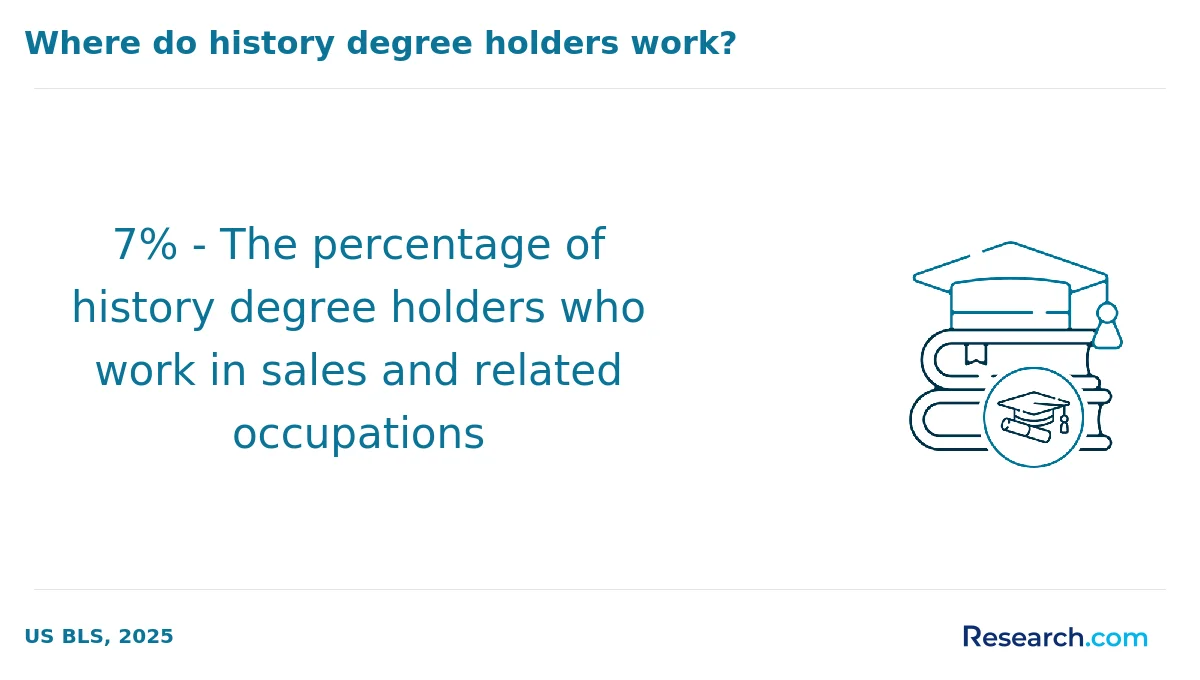
Graduates with an online history degree in the South find themselves navigating an intriguing mosaic of careers, where classrooms and archives brim with Southern heritage. Those who studied at flagship state universities often share stories of transforming Civil War battlefields into lively classroom discussions or curating exhibits that breathe life into forgotten Native American histories. These alumni thrive in education, securing teaching roles that pay between $47,000 and $55,000, molding young minds in K-12 schools and community colleges. For enthusiasts of public history, Southern museums become stages to preserve and dramatize culture, with entry-level positions offering $35,000 to $45,000 annually. Exploring South regional job opportunities for history graduates also uncovers government roles in heritage tourism and archival research, often supported by strong local networks in metropolitan hubs.
Many graduates from Southern institutions embrace the evolving digital humanities, leveraging skills to curate data and narratives for corporate marketing or nonprofits. For those ready to start, programs at these universities offer a compelling and accessible path, seen in the affordable tuition that ranges from $15,000 to $25,000. Curious minds can explore more about a history degree online to chart their own distinctive journeys.
The job market for online history degree graduates in the South pulses with opportunity, especially for those who blend academic rigor with local passion. Imagine a graduate from a renowned Southern university, energized by coursework on Civil War archives and digital humanities projects, stepping into a museum role where they curate exhibits that bring history to life for thousands. Career opportunities with online history master's in Southern states often flourish around rich historical sites and vibrant university towns, where education and cultural tourism intertwine. From preservation efforts in Charleston to public history programming in Atlanta, the demand for skilled researchers and storytellers grows.
Graduates frequently share stories of how their online degree opened doors at state archives or historical commissions eager for their sharp analytical skills and deep understanding of regional heritage. The evolving landscape pushes them beyond textbooks and into digital platforms or community outreach programs. These roles, rewarding both intellectually and financially, showcase why the job outlook for online history degree graduates in the South remains so hopeful. For a closer look at job paths, see art history major jobs salary.
2027 Fastest Online Master's in History Degree Programs Ranking in the South
Investing in your education is a significant decision that can shape your future, and the Research.com team recognizes the importance of making well-informed choices. To support prospective students seeking advanced history degrees in the South, we have carefully developed the "2027 Fastest Online Master's in History Degree Programs Ranking in the South." Our dedication to quality, credibility, and accuracy is demonstrated through rigorous research and comprehensive data analysis.
We utilized the following reputable data sources to ensure a thorough evaluation of online history master's programs:
By consulting this ranking, readers will gain valuable insights into the fastest online history master's programs available in the South, empowering them to make confident and informed decisions about their educational journeys. For further information on how this ranking was meticulously compiled, please visit our Research.com methodology page.


Frequently Asked Questions About history
Online history degree students in the South can maximize their learning by engaging deeply with regional resources. Utilizing digital archives from Southern universities like the University of North Carolina's Documenting the American South allows access to unique historical documents. Participation in virtual seminars and discussion groups helps build critical thinking and interaction skills, essential for historical analysis.
Balancing synchronous and asynchronous learning optimizes time management, a crucial skill noted in a 2023 Southern Regional Education Board report. Additionally, students should seek faculty with expertise in Southern history to gain insights on local topics like Civil Rights or Southern Reconstruction. Leveraging local historical societies' online events also enhances contextual understanding.
The field of history is expanding into specialized areas that reflect current societal interests and academic trends. One emerging niche is public history, which focuses on preserving and interpreting history for museums, archives, and communities. This niche is particularly relevant in the South, where rich cultural heritage sites create demand for professionals skilled in public engagement.
Another growing area is digital history, involving the use of technology to analyze historical data and create interactive experiences. Online history degrees increasingly offer courses in this skill to meet job market needs.
Environmental history is also gaining attention, especially in Southern states affected by climate change and environmental policy debates. This specialization explores human interactions with nature over time.
Graduates with an online history degree in the South should focus on building practical skills to enter the job market. Developing strong research, writing, and analytical abilities is essential, as these are highly valued in education, public history, and archival jobs.
Internships and volunteer work with local museums, libraries, or historical societies can provide valuable experience. The Southern Historical Association offers resources and networking opportunities specific to this region.
Additionally, familiarizing yourself with digital tools like GIS mapping and archival software increases employability. According to the Bureau of Labor Statistics, the demand for historians is expected to grow by 6% through 2032, with many positions located in cultural and educational institutions across the South.
Employers in the Southern U.S. value history graduates who demonstrate strong research and analytical skills. According to the American Historical Association, effective critical thinking and the ability to interpret complex sources remain top priorities. Graduates must also possess excellent written and verbal communication skills, essential for conveying historical knowledge clearly.
In the South, where industries such as education, museums, and public history thrive, adaptability and digital literacy are increasingly important. Familiarity with digital archives, GIS mapping, and online databases boosts employability.
Additionally, teamwork and project management capabilities are favored, especially in collaborative research or heritage preservation roles.
Finding internships in the South relevant to a history degree begins with exploring local museums, historical societies, and archives. States like Virginia, Georgia, and North Carolina have extensive cultural resources offering internship opportunities for students. For example, the Virginia Historical Society and the Georgia Historical Society regularly provide internships that focus on archival research and public history.
University career centers can be valuable, even for online students, as many Southern schools have partnerships with local institutions. Websites like the National Council on Public History also list internships by region.
Networking through professional associations such as the Southern Historical Association enhances chances of securing positions. According to the Bureau of Labor Statistics, history-related internships often lead to permanent roles in education, museum curation, or preservation industries, especially in the culturally rich Southern states.
Online history degrees in the South provide flexible access to quality education, supporting career mobility and advancement in various fields. According to the Southern Regional Education Board, professionals with master's degrees in history often pursue roles in education, public history, and cultural resource management, which are growing sectors in the region.
Graduates can leverage digital learning to build critical research, analytical, and communication skills valued by employers in museums, archives, and government agencies. The U.S. Bureau of Labor Statistics projects a 6% growth in historian roles nationally through 2032, with increased opportunities in Southern cities known for historical tourism.
Additionally, earning an accredited online degree from a Southern institution helps meet regional employer preferences for local credentials, enhancing advancement potential.
Studying for a history degree in the South offers a strong foundation for interdisciplinary roles by blending traditional historical methods with regional perspectives. Southern universities often emphasize connections between history, culture, politics, and economics, reflecting the area's complex past. This approach equips students with analytical skills valuable in fields like public policy, education, and museum studies.
For example, programs at universities such as the University of North Carolina or the University of Georgia include courses that intersect history with sociology and cultural studies. According to the Southern Association of Colleges and Schools, these schools promote collaborative learning, enhancing students' adaptability to various professional settings.
When choosing between a thesis and a non-thesis online history degree in the South, consider your career goals and learning preferences. Thesis programs typically require original research and a formal defense, ideal for students aiming for doctoral studies or research-oriented roles. Non-thesis programs focus more on coursework and may include comprehensive exams, fitting professionals seeking to advance in teaching or public history careers.
Southern universities like the University of Alabama and University of Florida offer both options, reflecting this regional trend. According to the National Center for Education Statistics, nearly 40% of history graduate students in the South opt for non-thesis programs for quicker completion and flexibility.
Evaluate the time commitment, research interest, and professional aims before deciding.
Students based in the South pursuing online history degrees have several options for studying history abroad through established exchange programs and virtual partnerships. Many Southern universities, such as the University of Florida and the University of North Carolina, offer study abroad opportunities focused on European and Latin American history. These programs often include credit transfer agreements to facilitate international coursework.
Additionally, the rise of online global classrooms enables students to collaborate with peers and professors worldwide without leaving the U.S. According to the Institute of International Education, approximately 12% of Southern universities actively promote virtual study abroad programs, making global history accessible remotely.
Financial aid and scholarships specific to history study abroad are also available, helping to reduce barriers for Southern students.
Students pursuing online history degrees in the South often seek part-time jobs that enhance their academic knowledge and practical skills. Museums, historic sites, and archives throughout Southern states offer roles such as research assistants, tour guides, or collections managers. For example, the Southern Historical Collection at UNC Chapel Hill frequently has opportunities for students to engage with primary documents, helping develop research capabilities.
Local libraries also provide work environments where history students can support community education programs or assist in digitizing archives. According to the U.S. Bureau of Labor Statistics, jobs in library and archival sciences are projected to grow 9% from 2020 to 2030, indicating expanding opportunities in these areas.
Additionally, part-time roles in cultural resource management and preservation companies are available, often linked to regional historical preservation efforts funded by state heritage organizations. These jobs give students hands-on experience with historic site assessments and documentation in states like Georgia, Virginia, and Tennessee.
Online history students in the South have growing access to valuable networking opportunities that connect them with peers, faculty, and professionals. Many Southern universities hosting online programs offer virtual events, discussion forums, and alumni groups tailored to history students. These platforms help students share research ideas and career advice.
Regional history associations, such as the Southern Historical Association, provide additional networking venues through annual conferences and online seminars. These gatherings often feature experts on Southern history, offering rich opportunities to meet scholars in the field.
Students may also engage in internships and digital workshops with local museums and archives, which are abundant in the South. These experiences enhance professional networks while providing practical skills.
Alumni networks play a significant role in supporting online history degree students in the South. These networks provide access to professional connections that can help graduates find internships, job opportunities, and mentorship. According to a 2023 survey by the National Association of Colleges and Employers, 85% of employers consider alumni connections valuable for hiring decisions.
In Southern states, where history-related roles in museums, archives, and education are competitive, alumni networks offer tailored guidance about local career paths. They facilitate regional events and online forums, promoting collaboration among students and professionals. This access fosters a stronger sense of community despite the remote nature of online learning.
Moreover, alumni often share resources like research opportunities, conferences, and exclusive scholarships, enhancing students' academic and professional growth. For students balancing work and study, these benefits are crucial to advancing in the history field within the South.
Customizing an online history degree program in the South often begins with selecting electives that align with your career goals. Many Southern universities offer courses focusing on regional history, such as Civil Rights, Southern culture, and American Colonial eras, which provide local relevance and specialized knowledge.
Additionally, students can tailor their degrees by choosing concentrations like public history, museum studies, or archival management. These tracks equip learners with skills applicable to careers in education, curation, or preservation.
Some programs also offer internships or virtual research projects, allowing practical experience that enhances employability. Checking university-specific options and accreditation ensures quality and recognition in the job market.
Online history students in the South often face several challenges that can impact their academic success. One common issue is limited access to high-speed internet in rural areas, which affects about 30% of households in Southern states, according to the Pew Research Center. This can hinder participation in live discussions and timely submission of assignments.
Another challenge is finding programs tailored to Southern history, as many online courses focus on national or global history, leaving regional topics underrepresented. This can affect student engagement and relevance to local interests.
Lastly, balancing studies with work and family obligations remains a significant concern, as many online learners are adult students juggling multiple responsibilities.
With an online history degree, especially when earned through programs in the South, you can pursue several professional certifications that enhance career prospects. One popular option is the Certified Archivist credential, offered by the Academy of Certified Archivists. This is especially relevant given the South's rich historical archives and museums seeking skilled professionals.
Additionally, teaching certifications are available for history graduates aiming to become K-12 educators, following state-specific licensure requirements. For those interested in heritage preservation, certifications in museum studies or public history provide specialized skills recognized nationwide.
According to the U.S. Bureau of Labor Statistics, jobs for historians and museum curators are projected to grow, emphasizing the value of these certifications in competitive markets like Atlanta and Raleigh.
When applying to an online history program in the South, a strong application begins with a clear, focused personal statement. Highlight your passion for Southern history or any relevant regional experience, as many schools value applicants with a connection to the area. Be sure to include academic achievements, especially in history or related fields, with a GPA typically above 3.0 to remain competitive.
Letters of recommendation from professors familiar with your historical interests can significantly strengthen your application. According to the Southern Regional Education Board, programs often seek candidates who demonstrate critical thinking and research skills.
Finally, tailor your essay to show familiarity with the specific program's faculty, curriculum, or research strengths relevant to Southern history.
Globally, a career in history offers diverse opportunities beyond traditional teaching roles. Historians contribute to fields like public policy, museum curation, and archival management. In the US South, many universities emphasize integrating global perspectives into their history curricula, reflecting the interconnectedness of local and world events.
According to the American Historical Association, employment for historians is expected to grow modestly, with federal and local government roles expanding. Southern states like Georgia and Texas show increasing demand for historians in heritage tourism, an industry valued at billions in the region annually.
Online history degrees in the South often prepare students for these varied careers by including international and comparative history courses, appealing to employers interested in global awareness.
Gaining practical experience while pursuing an online history degree in the South is achievable through various methods tailored for remote learners. Many Southern universities collaborate with local museums, historical societies, and archives where students can intern virtually or participate in community projects.
For example, institutions often offer digital internships with organizations such as the Southern Historical Association, providing access to primary sources and digitization tasks. Students may also engage in research assistant positions, supporting faculty-led projects on Southern history topics.
Additionally, online learners can join regional conferences or webinars that highlight Southern history, expanding professional networks. According to the American Historical Association, practical experience improves employment outcomes for history graduates significantly.
Choosing the right concentration within an online history degree program in the South involves aligning your academic interests with regional strengths. Southern universities often offer concentrations like Southern history, African American history, or Civil Rights studies, reflecting the area's rich cultural heritage. According to the Southern Association of Colleges and Schools Commission on Colleges, many accredited institutions emphasize these specialties.
Consider your career goals-public history, education, or research-and select a concentration that supports these paths. Research faculty expertise and course offerings at schools of interest. For example, institutions in states like Georgia and Alabama may have robust programs in Civil War or Reconstruction eras, offering valuable resources and networking opportunities.
Additionally, evaluate if the program provides hands-on experiences such as digital archives or local historical site collaborations, which enhance practical skills.
- Online History Degrees https://mycollegeguide.org/online-history-degrees/
- Finding Networking Opportunities as a Student | National Society of High School Scholars https://www.nshss.org/resources/blog/blog-posts/how-to-find-networking-opportunities-as-a-student/
- The Impact of History Degrees: Opportunities and Trends Among History Degree Jobs https://www.ucumberlands.edu/blog/the-impact-of-history-degrees
- History Major https://www.creighton.edu/arts-sciences/history/programs/historymajor
- Jobs for History Majors: 12 Career Paths That Use Your Skills | Extern https://www.extern.com/post/jobs-for-history-majors-career-guide
- 5 Challenges of Teaching History in International Classrooms (and How https://millerskills.co.uk/blogs/teaching-overseas/5-challenges-of-teaching-history-in-international-classrooms-and-how-to-overcome-them
- History (B.A.) https://king.edu/programs/humanities/history/
- History majors should have a more global perspective https://www.thelamron.com/opinion/history-majors-should-have-a-more-global-perspective
- My Top 3 Recommendations on Networking in the History World | An Historian About Town https://anhistorianabouttown.com/recommendations-on-networking-in-the-history-world/
- Online Degree vs. Traditional | University of Arkansas Grantham https://www.uagrantham.edu/blog/pros-cons-online-degree-vs-traditional-university/