2027 Best Online Bachelor's in History Degree Programs Ranking in the Northeast

Co-Founder and Chief Data Scientist
Choosing the right online history degree can feel overwhelming, especially in the bustling Northeast. This article presents the 2027 Best Online Bachelor's in History Degree Programs Ranking in the Northeast, crafted by Research.com's skilled data scientists to guide you through your options.
Exploring these top programs helps you discover degrees that align with your passions and career goals. A history degree offers meaningful insights into the past, enriching your understanding of the world and opening doors to diverse opportunities.
We're here to make your decision easier and inspire confidence in your educational journey.
Key benefits of getting online history degree in the Northeast
- History degree graduates in the Northeast often pursue careers in education, research, or public history, with median salaries around $60,000 to $70,000 annually depending on the role and experience.
- Graduates from popular Northeast universities, like Boston University, benefit from diverse career paths including museum work, archival management, and cultural resource management, offering exciting opportunities to engage with history professionally.
- Online history degrees from respected institutions provide flexible schedules and lower costs, allowing students to balance work and study while earning a valuable credential recognized by employers in the Northeast.
- 2027 Best Online Bachelor's in History Degree Programs Ranking in the Northeast
- What can I expect from online history degree in the Northeast?
- Where can I work with online history degree in the Northeast?
What can I expect from online history degree in the Northeast?
The average cost of an online history degree in the Northeast varies but typically ranges between $15,000 and $30,000 for a full bachelor's program. Students attending institutions like Northeastern University or the University of Massachusetts often report significant savings compared to traditional on-campus tuition, mainly due to reduced housing and commuting expenses. These programs frequently offer in-state tuition rates that benefit online learners residing within or near state borders, making affordability more attainable.
Graduates recall the value of balancing study with work or family life, appreciating how these costs aligned with flexible schedules. For example, many students took pride in completing rigorous coursework on U.S. and European history while managing personal commitments, attributing their success partly to the financial feasibility of their online education.
Moreover, accredited institutions in the Northeast ensure that students receive quality education without hidden fees, with transparent tuition structures delivering both strong academic credentials and reasonable financial investment. This transparency and cost-efficiency contribute to the strong appeal of these programs among history majors aiming for careers in education, public history, or museum work.
Where can I work with online history degree in the Northeast?
Graduates from online history programs at renowned institutions like Boston University and the University of Pennsylvania frequently find rewarding careers in education across the Northeast. Many become secondary school teachers specializing in social studies or history, benefiting from the region's strong demand driven by high concentrations of educational jobs, particularly in states like New York and Massachusetts. These roles often provide a fulfilling sense of purpose by engaging students with local and national history.
Others leverage their degrees in museums and cultural centers throughout the region. For example, history graduates secure positions as curators or archivists at institutions such as the Massachusetts Historical Society or New York's numerous Smithsonian-affiliated museums. This sector, representing over 25% of U.S. museums, offers vibrant opportunities to work hands-on with artifacts while contributing to public education.
Government roles also attract many history graduates. Positions with agencies like the National Park Service involve preserving Northeast historical sites, a sector noted for its high volume of protected landmarks requiring expert stewardship and policy analysis.
Finally, private sector opportunities in historical consulting, publishing, and digital archival services are growing. Graduates report satisfaction working with legal firms and businesses on cultural heritage compliance or managing digital history projects, combining analytical skills with innovation.
Graduates with an online history degree in the Northeast can anticipate average salaries around $70,000 annually, a figure notably higher than the national average of $65,000. This uplift reflects the concentration of museums, archives, and prestigious academic institutions in cities like Boston and Philadelphia, offering robust career opportunities for history majors.
History graduates often branch into education or cultural resource roles, where secondary school teachers earn between $50,000 and $70,000 in states such as Massachusetts and New York. This range is consistent with data from the National Center for Education Statistics and mirrors what many online history alumni from Northeastern universities commonly report in early career stages.
For those entering archival science or museum curation fields, starting salaries tend to fall between $45,000 and $60,000, with experienced professionals surpassing $75,000, especially with advanced certificates. The cost of living in metropolitan areas can influence take-home pay, but the strong institutional support in the Northeast often helps graduates secure meaningful roles with competitive compensation.
- Online history degrees in the Northeast are offered by many public and private institutions with regional accreditation.
- The average annual cost for in-state students at public universities ranges from $10,000 to $25,000, while private schools may charge over $35,000.
- Starting salaries for history graduates in the region are typically between $45,000 and $50,000, increasing to around $65,000 or more with experience.
- Key job sectors include education, museums, archives, government, and cultural organizations in the Northeast.
- Programs focus on skills like research, critical thinking, and communication, which are also useful in law, public policy, and nonprofit careers.
- Applicants should check program flexibility, faculty expertise, resources for online learning, and accreditation to ensure transferability and recognition.
Completing an online history degree in the Northeast generally takes about four years for full-time students, aligning with national averages and regional standards set by accreditation bodies like NECHE. For example, graduates from well-known institutions such as Boston University and the University of Pennsylvania report that a typical full-time course load of 120 to 130 credit hours fits well into a traditional four-year timeline.
However, flexibility is a major advantage of Northeast online history programs. Many students from schools like Northeastern University choose accelerated 7- or 8-week courses, allowing them to finish in as little as three years while balancing work or family. Conversely, part-time students, often balancing careers, can expect to take between five and seven years, depending on credit load and transfer credits.
These programs' structure-balancing general education, major requirements, and electives-means students must carefully plan credit completion. Graduates often feel satisfied that this flexibility helps them achieve their goals without compromising quality or time investment.
Online history degree programs in the Northeast offer flexibility that appeals to working professionals and adult learners who need to balance studies with busy schedules. Graduates from programs at institutions like Northeastern University often highlight the convenience of remote learning, enabling them to access recorded lectures and participate in online discussions without commuting in dense urban areas.
In contrast, students attending on-campus programs at colleges such as Boston University value direct interaction with professors and peers, which fosters lively seminar debates and quick feedback. These students also benefit from access to extensive physical archives and campus resources, enriching their research experience.
Cost differences are notable-public colleges in the Northeast average $11,000 annually for in-state, while out-of-state students pay up to $25,000. Online programs can reduce expenses by eliminating housing and transportation but may occasionally match or exceed on-campus tuition at prestigious schools.
Both formats maintain academic rigor through regional accreditation, ensuring degrees are respected by employers and graduate programs in the region.
The average cost of an online history degree in the Northeast is shaped by several factors, including residency status and institution type. Data indicate a median total cost around $41,806, with in-state students generally paying less-approximately $36,580-while out-of-state learners face higher expenses, near $43,772. Graduates from well-known universities and colleges in the region often report that these costs align closely with the total tuition plus associated fees.
Many students pursuing history at institutions renowned in the Northeast, such as those offering flexible online formats, highlight the balance between rigorous academics and manageable financial planning. Their experiences show that while tuition is a significant investment, it often comes with valuable resources and support designed to help online learners thrive. These students appreciate the accessibility of financial aid and scholarships, which can substantially offset the overall expense when factoring in the total tuition and fees for online history programs northeast learners commonly face.
Additional costs such as technology fees and course materials typically add up to $1,000 or more per year, which reflects a fairly standard budget range for online degree seekers. Some online programs even provide flat-rate tuition plans that allow students to take multiple courses per term without extra charges. This can be especially beneficial for history majors aiming to accelerate their studies and graduate sooner.
For individuals exploring degrees related to history in this region, the financial landscape remains dynamic but accessible. Investing in these programs often results in strong career and personal growth outcomes, validated by alumni who balance cost with quality education and the convenience of online study.
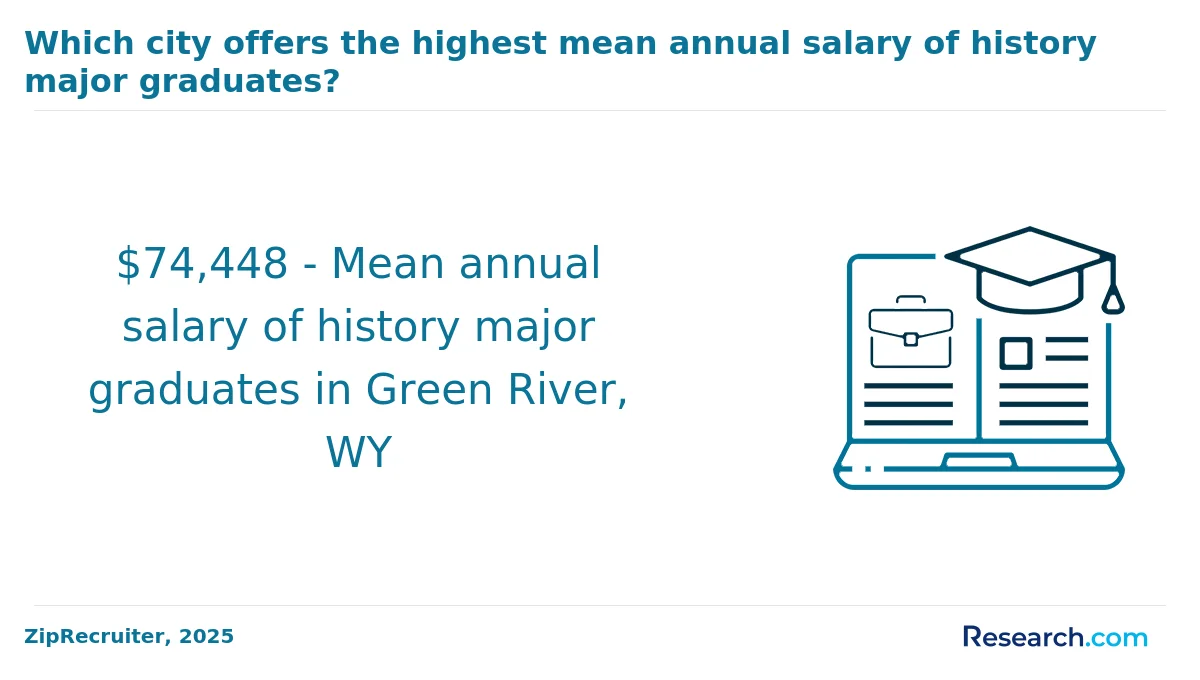
Students enrolled in online history degree programs in the Northeast commonly rely on federal financial aid, including Pell Grants and subsidized loans, to make education more affordable. With average in-state tuition near $13,000 annually, a maximum Pell Grant of $7,395 substantially lowers costs for many learners. For example, graduates from well-known institutions like the University of Massachusetts-Amherst have reported that Pell funding made full-time online study feasible without excessive debt.
State-specific grants also play a crucial role. In New York, the Tuition Assistance Program (TAP) awards up to $5,000 yearly for in-state students, directly benefiting those pursuing history degrees at public universities such as SUNY Albany. These grants often cover a significant portion of tuition, easing financial stress for distance learners balancing work and study.
Additionally, institutional scholarships offered for academic merit or commitment to public history provide tangible support. Many students attending Northeastern universities have found merit-based scholarships crucial for continuing their studies uninterrupted. Private scholarships from historical societies further enhance opportunities, rewarding dedication to fields like archaeology or museum work.
To enroll in an online history degree program in the Northeast, prospective students must typically present a high school diploma or an equivalent credential like a GED. Graduates from well-known institutions in the region often emphasize how completing essential high school courses in English, social studies, and math helped them adjust quickly to the demands of college-level historical analysis and research.
Although many schools have eased standardized test requirements-making SAT or ACT scores optional-strong results can still improve competitiveness, especially at selective universities in the Northeast. GPA expectations usually range from 2.5 to 3.0, and admissions committees prefer applicants with some background in humanities or social sciences, reflecting the analytical skills crucial for history majors.
Online learners frequently share how crafting a personal statement allowed them to express their passion for history and clarify their academic goals. While letters of recommendation are less common, they can strengthen applications when requested. Transfer students must submit official transcripts and course details to ensure credit acceptance, a step important for managing time and expenses during their studies.
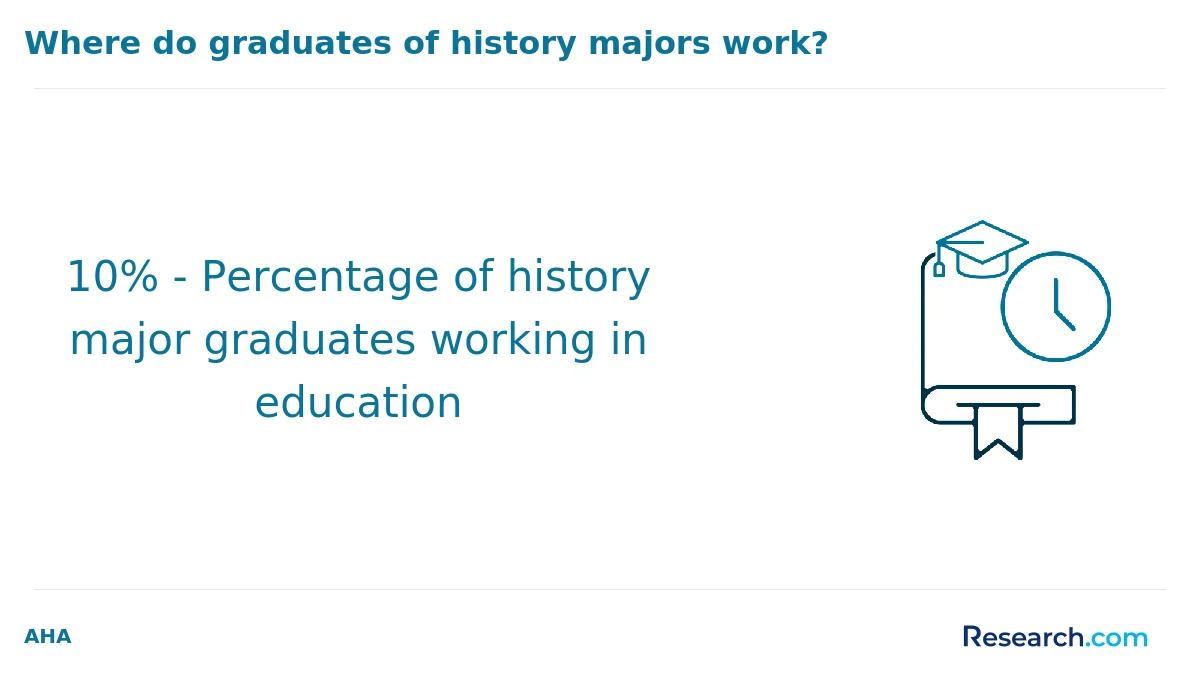
Online history degree programs in the Northeast typically include foundational courses such as American History to 1877 and American History Since 1877, ensuring students build a strong understanding of key periods. Graduates from well-known regional universities often highlight core courses on Western Civilization, which provide a broad view of historical developments from ancient to modern times. These essential classes are complemented by a variety of specialized options, allowing students to explore Colonial and Revolutionary America or delve into modern U.S. history centered on the 20th and 21st centuries.
Many students appreciate courses on European history spanning from the Middle Ages to recent centuries, which foster a global perspective critical for today's historians. The inclusion of non-Western history, covering Asia, Africa, and Latin America, reflects a commitment to diverse viewpoints-an approach emphasized by Northeast institutions. Electives in social, economic, and cultural history, as well as gender and race relations, enable learners to engage with thought-provoking material that resonates personally and academically.
Historiography and historical methods courses train students to critically analyze sources, a skill that graduates recall as vital for success in education and public history careers. The blend of recorded lectures and active discussion forums used by many Northeast colleges makes the online experience stimulating and engaging, echoing the rewarding, interactive classroom atmosphere that former students remember fondly.
Online history degree specializations Northeast programs typically include focused areas such as American History, European History, Public History, World or Global History, and Military History. Graduates from popular universities in the region often recount how studying American History brought to life colonial times and major conflicts like the Civil War, enriched by the proximity to historic cities like Boston and Philadelphia. Programs emphasize regional narratives alongside broader themes, providing a robust understanding of both local and global history.
Many students appreciate interdisciplinary options that integrate political science or economics, enhancing analytical skills and career prospects. History bachelors concentration options Northeast students explore often prepare them for careers in museums, archives, or heritage management, reflecting strong demand for professionals in these fields. For those considering career paths, understanding these concentrations plays a vital role in academic planning and career success.
Notably, Northeast institutions have flexible curricula allowing customization aligned with individual goals, making history degrees more accessible. Prospective learners can also consult resources on careers with a degree in history for practical guidance and inspiration.
Choosing the best online history degree programs Northeast requires careful evaluation of accreditation and curriculum depth. Graduates from well-known public and private colleges in the region often highlight the importance of regional accreditation, like that from the Middle States Commission on Higher Education, which ensures credits transfer easily and employers recognize the degree's value. Programs offering a blend of foundational historical methods with options to specialize-such as American or European history-tend to produce graduates who feel well-prepared for diverse careers.
The affordability of an online history degree is a significant concern, especially as average in-state tuition at public universities in the Northeast hovers around $11,500 annually, while private institutions may exceed $35,000. Students pursuing an affordable online bachelor's in history Northeast appreciate programs that balance cost with robust financial aid and minimized online delivery fees.
Flexibility also plays a key role in student satisfaction. Many online learners from prominent Northeastern colleges benefit from asynchronous course formats that fit around work and family commitments. Additionally, comprehensive student support services, including academic advising and career counseling, contribute to higher retention rates. Those interested in exploring future careers for history majors will find that programs with strong support networks lead to more positive educational experiences and successful outcomes.
Graduates with an online history degree in the Northeast frequently pursue careers in education, museum work, and government sectors. Many take teaching positions at high schools where salaries typically range from $60,000 to $70,000, reflecting steady demand in states like New York and Massachusetts. Alumni of popular Northeast institutions often describe rewarding experiences shaping young minds through history education.
Museum and archival roles are another common path, with opportunities at nationally recognized sites such as those in Philadelphia and Washington, D.C. Careers in curation and conservation usually offer salaries between $45,000 and $55,000, allowing graduates to engage hands-on with cultural heritage. These roles appeal to those who enjoy combining passion with profession.
History graduates also find meaningful employment in government agencies or cultural resource management firms. The National Park Service and other entities in the region hire historians for preservation and public outreach, with pay scales from $50,000 to $70,000. Additionally, some explore publishing and communications fields, using their skills for historical consulting or journalism.
Those seeking guidance on pathways and costs should consult the best online history degree programs, which highlight affordable options in the Northeast and clarify how online history degree careers in the Northeast can unfold.
The job market for graduates from an online history degree in the Northeast is shaped by the region's dense network of cultural institutions and educational organizations. Graduates often find fulfilling roles in museums, archives, and universities in states like New York, Massachusetts, and Pennsylvania. These locations, home to prestigious schools and prominent historical societies, provide strong demand for skilled historians. Graduates from well-known Northeast colleges share experiences of engaging internships at museums or state archives, which often lead directly to employment.
The online history degree job outlook Northeast shows projected employment growth of about 11% in related fields such as curators and archivists between 2022 and 2032, signaling positive opportunities. However, many roles require extra certifications, especially in public education. Networking and specialized internships remain critical for standing out in this competitive market.
Public history careers in the Northeast also include positions in research, preservation, and content development. Students aiming for these paths can benefit from exploring resources like art history degree jobs, which often overlap and provide additional avenues for advancement through specialized knowledge and skills.
2027 Best Online Bachelor's in History Degree Programs Ranking in the Northeast
Investing in your education is a significant decision that can shape your future, and the Research.com team understands the importance of making informed choices. To assist prospective students, we have meticulously crafted the "2027 Best Online Bachelor's in History Degree Programs Ranking in the Northeast." Our commitment to quality, credibility, and accuracy is reflected in the extensive research and analysis conducted to compile this ranking.
We utilized the following reputable data sources to ensure a comprehensive evaluation of history degree programs:
By exploring this ranking, readers will gain valuable insights into the best online history degree programs in the Northeast, helping them make well-informed decisions about their educational futures. For more details on our methodology, please visit our Research.com methodology page.
# 1 position
Penn State University Park
Bachelor of History


# 4 position
SUNY Empire State College
Bachelor of Historical Studies

Frequently Asked Questions About history
Online history degree students in the Northeast can enhance their learning by actively engaging with local historical resources. Many universities in this region offer virtual access to extensive archives, including the Massachusetts Historical Society and New York Public Library's digital collections. Using these primary materials deepens understanding beyond textbooks.
Joining online study groups or regional history forums encourages discussion and diverse perspectives, which research from the American Historical Association shows improves retention. Additionally, students should seek internships or volunteer opportunities with local museums or historical societies, like those in Philadelphia or Boston, which often offer remote projects.
Utilizing academic support services and faculty office hours made available online is also key. According to the National Center for Education Statistics, nearly 75% of online students who actively use such resources report higher satisfaction and academic performance.
Emerging niches within the history field reflect evolving interests and demands in academia and the job market. In the Northeast, digital history is gaining momentum, combining historical research with technology to make archives and exhibits more accessible online. This area aligns well with the region's strong tech and educational institutions.
Environmental history is another growing niche, focusing on the interaction between humans and the environment over time. Given the Northeast's rich colonial and industrial past, students often explore topics like urban development and conservation.
Public history remains vital, emphasizing the presentation of history to the public through museums, historic sites, and community projects. According to the American Historical Association, nearly 20% of history graduates engage in public history careers.
Graduates with an online history degree in the Northeast can enhance their job prospects by gaining practical experience through internships at local museums, archives, or cultural institutions. According to the National Center for Education Statistics, hands-on experience significantly improves employment chances in historical fields. Networking with alumni and professionals in cities like Boston and Philadelphia offers valuable connections.
Developing digital skills, such as using historical databases and GIS mapping, is increasingly important in this region, where many organizations seek tech-savvy candidates. Taking advantage of career services offered by online programs can also help with resume building and interview preparation. These steps will better position graduates for diverse careers ranging from education to public history.
Employers in the Northeast highly value history degree graduates who demonstrate strong research and analytical skills. The ability to critically assess primary and secondary sources is essential, especially for roles in museums, archives, and education. According to the American Historical Association, 85% of history-related employers seek candidates proficient in digital research tools and data interpretation.
Communication skills, both written and verbal, are also crucial. Graduates often work in settings that require clear presentation of complex information to diverse audiences.
Additionally, employers look for adaptability and familiarity with regional history, which aids roles in cultural institutions common in northeastern states.
Finding internships in the Northeast related to a history degree requires focused research and networking. Many institutions such as historical societies, museums, and archives offer internships that provide hands-on experience in research, preservation, and curation. For example, the Massachusetts Historical Society and the New York Historical Society frequently post internships suitable for history students.
Online databases like the National History Center's internship listings and the Society of American Archivists' website can be helpful. Additionally, universities with history programs often share local internship opportunities with their online students.
Building connections through professional organizations and attending history-focused events or webinars enhances chances of securing relevant placements. According to the American Historical Association, about 60% of history interns find their positions through networking and university resources.
Online history degrees in the Northeast offer significant career mobility and advancement opportunities. Graduates expand their eligibility for roles in education, research, museums, and cultural institutions, sectors that are prominent in this region. According to the U.S. Bureau of Labor Statistics, jobs for historians in the Northeast are expected to grow by 5% over the next decade, reflecting steady demand.
Flexible online programs enable professionals to continue working while earning credentials, making career transitions smoother. Employers in states like New York, Massachusetts, and Pennsylvania often value accredited online degrees from reputable regional institutions, recognizing the rigorous curriculum similar to on-campus programs. This acceptance supports upward mobility within competitive job markets.
Studying for a history degree in the Northeast offers unique opportunities for interdisciplinary preparation. Many programs incorporate courses from political science, economics, and sociology, reflecting the region's rich historical and cultural diversity. This approach equips students with versatile analytical and research skills valuable across fields. According to the National Center for Education Statistics, over 60% of Northeastern history programs integrate interdisciplinary coursework.
The region's numerous museums, archives, and historical societies provide practical learning experiences. These partnerships enhance critical thinking and communication skills, essential for roles in education, public policy, and cultural management. This blend of theory and real-world application prepares students for diverse career paths.
Choosing between a thesis and a non-thesis online history degree program in the Northeast depends largely on your career goals and learning preferences. Thesis programs typically require extensive research and a final written project, which benefits those aiming for graduate studies or research careers. Non-thesis options focus more on coursework and may suit students looking to enter education, public history, or administrative roles quickly.
According to the National Center for Education Statistics, many Northeastern universities offer both paths, with 40% of history bachelor's degree graduates pursuing thesis tracks. Consider time commitment, as thesis programs often take longer, and some schools may offer accelerated online options without a thesis.
Ultimately, evaluating programs accredited by recognized bodies like the New England Commission of Higher Education can ensure quality and relevance to regional history careers.
Students in the Northeast seeking to study history abroad through online programs have various opportunities. Many accredited universities in this region offer history degrees with options for international study components or virtual exchange programs. For example, institutions like Penn State World Campus and Northeastern University provide courses focusing on global history and can include immersive experiences via partnerships abroad.
Additionally, through study abroad offices or global education programs, students enrolled in Northeast schools often access summer or semester-long programs overseas that complement their online studies.
According to the Institute of International Education, in 2022, over 20,000 U.S. students studied history abroad, with Northeastern states among the top contributors.
Part-time job opportunities in the Northeast that complement a history degree include roles like museum assistant, archival technician, and historical tour guide. According to the U.S. Bureau of Labor Statistics, the Northeast hosts numerous museums and cultural institutions, providing a practical environment for students to apply their knowledge.
Archival technician positions are common in state and local government offices, especially in states like New York and Massachusetts. These jobs involve organizing and preserving historical documents, which align closely with academic skills gained in history programs.
Additionally, working as a historical tour guide in cities rich in American history, such as Boston or Philadelphia, helps students deepen their understanding while gaining public speaking experience.
Online history students in the Northeast benefit from diverse networking opportunities despite the virtual format. Many accredited schools offer access to regional history conferences, including the New England History Teachers' Association and the Middle Atlantic Regional Conference on History. These events enable students to connect with professionals and academics in their field.
Additionally, several universities establish partnerships with local museums, archives, and historical societies, providing online students with internships and volunteer roles. For example, affiliations with institutions such as the Massachusetts Historical Society support practical experience.
Virtual alumni networks and student groups further facilitate peer connections, often organized through university platforms. According to the American Historical Association, 65% of history graduates find improved career prospects through network engagement, underscoring its value for online learners.
Alumni networks offer significant advantages for students pursuing online history degrees in the Northeast. These networks provide access to professionals who understand the unique historical and cultural context of the region. Many Northeastern universities maintain active alumni groups that help students connect with internships, job opportunities, and research projects related to local history and heritage.
According to the Council for Advancement and Support of Education (CASE), institutions with strong alumni engagement report up to a 30% increase in graduate employment within one year after graduation.
For online students, these connections help overcome geographical barriers, facilitating mentorship and career guidance tailored to history disciplines.
Students pursuing an online history degree in the Northeast can customize their programs through elective courses, specializations, and internships tailored to career goals. Many accredited universities, such as those in New York and Massachusetts, offer concentration options like public history, archival studies, or digital humanities. These choices allow learners to focus on areas like museum work, education, or research.
Additionally, students may benefit from capstone projects or independent study credits to explore regional history topics, enhancing expertise for specific job markets. Northeastern institutions often provide flexible course sequences and career-focused advising to align studies with professional ambitions.
Online history students in the Northeast often face challenges related to balancing rigorous coursework with personal and professional responsibilities. Many learners juggle full-time jobs while attending virtual classes, which requires strong time management skills. Additionally, access to primary historical sources can be limited compared to traditional campuses, impacting research quality. A 2023 report by the National Center for Education Statistics highlights that nearly 40% of online students in the region cite limited interaction with professors as a barrier to deeper learning. Technical issues and inconsistent internet connectivity in rural areas also disrupt study schedules. These factors collectively influence the success of history students studying remotely in the Northeast.
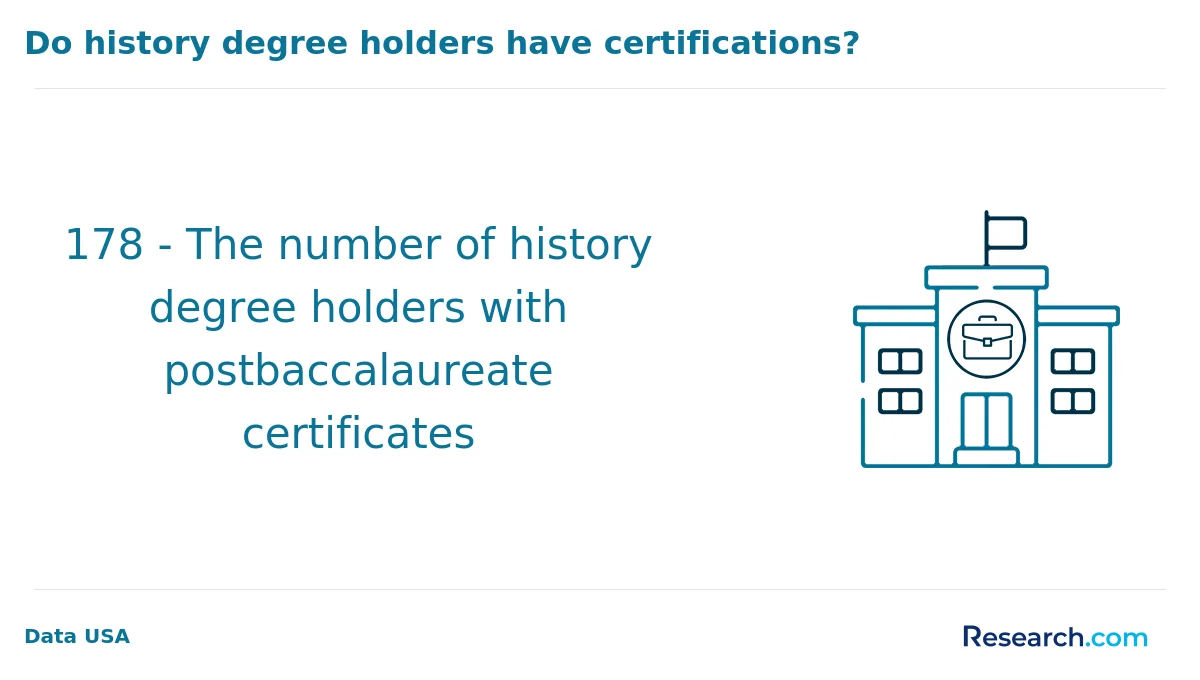
Graduates with an online history degree in the Northeast can pursue several professional certifications to enhance their career prospects. Common options include the Certified Archivist credential, which is valuable for managing historical records and collections. Additionally, many pursue teaching certifications if they wish to educate at the K-12 level, requiring state-specific credentials such as those issued by New York or Massachusetts departments of education.
Another option is museum studies certification, which supports careers in curation or conservation. These certifications are often offered through regional organizations or universities in the Northeast. The Bureau of Labor Statistics notes that demand for historians and archivists is expected to grow by 9% through 2030, emphasizing the need for specialized qualifications.
Crafting a winning application for an online history program in the Northeast requires clear focus and strong evidence of your passion for history. Admissions committees value well-written personal statements that explain your interest in history and how a degree supports your career goals. Highlight any relevant coursework, work experience, or volunteer activities tied to historical research or education.
Many top programs, such as those in New York and Massachusetts, also look for applicants with strong writing skills since history majors must analyze complex texts and construct arguments. According to the National Center for Education Statistics, programs in this region emphasize critical thinking and communication.
Be sure to submit all required materials, including transcripts and recommendation letters, on time. Tailoring your application to reflect regional historical interests, such as colonial or industrial history prevalent in the Northeast, can further strengthen your candidacy.
The global outlook on a career in history is evolving, reflecting broader economic and cultural trends. Graduates with history degrees from the Northeast often find skills such as critical thinking, research, and communication highly valued worldwide. According to the American Historical Association, history professionals contribute to fields like education, public policy, and cultural preservation internationally.
In the U.S., including Northeastern states, job growth for historians is projected at 5% from 2022 to 2032, which is about average compared to other professions (Bureau of Labor Statistics, 2023). Online history degrees provide flexibility for students to engage with global perspectives through digital archives and international collaboration.
Moreover, many institutions in the Northeast collaborate on research projects with European and Asian universities, enhancing career opportunities abroad. This regional emphasis on global engagement benefits graduates seeking careers in diplomacy, international museums, or global nonprofit organizations.
Students pursuing an online history degree in the Northeast can gain practical experience through internships offered by local museums, historical societies, and cultural institutions. Many universities partner with organizations such as the New England Historical Society and the New York Historical Society to provide remote or in-person internship opportunities.
Additionally, some programs encourage involvement in digital archiving projects or research assistance roles, which sharpen critical skills relevant to historians. According to the National Council on Public History, over 70% of history graduates in the Northeast found internships vital for employment.
Volunteering at heritage sites or contributing to online history forums also builds professional networks while studying online.
Choosing the right concentration within an online history degree in the Northeast requires careful consideration of your interests and career goals. Many programs offer specializations such as American history, European history, or public history, each aligning with different professional paths.
The Northeast is rich in colonial and revolutionary history, making concentrations in early American history particularly strong at regional schools. For example, several accredited institutions emphasize local history courses that can enhance opportunities in museums or archives, sectors expected to grow by 6% through 2031 according to the U.S. Bureau of Labor Statistics.
Consider the curriculum flexibility and faculty expertise when selecting a concentration. Programs with ties to regional historical societies can offer unique research opportunities. Lastly, verify if the concentration supports certifications or graduate study pathways relevant to your ambitions.
- History https://northeast.edu/degrees-and-programs/history
- My Top 3 Recommendations on Networking in the History ... https://anhistorianabouttown.com/recommendations-on-networking-in-the-history-world/
- History, BA https://www.nec.edu/programs/history-b-a
- Global Alumni Networks and Social Class: Epistemic ... https://www.developmenteducationreview.com/issue/issue-40/global-alumni-networks-and-social-class-epistemic-communities-and-%E2%80%98thought-collective
- Join the Alumni Network https://nhd.org/en/get-involved/join-the-alumni-network/
- 2026 Most Affordable Online History Degrees https://www.onlineu.com/most-affordable-colleges/history-degrees
- Undergraduate History Student Opportunities https://warwick.ac.uk/fac/arts/history/students/studentopportunities/
- Finding Networking Opportunities as a Student https://www.nshss.org/resources/blog/blog-posts/how-to-find-networking-opportunities-as-a-student/
- Desmet | Talent development in history education https://journals.uclpress.co.uk/herj/article/pubid/Hist_Educ_Res_J-23-16/
- 4 Steps to Find History Research Opportunities as an ... https://www.coltie.com/post/4-steps-to-find-history-research-opportunities-as-an-undergraduate