2027 Fastest Online Master's in History Degree Programs Ranking in the Midwest

Co-Founder and Chief Data Scientist
Considering a history degree but pressed for time? This article introduces the 2027 Fastest Online Master's in History Degree Programs Ranking in the Midwest, thoughtfully crafted by the Research.com team of data scientists.
Designed to help students in the Midwest navigate their options, this ranking highlights efficient programs that balance quality and speed.
Reading this guide can simplify your search and empower your decision-making, bringing you closer to earning a meaningful degree that opens doors in education, research, and beyond.
Explore opportunities that fit your pace and ambitions.
Key benefits of getting online history degree in the Midwest
- History degree graduates in the Midwest often pursue careers like archivists or museum workers, with median annual salaries around $56,000, offering stable and satisfying income.
- A history graduate from a well-known Midwest university can explore diverse paths such as teaching, research, or public history, opening doors to exciting opportunities that match their passions.
- Completing a history degree online in the Midwest offers flexibility and affordability, allowing students to balance work, family, and studies while gaining the same respected credential as traditional programs.
- 2027 Fastest Online Master's in History Degree Programs Ranking in the Midwest
- What can I expect from online history degree in the Midwest?
- Where can I work with online history degree in the Midwest?
What can I expect from online history degree in the Midwest?
The average cost of pursuing an online history degree in the Midwest typically ranges from $15,000 to $30,000 for a bachelor's program, depending on the institution and residency status. Graduates recall balancing tuition with part-time work or employer tuition assistance, especially at schools like the University of Illinois Urbana-Champaign or Ohio State University. These institutions offer strong history curricula combined with flexible online formats that help manage costs without sacrificing quality.
For example, many students appreciate how accredited programs provide access to invaluable digital archives and research databases, making the investment feel worthwhile. The tuition often includes resources that support research-heavy assignments and virtual seminars, which enrich the learning experience beyond traditional lectures. This financial commitment is seen as a gateway to meaningful careers in education, public history, or archival work within Midwestern cultural institutions and museums.
Despite variations in price, the affordability paired with practical opportunities creates a rewarding pathway for students motivated to connect deeply with regional history while maintaining daily responsibilities.
Where can I work with online history degree in the Midwest?
Graduates with an online history degree from well-regarded Midwest institutions like the University of Illinois or Ohio State University often find a wide array of career opportunities that reflect the region's rich cultural and educational landscape. Many step directly into roles as educators, teaching history at high schools or community colleges, where their passion for the past inspires new generations.
Others discover fulfilling careers in museums or archives, such as the Chicago History Museum or Ohio History Connection, where graduates apply their skills to curate exhibits or preserve important collections. These jobs combine hands-on discovery with a deep connection to local heritage, creating a rewarding daily experience.
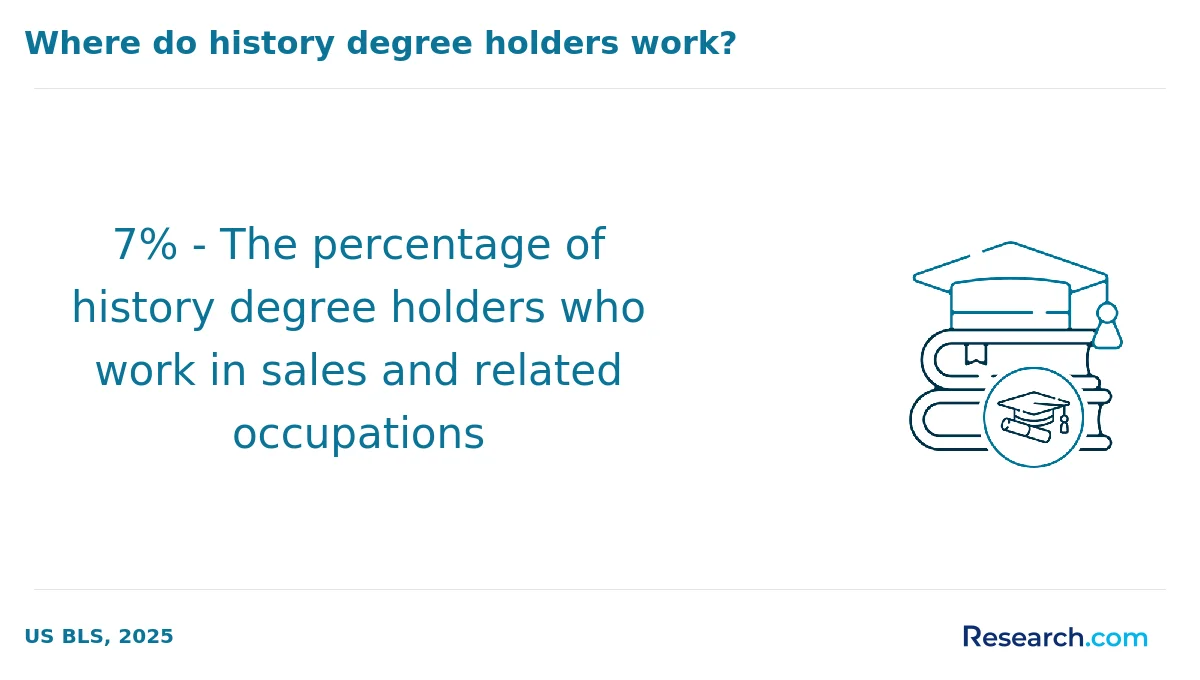
Government agencies like the National Archives in Illinois offer a practical path, allowing graduates to contribute to vital preservation and research projects. Some alumni also pivot into consulting for film or legal fields, using historical insight to enrich modern narratives and decisions, while those with digital savvy find roles in media or publishing.
Many graduates recall the satisfaction of blending rigorous online study with real-world applications, emphasizing that the Midwest's steady demand for history professionals creates a hopeful job outlook and meaningful work.
Graduates with an online history degree from respected Midwestern institutions like the University of Illinois or Ohio State University often find their earning potential shaped by regional demands and roles they pursue. While precise salary data from the Bureau of Labor Statistics for specific history-related positions is unavailable, general figures provide meaningful insight. History professionals nationwide earned a median annual wage of about $63,100 as of May 2022, with Midwestern graduates sometimes earning slightly less depending on location.
Many alumni in Chicago or Columbus report starting salaries near $60,000 to $65,000, especially in academic or museum settings. Museum curators typically earn around $59,130 nationally, a figure that reflects the rewarding yet modest compensation seen in cultural institutions throughout the Midwest.
Graduates working as archivists can expect median salaries near $54,020, often valuing job stability alongside salary. Those who advance their education or secure administrative posts experience notable salary growth, frequently surpassing $70,000 after gaining experience.
These earning pathways, tied to real roles across Midwestern urban centers and universities, illustrate how a history degree offers a satisfying blend of intellectual passion and practical opportunity.
- Online history degree programs in the Midwest offer flexible study options and are available at both public and private accredited universities.
- Annual tuition costs range from $12,000 to $25,000, with some public universities charging the same rates for in-state and out-of-state students.
- Entry-level salaries for history graduates average around $45,000 per year, rising to about $65,000 or more with experience and advanced qualifications.
- Job growth for historians is projected at approximately 5% nationwide over the next decade, supported by demand in museums, historical societies, government, and education sectors.
- Many programs focus on Midwest heritage and include coursework in historical methods and research, often requiring internships to build practical experience.
Completing an online history degree in the Midwest often fits within timelines that reflect both ambition and life's realities. Most undergraduates from schools like Illinois State University or the University of Missouri find that, when attending full-time, the path to earning a bachelor's degree usually takes about four years. This steady rhythm allows for deep engagement with historical studies while balancing other commitments.
Many students appreciate the flexibility of part-time enrollment offered by these institutions, stretching the journey to five or six years. Graduates often describe this extended timeframe as empowering, letting them weave education around work or family without losing momentum. For those pursuing a master's degree, the story is different-accelerated programs can shrink the timeline to as little as 12 to 18 months, especially with summer courses.
The experience of past students shows how choices about course load and program format shape success. Knowing you can tailor your pace brings a comforting confidence when beginning your Midwest history degree online.
Choosing between an online and on-campus history degree in the Midwest often comes down to how you want to engage with the material and your lifestyle needs. Graduates from the University of Illinois Springfield recall how face-to-face interactions on campus enriched their understanding through lively discussions and access to physical archives. Meanwhile, those who pursued online programs at Michigan State University appreciated the flexibility to study around work and family commitments, often juggling courses late at night without the stress of commuting.
Tuition costs tend to be similar across formats, but online students frequently save on housing and transportation-important considerations for anyone balancing a budget. The academic rigor remains consistent; many online students report feeling confident their degree holds the same value, even if they missed the occasional live seminar or campus event.
Networking differs too. On-campus learners naturally build connections through in-person study groups, while online students must actively seek digital communities. Still, both paths open doors to meaningful historical insights and career opportunities within the vibrant Midwestern academic community.
The average cost of an online history degree in the Midwest typically reflects the region's balance between affordability and quality. Based on recent data, in-state students usually face total expenses around $14,781, while out-of-state students may see costs rise significantly, nearing $29,484. These figures resonate with graduates who recall paying tuition rates that felt manageable compared to national standards, especially at well-regarded public universities where history programs focus on accessibility and thorough scholarship.
Many students pursuing a Midwest online master's in history tuition fees appreciated the transparency provided by their institutions. For example, at popular state universities, learners frequently encountered additional fees for technology and course materials, which although modest, added to the overall financial planning. These extra costs, often a few hundred dollars per semester, framed the full picture beyond simple tuition numbers.
Graduates from various Midwest colleges often highlight how financial aid and scholarships played a critical role in reducing the burden. The reassurance of such support enables students to immerse themselves fully in their studies without constant financial worry. The blend of cost-effectiveness and comprehensive program quality is a hallmark of pursuing history education online in this region.
Prospective students are encouraged to explore the detailed tuition breakdown and support options offered by their chosen institutions. Understanding the nuances of the average cost of online history degree Midwest programs aligns well with making an informed choice that matches one's goals and budget. For guidance on more flexible academic paths, learners might benefit from reviewing history degree requirements from trusted resources.
Students pursuing online history degrees in the Midwest often find relief through a variety of financial aid options tailored to their needs. Federal aid through the FAFSA unlocks access to Pell Grants, which many graduates recall as transformative, providing need-based funds that never require repayment. For example, those attending the University of Illinois at Springfield have benefited from these grants while balancing work and study.
State programs also play a crucial role. Graduates from Ohio State University frequently share how the College Opportunity Grants helped bridge the gap between tuition costs and limited personal funds, allowing them to focus on their history research without heavy financial stress.
Scholarships from historical associations or merit awards at institutions like the University of Wisconsin-Madison offer additional support, often recognizing academic dedication in ways that inspire ongoing commitment to the field.
Employer tuition assistance programs sometimes prove invaluable, with many Midwestern public universities partnering with local companies. Graduates often describe the encouragement these partnerships provide, making the pursuit of an online history degree feel achievable and worthwhile.
Finally, flexible payment plans help many manage expenses thoughtfully, spreading tuition costs over time and reducing anxiety for those juggling family and work alongside their studies.
Enrolling in an online history degree in the Midwest often begins with clear academic expectations. Graduates from well-known regional schools recall submitting official transcripts that reflect steady performance, a step many see as straightforward but crucial. For undergraduate programs, having a U.S. high school diploma or GED is standard, and while some classmates worried about the SAT or ACT, test-optional policies at institutions like Indiana University made the path less stressful.
Graduate students share how holding a bachelor's degree from an accredited college-sometimes in history or related fields like political science-opened doors, yet many programs welcomed diverse backgrounds. Providing a thoughtful statement of purpose was a chance to express genuine passion for history, helping applicants stand out.
Recommenders play a valuable role; one or two letters from professors or employers paint a fuller picture beyond grades. Non-native English speakers often find submitting TOEFL or IELTS scores a manageable step to prove readiness for academic discussion.
Some programs emphasize a minimum GPA, typically around 3.0, which graduates view as fair preparation for the rigorous coursework ahead. Overall, meeting these requirements cultivates confidence, helping future historians ready themselves for meaningful academic journeys in the heart of the Midwest.
Courses in online history degrees in the Midwest usually blend broad national themes with rich regional studies that bring the past vividly to life. Graduates from schools like the University of Illinois often reflect on how studying American History with special attention to Midwestern events made their learning deeply personal and relevant, connecting classroom lessons to the communities around them.
Core classes span fundamental areas such as American History, World History with global perspectives, and Historiography, where students develop the critical skill of analyzing historical sources. Many find Research Methods particularly rewarding, gaining hands-on experience with digital archives and primary documents that mirror real research work.
Electives often explore Midwestern specialties like Native American history in the Great Lakes or the transformation brought by industrialization and farming. Master's students cherish advanced seminars on historical theory and digital history tools, which prepare them to tackle complex topics through modern approaches, blending traditional scholarship with innovative technologies.
Students appreciate how programs balance flexibility with depth, letting them engage fully while managing life commitments-a reason why institutions like Michigan State University remain beloved choices in the region.
Online history degree specializations Midwest students choose often reflect a deep connection to their regional heritage. Graduates from respected institutions like the University of Michigan and Indiana University frequently emphasize American History, focusing on key Midwest events such as the development of industrial hubs or Civil War impact. These tangible connections to local history enrich students' understanding and engagement.
Many also pursue Public History, gaining skills in museum curation or digital archiving, preparing them for evolving roles in heritage preservation. This specialization resonates with students who have experienced internships at local historical societies or museums, fostering a genuine sense of contribution to community memory.
Other popular tracks include Global and European History, which broaden perspectives but remain grounded through comparative analysis that Midwest programs enable. Military History and Native American History are meaningful options as well, especially given the rich indigenous histories in states like Minnesota, embraced by courses supported by the Minnesota Historical Society.
Students appreciate how Midwest master's in history concentration options allow them to tailor studies while balancing life commitments. This flexibility supports exploring traditional and emerging careers linked to history degree careers, empowering graduates to pursue their passions confidently.
When choosing the best online history degree program in the Midwest, accreditation should be your first checkpoint. Graduates from well-known Midwestern universities often highlight how the Higher Learning Commission's endorsement gave their degree credibility, easing credit transfers and improving job prospects. Balancing a curriculum that covers broad periods alongside specialized topics, like public history or American history, creates a rewarding learning experience tailored for future careers or graduate study.
Flexibility matters deeply for many Midwestern students juggling work and family. Popular institutions offer asynchronous courses and multiple start dates, allowing students to maintain their commitments without sacrificing academic quality. Tuition costs vary widely, but being mindful of pricing helps find an affordable online history master's Midwest options that respect your budget while still delivering strong educational value.
Finally, pay close attention to career support services, which many graduates praise as critical for landing meaningful roles after graduation. Internships, counseling, and alumni networks are often the stepping stones to what you may discover as some of the highest paying jobs for history majors.
Graduates pursuing an online history degree in the Midwest discover diverse career paths that tap into their analytical and communication strengths. Many find fulfillment becoming secondary school history teachers, supported by robust certification programs through institutions like Indiana University. Others engage in public history roles, working with local museums such as the Chicago History Museum, where they preserve and share the rich heritage of the region. These experiences often inspire a deep connection to community, blending passion with professionalism.
Some graduates leverage their skills in academia or online education, crafting digital curricula that reflect the evolving landscape of learning. Careers in government and non-profit sectors also appeal, offering opportunities as policy analysts or grant writers focused on regional development. The Midwest's vibrant cultural resource management programs provide a solid foundation for these roles. For anyone considering this field, exploring options through a history degree online can open doors to meaningful, location-specific opportunities that resonate personally and professionally.
Students often report a sense of purpose and excitement when translating historical knowledge into real-world impact, emphasizing the unique appeal of Midwest history degree job opportunities.
Graduates from Midwest universities offering online history degrees often find the job market varied but promising, particularly in education and preservation roles. Many who studied at well-known institutions such as those popular for history programs in Illinois or Ohio have secured rewarding positions teaching secondary school social studies or working with local museums. These roles provide not only a stable income but also a meaningful connection to the region's rich heritage.
Jobs in public history and museum work are expanding, linked closely to efforts in regional historical preservation. Graduates frequently engage with community projects or collaborate with cultural institutions, allowing them to apply their knowledge dynamically and see tangible results of their work. Affordable tuition rates at Midwestern public universities make pursuing this path accessible, weighing favorably against the modest but competitive salaries offered.
For those exploring broader career options, reviewing resources on art history major jobs salary can provide additional insights into potential earnings and opportunities. This information aids students considering the best choices within the spectrum of Midwest online history degree jobs. Ultimately, thoughtful consideration of history degree career opportunities Midwest helps align educational investment with meaningful professional outcomes.
2027 Fastest Online Master's in History Degree Programs Ranking in the Midwest
Investing in your education is a significant decision that can shape your future, and the Research.com team understands the importance of making informed choices. To assist prospective students in the Midwest, we have meticulously crafted the "2027 Fastest Online Master's in History Degree Programs Ranking in the Midwest." Our commitment to quality, credibility, and accuracy is reflected in the extensive research and analysis conducted to compile this ranking.
We utilized the following reputable data sources to ensure a comprehensive evaluation of history degree programs:
By exploring this ranking, readers will gain valuable insights into the fastest online History master's degree programs available in the Midwest, enabling them to make informed decisions tailored to their educational and career goals. For more details on our methodology, please visit our Research.com methodology page.


Frequently Asked Questions About history
Students pursuing online history degrees in the Midwest can enhance their learning by actively engaging with university resources such as digital libraries and academic databases. Many Midwestern institutions provide access to archives relevant to regional history, including the Library of Congress and state historical societies. Utilizing these specialized collections deepens understanding beyond standard textbooks.
Participation in virtual study groups helps replicate classroom interaction, fostering critical discussion and collaboration. According to the National Center for Education Statistics, 70% of online students report improved retention when involved in peer learning.
Additionally, choosing programs accredited by the Higher Learning Commission, the primary accreditor in the Midwest, ensures academic quality and recognition.
Emerging niches within the history field reflect growing interests in diverse and specialized areas. In the Midwest, environmental history has gained traction, focusing on the region's unique landscapes, industrial impacts, and conservation movements. Digital history is also expanding, as more programs incorporate technology to analyze and present historical data innovatively.
Public history, involving work in museums, archives, and cultural resource management, remains a strong niche in this region due to its rich industrial and migration history. Additionally, studies on race, immigration, and labor history are increasingly emphasized, reflecting demographic shifts and social justice awareness across Midwestern states.
Graduates with online history degrees in the Midwest should focus on building practical skills to improve job prospects. Many employers value experience in research, writing, and critical analysis, which are core to history programs.
Internships and volunteering at local museums, archives, or historical societies can provide valuable hands-on experience and networking opportunities. According to the American Historical Association, nearly 35% of history majors enter education or public history fields, highlighting the importance of relevant work experience.
Additionally, consider acquiring digital skills such as geographic information systems (GIS) or digital archiving, which are increasingly in demand in historical research roles. Networking through regional associations like the Midwest History Association can also help graduates connect with employers in the area.
Employers in the Midwest highly value critical thinking and research skills in graduates with online history degrees. According to the National Association of Colleges and Employers (NACE), over 80% of employers seek candidates who can analyze complex information and present it clearly.
Communication skills, both written and verbal, are essential for history graduates. Regional employers often require proficiency in articulating historical contexts and narratives, vital for roles in education, museums, and public history.
Data from the Midwest Historical Association highlights adaptability and digital literacy as growing priorities. Graduates familiar with digital archives and historical databases gain a competitive edge in this evolving job market.
Finding internships in the Midwest relevant to a history degree involves targeting institutions that value historical research and preservation. Museums, historical societies, and local archives frequently offer internship opportunities. For example, the Chicago History Museum and the Minnesota Historical Society provide structured internships for students. Additionally, universities often partner with regional organizations to connect students with practical experiences.
Using platforms like Handshake or LinkedIn helps identify openings. Networking with professors and attending Midwest history conferences can also uncover hidden opportunities. According to the American Historical Association, internships improve job prospects by 20% for history graduates nationally, emphasizing their importance in this field.
Obtaining an online history degree in the Midwest can significantly enhance career mobility and advancement opportunities. According to the National Center for Education Statistics, history graduates often pursue roles in education, public administration, and cultural institutions, all sectors with steady growth in the region.
Midwestern employers increasingly value online degrees from accredited institutions, recognizing the flexibility and commitment they represent. This acceptance has made graduates competitive candidates for promotions and leadership roles within museums, archives, and government agencies.
Additionally, the Bureau of Labor Statistics reports that demand for historians in the Midwest is expected to grow by 6% over the next decade, aligning with national trends. This growth supports upward movement for those with advanced history degrees.
Studying for a history degree online in the Midwest equips students with skills applicable across multiple fields. Midwest universities emphasize critical thinking, research methods, and contextual analysis, which are essential in interdisciplinary careers involving law, education, public policy, and museum work. According to the National Center for Education Statistics, over 20% of history graduates from this region pursue careers outside traditional academia, often blending historical knowledge with social sciences or communication.
Many programs encourage collaboration with departments such as anthropology, political science, and economics, promoting a broad understanding applicable in diverse workplaces. This approach ensures graduates can adapt to today's complex job market demands.
Choosing between a thesis and a non-thesis online history degree in the Midwest depends largely on your career goals and learning preferences. Thesis programs usually require in-depth research and writing, ideal for students aiming for academic careers or further graduate studies. Non-thesis programs typically emphasize coursework and may include projects or comprehensive exams, appealing to those seeking professional advancement in education, public history, or government.
Midwestern universities often report a higher graduation rate among non-thesis students, reflecting their structured course loads. According to the National Center for Education Statistics, 65% of history master's students in the Midwest opt for non-thesis tracks. Understanding these differences helps tailor your experience to your future plans.
Students in the Midwest seeking to study history abroad through online degree programs often find collaborative options with international universities. Many Midwestern institutions offer online history degrees with study abroad components or virtual exchanges, enabling students to gain global perspectives without relocating. Public universities like the University of Illinois and Ohio State University frequently integrate global history modules inspired by partnerships abroad.
Additionally, credit transfer agreements with European and Asian universities give students flexibility in pursuing research about foreign histories. According to the National Center for Education Statistics, about 15% of Midwestern online history students engage in some form of international study or virtual collaboration.
Students pursuing online history degrees in the Midwest have access to several part-time job opportunities that align with their academic focus. Museums and historical societies in states such as Illinois, Ohio, and Michigan often hire part-time archivists, tour guides, or curatorial assistants. According to the American Alliance of Museums, around 35% of Midwest museums rely on part-time staff, providing valuable hands-on experience.
Public libraries also offer roles like research assistants, allowing students to enhance their archival and research skills. Additionally, local government offices frequently seek history graduates for historic preservation projects and public education initiatives.
These positions build practical knowledge relevant to advanced history studies and future careers.
Online history students in the Midwest have several networking opportunities despite the remote format. Many universities offer virtual events, such as guest lectures and panel discussions featuring historians specializing in Midwestern topics. These events help students connect with professionals and peers. Additionally, regional history associations, like the Illinois Historical Society and the Michigan Historical Center, provide online memberships and virtual conferences that encourage networking.
Students can also access alumni networks facilitated by Midwestern universities. These platforms often include discussion boards and career resources specifically for history graduates. According to the American Historical Association, participation in such groups boosts job prospects and academic collaborations.
Alumni networks play a crucial role for online history degree students in the Midwest by providing access to a broad professional community. Graduates often share job leads, internships, and academic opportunities, which is especially valuable in disciplines like history where networking can open doors to museums, archives, and educational institutions.
These networks frequently offer mentorship programs, allowing current students to connect with experienced professionals who understand the regional job market. According to the National Association of Colleges and Employers, 85% of jobs are filled through networking, making these connections vital.
Additionally, Midwestern history alumni groups often host events and webinars that promote skill development and regional historical research. This collaborative environment supports students in building credentials relevant to local and national history fields.
Customizing an online history degree in the Midwest involves selecting electives and concentrations aligned with career goals. Many universities offer specialized tracks such as public history, archival management, or museum studies. These options help tailor the curriculum to sectors like education, curation, or government work. According to the National Center for Education Statistics, around 30% of history programs in the region provide flexible electives online.
Students can also engage in internships or research projects remotely, gaining hands-on experience. Some Midwest programs partner with local historical societies, enhancing practical skills relevant to state and regional history. Careful course selection ensures the degree supports professional ambitions in diverse fields.
Online history students in the Midwest often face challenges balancing rigorous coursework with personal and professional commitments. A common issue is limited access to specialized resources, such as regional archives and historical societies, which are vital for deep research. According to a 2023 Midwest Education Report, 42% of online students expressed difficulty accessing primary source materials remotely.
Additionally, technical barriers like inconsistent internet connectivity can hinder effective participation in live discussions or timely submission of assignments, especially in rural areas. Students also report feeling isolated due to fewer networking opportunities compared to on-campus counterparts.
Lastly, some employers may undervalue online degrees from lesser-known Midwest institutions, posing challenges for career advancement in competitive history-related fields.
An online history degree provides a solid foundation for several professional certifications relevant to Midwest job markets. Graduates often pursue certification in archival management, such as the Certified Archivist credential offered by the Academy of Certified Archivists. This is valuable for work in libraries and museums across states like Illinois and Ohio, which have rich historical collections. Another option is the Certified Historian credential from the National Association of Certified Professional Historians, helping candidates demonstrate expertise in research and documentation.
Moreover, teaching certifications in social studies are common pathways for history graduates in the Midwest, enabling careers in public schools. According to the National Center for Education Statistics, nearly 40% of social studies teachers in the region hold history degrees. Additionally, digital preservation and museum studies certifications, offered through regional programs in cities like Chicago and Minneapolis, align well with skills from an online history degree.
When applying for an online history program in the Midwest, focus on a clear, well-structured application that highlights your passion for historical study. Admissions committees appreciate candidates who demonstrate strong writing skills and critical thinking. Include relevant academic achievements, such as a solid GPA in history or related fields.
Be sure to explain why you want to study history online, emphasizing how the program's flexible format fits your lifestyle. Midwest programs often value applicants familiar with regional history; referencing this knowledge can strengthen your case. According to the National Center for Education Statistics, history enrollment in online Midwest programs has increased by 15% over the past five years, reflecting growing opportunities.
Secure letters of recommendation from instructors or employers who can attest to your analytical abilities and work ethic. Tailor your personal statement to each school, mentioning specific faculty or resources. Lastly, meet all deadlines and provide transcripts promptly to avoid delays in processing your application.
Global perspectives on a history career emphasize the value of understanding diverse cultures and events in shaping today's world. For students in the Midwest pursuing online history degrees, recognizing this global context enhances their employability beyond regional roles. According to the American Historical Association, history graduates in the U.S. often work in education, public history, and research, with growing demand in digital humanities and archival management.
In the Midwest, institutions like the University of Illinois and Ohio State University offer programs that incorporate global history to prepare students for international career opportunities. This approach aligns with trends reported by the U.S. Bureau of Labor Statistics, projecting a steady 5% growth in historian jobs nationwide through 2031.
Gaining practical experience while pursuing an online history degree in the Midwest is essential for building skills beyond theoretical knowledge. Many universities encourage students to engage in internships with local museums, historical societies, or archives, which are abundant throughout the region. For example, institutions in states like Illinois and Ohio often collaborate with public history organizations to provide virtual or hybrid internships tailored to online learners.
The Midwest also offers opportunities through community projects, such as oral history collections or digital archiving, allowing students to apply research methods in real-world contexts. Additionally, online students can participate in academic conferences and webinars hosted by organizations like the American Historical Association to network and present research.
Students should consult their university's career services and history faculty to identify practical experiences aligned with their goals, maximizing learning while studying remotely.
Choosing the right concentration within an online history degree program in the Midwest depends on your interests, career goals, and regional opportunities. Many Midwest programs offer specialties such as American history, public history, or museum studies. According to the American Historical Association, concentrations focusing on Midwestern or Native American history are growing in demand due to the region's rich cultural heritage.
Consider how each concentration aligns with local job markets. For example, Illinois and Michigan have strong public history sectors, ideal for graduates interested in archives or education. Reviewing faculty expertise and course offerings at specific schools can also guide your decision.
Lastly, evaluate how concentrations support research skills or practical experiences, especially since online formats may vary in hands-on opportunities.
- 4 Steps to Find History Research Opportunities as an ... https://www.coltie.com/post/4-steps-to-find-history-research-opportunities-as-an-undergraduate
- My Top 3 Recommendations on Networking in the History ... https://anhistorianabouttown.com/recommendations-on-networking-in-the-history-world/
- History (B.A.) https://king.edu/programs/humanities/history/
- History Program at Lakeland University https://lakeland.edu/degrees/history
- Federal Student Financial Aid Program https://www.midwestinstitute.edu/financial-aid/
- Online Bachelor's Degree Completion Financial Aid https://www.hamline.edu/admission-aid/financial-aid/online-bachelors
- What Can You Do With a History Degree? https://willamette.edu/academics/college/history/career-options
- Desmet | Talent development in history education https://journals.uclpress.co.uk/herj/article/pubid/Hist_Educ_Res_J-23-16/
- Online Degree Programs & Courses - WIU https://www.wiu.edu/online/
- Finding Networking Opportunities as a Student https://www.nshss.org/resources/blog/blog-posts/how-to-find-networking-opportunities-as-a-student/