2027 Most Valuable Online Bachelor's in History Degree Programs Ranking in the South

Co-Founder and Chief Data Scientist
Choosing the right history degree program can shape your educational journey and future career. For students in the South, finding valuable online options may seem overwhelming.
This article presents the 2027 Most Valuable Online Bachelor's in History Degree Programs Ranking in the South, created by the Research.com team of data scientists. It's designed to help you make an informed choice about which programs truly stand out.
Exploring these programs can open doors to exciting opportunities in many fields, making your pursuit of a history degree both meaningful and rewarding.
Key benefits of getting online history degree in the South
- Although specific salary data is unavailable, history graduates in the US generally earn between $40,000 and $70,000 annually depending on their career path, offering a respectable income for those passionate about the subject.
- Graduates from popular Southern colleges often pursue careers in education, museum curation, or public history, enjoying diverse job opportunities that connect them with cultural preservation and community engagement.
- Online history degrees from Southern universities provide flexible schedules and lower costs, allowing students to balance work and study comfortably while gaining the same respected credential as traditional students.
- 2027 Most Valuable Online Bachelor's in History Degree Programs Ranking in the South
- What can I expect from online history degree in the South?
- Where can I work with online history degree in the South?
What can I expect from online history degree in the South?
When considering the average cost of an online history degree in the South, students often find it surprisingly accessible compared to many other regions. Graduates from institutions like Florida State University or the University of North Carolina recall that tuition typically ranges from $6,000 to $12,000 per year for in-state students, making it an affordable gateway to exploring rich Southern history without leaving home.
This range reflects the blend of strong academic quality and flexible learning designed to fit busy lifestyles. Many Southern universities balance affordability with exceptional resources, such as access to digital archives or interactive lectures that bring history to life. Alumni describe feeling empowered by affordable, accredited programs that don't compromise on depth or engagement.
For those eager to dive into Southern cultural studies and historical research, the value extends beyond tuition-graduates cherish how the cost aligns neatly with opportunities to build skills that open doors in museums, education, and archival careers throughout the South.
Where can I work with online history degree in the South?
Graduates with an online history degree from Southern schools like the University of Georgia or the University of North Carolina find themselves stepping into vibrant worlds of opportunity. Imagine working as a social studies teacher in bustling Raleigh classrooms or guiding students through the complex stories of the South's past. Many graduates embrace this role, fueled by a passion for sharing history and shaping young minds.
Others take adventurous paths through museums and archives-perhaps at the National Civil Rights Museum in Memphis or one of Virginia's colonial sites. Here, they curate stories, preserving treasures that connect communities to their roots. A graduate might be cataloging artifacts one day and leading a community workshop the next, feeling the thrill of bringing history to life.
Some dive into government roles managing historic preservation in places like Texas or Louisiana, combining their love for history with meaningful public service. Others join research groups or nonprofits dedicated to Southern heritage, where they uncover hidden narratives and support cultural projects. The South's rich history makes every career turn an exciting discovery.
If you earn an online history degree in the South, you're stepping into a world where your passion for the past can translate into a rewarding paycheck. Graduates from popular Southern universities, like those near Atlanta or Raleigh, often find their salaries weaving between $50,000 and $80,000 annually. This variation reflects the urban-rural divide-city roles in museums, universities, or government agencies tend to offer the higher end of this range.
Imagine a graduate from a university in North Carolina turning their love for archives into a curator position. They might start earning close to $45,000 but could soon push toward $65,000 as they gain experience. Another graduate teaching history at a Southern high school will likely see median salaries around $48,000 to $58,000, with college instructors often starting near $55,000.
These figures remind you that powering through those online courses can unlock doors to diverse careers with stable, gratifying salaries in the South-and an exciting journey ahead.
- Tuition for online history bachelor's degrees in Southern public universities ranges from $8,000 to $12,000 annually for in-state students.
- Private Southern institutions charge between $20,000 and $35,000 per year, with scholarships and financial aid available.
- Many accredited Southern universities offer flexible online programs with part-time and full-time options to fit working adults' schedules.
- Jobs related to history in the South are expected to grow about 5% over the next decade, similar to national trends.
- Starting salaries for history graduates range from $35,000 to $45,000, increasing to $55,000-$70,000 with experience or specialization.
- Online history degrees often focus on Southern and American history, making them useful for students aiming to work in regional roles.
Students diving into an online history degree in the South often find the journey takes about four years if they study full-time, much like their peers at universities such as the University of Alabama or Florida State University. This traditional timeline reflects completing roughly 120 to 130 credit hours, which feels both challenging and rewarding as students balance their passion for history with daily life.
Yet, adventure awaits those who want to speed up their studies! Some take accelerated paths, enrolling in summer classes or heavier course loads, finishing in as little as three years. Imagine juggling summer heat with engaging Civil War courses from your living room-energizing and manageable.
- Others, particularly those balancing jobs or families, might stretch their studies to five or six years, savoring the process and learning at a comfortable pace.
- Transfer credits from community colleges common in the South often ease this quest, allowing faster progress toward graduation.
Graduates often share how flexible pacing made their degree attainable despite busy lives. Southern schools' understanding of real-world demands adds a welcoming spirit to this learning adventure.
The vibrant history programs at universities like the University of Georgia or Louisiana State University offer two distinct adventures: online versus on-campus learning. Online history degrees open a flexible door, allowing students to dive into lectures or readings on their own schedule-perfect for those juggling work or family in bustling Southern cities. Imagine exploring American history modules after a day's work or delving into world civilizations during a quiet evening at home, all without leaving Atlanta or Baton Rouge.
On-campus students at schools like the University of Virginia relish immersive, face-to-face discussions and the thrill of researching rare documents in nearby archives rich with Southern heritage. They thrive on spontaneous hallway chats with professors and collaborating on group projects that bring history alive.
Graduates often recall how online programs sharpened their self-discipline and time management, while their on-campus peers built enduring networks through internships with local museums and historical societies. Both paths fuel curiosity-whether from a cozy study nook or a bustling campus library nestled in the South's historical landscapes.
The average cost of an online history degree in the South offers an intriguing balance between investment and reward, with median total expenses hovering around $57,960. Many students share stories of attending well-known Southern universities, where the affordability of an online program made it possible to pursue their passion for history without uprooting their lives. For in-state residents, this cost often drops closer to $43,860, making it an inviting path for those ready to dive into the past from their own homes while enjoying regional tuition benefits.
Graduates from popular Southern colleges often highlight the value in knowing exactly what to expect financially. These institutions tend to provide clear tuition structures that simplify budgeting, helping students plan for the complete journey. While private universities can approach nearly $90,000 for the full online bachelor's experience, many Southern public universities stay nearer to the lower end, crafting opportunities for students to explore significant historical narratives without overwhelming debt.
Understanding total expenses for online bachelor's in history Southern states can mean thinking beyond tuition. Graduates recall minor extras such as digital textbooks and software fees, which add up but are offset by savings on commuting and housing-perks of the online format that make this adventure both feasible and fulfilling. Exploring financial aid and scholarships can further ease the path.
For students curious to explore the variety of options, researching history degrees specifically tailored to the Southern US unlocks a treasure trove of possibilities, where cost and quality intertwine to create accessible, enriching experiences.
When diving into an online history degree in the South, students often discover a treasure trove of financial aid possibilities that make their educational voyage more affordable. At universities like the University of Florida or the University of North Carolina, graduates frequently share how the FAFSA opened doors to crucial federal aid, including the Pell Grant offering up to $7,395 annually without repayment stress. This grant can transform the college journey, easing the financial weight while exploring America's past.
State-specific scholarships add another layer of support; imagine a Tennessee student who benefited from the HOPE Scholarship, shaving tuition costs significantly at a local public college. Or picture a Georgia learner excitedly qualifying for the Zell Miller Scholarship, celebrating academic achievements and unlocking funding that feels like a reward for dedication.
Merit-based scholarships from Southern universities also shine, fueling students' passion for history with awards reaching thousands of dollars, sparking motivation and confidence. Plus, private scholarships from historical associations feel like receiving a nod from the community itself.
Though some students cautiously tap into federal or private loans, many stress the importance of mixing aid options to keep debt light and spirits high while chasing knowledge online.
To embark on an online history degree journey in the South, you'll first need the usual academic essentials: a high school diploma or GED sets the stage. Graduates from well-known Southern universities often recall submitting transcripts that showcased their readiness, with many programs asking for a GPA around 2.5 or higher. It's like proving you're prepared to dive into stories of the past with focus and dedication.
Some students found that even though SAT or ACT scores are often optional nowadays, sharing them can boost your chances if your transcript feels a bit thin. Think of it as adding an extra artifact to your academic toolkit.
If you're transferring credits, many Southern colleges appreciate having at least 12 to 24 credits ready to carry you closer to your degree. Alumni speak of how this helped them skip repetitive classes and jump straight into fascinating history topics.
Writing and research skills aren't just buzzwords here-they're key to unlocking history's mysteries. Several programs challenge applicants to prove these talents, sometimes through placement exams or past coursework. Plus, with online learning, being comfortable with computers and having reliable internet access makes the whole adventure smoother, much like explorers needing a sturdy ship for their voyage.
Embarking on an online history degree in the South means diving into courses that truly capture the region's rich and layered stories. Imagine exploring the Civil Rights Movement through vivid accounts and archived documents-graduates from well-known Southern universities often describe this as a powerful journey that deepens both understanding and empathy.
Core classes like Introduction to Historical Methods train you to become a detective of the past, mastering the art of analyzing primary sources. Survey courses cover sweeping eras-from colonial beginnings to modern America-painting a broad backdrop for Southern-focused topics.
Specialized Southern History classes bring to life the Antebellum period, the turbulence of Reconstruction, and the enduring cultural shifts in the New South. Many students recall how these classes sparked a real connection to their own communities and history.
Electives such as African American history or women's history let you personalize your adventure, while the required capstone project encourages original research that feels both exciting and meaningful, often drawing on local archives and historic societies.
Online history degree specializations in the South beckon adventurous learners to dive deep into rich narratives and diverse perspectives. Graduates from popular Southern universities often recount how focusing on American History, with an emphasis on the Civil War and Civil Rights Movement, transformed their understanding of regional identity and personal heritage. Others embrace World History, exploring expansive global connections that expand their worldview far beyond Southern borders.
For those drawn to hands-on experience, tracks like Public History and Museum Studies offer a thrilling blend of academic exploration and real-world impact. Alumni have shared inspiring stories of preserving local artifacts or curating exhibits that bring Southern history to life for their communities. Unique specializations such as African American History and Historic Preservation encourage students to uncover hidden stories, creating a profound sense of purpose and connection with the South's vibrant heritage.
Southern region online history degree options also allow curious minds to craft personalized academic journeys, weaving together these specializations with practical career paths. Many students discover opportunities that align with their passions, opening doors to meaningful work and growth. For those eager to understand future prospects, explore the history degree job opportunities that await graduates in these fields.
Choosing the best online history degree in the South means seeking programs that dive deep into the rich and complex stories of the region. Graduates from popular Southern universities often share how courses focusing on Southern culture and key historical figures brought their studies to life, sparking excitement and a genuine connection to the past. When you imagine exploring history through the lens of a Southern university's curriculum, the choice becomes more than just academics-it's an adventure through local legacies.
Affordable Southern online history programs stand out for blending quality with accessibility, making it easier for many to pursue their passion without financial stress. Picture a student juggling work and family, thriving thanks to flexible study schedules that online classes offer, while still engaging with passionate faculty holding advanced history degrees. This balance helps you grow both personally and intellectually.
Finally, don't overlook how well a program supports your journey. Students report that strong advising and career services create a sense of camaraderie and direction, crucial for success. If you're curious about jobs for history masters degree holders, these resources illuminate clear pathways to rewarding careers in history and beyond.
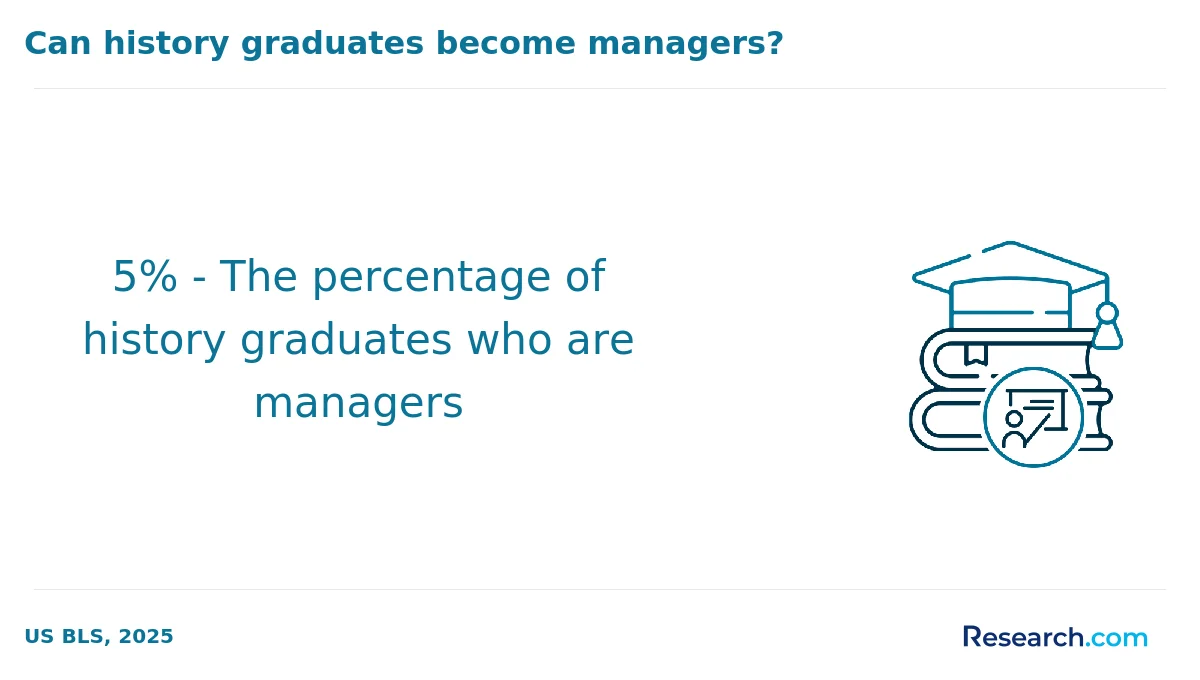
Graduates holding an online history degree in the South embark on diverse and exciting career paths that bring the past vividly to life. Many find joy in education, stepping into roles as history teachers or educational coordinators at Southern colleges and public schools, contributing to the expanding landscape of advanced coursework. Others dive into the vibrant world of public history and cultural resource management, joining museums or archives in cities like Charleston or Richmond, where they become curators or preservationists safeguarding regional heritage.
Some graduates channel their curiosity into government and legal fields, becoming policy analysts or cultural affairs officers who shape public understanding and policy in Southern communities. The business sector also welcomes history majors, tapping their communication prowess for careers as marketing analysts or corporate researchers, proving that the skills gained are versatile and valued.
For those exploring affordable options, Southern institutions often offer affordable online history degrees, making it easier to embark on these adventurous career journeys while managing costs.
These opportunities illustrate how an online history degree in the South opens doors to fulfilling careers infused with discovery and purpose, perfectly aligned with a passion for exploration.
The job market for graduates with an online history degree in the South offers a blend of traditional roles and emerging opportunities that ignite curiosity and encourage exploration. Graduates from well-known Southern universities often find themselves stepping into vibrant museums in Atlanta or archives in Nashville, fueled by their digital literacy skills honed through online courses. These roles range from museum curators to community historical consultants, making a career in heritage preservation feel like a personal adventure.
Career opportunities for history graduates Southern US are particularly promising in cities with rich cultural roots like Charlotte and nearby urban areas, where education and public service positions welcome fresh perspectives. Many graduates describe the flexible online programs as life-changing, allowing them to manage part-time jobs while diving deep into historical research and communication.
Those intrigued by the potential of history can explore paths like public historians or writers specializing in historical content, often starting with median salaries around $65,000. For those eager to learn more, pursuing an online history degree masters is seen as a gateway to a future full of discovery and impact.
2027 Most Valuable Online Bachelor's in History Degree Programs Ranking in the South
Investing in your education is a significant decision that can shape your future, and the Research.com team understands the importance of making informed choices. To assist prospective students in the South, we have meticulously crafted the "2027 Most Valuable Online Bachelor's in History Degree Programs Ranking in the South." Our commitment to quality, credibility, and accuracy is reflected in the extensive research and analysis conducted to compile this ranking.
We utilized the following reputable data sources to ensure a comprehensive evaluation of online history degree programs:
By exploring this ranking, readers will gain valuable insights into the most valuable online history degree programs available in the South, helping them make well-informed decisions about their educational paths. For more details on our methodology, please visit our Research.com methodology page.


# 5 position
University of Maryland Global Campus
Bachelor of History


# 8 position
Judson College
Bachelor of History



Frequently Asked Questions About history
Online history degree students in the South can maximize their learning experience by actively engaging with both digital and local resources. Many Southern universities offer access to extensive online archives, including the Southern Historical Collection at the University of North Carolina, providing rare primary documents. Students should participate in virtual seminars and forums to connect with peers and professors, enhancing understanding through discussion.
Incorporating regional history by exploring nearby museums or historical sites-often with virtual tours-adds practical context. According to the National Center for Education Statistics, over 40% of Southern history students benefit from blending online coursework with local research opportunities.
Additionally, utilizing academic databases like JSTOR for Southern history journals deepens knowledge. Consistent time management and setting clear study goals further improve success rates in online programs.
The field of history is evolving to include several emerging niches that appeal to students pursuing online history degrees in the South. One growing area is public history, which focuses on applying historical skills in museums, archives, and cultural resource management. According to the American Alliance of Museums, the South experiences steady growth in museum jobs, making this niche attractive.
Digital history is another expanding field. It uses technology like Geographic Information Systems (GIS) and digital archives to analyze and present historical data. Southern universities increasingly incorporate these tools into their online history programs.
Environmental history, addressing how humans have interacted with nature over time, also gains attention, especially given the South's unique ecological regions and climate challenges reported by the EPA. These specializations prepare students for diverse careers beyond traditional academia.
After completing an online history degree in the South, preparing for the job market involves several strategic steps. Graduates should focus on building relevant skills such as research, critical thinking, and effective communication, which are highly valued in fields like education, public history, and archival work. Networking through local historical societies and professional organizations, like the Southern Historical Association, can open doors to job opportunities.
Internships or volunteer positions at museums, libraries, or archives in Southern states provide practical experience. According to the Bureau of Labor Statistics, related occupations in the region have a projected growth rate of 6% through 2030. Additionally, obtaining certifications like the Certified Archivist credential can enhance employability.
Employers in the South value several key skills in history degree graduates. Critical thinking and analytical abilities are essential, allowing graduates to assess historical events and sources accurately. Strong written and verbal communication skills are also highly sought after, as many roles require clear presentation of complex information.
Research skills are crucial since history programs emphasize gathering and interpreting diverse data. According to the American Historical Association, Southern employers often look for proficiency in digital humanities tools, enhancing traditional research methods. Additionally, understanding regional history and its socio-economic impact can set candidates apart in the Southern job market.
These competencies prepare graduates for careers in education, museums, archives, and public policy.
Finding internships in the South relevant to a history degree involves targeting institutions tied closely to regional history and culture. Universities often partner with local museums, archives, and historical societies to offer practical experience. For instance, the Southern Historical Association and state historic preservation offices are valuable starting points for internship opportunities.
Many Southern states, such as Georgia and North Carolina, invest in historical programs and offer multiple internship listings during the academic year. The National Park Service also provides internships at several Southern historic sites, which are competitive but highly respected.
Students should utilize their university's career services and alumni networks. Online platforms like Handshake increasingly feature internships for history majors in the region. According to the American Historical Association, internships significantly improve job placement rates for graduates in history fields.
In the South, obtaining an online history degree can significantly enhance career mobility and advancement. Many regional employers value the critical thinking, research, and communication skills gained through a history program. According to the Bureau of Labor Statistics, roles in education, public history, and archival management-common regional career paths-are expected to grow by 6% through 2030, higher than the average for all occupations.
Online history degrees from Southern accredited institutions also offer flexible learning, allowing professionals to continue working while earning credentials. This flexibility supports career transitions and promotions.
Furthermore, Southern states often emphasize heritage preservation and cultural tourism, creating niche job markets where history degrees are especially relevant.
Studying for a history degree online in the South equips students with critical skills applicable across various fields. Southern universities often emphasize regional history, blending it with studies in politics, sociology, and cultural anthropology. This interdisciplinary approach helps students understand complex societal issues from multiple perspectives.
Many programs encourage analysis of primary sources alongside digital literacy, preparing graduates for roles in education, public policy, and media. According to the Southern Association of Colleges and Schools, history graduates in the South frequently pursue careers in government, museums, and business, where cross-disciplinary knowledge is valuable.
Such training enhances adaptability, making these degrees versatile for evolving job markets.
When choosing between a thesis and a non-thesis online history degree in the South, consider your career goals and learning style. Thesis programs typically require original research and a substantial writing project, which suits students aiming for graduate studies or research-intensive roles. Non-thesis options usually focus on coursework and exams, often favored by those seeking immediate entry into education, public history, or business sectors.
Southern universities, like those listed by the Southern Association of Colleges and Schools, often offer both options with varying credit requirements. According to the National Center for Education Statistics, over 60% of history bachelor's graduates in Southern states opt for non-thesis tracks, reflecting local job market demands. Understanding these differences will help you align your degree with professional objectives.
Students based in the Southern United States seeking to study history abroad have several online options supported by regional universities. Many Southern universities with accredited online history programs offer study abroad components or international research opportunities partnered with institutions overseas.
For example, schools in states like Georgia, North Carolina, and Texas often provide virtual exchanges or summer abroad sessions focusing on European or Latin American history. According to data from the Southern Association of Colleges and Schools, nearly 40% of history programs in the South integrate some form of global study experience.
These programs allow students to engage deeply with international history topics without relocating permanently, making them ideal for those balancing work or family commitments.
Students pursuing an online history degree in the South can enhance their education through several part-time job opportunities aligned with their field. Museum assistant and archival aide roles are common, especially in states like Virginia and Georgia, which host numerous historical sites and institutions. According to the U.S. Bureau of Labor Statistics, these positions often require skills in research, cataloging, and visitor engagement.
Additionally, part-time work as a library technician or heritage tour guide provides practical experience with historical materials and interpretation. Universities and local heritage organizations often seek students for such roles, offering flexible schedules compatible with online studies.
Online history students in the South benefit from multiple networking opportunities despite the remote format. Many Southern universities, such as the University of North Carolina and Georgia State University, offer virtual events, guest lectures, and alumni groups where students can connect with historians and professionals in the field.
Regional history associations, like the Southern Historical Association, also provide access to conferences and digital forums that attract scholars and practitioners focused on Southern history. These platforms enable online students to participate in discussions, share research, and build professional contacts.
Additionally, internships and cooperative programs with local museums and archives across Southern states allow online students to gain hands-on experience and expand their professional networks.
Alumni networks offer valuable support to online history degree students in the South by providing connections to professionals and academic opportunities. Many southern universities maintain active alumni groups that help graduates find internships and jobs in museums, archives, and educational institutions.
A study by the National Association of Colleges and Employers found that 85% of job placements happen through networking, underscoring alumni involvement's role in career development. Southern history alumni often share insights into regional job markets and local history organizations, which is crucial for online students who might lack on-campus resources.
These networks also facilitate mentorship, which improves student retention and success rates in online history programs across southern states.
Students pursuing an online history degree in the South have multiple options to tailor their studies to career goals. Many Southern universities offer specializations such as public history, archival studies, or regional American history, enabling focus on areas like Southern Civil War history or Civil Rights movements. Elective courses, research projects, and internships with local museums or historical societies allow practical experience and skill development relevant to careers in education, preservation, or cultural resource management. According to the National Center for Education Statistics, nearly 60% of online history programs in the South include customizable tracks and capstone projects that enhance professional readiness.
Online history students in the South often face challenges related to limited access to local archival resources. Many Southern universities have strong physical collections, but remote students may struggle to utilize these materials effectively. According to the Southern Association of Colleges and Schools Commission on Colleges (SACSCOC), access to comprehensive digital archives varies widely among institutions.
Another common issue is balancing coursework with personal or professional responsibilities, especially in states with higher employment rates among adults age 25 to 44. Online history programs require significant reading and critical analysis, which can be difficult without dedicated study time.
Additionally, some students report limited interaction with faculty and peers, impacting engagement and networking opportunities essential for academic success and career development.
With an online history degree from a Southern institution, you can pursue various professional certifications to enhance your career prospects. Many graduates opt for certifications in archival management, such as the Certified Archivist credential offered by the Academy of Certified Archivists, which is respected nationwide. This can be especially relevant in Southern states rich in historical sites and archives.
Other popular options include museum studies certifications or becoming a Certified Heritage Interpreter through the National Association for Interpretation. These certifications are valuable for positions in historic preservation or cultural resource management, fields that boast steady growth in the South.
Additionally, some history graduates may pursue teaching credentials if interested in education careers. According to the U.S. Bureau of Labor Statistics, such certifications typically increase employability and earning potential.
To write a winning application for an online history program in the South, start by clearly articulating your passion for history and how this degree aligns with your career goals. Highlight any relevant academic achievements, such as strong grades in history courses or research projects. Southern universities often look for applicants who demonstrate an understanding of regional history or its broader impact, so referencing this can strengthen your application.
Include a well-crafted personal statement that shows critical thinking and engagement with historical topics. Be sure to follow each school's specific requirements, such as submitting letters of recommendation and official transcripts. According to the Southern Association of Colleges and Schools, thorough and accurate documentation significantly improves admission chances.
A history degree offers diverse global career possibilities, emphasizing critical thinking and cultural awareness. Graduates can work in education, museums, archives, or government agencies worldwide. In the U.S. South, online history programs prepare students to engage with regional and global histories, reflecting the area's unique cultural heritage.
According to the American Historical Association, history majors have a median income of about $62,000 nationally, with roles in research, preservation, and public history growing steadily. Southern institutions often connect students to international study or internships, broadening global perspectives.
This foundation supports careers with organizations focused on cultural exchange, diplomacy, or international development, highlighting history's broad relevance beyond academia.
Gaining practical experience while pursuing an online history degree in the South is essential for building marketable skills. Many Southern universities offer internships with local museums, historical societies, and archives where students can apply research methods and archival techniques. For example, institutions like the Southern Historical Collection at the University of North Carolina provide digital internships that complement online coursework.
Students can also engage in virtual projects such as creating digital exhibits or contributing to community history initiatives. Participating in online research seminars or collaborating on faculty-led history projects helps deepen understanding and develop critical analytical skills. Networking through regional history organizations further enhances career prospects.
Choosing the right concentration within an online history degree in the South begins with understanding your career goals and interests. Southern universities often offer specializations such as Civil Rights history, Southern culture, or American military history. According to the National Center for Education Statistics, concentrations focusing on regional history can enhance job prospects in museums, archives, and education within the region.
Consider how local history connects with your interests and the job market. For instance, a focus on Civil Rights history aligns well with several Southern states' rich historical narratives and ongoing social studies initiatives. Research program curriculums and faculty expertise to find strong regional offerings.
- Finding Networking Opportunities as a Student https://www.nshss.org/resources/blog/blog-posts/how-to-find-networking-opportunities-as-a-student/
- 2026 Most Affordable Online History Degrees https://www.onlineu.com/most-affordable-colleges/history-degrees
- Undergraduate History Student Opportunities https://warwick.ac.uk/fac/arts/history/students/studentopportunities/
- Online History Degrees https://mycollegeguide.org/online-history-degrees/
- History (B.A.) https://king.edu/programs/humanities/history/
- Talent development in history education https://journals.uclpress.co.uk/herj/article/pubid/Hist_Educ_Res_J-23-16/print/
- My Top 3 Recommendations on Networking in the History ... https://anhistorianabouttown.com/recommendations-on-networking-in-the-history-world/
- Bachelor of Arts in History Online https://www.nsu.edu/History-and-Interdisciplinary-Studies/History-Online
- Undergraduate Online Financial Aid | Bushnell University https://www.bushnell.edu/financial-aid/undergraduate-online/
- Free Online History Course for College Credit https://www.onlinedegree.com/free-courses/history-turning-points-modern-history/