2027 Easiest Online History Degree Programs Ranking in the South

Co-Founder and Chief Data Scientist
Thinking about pursuing a history degree but unsure where to start? This article introduces the 2027 Easiest Online History Degree Programs Ranking in the South, developed by the Research.com team of data scientists to guide you in making an informed decision.
Exploring history online offers flexibility and valuable skills in critical thinking and research. By reading this ranking, you'll discover accessible programs that fit your lifestyle and goals.
Whether you want to deepen your understanding of the past or boost your career prospects, this guide highlights programs worth considering. Your journey toward a rewarding history degree begins here.
Key benefits of getting online history degree in the South
- History degree graduates in the South can pursue careers in education, research, and public service, with typical salaries ranging from $45,000 to $65,000 annually, offering financial stability and growth opportunities.
- Graduates from popular Southern universities often find diverse career paths, including museum curation, archival management, and cultural resource management, which allow for engaging and meaningful work connected to history.
- Online history degrees from respected Southern institutions provide flexibility for working adults, enabling students to balance life and studies while gaining the same quality education and valuable skills as traditional programs.
- 2027 Easiest Online History Degree Programs Ranking in the South
- What can I expect from online history degree in the South?
- Where can I work with online history degree in the South?
What can I expect from online history degree in the South?
The average cost of earning an online history degree in the South typically ranges from $12,000 to $30,000 for a bachelor's program, depending on the institution and residency status. Many students find that programs at schools like the University of North Carolina at Greensboro or the University of Alabama offer exceptional value, combining affordability with high-quality instruction.
Graduates often share how the investment in their education opened doors to fulfilling careers while balancing work and family life. Flexible online formats allow them to access engaging coursework covering Southern history's rich cultural heritage without relocating or changing jobs. This balance brings a sense of accomplishment and motivation, knowing they are advancing their education affordably from home.
Financial aid and scholarships also help reduce costs, making degree programs even more accessible. For many Southern learners, pursuing history online represents a meaningful and achievable step toward personal growth and professional success in vibrant and rewarding fields like public history, education, and cultural resource management.
Where can I work with online history degree in the South?
Graduates with an online history degree from well-regarded Southern universities often find themselves shaping young minds as high school teachers or educational coordinators in both public and private schools. Imagine inspiring students in vibrant cities like Charleston or Savannah, where history comes alive daily. This region's steady 5% projected growth in education jobs offers real hope and stability for passionate educators.
Many graduates have embraced careers in museums and cultural institutions, becoming curators, archivists, or exhibit designers who bring Southern heritage to life in places like New Orleans. Working in these dynamic environments allows history lovers to connect with communities and preserve rich local stories.
Others leverage their degrees in state archives or government offices, safeguarding historic records and supporting preservation efforts. Graduates from Southern colleges often express pride in contributing to public history initiatives funded by their states.
For some, the online history degree is a launchpad to exciting paths in law, journalism, or public policy, where historical insight is a powerful tool for analysis and advocacy. These meaningful roles reflect the diverse opportunities uniquely available throughout the South.
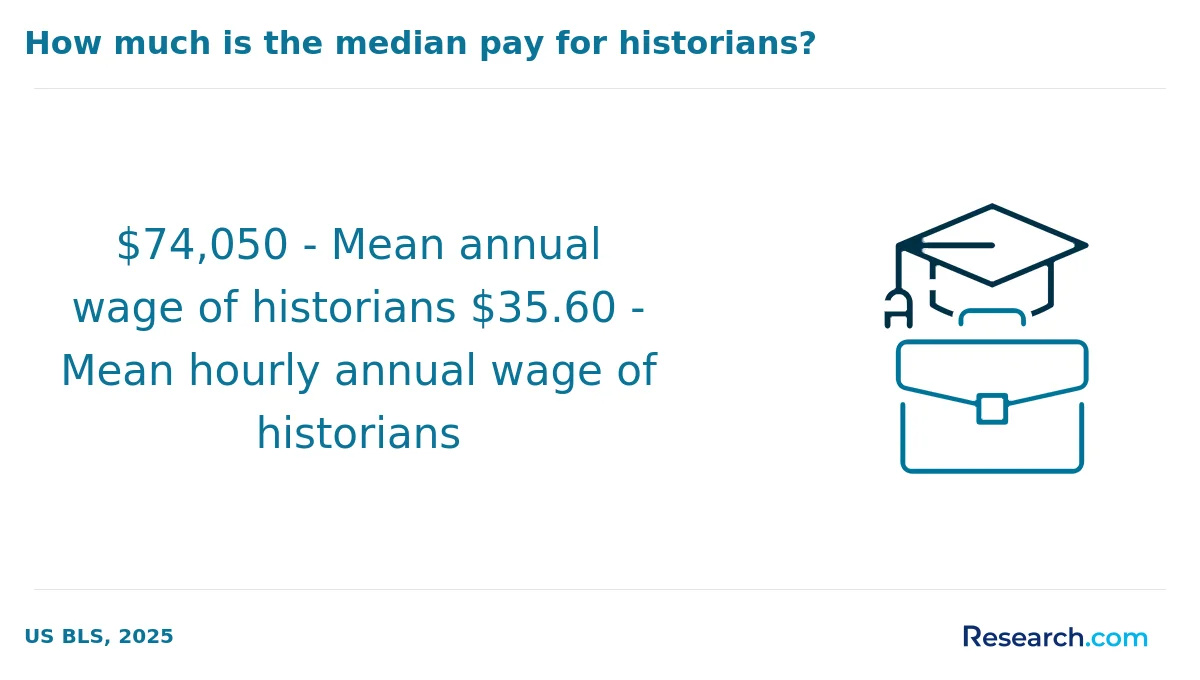
Graduates with an online history degree in the South often find rewarding opportunities that match their passion for the past and promise steady earnings. While exact salary data from the Bureau of Labor Statistics for specific roles is unavailable, history graduates nationwide typically earn a median annual wage near $63,000. Southern alumni report competitive starting salaries around $40,000 to $50,000, especially in states like Texas and Florida, home to well-regarded institutions such as the University of Florida and Texas A&M.
Many graduates pursue careers as educators or cultural managers, thriving in museums, schools, and archives. For instance, history teachers in Southern colleges or public schools often earn between $45,000 and $70,000, with well-established professionals seeing even higher salaries as they gain experience and advanced degrees.
This upward trajectory motivates many students to continue their studies while working in vibrant cities like Atlanta or Nashville, blending their love for history with tangible financial growth. These pathways demonstrate how dedication and advanced learning can elevate both career satisfaction and income.
- Online history degrees in the South are offered by accredited universities in states like Georgia, North Carolina, Florida, and Texas, with programs focusing on American, Southern, and global history.
- Total tuition for a bachelor's degree typically ranges from $15,000 to $30,000, with public universities charging $200 to $300 per credit hour for in-state students and private colleges over $400 per credit hour.
- Financial aid and scholarships are available for many online history programs, helping to reduce overall costs.
- Entry-level salaries for history graduates average around $40,000 per year, with roles including museum technicians, archivists, and research assistants.
- With experience or a master's degree, annual salaries can rise to $55,000-$65,000, especially in historical consulting, preservation, or secondary education.
- Online history degrees usually meet state certification requirements for public school teaching and support careers in public history, heritage management, and digital archives.
Completing an online history degree in the South offers flexibility that fits your life and goals. Most full-time undergraduates from universities like the University of North Carolina or Texas A&M finish their bachelor's in about four years, while many part-time students find joy in pacing their studies over six years or more, balancing work and family. Graduates often share how this adaptability made their educational journey less stressful and more rewarding.
Associate degrees typically take around two years, serving as a springboard for those looking to dive deeper into history by continuing their education. For those pursuing a Master's degree, the timeframe shortens to one or two years full-time, with part-time options extending to three years, ideal for busy professionals eager to advance their expertise.
Southern schools also recognize prior learning, accepting up to 90 transfer credits, allowing seasoned learners to accelerate toward their diploma. The opportunity to take extra courses or summer sessions at Florida State University, for example, empowers students to reach their dreams faster while fitting studies around their lives.
Choosing between an online or on-campus history degree in the South offers exciting opportunities tailored to your lifestyle. Imagine accessing lectures from anywhere, balancing your studies with work or family, as many online students from the University of North Carolina at Greensboro have experienced. This flexibility empowers you to learn on your terms without sacrificing quality, as these programs match the curriculum of their on-campus counterparts.
On the other hand, attending classes physically on campuses like Florida State University provides vibrant face-to-face interactions and lively discussions that foster deep connections with peers and professors. Graduates often treasure the hands-on campus resources and immediate support that enrich their academic journey.
Both paths inspire a commitment to history and develop valuable skills recognized by employers across the South. Whether studying in a cozy home setting or bustling classroom, students discover dynamic ways to engage with history and prepare for meaningful careers, making education both accessible and empowering.
The average cost of an online history degree in the South offers a promising investment for those eager to deepen their understanding of the past while shaping their future. For many students attending well-known institutions in this region, the median total cost of completing such a degree is around $53,760. Those who qualify for in-state tuition often see a more affordable pathway, with median costs near $43,860, making accessible education a reality for residents eager to explore historical studies from schools like the University of Florida or the University of Georgia.
Graduates from southern universities often reflect on how the combination of affordable tuition and quality online programs gave them the flexibility to balance work, family, and studies while immersing themselves in history. For out-of-state students, the median total cost rises to about $64,116, which still represents a valuable and competitive price for gaining a respected education from institutions known throughout the South for excellence in humanities.
For those seeking affordable online history degree programs southern states are proud to offer options that blend affordability with strong academic support. Many find that the personal attention and accessible resources online foster a sense of connection and achievement, inspiring students to pursue further career opportunities. If you're curious about what jobs can you do with a history degree, exploring detailed paths through what jobs can you do with a history degree can add clarity and motivation on your educational journey.
Many students pursuing an online history degree in the South discover that financial aid transforms their educational journey into an achievable dream. Graduates from universities like the University of Georgia and University of North Carolina speak of how federal aid, especially Pell Grants awarded through FAFSA, provided essential support-sometimes covering up to $7,395 annually. This relief makes balancing studies and life far less stressful.
State scholarships, such as Georgia's HOPE Scholarship or Tennessee's Education Lottery Scholarship, further brighten the path, motivating students to maintain strong GPAs while enjoying flexible online courses. These awards often feel like personalized support that encourages persistence and achievement.
Additionally, many Southern institutions offer merit-based and need-based aid tailored to online history learners, lightening the financial load. Imagine a student who leveraged employer tuition assistance along with private scholarships to graduate debt-free, proudly following their passion for history without compromise.
To enroll in an online history degree program in the South, students typically need a high school diploma or GED, laying the foundation for academic success. Many graduates from Southern universities, like those from the University of North Carolina system or Florida State University, reflect on how this basic credential empowered them to start their journey with confidence. Some schools may request completion of courses in English or social studies, helping you build essential skills before diving into deeper historical analysis.
While standardized tests like the SAT or ACT were once a major hurdle, many Southern institutions now embrace test-optional policies. This change opens doors wide, encouraging students to showcase their dedication and passion for history instead of just exam scores. For transfer students or those returning to complete their degree, submitting college transcripts and meeting GPA benchmarks-usually around 2.0 to 2.5-helps universities recognize your prior achievements and readiness.
Letters of recommendation or personal statements can highlight your unique story and motivation, giving admissions teams a glimpse of your enthusiasm for history. Graduates often recall how sharing their passion made all the difference in gaining acceptance. These prerequisites are designed not to limit, but to prepare you for success in a vibrant, supportive online learning community in the South.
Online history degree programs in the South offer an enriching curriculum that brings history alive through a mix of broad survey courses and specialized regional studies. Graduates from popular Southern universities often recall their excitement studying U.S. History to 1877 and Modern European History, where they connected nationwide events to the roots of their own communities.
Many find inspiration in courses that explore the South's unique past, such as Civil War history, Reconstruction, and civil rights movements. These classes deepen a student's pride and understanding of local heritage, making each lecture feel personal and meaningful. For example, students often describe how learning about the history of Native American tribes in the South illuminated untold stories close to home.
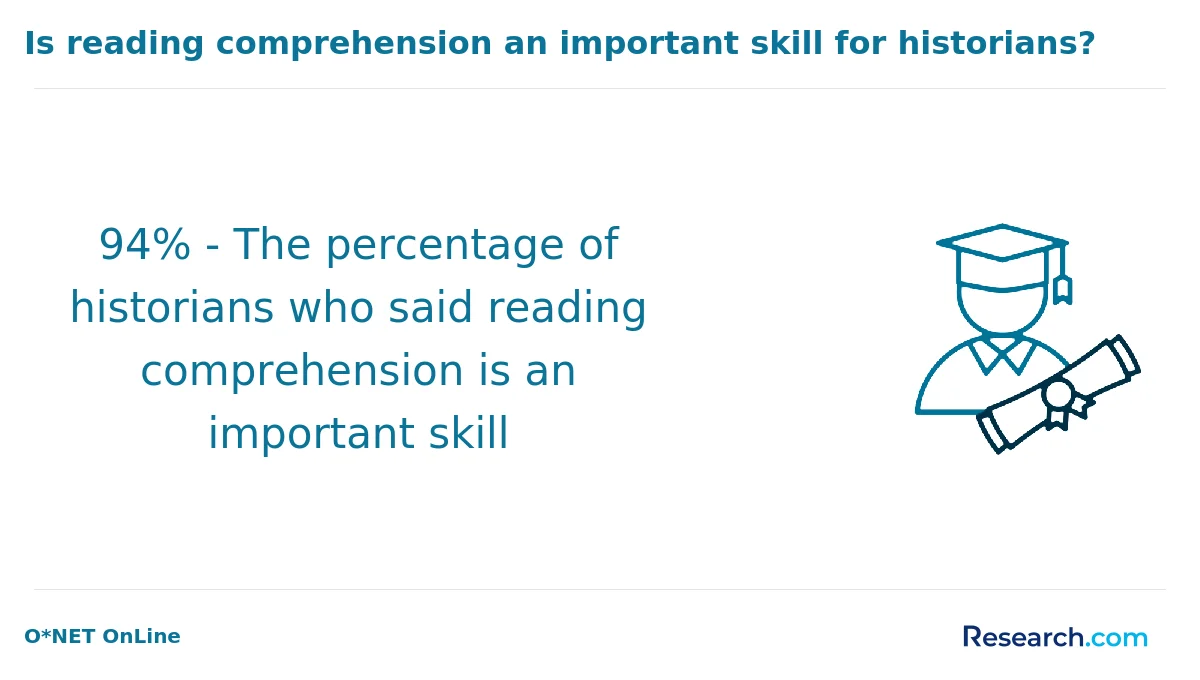
Analytical courses like Historical Methods equip students with the skills to critically assess primary sources and craft compelling historical arguments. These practical experiences prepare learners to pursue careers that impact education, preservation, and public history, turning passion into purpose and creating a rewarding journey.
Students pursuing online history degree specializations in the South discover a world of fascinating fields that connect their studies to the rich heritage and dynamic culture of the region. Graduates from well-known Southern universities often share the excitement of delving deeply into American History, focusing on transformative events like the Civil War and Civil Rights Movement that shaped their communities. This specialization offers a profound sense of identity and pride, inspiring students to preserve and share their region's stories.
Other students choose Public History, gaining practical skills in museum work, archives, and digital preservation, often partnering with local cultural institutions in the South. This path creates rewarding opportunities to engage with history hands-on and enrich public understanding. Many also explore World or European History, broadening their perspective and appreciating the global forces impacting the Southern states.
To explore the full types of history degree options available, Southern students benefit from programs that balance academic excellence with career-focused training, fostering a passion for lifelong learning.
Choosing the best online history degree in the South means focusing on accredited programs that combine strong curriculum with engaging faculty. Many graduates from popular universities in the region share how faculty expertise in Southern culture and Civil Rights history deepened their connection to the material and empowered their learning journeys. These programs often offer the flexibility needed to balance studies with busy lives, making asynchronous classes and robust student support vital for online learners.
Affordability plays a big role too. Students pursuing affordable online history degrees southern US appreciate transparent tuition rates and access to scholarships tailored for history majors, ensuring investing in their education feels worthwhile. Graduates often highlight how diverse course offerings, from world to regional history, provided a well-rounded understanding that opened doors to careers in education and public service.
If you're curious about future prospects, exploring masters in history jobs related to your degree can inspire your path and confirm the value of studying history online in the South.
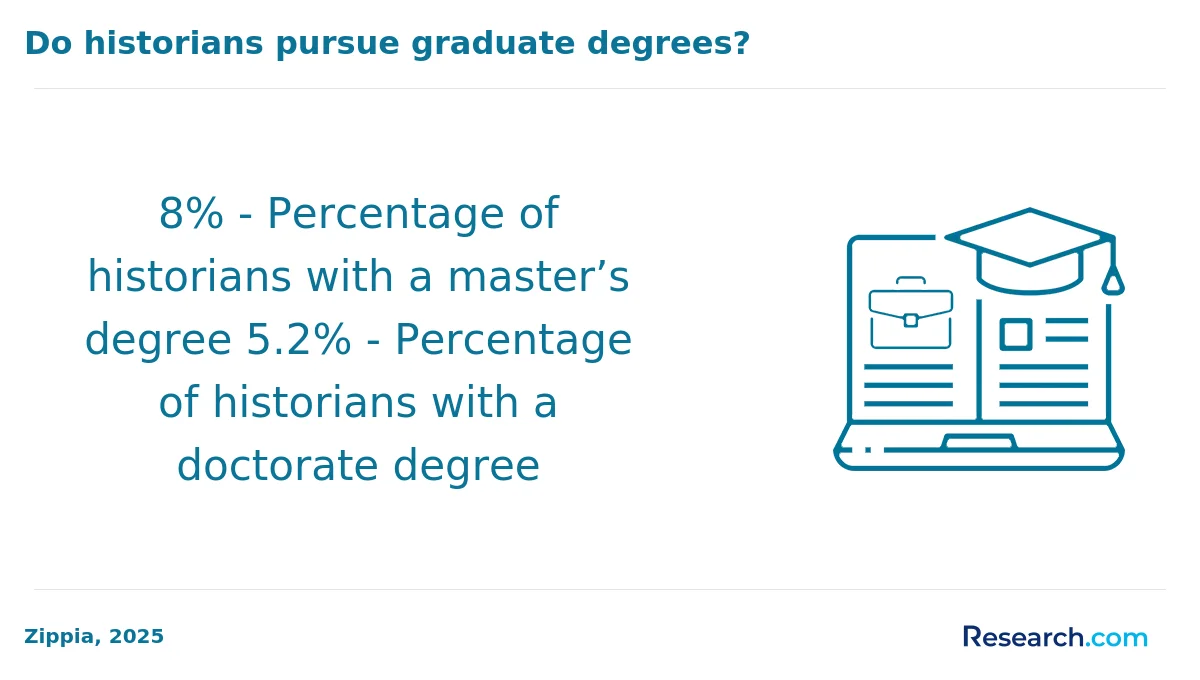
Graduates from southern universities offering online history degrees find inspiring career paths that connect them deeply to the region's rich heritage. Many pursue rewarding roles as middle or high school history teachers, shaping young minds in states like Georgia and South Carolina, where the demand for passionate educators is growing. Others engage with the vibrant museum and cultural sectors in Louisiana and Tennessee, becoming curators or historians who bring local stories to life, using skills gained through their online programs.
For those drawn to public history, opportunities abound in government agencies and national parks throughout the South. Graduates often find fulfilling work as preservation specialists or historical consultants, contributing to the stewardship of treasured sites. Alumni from well-known southern colleges frequently share how their careers in public administration or cultural resource management have become a powerful way to give back while pursuing their passions.
The diverse job opportunities with a history degree Southern states offer also include research analyst roles, publishing careers focused on southern history, and nonprofit positions advocating cultural preservation. Many students balancing life and studies choose programs from popular public universities thanks to their affordability, as highlighted by options found among the cheapest online history degree programs. This combination of accessibility and meaningful career potential makes an online history degree an exciting choice for southern students.
The job market for graduates with an online history degree in the South is vibrant and full of opportunity. Many graduates from popular institutions like the University of Alabama and the University of Florida have found meaningful careers in education, museums, and government roles. Their experiences show that the South's rich cultural heritage and commitment to education create diverse paths for history majors, whether in teaching at community colleges or working in local museums.
Employment in education continues to grow, with a 12% projected rise in demand for postsecondary teachers, making history degrees a valuable asset. Graduates often enhance their prospects by gaining skills in digital archiving and research methodologies, opening doors to positions in archives and public policy. For those exploring career options, studying at Southern schools fosters connections that lead to internships and job offers.
Students interested in this pathway can learn more about advancing their expertise through an online masters in history. With tuition costs ranging from $15,000 to $30,000, the investment in an online degree offers a competitive edge in the Southern job market for history degree career opportunities Southern US.
2027 Easiest Online History Degree Programs Ranking in the South
Investing in your education is a significant decision that can shape your future, and the Research.com team understands the importance of making informed choices. To assist prospective students in the South, we have meticulously crafted the "2027 Easiest Online History Degree Programs Ranking in the South." Our commitment to quality, credibility, and accuracy is reflected in the extensive research and analysis conducted to compile this ranking.
We utilized the following reputable data sources to ensure a comprehensive evaluation of history degree programs:
By exploring this ranking, readers will gain valuable insights into the easiest online history degree programs in the South, helping them make informed decisions with confidence. For more details on our methodology, please visit our Research.com methodology page.
# 1 position
University of Maryland Global Campus
Bachelor of History


# 13 position
Mary Baldwin University
Bachelor of History


# 15 position
Judson College
Bachelor of History



# 19 position
Texas A&M University - Victoria
Bachelor of History


Frequently Asked Questions About history
Online history degree students in the South can maximize their learning by actively engaging with digital archives and regional resources. Southern universities often provide access to valuable historical collections like the Southern Historical Collection at the University of North Carolina. Utilizing these materials deepens understanding beyond textbooks.
Participation in virtual seminars and discussion groups also enhances critical thinking and allows students to connect with peers and faculty across the region. According to the National Center for Education Statistics, Southern states have increased online history course offerings by 15% since 2020, providing more interactive opportunities.
Additionally, students should leverage local history museums and societies, many of which offer online content and virtual events focusing on Southern history. Combining these resources creates a richer, more comprehensive education.
The field of history is evolving, with several emerging niches gaining attention among scholars and students. In the South, digital history is rapidly expanding, utilizing technology to analyze and present historical data interactively. This trend aligns with growing investments in digital archives by universities like the University of North Carolina.
Environmental history is another niche attracting interest, especially given the South's complex relationship with agriculture and climate. Programs increasingly explore how natural landscapes have shaped social and political developments.
Cultural heritage and public history continue to grow, focusing on preserving local histories and engaging communities. According to the Southern Historical Association, these areas show strong job growth in museums and cultural institutions throughout the region.
Preparing for the job market after earning an online history degree in the South involves combining academic knowledge with practical skills. Graduates should pursue internships or volunteer opportunities with local historical societies, museums, or archives to gain hands-on experience.
Networking is essential; joining organizations such as the Southern Historical Association can connect students with professionals and job openings in the region. According to the U.S. Bureau of Labor Statistics, the demand for history-related jobs in education and heritage management continues to grow modestly, especially in Southern states with rich historical landscapes.
Additionally, developing digital literacy, including proficiency in research databases and archival software, enhances employability in an increasingly tech-driven job market.
Employers in the South highly value history degree graduates who demonstrate strong research and analytical skills. According to the Southern Association of Colleges and Schools Commission on Colleges (SACSCOC), students trained in online history programs develop critical thinking abilities essential for interpreting complex historical data.
Communication is another key skill. Graduates must clearly present historical arguments in writing and speech, which is crucial for roles in education, museums, and public service. Additionally, proficiency in digital literacy, including using archives and databases, is increasingly important.
Knowledge of Southern history and cultural contexts adds a competitive edge when seeking employment in the region.
Finding internships in the South relevant to a history degree involves leveraging local museums, historical societies, and government archives. Many Southern states have rich cultural heritage organizations seeking interns, such as the Georgia Historical Society or the Louisiana State Museum. Online degree students should explore university career centers which often maintain partnerships with regional institutions.
Students can also use databases like the National Council on Public History's internship listings, focusing on Southern states. Networking through virtual conferences and joining professional groups such as the Southeastern Museums Conference can increase opportunities. According to the American Historical Association, internships often lead to fruitful employment connections in history-related fields.
An online history degree in the South can significantly enhance career mobility and advancement. According to the Southern Association of Colleges and Schools Commission on Colleges, many Southern institutions offer accredited online history programs, ensuring recognition by employers. Graduates typically find opportunities in education, museum curation, public history, and government roles. The U.S. Bureau of Labor Statistics reports that jobs related to historians and archivists are projected to grow by 6% through 2032 nationwide, with Southern states investing in cultural preservation and education.
Online degrees also enable working adults to continue employment while earning credentials, making career shifts or promotions more accessible. Employers increasingly value the research and analytical skills obtained through history programs, which aids advancement in public service and nonprofit sectors common in Southern economies.
Studying for an online history degree in the South offers students an excellent foundation for interdisciplinary careers. Southern universities often integrate history with fields like political science, anthropology, and cultural studies, reflecting the region's rich and diverse past. This approach enables students to analyze historical events alongside social, economic, and political factors, fostering versatile critical thinking skills.
Many programs emphasize research methods and offer access to extensive archives related to Southern history, aiding skills transferable to public policy, education, and museum work. According to the Southern Association of Colleges and Schools, over 60% of history graduates pursue roles beyond traditional history fields.
When choosing between a thesis and a non-thesis online history degree in the South, consider your career goals first. Thesis programs usually require original research, which is ideal if you plan to pursue graduate studies or a research career. Non-thesis options, often focused on coursework, suit those seeking practical skills or aiming for teaching or public history roles.
Time commitment differs: thesis tracks can take longer due to the research and writing process. According to the Southern Association of Colleges and Schools Commission on Colleges (SACSCOC), many Southern institutions offer both options, tailored to diverse student needs.
Students based in the South interested in studying history abroad have several practical options through US institutions offering online degrees. Many Southern universities partner with international schools to provide study abroad components that can complement online history programs. These partnerships allow students to earn credits overseas while maintaining enrollment in their home university.
For example, several accredited Southern schools provide summer or semester exchanges with European and Latin American universities renowned for history studies. This flexibility helps students gain global perspectives without interrupting their online coursework.
According to the Institute of International Education, in 2022, nearly 10% of study abroad participants were history majors, many from Southern states like Florida and Georgia.
Furthermore, some programs offer virtual international internships or research projects focused on global historical topics, expanding study abroad benefits digitally for Southern online learners.
Students pursuing online history degrees in the South can benefit from various part-time job opportunities that enhance their academic knowledge and practical skills. Museums and historical sites across states like Virginia and Georgia often hire part-time docents or archivists, providing hands-on experience with artifacts and public history interpretation.
Local libraries and research centers also offer positions for assisting with cataloguing and historical research. According to the U.S. Bureau of Labor Statistics, employment for archivists and curators is expected to grow by 10% from 2021 to 2031, reflecting increasing demand for skilled workers in this field.
Additionally, roles such as teaching assistants at community colleges and internships with preservation societies can complement coursework and boost a resume. These jobs develop skills in research, communication, and critical thinking that are essential for history graduates aiming at diverse career paths.
Online history students in the South have various networking opportunities designed to connect them with peers, faculty, and professionals. Many Southern universities offer virtual events, such as webinars and guest lectures, featuring historians specializing in Southern U.S. history. According to the Southern Historical Association, institutions in the region often collaborate with local museums and archives, providing online students access to exclusive internships and research projects.
Moreover, professional organizations like the Southern Historical Association and state historical societies host annual conferences with virtual attendance options. These events allow students to present research and expand their academic network without relocating.
Southern schools also encourage participation in online forums and student groups focused on history topics, creating virtual communities that foster long-term professional relationships.
Alumni networks play a crucial role for online history degree students in the South by providing valuable professional connections and mentorship. Graduates from Southern universities with strong history programs often advance into fields like education, public history, and archives, where networking is essential. According to the American Historical Association, alumni support can increase job placement rates by up to 20% in history-related roles.
These networks facilitate access to internship opportunities within local museums, historic sites, and government agencies, which are abundant in Southern states rich in cultural heritage. Students also benefit from career advice tailored to the competitive regional job market. This support can bridge the gap between virtual learning and real-world experience.
Customizing an online history degree in the South allows students to align their education with specific career ambitions. Many programs offer concentration options such as public history, archival studies, or Southern history, catering to diverse interests.
Electives enable deeper exploration of topics like Civil Rights or Colonial America, which are often emphasized in Southern universities. Students can also engage in internships with regional museums or historical societies, gaining practical experience relevant to Southern heritage.
Advising services help tailor course selections to career paths in education, research, or cultural resource management. According to the Southern Association of Colleges and Schools Commission on Colleges, more institutions now provide flexible online formats for personalized learning.
Online history students in the South face several notable challenges. Limited access to high-speed internet remains a barrier for many rural learners, affecting their ability to participate in live discussions and access multimedia content efficiently. According to the Federal Communications Commission, approximately 22% of the rural South lacks broadband coverage as of 2023.
Another issue is finding programs that incorporate regional history accurately, as some curricula may not fully reflect the rich and complex history of the Southern United States. Additionally, online students often struggle with fewer direct interactions with faculty and peers, which can impact engagement and networking opportunities.
Lastly, balancing coursework with professional or family responsibilities remains a significant challenge, especially given the asynchronous nature of many online history programs. These factors combine to shape the experience of online history education in the region.
Graduates with an online history degree can pursue various professional certifications to enhance their career prospects. Common certifications include the Certified Archivist credential, offered by the Academy of Certified Archivists, which is valuable for those interested in managing historical records. Additionally, museum professionals often seek the Certified Museum Professional (CMP) certification from the American Alliance of Museums.
For those aiming at education, obtaining state teaching certification in social studies or history is a typical path, especially in Southern states where history education is integral to curricula. The National Council for History Education offers resources for further credential development. These certifications strengthen employment options in archives, museums, education, and cultural resource management.
When applying to an online history degree program in the South, demonstrate genuine interest by tailoring your application to highlight your passion for Southern history. Universities often value applicants who understand regional contexts, such as Civil Rights movements or Appalachian studies. Include a well-crafted personal statement that connects your background and goals with the program's strengths. Be sure to showcase relevant experience, like research projects or volunteer work related to history.
Strong letters of recommendation from educators familiar with your academic skills can significantly boost your application. Additionally, emphasize any familiarity with online learning tools to reassure admissions committees of your readiness. According to the National Center for Education Statistics, Southern institutions increasingly prioritize applicants who can articulate clear academic and career objectives in their statements.
History careers are valued worldwide for their ability to provide critical thinking and research skills. In the United States, particularly in the South, a history degree often leads to work in education, government, and cultural institutions. According to the American Historical Association, nearly 70% of history bachelor's graduates find employment in fields related to their degree.
Globally, history graduates contribute to preserving cultural heritage and advising on policy through international organizations. In the South, online history programs have grown by 15% over the past five years, reflecting increasing demand for flexible education options.
These programs prepare students for roles such as archivists, museum curators, and historians with an international focus, aligning U.S. education with global career opportunities.
Gaining practical experience while studying for an online history degree in the South is achievable through various avenues. Many universities encourage internships at local museums, archives, or historical societies, especially in historically rich states like Virginia and Georgia. These placements help students apply classroom knowledge to real-world settings.
Online programs often partner with Southern heritage sites, enabling remote research projects or virtual internships. According to the American Historical Association, internships can enhance resumes and increase job prospects by over 30% for history graduates.
Additionally, students should seek out digital history projects or contribute to online archives, which are valuable practical experiences without geographical constraints.
Choosing the right concentration within an online history degree program in the South involves understanding your career goals and interests. History programs often offer focuses such as American History, Southern History, Public History, or Museum Studies. Data from the Southern Association of Colleges and Schools suggests concentrations tied to regional history can enhance job prospects in local institutions.
Consider programs that align with your intended field, such as education or archival work. Reviewing course offerings and faculty expertise helps identify strengths. Research the demand for specialists in areas like Civil Rights history or Southern political history, as these are prominent in Southern universities. Align your choice with both passion and practical outcomes.
- History (B.A.) https://king.edu/programs/humanities/history/
- What Can I do With a History Degree? https://theinterngroup.com/our-blog/what-can-i-do-with-a-history-degree
- How a Strong Alumni Network Can Benefit Students https://www.pacificu.edu/blog/how-strong-alumni-network-can-benefit-students
- The Challenges of Studying History in School | Education Research Project Topics and Materials https://educationtopics.com.ng/the-challenges-of-studying-history-in-school/60853/history-education/
- How to Become a History Researcher: Steps and Career Outlook https://online.norwich.edu/online/about/resource-library/how-become-history-researcher-steps-and-career-outlook
- 4 Steps to Find History Research Opportunities as an Undergraduate https://www.coltie.com/post/4-steps-to-find-history-research-opportunities-as-an-undergraduate
- THE list of internships for history majors https://employedhistorian.com/history-major/internships-for-history-majors/
- Master's History Application - Sample Letter (EN) https://ai.mystudies.com/blog/mystudies-writing-examples/application-for-master-program-history-20-06-2025.html
- History majors should have a more global perspective - The Lamron https://www.thelamron.com/opinion/history-majors-should-have-a-more-global-perspective
- My Top 3 Recommendations on Networking in the History World | An Historian About Town https://anhistorianabouttown.com/recommendations-on-networking-in-the-history-world/