2027 Most Valuable Online Master's in History Degree Programs Ranking in the USA

Co-Founder and Chief Data Scientist
If you're considering advancing your education in history, choosing the right online master's program can make all the difference. This article presents the 2027 Most Valuable Online Master's in History Degree Programs Ranking in the USA, crafted by the Research.com team of data scientists.
Carefully designed to help you navigate options, this ranking highlights programs that offer great value, quality, and career potential. Whether you're passionate about historical research or aiming to enhance your professional prospects, a history degree opens doors to enriching opportunities.
Read on to find guidance that supports your goals and inspires confidence in your next steps.
Key benefits of getting online history degree in America
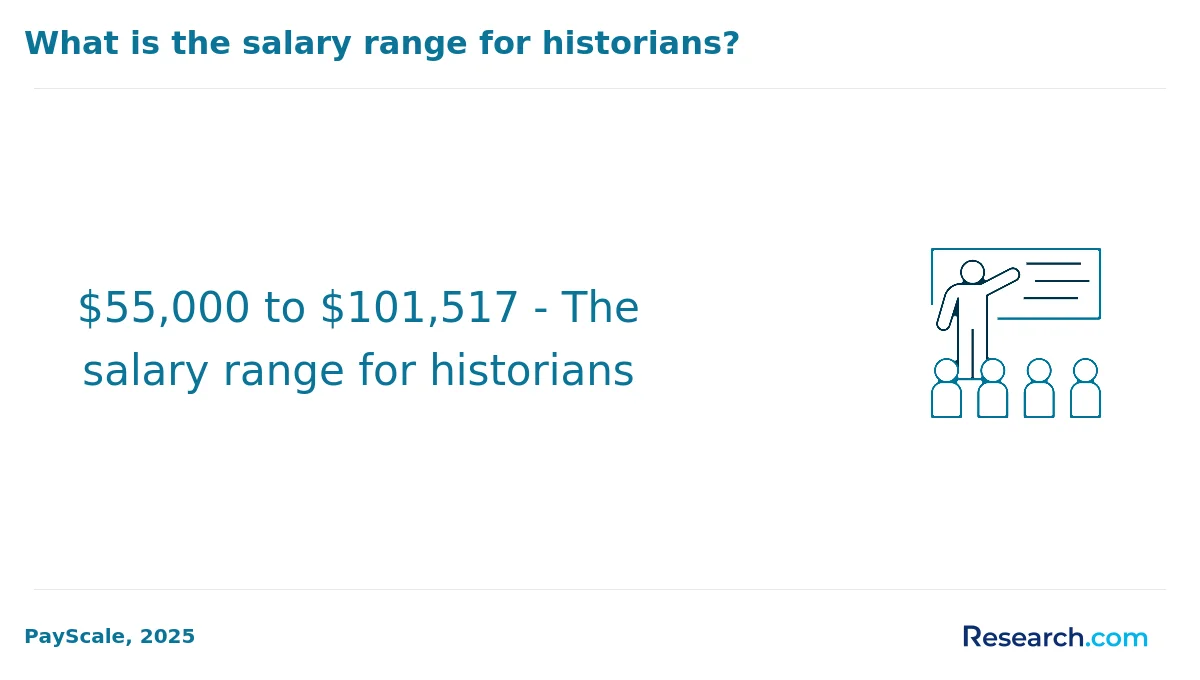
- History degree graduates can find rewarding careers such as archivists, curators, or historians, with median salaries around $56,000 to $63,000 annually, reflecting a stable income path.
- Graduates from large universities like the University of Michigan often pursue diverse roles in education, research, or public policy, showing the versatile opportunities a history degree offers.
- Online history degrees from institutions like Arizona State University provide flexibility to balance work and study, making it easier to gain skills without interrupting your life.
- Key benefits of getting online history degree in America
- What can I expect from online history degree in America?
- Where can I work with online history degree in America?
- How much can I make with online history degree in America?
- 2027 Most Valuable Online Master's in History Degree Programs Ranking in the USA
- Key Findings
- How long does it take to complete online history degree in America?
- What's the difference between online and on-campus history degree?
- What is the average cost of online history degree in America?
- What financial aid is available to online history degree students in America?
- What are the prerequisites for enrolling in online history degree program in America?
- What courses are typically in online history degree programs in America?
- What types of specializations are available in online history degree programs in America?
- How do you choose the best online history degree in America?
- What career paths are available for online history degree students in America?
- What is the job market for online history degree in America?
- Top Trending History Rankings
What can I expect from online history degree in America?
The average cost of an online history degree in America generally ranges between $15,000 and $40,000 for a full master's program, depending on the institution and residency status. Graduates from well-known universities often share how their investment felt worthwhile, especially when programs blended rigorous coursework with flexible schedules, enabling them to balance work and family. Imagine enrolling in a program from a respected college like Arizona State University or the University of Illinois-students there frequently praise access to extensive digital archives and passionate professors who bring history to life through interactive lectures.
Many students find joy in exploring primary sources and discussing global historical perspectives alongside peers from across the country-experiences that make online learning vivid and engaging. The price tag reflects not just tuition but also access to quality resources and networking opportunities. For those passionate about history, the cost becomes part of an exciting journey toward mastering research skills and storytelling tools, laying a strong foundation for careers in education, public history, or advanced scholarship.
Where can I work with online history degree in America?
Graduates with an online history degree in America often find themselves stepping into fascinating worlds-from lively classrooms to revered museum halls. Many become passionate teachers at K-12 schools or community colleges, sharing stories from the past with eager learners. Imagine a graduate from Arizona State University inspiring students with tales of ancient civilizations while enjoying a steady 8% growth in teaching jobs nationwide.
Others dive into public history roles, curating exhibits at museums or preserving artifacts at cultural institutions. A graduate from the University of Florida might spend their days designing engaging displays that bring history to life, blending research skills with creativity. These careers channel curiosity and dedication toward preserving America's heritage.
Government careers also beckon, where alumni contribute to cultural resource management or policy analysis at agencies like the National Park Service. Graduates from the University of North Carolina often embrace these roles, turning historical knowledge into tools for protecting national treasures.
Then there are those who explore research firms or media outlets, crafting compelling stories or analyzing historic data. Whether writing for a publishing house or advising on legal cases, history grads from universities such as Boston University relish the variety and relevance their degree offers every day.
How much can I make with online history degree in America?
Graduates earning an online history degree in America often embark on exciting career adventures with varied earnings. Many find rewarding paths beyond just historian roles-imagine a graduate from the University of Michigan stepping into a high school classroom, inspiring young minds while earning around $62,000 annually. That's a solid start to turn passion into paycheck.
Others dive into the world of museums or archives. Picture a graduate from the University of California, Berkeley, meticulously preserving cultural treasures as an archivist or museum technician, making about $48,000 a year. This hands-on role offers a blend of history and tangible impact, fueling a genuine love for heritage.
While salaries in digital history research or consultancy can vary widely, creative thinkers often find chances to earn between $50,000 and $90,000, depending on projects and employers. Geography matters, too; graduates landing jobs in vibrant hubs like Boston or Washington, D.C., often enjoy richer salaries alongside bustling cultural scenes, making every workday feel like an exploration of the past and present combined.
2027 Most Valuable Online Master's in History Degree Programs Ranking in the USA
How do we rank schools?
Investing in your education is a significant decision that can shape your future, and the Research.com team understands the importance of making informed choices. To support prospective students interested in advancing their careers, we have meticulously developed the "2027 Most Valuable Online Master's in History Degree Programs Ranking in the USA." Our dedication to quality, credibility, and accuracy is demonstrated through thorough research and careful analysis in compiling this ranking.
We utilized the following reputable data sources to ensure a comprehensive evaluation of online history master's degree programs:
By exploring this ranking, readers will gain valuable insights into the most valuable online history master's programs, helping them make well-informed decisions tailored to their educational and professional goals. For more details on our methodology, please visit our Research.com methodology page.


Key Findings
- Online history degrees in the U.S. are offered at bachelor's, master's, and doctoral levels by accredited universities, covering topics from ancient to modern history.
- The cost for a bachelor's degree online usually ranges from $40,000 to $80,000, with public universities charging $10,000 to $20,000 per year for in-state students.
- Graduates typically start with salaries between $40,000 and $50,000, increasing to $60,000-$70,000 mid-career depending on location and experience.
- Employment for historians is projected to grow about 6% from 2022 to 2032, matching the average growth rate for all occupations.
- Programs often include courses on research methods, archival techniques, and historiography, with accreditation and faculty expertise affecting degree value.
How long does it take to complete online history degree in America?
Online history degrees in America offer an exciting journey packed with flexibility and discovery. Many students from renowned universities like Arizona State University or the University of Florida find themselves completing an associate degree in just two years, fully immersing in their studies. Those tackling a bachelor's usually embark on a four-year voyage, logging around 120 credits while balancing life's adventures beyond the screen.
Some graduates recount the thrill of accelerating their studies through summer sessions or leveraging transfer credits, effectively shortening their path. At institutions such as Oregon State University, part-time learners cherish the chance to blend work and study, stretching their degree over a more relaxed timeline without sacrificing quality.
For the passionate explorers diving into master's programs, the trail often spans one to two years full time, or up to three years part time. Here, students navigate deeper historical waters by completing thesis projects or comprehensive exams that can add rich layers to their experience.
Throughout their journey, these learners embrace the freedom online history degrees provide-a unique map to personal and academic growth across America's diverse educational landscape.
What's the difference between online and on-campus history degree?
Imagine diving into America's rich past from your cozy home while enrolled in an online history degree at a well-known university like the University of Florida. Online students often cherish the freedom to balance history readings with family dinners or a full-time job, attending virtual lectures on their own time. Graduates recall the thrill of exploring archives digitally, exchanging ideas on discussion boards, and feeling connected despite miles apart.
Meanwhile, peers at traditional schools like the University of Michigan soak up history through lively campus debates, hands-on research in vast campus libraries, and spontaneous hallway chats with professors. These face-to-face moments foster deep friendships and spark unexpected insights. Both paths cover essential subjects like American and world history, but the on-campus experience thrives on immediate interaction.
Cost-conscious learners often find online history degrees appealing. They save on campus housing and commuting, freeing resources for textbooks or history-themed travels. Whether tapping into digital archives or walking through historic college quads, students embrace history through distinctive, rewarding journeys.
What is the average cost of online history degree in America?
Exploring the average cost of an online history degree in America reveals an exciting journey through numbers that fuel dreams. Many graduates from beloved institutions such as the University of California or the University of Florida recall balancing tuition fees that hover around $17,000 as a median total cost for their entire online history programs. This figure, reflecting a typical investment, includes both in-state and out-of-state variations, with in-state students often enjoying a slightly lower fee near $14,781. Such clarity helps clear the fog around what to expect financially when pursuing this path.
Imagine studying expansive historical narratives while saving hundreds on commuting and housing by attending school remotely. These graduates fondly describe how flexible payments and the option to study from home brought a sense of freedom and confidence. They often found themselves drawn to scholarships, grants, or employer tuition reimbursement plans as useful tools to ease expenses. When budgeting, it's crucial to remember that additional costs for books and technology might nudge the total upward, painting a full picture of the total expenses for online history degree programs 2027.
Several students at renowned universities frequently highlight the appeal of flat-rate tuition semesters, which let them tackle extra courses without escalating costs. For those intrigued by diverse subject areas within their degrees, exploring history degree specializations opens doors to tailor their studies while keeping a clear focus on expected investment. This blend of cost transparency and academic adventure makes embarking on an online history degree in America an engaging and manageable quest for knowledge.
What financial aid is available to online history degree students in America?
Exploring financial aid for an online history degree in America opens doors to a treasure trove of support that can transform your educational journey. Imagine attending a public university like the University of Florida, where federal aid programs become your first ally. By submitting the FAFSA, you unlock access to grants such as the Pell Grant, which can cover up to $7,395 annually with no repayment stress-just pure support to fuel your passion for history.
Many graduates recall how scholarships from the American Historical Association and other societies eased their path, rewarding their academic curiosity and leadership with valuable funds. At institutions like Arizona State University, state grants and institutional grants tailored for online history students further soften the financial blow, making dreams feel within reach.
Loans, too, play their part. Subsidized federal loans offer relief from interest during school terms, with limits up to $20,500 yearly for graduate students, helping learners focus on discovering the past without overwhelming debt worries.
What are the prerequisites for enrolling in online history degree program in America?
Pursuing an online history degree in America often begins with clear academic stepping stones. Undergraduate hopefuls typically present a high school diploma or GED, much like those who embarked on their journey at well-known institutions such as the University of Texas at Austin or Boston University. These graduates recall the relief of submitting official transcripts, proving their readiness for the adventure ahead. For master's seekers, the path demands a bachelor's degree from an accredited college, with many recounting how their strong academic records in history or humanities opened doors at schools like the University of Michigan or Northwestern University.
Letters of recommendation and personal statements often become the treasure maps guiding admissions committees toward passionate scholars. Despite fading GRE requirements, some programs still request test scores, sparking a mix of excitement and nerves among applicants. Beyond academics, reliable internet and basic computer skills are the modern explorer's tools, essential for navigating virtual classrooms and lively online discussions.
This blend of knowledge and tech savvy sets the stage for a fulfilling voyage into America's rich historical landscapes from the comfort of home.
What courses are typically in online history degree programs in America?
Picture yourself in an American History Survey class, tracing the roots of the nation's identity from colonial times to modern days, a favorite for many students at the University of Florida who share how these stories sparked their passion for understanding cultural shifts firsthand.
Venture beyond borders with World History courses, revealing the intricate dance of global civilizations and events over centuries-something graduates from Ohio State University often recall as eye-opening and deeply rewarding.
Then you have Historical Writing and Research, a course perfect for honing your ability to turn raw sources into clear, powerful essays, much like graduates from Pennsylvania State University who felt empowered expressing their discoveries confidently.
Finally, Historiography invites you to explore how history itself has been told and retold through the ages, inspiring many students from the University of North Carolina at Chapel Hill to appreciate the evolving nature of historical truth.
What types of specializations are available in online history degree programs in America?
Online history degree specializations in America open doors to fascinating paths, allowing students to dive deep into their passions. Graduates from top history programs at renowned universities often recall their excitement studying American History, which paints vivid pictures of the nation's evolving social and political landscapes. Others find themselves captivated by World History, embarking on global adventures through time without leaving their homes. Public History fascinates those drawn to hands-on work in museums or archives, blending storytelling with preservation.
Military History enthusiasts often describe the thrill of exploring battles and strategies that shaped the U.S., while those intrigued by innovation appreciate the History of Science and Technology specialization, tracing society's progress through discoveries. Some students cherish learning about the History of Race and Ethnicity, uncovering stories that enrich understanding of America's diverse heritage. Many candidates choosing the best history graduate programs America offers recognize how these focused areas allow them to tailor their studies to meaningful, real-world careers.
When budgeting for education, exploring history degree cost is essential in making informed decisions about these adventurous academic pursuits.
How do you choose the best online history degree in America?
Choosing the best online history degree in America feels like embarking on a journey through time itself. Imagine a graduate from a well-known public university in the Midwest sharing how accreditation assured them their degree met high standards, opening doors to advanced study and careers. Students exploring affordable online master's in history America often find programs with flat-rate tuition comforting, allowing them to plan without financial surprises. Another graduate from a famed East Coast university praised the curriculum crafted to balance broad historical insight with specialized topics like American history, sparking their passion for original research.
Picture yourself navigating course formats at acclaimed schools, where asynchronous options fit perfectly with your life's pace. The best online history degree programs USA also offer robust student services-think academic advising during a late-night study session or library resources just a click away. These supports mirror the encouragement and community felt by graduates who landed meaningful roles, thanks partly to the practical training their programs emphasized.
Exploring viable future paths, you might find inspiration in jobs for a masters in history, making the adventure richly rewarding.
What career paths are available for online history degree students in America?
Graduates with an online history degree in America dive into diverse futures filled with discovery and impact. Many find themselves shaping young minds as high school teachers or stepping onto college campuses as lecturers, bringing history to life while earning competitive salaries. Popular schools known for strong history programs help graduates feel confident in these paths, combining passion and practical skills.
Others venture into the captivating world of public history-working in museums, archives, or historical societies-preserving stories and artifacts that connect communities to their pasts. The blend of research and creativity often sparks a deep sense of fulfillment among alumni.
For those drawn to writing and research, history graduates frequently become consultants, authors, or digital content creators, thriving on analytic prowess developed through their studies. Particularly, students exploring online history degree career options USA often appreciate how their programs sharpen digital literacy, crucial for such roles.
Many graduates embrace roles in government, cultural resource management, and legal fields, where critical thinking shines. Prospective students curious about affordable online history degree programs should explore institutions highlighted on affordable online history degree lists to launch a rewarding career journey.
What is the job market for online history degree in America?
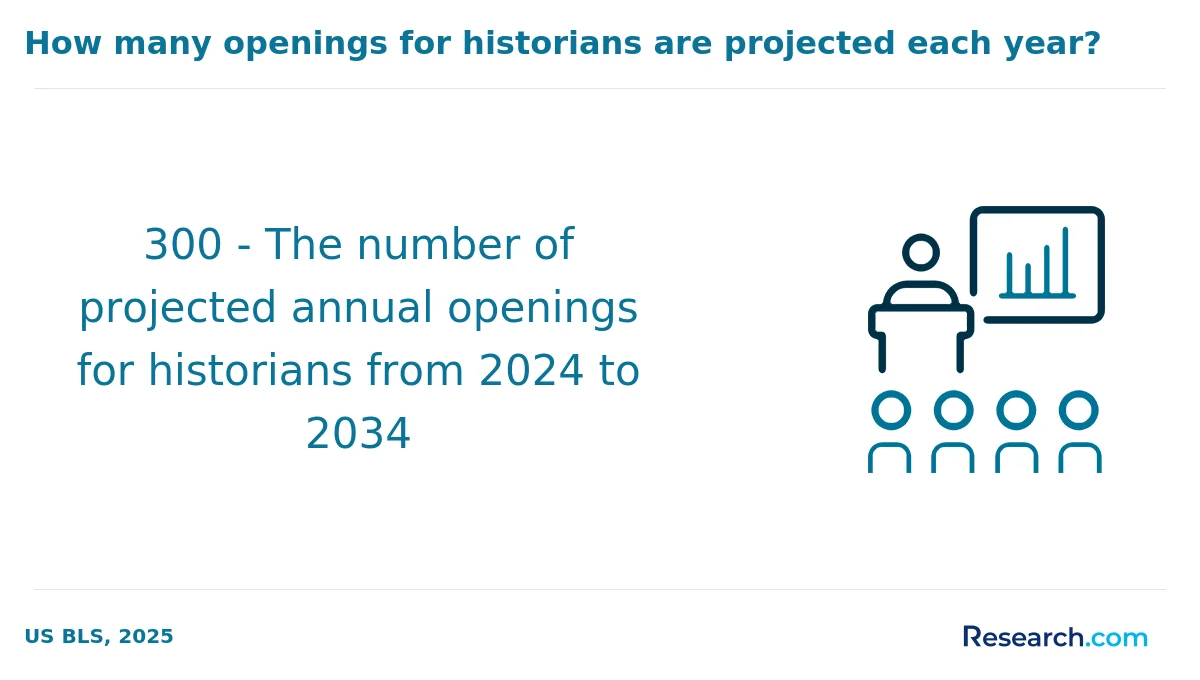
The job market for online history degree graduates in America invites those with a curious spirit to explore diverse opportunities amidst modest growth projections. Graduates often find themselves stepping confidently into roles like high school teachers or museum curators, enjoying median salaries around $63,500 and $56,000 respectively. Many graduates from well-regarded universities savor the thrill of transforming historical knowledge into engaging lessons or preserving cultural treasures in bustling metropolitan areas. The niche nature of these careers means that while openings can be competitive, especially for postsecondary teaching positions requiring advanced degrees, the rewards for passion and perseverance remain compelling.
Many online history students from popular colleges across the nation boost their employability by pairing their degree with certificates or dual studies in public administration or library science. This adventurous approach helps them stand out in the evolving landscape of online history degree jobs in the USA. Engaging in internships and developing digital portfolios creates vivid, real-world experiences that resonate with employers and enrich career paths.
For those eager to pursue further academic growth, exploring masters online history programs offers a promising gateway to advanced opportunities that blend research with practical skills. The flexible, accessible nature of online options lets students across America chart their personal historical journey while navigating the rich tapestry of career opportunities for history graduates America offers.
Frequently Asked Questions About history
Online history degree students in America can maximize their learning by actively engaging with course materials and participating in virtual discussions. Studies from the National Center for Education Statistics show students who collaborate regularly tend to retain information better. Utilizing digital archives and databases, such as the Library of Congress or JSTOR, offers unique access to primary sources essential for historical research.
Time management is crucial; setting consistent study schedules improves comprehension and reduces stress. Taking advantage of professors' office hours via video calls can clarify complex topics. Additionally, joining online history forums and local historical societies connects students with peers and experts, enriching perspectives beyond the classroom.
Emerging niches within the history field reflect evolving interests and societal changes in the United States. Digital history, which uses technology to analyze and present historical data, has gained momentum, supported by growing funding for digital humanities projects from organizations like the National Endowment for the Humanities. Environmental history is also expanding as scholars focus on the intersection of nature and human activity.
Additionally, public history remains vital, with historians working in museums, archives, and cultural institutions. Social justice history explores race, gender, and inequality, aligning with nationwide movements for equity. These niches offer diverse career paths for online history degree graduates.
Preparing for the job market after earning an online history degree in America involves strategic planning and skill development. Many graduates find success by gaining practical experience through internships at museums, archives, or historical societies, which can strengthen resumes and provide valuable networking opportunities.
Employers highly value skills in research, writing, and data analysis. According to the U.S. Bureau of Labor Statistics, the median annual wage for historians was $63,100 in 2022, with job growth projected at 6% through 2032. Developing digital literacy, including familiarity with geographic information systems (GIS) and archival software, can enhance employability.
Joining professional organizations like the American Historical Association offers resources, job listings, and connections that support career advancement in history-related fields.
Employers in America highly value history degree graduates for their strong research and analytical skills. According to the American Historical Association, 85% of employers expect graduates to critically evaluate sources and interpret complex information effectively.
Communication skills are also essential; nearly 70% of history graduates find roles requiring clear writing and presentation abilities. This is critical in jobs related to education, public policy, and archival work.
Additionally, attention to detail and the capacity to synthesize large amounts of data are frequently sought, as these assist in accurate historical interpretation and reporting. Familiarity with digital tools and databases further enhances employability in today's market.
Finding internships relevant to a history degree in America involves strategic research and networking. Students should begin by exploring university career centers, which often list internships with museums, archives, and historical societies. According to the National Council on Public History, nearly 70% of history interns gain positions through academic connections.
Additionally, platforms like the Smithsonian Internships Program and the National Archives offer valuable virtual and in-person opportunities for history students.
Professional organizations, such as the American Historical Association, provide internship listings and career resources tailored for history majors and graduates.
Networking on LinkedIn and attending history conferences can also increase access to hidden internships. Early application is crucial as spots are competitive.
An online history degree in America can significantly enhance career mobility and advancement by providing flexible access to accredited education. According to the U.S. Bureau of Labor Statistics, employment for historians is projected to grow about 6% from 2022 to 2032, indicating steady demand. Graduates with a history degree often pursue roles in education, research, archiving, and public history, where advanced knowledge opens doors to higher-level positions.
Online programs can allow working professionals to upskill without interrupting their careers. The American Historical Association notes that candidates with a master's degree typically enjoy better job prospects and salary growth compared to those with only a bachelor's degree. This degree also builds critical thinking and analytical skills valued across industries.
Studying for a history degree in America equips students with critical thinking, research, and analytical skills that are highly valued across multiple fields. History programs emphasize understanding diverse perspectives and complex social, political, and economic contexts. This fosters an ability to work effectively in interdisciplinary roles involving law, public policy, education, and cultural management.
According to the American Historical Association, 70% of history graduates pursue careers beyond academia, highlighting the degree's flexibility. Many online programs incorporate courses in digital humanities, data analysis, and communication to prepare students for roles that require combining historical knowledge with other disciplines.
Such interdisciplinary training is essential in today's evolving job market.
Choosing between a thesis and a non-thesis online history degree program in America depends on your academic and career goals. A thesis option usually involves conducting original research and writing a detailed paper, which prepares students for doctoral studies or research-intensive careers.
In contrast, a non-thesis track typically focuses on coursework and may include a comprehensive exam or projects. This path suits students aiming for professional roles in education, public history, or related fields without deep research commitments.
According to the American Historical Association, thesis programs often require more time, averaging two extra semesters, but they enhance critical thinking and writing skills essential for historians.
Assess your future plans carefully before deciding, considering both time investment and career outcomes.
Students based in America seeking to study history abroad through online programs have several options. Many U.S. universities offer partnerships with international institutions, allowing students to take courses taught by global faculty or participate in virtual exchange programs. According to the Institute of International Education, over 80% of U.S. colleges now incorporate online components in their study abroad offerings.
In addition, some accredited American universities provide fully online history degrees featuring global perspectives, covering topics like European, Asian, and Latin American history. These programs often include access to international archives and resources digitally, expanding research opportunities beyond U.S. history.
While physical travel restrictions exist, virtual study abroad via blended online curricula allows students to gain cross-cultural knowledge without leaving home, a trend accelerated since 2020. The American Historical Association encourages such innovative approaches to diversify historical education globally.
Part-time job opportunities that complement a history degree education in America often involve roles where research, writing, and critical analysis are key. Positions such as archival assistants, museum docents, or library aides offer practical experience related to historical study. According to the U.S. Bureau of Labor Statistics, jobs in archives and museum fields are expected to grow by about 13% through 2031, reflecting steady demand.
Additionally, many history students find opportunities as research assistants in academic settings or historical consultancy roles for local governments and nonprofits. These positions help develop skills in source evaluation and documentation.
Freelance writing and tutoring also provide flexible options for students to apply their knowledge while earning income.
Online history students in America benefit from a variety of networking opportunities tailored to digital learning environments. Many universities offer access to virtual history clubs and discussion groups where students can interact with peers and faculty. Additionally, professional associations like the American Historical Association provide online forums, webinars, and conferences specifically for history scholars and students.
Students often engage in online internships or collaborative research projects, allowing them to connect with historians and professionals nationwide. According to the National Center for Education Statistics, nearly 35% of U.S. history graduate programs now incorporate online networking events, increasing accessibility for remote learners.
Alumni networks and social media communities further enhance opportunities, linking students to job markets, mentors, and academic resources across the country.
Alumni networks offer valuable support to online history degree students in America by providing access to professional connections within academia, museums, and cultural institutions. These networks facilitate mentorship opportunities, helping students navigate career paths in education, research, or public history. According to the National Association of Colleges and Employers (NACE), 85% of jobs are filled through networking, highlighting its importance.
For online students who may study remotely, alumni groups create a sense of community and professional presence beyond the virtual classroom. Many history departments in the U.S. offer regional events and digital meetups exclusively for graduates.
Active alumni networks also share job postings, internships, and research collaborations, critical for career advancement in competitive history-related fields.
Many American universities offer flexible online history degree programs that allow students to tailor their studies according to career goals. Customization options often include concentrations such as public history, archival studies, or American history. These specializations help students develop skills relevant to museums, education, or research fields.
Students can also select electives focusing on specific time periods or regions, enhancing expertise in desired areas. Additionally, some programs provide opportunities for internships or practical projects, which strengthen resumes and professional networks.
According to the American Historical Association, 68% of history graduates find employment within related fields, underscoring the value of targeted coursework in improving job prospects.
Online history students in America frequently face challenges related to maintaining motivation and effective time management. Without the structure of in-person classes, many find it difficult to balance coursework with personal and professional responsibilities. According to the National Center for Education Statistics (NCES), about 30% of online learners report feeling isolated during their studies.
Access to primary historical resources can also be limited in an online format, restricting opportunities for original research. Additionally, some students struggle with the lack of immediate feedback and face-to-face interactions with professors and peers, which are crucial in developing critical analysis skills in history.
Technical issues and varying levels of digital literacy may further complicate the learning process, especially for older or less tech-savvy students. These challenges highlight the importance of strong self-discipline and institutional support for online history students in the U.S.
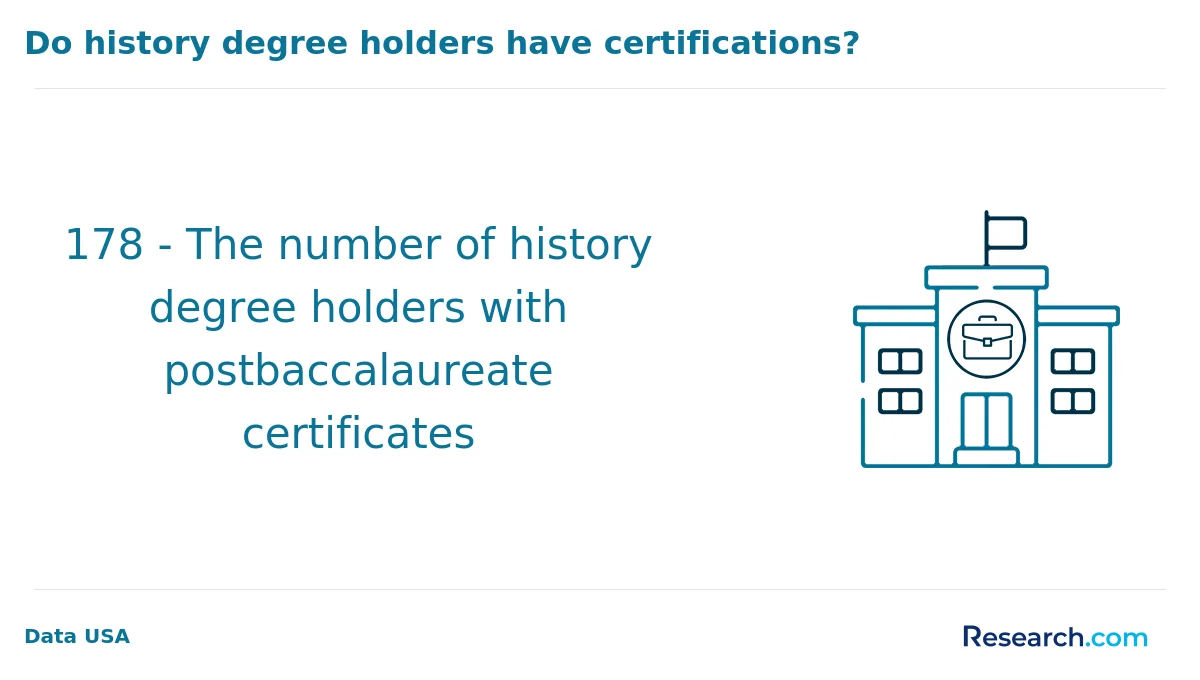
With an online history degree in the United States, graduates can pursue a variety of professional certifications that enhance career opportunities. For instance, becoming a Certified Archivist, accredited by the Academy of Certified Archivists, is a respected pathway. This certification verifies expertise in preserving and managing historical documents.
Another option is the Museum Studies certification, which prepares graduates for curatorial or educational roles in museums. The American Alliance of Museums offers relevant training programs recognized nationwide.
Additionally, some history graduates pursue certification in Historical Research or Heritage Management, often through state or regional organizations. These certifications support careers in public history, preservation, and cultural resource management.
Such credentials can boost job prospects in education, government, or nonprofit sectors focused on history.
Crafting a winning application for an online history program in America begins with clearly demonstrating your passion for the subject. Admissions committees often seek evidence of your commitment through a well-written personal statement that highlights specific historical interests and experiences.
Include relevant academic achievements, such as your undergraduate GPA, ideally above 3.0, and any history-related coursework. The National Center for Education Statistics reports that selective programs may expect competitive grades and strong letters of recommendation from history professors or professionals.
Additionally, explain how an online format fits your career goals, emphasizing self-motivation and time management skills. Providing samples of your writing or research can further strengthen your application.
Globally, a career in history offers diverse opportunities, but perspectives vary by region. In the United States, history graduates often pursue roles in education, research, public history, and cultural preservation. According to the U.S. Bureau of Labor Statistics, historian jobs are projected to grow 5% from 2021 to 2031, reflecting steady demand.
Internationally, history careers may focus more on heritage management or governmental advisory positions. However, American history programs often emphasize critical thinking and analytical skills, which are highly transferable worldwide. Online history degrees in the U.S. increasingly prepare students for global contexts by including comparative and transnational studies.
The American Historical Association notes that U.S. history graduates contribute significantly to international scholarship, benefiting from strong research resources and networks. This global engagement enhances their career flexibility, making history a viable field beyond purely academic roles.
Gaining practical experience while studying for an online history degree in America is essential for career success. Many programs encourage internships at museums, archives, or historical societies, allowing students to apply classroom knowledge in professional settings. According to the American Historical Association, internships increase employment prospects by over 30% for history graduates.
Additionally, students can engage in digital history projects, such as building online exhibits or contributing to historical databases. Some universities partner with local institutions to offer remote research opportunities. Volunteering for community history events or contributing to history blogs also helps develop valuable skills.
Choosing the right concentration within an online history degree in America requires careful consideration of your interests and career goals. Popular concentrations include American history, public history, and cultural history. According to the American Historical Association, specializations that align with growing fields like digital history or archival studies may offer enhanced job prospects.
Consider the curriculum and whether it provides skills relevant to your goals, such as research methods or museum curation. Look for programs accredited by recognized bodies like the Higher Learning Commission, ensuring quality education.
Finally, evaluate faculty expertise and available resources, as these can impact your learning experience.
Top Trending History Rankings
References
- Undergraduate Certificate in History | Thomas Edison State University https://www.tesu.edu/degrees-programs/certificates/undergraduate-history.php
- How to Become a History Researcher: Steps and Career Outlook https://online.norwich.edu/online/about/resource-library/how-become-history-researcher-steps-and-career-outlook
- History Online https://www.nsu.edu/History-and-Interdisciplinary-Studies/History-Online
- What Can You Do With a History Degree? https://willamette.edu/academics/college/history/career-options
- 5 things I’ve learned from teaching U.S. history to high schoolers https://fordhaminstitute.org/national/commentary/5-things-ive-learned-teaching-us-history-high-schoolers
- THE list of internships for history majors https://employedhistorian.com/history-major/internships-for-history-majors/
- Finding Networking Opportunities as a Student | National Society of High School Scholars https://www.nshss.org/resources/blog/blog-posts/how-to-find-networking-opportunities-as-a-student/
- Join the Alumni Network - National History Day https://nhd.org/en/get-involved/join-the-alumni-network/
- 2025 Most Affordable Online History Degrees https://www.onlineu.com/most-affordable-colleges/history-degrees
- Top Niche Historical Topics for Deep-Dive High School Projects https://riseglobaleducation.com/blogs/top-niche-historical-topics-for-deep-dive-high-school-projects