2027 Fastest Online Bachelor's in History Degree Programs Ranking in the USA

Co-Founder and Chief Data Scientist
Choosing the right online history degree can be overwhelming, especially with so many options available. This article introduces the 2027 Fastest Online Bachelor's in History Degree Programs Ranking in the USA, created by the Research.com team of data scientists to help you make an informed choice.
By exploring this ranking, you'll discover which programs offer efficient paths to earning your degree. Studying history not only sharpens critical thinking but also opens doors to diverse careers. Let this guide support your journey toward an exciting and rewarding academic experience.
Key benefits of getting online history degree in America
- History graduates in the US can expect diverse salaries depending on their career choice, with many roles offering competitive pay. For example, museum curators earn a median annual wage of around $61,000, showing promising financial potential in history-related fields.
- Career paths after earning a history degree include jobs in education, research, public policy, and cultural resource management, as demonstrated by graduates from popular universities who find meaningful work in museums, archives, or government roles.
- Completing a history degree online, like graduates from well-known online programs, offers flexibility to balance work and study while gaining the same respected qualifications as traditional students, making education more accessible and tailored to busy lifestyles.
- Key benefits of getting online history degree in America
- What can I expect from online history degree in America?
- Where can I work with online history degree in America?
- How much can I make with online history degree in America?
- 2027 Fastest Online Bachelor's in History Degree Programs Ranking in the USA
- Key Findings
- How long does it take to complete online history degree in America?
- What's the difference between online and on-campus history degree?
- What is the average cost of online history degree in America?
- What financial aid is available to online history degree students in America?
- What are the prerequisites for enrolling in online history degree program in America?
- What courses are typically in online history degree programs in America?
- What types of specializations are available in online history degree programs in America?
- How do you choose the best online history degree in America?
- What career paths are available for online history degree students in America?
- What is the job market for online history degree in America?
- Top Trending History Rankings
What can I expect from online history degree in America?
The average cost of an online history degree in America typically ranges from $15,000 to $40,000 for a full bachelor's program, depending on the university and residency status. Graduates from well-known universities like the University of Florida or Arizona State University often share how investing in these programs felt like opening doors to a rich world of historical exploration without the burden of campus commuting.
Many students appreciate the balance between affordability and academic rigor, as these institutions offer extensive online archives and digital resources that bring history to life. Imagine diving into Civil War letters or 20th-century global conflicts through your laptop while managing your own study schedule - it's a flexible adventure that many find both exciting and empowering.
With career-support services included, graduates frequently recount how their online studies translated into real-world opportunities like internships at museums or roles in public history, making the cost an inspiring step towards a vibrant career.
Where can I work with online history degree in America?
Graduates with an online history degree in America often step into vibrant roles filled with discovery and impact. Many find themselves teaching eager students in middle and high schools, bringing history to life with stories collected from top history programs at universities like the University of Florida and Arizona State University. These educators feel the thrill of shaping young minds and sparking curiosity about the past.
Others explore behind the scenes in museums or cultural institutions, working as curators or archivists. Imagine preserving rare artifacts or designing engaging exhibits that draw visitors, much like alumni from the University of California, Berkeley, who thrive in these dynamic environments. This work connects you directly to history, turning dusty documents into lively experiences.
Government roles also attract many graduates, where analytical skills honed during studies at colleges such as the University of North Carolina support policy research and historical preservation. Whether at the National Park Service or the Library of Congress, history professionals feel a strong sense of purpose contributing to national heritage.
Finally, the private sector welcomes history grads to develop content, consult on historical projects, or manage archives for media and nonprofits. Graduates love that their knowledge helps craft authentic narratives and historical strategies, fueling a rewarding career fueled by curiosity and continual learning.
How much can I make with online history degree in America?
Curious about the earnings from an online history degree in America? Graduates often find rewarding careers that reflect their passion for exploration and discovery. For instance, those venturing into teaching at the high school level can expect salaries ranging from $50,000 to $65,000, depending on the state and school district. Imagine a graduate from a well-known university in the Midwest stepping confidently into a classroom, inspiring young minds with stories of the past while earning a stable income that grows with experience.
Others choose paths in museums or archives, engaging hands-on with artifacts and documents. These graduates might start with salaries between $40,000 and $55,000, embracing work that connects them directly to history's tangible legacy. Picture a history major from a respected East Coast college cataloging rare collections or curating exhibits that captivate visitors, fueled by both passion and a growing paycheck.
While salaries vary by location-with urban hubs often offering higher pay-combining your history degree with skills like digital technology or writing can open doors to exciting roles and increased earnings. Many graduates from top American institutions find that internships and real-world projects transform their studies into valuable career fuel, personalizing their journey through the past and into the future.
2027 Fastest Online Bachelor's in History Degree Programs Ranking in the USA
How do we rank schools?
Investing in your education is a significant decision that can shape your future, and the Research.com team recognizes the importance of providing trustworthy guidance in this process. To help prospective students navigate their options, we have carefully developed the "2027 Fastest Online Bachelor's in History Degree Programs Ranking in the USA," emphasizing quality, credibility, and accuracy throughout our research. We leveraged multiple reputable data sources to capture a comprehensive view of online history programs:
Readers can trust this ranking to gain valuable insights that facilitate informed decisions about accelerated online history degrees. For an in-depth understanding of how we shape our rankings, please refer to our Research.com methodology page.


# 3 position
Judson College
Bachelor of History


# 6 position
University of Maryland Global Campus
Bachelor of History


# 10 position
Penn State University Park
Bachelor of History




Key Findings
- A Bachelor's degree in history usually requires about 120 credit hours and can be completed in four years full-time, with part-time options available online.
- Average annual tuition in 2023 was around $10,000 for public in-state schools and $35,000 for private nonprofit institutions, with online program costs often similar.
- Entry-level history jobs like museum technicians or archivists start at about $40,000 per year, while median historian wages were $63,000 in 2022.
- Historians' employment is projected to grow 6% from 2021 to 2031, matching the average for all jobs.
- Accreditation by recognized agencies is important for degree recognition and financial aid eligibility in online history programs.
How long does it take to complete online history degree in America?
Imagine diving into an online history degree from a university like the University of Florida or Arizona State College, where most graduates find themselves on a four-year journey. This timeframe fits the typical 120 credit hours required across America, mirroring the traditional rhythm of college life. For many, it's eight semesters of discovery and growth, weaving history lessons into their daily routines.
Some students, balancing full-time jobs or family, purposely stretch their studies over six years or more-finding joy in steady progress without sacrificing their other commitments. Others embrace the thrill of acceleration, enrolling year-round, including summer terms, or tackling fast-paced 5 to 8-week courses to speed their path.
Graduates from these programs recall how transferring past credits or showing skill mastery transformed their timelines, making the experience feel personal and rewarding. Whether pacing themselves or racing ahead, online history learners in America enjoy flexibility that turns education into an adventure tailored just for them.
What's the difference between online and on-campus history degree?
Students pursuing a history degree at institutions like the University of Michigan or UNC Chapel Hill often describe on-campus life as an immersive journey. Picture wandering through sprawling libraries, joining lively seminars, or exploring nearby historical landmarks with classmates-this hands-on engagement sparks curiosity and deepens understanding. These graduates cherish the face-to-face debates and spontaneous discussions that bring history to life.
Meanwhile, those studying history online from universities such as Arizona State or Penn State experience a different, yet equally exciting adventure. They enjoy the freedom to navigate recorded lectures and interactive forums on their own schedule, perfect for balancing work or family life. Many online learners find joy in crafting their path through history with self-discipline, fueled by the excitement of discovery wherever they are, be it a cozy home or a bustling café.
Both paths in America offer accredited, respected degrees, but the choice between digital flexibility and campus vibrancy shapes a uniquely personal academic voyage.
What is the average cost of online history degree in America?
The average cost of an online history degree in America centers around $55,680 for the entire program, offering an adventurous path into the past without breaking the bank. For students attending institutions as out-of-state learners, costs rise slightly to about $57,780. Those fortunate enough to qualify for in-state tuition often enjoy a more affordable journey, with a median total cost near $40,440. Imagine a graduate from a popular state university in Massachusetts or California, who managed to dive deep into American and world history while balancing work and family, all without paying traditional campus living expenses.
These figures reflect the vibrant adventure of earning a degree remotely, where flexible pacing and varied course loads make each student's experience uniquely theirs. Many students share stories of discovering hidden historical gems in their local libraries and integrating those findings into coursework, a testament to the engaging nature of online studies. Considering the total tuition and fees for online history bachelor's degree USA, prospective learners feel empowered to explore complex narratives without worrying about overwhelming debt. This balance between cost and rich educational experience lures many to select online programs at well-known universities with strong history departments.
Even though some private universities might charge more, public institutions offering online history degrees often provide rates aligned with in-state tuition, welcoming curious scholars nationwide. Those interested in exploring different routes and specializations within history can gain insight by reviewing the types of history degree available, which helps tailor their academic journey while managing expenses.
What financial aid is available to online history degree students in America?
Imagine a history student at the University of Florida discovering federal aid through FAFSA that unlocks Pell Grants covering up to $7,395 yearly-making distant dreams of studying the past suddenly affordable. Many graduates from public universities like UF or state schools in Texas have praised how federal loans with low-interest rates eased their financial worries, allowing them to focus on exploring historical narratives rather than debts.
At schools such as Arizona State University, state-level scholarships shine by offering tuition waivers for residents pursuing online degrees. These incentives turn the often-intimidating price tag of $10,000 to $35,000 into something reachable, fueling passion without panic. Some online learners from private institutions share stories of securing merit-based awards set aside specifically for humanities majors, bridging the gap between aspiration and reality.
Private scholarships from organizations like the American Historical Association and employer tuition assistance also open unexpected doors. For working professionals at schools like Georgetown University, these programs transform career advancement into an adventurous journey of knowledge and growth.
What are the prerequisites for enrolling in online history degree program in America?
A firm grasp of English composition and social studies often prepares you for diving into the analytical essays and critical debates that make history come alive online. Practical needs like reliable internet and a functional computer set the stage, ensuring every lecture or archival deep-dive feels seamless and inspiring. Financially, reflecting on the College Board's reports, remember the adventure includes navigating tuition costs but also discovering scholarships and aid, much as others have done to fuel their historical quests.
What courses are typically in online history degree programs in America?
Online history degree students in America dive into a rich mix of courses that bring the past to life, making every lesson feel like an adventure. Graduates from well-known universities often recall exploring broad themes like United States History from Colonial Times to the Civil War and Twentieth-Century American History, which help them understand the nation's complex story firsthand.
Beyond national history, many find themselves fascinated by global perspectives through courses such as World Civilizations and Cultures and European History from the Middle Ages to the Modern Era. These classes open doors to new worlds, from the intrigues of ancient empires to modern global shifts.
Students particularly appreciate learning critical skills in courses like Historical Research Methods and Public History and Digital Humanities, where they practice uncovering hidden stories and sharing history using digital tools. This hands-on approach at popular colleges makes history feel alive and personal, inspiring students to connect with the past in meaningful ways.
Electives like gender history or military history let students tailor their journey, fueling curiosity and passion for topics that resonate deeply with their own interests and goals.
What types of specializations are available in online history degree programs in America?
Online history degree specializations USA offer exciting pathways that allow students to dive deeply into captivating eras and themes. Many graduates from universities known for their history programs revel in focusing on American History, exploring stirring moments like the Civil War or the vibrant civil rights movements that shaped the nation. Imagine walking virtual halls of institutions where scholars bring these stories to life through vivid online lectures, sparking a genuine passion for the subject.
Others find themselves drawn to World History, gaining new perspectives on ancient civilizations and global connections, broadening their understanding far beyond America's borders. Public History captivates those eager to engage hands-on with museums and archives, turning digital study into real-world skills that feel both practical and inspiring.
Graduates often mention the thrill of interdisciplinary adventures, blending history with political science or economics, enhancing their analytical edge. Students at popular colleges cherish the chance to explore Military History or the History of Science and Technology, fields rich with strategy and innovation stories. For those curious about future opportunities, programs provide a clear view of jobs that require a history degree, making the journey feel purposeful and adventurous.
How do you choose the best online history degree in America?
To choose the best online history degree in America, start by exploring programs at well-known universities that offer rich, diverse curricula spanning American, European, and world history. Graduates often share how engaging with primary sources and research projects deepened their appreciation for the past, making studies feel like thrilling historical expeditions.
Affordable tuition also plays a pivotal role. Many seek out the most affordable online history bachelor's degrees America provides, balancing cost with academic quality. For example, public universities often offer competitive rates without sacrificing faculty expertise or flexible schedules, ideal for working adults eager to dive into historical studies without financial stress.
Embrace flexibility as a treasure; accelerated or part-time options let you shape your own learning journey. Fans of history programs from popular colleges rave about faculty who inspire and career services that open doors. Access to real-world opportunities is crucial, as revealed by many graduates pursuing master in history jobs linked to internships, museums, and archives, fueling passion into profession.
What career paths are available for online history degree students in America?
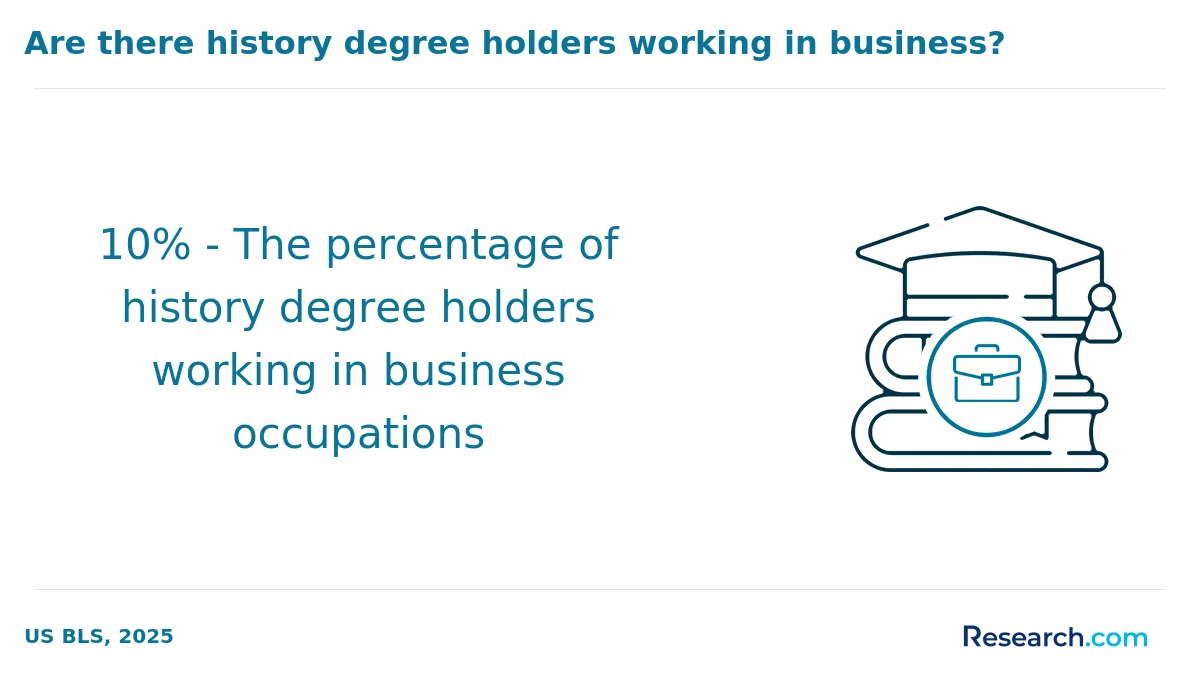
Graduates with an online history degree in America often find themselves stepping into exciting roles that put their analytical and storytelling skills to work. Many embark on teaching careers, from inspiring high school students to educating adults at community colleges, where the demand is steady and rewarding. Others dive into research and archiving, managing artifacts and historical records in museums or libraries, blending passion with technology. A vibrant scene awaits those interested in public history, taking up roles in government or nonprofits that shape community heritage and influence policy. Exploring job prospects for history graduates in America reveals versatile paths like law, journalism, or publishing, where sharp research skills and a knack for communication open doors. Graduates from popular universities experience hands-on internships that enrich their resumes and bring history to life. If affordability is a concern, you can discover the cheapest history programs online, making these adventurous careers more accessible than ever.
What is the job market for online history degree in America?
The job market for an online history degree in America offers a mix of rewarding paths and steady competition. Graduates from well-known institutions like the University of California or University of Michigan often highlight how their programs enhanced not just their knowledge but also their ability to dive into archival research or community preservation projects. Many find opportunities in museums, government agencies, and education, leveraging their strong analytical and communication skills.
Those exploring career opportunities for history graduates America-wide discover roles in teaching, cultural resource management, and even publishing or consulting. Some graduates appreciate how their adaptable skills open unexpected doors in law or public policy. While "historian" roles may often require advanced degrees, many entry-level positions in local historical societies welcome online degree holders.
Students curious about advancing further can explore options like an online masters degree in history. This aligns well with the evolving job landscape, enhancing employability in a market energized by cultural heritage and digital literacy demands.
Frequently Asked Questions About history
Online history degree students in America can maximize their learning by actively engaging with digital course materials and participating in discussion forums. Research from the National Center for Education Statistics shows that students who interact regularly with instructors and peers tend to perform better academically. Utilizing university-provided resources like digital libraries and archives is essential, especially since many institutions partner with major historical collections.
Balancing a structured schedule helps maintain focus and progress. Experts recommend dedicating consistent weekly hours to study, mimicking traditional class attendance. Taking advantage of virtual office hours and attending webinars on historical topics broadens understanding beyond textbooks.
Finally, connecting coursework with current events enhances relevance, making historical study more meaningful and practical for careers in education, law, or public service.
The field of history in America is rapidly expanding into specialized niches shaped by current social and technological trends. One growing area is public history, where professionals work in museums, archives, and cultural resource management, helping to preserve and present historical knowledge to the public. Another emerging niche is digital history, which uses technology like GIS mapping and data visualization to analyze historical events in innovative ways.
Environmental history also gains attention due to increasing concerns about climate change, exploring the relationship between humans and nature over time. Additionally, social and urban history continue to expand, focusing on the histories of marginalized groups and city development. According to the American Historical Association, demand for historians with digital skills rose by over 25% in recent years, reflecting these trends.
After completing an online history degree in America, preparing for the job market involves several strategic steps. First, gaining practical experience through internships or volunteer work at museums, archives, or historical societies is highly beneficial. According to the Bureau of Labor Statistics, historian roles are competitive, so practical skills can make candidates stand out.
Networking is also important; joining professional organizations like the American Historical Association offers access to job boards and connections with professionals. Additionally, graduates should develop strong research, writing, and digital literacy skills, especially in data analysis and digital archiving, which are increasingly valued in the job market.
Finally, graduates might consider complementary certifications in education or public administration to expand career opportunities in teaching or government roles, fields where history graduates often find employment.
Employers in America highly value skills gained through history degrees, especially critical thinking and analytical abilities. Graduates must analyze complex information and identify patterns over time, skills essential in many careers. Strong research skills, including evaluating primary and secondary sources, are also crucial for producing accurate and reliable conclusions.
Communication is another top skill. History graduates need to present information clearly in both written and oral form, adapting to diverse audiences. According to the American Historical Association (AHA), nearly 75% of history majors find employment in education, government, or business sectors where these skills are fundamental.
Additionally, employers appreciate adaptability and digital literacy, including proficiency with databases and archives. These combined competencies make history graduates attractive candidates across various fields.
Finding internships relevant to a history degree in America involves several strategic steps. Students should start by exploring their university's career services, which often list connections to museums, archives, or historical societies offering internships.
Additionally, national organizations like the American Historical Association provide centralized internship listings useful for history majors. According to the National Association of Colleges and Employers, about 65% of students who complete internships receive job offers, highlighting their value.
Networking is crucial; history students should attend conferences or local history events to meet professionals. Online platforms like Handshake also list internships tailored to history students, simplifying the search process. Ultimately, proactive outreach combined with utilizing institutional resources maximizes internship opportunities.
An online history degree can significantly enhance career mobility and advancement in America by equipping graduates with critical thinking, research, and communication skills. According to the U.S. Bureau of Labor Statistics, fields related to history, such as education, archives, and museum work, often require at least a bachelor's degree, positioning graduates for entry and growth. Employers value the analytical skills gained through history programs, which apply to diverse roles including government, law, and business.
Online formats offer flexibility, allowing working professionals to upskill without interrupting their careers. This adaptability can lead to promotions or transitions into specialized historical roles. Recent studies from the National Center for Education Statistics show that online learners complete degrees at increasing rates, enhancing professional opportunities.
Studying for a history degree in America offers strong preparation for interdisciplinary roles by emphasizing critical thinking, research, and communication skills. Online programs often incorporate coursework that connects history with fields like political science, sociology, and cultural studies. According to the American Historical Association, nearly 75% of history graduates find careers that require skills beyond traditional history roles, highlighting the degree's versatility.
History students analyze complex problems from multiple perspectives, making them valuable in fields such as law, education, and public policy. Many accredited programs require writing-intensive courses, enhancing students' ability to present evidence-based arguments clearly.
This multifaceted training enables graduates to adapt to diverse workplaces and emerging career paths.
Choosing between a thesis and a non-thesis online history degree in America depends largely on your career goals and learning style. A thesis program requires original research and writing, suited for those aiming at graduate studies or research-intensive jobs. According to the American Historical Association, roughly 30% of history bachelor's graduates pursue advanced degrees, making thesis options valuable for academic preparation.
Non-thesis programs focus on coursework and may include internships or comprehensive exams instead. These paths suit students targeting careers in education, public history, or government roles where practical skills are emphasized. The National Center for Education Statistics reports that many history graduates enter public service or archival work, favoring non-thesis formats.
Review program structure, faculty expertise, and your own interest in independent research when deciding. Additionally, consider the time commitment; thesis tracks may extend study duration due to the project's depth.
American students pursuing online history degrees have several pathways to study history abroad without physically relocating. Many US universities offer virtual exchange programs, enabling access to international history courses through partner institutions.
Additionally, some online programs include study-abroad options or collaborations with foreign universities, allowing students to engage with global perspectives while completing their degree remotely.
According to the Institute of International Education, around 6% of US college students participate in study abroad programs, but online history students can expand this through digital internship and research projects related to foreign archives.
These opportunities provide valuable cross-cultural insights essential for a comprehensive understanding of history in a global context.
Part-time jobs that complement a history degree in America often involve research, writing, or education. Positions such as library assistants, museum guides, and archival workers allow students to apply skills learned during their studies. According to the U.S. Bureau of Labor Statistics, the median wage for archivists and curators was $56,440 in 2022, highlighting the practical benefits of related part-time work.
Additionally, many students find opportunities as freelance writers or research assistants, roles that enhance analytical and communication skills. These jobs provide invaluable experience for careers in academia, public history, or government agencies.
Online history students in America have access to diverse networking opportunities despite the virtual format. Many universities organize virtual conferences, guest lectures, and workshops featuring prominent historians and alumni. For example, the American Historical Association often hosts online events that welcome students nationwide. These platforms allow students to connect with professors, peers, and professionals in the field.
Additionally, online programs frequently provide membership to history-related organizations, like Phi Alpha Theta, the national history honor society, which offers networking events and job boards specifically for history students. Social media groups and alumni networks also play essential roles in fostering connections and sharing career advice.
Alumni networks play a crucial role for students pursuing online history degrees in America. These networks offer valuable professional connections that can help graduates enter fields such as education, research, and public history. According to the National Association of Colleges and Employers (NACE), over 80% of jobs are filled through networking. For online students, alumni communities provide access to mentors who understand both the academic and career challenges specific to history majors.
Through alumni events, forums, and digital platforms, students gain insights on internships, job openings, and graduate programs that might not be widely advertised. Institutions like the American Historical Association emphasize the importance of such networks in fostering career advancement. Additionally, alumni can offer guidance on publishing, grant applications, and archival work, all essential aspects of a history career in the U.S. context.
Customizing an online history degree program in America allows students to align their education with specific career goals. Many programs offer concentrations such as public history, American history, or archival studies. Selecting relevant electives or minors, like political science or cultural studies, can enhance specialized knowledge.
Students should also consider programs that provide practical experiences, such as internships or research projects, which help build career-ready skills. According to the National Center for Education Statistics, about 60% of history degrees include options for specialization, giving students flexibility in tailoring their studies.
Advising services are crucial; academic advisors help map coursework to future job markets, ensuring alignment with professional objectives in museums, education, or government.
Online history students in America often face challenges related to engaging deeply with complex materials without regular in-person contact. History courses rely heavily on discussion and critical analysis, which can be harder to replicate fully online. Additionally, access to specialized archives and libraries - essential for primary source research - may be limited. According to the National Center for Education Statistics, about 45% of undergraduates in 2023 reported difficulties with coordinating group projects remotely, impacting history students who depend on collaboration.
Technical issues and the need for strong self-discipline are other common hurdles. Many students struggle to manage time effectively while balancing work, family, and coursework. Furthermore, some online programs may lack personalized academic advising, which can affect progress and retention. These factors together shape the typical experience of studying history online in the United States today.
With an online history degree in America, graduates can pursue various professional certifications that enhance career opportunities. One common certification is the Certified Archivist credential, issued by the Academy of Certified Archivists, which demonstrates expertise in managing historical records and archives. Another valuable certification is the Museum Studies Certificate, which can prepare candidates for curatorial and museum management roles.
History graduates interested in education can pursue state-specific teaching certifications, enabling them to teach history at the K-12 level. Additionally, project management certifications like PMP (Project Management Professional) are popular among history professionals in cultural resource management and public history sectors.
Writing a winning application for an online history program in America requires clear focus and preparation. Start by thoroughly researching the specific program's requirements, as many accredited programs seek applicants with strong writing skills and a demonstrated passion for history. According to the National Center for Education Statistics, history remains a popular major, so standing out is essential.
Emphasize your relevant academic background, any research or related work experience, and your motivation for studying history online. Strong letters of recommendation and a well-crafted personal statement highlighting your commitment can significantly improve your chances.
Ensure your application is free of errors and tailored to reflect the program's values and curriculum focus.
The global perspective on a history career is shaped by the growing recognition of historical knowledge as essential across multiple fields. In the United States, online history degrees offer flexible access to this evolving discipline. According to the Bureau of Labor Statistics, employment for historians is projected to grow 6% from 2021 to 2031, reflecting steady demand domestically and abroad.
American-trained historians often contribute to global research, diplomacy, and cultural preservation, highlighting the international relevance of their skills. Institutions like the American Historical Association emphasize cross-cultural competence and analytical skills, which are highly valued worldwide. This global applicability enhances career opportunities for US graduates in academia, policy, and public history sectors.
Gaining practical experience while studying for an online history degree in America is crucial for applying scholarly knowledge to real-world contexts. Many programs encourage students to engage in internships with museums, archives, or historical societies. According to the American Historical Association, internships provide hands-on experience important for careers in education, curation, or public history.
Students can also participate in research projects guided by faculty, even at a distance, which helps develop critical analysis and archival skills. Additionally, virtual volunteering with historical organizations offers flexible options to build a resume. Networking through online history forums and attending related webinars enrich practical understanding as well.
When choosing a concentration within an online history degree program in America, start by considering your personal interests and career goals. Popular concentrations include American history, world history, public history, and digital history. According to the American Historical Association, American history remains the most pursued focus, reflecting demand in education, archives, and museums.
Next, evaluate programs' curriculum flexibility and faculty expertise. Schools accredited by the Higher Learning Commission typically offer rigorous options. Look for concentrations that include access to primary sources and opportunities for internships or research projects online.
Finally, consider potential career paths. For example, public history prepares students for roles in preservation and cultural resource management, sectors expected to grow by 5% through 2031, per the U.S. Bureau of Labor Statistics.
Top Trending History Rankings
References
- My Top 3 Recommendations on Networking in the History ... https://anhistorianabouttown.com/recommendations-on-networking-in-the-history-world/
- Finding Networking Opportunities as a Student https://www.nshss.org/resources/blog/blog-posts/how-to-find-networking-opportunities-as-a-student/
- 4 Steps to Find History Research Opportunities as an ... https://www.coltie.com/post/4-steps-to-find-history-research-opportunities-as-an-undergraduate
- Global Alumni Networks and Social Class: Epistemic ... https://www.developmenteducationreview.com/issue/issue-40/global-alumni-networks-and-social-class-epistemic-communities-and-%E2%80%98thought-collective
- 2026 Best Online History Degrees https://www.onlineu.com/degrees/history
- Bachelor of Arts in History Online https://www.nsu.edu/History-and-Interdisciplinary-Studies/History-Online
- The Challenges of Studying History in School https://educationtopics.com.ng/the-challenges-of-studying-history-in-school/60853/history-education/
- 5 Challenges of Teaching History in International ... https://millerskills.co.uk/blogs/teaching-overseas/5-challenges-of-teaching-history-in-international-classrooms-and-how-to-overcome-them
- Undergraduate History Student Opportunities https://warwick.ac.uk/fac/arts/history/students/studentopportunities/
- Join the Alumni Network https://nhd.org/en/get-involved/join-the-alumni-network/