2027 Fastest Online Master's in History Degree Programs Ranking in Alabama

Co-Founder and Chief Data Scientist
For students in Alabama eager to advance their education, selecting the right online master's in history program can feel overwhelming. This article presents the 2027 Fastest Online Master's in History Degree Programs Ranking in Alabama, developed by the Research.com team of data scientists to provide clear and trustworthy guidance.
Discover programs that combine convenience with quality education, helping you save time while deepening your understanding of history. Whether for career growth or personal passion, this ranking supports your journey toward a meaningful and rewarding degree.
Key benefits of getting online history degree in Alabama
- History degree graduates in Alabama often find fulfilling careers such as archivists or historians, where the average annual salary ranges from $50,000 to $65,000 nationwide, reflecting a stable income potential.
- Graduates from universities like the University of Alabama pursue diverse paths including education, museum curation, and public policy, offering rewarding opportunities to impact communities and preserve history.
- Completing a history degree online, like students at Auburn University's distance learning program, provides flexibility to balance studies with life, making it easier to advance career goals without relocating or giving up work.
- 2027 Fastest Online Master's in History Degree Programs Ranking in Alabama
- What can I expect from online history degree in Alabama?
- Where can I work with online history degree in Alabama?
What can I expect from online history degree in Alabama?
The average cost of an online history degree in Alabama typically ranges between $8,000 and $15,000 for in-state students, depending on the university or college. For example, graduates from well-known institutions such as the University of Alabama or Auburn University report tuition fees within this range, reflecting competitive pricing compared to national averages. Many students appreciate that these costs include access to robust digital archives and interactive course materials, supporting an engaging and comprehensive learning experience without the need to relocate or commute.
Financial aid options and scholarships specifically aimed at history or education students further ease the financial burden. Graduates frequently express satisfaction with the balance of affordability and academic rigor offered by these programs, highlighting the value gained from faculty expertise and accredited coursework.
Given the rising popularity of online degrees statewide, the relatively moderate tuition costs align well with Alabama's commitment to expanding accessible, quality education. This affordability combined with flexible study options makes pursuing a history degree online a practical and rewarding choice.
Where can I work with online history degree in Alabama?
Graduates with an online history degree from Alabama universities, such as the University of Alabama or Auburn University, often find rewarding careers in K-12 education. Many become history or social studies teachers in public and private schools, responding to a statewide demand projected by the Alabama State Department of Education through 2030.
Others thrive working with Alabama's rich cultural heritage at institutions like the Alabama Historical Commission or the Birmingham Civil Rights Institute. These roles involve managing exhibits, conducting detailed research, and developing educational programs that preserve and celebrate local history.
Archivist and librarian positions are accessible to graduates as well, especially through the Alabama Department of Archives and History. Such jobs require strong organizational skills and offer a satisfying way to safeguard important state documents and historical records.
State and local government agencies hire analysts with historical expertise to assist in cultural resource management and urban planning, aligning with national employment growth trends for archivists and curators reported by the U.S. Bureau of Labor Statistics.
Additionally, graduates are pursuing careers in digital media and publishing, creating documentaries and educational content that enrich Alabama's public understanding of its past.
Graduates with an online history degree in Alabama can expect median annual salaries around $63,100 nationwide for historians, which offers a solid benchmark despite limited state-specific data. Many Alabama graduates from institutions like the University of Alabama or Auburn University find roles as historians, archivists, curators, or museum technicians, with median wages typically between $40,000 and $55,000 as reported by the Alabama Department of Labor. These positions provide fulfilling work preserving and interpreting Alabama's rich heritage, often at cultural institutions and state historical societies.
For those pursuing education, history graduates taking teaching roles at middle or high schools in Alabama earn about $52,000 annually on average, according to the National Education Association. Graduates working as adjunct instructors at local community colleges often see slightly higher pay, particularly when holding advanced degrees. This range reflects stable opportunities that many alumni appreciate for balancing meaningful work with livable income.
Overall, the steady job growth projected at 2% to 4% in history-related fields in Alabama supports graduates' confidence in the sustainability of their careers. The relatively low cost of living in Alabama further enhances the appeal of these salaries, enabling graduates from popular state programs to enjoy comfortable lifestyles while contributing to their communities.
- Online history degrees in Alabama are offered fully online or in hybrid formats by several accredited institutions.
- Tuition for in-state students at public universities ranges from $8,000 to $12,000 per year, while private schools may charge over $20,000 annually.
- Starting salaries for history graduates average around $40,000 per year, with potential growth to about $60,000 annually in specialized or advanced roles.
- Job opportunities exist in education, public history, museums, government research, and cultural resource management within Alabama.
- Online programs meet the same academic standards as traditional programs, ensuring recognized credentials and valuable digital research skills.
Completing an online history degree in Alabama typically takes about four years for full-time students pursuing a bachelor's degree. This timeframe is consistent across traditional and online programs at institutions like the University of Alabama and Auburn University, as curricula align with the national standard of approximately 120 credit hours. Graduates often share that managing coursework while balancing personal commitments remains achievable due to flexible scheduling options.
For master's degree candidates, the timeline shortens to around two years full-time, though part-time students may take three to four years depending on their course load. Some graduates appreciate the option to accelerate their studies through summer sessions or transfer credits, which can significantly reduce time to completion.
The key factors influencing duration include enrollment status, course availability, and program requirements such as thesis projects. Many Alabama online history students find the tailored pacing and support services foster a positive, manageable educational journey, helping them stay motivated and progress steadily toward graduation.
Online history degrees in Alabama, such as those offered by the University of Alabama and Auburn University, provide flexibility that suits busy professionals and parents. Graduates appreciate the ability to access lectures and assignments anytime through learning platforms, which helps them balance studies with work or family life. For example, a working professional studying history online at Auburn noted how asynchronous courses allowed deeper reflection on complex topics like historiography without the stress of fixed class times.
On-campus programs require students to attend scheduled classes and campus events, fostering immediate discussion and networking. Graduates from the University of Alabama's on-campus history program often recall lively debates and hands-on archival research opportunities that enriched their understanding of Alabama's past. This face-to-face engagement can be especially beneficial for those pursuing collaborative projects.
Cost-wise, both formats have similar tuition ranges-roughly $9,000 to $12,000 annually for in-state students-yet online learners save on housing and commuting expenses. This combination of flexibility and affordability makes online degrees an attractive option for many Alabama students.
The average cost of an online history degree in Alabama typically centers around $13,185, reflecting a median total tuition amount for many students. Public universities such as the University of Alabama at Birmingham and Auburn University often provide the most affordable options for residents, offering in-state tuition rates that significantly reduce expenses compared to private institutions. Graduates from these programs frequently express satisfaction, noting that the combination of cost-effectiveness and program quality offers a rewarding pathway to advancing their education and careers.
For those seeking an affordable online master's in history Alabama residents benefit from a range of financial aid opportunities and employer tuition reimbursement options that help mitigate the overall cost. While private schools in Alabama may charge upwards of $20,000 annually, the public university route represents a budget-friendly alternative without compromising academic rigor. Many graduates attest to balancing work and study effectively thanks to the flexible online format, which reduces additional expenses such as commuting and lodging.
In considering the total investment, students should review not only tuition but also supplementary costs like books and technology fees, although several programs minimize these through digital resources. Prospective students looking to understand what is a history degree and its costs will find Alabama's public institutions competitive nationally. The moderate tuition allows learners to focus on career development while pursuing a field driven by passion and curiosity.
Students pursuing an online history degree in Alabama commonly access federal financial aid such as Pell Grants, which award up to $7,395 for the 2023-2024 academic year based on financial need. Many graduates from universities like the University of Alabama have reported that Pell Grants significantly eased their tuition burden. The Federal Supplemental Educational Opportunity Grant (FSEOG) can provide additional funding for those with exceptional need, requiring FAFSA completion.
Federal loans, like Stafford Loans, offer manageable interest rates and repayment terms, often covering costs beyond grants. State initiatives, including the Alabama Student Grant Program, support in-state public college students and sometimes extend aid to online learners at institutions such as Auburn University.
Institutional scholarships at Alabama colleges reward academic merit and history-related involvement, a benefit noted by several successful online history graduates. Additionally, work-study options through the Alabama Student Assistance Program help students gain field-related experience, enhancing both finances and resumes. Regional history societies and national organizations also contribute scholarships for research and conference attendance, making it possible to fund study materials and professional development efficiently.
Enrolling in an online history degree program in Alabama demands meeting distinct academic prerequisites that ensure student preparedness. For example, undergraduates aiming for programs at institutions like the University of Alabama typically need a high school diploma or GED with a GPA between 2.5 and 3.0. Many graduates recall how meeting these criteria helped them comfortably transition into college coursework without feeling overwhelmed.
Graduate applicants usually must hold a bachelor's degree with a minimum GPA of around 3.0, often in history or related liberal arts fields. They also submit letters of recommendation and a statement of purpose detailing research interests, as seen at schools like Auburn University, where these materials are valued for assessing a candidate's commitment and potential.
Technical readiness plays a crucial role. Reliable internet and proficiency in navigating online platforms enable students to fully engage with virtual lectures and discussions, contributing to a positive and interactive learning experience. Graduates often highlight this tech preparedness as key to their academic success in Alabama's digital classrooms.
Online history degree programs in Alabama typically feature a diverse range of courses designed to build critical thinking and research skills. Graduates from institutions such as the University of Alabama and Auburn University attest to the strong emphasis on both national and regional historical perspectives. Core courses include United States History from Colonial Times to the Present and American South and Alabama History, which help students connect statewide events like the Civil Rights Movement to broader national contexts.
Students also engage in classes like Historical Research Methods and Historiography, gaining practical skills in handling primary sources and archival work-essential for thesis projects and careers in history-related fields. Electives often cover museum studies and cultural heritage, aligning with Alabama's rich collection of historical sites and museums, which former students have found rewarding for experiential learning and career preparation.
This curriculum balance ensures that Alabama-based online learners feel connected to their state's unique history while acquiring knowledge applicable nationwide.
Online history degrees in Alabama typically offer a range of specializations such as American History, World History, Public History, Military History, and Cultural History. Graduates from institutions like the University of Alabama and Auburn University often emphasize American History, focusing on regional civil rights movements and the Civil War, reflecting Alabama's unique historical context. These specializations equip students with in-depth knowledge, allowing them to analyze political and social developments from colonial times to the present.
Specializations in World History attract students interested in comparative and international perspectives, covering major global events across continents. Public History is favored by those aiming for careers in museums, archives, or government institutions, providing practical skills for managing historical resources. Students pursuing online master's in history concentration options Alabama appreciate that programs often allow interdisciplinary studies combining political science or anthropology.
This flexibility aligns well with the fastest online history degree specializations in Alabama, addressing diverse academic goals at a competitive tuition range. Graduates frequently praise these programs for preparing them for jobs you can get with a history degree, blending specialization with real-world applicability.
Choosing the best online history degree in Alabama requires focusing on program accreditation, curriculum quality, cost, and flexibility. Graduates from well-known schools like the University of Alabama at Birmingham praise their programs for being accredited by SACSCOC, which ensures transferability of credits and access to federal financial aid. They highlight comprehensive coursework blending American and world history with strong research methods, tailored for online learning through multimedia and interactive discussions.
Affordability is vital. Some universities offer competitive tuition rates that make affordable online master's history Alabama options very attractive, especially when factoring in savings on commuting and housing. Part-time schedules often appeal to working professionals, allowing completion at a comfortable pace. A typical bachelor's degree might take four years, while master's programs can be finished in 1.5 to 2 years.
Students frequently note the importance of 24/7 technical support and access to academic advising. Many emphasize how career services improved their post-graduation outcomes, aligning with data on alumni success. For those curious about career prospects, exploring masters history jobs adds clarity to this decision.
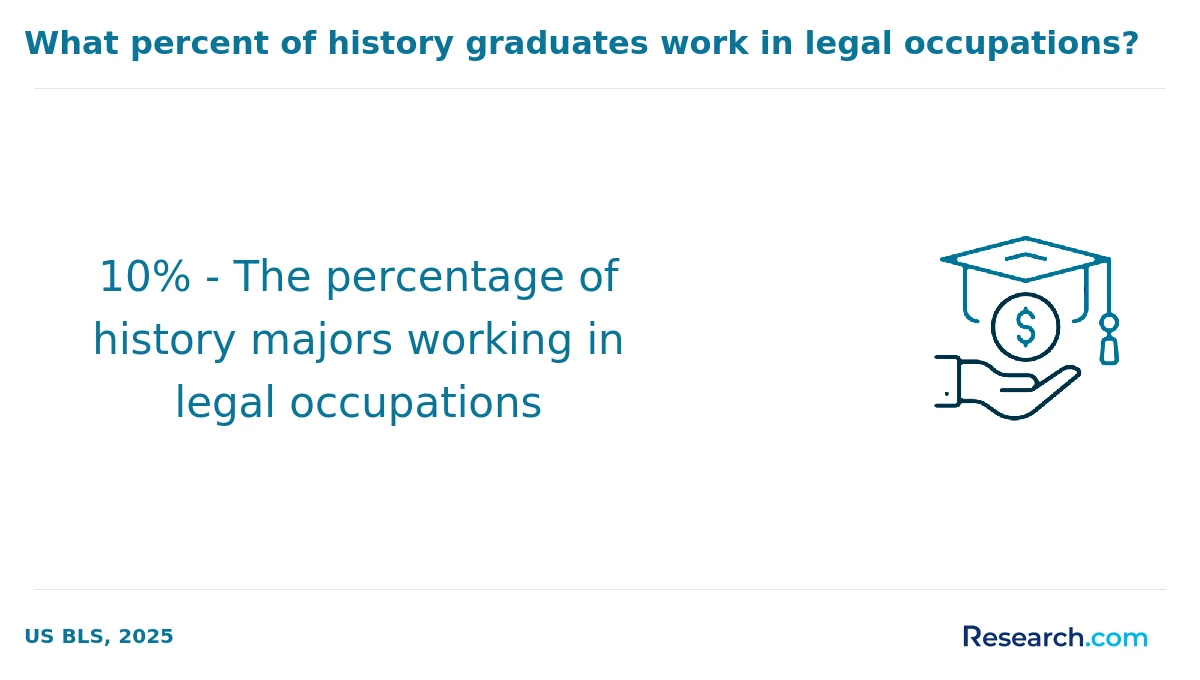
Graduates with an online history degree in Alabama frequently enter diverse fields that capitalize on their research and analytical skills. Many pursue careers in secondary education, especially teaching social studies, where Alabama's Department of Education shows a consistent need for qualified instructors. History graduates from universities like the University of Alabama often find satisfaction impacting young learners while meeting state certification requirements. Public history roles are also common; working in museums, archives, or historical societies such as the Alabama Historical Commission allows graduates to engage with cultural preservation and public education.
Careers in government and public policy leverage the strong critical thinking of history graduates, who assist in legislative research and cultural context analysis within Alabama's state agencies and nonprofits. Additionally, positions in legal research and consulting appeal to those interested in law. Journalism, publishing, and educational content development are growing paths, especially for freelancers producing historical storytelling and analysis. Interested students can explore affordable options among the cheapest online degrees in history to launch these careers. Alumni from Alabama colleges routinely praise how these jobs align with their passion and skills, highlighting the practical value of an online history degree careers Alabama offers.
The job market for an online history degree in Alabama offers a stable yet specialized landscape, with opportunities concentrated in education, public history, and cultural sectors. Graduates from respected Alabama institutions often secure roles in secondary education, state government, and museums, where their skills in research and historical analysis are highly valued. For example, many graduates from popular Alabama colleges find rewarding work in historic preservation or cultural resource management, contributing to the state's rich heritage.
Alabama employment opportunities for history graduates typically require at least a bachelor's degree, with a master's degree opening doors to leadership and specialist roles. The average salary in Alabama for historians is about $60,000 annually, slightly below the national average but competitive given the local cost of living. Experienced graduates praise the supportive network in Alabama's historical institutions.
Students considering this pathway should also explore enhancements like digital archiving. Those weighing the investment can benefit from affordable public university tuition, making an online masters history degrees an accessible option for many Alabama residents.
2027 Fastest Online Master's in History Degree Programs Ranking in Alabama
Investing in your education is a significant decision that can shape your future, and the Research.com team understands the importance of making informed choices. To support prospective students in Alabama, we have meticulously developed the "2027 Fastest Online Master's in History Degree Programs Ranking in Alabama." Our commitment to quality, credibility, and accuracy is demonstrated through extensive research and thorough analysis carried out to compile this ranking.
We utilized the following reputable data sources to ensure a comprehensive evaluation of history programs:
By exploring this ranking, readers will gain valuable insights into the fastest online master's in history degree programs available in Alabama, empowering them to make informed educational decisions. For more details on our methodology, please visit our Research.com methodology page.


Frequently Asked Questions About history
Online history degree students in Alabama can maximize their learning by actively engaging with digital resources and university libraries. Many Alabama institutions provide access to extensive online archives, including state history collections and the Alabama Department of Archives and History. Utilizing these can deepen understanding of regional context.
Participating in virtual discussion groups and seminars helps students develop critical thinking and interpretation skills essential for history majors. Setting a structured study schedule and seeking faculty mentorship also improve academic performance.
According to the National Center for Education Statistics, online history programs in Alabama often feature flexible pacing, enabling students to balance work and study efficiently.
The field of history is expanding into several emerging niches that are gaining popularity among students in Alabama and beyond. One notable area is public history, which focuses on preserving and interpreting historical sites and museums. This niche offers careers in heritage management and archival work, often available through online master's programs in Alabama universities.
Another growing niche is digital history, where historians use technology to analyze and present historical data. This includes GIS mapping and digital archives, skills increasingly valued in both academia and government jobs.
Environmental history is also rising in importance, especially in Alabama, where local ecosystems and industrial changes provide rich research subjects. Institutions like the University of Alabama emphasize these interdisciplinary approaches.
These emerging specialties provide diverse career paths and reflect evolving interests within the history discipline nationwide.
Preparing for the job market after earning an online history degree in Alabama involves a combination of skill development and networking. Employers often seek candidates skilled in research, critical thinking, and communication. Graduates should focus on gaining experience through internships, which may be available at Alabama's historical sites, museums, or archives.
Joining professional organizations like the Alabama Historical Association can provide valuable networking opportunities. According to the U.S. Bureau of Labor Statistics, the demand for historians is expected to grow by 6% through 2032, which signals steady job prospects.
Building a strong portfolio of writing samples or project work also enhances employability in education, public history, or government roles.
Employers in Alabama seeking history degree graduates prioritize strong research and analytical skills. Graduates must demonstrate the ability to evaluate primary and secondary sources critically, a fundamental skill emphasized by programs following guidelines from the American Historical Association. Communication skills, both written and verbal, are also crucial, as historians often present findings clearly to diverse audiences. Additionally, proficiency in digital tools for data analysis and archiving is increasingly valued, reflecting the growing reliance on technology in historical research. According to the Alabama Department of Labor, these competencies enhance employability in education, museums, and public history sectors within the state.
Finding history-related internships in Alabama begins with exploring partnerships affiliated with local universities offering online history degrees. Institutions like the University of Alabama and Auburn University often collaborate with state museums, historical societies, and archives.
Many of these organizations, such as the Alabama Department of Archives and History, provide structured internship programs specifically for history students. These internships can offer practical experience in research, preservation, and public education.
Students should leverage university career services and online job boards like Handshake or internships.com to identify available positions. Networking with faculty and attending virtual history conferences in Alabama may also uncover opportunities.
According to the Alabama Historical Commission, internships often focus on Alabama's rich Civil Rights history, providing valuable experiential learning in regional historical contexts.
An online history degree in Alabama can significantly enhance career mobility and advancement, especially in education, public history, and cultural resource management fields. Graduates often qualify for roles such as historians, museum curators, archivists, or teachers. According to the U.S. Bureau of Labor Statistics, historian positions in Alabama are projected to grow by 5% from 2022 to 2032, reflecting stable demand.
Online degrees offer flexibility for working professionals looking to upskill or change careers without relocating. Employers increasingly recognize accredited online degrees, which helps graduates compete effectively. Additionally, Alabama's rich historical sites create unique local opportunities unavailable elsewhere, supporting practical experience vital for career growth.
Studying for a history degree online in Alabama offers a strong foundation for interdisciplinary roles by emphasizing critical thinking, research, and communication. Alabama's programs often integrate coursework in political science, sociology, and cultural studies, reflecting the state's diverse historical context. This approach equips students to analyze complex social issues from multiple perspectives.
Many Alabama institutions tailor their history curricula to include collaborations with fields like education, public policy, and archival science. According to the Alabama Commission on Higher Education, graduates with history degrees have a higher adaptability rate in professions that require cross-disciplinary expertise.
This preparation makes students valuable in sectors such as museums, law, government, and media, where understanding historical context enhances decision-making and public engagement.
When choosing between thesis and non-thesis history degree programs in Alabama, students should consider their career goals and learning preferences. Thesis programs typically require original research and a comprehensive written project, ideal for those planning to pursue doctoral studies or research-heavy roles.
Non-thesis programs focus more on coursework and may include exams or projects, catering to students seeking professional advancement or teaching roles without intensive research demands.
Alabama schools such as the University of Alabama and Auburn University offer both options, with thesis tracks often extending study duration by a semester or more. According to the Alabama Commission on Higher Education, around 40% of history graduate students opt for thesis programs statewide.
Reviewing curriculum details and faculty expertise can also help students decide which format aligns best with their academic and professional plans.
Students based in Alabama seeking to study history abroad while enrolled in online programs have several pathways to consider. Many Alabama universities offering online history degrees participate in international exchange or dual-degree collaborations, allowing students to access global coursework without leaving the U.S. For example, the University of Alabama has partnerships facilitating virtual lectures with European history departments. According to the Alabama Commission on Higher Education, about 15% of students in history-related programs take advantage of study-abroad or international options.
Moreover, students may engage in remote internships or research projects with foreign archives and institutions, gaining international experience from Alabama. These opportunities expand historical perspectives without interrupting local studies. Overall, these options provide accessible global exposure tailored to Alabama's online learners.
Part-time job opportunities in Alabama that complement a history degree often involve roles tied to education, research, and cultural preservation. Students can find positions as museum assistants or curatorial aides in institutions like the Birmingham Museum of Art or the Huntsville Museum of Art. These roles provide practical experience handling historical artifacts and supporting exhibit development.
Another common avenue is working as a research assistant for local universities or historical societies such as the Alabama Historical Association. These jobs allow students to build critical research skills while engaging with Alabama's rich history.
Additionally, part-time teaching or tutoring in history at community centers or online platforms can enhance communication skills and deepen subject knowledge. According to the U.S. Bureau of Labor Statistics, demand for educational services in Alabama is stable, creating ongoing opportunities for part-time academic work.
Online history students in Alabama have several valuable networking opportunities despite the remote format. Many universities offer virtual events, such as guest lectures and alumni panels, that connect students with professionals in history and related fields. The Alabama Historical Association, headquartered in Birmingham, provides memberships that include access to conferences and workshops, fostering connections among historians statewide.
Additionally, students can engage with regional history museums like the Alabama Department of Archives and History, which frequently hosts public programs and internships. These avenues supplement online learning with practical networking experiences, crucial for career development in history, education, and public service sectors within Alabama.
Alumni networks provide significant benefits to online history degree students in Alabama by fostering connections within the academic and professional communities. These networks often offer mentorship opportunities, which help students navigate both their studies and future careers.
In Alabama, institutions like the University of Alabama and Auburn University maintain active alumni groups that organize networking events and share job openings relevant to history graduates. According to the Alabama Commission on Higher Education, graduates engaged with alumni networks have a 20% higher employment rate within their field.
Such connections are especially valuable for online students who may lack face-to-face interaction. Alumni networks also provide access to historical research resources and collaborations that enrich academic experiences, crucial in the evolving field of history.
Customizing an online history degree program in Alabama allows students to align their education with specific career goals. Many Alabama universities offer elective courses and concentration options within their history programs, such as public history, archival studies, or teaching. This flexibility helps students focus on areas that match their interests and future job plans. For example, students aiming for museum work might select courses in cultural heritage, while those pursuing education licensure can choose specialized pedagogy classes. Additionally, some programs include internship or research opportunities, providing practical experience. According to the Alabama Commission on Higher Education, tailored degrees increase job readiness in state and national markets.
Online history students in Alabama often face challenges related to limited access to primary source materials. While major universities may provide digital archives, some regional institutions in Alabama offer fewer resources compared to traditional campus libraries. This can impact research quality, as history relies heavily on original documents.
Another common obstacle is maintaining consistent engagement. According to the National Center for Education Statistics, about 35% of online students nationally report feelings of isolation, which can be intensified in a specialized field like history that benefits from discussion.
Lastly, balancing coursework with work or family commitments remains a significant issue, as many online history students in Alabama are working adults. Time management and self-discipline are critical for success in these programs.
Graduates with an online history degree in Alabama can pursue several professional certifications to enhance their career prospects. One common option is the Certified Archivist credential, which is nationally recognized and valuable for those interested in managing historical records and archival materials.
Another popular certification is the Museum Studies Certificate, useful for roles in museum curation and public history. Many Alabama institutions support this path through local partnerships and internships.
For educators, Alabama requires state certification to teach history in public schools, which involves passing the Praxis exam and completing a teacher preparation program.
These certifications help history graduates stand out in fields such as education, archives, public history, and cultural resource management.
When applying for an online history program in Alabama, clarity and focus are essential. Start by carefully reviewing each school's requirements, as programs like those at the University of Alabama emphasize both academic performance and a strong statement of purpose. Highlight your passion for history, especially if you have interests related to Alabama's rich historical heritage, such as the Civil Rights Movement or Southern history.
Include relevant experience, like previous coursework or research projects, and explain how an online degree fits your career goals. According to the Alabama Commission on Higher Education, admissions value applicants who demonstrate critical thinking skills and a commitment to scholarly inquiry.
Strong recommendation letters, usually from professors familiar with your academic abilities, can significantly boost your application. Proofread every part of your submission to avoid errors, showing attention to detail important in historical study. Lastly, meet all deadlines and submit all required documents to ensure consideration.
History careers offer diverse opportunities that extend beyond classroom teaching in Alabama and the wider United States. Globally, historians contribute to cultural preservation, policymaking, and education, reflecting society's evolving understanding of the past.
In Alabama, institutions like the University of Alabama and Auburn University provide strong foundations in history studies, which align with global demand for research and analytic skills. According to the U.S. Bureau of Labor Statistics, historian roles are expected to grow 6% from 2022 to 2032, driven by interest in heritage management and public history.
Internationally, history professionals engage in diplomacy, archival work, and digital humanities. This broad skill set is valuable for online graduates in Alabama seeking careers with global impact, underscoring the relevance of history degrees in a connected world.
Gaining practical experience while studying for an online history degree in Alabama is essential for career readiness. Many programs encourage internships at local museums, archives, or historical societies. For example, the Alabama Department of Archives and History offers internship opportunities that provide hands-on experience working with primary sources and exhibitions.
Students can also participate in research projects focusing on Alabama's rich history, including civil rights and Southern heritage topics. Virtual internships and assistantships with university faculty may be available, providing valuable mentoring and professional development. These experiences help build skills in research, analysis, and public history, boosting employability after graduation.
Choosing the right concentration within an online history degree program in Alabama depends on your career goals and interests. Many Alabama universities offer diverse concentrations, such as American history, public history, or history education. Consider local historical themes, like Southern culture or civil rights, to find a specialization that aligns with Alabama's rich heritage.
Research programs accredited by the Southern Association of Colleges and Schools Commission on Colleges (SACSCOC) to ensure quality education. Also, review faculty expertise and course offerings, focusing on strengths in your preferred area. According to the Alabama Historical Association, concentrations that emphasize regional history often enhance job prospects in local museums and archives.
Lastly, evaluate internship or research opportunities tied to Alabama's historical landmarks to gain practical experience. This approach helps tailor your education to Alabama's unique historical landscape and your professional ambitions.
- Undergraduate History Student Opportunities https://warwick.ac.uk/fac/arts/history/students/studentopportunities/
- Alabama State University Global Campus https://www.alasu.edu/websites/asu-global-campus.php
- Finding Networking Opportunities as a Student https://www.nshss.org/resources/blog/blog-posts/how-to-find-networking-opportunities-as-a-student/
- 5 Challenges of Teaching History in International ... https://millerskills.co.uk/blogs/teaching-overseas/5-challenges-of-teaching-history-in-international-classrooms-and-how-to-overcome-them
- My Top 3 Recommendations on Networking in the History ... https://anhistorianabouttown.com/recommendations-on-networking-in-the-history-world/
- Join the Alumni Network https://nhd.org/en/get-involved/join-the-alumni-network/
- Global Alumni Networks and Social Class: Epistemic ... https://www.developmenteducationreview.com/issue/issue-40/global-alumni-networks-and-social-class-epistemic-communities-and-%E2%80%98thought-collective
- History Education (Concentration) https://www.lawsonstate.edu/learn_at_lawson/programs_and_divisions/college_transfer_programs/history_education.aspx
- 4 Steps to Find History Research Opportunities as an ... https://www.coltie.com/post/4-steps-to-find-history-research-opportunities-as-an-undergraduate
- The Challenges of Studying History in School https://educationtopics.com.ng/the-challenges-of-studying-history-in-school/60853/history-education/