2027 Best Online Master's in History Degree Programs Ranking in the South

Co-Founder and Chief Data Scientist
Choosing the right online master's program in history can be challenging, especially with so many options available in the South. This article features the 2027 Best Online Master's in History Degree Programs Ranking in the South, created by the Research.com team of data scientists to guide you through this important decision.
By exploring this ranking, you'll discover quality programs that fit your goals and lifestyle. Earning a history degree opens doors to meaningful careers and enriches your understanding of the world, making your educational journey truly worthwhile.
Key benefits of getting online history degree in the South
- History degree graduates in the South can explore careers such as museum curators or archivists, where average salaries range from $50,000 to $60,000 annually, providing stable and rewarding income opportunities.
- Graduates from Southern universities often pursue diverse paths like education, research, or cultural preservation, reflecting the rich historical environment of the region and offering meaningful, impactful work.
- Online history degrees from respected Southern institutions offer flexible schedules and accessibility, making it easier for students to balance studies with personal and work commitments without compromising quality.
- 2027 Best Online Master's in History Degree Programs Ranking in the South
- What can I expect from online history degree in the South?
- Where can I work with online history degree in the South?
What can I expect from online history degree in the South?
Most online history degrees in the South come with a price tag that surprises many prospective students: costs generally fall between $10,000 and $20,000 for the entire program. This range, found at institutions like the University of North Carolina at Greensboro or East Carolina University, reflects a balance between accessibility and academic quality. Graduates often recall feeling the relief of affordability paired with the rigor of well-designed coursework that delves deeply into Southern history and broader historical themes.
Picture a working professional living in Alabama who, while juggling career and family, found the tuition manageable enough to commit fully without financial strain. The relatively low cost compared to private or out-of-state options means students can invest their energy in absorbing rich content about the Civil War, Reconstruction, and civil rights movements rather than worrying about overwhelming debt.
This accessibility breeds a motivating learning environment where Southern history is not just an academic subject but a lived experience, connected to the community, culture, and identity, making the education both practical and deeply personal.
Where can I work with online history degree in the South?
Graduates from online history programs at universities like the University of North Carolina and Georgia State University often discover their careers in dynamic Southern classrooms. Teaching history in large public schools across states such as Virginia or North Carolina not only offers stable employment but also the fulfilling chance to shape young minds with stories rooted in their own communities. Many early career educators express pride in connecting students to the complex heritage surrounding them.
Others find themselves immersed in archival work or museum curation, drawn by the vibrant cultural hubs like Colonial Williamsburg or the National Civil Rights Museum in Memphis. These roles provide a deep sense of purpose, preserving the South's rich history while engaging with visitors eager to learn. The tangible impact of their work often fuels graduates' passion far beyond what traditional office jobs might offer.
Government agencies throughout the South-including regional historical societies and the National Park Service-also seek these graduates to safeguard and promote local history. Meanwhile, some venture into law, journalism, or public policy, leveraging their critical thinking and research skills acquired through their degrees. Internships tied to Southern institutions often prove invaluable, opening doors to unique roles that celebrate and protect the region's unique past.
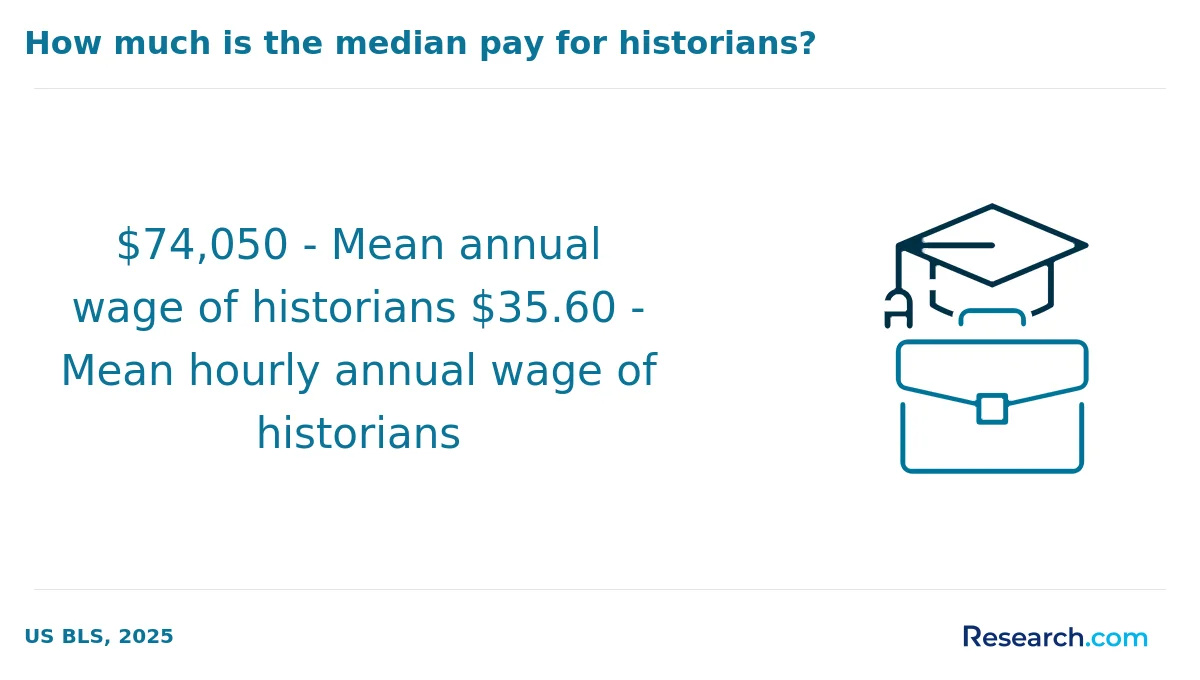
Graduates holding an online history degree in the South often find their earnings influenced by location, experience, and job type. In states like Virginia, North Carolina, and Georgia, historians typically earn between $55,000 and $75,000 annually, especially when working in government, education, or research. Imagine a graduate from a popular Southern university navigating the competitive job market in Atlanta-starting salaries there tend to be higher due to urban demand and cost of living.
Many alumni who pursued museum curatorship or archival roles report median wages around $50,000, yet with specialized skills like digital archiving, incomes can rise closer to $60,000. For example, a graduate from a well-regarded college in Raleigh found that combining an online master's degree with internships helped secure a position offering $70,000 per year after a few years of experience.
Teaching roles at community colleges or high schools usually fall between $48,000 and $55,000, and urban districts often offer the higher end of that range. Online degrees not only provide flexibility but also reduce student debt, allowing many Southern graduates to enter the workforce with a financial edge.
- Tuition for online bachelor's degrees in history in the Southern U.S. ranges from $15,000 to $35,000, while master's programs cost between $10,000 and $25,000.
- Median annual wages for historians nationwide were about $63,100 in 2022, with entry-level salaries in the South around $45,000 to $50,000.
- After five to ten years, history professionals in the South can earn between $55,000 and $70,000 annually, depending on their role and employer.
- Southern online history programs often focus on regional topics like the Civil War, Southern culture, and indigenous histories, and most are accredited by SACSCOC.
- Graduates benefit from connections to local historical organizations, but competition for government and academic jobs can be strong, making internships important.
Many students embarking on an online history degree in the South quickly discover that the timeline is more flexible than they initially expected. At institutions like the University of Florida or the University of North Carolina, graduates often report completing their bachelor's degrees in about four years if enrolled full-time, mirroring traditional programs. Yet, for some, balancing work and family commitments extends this journey, turning the degree into a rewarding part-time experience. For graduate students, such as those at Georgia State University, finishing a master's in history usually takes one to two years, but part-time learners may stretch this to three or more years without losing momentum.
What surprises many is how the balance between course intensity and personal life shapes the timeline more than rigid credit-hour requirements. Those who embrace summer sessions and transfer credits often accelerate their path, celebrating milestones sooner than expected. These graduates share a sense of accomplishment, proud not just of their diplomas but of mastering history while managing real-world demands.
Choosing between online and on-campus history degrees in the South often challenges preconceived notions about education quality and experience. Graduates from universities in Georgia or North Carolina frequently share how on-campus programs' face-to-face interactions enriched their understanding of Southern history through access to local archives and lively debates in historic campus libraries. Meanwhile, those who studied online from Texas praise the flexibility that allowed them to balance work and family while still engaging deeply with digital recreations of key regional documents and virtual discussions.
Cost and scheduling further complicate the choice. On-campus students often describe the immersive campus environment as inspiring but acknowledge the higher expenses of commuting and housing. Online students highlight how programs from Southern Regional Education Board institutions make education more affordable, yet emphasize the self-discipline needed to thrive without the structured classroom rhythm. These contrasting experiences reveal that the difference between formats is not just about location-it's about how students interact with Southern history and shape their academic journey around personal realities and ambitions.
The average cost of an online history degree in the South centers around a median total tuition of approximately $17,104, making it a compelling choice for many prospective students. Graduates from institutions like the University of Florida and the University of North Carolina often recall how their investment felt rewarding, reflecting on the balance between affordability and quality. This cost compares favorably when considering the broader spectrum of online education expenses.
State residency plays a remarkable role, with in-state students typically experiencing lower tuition fees, further enhancing affordability. Many students pursuing affordable online master's history programs in the southern US appreciate how public universities keep tuition costs between $300 to $600 per credit hour. This accessibility empowers those balancing work, family, and studies to envision earning a respected degree without overwhelming financial strain.
Beyond tuition, graduates mention minor additional expenses such as technology fees or proctoring services, generally kept minimal by Southern schools striving to maintain inclusivity. Those seeking different paths might explore various types of history degrees or programs tailored to unique career goals, accessible online. For a closer look at these options, one can review comprehensive resources on types of history degrees.
When pursuing an online history degree in the South, financial aid often feels like a puzzle waiting to be solved, yet it's more accessible than many imagine. Graduates from universities like the University of Alabama or University of North Carolina recall how federal aid through Pell Grants and low-interest student loans became their lifeline, especially when juggling work and studies.
State grants play a crucial, sometimes overlooked role. For instance, students in Texas benefit from Texas Grants that helped a graduate stay local without the burden of massive debt. Similarly, Georgia's HOPE Scholarships have enabled online learners at institutions such as Georgia State University to maintain steady academic progress while receiving support.
Merit-based scholarships from Southern colleges often reward dedication and passion for history, not just grades. Graduates share stories of receiving funds based on their research focus or professional experience in history fields, making those programs truly inclusive.
Employer tuition reimbursement also fuels many success stories, where professionals balance career growth with studies thanks to supportive workplaces.
Lastly, private scholarships from organizations like the Southern Historical Association widen the safety net, targeting students committed to Southern history in particular, turning ambition into achievement.
Enrolling in an online history degree in the South often begins with holding a bachelor's degree-usually requiring a GPA of around 2.5 to 3.0. Graduates recall the relief of meeting this baseline at universities like the University of Alabama, where a solid academic record opened doors without unnecessary hurdles. Many found that having coursework in history or humanities made the transition smoother, turning abstract prerequisites into tangible preparation.
Official transcripts, letters of recommendation, and a statement of purpose are more than mere paperwork; they become a narrative of your passion for history, just as Southern students experienced at the University of South Carolina. Some programs ask for GRE scores, but many Southern schools waive this, recognizing potential beyond test-taking-an encouraging nod to those balancing work and study.
For international students, proving English proficiency with TOEFL or IELTS scores adds a layer of challenge, yet graduates appreciate this as valuable preparation for digital engagement using platforms like Canvas. Reliable internet and technical readiness become essential, framing the entire learning journey with empowerment and confidence.
Online history degrees in the South challenge you to dive deep into courses that are anything but one-dimensional. Graduates from institutions like the University of Alabama or the University of Georgia recall grappling with courses such as Introduction to Historical Methods, which sharpened their ability to dissect primary sources and fueled their passion for research. It's here they learn that history isn't just dates but an evolving narrative shaped by perspective.
Southern programs uniquely emphasize the region's complex past. Students often find themselves engrossed in classes covering The American South: From Colonial Period to Modern Times and U.S. Civil War and Reconstruction Era, where the struggles and resilience of the South become personal, not abstract. These courses invite a reconsideration of familiar stories and foster strong analytical writing skills that graduates cherish as essential tools for their careers.
Broader global contexts enter the picture through surveys like World History before and after 1500 and studies of Africa, Latin America, or Asia, showing how Southern history fits into a wider human experience. Elective courses in areas like gender or economic history offer students the chance to craft a narrative that resonates personally while challenging societal norms.
Exploring online history degree specializations in the South reveals a unique academic landscape deeply intertwined with the region's complex past. Many students from popular Southern universities find themselves drawn to American History, particularly Southern-focused studies like the Civil War and Reconstruction eras, where passionate discussions bring to life the very cultural fabric that defines the region. These programs don't just teach dates and events-they challenge students to reconsider narratives and understand history's ongoing impact on current social dynamics.
Southern online master's programs in history concentrations often also include World History, offering graduates a comparative perspective rarely emphasized enough elsewhere. Graduates share how this global approach enriches their worldview and broadens their critical thinking beyond familiar borders. In addition, more practical fields such as Public History and Museum Studies equip students with hands-on skills for careers in archives and preservation.
Graduates frequently express enthusiasm about how these diverse specializations prepare them for meaningful careers, echoing the value of flexible, affordable online programs. Many look forward to applying their skills in roles outlined in the jobs to get with a history degree, confident that their Southern-focused studies offer distinct advantages.
Choosing the best online history degree programs in the South means looking beyond surface details. Graduates from popular Southern universities recall how accreditation by SACSCOC ensured their degrees opened doors with employers and graduate schools alike. But accreditation alone isn't enough; these students emphasize how a curriculum rich in Southern history topics made their studies deeply relevant and personally motivating.
Cost requires a nuanced approach. While many affordable online master's history degrees southern US hover between $7,000 and $15,000 annually, graduates often mention that scholarships or employer tuition reimbursement transformed what seemed like an impossible expense into an achievable goal. This financial relief allowed them to focus on immersing in their coursework without stress.
Flexibility is another real-world factor. Some found asynchronous classes crucial to balancing work, family, and study, while others thrived in scheduled sessions that fostered community. Alumni attest that reliable tech support made all the difference in their remote learning success, avoiding frustration that can derail progress.
Finally, imagining a future demands attention to career support. Graduates in education or museums credit programs that connected them directly to networks and history jobs that pay well, making the entire journey feel purposeful and rewarding.
Graduates with an online history degree in the South discover that their career paths extend far beyond traditional roles. Many find fulfilling work in education, becoming teachers who connect students to the rich and complex narratives of Southern history. For instance, graduates from universities like the University of Alabama have transitioned smoothly into public school teaching, supported by master's programs that offer certification options tailored for working adults.
Others embrace roles in museums, archives, and historical societies. These positions allow graduates to become stewards of Southern culture, curating exhibits or managing collections that reflect decades of heritage. Graduates from institutions such as the University of North Carolina have spoken passionately about how their education empowered them to enhance public appreciation for regional history through these positions.
Expanding opportunities also lie in public history and the private sector, where their skills translate into cultural resource management, heritage tourism, or even market research and publishing. This speaks to the versatility inherent in the online history degree careers in the South, challenging assumptions about history degrees being limited to academia or teaching.
For many, the choice to pursue history in the South is not only about knowledge but about making a meaningful impact on communities, proving that passion and practical skills can coexist in diverse and rewarding careers.
The job market for graduates with an online history degree in the South is complex yet promising. Many graduates from popular universities in states like Georgia and North Carolina find roles in museums, government, and cultural institutions, where their strong analytical skills are valued. These graduates often highlight how working in vibrant historical societies adds meaning to their careers, blending passion with profession.
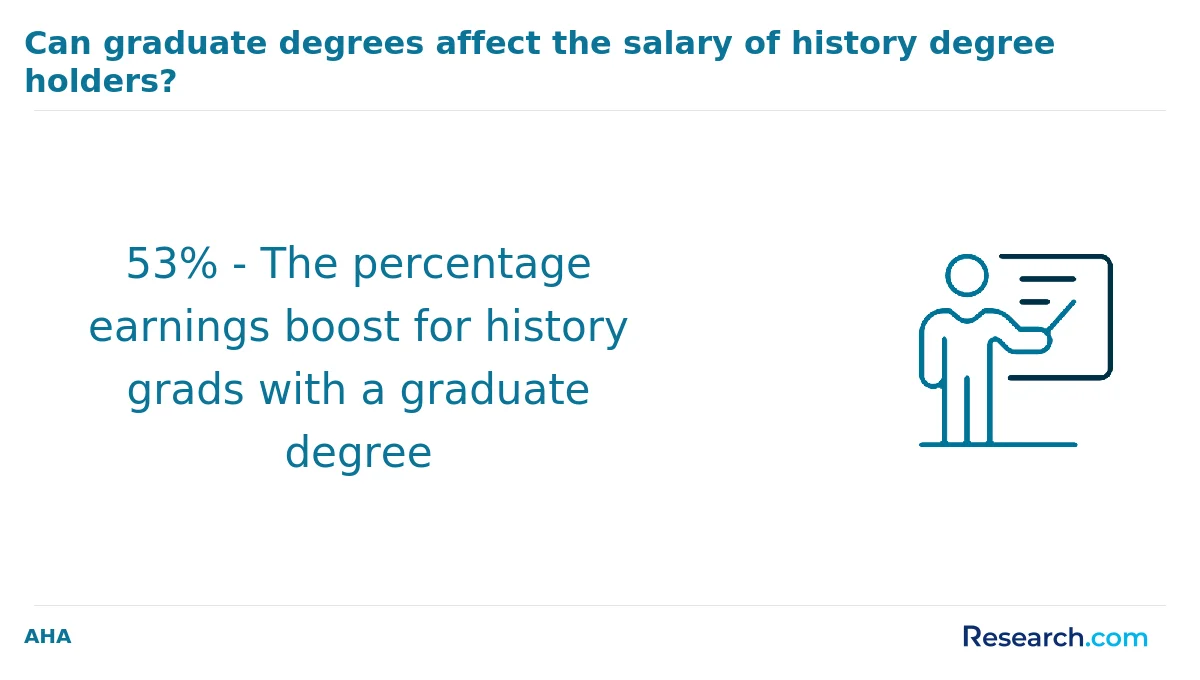
Opportunities vary; archivists and curators see growth projections around 9%, showing clear demand for specialized skills. Graduates often balance the satisfaction of contributing to cultural preservation with the reality that some teaching positions in community colleges offer lower pay. This makes additional skills or graduate education critical in standing out, especially in Southern job markets.
One key advantage for students pursuing an online history degree job prospects South is affordability. Many state universities charge between $7,000 and $15,000 annually for in-state students, making this path financially accessible. Positive experiences from alumni often mention how cost-effective education paired with relevant real-world opportunities nurtures both personal and professional growth.
For those curious about extended career paths, exploring jobs for art history majors offers insight into complementary roles that leverage historical expertise in creative and research-driven environments.
2027 Best Online Master's in History Degree Programs Ranking in the South
Investing in your education is a significant decision that can shape your future, and the Research.com team understands the importance of making informed choices. To assist prospective students in the South, we have meticulously crafted the "2027 Best Online Master's in History Degree Programs Ranking in the South." Our commitment to quality, credibility, and accuracy is reflected in the extensive research and analysis conducted to compile this ranking.
We utilized the following reputable data sources to ensure a comprehensive evaluation of history master's programs:
By exploring this ranking, readers will gain valuable insights into the best online history master's degree programs in the South, enabling them to make well-informed decisions about their educational futures. For more details on our methodology, please visit our Research.com methodology page.


Frequently Asked Questions About history
Online history degree students in the South can enhance their learning by actively engaging with regional archives and digital collections. Many Southern universities partner with local historical societies, offering access to unique primary sources that enrich coursework. The Southern Historical Association highlights that students tapping these resources gain deeper contextual understanding of topics like Civil Rights and Southern culture.
Participating in virtual seminars and discussion groups also boosts comprehension and networking. According to the National Center for Education Statistics, over 60% of Southern online students benefit from interactive learning tools. Mastering research databases such as JSTOR or Project MUSE is essential for academic success in history programs.
Emerging niches within the history field reflect growing interests in specialized and interdisciplinary areas. Public history is one such niche, combining historical research with museum work, archival management, and digital curation. This appeals to students wanting practical experience in preserving Southern heritage.
Another rising area is environmental history, which explores the relationship between humans and nature over time. The South's rich ecological history offers unique opportunities for research in this field.
Digital history is expanding rapidly, with more programs incorporating data analysis, GIS mapping, and digital storytelling. According to the American Historical Association, 30% of recent graduate history programs now emphasize digital skills, particularly in online courses offered by Southern universities.
Finally, social justice history, focusing on race, gender, and civil rights, continues to gain momentum, reflecting broader societal concerns and the South's complex past.
Graduates with an online history degree in the South should focus on building relevant skills to stand out in a competitive job market. Developing strong research, writing, and critical thinking abilities is essential for careers in education, archiving, and public history. Networking through internships and joining professional organizations like the Southern Historical Association can provide valuable connections.
South Carolina and Georgia have growing cultural heritage sectors, offering opportunities in museums and historical preservation. According to the U.S. Bureau of Labor Statistics, jobs for historians are projected to grow 7% from 2022 to 2032, faster than average.
Enhancing digital skills, such as GIS mapping and digital archiving, can also improve job prospects in the South's expanding historical research field.
Employers in the Southern U.S. value history degree graduates who demonstrate strong research and critical thinking skills. These skills enable graduates to analyze complex historical data, identify patterns, and provide insightful interpretations. According to the American Historical Association, over 70% of history graduates find roles requiring advanced analytical abilities.
Communication skills are also essential, with many employers seeking candidates capable of writing clearly and presenting ideas effectively. This is especially true for roles in education, public history, and archives.
Additionally, digital literacy-including proficiency with databases and digital archives-is increasingly important in the South's growing heritage and museum sectors, as noted by the Southeastern Museums Conference.
Finding internships in the South relevant to a history degree involves targeting institutions that preserve and interpret the region's rich past. Key places include museums, archives, historical societies, and cultural heritage organizations. Southern universities often maintain partnerships or databases listing local internships for history students. For example, the Southern Historical Association provides resources and listings helpful for locating opportunities.
Students can also explore internships with state archives such as the Georgia Archives or the Texas State Library and Archives Commission, which frequently offer positions focused on research and preservation. Networking through professors and attending local history conferences also boosts chances.
According to the National Association of Colleges and Employers, about 60% of history graduates who intern gain valuable work experience, improving career prospects in the South's competitive job market.
Obtaining an online history degree in the South significantly enhances career mobility and advancement opportunities. According to the Bureau of Labor Statistics, positions related to history, such as archivists and museum curators, are projected to grow 7% regionally by 2030. This growth is partially driven by the South's investment in cultural preservation and tourism. An online degree offers flexible access to accredited institutions, allowing candidates to acquire specialized knowledge while maintaining employment.
The degree often serves as a stepping stone for roles in education, public history, or government positions. Graduates report increased earning potential and are more competitive for managerial jobs requiring critical analysis and research skills.
Many Southern employers recognize accredited online programs, easing geographic barriers and facilitating career shifts without relocating. This growing acceptance, documented by the Southern Association of Colleges and Schools Commission on Colleges, underscores the practical value of online history degrees for professionals seeking advancement in the region.
Studying for a history degree in the South offers unique interdisciplinary preparation by integrating regional culture, politics, and social dynamics. Southern universities often emphasize connections between history and fields like sociology, political science, and cultural studies. This approach equips students to analyze complex societal issues through multiple lenses.
Many programs include coursework on Civil Rights, Southern literature, and economic development, fostering skills applicable to law, education, public policy, and museum curation. According to the Southern Association of Colleges and Schools Commission on Colleges, interdisciplinary studies are growing in Southern institutions to meet workforce demands.
Online formats provide access to diverse faculty expertise, allowing students to blend historical knowledge with other academic disciplines effectively.
Choosing between a thesis and a non-thesis online history degree in the South depends on your academic and career goals. Thesis programs typically require original research and a formal paper, which is ideal if you plan to pursue a PhD or work in research-oriented roles. Non-thesis programs focus on coursework and may include comprehensive exams, better suited for professionals seeking advancement without emphasis on research.
Southern universities offering history degrees, such as the University of Alabama and the University of North Carolina system, provide both options. According to the Southern Association of Colleges and Schools, about 45% of history master's programs in the region offer thesis tracks, reflecting regional academic standards.
Consider your time commitment: thesis programs often take longer due to research demands, while non-thesis may finish faster, beneficial for working adults. Review faculty expertise and resources, especially if choosing the thesis path, as mentoring quality influences success. Reliable program data can be found on official university websites and SACS accreditation reports.
Students based in the South have several options for studying history abroad as part of their online degree programs. Many Southern universities with strong history departments offer study-abroad components integrated into their curricula, allowing students to earn credits while experiencing global historical sites firsthand. For example, institutions such as the University of North Carolina and the University of Florida provide virtual exchanges and summer programs focused on European and Latin American history.
Online history graduate programs frequently collaborate with overseas institutions, giving learners opportunities to participate in research projects or internships abroad. According to the American Historical Association, over 30% of history graduate students at Southern universities engage in some form of international study during their degrees, often supported by scholarships and grants.
This hybrid approach helps Southern students acquire a global perspective without interrupting their careers or personal lives. It also addresses the growing demand for historians proficient in cross-cultural analysis, particularly in regions like the South where history is deeply intertwined with international influences.
Part-time jobs that align well with an online history degree in the South often include museum docents, archives assistants, and historical tour guides. Museums and historic sites in Southern states such as Virginia, Georgia, and South Carolina frequently seek part-time staff to help manage collections and educate visitors.
Positions in local archives offer hands-on experience with primary sources, beneficial for understanding Southern history. Additionally, opportunities exist in education, such as tutoring History or working as teaching assistants, especially for students enrolled in graduate programs.
According to the U.S. Bureau of Labor Statistics, education and archival support roles are expected to grow steadily through 2032, making these viable options for income and experience. These jobs provide valuable networking and practical skills relevant to careers in public history, research, or teaching.
Online history students in the South benefit from diverse networking opportunities despite the virtual format. Many Southern universities offer access to online discussion boards, virtual workshops, and guest lectures featuring regional historians. These platforms allow students to connect with peers and professionals sharing interests in Southern history and heritage.
The Southern Historical Association, headquartered in Louisiana, provides online memberships and virtual events where students can engage with scholars focused on the South's past. Additionally, students often gain access to regional archives and digital collections, fostering collaboration on research projects.
Institutions also encourage participation in internships and local history organizations, which enhances professional connections for online learners. These combined resources help build robust networks within the Southern historical community.
Alumni networks offer valuable benefits for online history degree students in the South. These networks provide access to experienced professionals who can offer mentorship and career advice tailored to Southern historical contexts. According to the Council of Alumni Associations, graduates connected through alumni groups report a 25% higher job placement rate within their region.
Many Southern institutions maintain active alumni chapters that host virtual events, workshops, and guest lectures. This engagement helps students build connections despite studying remotely. Networking through these groups can also lead to internships and research opportunities in museums, archives, and cultural institutions focused on Southern history.
Overall, alumni networks bridge the gap between online study and real-world professional development in the region's history field.
Customizing an online history degree in the South allows students to align their studies with specific career goals. Many Southern universities offer elective courses focusing on regional topics such as Southern heritage, Civil Rights history, and Appalachian culture. This concentration can benefit those aiming for careers in museums, archives, or education.
Students can also choose between thesis options, internships, or comprehensive exams depending on their professional interests. For example, internships at historical societies like the Southern Historical Association provide practical experience.
According to the National Center for Education Statistics, over 40% of history master's students in Southern states select programs with flexible electives, emphasizing customization.
Online history students in the South often face challenges related to limited access to archival materials critical for research. Many historical documents remain in local physical libraries or regional archives, making remote research difficult. Connectivity issues can also impact students in rural areas, with the Federal Communications Commission reporting that about 22% of Southern rural households lack high-speed internet.
Another challenge is the availability of specialized faculty, as some Southern institutions may have fewer history professors focused on certain historical periods or themes. Additionally, students may find fewer opportunities for local internships or hands-on experiences, which are important for practical learning in history.
Finally, balancing work, family, and study commitments presents a common hurdle for online learners, especially in Southern states where the median age of graduate students tends to be higher compared to national averages, indicating many students juggle multiple responsibilities.
Graduates with an online history degree in the South can pursue various professional certifications to enhance their career prospects. One common path is obtaining the Certified Archivist credential, granted by the Academy of Certified Archivists, which validates skills in managing historical records. Another option is the Museum Studies Certification, often offered through institutions in the region, preparing graduates for roles in curation and collections management.
Teachers can seek state-specific certifications to teach history in K-12 schools, such as those issued by southern state education departments. Additionally, certifications in historic preservation, accredited by the National Council for Preservation Education, are valuable for those interested in conserving Southern heritage sites.
To craft a winning application for an online history program in the South, start with a strong personal statement. Clearly explain your passion for Southern history, emphasizing specific interests such as Civil Rights or antebellum culture. Admissions committees value applicants demonstrating knowledge of regional heritage.
Highlight your academic background by listing relevant coursework or research experience. According to the Southern Association of Colleges and Schools, competitive programs often expect applicants to have a bachelor's degree with a minimum GPA of 3.0.
Secure letters of recommendation from professors familiar with your skills and interest in history. If possible, include any experience working with archives or historical societies in Southern states.
Finally, tailor your resume and writing samples to reflect analytical skills and familiarity with historical methods applicable to Southern studies.
The global perspectives on a history career highlight its diverse applications in education, research, cultural preservation, and public policy. For students in the South pursuing online history degrees, understanding these opportunities is vital. According to the Bureau of Labor Statistics, historians in the U.S. can work in museums, archives, or government agencies, with about 24% employed in academia.
Internationally, historians support cross-cultural dialogue and heritage management, which resonates with Southern institutions focusing on Civil Rights and Southern heritage studies. The Southern Economic Journal notes growing job prospects linked to digital history and public history sectors.
These trends suggest a history degree offers a versatile foundation with growing global relevance.
Gaining practical experience while studying for an online history degree in the South is achievable through internships, research projects, and volunteering. Many Southern universities partner with local museums, archives, and historical societies, offering remote or hybrid internship opportunities that let students apply classroom knowledge.
Participating in digital archiving or oral history projects can enhance research skills practically important in history careers. The Southern Historical Association often lists opportunities relevant to the region's rich cultural heritage.
Additionally, some programs encourage collaboration with state heritage agencies, where students can contribute to preservation efforts or educational outreach online.
Practical experience boosts employability in fields like public history, teaching, and archival management.
When choosing the right concentration within an online history degree program in the South, consider your career goals and personal interests first. Many Southern universities offer specializations such as Civil Rights, Southern History, or Public History, reflecting the region's rich and complex past. According to the Southern Historical Association, concentrations focusing on Civil Rights and Reconstruction provide valuable insights into social justice and political change.
Review the curriculum carefully to ensure it includes courses that match your interests. Also, check faculty expertise and research opportunities to maximize your learning experience. Consider if the program's concentration aligns with job market trends in the region, such as roles in education, archives, or museums.
- History Online https://www.nsu.edu/History-and-Interdisciplinary-Studies/History-Online
- 2025 Most Affordable Online History Degrees https://www.onlineu.com/most-affordable-colleges/history-degrees
- History Fieldwork - Do Our Students Get Out Enough? https://www.historyworkshop.org.uk/museums-archives-heritage/history-fieldwork/
- History Pathway - Lake-Sumter State College https://www.lssc.edu/history-pathway/
- The Challenges of Studying History in School | Education Research Project Topics and Materials https://educationtopics.com.ng/the-challenges-of-studying-history-in-school/60853/history-education/
- Finding Networking Opportunities as a Student | National Society of High School Scholars https://www.nshss.org/resources/blog/blog-posts/how-to-find-networking-opportunities-as-a-student/
- Online History Degrees https://mycollegeguide.org/online-history-degrees/
- Undergraduate Online Financial Aid | Bushnell University https://www.bushnell.edu/financial-aid/undergraduate-online/
- Niche History Picks from EPOCH https://www.epoch-magazine.com/post/niche-history-picks-from-epoch
- Master's History Application - Sample Letter (EN) https://ai.mystudies.com/blog/mystudies-writing-examples/application-for-master-program-history-20-06-2025.html