2027 Most Valuable Online Master's in History Degree Programs Ranking in the Northeast

Co-Founder and Chief Data Scientist
Choosing the right online master's in history program can shape your future and open doors to exciting career paths. For students in the Northeast, this article offers valuable insight to help guide that decision.
The 2027 Most Valuable Online Master's in History Degree Programs Ranking in the Northeast was developed by the Research.com team of data scientists. Their thorough analysis highlights programs that combine quality, affordability, and strong outcomes.
Reading this ranking empowers you to find a program that fits your goals, making your investment in a history degree truly worthwhile.
Key benefits of getting online history degree in the Northeast
- History degree graduates in the Northeast often pursue careers in education, museums, or government, with average salaries ranging from $50,000 to $65,000 annually, providing a stable and rewarding income.
- A graduate from a popular Northeast university might explore diverse roles such as archivist, historian, or cultural resource manager, showing how versatile a history degree can be.
- Online history degrees from respected Northeast universities offer flexibility and accessibility, making it easier for students to balance work and study while still gaining quality education.
- Key benefits of getting online history degree in the Northeast
- What can I expect from online history degree in the Northeast?
- Where can I work with online history degree in the Northeast?
- How much can I make with online history degree in the Northeast?
- 2027 Most Valuable Online Master's in History Degree Programs Ranking in the Northeast
- Key Findings
- How long does it take to complete online history degree in the Northeast?
- What's the difference between online and on-campus history degree?
- What is the average cost of online history degree in the Northeast?
- What financial aid is available to online history degree students in the Northeast?
- What are the prerequisites for enrolling in online history degree program in the Northeast?
- What courses are typically in online history degree programs in the Northeast?
- What types of specializations are available in online history degree programs in the Northeast?
- How do you choose the best online history degree in the Northeast?
- What career paths are available for online history degree students in the Northeast?
- What is the job market for online history degree in the Northeast?
- Top Trending History Rankings
What can I expect from online history degree in the Northeast?
The average cost of pursuing an online history degree in the Northeast generally ranges between $15,000 and $30,000 for a full master's program, depending on the institution and whether it is public or private. Graduates from programs at well-known schools in Massachusetts or Pennsylvania often recall how the investment was balanced by the program's flexibility and the value of learning from faculty who are active historians.
For many students, this price point translates into access to rich resources, such as digital archives tied to local landmarks like Boston's Freedom Trail or Philadelphia's historical museums. One graduate from a popular New York college recalls how interactive online seminars deepened their understanding of immigration history - a topic closely tied to the city's cultural heritage - making every dollar spent feel worthwhile.
Keep in mind that while costs vary, many programs offer financial aid, scholarships, and part-time enrollment options to ease financial stress. This flexibility allows you to balance work and study while immersing yourself in the Northeast's vibrant historical context.
Where can I work with online history degree in the Northeast?
Graduates of online history programs from renowned Northeastern schools like Boston University and SUNY often find themselves immersed in dynamic roles within museums, archives, and educational settings. Imagine working as a curator at the New-York Historical Society, crafting engaging exhibits that bring history to life for visitors. Many alumni recall their rewarding experiences teaching history in Massachusetts public schools, where their passion helps young learners connect with the past.
Government positions are another vital avenue-roles in historical preservation or policy research at agencies like the Massachusetts Historical Commission allow graduates to influence how the region's rich cultural heritage is protected. Others build fulfilling careers in archives, preserving vital documents at places such as the Schomburg Center, ensuring history remains accessible for future generations.
Some graduates choose creative paths, consulting for media projects or writing historical content, turning their specialized knowledge into compelling stories. These vibrant career options in the Northeast prove that an online history degree opens doors to meaningful work that shapes how history is understood and appreciated.
How much can I make with online history degree in the Northeast?
Graduates with an online history degree in the Northeast can anticipate earning approximately $69,000 annually, reflecting the robust demand in this region. Those who studied through reputable institutions like Boston University or New York University often find themselves well-positioned for roles in museums, universities, or government agencies, where wages surpass the national median of $63,000. One graduate shared how their online degree opened doors to a research role at a historical society in Massachusetts, offering a salary starting near $70,000 and growth potential beyond $90,000 with experience.
Many find opportunities as secondary school history teachers, where salaries typically range from $60,000 to $75,000 depending on location and district funding. The high cost of living in cities like Boston or New York makes these figures especially relevant, emphasizing the balance between earnings and lifestyle.
For those passionate about cultural preservation, roles such as museum curators or cultural resource managers offer starting salaries near $50,000, with mid-career growth nearing $80,000. The flexible nature of an online degree combined with the Northeast's dynamic job market can truly empower graduates to pursue meaningful, well-compensated careers in history.
2027 Most Valuable Online Master's in History Degree Programs Ranking in the Northeast
How do we rank schools?
Investing in your education is a significant decision that can shape your future, and the Research.com team understands the importance of making informed choices. To assist prospective students in the Northeast, we have meticulously crafted the "2027 Most Valuable Online Master's in History Degree Programs Ranking in the Northeast." Our commitment to quality, credibility, and accuracy is reflected in the extensive research and analysis conducted to compile this ranking.
We utilized the following reputable data sources to ensure a comprehensive evaluation of history master's programs:
By exploring this ranking, readers will gain valuable insights into the most valuable online history master's programs in the Northeast, empowering them to make well-informed decisions about their academic and professional journeys. For more details on our methodology, please visit our Research.com methodology page.


Key Findings
- Tuition for online history degrees in the Northeast ranges from $30,000 to $60,000 depending on the institution and program length.
- Public universities may offer lower rates for in-state students, but out-of-state tuition is similar to private school costs.
- Starting salaries for history graduates in the region typically range from $40,000 to $50,000 annually.
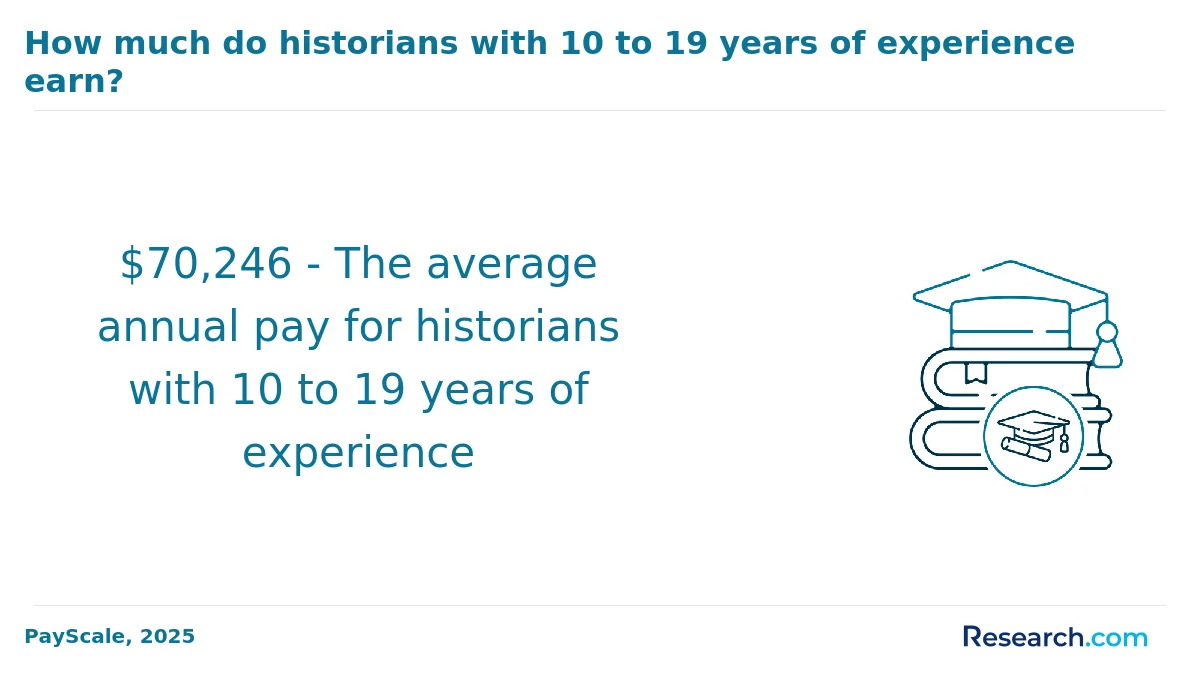
- Experienced professionals can earn between $60,000 and $70,000 in roles related to education, research, and public history.
- The job market includes opportunities in museums, archives, and cultural preservation but grows more slowly than STEM fields.
- Accreditation by bodies like the Middle States Commission is important for quality education and federal financial aid eligibility.
How long does it take to complete online history degree in the Northeast?
Completing an online history degree in the Northeast usually takes about three to four years for a bachelor's degree if you study full-time. Many graduates from schools like the University of Massachusetts Amherst share how balancing their busy lives while studying kept them motivated, even if it meant extending to five years part-time. For Master's programs, the timeline tightens to roughly one to three years, with full-time students often finishing by the two-year mark.
Those who attended accelerated programs found they could finish in as little as 12 to 18 months by embracing an intensive course load. Imagine tackling your studies with the same determination as those students who mapped out a plan to finish swiftly at institutions offering flexible online schedules.
Balancing work, family, and education often extends the timeline, but the online format allows you to craft a pace that suits your life. Graduates frequently express pride in their ability to adapt and persevere, proving that flexibility is the greatest strength you'll find in Northeast online history programs.
What's the difference between online and on-campus history degree?
Choosing between an online and an on-campus history degree in the Northeast often comes down to how you envision your learning journey. Graduates from Northeastern University's online history master's programs frequently praise the flexibility-balancing coursework with family responsibilities or a full-time job makes studying manageable and rewarding. With no need to commute, these students save both time and money, often investing that extra energy into deepening their research and analysis skills.
On the other hand, alumni from Boston University's on-campus history programs treasure the immersive experience. Being physically present on campus allows direct access to priceless resources like archives and lively discussions that spark academic excitement. The chance to connect face-to-face with faculty and peers creates a vibrant community, perfect for those who thrive in traditional settings.
Both formats cover essential topics such as historiography and research methods, but understanding which environment fuels your passion best is key. In the Northeast, where history pulses through every corner, the choice you make shapes not only your education but your connection to the past and your future career.
What is the average cost of online history degree in the Northeast?
The average cost of an online history degree in the Northeast generally falls around $17,145, with slight variation depending on residency status. Many students from well-known institutions like the University of Massachusetts system have found that in-state tuition can be particularly affordable, often around $14,490 total, compared to approximately $16,965 for out-of-state learners. This affordability opens doors for learners eager to deepen their understanding of history without overwhelming financial strain.
Graduates from prestigious Northeast universities frequently share how the blend of reasonable tuition and quality instruction made their journey rewarding and accessible. For instance, some report balancing study and work seamlessly, helped by the flexible pace of online courses and tuition models that sometimes offer flat rates or per-semester pricing. These options can reduce stress around budgeting, which is crucial when pursuing a history degree online.
When exploring the average cost of online history degree northeast offerings, remember to factor in the cost per credit hour, which can range between $400 and $900, with programs requiring 30 to 36 credits. Additional fees may vary, but many schools bundle technology or material fees into tuition to streamline expenses. Prospective students might also find useful insights at what jobs can a history degree get you, linking academic investment to future opportunity.
Other students highlight that private universities in the region tend to charge more, often upwards of $25,000 annually, but can provide scholarships or aid to balance costs. Nonetheless, the good news is that many public universities now offer the same tuition rates for online students irrespective of residency, making higher education in history a truly attainable goal throughout the Northeast.
What financial aid is available to online history degree students in the Northeast?
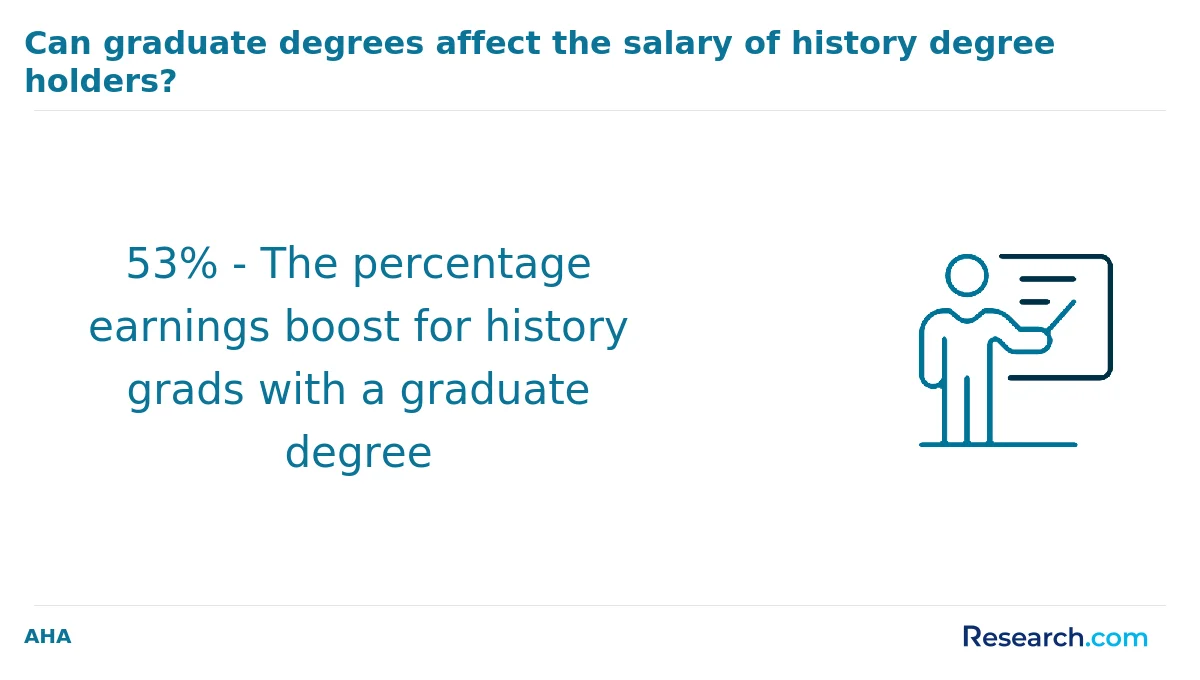
Many online history students in the Northeast find financial aid to be a crucial part of their journey toward earning a degree. Graduates from institutions like Northeastern University and Syracuse University often share how completing the FAFSA opened doors to Pell Grants, which can provide up to $7,395 annually without repayment obligations. This federal aid eases the pressure of tuition, allowing students to focus more on their studies.
State grants, such as New York's Tuition Assistance Program (TAP), have been game changers for those enrolled in schools like Hunter College, reducing costs by up to $6,165 a year. Many students who balance work and study also benefit from employer tuition assistance, enabling them to pursue this passion without sacrificing income.
Scholarships from universities themselves add another layer of support. Several online learners at the University of Vermont have accessed merit-based awards acknowledging their academic dedication or professional experience. Plus, for veterans, the GI Bill offers an invaluable benefit accepted by many Northeast programs, turning military service into an educational stepping stone.
What are the prerequisites for enrolling in online history degree program in the Northeast?
To enroll in an online history degree program in the Northeast, you'll typically need to have earned a bachelor's degree from a regionally accredited institution. This doesn't always mean your undergraduate degree must be in history-graduates with backgrounds in the humanities or social sciences often find themselves well prepared and welcomed by schools like those in Boston or New York.
Many programs ask for a minimum GPA, usually around 3.0, to ensure you're ready for the rigor of graduate study. Picture a student from a well-known university in the region who successfully balanced work and study to meet this criterion, feeling proud as their transcripts opened doors to advanced courses.
Applicants must submit official transcripts and often letters of recommendation, which can be powerful endorsements from professors or workplace mentors who recognize your passion and potential.
While some Northeast schools may still request GRE scores, an increasing number waive this for online learners, understanding the challenges of returning to study later in life. You might also prepare a personal essay or résumé to convey your story and ambitions clearly.
If you're an international student, language tests like TOEFL may be necessary-but for most local residents, these aren't barriers, fostering a welcoming path toward your academic goals.
What courses are typically in online history degree programs in the Northeast?
When you enroll in an online history degree program in the Northeast, expect a curriculum designed to immerse you in both foundational knowledge and uniquely regional perspectives. Courses typically include Historical Research Methods, where you'll develop skills to analyze primary documents-imagine virtually exploring archives from institutions like SUNY Albany to uncover firsthand accounts from the colonial era.
Graduates from universities such as Northeastern often highlight how American History courses vividly bring the rich colonial heritage of the Northeast to life, tracing events from early settlements to the revolutionary period. This regional focus offers a powerful connection to your own surroundings, making history feel immediate and relevant.
You'll also encounter World History classes that broaden your understanding of global contexts-a vital skill that frames U.S. history within a bigger picture. Historiography courses teach you how interpretations evolve, encouraging you to think critically about sources and narratives.
Many programs include Public History, giving you practical insights into careers involving museums and digital archiving, often supported by partnerships with local historical societies. Electives allow you to personalize your studies, delving into Civil Rights or Native American history, which graduates describe as deeply rewarding and eye-opening.
What types of specializations are available in online history degree programs in the Northeast?
Online history degree specializations in the Northeast offer a rich variety of paths shaped by the region's deep historical roots. Graduates from institutions like Boston University or Syracuse often choose American History, diving into revolutionary and industrial eras that feel personal thanks to nearby landmarks. Others find excitement in European History, connecting global events to the Northeast's transatlantic academic ties.
Many learners are drawn to Public History and Museum Studies, inspired by hands-on experiences with cultural institutions and archives around cities like Philadelphia. There's also growing enthusiasm for Historiography and Research Methods, equipping students with cutting-edge digital tools-an advantage often highlighted in leading Northeast online master's history program concentrations.
Social and Cultural History attracts those passionate about stories of diversity and social change, reflecting the Northeast's vibrant urban fabric. For tailored guidance, exploring requirements for history degree programs can clarify which specialization aligns best with your career goals and interests.
How do you choose the best online history degree in the Northeast?
To choose the best online history degree programs Northeast, start by focusing on accreditation and curriculum relevance. Graduates from well-known institutions in the region, such as those in New York or Massachusetts, often praise how their programs balanced rigorous coursework in American and European history with access to local historical archives. These experiences made their studies feel connected to real places and events, enhancing engagement.
Affordability matters too. Many students found affordable online master's in history Northeast options by comparing tuition rates between public and private universities. For instance, programs charging $500 to $900 per credit hour allowed them to manage costs while accessing quality faculty. Don't overlook financial aid offers like scholarships or grants that can lighten the load.
Find programs offering the flexibility to fit your lifestyle with asynchronous courses and multiple start dates. This flexibility often gave graduates the confidence to persist, balancing work and study successfully. Finally, explore career pathways by researching jobs for history majors, so you can align your degree choice with your professional goals.
What career paths are available for online history degree students in the Northeast?
Graduates with an online history degree in the Northeast discover a wealth of career opportunities that truly capitalize on their analytical and research talents. Many find rewarding roles in education, becoming high school teachers or adjunct professors at renowned institutions such as SUNY or CUNY. These positions allow them to inspire a new generation while earning competitive wages. Others pursue dynamic careers in museums and historical societies, working as curators or preservationists at esteemed sites like Colonial Williamsburg or Smithsonian affiliates, blending passion with purpose.
Public service also beckons, with history graduates engaging in cultural resource management or public history roles within government agencies or nonprofits focused on heritage tourism. The strong job market in these sectors is supported by growing regional investment. Some graduates leverage their critical thinking in publishing, journalism, or legal fields, where their skills shine in complex analysis and communication. Those interested in further information about online history degrees can explore opportunities through online history degrees to align their studies with these vibrant job opportunities in the Northeast.
History master's job opportunities in Northeast institutions often reflect a blend of tradition and innovation, making this region unique for ambitious students aiming to turn their passion into careers that make a difference.
What is the job market for online history degree in the Northeast?
The job market for graduates with an online history degree in the Northeast remains promising, especially for those who leverage the rich cultural landscape of cities like Boston, New York, and Philadelphia. Graduates from popular institutions such as Northeastern University or Fordham often share how internships at local museums and historical societies helped them gain valuable hands-on experience, making the transition from study to employment smoother. This region, known for its concentration of archives and cultural heritage centers, offers unique roles that range from archivist positions to research specialists.
Students pursuing an online history degree jobs Northeast often find opportunities aligned with their passions, such as policy research or education in community colleges. The combination of practical internships and networking through these institutions boosts their confidence and readiness for competitive fields. Many graduates emphasize how understanding the local history enhances their ability to contribute meaningfully to preservation efforts and educational programs.
For those weighing career paths, exploring what can you do with a art history degree resources may provide additional insights and open doors to related fields. Embracing the Northeast job market for history graduates means tapping into a vibrant ecosystem where knowledge, passion, and opportunity intersect.
Frequently Asked Questions About history
Students pursuing online history degrees in the Northeast can enhance their learning by actively engaging with regional resources. Many universities in this area offer access to extensive digital archives, such as those of the Massachusetts Historical Society and the New York Public Library. These collections provide valuable primary sources that deepen understanding of American and regional history.
Participation in virtual seminars and discussion groups hosted by accredited institutions promotes critical thinking and networking. According to the National Center for Education Statistics, 63% of history master's students benefit from interactive online formats that encourage dialogue. Combining coursework with visits to local museums and historical sites, when possible, offers practical context to theoretical knowledge.
Emerging niches within the history field reflect growing interests in diverse and interdisciplinary topics. In the Northeast, an increasing number of online history programs focus on digital history, which involves using technology to preserve and analyze historical records. This niche benefits from advancements in data analysis and archival methods.
Cultural and public history also attract attention, especially as communities seek to preserve local heritage. Environmental history is another rising area, examining historical human interactions with the environment, a topic gaining traction due to climate concerns.
According to the American Historical Association, nearly 30% of history departments in the Northeast report growing student interest in these specialized fields.
After completing an online history degree in the Northeast, preparing for the job market involves gaining practical experience and building a strong professional network. Internships at regional museums, historical societies, and archives are valuable; for example, New York's Museum of the City offers remote internships tailored to students. Developing digital skills, such as proficiency in GIS mapping or digital archiving, is increasingly favored by employers. According to the Bureau of Labor Statistics, the employment of historians in the Northeast is projected to grow 5% through 2030, emphasizing the importance of specialized skills.
Networking through local history associations and attending regional conferences can open job opportunities. Additionally, consider obtaining certifications in public history or archival management to stand out.
Employers in the Northeast highly value history degree graduates who demonstrate strong critical thinking and research abilities. These skills enable graduates to analyze complex historical data and present coherent arguments, essential in fields such as education, public policy, and cultural management.
Written and oral communication skills are also top priorities. According to a 2023 report by the National Association of Colleges and Employers, over 80% of employers in the region seek graduates who can effectively convey complex ideas both in writing and speaking.
Moreover, familiarity with digital tools for data analysis and archival research is increasingly important. As many Northeast institutions digitize historical records, graduates proficient in these technologies have a competitive edge.
Finding internships relevant to a history degree in the Northeast involves leveraging regional resources and university partnerships. Many institutions in states like New York, Massachusetts, and Pennsylvania have established connections with museums, archives, and historical societies. For example, the American Historical Association highlights the significance of local historical organizations offering internships that provide hands-on archival and research experience.
Students should explore online portals like the National Museum of American History's internship listings or check with local universities' career centers, which often list opportunities exclusive to their students. Networking through professional history organizations can also open doors to internships.
Since the Northeast hosts numerous cultural institutions, such as the Smithsonian affiliates and state history societies, early application and proactive communication are key. Additionally, the U.S. Bureau of Labor Statistics notes increasing demand for historians in this region, reflecting expanding internship opportunities.
An online history degree can significantly enhance career mobility and advancement prospects for students in the Northeast. Employers in education, museums, and public history sectors increasingly value the flexibility, research skills, and specialized knowledge graduates gain. According to the Bureau of Labor Statistics, the Northeast has a 7% higher concentration of historians compared to the national average, often requiring graduate-level credentials.
Online programs from accredited Northeast institutions offer targeted curricula that align with regional historical contexts and professional standards. This alignment aids graduates in securing roles in academic institutions, cultural organizations, and government agencies.
Furthermore, networking opportunities through virtual alumni and professional groups help foster career growth and promotions in competitive job markets such as Boston, New York, and Philadelphia.
Studying for a history degree in the Northeast offers unique preparation for interdisciplinary roles by emphasizing both historical knowledge and diverse analytical skills. Many Northeastern institutions integrate history with subjects like political science, sociology, and cultural studies, promoting a broad understanding of complex societal issues.
Online history programs often include coursework in digital humanities and data analysis, skills valued across fields such as public policy, education, and museum curation. According to the American Historical Association, over 60% of history graduates enter careers outside academia, making adaptability vital.
The region's rich historical resources, such as archives and museums, further enhance practical learning experiences even through virtual access.
When choosing between a thesis and a non-thesis online history degree in the Northeast, consider your career goals. Thesis programs emphasize research and are ideal for those pursuing doctoral studies or academic roles. Non-thesis options often focus on coursework, suitable for professionals seeking practical knowledge or careers in education and public history.
Most Northeastern universities, including notable ones like Northeastern University and the University of Massachusetts, offer these formats. According to the National Center for Education Statistics, around 40% of history master's students in the Northeast choose thesis tracks, reflecting regional academic priorities.
Evaluate your interest in research intensity and time commitment; thesis programs typically require a year longer. Also, check if your target employer values research experience, as this can affect your choice.
Students in the Northeast interested in studying history abroad while pursuing an online degree have several opportunities. Many universities in this region offer study abroad programs integrated into their history curricula, allowing students to gain international experience without interrupting their online studies.
Institutions such as Boston University and SUNY Binghamton provide partnerships with European and Asian universities, where students can participate in short-term research projects or cultural exchanges. According to NAFSA: Association of International Educators, about 30% of Northeast students engage in such programs, highlighting growing interest.
These options let students explore historical contexts firsthand, enriching their academic understanding while benefiting from the flexibility of online coursework.
Part-time job opportunities in the Northeast that complement an online history degree include roles such as museum docents, archival assistants, and library support staff. Museums and historical societies in cities like Boston and Philadelphia frequently seek part-time workers with a strong background in history to help with tours and exhibit preparation. According to the American Alliance of Museums, the Northeast hosts over 3,000 museums, highlighting rich local opportunities.
Archival work, often available at universities and public libraries, allows students to engage with primary sources and historical documents, enhancing research skills. The U.S. Bureau of Labor Statistics notes steady demand for archivists in these regions.
Online history students in the Northeast have access to a range of valuable networking opportunities that can enhance their academic and professional growth. Many universities in this region, such as Northeastern University and the University of Massachusetts, offer virtual events including guest lectures, alumni panels, and career workshops tailored specifically for history students.
Additionally, the Northeast hosts several professional organizations like the New England Historical Association and the American Historical Association, which provide discounted memberships and online forums for students. These groups often hold conferences and webinars that online students can attend virtually, enabling connections with historians and academics nationwide.
Furthermore, partnerships between online programs and local archives or museums often allow students to engage in internships or research projects remotely. This practical experience is crucial for building professional contacts in the history field within the Northeast. According to the National Center for Education Statistics, 38% of history master's students in the Northeast participate in such collaborative opportunities during their studies.
Alumni networks offer critical benefits to online history degree students in the Northeast by providing access to professional connections and mentoring opportunities. Graduates can leverage these networks to find internships, job openings, and research collaborations, which is especially valuable given the region's rich historical institutions such as the New York Public Library and the Massachusetts Historical Society.
Many programs report that 70% of their alumni remain actively engaged, facilitating continuous exchange of knowledge and career advice. Networking events and online platforms help students build relationships beyond the virtual classroom, increasing their chances to enter competitive fields like museum curation or archival management.
These networks also enhance students' understanding of local history trends and academic developments, supporting career growth with regional context. According to the National Center for Education Statistics, alumni connections significantly improve graduate employment rates within the Northeast's history sector.
Customizing an online history degree in the Northeast allows students to tailor their studies toward specific career goals such as education, public history, or research. Many institutions offer elective courses in regional history, archival studies, or digital humanities, enabling focused expertise.
Students can often choose interdisciplinary options, combining history with fields like political science or cultural studies, enhancing job prospects. Some programs provide opportunities for internships with museums or historical societies in the Northeast, which is rich in historic sites and archives, including those documented by the National Park Service.
Advisors typically assist in selecting concentrations and capstone projects aligned with career objectives, ensuring practical skills development for roles in academia, conservation, or media.
Online history students in the Northeast often face challenges related to access and engagement. Many programs require reliable high-speed internet, which may be limited in rural areas of states like Maine and Vermont, affecting about 15% of households according to the FCC. Time management is another common struggle, as students balance coursework with work or family commitments. Additionally, some courses rely heavily on archival research or in-person experiences, which can be difficult to replicate online, limiting practical learning opportunities.
Academic support and networking also pose challenges. Students may find fewer chances for mentorship or collaboration compared to on-campus peers. Lastly, navigating financial aid specific to Northeast institutions demands attention since tuition rates and aid options vary widely by state and school, as reported by the National Center for Education Statistics (NCES).
With an online history degree, professionals in the Northeast can pursue several certifications that enhance career opportunities. Among the most relevant are archival and museum certifications. For example, the Academy of Certified Archivists offers the Certified Archivist credential, which is widely respected in institutions like the New York Public Library and Boston's Museum of Fine Arts.
Another option is the Certified Historian designation from the National Council on Public History, helping graduates enter government and cultural resource management roles. Additionally, teaching certifications in history at the state level can be pursued with supplemental education courses, opening doors to public and private schools.
According to the New England Board of Higher Education, these certifications can significantly increase employability in heritage and education sectors.
To write a winning application for an online history program in the Northeast, begin by clearly demonstrating your passion for history and your reasons for choosing this region. Highlight any coursework, research, or relevant experience that aligns with the program's focus. Northeast institutions often value applicants who show awareness of the area's rich historical landscape, such as Colonial American history or industrialization themes.
Include strong letters of recommendation from professors or employers familiar with your academic abilities. Craft a concise personal statement explaining your career goals and how the program supports them.
According to the National Center for Education Statistics, online enrollment in history programs has grown by 12% in the Northeast since 2019, making timely and polished applications essential to stand out.
History careers offer diverse opportunities both in the United States and globally. According to the U.S. Bureau of Labor Statistics, employment of historians is expected to grow about 5% from 2021 to 2031, slightly faster than average. In the Northeast, online history degree programs prepare students with skills adaptable to roles in education, research, public history, and cultural resource management.
Globally, historians contribute to understanding cultural heritage and inform policy through comparative studies. Many institutions encourage interdisciplinary approaches combining history with digital technology and global studies. For Northeast students, studying history online provides access to regional archives and networks, crucial for careers with an international scope.
Institutions like Boston University and Syracuse University offer specialized master's degrees emphasizing global historical contexts, enhancing graduates' competitiveness worldwide.
Gaining practical experience while studying for an online history degree in the Northeast involves leveraging regional resources and virtual opportunities. Many universities encourage internships at local historical societies, museums, or archives, which are abundant in states like Massachusetts and New York. For example, the Massachusetts Historical Society offers remote and in-person internships that provide hands-on research experience.
Students can also participate in digital humanities projects, contributing to online archives or databases. Programs often collaborate with institutions such as the New-York Historical Society, allowing remote access to historical documents and exhibits.
Additionally, attending virtual webinars and conferences organized by Northeast historical associations deepens practical knowledge and networking possibilities. According to the American Historical Association, engaging in such activities significantly enhances employability in history-related careers.
Choosing the right concentration within an online history degree program in the Northeast requires careful consideration of your interests and career goals. Many programs offer specializations such as Colonial American History, African American History, Public History, or Museum Studies, reflecting the region's rich historical landscape.
Research from the American Historical Association shows that students focusing on regional history often find better networking opportunities with local institutions and archives. For example, concentrations in Colonial or Revolutionary War history align well with Northeast resources like Boston's Freedom Trail or Philadelphia's historic sites.
Additionally, consider how concentrations prepare you for specific careers, such as teaching, research, or cultural resource management. Northeast programs often emphasize practical experience through partnerships with museums and historical societies, which can be valuable for career development.
Top Trending History Rankings
References
- THE list of internships for history majors https://employedhistorian.com/history-major/internships-for-history-majors/
- How to Apply to Graduate School | Canadian Historical Association | Société historique du Canada https://cha-shc.ca/publications/employing-history-a-guide-to-graduate-school-and-navigating-the-job-market/how-to-apply-to-graduate-school/
- History (Online) BA (Hons) https://www.tees.ac.uk/undergraduate_courses/history/ba_(hons)_history_(online).cfm
- History Programs Abroad: Degrees & Opportunities - AEC https://www.aecoverseas.com/history/
- Online Degree vs. Traditional | University of Arkansas Grantham https://www.uagrantham.edu/blog/pros-cons-online-degree-vs-traditional-university/
- History Online https://www.nsu.edu/History-and-Interdisciplinary-Studies/History-Online
- Undergraduate Student Opportunities https://warwick.ac.uk/fac/arts/history/students/studentopportunities/
- History https://northeast.edu/degrees-and-programs/history
- Join the Alumni Network - National History Day https://nhd.org/en/get-involved/join-the-alumni-network/
- History, BA https://www.nec.edu/programs/history-b-a