2027 Fastest Online Bachelor's in History Degree Programs Ranking in the Northeast

Co-Founder and Chief Data Scientist
Exploring the right online bachelor's degree in history can feel overwhelming, especially with so many options available in the Northeast. This article introduces the 2027 Fastest Online Bachelor's in History Degree Programs Ranking in the Northeast, crafted by the Research.com team of data scientists to guide you toward informed decisions.
Whether you're starting fresh or advancing your education, understanding which programs combine speed and quality can save time and effort. A history degree opens doors to diverse careers and enriches your perspective on the world, making it a rewarding choice for your future.
Key benefits of getting online history degree in the Northeast
- History graduates in the Northeast often pursue careers in education or museums, where the mean annual wage typically ranges from $50,000 to $60,000, offering a stable income with room for growth.
- A graduate from a well-known Northeast university might explore career paths like archivist, curator, or historical researcher, providing diverse and fulfilling job opportunities.
- Completing a history degree online in the Northeast offers flexibility to balance work and study, often allowing students to learn at their own pace while gaining the same respected credentials as traditional programs.
- 2027 Fastest Online Bachelor's in History Degree Programs Ranking in the Northeast
- What can I expect from online history degree in the Northeast?
- Where can I work with online history degree in the Northeast?
What can I expect from online history degree in the Northeast?
The average cost of an online history degree in the Northeast varies widely, reflecting the diverse landscape of public and private institutions in the region. Graduates from state universities often share how affordable tuition made it feasible for them to balance studies with work or family, especially when benefiting from in-state rates. For example, many students enroll in the University of Massachusetts system, where rates are competitive for residents, making quality education accessible without overwhelming debt.
On the other hand, private colleges in the Northeast tend to have higher tuition, but they often provide robust financial aid and scholarships that can significantly reduce out-of-pocket expenses. Graduates from these programs frequently highlight the personalized support and networking opportunities that made their investment worthwhile. This blend of affordability and support allows students to pursue their passion for history while managing finances realistically.
Whether attending a public or private institution, students often find that the value of a Northeast online history degree lies not only in cost but in the rich academic experience, regional focus, and professional pathways that open doors after graduation.
Where can I work with online history degree in the Northeast?
Graduates from well-known Northeastern universities with online history degrees often find themselves stepping into fulfilling roles across education, museums, government, and media. Many become middle or high school teachers, energized by their classroom impact, or advance to teach history at colleges, drawing from strong regional certification opportunities. Working in museums and cultural institutions like the American Museum of Natural History or the Boston Historical Society is another rewarding path, where graduates thrive as curators or archivists, shaping how history is preserved and shared.
Local and state government agencies frequently seek history graduates for roles in preservation and policy, especially in regions rich with National Historic Landmarks. Those passionate about storytelling and research often land exciting positions in media companies or publishing firms in cities like New York, turning historical insight into compelling documentaries, articles, or digital archives.
Students from colleges across the Northeast regularly share how their education opens doors to these vibrant fields, with strong regional networks boosting internships and job placement. The personal satisfaction of connecting past and present fuels their rewarding careers.
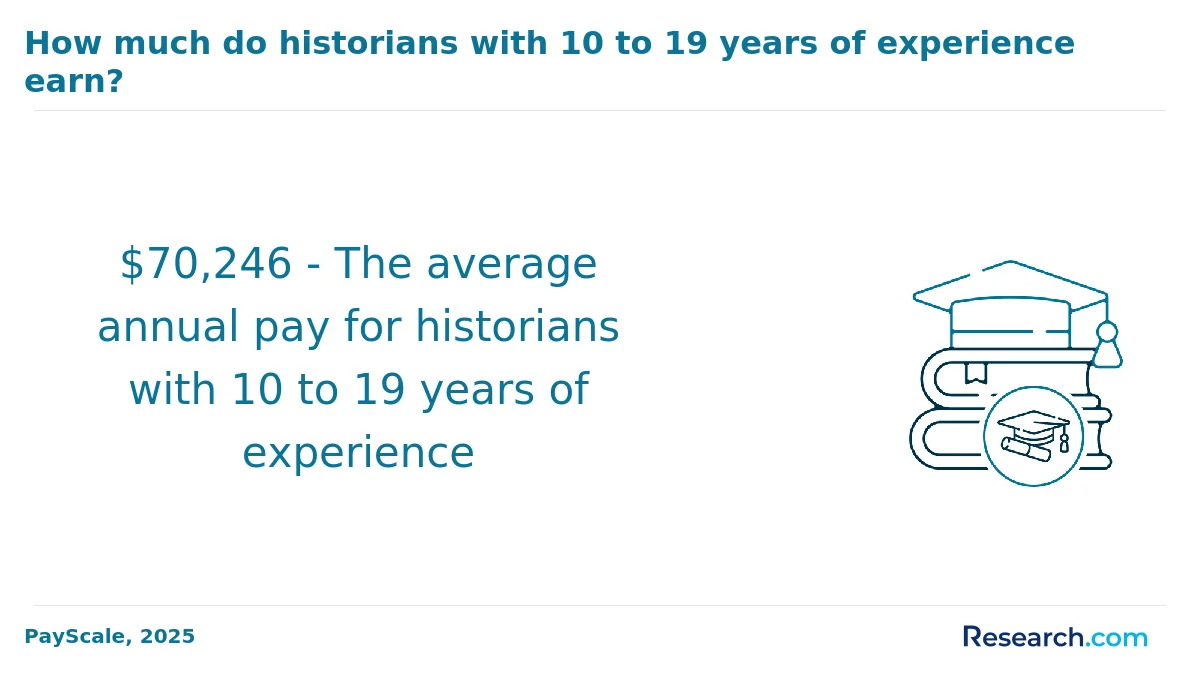
Graduates from online history degree programs in the Northeast often find rewarding salary opportunities that reflect the region's rich cultural and educational landscape. Alumni from well-known institutions around New York, Massachusetts, and Pennsylvania report median historian salaries between $65,000 and $75,000 annually, a reflection of both the demand and higher living costs in these states.
Many graduates who pursued roles as museum technologists or archivists have seen starting salaries in the $50,000 to $70,000 range. These positions, common in the Northeast's vibrant museum and archival institutions, combine passion for history with technical skills, making the work both meaningful and financially viable.
For those stepping into secondary education as history teachers in New Jersey or Pennsylvania, entry-level salaries typically run from $45,000 to $55,000. What's inspiring is the potential growth after gaining experience and union negotiated raises, which significantly boost earnings.
Research associates in government or nonprofit sectors often begin near $40,000 to $50,000, but dedicated professionals with strong analytical skills and history expertise in metropolitan hubs can surpass $70,000 annually.
Graduates tell of how blending their history knowledge with digital archiving or education technology has opened doors to higher-paying, dynamic career paths. Studying history online in the Northeast thus offers a solid foundation for both passion and prosperity.
- The average tuition for an online bachelor's in history in the Northeast ranges from $400 to $700 per credit hour, making the total cost about $48,000 to $84,000 for a 120-credit program.
- Graduates can expect early career salaries between $40,000 and $50,000 annually, with experienced professionals earning $60,000 to $75,000 or more.
- Public universities typically offer lower tuition, especially for in-state students, while private institutions tend to be more expensive.
- The Northeast job market includes employment in education, museums, government agencies, historical societies, and libraries, with steady demand but strong competition.
- Programs focus on transferable skills like critical analysis, research, and writing, opening career paths in publishing, law, and public relations.
- Accreditation from recognized agencies, such as the Middle States Commission on Higher Education or the New England Commission of Higher Education, is essential for financial aid eligibility and quality assurance.
Completing an online history degree in the Northeast generally takes about four years for full-time students, similar to traditional on-campus timelines. Imagine a student juggling courses at a university like Boston University or the University of Pennsylvania, fully engaged and motivated, finishing their degree in this timeframe. For those studying part-time while balancing work or family, the journey may extend to six years or more, much like many graduates from Northeastern University who have found success on this path.
Some students speed up their progress through accelerated programs offered by institutions such as Syracuse University, completing their degree in as little as three years. This often means enrolling in summer classes and managing a heavier workload, but the payoff is worth the effort.
Transfer credits make a huge difference too. Many students entering from community colleges or with associate degrees, for example at schools in New York or New Jersey, can finish in just two years by applying up to 90 transferred credits. This flexibility is a real game-changer for motivated learners.
Graduates from well-known Northeast institutions like Boston University or Syracuse University often reflect on how their history studies varied by format. Online programs offer incredible flexibility-one graduate shared how juggling a part-time job and family was manageable thanks to asynchronous lectures and the ability to revisit recorded discussions at their own pace. This approach suits those who thrive with self-discipline and strong time management.
By contrast, on-campus students from schools such as Rutgers University praise the vibrant energy of live seminars and spontaneous debates in historic lecture halls, which nurtured their passion and deepened their understanding. Access to campus archives and in-person networks also created immersive experiences hard to replicate online.
In the Northeast, while tuition ranges widely, online students often save on commuting and housing, making a degree more attainable. Ultimately, deciding between online and traditional paths depends on how you want to engage with history and manage your daily life.
The average cost of an online history degree in the Northeast hovers around $41,806, reflecting a median that balances out the differences between in-state and out-of-state tuition. For those living in-state, the total cost tends to be closer to $36,580, making it a more accessible investment, while out-of-state students often face costs around $43,772. These figures represent the overall tuition and fees, which can vary depending on the institution's public or private status and the program's length.
Many graduates from universities such as Boston University or Northeastern University recall managing costs that ranged between $28,000 and $45,000 per year. They found that aligning their studies with financial aid, scholarships, and sometimes employer tuition assistance helped ease their budget concerns. On the other hand, graduates from state university systems like SUNY have highlighted how affordable online history programs in the Northeast can be when you qualify for in-state tuition, with yearly expenses often under $20,000.
When considering the average cost of online history degree northeast options, it's essential to remember that some programs charge per credit hour, typically between $300 and $600. Since most bachelor's degrees require about 120 credit hours, planning your finances accordingly becomes a key part of your journey. Exploring different history degrees can also illuminate paths that fit both your passion and your budget.
Many students pursuing an online history degree in the Northeast find financial aid to be a vital lifeline. Graduates from well-known institutions like The University of Massachusetts or Syracuse University often share how federal aid, such as Pell Grants, offered up to $7,395 yearly, made their academic journey possible without overwhelming debt.
Loans like Direct Subsidized and Unsubsidized Loans provide flexible repayment options, allowing students to focus on their studies first. Meanwhile, state-specific programs-such as New York's Tuition Assistance Program (TAP) or Massachusetts' MassGrant-have helped countless learners reduce tuition costs while attending public schools in their states.
Many have also benefited from scholarships tailored for history majors or online study, awarded directly through university financial aid offices. These awards feel like a personal investment in their future, easing worries about expenses.
Private grants from organizations like the American Historical Association and employer tuition reimbursement also lighten the load. It's encouraging to know support is available from multiple angles when pursuing a passion for history in the Northeast.
To enroll in an online history degree program in the Northeast, you'll need to have a high school diploma or an equivalent like a GED, which serves as a solid foundation for your academic journey. Graduates from well-regarded institutions like Boston University or Syracuse University often recall that submitting official transcripts showcasing a respectable GPA-typically around 2.5 to 3.0-was key in their application process, ensuring their readiness for college-level work.
Many of these programs now adopt test-optional policies for the SAT or ACT, which has made applying more accessible for online learners balancing life's demands. You might also find that certain competitive tracks ask for prior coursework in social studies or humanities, giving you a glimpse into the analytical skills valued in historical studies.
Beyond academics, sharing your passion through a personal statement or letters of recommendation can truly make your application stand out. Reliable internet and a good computer setup are essential, as online learning thrives on active engagement. Imagine yourself diving into rich historical debates from the comfort of your home, ready to contribute confidently just like many successful students before you.
In an online history degree program in the Northeast, you'll engage with a rich variety of courses that bring the past to life. Graduates from well-known regional schools often share how foundational classes on American history-from the Revolutionary War to the Civil Rights Movement-gave them a deep understanding of the nation's complex story. These aren't just dates and facts; through vivid lectures and discussions, you'll explore the moments that shaped communities around you.
Alongside U.S. history, courses on world civilizations broaden your perspective, connecting local history to global events. Many students find thematic classes-covering social or economic history, for example-especially empowering, as they learn to analyze history through lenses like race and class, gaining skills to thoughtfully engage with today's world.
Research methodology courses teach you how to handle historical sources critically, a skill graduates often cite as crucial when writing papers or pursuing careers in education or public history. Plus, regional history classes focusing on Northeast culture-like colonial New England or Native American histories-offer insights especially valuable for those wanting to impact local heritage.
Students pursuing an online history degree in the Northeast often find a wealth of specializations designed to align with their passions and career goals. Popular tracks include American history, which captures the region's rich colonial and political past, made vivid through access to local archives and renowned institutions like those affiliated with prominent Northeastern universities. Graduates often share how exploring these resources deepened their connection to the past while building practical research skills.
Another favorite is European history, which suits those fascinated by transatlantic ties and cultural exchange. The best history majors in Northeastern online programs frequently highlight how studying Renaissance or medieval Europe enriched their understanding of broader historical currents shaping the Northeast today.
Public history also stands out, appealing to learners eager to engage with museums and community projects. Online courses enhance digital curation and preservation skills that meet modern demands. Other specializations available include military history, Native American studies, and urban history tied to Northeast metropolitan growth. Such diversity helps students tailor their education and prepare for meaningful roles. To explore careers with a history degree, students often turn to resources like careers with a history degree guides for inspiration.
Choosing the best online history degree in the Northeast means focusing on accredited programs from well-known institutions like those in Boston or Philadelphia, where graduates praise flexible course options that fit busy lives. These programs often offer asynchronous learning, letting you keep your day job while diving into rich content ranging from American revolutions to European medieval history. Many students find value in affordable online history programs Northeast, where tuition and fees reflect regional standards yet still unlock access to expert faculty and comprehensive curricula.
Graduates frequently highlight how internships through local museums and cultural centers turned classroom lessons into exciting real-world experience. It's crucial to check for schools offering strong career support, as this network will help launch your ambitions. If you're curious about career paths, exploring history ma jobs can provide clarity and spark motivation in your studies, ensuring your dedication leads to meaningful opportunities.
Graduates with an online history degree in the Northeast find themselves uniquely positioned for rewarding careers in education, museum work, government, and consulting. Many alumni from well-known colleges in Boston or New York share how their online studies opened doors to becoming middle and high school teachers, a career path where steady demand and meaningful impact come hand in hand. In fact, combining an online history degree with teaching certification makes this goal very achievable and fulfilling.
Others have built exciting careers working with museums or managing archives, leveraging the Northeast's rich cultural institutions. Graduates often connect to internships or remote research opportunities at places like the Metropolitan Museum of Art, nurturing a deep passion for preservation and curation. Government roles, such as cultural resource management or policy advising, are common too, especially near historic urban centers like Philadelphia, where analytical skills meet real-world challenges.
If you're exploring history degree job opportunities in Northeast, don't overlook the thriving fields of publishing and journalism that welcome strong communicators. To find affordable history online programs that fit your budget, consider resources like affordable history online programs which highlight cost-effective options across the region.
The job market for those with an online history degree in the Northeast is stable but competitive, especially for graduates from well-known universities and colleges in the region. Many graduates find rewarding roles in museums, archives, and historical societies, leveraging the Northeast's rich cultural history and prestigious institutions. Graduates often share that hands-on internships and practical experience gained during studies at these institutions make a significant difference in landing positions.
For those exploring the Northeast job market for history graduates, education roles and government positions are popular choices. Entry-level salaries typically range from $50,000 to $70,000, depending on location and experience. Students have noted that combining their degree with certifications or additional training in research skills helped them stand out in this competitive field.
To enhance career prospects, consider supplementing your degree with internships or by looking into history masters degrees online, which many graduates pursue to deepen expertise and increase opportunities in this evolving job market.
2027 Fastest Online Bachelor's in History Degree Programs Ranking in the Northeast
Investing in your education is a significant decision that can shape your future, and the Research.com team understands the importance of making informed choices. To assist prospective students seeking the fastest online bachelor's in history programs in the Northeast, we have meticulously crafted the "2027 Fastest Online Bachelor's in History Degree Programs Ranking in the Northeast." Our commitment to quality, credibility, and accuracy is reflected in the extensive research and analysis conducted to compile this ranking.
We utilized the following reputable data sources to ensure a comprehensive evaluation of these degree programs:
By exploring this ranking, readers will gain valuable insights into the fastest and most efficient history degree options in the Northeast, helping them make well-informed decisions about advancing their education and career prospects. For more details on our methodology, please visit our Research.com methodology page.
# 1 position
Penn State University Park
Bachelor of History


# 4 position
SUNY Empire State College
Bachelor of Historical Studies

Frequently Asked Questions About history
Online history degree students in the Northeast can enhance their learning by actively engaging with virtual academic resources offered by regional institutions. Many universities partner with local historical societies and libraries, providing digital archives rich in primary sources relevant to American and Northeastern history. According to the New England Historical Association, utilizing these archives deepens research skills and contextual understanding.
Participation in online discussion forums and virtual seminars fosters critical thinking and connects students with peers and experts in the field. Additionally, seeking internships or remote volunteer opportunities with museums or historical organizations in the Northeast can offer practical experience. Ensuring consistent communication with faculty advisors also helps tailor coursework to individual interests and career goals.
Emerging niches within the history field reflect growing interests in specialized areas that combine traditional historical methods with modern themes. Digital history, for example, uses technology to analyze and present historical data, and many online history programs in the Northeast increasingly incorporate these skills. Another niche gaining traction is public history, focused on preserving and interpreting history for communities, museums, and media.
Environmental history is also expanding, examining the interaction between humans and nature, which aligns with rising sustainability concerns. According to the American Historical Association, these areas are among the fastest-growing specializations in U.S. history departments, including those at Northeastern institutions.
After earning an online history degree in the Northeast, graduates should focus on practical experience and networking to enhance their job prospects. Internships at local museums, historical societies, or archives provide valuable hands-on skills. The Northeast, with its rich historical heritage, offers numerous opportunities in public history and education.
Building a strong professional network is crucial. Joining organizations like the New England Historical Association or the American Historical Association helps connect graduates with employers and peers.
Additionally, developing digital skills such as GIS mapping and digital archiving can set candidates apart, as these are increasingly in demand. According to the U.S. Bureau of Labor Statistics, employment in history-related fields in the Northeast is projected to grow moderately through 2031.
Employers in the Northeast highly value history degree graduates who demonstrate strong critical thinking and analytical skills. These abilities allow graduates to interpret complex information and identify meaningful patterns, essential for roles in education, research, and public history.
Communication skills, both written and verbal, are also crucial. According to the Bureau of Labor Statistics, effective communication remains a top demand in the region's education and cultural sectors, which employ many history graduates.
Additionally, proficiency in digital tools and archival research is increasingly important. The Northeast's rich historical resources require graduates to be adept at managing digital databases and utilizing technology for preservation and presentation.
Finding internships in the Northeast that align with a history degree involves leveraging local resources and institutional partnerships. Many universities in this region, including those offering online history programs, maintain connections with museums, historical societies, and cultural heritage organizations.
Sites like the National Park Service and the American Historical Association often list internship opportunities, some specifically located in Northeast states such as New York, Massachusetts, and Pennsylvania. According to the National Park Service, over 40 internship positions become available annually in historical preservation and research roles in this area.
Additionally, contacting local archives or state historical offices directly can yield opportunities not always advertised online. Networking through university alumni and academic advisors improves chances as well.
Obtaining an online history degree in the Northeast can significantly enhance career mobility and advancement, especially in education, public history, and cultural institutions. According to the National Center for Education Statistics, the Northeast hosts numerous museums and historical societies that prioritize candidates with formal history credentials. Employers increasingly value the analytical and research skills developed through history programs, which aid in diverse roles like archival management, teaching, and public policy research.
The flexibility of online degrees allows students in the region to continue working while earning credentials, a factor linked to higher job retention and promotion rates. Data from the Bureau of Labor Statistics shows that history graduates in the Northeast engage more frequently in leadership positions compared to peers without bachelor's degrees. Additionally, the region's rich historical resources provide practical opportunities through internships and collaborations, further supporting career progression.
Studying for a history degree in the Northeast offers unique preparation for interdisciplinary roles by integrating diverse fields such as political science, sociology, and economics. Institutions here often emphasize research skills and critical analysis, essential for careers beyond traditional history jobs.
Online history programs in this region frequently provide access to extensive archives and digital resources, supporting skills in information management and historiography. According to the National Center for Education Statistics, Northeastern colleges award about 15% of the nation's history bachelor's degrees, reflecting strong regional academic networks.
Students also benefit from curriculum flexibility, enabling them to combine history with subjects like cultural studies, law, and public policy, which enhances employability in interdisciplinary sectors.
Choosing between a thesis and a non-thesis history degree program depends largely on your career goals and learning preferences. In the Northeast, where many online history programs are offered, a thesis option emphasizes original research and critical analysis, often suited for students preparing for graduate study or research careers. According to the National Center for Education Statistics, about 30% of history graduates from Northeast institutions complete a thesis.
Non-thesis programs typically focus on coursework and exams, appealing to professionals seeking practical knowledge or teaching credentials without a heavy research component. Consider your time commitment; thesis tracks often require more months of dedicated work. Reviewing specific program requirements, such as those from SUNY or Rutgers, can help clarify expectations.
Students in the Northeast interested in studying history abroad through online programs have several options. Many universities in this region, such as Northeastern University and the University of Massachusetts, offer online history degrees with opportunities for global study experiences or virtual exchange programs. These programs allow students to engage with international historical perspectives without relocating.
Additionally, some schools partner with foreign institutions to provide study-abroad credits or internships, often focusing on European or Latin American history. According to the Institute of International Education, nearly 15% of U.S. study-abroad participants come from Northeast states, reflecting regional interest in global history.
Part-time jobs in the Northeast that complement a history degree often revolve around museums, archives, and educational institutions. For example, working as a museum docent or archival assistant offers hands-on experience engaging with historical artifacts and documents. These roles help develop research and communication skills important for history graduates.
The Northeast is home to numerous historical societies and libraries, such as the Massachusetts Historical Society and the New York Public Library, which frequently seek part-time help. According to the U.S. Bureau of Labor Statistics, museum technician and archivist positions are projected to grow 7% from 2022 to 2032, reflecting steady demand.
Additionally, many universities in this region hire part-time research assistants, providing opportunities to support faculty projects in history departments. These positions bolster academic credentials while offering flexible schedules to accommodate online study.
Online history students in the Northeast benefit from robust networking opportunities through regional academic associations and historical societies. Groups such as the New England Historical Association and the Middle Atlantic Council for the Social Studies often host conferences, workshops, and webinars accessible remotely. These events encourage interaction with professors, historians, and fellow students, fostering professional connections.
Many universities also facilitate virtual networking via alumni networks and online career fairs, specifically tailored to history majors. According to the American Historical Association, such engagement can increase employment prospects and mentorship opportunities.
Additionally, partnerships between Northeastern schools and local museums or archives provide online students with internship and volunteer options, further expanding their professional networks.
Alumni networks provide vital support for students enrolled in online history degree programs in the Northeast. These networks connect current students with graduates who have navigated similar academic and professional paths. This access helps students receive mentorship, career guidance, and job leads tailored to the region's unique historical and cultural sectors.
Many universities in the Northeast emphasize strong alumni engagement, facilitating events and online forums where history students can build relationships and exchange resources. According to a 2023 NACADA report, 68% of students consider alumni networking crucial for career development.
In fields like public history and museum curation, these connections often open doors to internships and local museum opportunities, particularly in history-rich cities such as Boston and Philadelphia.
Customizing an online history degree in the Northeast involves selecting courses and specializations that match your career goals. Many programs offer concentrations such as American history, public history, or museum studies, allowing students to tailor their studies. According to the Northeastern Higher Education Consortium, about 60% of history programs in this region provide elective flexibility for career-focused learning.
Students can often choose internships or project-based courses that build practical skills. Additionally, some universities partner with local museums and archives, which helps students gain real-world experience online. These options prepare graduates for roles in education, research, or cultural institutions.
Careful program selection and academic advising are key to aligning your degree with career aspirations.
Online history students in the Northeast often face challenges related to balancing rigorous coursework with personal and professional responsibilities. Many learners juggle jobs or family while engaging in intensive reading and research assignments common to history programs. Limited access to local archives or libraries can hinder primary source research, which is vital for deep historical study. Although some institutions provide digital resources, Northeast students may find gaps in access to region-specific materials.
Technology issues and inconsistent internet connectivity also pose obstacles, especially for students in rural areas. According to the Pew Research Center, about 16% of adults in parts of the Northeast still experience broadband access challenges.
Additionally, fewer opportunities for in-person networking and mentorship compared to traditional programs can impact student engagement. The National Center for Education Statistics reports that approximately 40% of online students feel less connected with faculty, a factor that can affect academic motivation and success.
With an online history degree, students in the Northeast can pursue several respected professional certifications. Among the most relevant are the Certified Archivist credential offered by the Academy of Certified Archivists, which validates expertise in managing historical records. Another option is becoming a Certified Records Manager through ARMA International, a credential valued in government and corporate sectors. For those interested in teaching history, obtaining state-specific teaching certifications is essential, with requirements varying across Northeast states.
Additionally, students can explore museum studies certifications, such as the Museum Management Certification by the American Alliance of Museums. These certifications enhance job prospects in cultural institutions common in cities like Boston and Philadelphia. Following reputable sources like the National Center for Education Statistics can provide data on certification outcomes and regional employment trends.
Applying to an online history degree program in the Northeast requires careful attention to detail. Start by highlighting your academic background, especially courses related to history and social sciences. Northeastern universities value applicants who demonstrate strong writing and critical thinking skills. Include a well-crafted personal statement explaining your interest in history and how studying in the Northeast aligns with your career goals.
Make sure to secure letters of recommendation from professors or employers who can attest to your analytical abilities and passion for history. Many programs also require official transcripts, so ensure these are accurate and submitted on time.
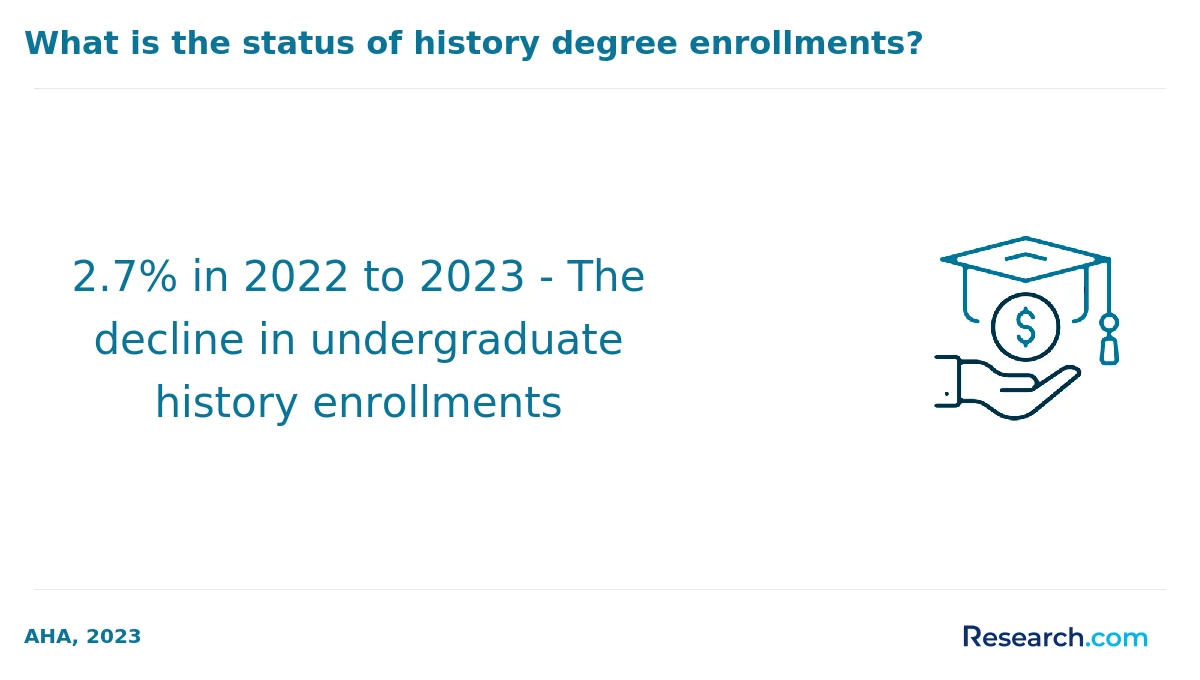
Check each school's specific application requirements carefully. Some Northeastern institutions offer competitive scholarships for history majors-review financial aid options early. According to the National Center for Education Statistics, demand for history degrees in Northeastern states has grown by 8% in the last five years, reflecting strong regional interest.
History careers offer a broad global perspective, emphasizing critical analysis of cultural, social, and political developments worldwide. In the US, particularly the Northeast, historians often engage with international contexts through study programs and research opportunities offered by universities such as Harvard, Boston University, and SUNY. According to the American Historical Association, about 15% of history graduates enter careers linked to global institutions, including museums, NGOs, and international policy organizations.
Online history degrees in the Northeast prepare students to understand global narratives, supporting roles in education, research, and cultural preservation. The region's diverse history and academic resources foster skills valuable for careers in diplomacy and global communications.
Gaining practical experience while studying for an online history degree in the Northeast is achievable through various methods. Many universities encourage students to engage in virtual internships with local museums, archives, or historical societies in states like New York and Massachusetts. According to the American Association for State and Local History, approximately 45% of history students in the Northeast participate in internships before graduation.
Additionally, students can collaborate on digital research projects or publish papers in scholarly history journals affiliated with Northeast institutions. Some schools offer partnerships with cultural organizations, providing access to curated collections and primary sources. Networking through regional history conferences-often held online-also enhances practical skills and professional connections.
Choosing the right concentration within an online history degree program in the Northeast depends on your career goals and interests. Many programs offer specializations such as Colonial American history, public history, or museum studies, reflecting the rich historical presence of the region. For instance, the Northeast is known for its Colonial and Revolutionary War sites, making such concentrations valuable for students aiming for local historical preservation roles.
Research from the American Historical Association highlights that concentrations aligned with regional history can enhance job prospects in Northeast museums, archives, and educational institutions. Additionally, consider programs accredited by the New England Commission of Higher Education (NECHE) for quality assurance.
Understanding your preferred outcome-academia, public history, or cultural heritage management-will guide your concentration choice effectively.
- Study History Abroad | Go Overseas https://www.gooverseas.com/study-abroad/history
- History Programs Abroad: Degrees & Opportunities - AEC https://www.aecoverseas.com/history/
- The Job Search (Outside Academia) I | Canadian Historical Association | Société historique du Canada https://cha-shc.ca/publications/employing-history-a-guide-to-graduate-school-and-navigating-the-job-market/the-job-search-outside-academia-i/
- Undergraduate Certificate in History | Thomas Edison State University https://www.tesu.edu/degrees-programs/certificates/undergraduate-history.php
- 5 Challenges of Teaching History in International Classrooms (and How https://millerskills.co.uk/blogs/teaching-overseas/5-challenges-of-teaching-history-in-international-classrooms-and-how-to-overcome-them
- 2025 Most Popular Online History Degrees https://www.onlineu.com/degrees/history
- 4 Steps to Find History Research Opportunities as an Undergraduate https://www.coltie.com/post/4-steps-to-find-history-research-opportunities-as-an-undergraduate
- Online Degree vs. Traditional: Choosing the Right Path https://beal.edu/online-degree-vs-traditional/
- The Challenges of Studying History in School | Education Research Project Topics and Materials https://educationtopics.com.ng/the-challenges-of-studying-history-in-school/60853/history-education/
- History https://northeast.edu/degrees-and-programs/history