2027 Most Valuable Online History Degree Programs Ranking in Missouri

Co-Founder and Chief Data Scientist
Choosing the right history degree program can feel overwhelming, especially with so many options available online. This article introduces the 2027 Most Valuable Online History Degree Programs Ranking in Missouri, created by the Research.com team of data scientists to guide you in making an informed decision.
By exploring this ranking, you'll discover programs that combine quality education with strong career prospects. Pursuing a history degree opens doors to exciting opportunities and a deeper understanding of the world.
Let this guide help you find a program that fits your goals and passions.
Key benefits of getting online history degree in Missouri
- History degree graduates in Missouri can pursue careers such as archivists and curators, with the U.S. Bureau of Labor Statistics reporting median annual wages around $56,000 to $63,000 nationally, offering stable and rewarding income opportunities.
- Graduates from Missouri universities often find diverse career paths in education, museum work, and public history, reflecting the versatility and practical value of a history degree.
- Online history degrees provide flexible schedules and the chance to study from home, making it easier for working students or those with family commitments to earn their diploma without sacrificing quality education.
- 2027 Most Valuable Online History Degree Programs Ranking in Missouri
- What can I expect from online history degree in Missouri?
- Where can I work with online history degree in Missouri?
What can I expect from online history degree in Missouri?
The average cost of an online history degree in Missouri generally hovers around $10,000 to $15,000 per year at many public and private institutions, though this can vary depending on the university. For instance, students enrolled at well-known schools like the University of Missouri or Missouri State University often find tuition rates within this range, making the pursuit of history both accessible and affordable.
Graduates often recall the excitement of balancing rigorous coursework with the flexibility of asynchronous classes, all while appreciating the cost savings from avoiding commuting or campus housing. One graduate described diving deep into Missouri's rich past, exploring the Civil War's impact through online archives, all from home, which made the investment feel truly worthwhile.
Many Missouri online programs bundle essential courses-ranging from historiography to digital history tools-within these affordable tuition frameworks, turning financial concerns into manageable stepping stones towards a rewarding career in education, public history, or museum work.
Where can I work with online history degree in Missouri?
Graduates with an online history degree from popular Missouri schools like the University of Missouri or Webster University often find themselves stepping into intriguing careers across the state. Imagine working as a secondary school teacher, inspiring younger generations with stories of the past, well-prepared thanks to state certification requirements. Many grads enjoy engaging classrooms and the rewarding challenge of bringing history to life for eager students.
Others dive into the rich museum scene-think of curating exhibits at the Missouri History Museum in St. Louis or managing collections at the Missouri State Museum in Jefferson City. These roles let you explore your love for artifacts and storytelling daily, fueling a passion for preservation and education. Graduates often share how fulfilling it feels to connect communities with their heritage in such vibrant settings.
Some find adventure in government archives or cultural resource management, helping protect historic landmarks and public records. Working with the Missouri State Archives or local historical societies, they preserve stories that shape the state's identity. The path from online study to these real-world roles highlights how Missouri's history degrees open doors to dynamic, meaningful work.
Graduates with an online history degree in Missouri often find themselves stepping into a world of varied opportunities and salary possibilities. For example, many fresh graduates from institutions like the University of Missouri or Missouri State University begin their careers as museum staff or research assistants, earning starting salaries between $38,000 and $48,000 annually. This initial range offers a solid foundation for those curious minds eager to explore history in practical ways.
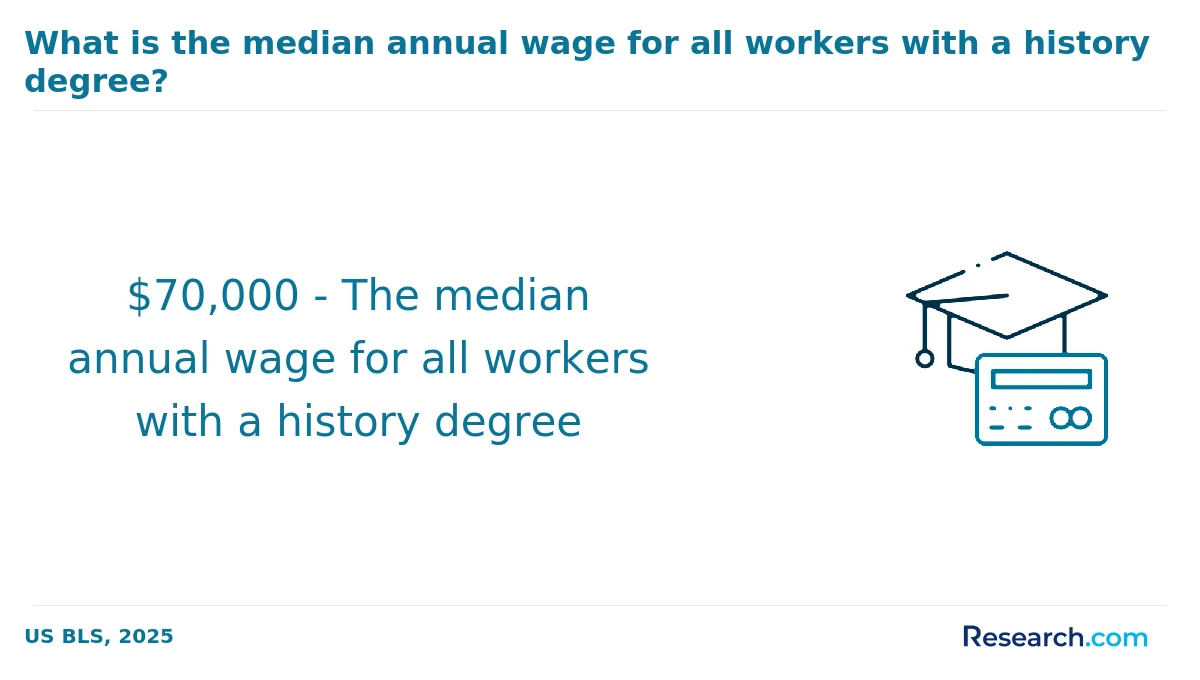
As graduates gain experience or pursue advanced degrees, their earning potential grows. Positions such as college lecturers or archival managers in vibrant cities like St. Louis and Kansas City often offer salaries ranging from $50,000 up to $70,000. Imagine curating exhibits or managing archives where your passion breathes life into the stories of the past while making a comfortable living.
Many alumni express excitement about combining historical expertise with skills like digital archiving or education technology-boosting salaries further in Missouri's education and cultural sectors. Teaching history or social studies at public schools can offer annual wages from $45,000 to $60,000, transforming their love of history into rewarding careers that engage communities across the state.
- Online history degrees in Missouri are offered by accredited schools, ensuring recognized and transferable credentials.
- The average annual tuition cost for in-state students ranges from $8,000 to $15,000, with public universities generally being more affordable.
- Students save money on housing and commuting by studying online, reducing overall expenses.
- History graduates in Missouri earn a median starting salary of about $45,000, increasing to around $65,000 with experience.
- Job opportunities include roles such as archivists, museum curators, and educators, supported by Missouri's focus on public history and local heritage projects.
The graduate travelers on this academic quest, tackling master's degrees at institutions such as Southeast Missouri State University, tend to complete their studies in two to three years full-time. Yet, their odyssey adapts too-stretching longer if they choose to explore courses at a gentler pace. Every student's journey unfolds based on course load, transfer credits, and program structure, making each timeline uniquely theirs in the vibrant landscape of Missouri's online history education.
Choosing between an online and on-campus history degree in Missouri is like embarking on two distinct journeys through time. Online learners at institutions like the University of Missouri experience the freedom to dive into lectures and discussions from their favorite local café or home office, crafting their own rhythms around work and family life. These graduates often speak of a liberating flexibility that fits their busy schedules and opens doors regardless of city limits.
In contrast, on-campus students at places such as Missouri State University relish the vibrant campus buzz, engaging face-to-face with professors and peers during spirited seminars or at the library's historical archives. The immediacy of these encounters creates a lively sense of community and collaboration that many treasure as part of their academic adventure.
Cost-wise, online history degrees can ease financial pressures by cutting out expenses like housing and commuting, though tuition varies. For example, some public schools in Missouri charge around $10,177 yearly for in-state on-campus tuition, while digital programs may offer more tailored fee structures.
Ultimately, Missouri history students find themselves navigating between the flexible independence of online study and the immersive, interactive world of campus life-each pathway rich with discovery and growth.
Exploring the average cost of online history degree Missouri programs reveals a fascinating balance between affordability and quality. Many students pursuing their degrees through popular universities in Missouri find that the median in-state total cost hovers around $14,781. This figure offers a welcoming gateway for ambitious learners eager to dive deep into historical studies without the stress of overwhelming debt.
Imagine a graduate who chose to study history online from a well-known Missouri college, discovering the joys of flexible learning while managing tuition costs effectively. They could focus on absorbing rich historical content while saving on commuting and housing, which makes the financial investment feel rewarding rather than daunting. With options ranging from community colleges to four-year public universities, this variety allows students to tailor their educational journey and expenses to fit unique circumstances.
Missouri's online history degree tuition fees often receive praise for being competitive nationally, especially for those who stay in-state. Graduates recount feeling empowered by the experience, grateful for access to valuable resources without breaking the bank. For prospective students curious about the types of history degree available and their costs, this pathway offers an exciting bridge into the past with a cost structure that respects their future.
Exploring an online history degree in Missouri is often made easier thanks to a variety of financial aid options that students eagerly tap into. Imagine a history enthusiast at the University of Missouri, excited by mysteries of the past, who discovers that completing the FAFSA unlocks access to federal Pell Grants-helping cover tuition up to $7,395 without the burden of repayment. Meanwhile, another student at Missouri State University finds relief through the Access Missouri Financial Assistance Program, receiving need-based grants that make pursuing their passion more affordable.
Many Missouri colleges also shine by offering scholarships based on merit or community involvement, fueling graduates' ambitions with support tailored just for history buffs. Veterans pursuing their degrees online enjoy benefits from the Missouri GI Bill, ensuring that their service is honored through educational aid. Even private scholarships aimed at history majors create exciting opportunities, encouraging students to dive into their studies with confidence and less financial stress.
Diving into an online history degree in Missouri is an exciting journey, but it comes with a few prerequisites to clear the path ahead. Most undergraduate programs at popular Missouri universities ask for a high school diploma or GED-nothing too daunting for those who love exploring the past. Graduates often mention how submitting official transcripts helped them feel confident they were ready for the challenge.
While SAT or ACT scores are sometimes optional, a few competitive programs still appreciate them, especially when chasing scholarships. Imagine sending in your personal essay describing why history sparks your curiosity-many students find this step a rewarding way to share their passion.
Graduate seekers, eager to dig deeper, typically present a bachelor's degree with a solid GPA, around 3.0, usually with a history or related background. Missouri colleges, like those in St. Louis or Columbia, often request GRE scores or writing samples, but many learners have celebrated test waivers, making the path smoother.
The blend of academic records, persuasive essays, and sometimes references paints a vivid picture of your readiness-just like stories shared by Missouri grads who found opportunity and adventure in their online studies.
Diving into an online history degree in Missouri means immersing yourself in courses that spark curiosity and connect you to stories from past to present. Core classes like U.S. History from Colonial Times to the Present offer graduates from Missouri State University a chance to uncover the political and social shifts that shaped the nation, feeling almost like time travelers piecing together personal narratives alongside big events.
World History surveys open windows to ancient civilizations and global struggles, much like a history graduate from the University of Missouri once described-like walking through the markets of ancient empires and experiencing cultural exchanges firsthand. Historical Methods and Research classes teach practical skills in analyzing primary documents, giving students a toolkit to become budding historians who can challenge or confirm popular narratives.
Many students relish the opportunity to explore Missouri's own rich past through electives, from Civil War studies to Native American histories, using archival resources from the Missouri Historical Society. These courses transform dusty records into living stories, making history feel vibrant and personal with each assignment.
Exploring online history degree specializations in Missouri unveils a rich spectrum of options tailored to adventurous learners eager to dive deep into the past. Graduates from institutions like the University of Missouri often describe immersing themselves in American History, tracing the unique stories of Missouri as a crossroads in the Civil War and frontier expansions. This specialization breathes life into local archives, making history feel personal and immediate.
Other students at Missouri State University find excitement in World History, where global civilizations and cultural exchanges spark a curiosity about international connections shaping today's world. Public History is favored by those ready to engage directly with communities through museums or digital storytelling, transforming history into an interactive experience.
Many Missouri accredited online history programs also offer specializations such as Military History, History of Art and Culture, and Historical Research and Methodology, where learners sharpen research skills on archival treasures. These paths prepare graduates for a variety of career adventures, including some of the jobs that require a history degree.
Choosing the best online history degree in Missouri feels like embarking on a grand adventure into the past, but with your future in mind. Graduates from popular Missouri universities often share how vital it was to pick programs accredited by the Higher Learning Commission-this detail unlocked doors for them, from transferring credits smoothly to qualifying for financial aid. Imagine diving into courses that journey through American, European, and world history, with specializations that ignite your passion, just as many students balancing jobs and family discovered with flexible, asynchronous classes that fit their hectic lives perfectly. When hunting for affordable online history degrees in Missouri, consider tuition and extra costs carefully, much like alumni who found the balance between cost and course quality key to their success. And for those curious about real-world opportunities, programs offering career services and internships transformed their study into an exciting stepping stone. If you want to explore career options, check out master in history jobs for guidance.
Graduates with an online history degree in Missouri often find themselves drawn to vibrant career paths filled with discovery and impact. For example, those who studied at popular institutions like the University of Missouri or Missouri State University frequently step into education, inspiring the next generation in classrooms across the state. This path offers the thrill of shaping young minds while staying connected to the deep roots of Missouri's rich past.
Others embark on careers in public history, working with museums and archives such as the Missouri History Museum. Here, graduates channel their curiosity into curating engaging exhibits and preserving stories, a role that blends passion with purpose. This is a standout option for those searching for job opportunities with history degree Missouri, offering hands-on experiences that bring history to life.
For adventurous spirits, history can also lead to government or policy roles, where understanding past trends helps craft future decisions. Many graduates have reported feeling fulfilled as research analysts or consultants, influencing cultural affairs or planning initiatives statewide. If you're budgeting your education, consider exploring cheapest history programs online in Missouri to begin your journey without heavy financial weight.
Graduates with an online history degree in Missouri find a diverse job market ready for exploration. From cultural institutions around the Gateway Arch to community colleges in Kansas City or St. Louis, opportunities abound for history lovers eager to apply their skills. Many alumni report landing roles as museum curators, educators, or archivists, thriving on the state's rich historical heritage. This vibrant scene reflects the strong employment opportunities with history degree Missouri offers, especially in public and nonprofit sectors where storytelling and preservation are treasured.
Students from popular Missouri universities often describe their journey as a gateway to professions where analytical skills and passionate communication matter deeply. They frequently mention how their training prepares them for roles in publishing, government, or local heritage organizations, blending curiosity with purpose. Affordability and flexibility add to the appeal, prompting many to pursue further specialization through programs like an online masters degree in history, enhancing their versatility in a competitive market.
2027 Most Valuable Online History Degree Programs Ranking in Missouri
Investing in your education is a significant decision that can shape your future, and the Research.com team understands the importance of making informed choices. To assist prospective students in Missouri, we have meticulously crafted the "2027 Most Valuable Online History Degree Programs Ranking in Missouri." Our commitment to quality, credibility, and accuracy is reflected in the extensive research and analysis conducted to compile this ranking.
We utilized the following reputable data sources to ensure a comprehensive evaluation of online history degree programs:
By exploring this ranking, readers will gain valuable insights into the most valuable online history degree programs in Missouri, enabling them to make informed decisions about their educational investments. For more details on our methodology, please visit our Research.com methodology page.



Frequently Asked Questions About history
Online history degree students in Missouri can maximize their learning experience by actively engaging with digital resources provided by their institutions. Utilizing online archives, virtual libraries, and Missouri-specific historical databases enriches understanding of regional history. Participating in online discussion forums or study groups enhances critical thinking and exposes students to diverse perspectives. Missouri ranks among states with over 100,000 historical artifacts housed in digital collections, accessible through platforms like the Missouri Digital Heritage initiative. Combining these tools with disciplined time management improves retention. Seeking internships or volunteer roles with Missouri historical societies also provides practical experience complementing virtual coursework.
The field of history is expanding beyond traditional study areas, with emerging niches gaining attention among scholars and students alike. One growing area is public history, focusing on preserving and presenting history through museums, archives, and digital media. This niche is valuable in Missouri, where institutions like the Missouri Historical Society offer diverse opportunities.
Another niche is environmental history, examining the relationship between humans and nature over time. Given Missouri's rich ecological landscapes, including the Mississippi River and Ozark Mountains, this area attracts academic interest.
Digital history is also rising, utilizing technology to analyze and present historical data. Online history degree programs increasingly incorporate these skills to meet job market demands.
According to the American Historical Association, jobs in public and digital history are projected to grow faster than traditional academic positions, offering practical career paths for graduates in Missouri.
After completing an online history degree in Missouri, preparing for the job market involves several key steps. First, gaining practical experience through internships or volunteer work in museums, archives, or historical societies across Missouri can be invaluable. Known institutions like the Missouri Historical Society offer opportunities to build relevant skills.
Networking is essential; joining professional organizations such as the Missouri Association for History Education helps connect graduates with potential employers. Missouri's unemployment rate for historians and archivists aligns closely with national averages, around 2%-3%, reflecting stable demand.
Additionally, graduates should develop strong research and writing portfolios showcasing their expertise, essential for roles in education, public history, and cultural resource management.
Employers in Missouri highly value history degree graduates who demonstrate strong research and analytical skills. These competencies enable graduates to examine complex historical data and draw meaningful conclusions, which is crucial in fields like education, public history, and archival work.
Communication skills are also essential. Graduates must effectively present information both in writing and verbally, adapting complex content for various audiences. According to the Missouri Department of Higher Education, clear communication is cited by 72% of employers as a priority for humanities graduates.
Additionally, critical thinking and problem-solving abilities are prized, allowing graduates to interpret historical trends and apply them in contemporary contexts. Digital literacy, including proficiency with archival databases and presentation software, is increasingly important in Missouri's growing digital humanities sector.
Finding internships in Missouri relevant to a history degree involves targeting institutions that value historical knowledge. State museums, such as the Missouri History Museum in St. Louis, offer internships focused on archival work and public history. Many universities with history programs, like the University of Missouri, provide resources and job boards for students seeking internships.
Students should also explore local historical societies and government archives, which often seek interns to assist with research and preservation. The Missouri Department of Natural Resources sometimes offers internships connected to historical landmarks and heritage sites.
Online platforms like Handshake and the Missouri Job Center can list internships specific to the region. Networking through professors and attending local history conferences enhances opportunities. According to the National Association of Colleges and Employers (NACE), 60% of internships lead to job offers, making them critical for career development.
Obtaining an online history degree in Missouri can significantly enhance career mobility and advancement opportunities. Missouri's diverse economy includes sectors such as education, government, and cultural institutions that value strong research and analytical skills developed through history programs.
Graduates often pursue roles in museums, archives, historic preservation, and public administration. According to the Missouri Department of Economic Development, jobs in these fields are projected to grow by 6% through 2030, slightly faster than the national average.
Online history degrees offer flexibility for working professionals, allowing them to gain qualifications without interrupting their careers. This can lead to promotions or transitions into higher-level positions requiring advanced knowledge of historical contexts.
Additionally, Missouri's public universities frequently collaborate with local historical societies, providing networking that can further support career growth.
Studying for a history degree in Missouri provides students with a strong foundation in critical thinking, research, and communication skills that are essential for interdisciplinary roles. Missouri's universities emphasize connecting historical knowledge with fields like political science, sociology, and education. This approach prepares graduates to work effectively in diverse sectors.
Many Missouri institutions offer online history programs that encourage collaboration across disciplines, enabling students to analyze complex societal issues from multiple perspectives. According to the Missouri Department of Higher Education, history majors frequently pursue careers in public history, law, and cultural resource management, demonstrating the degree's versatility.
Such interdisciplinary preparation supports adaptability in evolving job markets, making Missouri's online history degrees valuable for modern professionals.
When choosing between a thesis and a non-thesis history degree program in Missouri, consider your career goals and learning preferences. A thesis option typically involves conducting original research and writing a substantial paper, which benefits those aiming for academic, research, or advanced graduate studies. Non-thesis programs often focus on coursework and exams, appealing to students seeking practical knowledge for teaching, public history, or business roles.
In Missouri, universities like the University of Missouri and Missouri State University offer both tracks, reflecting broader trends in U.S. history education. Check state higher education websites for specific program details and graduation rates, which can inform your decision.
Students based in Missouri interested in studying history abroad have several options through partnerships and study abroad programs offered by Missouri universities. Many institutions, such as the University of Missouri system, provide structured exchanges with universities in Europe and Asia, allowing students to immerse themselves in historical cultures firsthand. These programs often include courses focusing on world history, archaeology, and cultural heritage.
While primarily focused on campus experiences, some Missouri programs incorporate online coursework with international study components. According to the Institute of International Education, about 3% of Missouri undergraduates participated in study abroad in 2022, reflecting growing interest despite the pandemic's impact.
Additionally, certain online history degrees offer virtual exchange opportunities or research collaborations with global scholars, enabling Missouri students to gain international perspectives without leaving home.
Students pursuing an online history degree in Missouri have access to various part-time job opportunities that align with their academic interests. Positions such as archival assistants are available at institutions like the Missouri State Archives, where skills in document preservation and research are valuable. Additionally, local museums and historical societies in cities such as St. Louis and Kansas City often seek part-time docents or research aides. These roles provide practical experience with historical artifacts and public history.
Library assistant positions in university or public libraries also offer relevant experience by supporting research activities. According to the Missouri Department of Labor, these part-time jobs typically pay between $12 and $18 per hour, helping students gain professional expertise while managing their studies.
Online history students in Missouri have access to a variety of networking opportunities despite the virtual format. Many Missouri universities offering online history programs encourage participation in virtual student organizations and history-related clubs. These groups often host webinars, discussion forums, and guest speaker events, facilitating connections with peers and faculty.
The Missouri Historical Society and local historical associations provide additional avenues for networking. They often welcome students, offering volunteer positions, internships, and special events focused on Missouri's rich history. These experiences help students engage directly with professionals in the field.
Furthermore, online students can attend statewide academic conferences virtually, such as the Missouri Conference on History, which draws historians, educators, and students for presentations and collaborative opportunities.
Alumni networks provide valuable support for online history degree students in Missouri by fostering connections that extend beyond virtual classrooms. Graduates often gain access to job leads, internships, and mentorship opportunities through these networks.
Missouri's rich historical landscape offers unique chances to engage with local archives and cultural institutions, with alumni often facilitating introductions. For example, the Missouri History Museum and State Historical Society occasionally collaborate with university alumni for special projects.
Data from the National Association of Colleges and Employers shows that 85% of jobs are filled through networking, emphasizing the significance of alumni relations. Online students can leverage Missouri-based alumni groups to access regional history-focused roles and academic resources, enhancing career prospects.
Customizing an online history degree program in Missouri allows students to align their studies with specific career goals. Many Missouri institutions offer electives focusing on American, Missouri, or world history, enabling students to specialize in areas such as archival science, museum studies, or education.
Students can often choose from practical internships or research projects tailored to local historical sites, which enhances real-world experience. Online programs also may include courses in digital humanities or public history, useful for careers in library science or historical preservation.
According to the Missouri Department of Higher Education, flexibility in course selection is key in online degrees, supporting diverse professional pathways.
Online history students in Missouri often face challenges related to access and engagement. Despite the growth of digital learning platforms, some students report difficulty in accessing specialized archival materials that are essential for deep historical research. Missouri's universities provide digital libraries, but their scope can be limited compared to physical collections.
Time management is another common issue. Balancing coursework with personal and professional responsibilities proves difficult for many adult learners pursuing history degrees online. According to the National Center for Education Statistics, about 35% of online students nationwide juggle work and study simultaneously.
Interaction with instructors and peers may also be limited, impacting collaborative learning and critical discussions that are vital in history studies. Finally, some employers and graduate programs in Missouri still prioritize traditional degrees, making online learners worry about the recognition of their credentials.
With an online history degree in Missouri, graduates can pursue various professional certifications that enhance career opportunities. One common route is obtaining teacher certification, allowing individuals to teach history in Missouri's public schools. The Missouri Department of Elementary and Secondary Education (DESE) requires candidates to complete state-approved educator preparation programs and pass certification exams.
Additionally, history graduates may seek certification in archival studies, such as becoming a Certified Archivist through the Academy of Certified Archivists. This credential is valued by museums, libraries, and government agencies across Missouri.
Other options include certifications in museum studies and historic preservation, supporting careers in cultural resource management and heritage organizations within the state.
Applying for an online history degree program in Missouri requires a clear, well-structured application. Start by highlighting your academic background and any relevant experience with history, such as research projects or volunteer work in museums or archives. Missouri universities often value applicants who demonstrate strong writing and critical thinking skills, so include examples in your personal statement.
Quantify your achievements when possible. For instance, Missouri State University reports that students with a GPA above 3.0 and solid writing samples typically receive stronger consideration. Also, ensure your letters of recommendation come from individuals familiar with your academic capabilities in history or related fields.
Finally, tailor your application to Missouri's history context, mentioning an interest in local or regional historical topics if relevant. This approach shows your engagement with the state's rich historical heritage, which can set you apart from other candidates.
When considering a career in history from a global perspective, graduates with history degrees in Missouri can find opportunities in diverse fields such as education, research, museums, and cultural preservation. History professionals often work internationally, collaborating with institutions to promote understanding of different cultures and historical narratives.
The U.S. Bureau of Labor Statistics reports that the demand for historians is expected to grow modestly by 5% from 2022 to 2032. Missouri's universities prepare students for these roles by emphasizing critical thinking and cross-cultural analysis.
History careers also support diplomatic services and international organizations, where knowledge of global historical contexts is essential. Thus, online history degrees offer foundational skills adaptable worldwide.
Gaining practical experience while studying for an online history degree in Missouri is essential for career readiness. Many Missouri universities encourage internships with local museums, archives, or historical societies. For example, the Missouri History Museum in St. Louis offers internships that provide hands-on experience in research and preservation.
Students can also participate in virtual internships or remote research projects, which some institutions coordinate to complement online coursework. Additionally, engaging in community history projects or digitization efforts offers valuable skills.
According to the American Historical Association, internships increase job prospects, making these opportunities critical for online students balancing remote study with gaining practical experience.
Choosing the right concentration within an online history degree program in Missouri depends on your career goals and interests. Many Missouri universities offer specializations such as American history, world history, or public history. For example, public history is growing as a field, reflecting Missouri's rich cultural heritage and numerous historic sites documented by the Missouri Historical Society.
Consider how each concentration aligns with job prospects in Missouri, where historian roles, museum jobs, and education positions are common. The U.S. Bureau of Labor Statistics projects a steady demand for historians, particularly those with specialized knowledge.
Additionally, review course offerings and faculty expertise from the Missouri Department of Higher Education's resources to ensure a strong fit with your academic and professional objectives.
- Join the Alumni Network - National History Day https://nhd.org/en/get-involved/join-the-alumni-network/
- History majors should have a more global perspective - The Lamron https://www.thelamron.com/opinion/history-majors-should-have-a-more-global-perspective
- 2025 Most Popular Online History Degrees https://www.onlineu.com/degrees/history
- Bachelor of Arts: History - UMKC Catalog https://catalog.umkc.edu/colleges-schools/humanities-social-sciences/academic-departments-programs/history/bachelor-of-arts-history/
- Online Degree vs. Traditional | University of Arkansas Grantham https://www.uagrantham.edu/blog/pros-cons-online-degree-vs-traditional-university/
- Study History Abroad | Go Overseas https://www.gooverseas.com/study-abroad/history
- History - Accelerated B.A./M.A. https://programs.umkc.edu/graduate/school-of-humanities-and-social-sciences/ba-ma-history
- History Online https://www.nsu.edu/History-and-Interdisciplinary-Studies/History-Online
- Journey to College https://www.masfap.org/journey-to-college
- Master's History Application - Sample Letter (EN) https://ai.mystudies.com/blog/mystudies-writing-examples/application-for-master-program-history-20-06-2025.html