2027 Most Valuable Online History Degree Programs Ranking in the Northeast

Co-Founder and Chief Data Scientist
If you're considering pursuing a history degree online in the Northeast, this article is here to guide you. We present the 2027 Most Valuable Online History Degree Programs Ranking in the Northeast, developed by the Research.com team of data scientists to help you make well-informed choices.
Choosing the right program can shape your education and future career, so having trusted data is crucial. Reading this ranking will empower you to find quality programs that fit your goals and lifestyle.
A history degree opens doors to understanding cultures, improving critical thinking, and creating meaningful opportunities.
Key benefits of getting online history degree in the Northeast
- History degree graduates in the Northeast often explore careers in education, research, and cultural preservation, with salaries generally ranging from $45,000 to $60,000 per year based on national averages for related fields.
- Graduates from popular Northeast universities have pursued careers as museum curators, archivists, and teachers, reflecting a diverse range of rewarding opportunities that make good use of their history skills.
- Completing a history degree online from respected Northeast institutions offers flexibility and convenience, allowing students to balance work and study while gaining recognized qualifications that boost career prospects.
- 2027 Most Valuable Online History Degree Programs Ranking in the Northeast
- What can I expect from online history degree in the Northeast?
- Where can I work with online history degree in the Northeast?
What can I expect from online history degree in the Northeast?
The average cost of an online history degree in the Northeast typically ranges from $15,000 to $35,000 for a bachelor's program, depending on the institution's public or private status and residency requirements. Graduates from well-regarded universities in states like New York and Massachusetts often express satisfaction with the value they received, highlighting the balance between quality instruction and affordability. These programs frequently offer in-state tuition rates even for online students, easing financial pressures while maintaining strong academic standards.
For many students, the investment feels justified given access to extensive digital archives and interactive platforms that mirror traditional campus experiences. At public universities with a rich historical focus, such as those in Pennsylvania, learners appreciate the practical application of coursework through virtual museum tours and research projects tied to regional history. These immersive experiences foster a sense of connection and pride, reinforcing a positive outlook on the cost-benefit ratio of their education.
Moreover, flexible payment plans and scholarships aimed specifically at online students help mitigate expenses, making history degrees more accessible. Alumni often reference the supportive academic community and readily available faculty guidance as key factors that enhance overall satisfaction despite the financial commitment.
Where can I work with online history degree in the Northeast?
Graduates with an online history degree in the Northeast commonly find rewarding careers in museums, archives, and historical societies across metropolitan hubs like New York City, Boston, and Philadelphia. Many alumni from well-regarded regional institutions have secured roles as curators, archivists, or education coordinators, contributing directly to the preservation and interpretation of the area's rich cultural heritage.
State and local governments also provide meaningful employment opportunities in cultural resource management and public history programming. Graduates from popular programs at colleges such as those in Boston often describe fulfilling experiences working with agencies like the Massachusetts Historical Commission, where they help safeguard historic landmarks and coordinate community engagement.
Teaching remains a viable path, especially when combined with the necessary certification. Graduates report that their online coursework in history and education, aligned with state licensure requirements, equips them well to inspire K-12 students about the region's diverse past.
Additionally, many find positions in academic research, publishing, and media production, leveraging strong communication and digital skills developed in their programs. These roles often involve historic consultation for films or curated digital archives, allowing graduates to blend their passions with innovative career paths.
Internships and volunteer work during online study have been praised by graduates as essential for networking and gaining practical experience, enhancing job prospects in the Northeast's competitive yet vibrant history job market.
Graduates of online history degree programs in the Northeast often find themselves earning between $65,000 and $75,000 annually, slightly above the national median of $63,000 for historians. This is largely due to the concentration of prestigious institutions such as Boston University and New York University, where graduates benefit from local cultural and educational opportunities that enhance their career prospects.
Many graduates channel their skills into education or museum work, with social studies and history teachers earning from $55,000 to $75,000 per year. Those working as museum curators or archivists report median salaries of $50,000 to $70,000, particularly in well-funded museums in cities like Philadelphia and Boston. These roles allow graduates to engage directly with history, fueling their passion while earning competitive wages in the region.
Graduates often share that their ability to conduct detailed research and provide historical insight is highly valued, making their careers both professionally rewarding and financially stable in this vibrant northeastern job market.
- Online history bachelor's degrees in the Northeast cost between $25,000 and $45,000 for the full program, with public universities generally offering lower tuition for in-state students.
- Additional expenses may include technology fees and textbooks, but most programs keep extra costs affordable for online students.
- Starting salaries for history graduates in the Northeast range from $40,000 to $50,000, rising to $60,000 to $70,000 with experience or advanced degrees.
- Employment growth for history-related jobs in the region is projected between 3% and 8% over the next decade, matching national averages.
- Many programs highlight skills like critical thinking, writing, and digital literacy, preparing graduates for roles in education, public policy, research, and cultural institutions.
- Students should consider program flexibility, accreditation, and internship opportunities with local historical organizations to enhance job prospects.
Completing an online history degree in the Northeast generally requires about four years for full-time students, reflecting the typical duration at universities such as Rutgers or the University of Massachusetts. Graduates often recount balancing a solid semester load of 15 credits over eight semesters, allowing them to progress steadily through the 120 to 130 credit requirement. This structured timeline supports consistent academic momentum while fitting demanding personal schedules.
For many part-time students or working adults, extending the journey to five or six years is common. These learners appreciate the flexibility offered by institutions in New York or Pennsylvania, where courses are designed to accommodate varied pacing without compromising educational quality.
Graduates from these programs frequently emphasize the advantage of accelerated options or credit recognition through AP exams and military service, which can significantly reduce their time to degree. Additionally, year-round course availability, including summer classes, empowers students to graduate sooner by optimizing their academic calendar.
Transfer policies at schools like Rutgers-Newark, which accept up to 90 transfer credits, provide a pathway for those with prior learning to complete their degree in under two years, a milestone that many find both motivating and achievable.
Online and on-campus history degree programs in the Northeast differ primarily in delivery, cost, and student engagement. Graduates from online programs at institutions like Northeastern University appreciate the flexibility to balance coursework with jobs or family, accessing lectures and archives digitally at their convenience. This format suits those needing adaptable schedules, especially professionals aiming to advance without relocating.
Conversely, students attending on-campus programs at universities such as Boston University benefit from immersive, face-to-face interactions. They frequently describe vibrant classroom discussions and direct access to extensive library collections as invaluable for deepening historical understanding. The campus environment fosters networking opportunities and spontaneous study groups, enriching their educational experience.
Cost differences are notable; in-state tuition for on-campus public universities typically ranges from $10,000 to $15,000 annually, while online tuition can be lower with fewer fees. Many appreciate that digital formats reduce expenses related to commuting and campus facilities, making history degrees more accessible without sacrificing academic quality.
The average cost of obtaining an online history degree in the Northeast is typically around $22,272, reflecting a blend of public and private institution tuition rates. In-state students at public universities often pay approximately $15,480 in total, while out-of-state learners may see costs closer to $17,040. These figures represent some of the higher expenses nationwide, influenced by the region's prestigious universities and the higher cost of living.
Graduates from well-known institutions such as those within the State University of New York (SUNY) system have reported satisfying affordability alongside strong academic support. SUNY's programs frequently offer some of the most affordable online history degrees in the Northeast, combining quality education with accessible tuition rates. On the other hand, private universities, including Boston University and Northeastern University, commonly charge tuition over $30,000 annually, but many students express that the investment is worthwhile due to the universities' academic reputation and networking opportunities.
Additional expenses such as technology fees and course materials can add between $500 and $2,000 yearly, but many students find that financial aid options substantially improve accessibility. These supports make affordable online history programs in the Northeast more attainable, helping students achieve their goals without overwhelming debt. Prospective learners should explore scholarships and grants tailored for remote learners, enhancing the value of pursuing history degrees in college online.
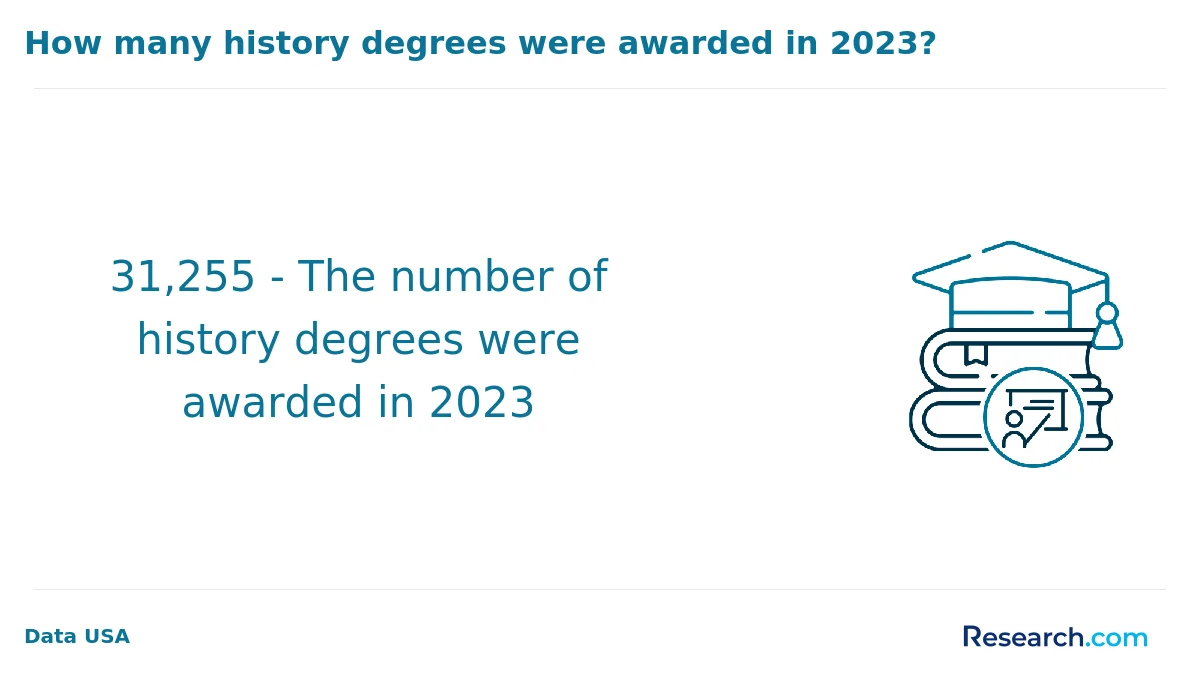
Students pursuing online history degrees in the Northeast benefit from a combination of federal, state, and institutional financial aid options that significantly ease tuition costs. For instance, graduates from well-known institutions like Boston University and the University of Pennsylvania often remark how completing the FAFSA opened doors to Pell Grants, which can cover up to $7,395 annually without repayment obligations. These federal grants, alongside low-interest student loans, form a crucial foundation for managing expenses.
State-specific programs add further support. Residents of New York, Massachusetts, and Pennsylvania frequently access grants such as New York's Tuition Assistance Program (TAP), which helps cover sizeable portions of tuition for approved online history courses. These tangible benefits have allowed many students to focus on their studies with less financial stress.
Additionally, institutional scholarships often reward academic achievement or financial need, making programs at colleges like Northeastern University more affordable. Veterans also leverage benefits like the GI Bill, while some online learners utilize employer tuition reimbursement programs, creating layered and accessible funding routes.
Such comprehensive aid packages empower history students to pursue their passions in social sciences without overwhelming debt.
Prospective students aiming to enroll in online history degree programs in the Northeast typically need a high school diploma or an equivalent credential such as a GED. Many graduates from renowned institutions like Boston University or Syracuse University recall submitting transcripts demonstrating consistent academic performance, often with a minimum GPA of around 2.5. While some schools require SAT or ACT scores, the adoption of test-optional policies has eased this burden, making admissions more accessible and less stressful.
Applicants are usually asked to provide a personal statement reflecting their passion for history and clear educational goals, which graduates frequently describe as an opportunity to connect their past experiences with future aspirations. For graduate-level programs, holding a bachelor's degree is essential, and while GRE scores may be requested, many schools have waived them recently, aligning with evolving admissions trends.
A final practical prerequisite is having reliable internet access and computer skills, ensuring students can fully engage with digital coursework and feel confident throughout their studies.
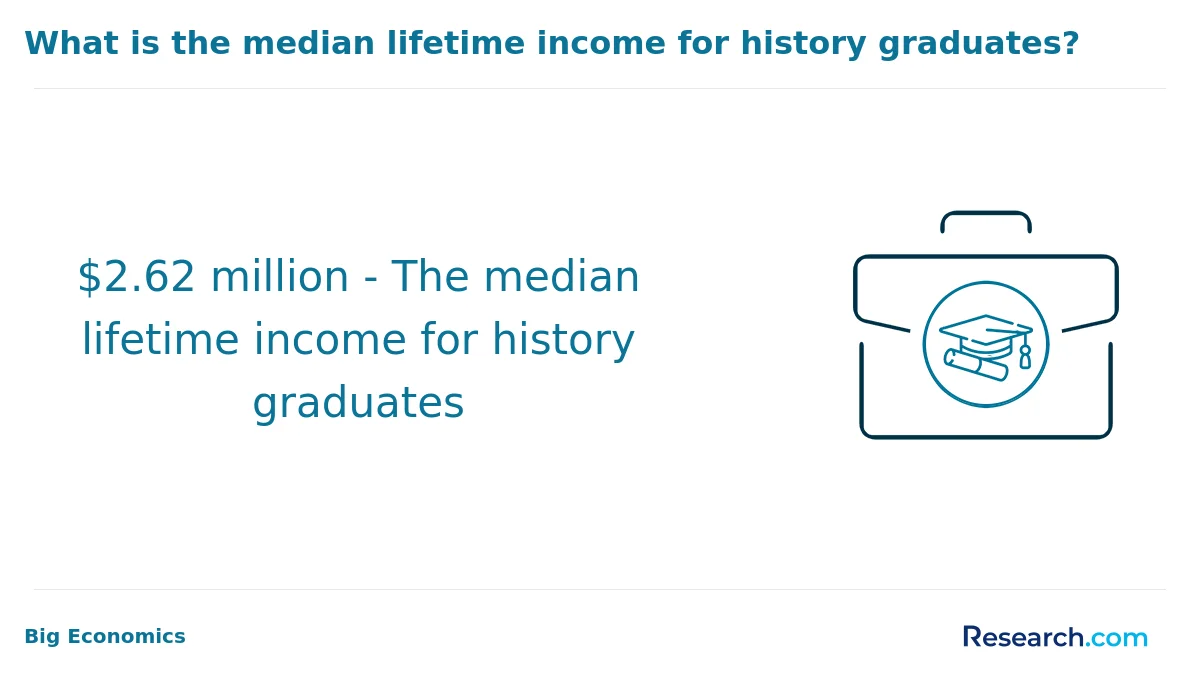
Online history degree programs in the Northeast commonly include essential courses such as U.S. History to 1877, U.S. History Since 1877, and World History, offering foundational knowledge that graduates frequently recall as crucial to their understanding of the past. Many students from institutions like the University of Massachusetts or Northeastern University find that courses focused on regional history, including colonial New England and the industrial transformations of the 19th century, bring the vibrant history of their own communities into sharper focus.
Graduates often highlight how classes in historical methods and historiography enhanced their research skills, allowing them to confidently interpret primary sources and construct persuasive historical arguments. Electives exploring immigration patterns or the Civil War deepen this connection to the Northeast's unique role in shaping American history.
Capstone projects at these universities give students the opportunity to undertake rigorous, personalized research, often incorporating digital archives-a methodological approach praised by many alumni who felt well-prepared for professional or academic futures.
Online history degree specializations in the Northeast offer focused study areas that resonate deeply with the region's rich heritage and academic strengths. Graduates from well-regarded colleges in the area often select concentrations such as American History, which emphasizes events from colonial times through the modern era, benefiting from proximity to landmark sites. Others pursue Colonial and Early American History to explore 17th and 18th-century developments, drawing on local archives and museums.
Students frequently highlight the advantage of Public History and Museum Studies, which prepare them for careers managing historic sites or cultural resources, an experience enhanced by the Northeast's numerous institutions committed to preservation. Additionally, World History and Area Studies let learners engage with global narratives, while Historical Research and Methodology equips them with analytical skills critical for advanced academic or archival pursuits. These diverse history degree concentration options Northeast students choose reflect their career ambitions and passion for history.
Those considering these routes can also explore career prospects through resources like history degree jobs that align with their specialization and skills.
Choosing the best online history degree in the Northeast involves prioritizing accredited programs recognized by regional agencies like the Middle States Commission on Higher Education. Many graduates from prestigious Northeastern colleges have praised programs that combine rigorous coursework on American and regional history with faculty actively engaged in research. These programs not only deepen historical understanding but also foster enthusiasm through access to specialized courses and resources.
Affordability is key; students often find that affordable online history degrees Northeast offer significant savings compared to traditional on-campus tuition. Alumni frequently highlight the importance of transparent tuition rates and robust financial aid options in selecting a suitable program. Flexibility is another critical factor-successful distance learners value asynchronous classes that accommodate busy schedules without compromising academic rigor.
Finally, the strength of career support cannot be overstated. Schools well-connected to local museums and historical societies provide invaluable chances for internships and networking. Many graduates attest that such support boosted their confidence and prospects in history-related fields. For guidance on professional pathways, consult resources like history career insights to align educational choices with market opportunities.
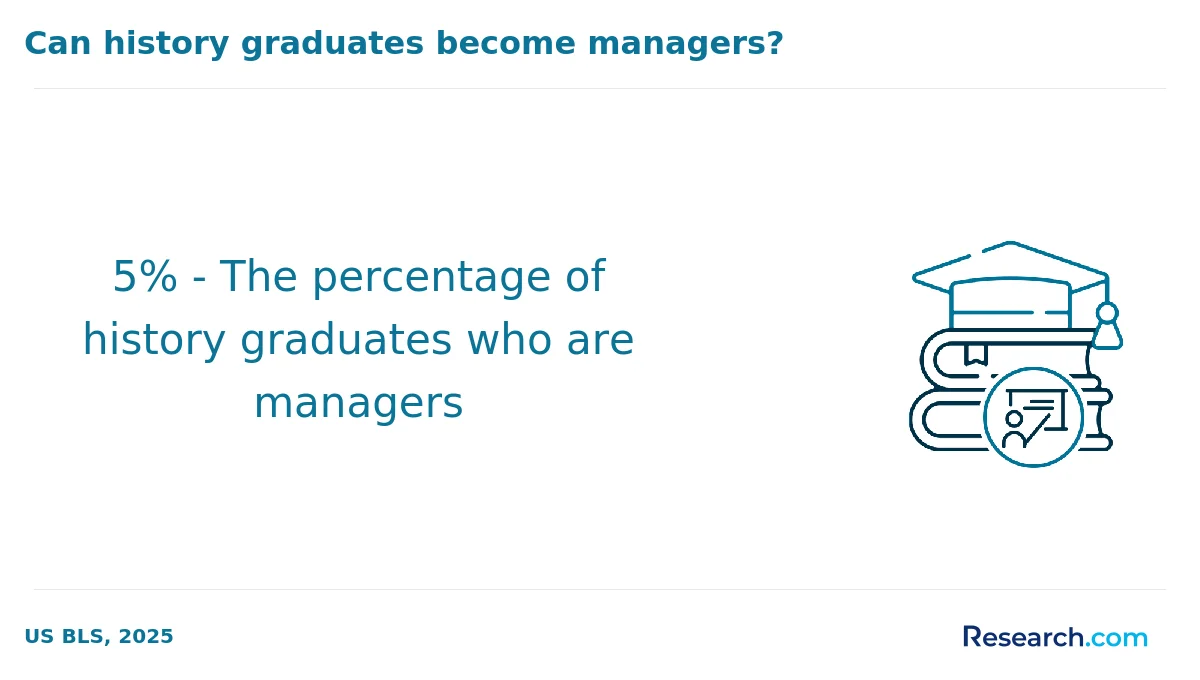
Graduates with an online history degree in the Northeast often pursue diverse career paths reflecting the region's rich cultural heritage and educational opportunities. Many alumni from well-regarded institutions take up teaching roles in middle or high schools, meeting regional demand for qualified social studies educators. These positions offer stable salaries and the chance to inspire future generations. Others find rewarding work in public history, engaging with museums and heritage organizations in cities like Boston or Philadelphia, where they help curate exhibits and develop community programs that bring history to life.
Additionally, archival and cultural resource management roles appeal to graduates interested in preserving the Northeast's historical artifacts and documents, benefiting from the region's deep colonial foundations. Beyond these, many graduates leverage their analytical and communication skills for careers in law, journalism, or government agencies, often earning above-average salaries compared to national figures. Prospective students interested in job opportunities for history graduates Northeast will find that programs like those offered online at leading universities provide practical training and strong regional networks to succeed. For more insights, explore history online degree programs.
The job market for online history degree graduates in the Northeast reflects a varied but promising landscape. Regions such as New York, Massachusetts, and Pennsylvania offer numerous opportunities in education, museums, and public history, fueled by a rich concentration of cultural institutions. Graduates from universities popular in the Northeast often find fulfilling roles as museum curators, archivists, or teachers in secondary schools and community colleges, applying their knowledge in settings deeply connected to local heritage. This practical engagement creates positive outcomes, with alumni expressing satisfaction from contributing to cultural preservation and public education.
Understanding the online history degree job outlook Northeast shows that while competition exists, especially for specialized roles, combining history studies with skills like digital archiving improves prospects significantly. For example, graduates reported success in government research positions or nonprofit cultural organizations. Salary expectations align with a median wage around $63,000 nationally, though entry positions may start lower.
For students weighing their options, it's helpful to explore information on careers in art history, which often overlap with historical fields and enhance employment possibilities.
2027 Most Valuable Online History Degree Programs Ranking in the Northeast
Investing in your education is a significant decision that can shape your future, and the Research.com team fully understands the importance of making well-informed choices. To aid prospective students in finding the most valuable online history degree programs in the Northeast, we have carefully developed the "2027 Most Valuable Online History Degree Programs Ranking in the Northeast." Our dedication to quality, credibility, and accuracy is demonstrated through the extensive research and analysis behind this ranking.
We utilized the following reputable data sources to ensure a comprehensive evaluation of online history degree programs:
By exploring this ranking, readers will gain essential insights into the top online history degree programs in the Northeast, supporting them in making confident and strategic decisions about their educational journeys. For more information about how this ranking was created, please visit our Research.com methodology page.


# 5 position
SUNY Empire State College
Bachelor of Historical Studies
# 6 position
Penn State University Park
Bachelor of History


# 9 position
Thomas Edison State University
Bachelor of History


Frequently Asked Questions About history
Online history degree students in the Northeast can maximize their learning by actively engaging with regional resources. Institutions like the Massachusetts Historical Society and New York Public Library offer vast digital archives that complement coursework. Students should participate in virtual seminars and workshops hosted by local universities, which often feature experts on Northeastern history. According to the National Center for Education Statistics, about 30% of online history students in the Northeast use such supplemental materials to deepen their understanding.
Building connections through online study groups or local historical societies helps foster discussion and critical thinking. Leveraging internships or volunteer opportunities in nearby museums can provide practical experience. Time management and self-discipline remain crucial for success in online programs, especially when balancing studies with personal responsibilities.
The history field is expanding beyond traditional topics, with several emerging niches gaining traction in online history degrees across the Northeast. Public history, which involves preserving and interpreting historical sites and archives, is growing rapidly due to increased funding from state and local governments.
Environmental history is another rising area, focusing on the relationship between humans and the natural world, aligning with broader concerns about climate change. Digital history leverages technology to analyze and present historical data, offering new career opportunities in museums and academia.
Regional history, especially early American and colonial studies in states like Massachusetts and New York, remains a popular specialization, supported by extensive archives and research centers in the Northeast.
After earning an online history degree in the Northeast, preparing for the job market involves targeted steps. Start by gaining practical experience through internships or volunteer opportunities at local museums, historical societies, or archives. These organizations often seek candidates familiar with the region's history and can provide valuable networking connections.
Enhance your resume with skills in digital archiving, research databases, and public history communication, which are increasingly important. According to the National Association for History Education, graduates with such competencies improve job prospects by 25%.
Additionally, consider joining professional groups like the New England Historical Association to stay updated on regional opportunities and trends.
Employers in the Northeast highly value history degree graduates who demonstrate strong research and critical thinking skills. According to the American Historical Association, these abilities are essential for analyzing complex historical data and presenting coherent arguments. Communication skills, both written and verbal, also rank near the top since many roles require clear documentation and public speaking.
Additionally, proficiency in digital tools and archival research methods is increasingly important. Institutions such as those in the New England region emphasize technology use in preserving and interpreting historical records.
Problem-solving and adaptability are sought-after traits given the evolving job market in museums, education, and public history sectors across the Northeast.
Finding internships relevant to a history degree in the Northeast involves connecting with local museums, historical societies, and archives. Institutions like the Massachusetts Historical Society and New York Historical Society regularly offer internships that provide practical experience.
Many universities with online history programs maintain partnerships with regional cultural organizations to facilitate placements. According to the American Historical Association, about 40% of history students seek internships through their schools' career services or history departments.
Additionally, consider government agencies such as state archives or the National Park Service sites prominent in the Northeast for public history roles. Networking at local history conferences also increases opportunities.
Obtaining an online history degree in the Northeast can significantly enhance career mobility and advancement opportunities. The region's strong concentration of museums, historical societies, and government agencies creates diverse employment prospects for graduates. According to the Bureau of Labor Statistics, the Northeast employs about 15% of all historians nationwide, with Connecticut and Massachusetts showing steady job growth in this field.
Online programs offer flexible study options, allowing working professionals to advance their qualifications without interrupting their careers. Many employers in public history and education value candidates with accredited degrees, which can lead to promotions or higher salaries. The American Historical Association highlights that professionals with a history degree possess critical thinking and research skills highly sought after in various sectors.
Studying for an online history degree in the Northeast equips students with critical skills valued across multiple disciplines. Northeastern universities emphasize analytical thinking, research proficiency, and effective communication, which are essential in fields like law, education, and public policy. According to the National Center for Education Statistics, over 60% of history graduates in the region pursue careers beyond traditional academia.
The interdisciplinary approach common in Northeast programs integrates history with economics, sociology, and cultural studies, widening career opportunities. Institutions often collaborate with local museums, archives, and government agencies, providing practical experience.
These elements combine to make history graduates adaptable and competitive in a diverse job market.
Choosing between a thesis and a non-thesis online history degree in the Northeast depends on your academic and career goals. Thesis programs focus on original research, demanding strong writing skills and typically preparing students for doctoral studies or research-heavy careers. Non-thesis tracks often emphasize coursework and practical learning, suitable for those aiming at teaching, public history, or administrative roles.
In the Northeast, many accredited schools offer both options, with tuition ranging from $15,000 to $30,000 per year (NCES, 2023). According to the American Historical Association, thesis degrees are preferred if you seek competitive academic positions.
Consider your time commitment, since thesis programs may require up to a year of dedicated research. Non-thesis degrees often allow faster completion, which can be crucial for working professionals in the region's fast-paced job markets.
Students in the Northeast interested in studying history abroad through online degrees have unique options. Many regional universities, such as Northeastern University and University of Massachusetts Amherst, offer online history programs with opportunities for international research or study trips.
Additionally, some programs partner with foreign institutions, allowing students to participate in virtual exchanges or short-term abroad experiences after completing core courses online.
The Council for Higher Education Accreditation highlights that nearly 30% of Northeast universities with history degrees provide global learning components integrated into online curriculums.
This hybrid approach helps students gain cross-cultural perspectives while completing affordable and flexible online degrees at home.
Part-time jobs that complement a history degree in the Northeast often involve roles in museums, archives, and libraries. For example, many historical societies in states like Massachusetts and New York hire part-time research assistants and curatorial aides. These positions offer hands-on experience with primary sources and exhibit preparation, supporting academic learning.
Other valuable opportunities include working as a teaching assistant or tutor for history courses at community colleges. According to the National Center for Education Statistics, adjunct roles have grown in this region, providing flexible schedules for students.
Internships with local government agencies or cultural organizations also provide practical skills relevant to history graduates.
Online history students in the Northeast benefit from several networking opportunities tied to regional universities and historical organizations. Many schools offer virtual events, including guest lectures and alumni panels, to connect students remotely. Institutions like Boston University and University of Pennsylvania maintain active online communities for history students.
Students can also engage with local chapters of professional history groups, such as the Eastern Historical Association, which hosts conferences and workshops in the region. The Northeast's rich historical landscape offers internships and collaboration chances with museums and archives, often accessible through university partnerships.
According to the American Historical Association, these connections significantly enhance career prospects in academia and public history fields.
Alumni networks offer significant benefits to online history degree students in the Northeast by creating valuable professional connections. Many universities in this region, such as Northeastern University and Syracuse University, maintain active alumni groups that provide mentorship, career advice, and job leads to recent graduates. According to the National Association of Colleges and Employers (NACE), 73% of employers prefer candidates with strong networking ties, underscoring the importance of these connections.
Students can also access exclusive online events and regional history conferences, which deepen their engagement with both academic and professional communities.
Such networks often include access to internships and research opportunities at museums, historical societies, and cultural institutions prominent in the Northeast, like the Massachusetts Historical Society.
Many online history degree programs in the Northeast allow students to tailor their studies to align with specific career goals. Students can choose electives focusing on areas such as American history, African American history, or public history. Some programs offer internships or partnerships with regional museums and historical societies, providing practical experience. Additionally, students may select courses emphasizing research methods, archival work, or digital history tools, which are valuable for careers in education, preservation, or research. According to the National Center for Education Statistics, over 35% of Northeast institutions offering history degrees provide flexible curriculum options to personalize learning paths.
Online history students in the Northeast often face challenges related to balancing rigorous coursework with professional and personal obligations. According to the National Center for Education Statistics, nearly 60% of online learners in the region juggle work or family demands alongside their studies. Time management becomes critical, especially since history programs require extensive reading and critical analysis.
Another common difficulty is accessing primary resources. While Northeast institutions offer rich archives, some materials remain restricted to on-campus users, complicating research for remote students. Connectivity issues also occasionally disrupt live discussions or access to online databases, impacting the interactive learning experience.
Additionally, students may struggle with feelings of isolation without regular in-person engagement. Universities are increasingly implementing virtual study groups to address this, but social interaction remains a key concern for many online learners.
With an online history degree, students in the Northeast can pursue various professional certifications enhancing career prospects beyond academia. Popular options include the Certified Archivist credential, offered by the Academy of Certified Archivists, which is valuable for those interested in managing historical records.
Another relevant certification is the Museum Studies Certificate, often available through affiliated programs, useful for careers in museum curation and public history. The Northeast hosts numerous history museums and heritage sites that value such credentials.
Teaching certifications, such as the state-specific Secondary Education Social Studies license, are crucial for those aiming to teach history in public schools. Each state in the Northeast has distinct requirements listed by their Departments of Education.
These certifications reflect the applied skills gained from history degrees and align well with regional job markets focused on cultural preservation, education, and public engagement.
To write a winning application for an online history program in the Northeast, start by carefully researching schools accredited by recognized bodies such as the New England Commission of Higher Education. Highlight your passion for history and any relevant experience, such as internships or volunteer work at museums or historical societies. Admissions committees value clear, well-structured essays that demonstrate critical thinking and a genuine interest in regional or American history.
Use specific examples related to Northeastern history to show your connection to the area, citing sources like the American Historical Association, which notes the region's rich colonial and industrial heritage. Also, ensure your academic records reflect strong writing and analytical skills, crucial for history studies.
Careers in history hold significant global relevance, especially for students in the Northeast pursuing online degrees. Graduates often find opportunities in education, museums, archives, and cultural organizations worldwide. According to the American Historical Association, the demand for historians is projected to grow by 6% through 2031, reflecting steady interest in preserving and interpreting global heritage.
The Northeast is home to numerous history-rich institutions, offering students a unique advantage in gaining regional expertise with global applications. For example, institutions like Boston University and Syracuse University emphasize international history themes, preparing graduates for roles in diplomacy, research, and international non-profits.
Many history careers also require strong research and communication skills that translate across borders. As history departments expand online, students gain access to diverse global archives, enhancing their understanding of worldwide historical contexts and improving employability.
Students pursuing online history degrees in the Northeast can gain practical experience through internships, research projects, and collaboration with local institutions. Many universities partner with museums, historical societies, and archives in the region, such as the Massachusetts Historical Society and the New York Public Library, offering remote or hybrid internship opportunities.
Engaging in digital archives and oral history projects allows students to apply their skills in real-world contexts. Some programs encourage participation in regional history conferences or virtual workshops to build professional networks. According to the National Center for Education Statistics, internships improve employment prospects for history graduates across the U.S., including the Northeast.
Choosing the right concentration within an online history degree program in the Northeast requires careful consideration of your interests and career goals. Many programs in this region offer diverse specializations, such as American history, public history, or global studies.
Research regional history trends: The Northeast, rich in colonial, Revolutionary, and industrial history, often emphasizes these areas in its curricula. According to the American Historical Association, concentrations focusing on early American and urban history remain popular among students.
Consider practical outcomes. Concentrations like public history can prepare you for museum or archival work, which are prominent sectors in Northeast cities such as Boston and Philadelphia.
Finally, review course offerings and faculty expertise at specific institutions to ensure the concentration aligns with your academic and professional objectives.
- The Challenges of Studying History in School | Education Research Project Topics and Materials https://educationtopics.com.ng/the-challenges-of-studying-history-in-school/60853/history-education/
- How to Apply to Graduate School | Canadian Historical Association | Société historique du Canada https://cha-shc.ca/publications/employing-history-a-guide-to-graduate-school-and-navigating-the-job-market/how-to-apply-to-graduate-school/
- 5 Challenges of Teaching History in International Classrooms (and How https://millerskills.co.uk/blogs/teaching-overseas/5-challenges-of-teaching-history-in-international-classrooms-and-how-to-overcome-them
- How to Network with Alumni | Student Guide to Alumni Networking 2026 https://digitalrecordboard.com/blog/how-to-network-with-alumni/
- My Top 3 Recommendations on Networking in the History World | An Historian About Town https://anhistorianabouttown.com/recommendations-on-networking-in-the-history-world/
- The Impact of History Degrees: Opportunities and Trends Among History Degree Jobs https://www.ucumberlands.edu/blog/the-impact-of-history-degrees
- What Can You Do With a History Degree? https://willamette.edu/academics/college/history/career-options
- Study History Abroad | Go Overseas https://www.gooverseas.com/study-abroad/history
- Making sure you're not a bot! https://journals.uclpress.co.uk/herj/article/pubid/Hist_Educ_Res_J-23-16/
- Top Niche Historical Topics for Deep-Dive High School Projects https://riseglobaleducation.com/blogs/top-niche-historical-topics-for-deep-dive-high-school-projects