2027 Fastest Online History Degree Programs Ranking in the Northeast

Co-Founder and Chief Data Scientist
Exploring online history degree programs can feel overwhelming, especially in the Northeast where options abound. This article presents the 2027 Fastest Online History Degree Programs Ranking in the Northeast, developed by the Research.com team of data scientists to guide students toward the best choices.
By reading this ranking, you'll discover programs that balance speed, quality, and flexibility to fit your busy lifestyle. Pursuing a history degree opens doors to critical thinking, storytelling, and deeper understanding of our world-perfect for shaping a meaningful career.
Let this guide inspire your next steps in education with confidence and clarity.
Key benefits of getting online history degree in the Northeast
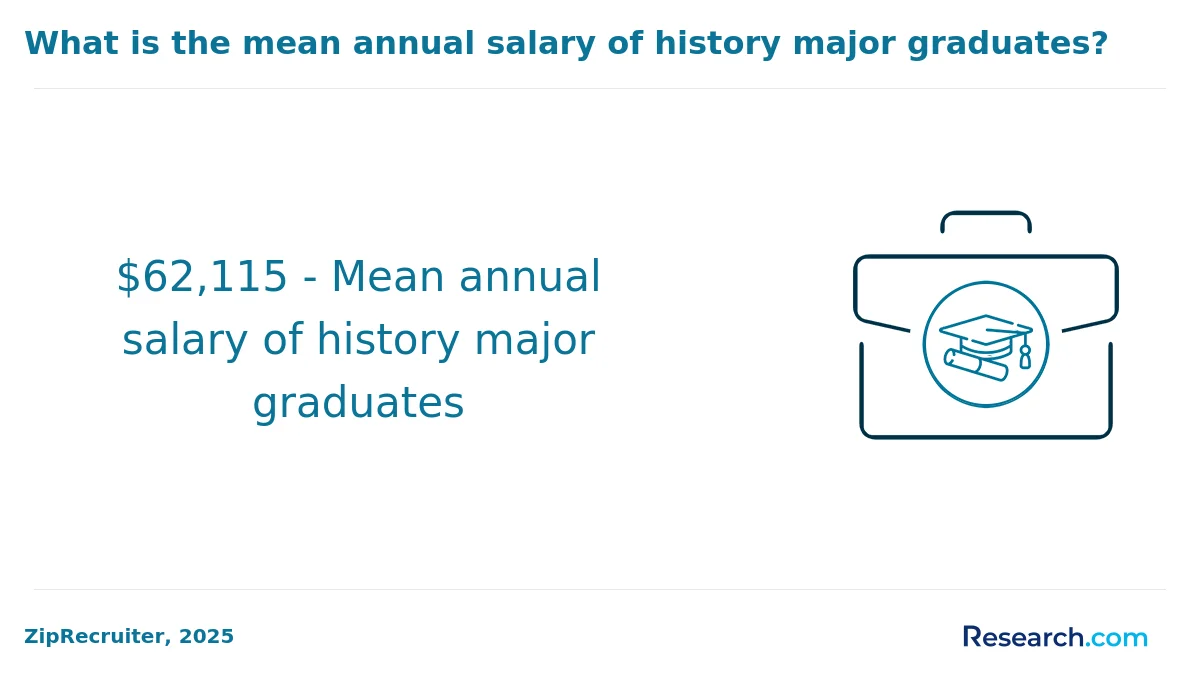
- Salary for history degree graduates: While specific regional salary data is unavailable, history graduates in the U.S. often earn between $45,000 and $60,000 annually in fields like education and archival work, providing a solid foundation for financial stability.
- Career paths: Graduates from Northeastern schools often find opportunities in museums, public history, education, and research, allowing them to pursue their passion for history in diverse, rewarding roles.
- Benefits of online degrees: Earning a history degree online from a well-regarded Northeast university offers flexibility and the chance to balance work or family, making education more accessible without sacrificing quality.
- 2027 Fastest Online History Degree Programs Ranking in the Northeast
- What can I expect from online history degree in the Northeast?
- Where can I work with online history degree in the Northeast?
What can I expect from online history degree in the Northeast?
The average cost of an online history degree in the Northeast usually falls somewhere between $15,000 and $40,000 for a bachelor's program, depending on the school and how fast you finish. Graduates from places like Northeastern University and University of Massachusetts Amherst often mention how the investment felt well worth it, especially since these programs mix flexibility with top-notch faculty support. You're not just paying for classes-you're getting access to amazing online resources, virtual archives, and engaging lectures that bring history to life without stepping foot on campus.
Many students appreciate that the tuition aligns with the quality of education and the career doors it opens. For example, one graduate shared how their online courses helped them secure a museum internship in Boston, linking their studies directly to real-world experiences. Plus, the ability to study from home around work or family commitments makes this cost feel more manageable and valuable compared to traditional programs.
Financial aid and payment plans can also ease the burden, making these programs accessible to a wide range of students excited to dive into the rich history of the Northeast and beyond.
Where can I work with online history degree in the Northeast?
If you're studying history online in the Northeast, you'll find plenty of cool places to work once you graduate. Graduates from schools like Boston University or the University of Pennsylvania often land teaching jobs in local schools or community colleges, sharing their love of the past with eager students. It's rewarding to see your lessons come alive, especially in states like New York and Pennsylvania where history really feels alive around every corner.
Other grads find themselves working in museums or libraries in cities like Philadelphia or Boston. Imagine curating exhibits at the Massachusetts Historical Society or handling archives at the New-York Historical Society-these jobs let you dig deep into fascinating stories and bring them to the public.
There's also a growing demand for historians in state government roles or nonprofits. For example, you could help preserve historic sites with the New Jersey Department of State or write grants for cultural programs. Many grads love how their skills in research and writing open doors to meaningful careers that connect them to the region's rich history every day.
If you're thinking about earning an online history degree in the Northeast, you're in a pretty good spot when it comes to pay. Graduates often start out making between $45,000 and $55,000 a year in roles like archival assistants or educational coordinators. That's a solid start, especially if you land a job near Boston or New York City, where history gigs are plentiful thanks to all the museums and universities around.
With a few years under your belt or some extra schooling, salaries can climb up to $65,000-$85,000. Many grads from popular schools in the Northeast share that working at a historical society or even a local museum offers both creativity and decent pay. Then there are the folks who move into government jobs or public history roles nearby; some earn north of $90,000, especially with benefits that make the total package even sweeter.
So, studying history online while soaking up the Northeast's rich cultural vibe can really pay off, both financially and professionally.
- Tuition for online undergraduate history programs in the Northeast ranges from $12,000 to $25,000 per year, varying by institution and program length.
- The region offers many accredited universities with concentrations in American, European, or world history to ensure degree recognition by employers and graduate schools.
- Starting salaries for history graduates in the Northeast average between $45,000 and $50,000 annually, increasing to $65,000-$75,000 with experience.
- Job growth for historians and related professions in the Northeast is projected at 3% to 6% over the next decade, with opportunities in education, government, and cultural institutions.
- Online programs often provide flexible schedules and asynchronous coursework, but the availability of internships or practical experience varies and may impact career success.
- Alumni outcomes and career support services significantly contribute to strong job placement rates in history-related fields at selected affordable schools.
So, how long does it take to finish an online history degree in the Northeast? Most students at schools like Northeastern University or colleges in the University of Massachusetts system find it takes about four years if they're going full-time. That's because these programs stick to around 120 credits, which usually means roughly 30 credits per year, like a typical in-person timeline.
But plenty of folks don't follow the traditional path. Some graduates mention juggling jobs or family and opting for part-time study, which extends their degree to five or six years. On the flip side, there are accelerated programs with 7- or 8-week courses letting motivated students wrap up in under three years by taking multiple sessions yearly.
Community college grads often start with a 2-year online associate degree before transferring to a four-year college, so that's another route people take. Bottom line: there's no one-size-fits-all, but flexibility makes finishing a history degree online in the Northeast totally doable whether you're in a hurry or spreading it out.
Choosing between online and on-campus history degrees in the Northeast really comes down to what fits your lifestyle. Online programs, like those offered by well-known schools in the region, let you study from your couch, coffee shop, or wherever you want. Graduates often say this flexibility was a game changer, especially if they were juggling jobs or family. You can watch lectures anytime-some courses even have live discussions, but mostly it's on your schedule.
On-campus programs at popular colleges in the Northeast, meanwhile, offer that classic college vibe. Imagine walking through historic libraries at Boston University or joining lively seminars with professors who are experts in American or European history. Many grads say being around others passionate about history helped spark deeper conversations and connections you just can't get online.
Both paths tackle the same core courses, but on-campus students might have easier access to physical archives and face-to-face mentoring. Online learners usually rely on the strong digital libraries these schools provide, making research doable no matter where you live in the Northeast.
Tuition costs for both are often close, though some find online a bit cheaper since there's no daily commute or campus fees. Whether it's meeting friends at a local coffeehouse after class or discussing primary sources through online forums, both experiences have their perks based on what fits your pace and goals.
If you're wondering about the average cost of an online history degree in the Northeast, you can expect to pay around $22,272 total for the entire program. For in-state students at schools like the University of Massachusetts Amherst or schools in the SUNY system, costs typically hover closer to $15,480. Out-of-state students might pay a bit more, approximately $17,040, which is still pretty reasonable when you consider the quality of education and flexibility these programs offer.
Many graduates from the Northeast share how choosing an affordable online history degree program helped them balance life, work, and school without breaking the bank. For example, some found that the availability of fixed tuition rates at certain universities made budgeting so much easier throughout their studies. Plus, studying online cuts down on extra expenses like commuting or housing, which makes these programs even more friendly on the wallet.
You'll find plenty of affordable online history degree programs in the Northeast especially at public schools, which often offer lower tuition than private ones. Thanks to financial aid options like scholarships or employer tuition assistance programs, many students manage to reduce their costs significantly. For a clear idea of how to plan your education budget and understand how to get a degree in history, it's smart to look closely into these resources early on.
If you're diving into an online history degree in the Northeast, there's good news: plenty of financial aid options can make the journey easier. For example, graduates from universities like Boston University or SUNY have shared how submitting the FAFSA opened doors to federal grants like the Pell Grant, which can cover thousands of dollars. This helps cut down those steep tuition costs, which can be over $11,000 a year for in-state students and much more if you're out-of-state.
State aid is another solid supporter-think New York's TAP program or Massachusetts' MassGrant, both helping local students afford their studies. Many schools also toss in their own scholarships aimed at history buffs, especially those studying online, which can feel like a personal win. Plus, work-study options let you earn money right from your laptop, juggling study and income without piling up debt.
And don't forget private scholarships from historical societies that enthusiastic students have leaned on to fund passion projects and research. It's a blend of support that really makes pursuing history worth it.
If you're thinking about diving into an online history degree in the Northeast, getting your foot in the door usually starts with a high school diploma or GED-basically, showing you're ready for college-level work. Many students from universities like Boston University or Syracuse found that submitting their high school transcripts and maintaining at least around a 2.5 GPA made the process smoother. Some schools here still ask for SAT or ACT scores, but plenty are test-optional now, which is a relief if standardized tests aren't your thing.
If you're aiming for a master's degree, you'll generally need a bachelor's, often in history or something related, and maybe a few extra things like letters of recommendation or a statement of purpose. Graduates from Northeastern colleges mention how prepping these materials helped them really clarify their passion for history and stand out. Also, if you've transferred credits from community colleges or other schools, most places accept anywhere from 12 to 60 credits, making your path less bumpy.
Some programs might ask you to brush up on foreign languages or digital skills since historians often dig into original sources online. So getting comfortable with that early can definitely give you a leg up!
If you're diving into an online history degree in the Northeast, get ready to explore some pretty cool courses that bring the past to life. Graduates from well-known schools in this region often mention how classes like U.S. History from Colonial Times to today gave them a solid grasp of America's story right from their own living rooms. You'll also find world history courses covering everything from ancient civilizations to modern global issues, which really helped students connect dots across continents and centuries.
One popular favorite is the Historiography and Historical Methods course. It's where you learn how to dig into old documents and piece together stories-kind of like being a detective for history. Many students at Northeastern colleges love how the regional history classes zoom in on stories unique to the Northeast, like the Industrial Revolution's impact on local towns or immigration waves shaping vibrant communities.
Plus, some grads say the special topics, like women's history or African American history, brought fresh perspectives they never expected. It's an empowering way to see how different narratives weave into the bigger picture around here.
If you're diving into an online history degree in the Northeast, you'll find some pretty cool specializations that really tap into the rich local history. Graduates from well-known colleges around here often gush about courses in American History, especially the colonial and revolutionary periods that shaped the region. Others get hooked on Public History, where you learn how to work in museums or archives-perfect if you love hands-on historical work.
Northeastern universities often offer unique history degree concentration options Northeast like Colonial and Early American History, Military History focusing on wars like the Revolutionary War, and even European History reflecting the area's immigration roots. The flexibility makes it feel like you're really tailoring your education to what sparks your passion, whether that's cultural changes or historical research methods. Some grads rave about how immersive the programs feel, even online, thanks to digital tools and easy access to local archives.
And if you're wondering about opportunities down the road, many grads say these specializations open doors to jobs for a history degree that you might not have expected.
When choosing the best online history degree programs Northeast, look for schools that offer a rich curriculum covering American, European, and world history, with options to focus on cool topics like colonial America or public history. Graduates from popular Northeast universities often mention how the mix of classes helped them think critically and boosted their writing skills, which made job hunting easier.
Don't forget to check if the program is backed by solid accreditation and taught by faculty who really know their stuff. Many online students from schools in New York or Massachusetts praise how accessible and knowledgeable their professors are, even from a distance. It's encouraging to know experts are guiding you as you tackle history.
Cost matters, so explore affordable history degree Northeast online options. Some schools offer flat tuition rates or scholarships just for history majors, making it easier to budget. Also, think about how flexible the classes are-will you be able to study asynchronously around your busy life? Graduates often stress that good career services helped them transition smoothly into history degree jobs, which is huge motivation.
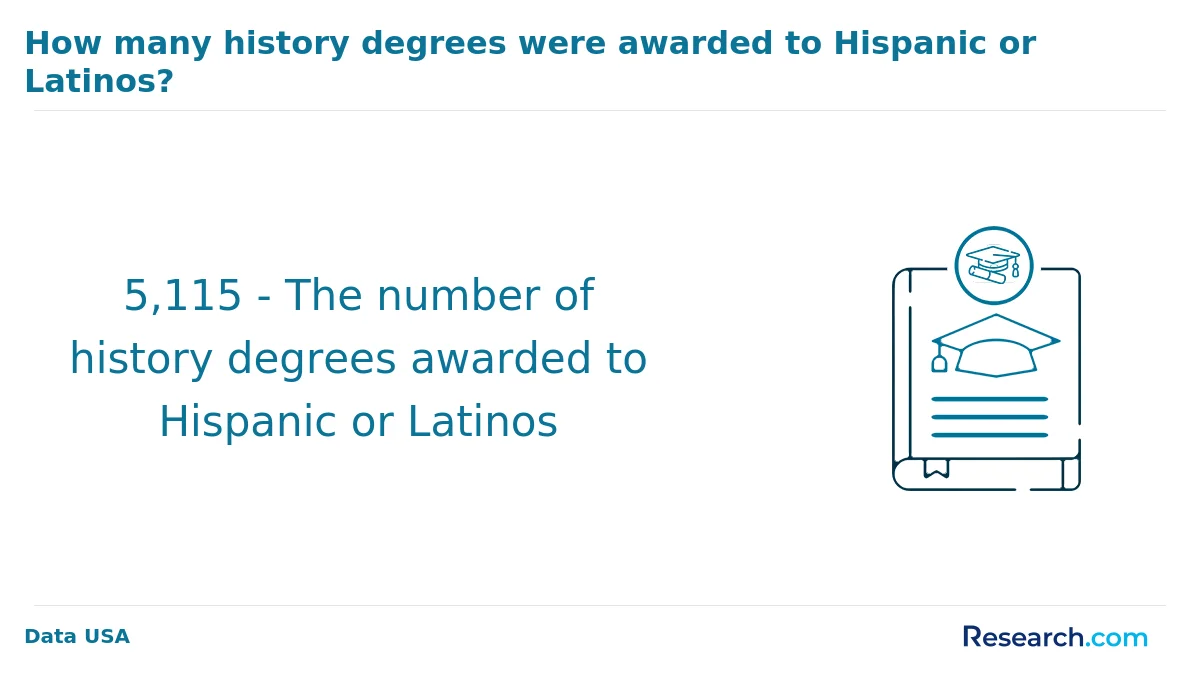
Graduates with an online history degree in the Northeast often find themselves landing diverse and fulfilling roles. Many dive into education, teaching history in local schools or colleges, where their degrees from popular regional schools really open doors. Others enjoy working as museum curators or educators, especially in historic cities like Boston and Philadelphia, sharing stories that bring the past alive. A lot of history majors also find passion in public history jobs-think archiving old documents for the Massachusetts Historical Society or crafting programs for community historical societies. The private sector? That's buzzing too, with roles in publishing, digital content, and media, where storytelling skills shine. Plenty of graduates have shared how earning their degree online gave them the flexibility to balance work and study, while gaining practical skills valued by employers. If you're thinking about your future, online degree history careers Northeast offers plenty of exciting paths to explore.
Job opportunities with history degree Northeast graduates describe range from being an archivist preserving priceless records to becoming historical researchers for government or media projects. Every day feels like a chance to connect the dots between history and today's world, making the career both meaningful and dynamic.
The job market for graduates with an online history degree in the Northeast is pretty interesting, especially if you're eyeing roles in museums, archives, or cultural institutions. Many graduates from popular schools in the region find themselves drawn into hands-on positions like museum curators or historical researchers, where they get to dive into real artifacts and documents. These jobs often reward folks who stay curious and combine their history skills with extras like digital archiving or public history.
For those exploring online history degree jobs Northeast, the region is packed with opportunities thanks to its dense educational and cultural scene. Graduates often share how studying online through well-known colleges around here helped them secure internships with local historical societies, boosting their chances for full-time work. Salaries typically start around $40,000 but can rise to mid-$70,000 with experience, making it a solid choice.
And if you want to get inspired by the highest paying jobs with art history degree, you'll see how history grads can build rewarding careers beyond textbooks. This blend of accessibility and real-world chance makes pursuing history online in the Northeast feel like a smart, exciting move.
2027 Fastest Online History Degree Programs Ranking in the Northeast
Investing in your education is a significant decision that can shape your future, and the Research.com team understands the importance of making informed choices. To assist prospective students in the Northeast, we have meticulously crafted the "2027 Fastest Online History Degree Programs Ranking in the Northeast." Our commitment to quality, credibility, and accuracy is reflected in the extensive research and analysis conducted to compile this ranking.
We utilized the following reputable data sources to ensure a comprehensive evaluation of history degree programs:
By exploring this ranking, readers will gain valuable insights into the fastest online history degree programs in the Northeast, empowering them to make informed and confident educational choices. For more details on our methodology, please visit our Research.com methodology page.

# 2 position
Penn State University Park
Bachelor of History


# 7 position
SUNY Empire State College
Bachelor of Historical Studies

# 9 position
Thomas Edison State University
Bachelor of History


Frequently Asked Questions About history
Students pursuing online history degrees in the Northeast can enhance their learning by actively engaging with regional historical resources. Many universities in this area offer digital archives and virtual museum tours that complement coursework. For example, the Massachusetts Historical Society provides extensive online collections relevant to early American history.
Collaborating in virtual study groups allows students to discuss complex topics and gain diverse perspectives. Additionally, taking advantage of local internships or part-time roles at historical societies can provide practical experience, which many Northeastern states support through partnerships with educational institutions.
Finally, staying informed about new research and events through newsletters from organizations like the New England Historical Association helps maintain a connection to the discipline beyond the virtual classroom.
Emerging niches within the history field increasingly reflect the evolving interests of scholars and the public. In the Northeast, areas such as digital history, which combines technology with traditional research, are gaining momentum. According to the American Historical Association, digital archives and interactive media projects offer innovative ways to engage with historical narratives.
Environmental history is another growing focus, especially given the region's rich industrial past and current sustainability efforts. This niche explores human interaction with nature over time, relevant for students interested in both history and environmental science.
Moreover, public history continues to expand, emphasizing museum work, preservation, and community outreach. Northeastern states like New York and Massachusetts offer numerous opportunities for internships and jobs in this practical field.
These niches highlight how online history degrees adapt to new demands, preparing students for diverse careers beyond academia.
Preparing for the job market after earning an online history degree in the Northeast requires strategic planning. Graduates should focus on developing transferable skills such as research, critical thinking, and writing, which are highly valued by employers in fields like education, museums, and public history.
Internships and volunteer opportunities at local historical societies or archives in states like New York and Massachusetts can provide practical experience. According to the American Historical Association, nearly 70% of history graduates in the Northeast work in education or cultural resource management, highlighting these areas as promising career paths.
Networking through alumni associations or regional history organizations enhances job prospects. Finally, consulting resources like the Bureau of Labor Statistics can help graduates understand job trends and salary expectations within the Northeast.
Employers in the Northeast highly value history degree graduates who demonstrate strong research and analytical skills. According to the American Historical Association, 75% of employers seek candidates proficient in critical thinking and source evaluation. Graduates must also excel in written and oral communication, as these skills are essential for presenting complex information clearly. Additionally, familiarity with digital tools and archives is increasingly important, particularly for roles in museums, libraries, or education. Employers appreciate candidates who can contextualize historical events and apply their knowledge to current societal issues, a skill emphasized in many Northeast online history programs.
Finding internships relevant to a history degree in the Northeast involves targeting institutions that value historical expertise. Museums, historical societies, and archives in states like New York, Massachusetts, and Pennsylvania offer many opportunities. For example, the American Historical Association reports that internships at cultural institutions in this region can provide significant hands-on experience in research and preservation.
Online students should utilize their university's career services and local internship databases specific to the Northeast. Networking with professionals through organizations such as the New England Museum Association can also help. Additionally, many online degree programs partner with regional institutions to provide vetted internship placements.
Federal and state historical offices often announce internship programs during spring and summer, with application deadlines varying by agency. Checking websites like USAJobs.gov for government internships in history-related departments is recommended.
In the Northeast, an online history degree offers notable career mobility, especially in education, public history, and cultural institutions. According to the U.S. Bureau of Labor Statistics, demand for historians in the region is projected to grow around 6% from 2022 to 2032, aligning with national trends. Online programs accredited by regionally recognized bodies ensure graduates meet employer expectations. These degrees often emphasize research, critical thinking, and communication skills, which are valuable for leadership roles.
Employers in museums, archives, and government offices in cities like Boston and New York increasingly accept online credentials, helping professionals advance without relocating. Additionally, online history graduates frequently transition into related fields such as law or library science, further improving their upward mobility.
Studying for a history degree online in the Northeast offers unique advantages for students aiming at interdisciplinary roles. Many Northeastern institutions emphasize blending history with political science, economics, and cultural studies, which equips graduates with broad analytical skills. For example, State University of New York (SUNY) programs often integrate digital archives and GIS mapping, fostering technological competence alongside historical knowledge.
According to the American Historical Association, over 60% of history graduates in the Northeast work in fields requiring multidisciplinary expertise, such as education, public policy, and museum curation. Online programs also encourage collaboration across departments, enhancing critical thinking important for diverse careers.
Choosing between a thesis and a non-thesis history degree program in the Northeast depends largely on your career goals and learning preferences. Thesis programs typically require original research and a substantial written project, which suits students aiming for academia or research roles. Non-thesis options focus more on coursework and practical skills, ideal for those seeking employment in museums, archives, or public history.
The Northeast hosts many reputable institutions offering both options, with tuition varying widely. According to the National Center for Education Statistics, about 60% of history graduates in this region choose non-thesis tracks, valuing their flexibility.
Consider your time availability, research interest, and whether you plan to pursue graduate studies, as these factors strongly influence the best choice.
Students based in the Northeast seeking to study history through online programs with an international focus have several notable options. Many universities offer online history degrees featuring study-abroad components or virtual global history courses. For instance, institutions like SUNY Empire State College and Northeastern University provide flexible curricula that incorporate historical perspectives from Europe, Asia, and Latin America.
The Council for Higher Education Accreditation (CHEA) reports that around 15% of Northeast colleges include international learning experiences within their history programs. This may include short-term travel, virtual exchanges, or integrated coursework emphasizing global historical contexts.
Students should also explore partnerships between Northeast schools and foreign institutions, which enable credit transfer or joint online seminars with international students, expanding their global understanding without leaving home.
Students pursuing online history degrees in the Northeast have various part-time job opportunities that complement their studies. Museums and historical societies frequently seek part-time archivists and docents, which help students apply their knowledge practically.
Libraries, particularly those in academic or public settings, often hire assistants for special collections related to local or regional history. According to the American Library Association, New England and Mid-Atlantic states offer numerous such positions with flexible hours suited for students.
Additionally, internships in cultural heritage organizations provide hands-on experience with preservation and research, boosting resumes and practical skills for future historians. These roles typically pay between $12-$18 per hour, depending on location and institution funding.
Finally, teaching assistant roles at community colleges or online tutoring platforms offer opportunities for history students to reinforce their expertise while earning an income.
Online history students in the Northeast benefit from a range of networking opportunities through regional academic associations and local historical societies. For example, the New England Historical Association and the Mid-Atlantic Regional Archives Conference offer virtual events and conferences where students can connect with professionals and scholars.
Many universities also provide online forums and alumni groups, specifically for history majors, facilitating mentorship and career advice. According to the American Historical Association, nearly 40% of Northeast-based history graduates find jobs through networking within academic and professional circles.
Additionally, partnerships between online programs and regional museums or archives create internships and project collaborations accessible remotely, enhancing practical experience and professional connections.
Alumni networks play a crucial role for students pursuing online history degrees in the Northeast. They provide valuable opportunities for mentorship, career advice, and job placements, especially in historically rich cities like Boston, Philadelphia, and New York. According to the National Association of Colleges and Employers (NACE), 70% of job seekers find employment through networking. Northeast schools often leverage their alumni ties with museums, archives, and historical societies, helping students secure internships and research positions.
Strong alumni connections also create communities where students share resources and attend regional events. This support can be essential for online learners who might lack on-campus engagement. Institutions like Northeastern University and SUNY emphasize active alumni involvement to enrich student experiences.
Customizing an online history degree in the Northeast allows students to align their studies with specific career goals. Many accredited universities offer flexible programs featuring concentrations such as public history, archival studies, or museum studies. For example, SUNY Empire State College provides tailored course selections that support roles in education, research, or heritage management.
Students can also select electives focusing on regional history, like Colonial America or Industrial Revolution topics relevant to New England, enhancing local expertise. Internships and capstone projects often enable practical experience, which employers highly value, especially in cultural institutions across Northeastern cities.
According to the National Center for Education Statistics, over 35% of Northeastern history programs provide online options with customizable curricula, granting students the ability to blend theory with career-oriented skills efficiently.
Online history students in the Northeast often confront challenges such as limited access to local archives and primary sources, which can hinder in-depth research. Many history programs emphasize primary document analysis, but remote learners may rely heavily on digital collections that do not fully represent regional materials.
Another common issue is the balancing of coursework with professional and family responsibilities. According to the National Center for Education Statistics, over 60% of online history students are adults juggling multiple roles, increasing their risk of burnout.
Additionally, some students report a lack of real-time interaction with faculty and peers, which may affect opportunities for discussion and critical debate, key elements for history education. The asynchronous nature of many courses can limit immediate feedback, making it harder to stay engaged.
Finally, accreditation and recognition of online programs remain a concern. Prospective employers in the Northeast sometimes express reservations about the rigor of online degrees compared to traditional on-campus history programs.
Graduates with an online history degree in the Northeast have access to several professional certifications that can enhance their career prospects. Commonly pursued credentials include the Certified Archivist, offered by the Academy of Certified Archivists, which validates expertise in managing historical records and archives.
For those interested in museum careers, the Certified Museum Professional credential from the American Alliance of Museums is relevant. It reflects knowledge in museum management and curation.
Additionally, the Project Management Professional (PMP) certification is a valuable option for history graduates aiming to lead cultural heritage projects or community initiatives. According to the National Archives, Northeast-based archivists and historians increasingly seek such certifications to improve job readiness and salary potential.
Writing a winning application for an online history program in the Northeast requires careful preparation and clear demonstration of your passion for the subject. Start by researching each program's specific requirements and tailoring your application accordingly. Emphasize any relevant academic or professional experience related to history, especially if it pertains to the Northeast region, which is rich in American colonial and Revolutionary War history.
Strong recommendation letters and a well-written personal statement highlighting your goals and interest in historical study are essential. According to the National Center for Education Statistics, 85% of accepted applicants submitted detailed personal essays. Finally, meet all deadlines and double-check your application for completeness and accuracy.
The demand for history graduates in the global job market reflects a broad appreciation for skills in critical thinking, research, and cultural awareness. In the U.S., especially in the Northeast, history careers often intersect with roles in education, libraries, museums, and government agencies. According to the U.S. Bureau of Labor Statistics, employment for historians is expected to grow about 6% from 2022 to 2032, which is average compared to other occupations.
Globally, history careers can lead to opportunities in international organizations, archival work, and cultural preservation projects. Graduates with online history degrees from Northeastern institutions benefit from comprehensive programs aligned with current global trends, fostering skills applicable worldwide. Institutions such as Boston University and Pennsylvania State University offer robust online history programs recognized for academic rigor and practical application.
Northeastern graduates often pursue careers where understanding global contexts and regional histories is essential, supporting roles in diplomacy, public history, or research. This perspective prepares students for flexible career paths that span local, national, and international spheres, aligning with evolving needs in various industries.
Students pursuing an online history degree in the Northeast can gain practical experience through internships at local museums, archives, or historical societies. Many universities in this region have partnerships offering remote or in-person placements.
The Northeast is home to over 2,000 cultural institutions, such as the New-York Historical Society and the Massachusetts Historical Society, which often provide internships or volunteer opportunities suitable for online learners (American Alliance of Museums, 2023).
Additionally, research projects supervised by faculty allow students to engage directly with primary sources and archival materials. Some programs also encourage participation in digital history initiatives, blending technology with historical study.
This hands-on approach equips students with skills valued by employers, including document analysis and public history communication.
Choosing the right concentration within an online history degree in the Northeast begins with understanding your personal interests and career goals. Many programs offer specializations such as American history, public history, or historical preservation. According to the National Center for Education Statistics, nearly 30% of history degrees in the Northeast focus on American history, reflecting regional demand.
Consider also the local historical context of the Northeast, which includes colonial, revolutionary, and industrial eras. Programs in this region often emphasize these areas, providing unique resources and archives. Reviewing course offerings and faculty expertise can help align your choice with professional opportunities in museums, education, or research.
Financial aid availability and program flexibility are important factors as well, especially for working professionals seeking online options. Checking accreditation through agencies such as the Middle States Commission on Higher Education ensures program quality and degree recognition nationally.
- History (Online) BA (Hons) https://www.tees.ac.uk/undergraduate_courses/history/ba_(hons)_history_(online).cfm
- The Job Search (Outside Academia) I | Canadian Historical Association | Société historique du Canada https://cha-shc.ca/publications/employing-history-a-guide-to-graduate-school-and-navigating-the-job-market/the-job-search-outside-academia-i/
- Jobs for History Majors: 12 Career Paths That Use Your Skills | Extern https://www.extern.com/post/jobs-for-history-majors-career-guide
- The Impact of History Degrees: Opportunities and Trends Among History Degree Jobs https://www.ucumberlands.edu/blog/the-impact-of-history-degrees
- How to Network with Alumni | Student Guide to Alumni Networking 2026 https://digitalrecordboard.com/blog/how-to-network-with-alumni/
- My Top 3 Recommendations on Networking in the History World | An Historian About Town https://anhistorianabouttown.com/recommendations-on-networking-in-the-history-world/
- Niche History Picks from EPOCH https://www.epoch-magazine.com/post/niche-history-picks-from-epoch
- 4 Steps to Find History Research Opportunities as an Undergraduate https://www.coltie.com/post/4-steps-to-find-history-research-opportunities-as-an-undergraduate
- 5 Challenges of Teaching History in International Classrooms (and How https://millerskills.co.uk/blogs/teaching-overseas/5-challenges-of-teaching-history-in-international-classrooms-and-how-to-overcome-them
- Desmet | Talent development in history education https://journals.uclpress.co.uk/herj/article/pubid/Hist_Educ_Res_J-23-16/