2027 Most Affordable Online History Degree Programs Ranking in the Northeast

Co-Founder and Chief Data Scientist
Choosing the right history degree program can feel overwhelming, especially when balancing affordability and quality. This article offers a helpful guide for students in the Northeast by presenting the 2027 Most Affordable Online History Degree Programs Ranking in the Northeast. Developed by the Research.com team of data scientists, this ranking provides clear insights into which programs offer the best value.
By exploring this guide, you'll discover affordable options that make pursuing your passion for history both accessible and rewarding. A history degree opens doors to understanding the past and shaping your future.
Key benefits of getting online history degree in the Northeast
- History graduates in the Northeast often find careers in education, research, or public history, with typical salaries ranging from $50,000 to $70,000 annually, offering a stable and rewarding income.
- A degree from popular institutions like Boston University opens doors to diverse roles such as museum curator, archivist, or policy analyst, enabling graduates to explore numerous exciting career paths.
- Completing a history degree online, for example through Northeastern University's program, provides flexibility for working students, allowing them to balance studies and life while gaining the same respected credential.
- 2027 Most Affordable Online History Degree Programs Ranking in the Northeast
- What can I expect from online history degree in the Northeast?
- Where can I work with online history degree in the Northeast?
What can I expect from online history degree in the Northeast?
Determining the average cost of an online history degree in the Northeast involves examining a range of institutions, from public universities in Pennsylvania to private colleges in Massachusetts. Graduates often share that tuition can vary widely depending on the school's prestige, location, and residency status. For example, public universities commonly offer in-state rates that are more affordable, sometimes around $7,000 to $12,000 per year, while private colleges may charge significantly more, often exceeding $20,000 annually.
Several graduates recall budgeting carefully as they balance coursework with part-time jobs, appreciating flexible online payment plans offered by schools like those near Boston. Although the upfront cost might seem daunting, many students find value in accessing regional archives and historical societies, which enhances learning without additional fees. It is important to consider that scholarships and financial aid often help reduce expenses, making these degrees more accessible despite initial sticker prices.
Where can I work with online history degree in the Northeast?
Graduates with an online history degree from institutions like Northeastern University or Boston University often find themselves drawn to museums, archives, and cultural organizations throughout the Northeast. Many report rewarding experiences managing collections or designing educational programs in settings rich with American history, such as Boston or Philadelphia. These roles allow them to connect deeply with the region's heritage while applying skills honed through their online studies.
State and local government jobs are also common paths, with alumni working in public history and cultural resource management. This career track often appeals to graduates eager to influence policy and preservation efforts, leveraging the Northeast's dense network of historic sites and government agencies.
Several graduates from online programs emphasize the opportunities in education as well, from K-12 teaching to academic advising at colleges, especially in areas seeking history educators equipped with digital competencies. Meanwhile, nonprofits focused on community history provide fulfilling roles that combine passion and purpose.
Finally, some find creative outlets in corporate or media sectors, producing content that intertwines storytelling and history-often benefiting from the hybrid or remote capabilities that their online degree afforded them.
Graduates with an online history degree in the Northeast can generally expect starting salaries that reflect the region's rich network of museums, schools, and government offices. While precise federal data is not available for all history-related roles, many early-career museum curators in places like Boston or Philadelphia earn between $45,000 and $55,000 annually. This range offers a tangible benchmark for new graduates entering public history or museum work. Over time, these salaries can increase to $60,000 to $85,000 as experience and responsibilities grow.
Teaching is another common path, with secondary school history teachers earning around $65,000 per year according to recent regional reports. This figure comes from surveys relevant to adjacent educational sectors at institutions such as large state universities or community colleges known within the Northeast. Adjunct faculty roles tend to pay less per course, but full-time teaching jobs at postsecondary institutions can command salaries from $70,000 to $90,000 depending on the school and location.
Even with these figures, it's important for graduates to recognize regional variations and the competitive nature of certain positions. Those studying history online from respected Northeastern universities often find the degree's flexibility and institutional connections helpful in securing roles with promising salary potential that may not be immediately obvious through raw data alone.
- Tuition for online bachelor's degrees in history in the Northeast ranges from $10,000 to $30,000 per year, with public schools generally offering lower rates.
- Many online programs extend in-state tuition rates to out-of-state students, increasing affordability.
- Job opportunities for history graduates include education, museums, archiving, government, and research organizations.
- Entry-level salaries typically range from $40,000 to $50,000 annually, increasing to $60,000 to $75,000 with experience.
- Online history degrees in the Northeast focus on research, critical thinking, and writing skills valued in many careers.
The time it takes to complete an online history degree in the Northeast typically ranges between four to six years, depending on enrollment status and program structure. Graduates from well-known institutions like Syracuse University or Boston University often share that full-time students tend to finish in about four years, mirroring traditional pathways. However, part-time students juggling work or family commitments frequently extend their studies to six years or more, appreciating the flexibility without sacrificing quality.
Many online programs in the region, such as those at Northeastern University, offer asynchronous courses enabling students to tailor their pace-some even complete master's degrees in as little as 12 months due to accelerated tracks. Graduates describe this flexibility as empowering, especially when coupled with prior college credits that shorten degree duration. Still, the rigorous academic standards of Northeastern institutions mean that maintaining steady progress is key to finishing within expected timeframes.
For those balancing life's demands, the option to control course load while engaging with enriching content makes the extended timeline feel less like a delay and more like a personalized journey toward a rewarding history degree.
Choosing between an online and on-campus history degree in the Northeast hinges on how one values flexibility versus in-person engagement. Graduates from well-known institutions like Boston University or the University of Pennsylvania often recall that online programs allowed them to manage work and family alongside their studies, thanks to asynchronous lectures and digital discussions. This flexibility is especially valuable in bustling urban areas where commuting can be a daily challenge.
Conversely, students who attended on-campus programs at universities such as New York University highlight the benefit of face-to-face interaction with professors and peers, creating vibrant networks and easier access to historical archives and campus events that enrich their learning experience.
Finances also influence this choice. Online learners frequently report lower overall costs because they avoid housing and commuting expenses, although some tech fees apply. Meanwhile, on-campus students may benefit from specific institutional scholarships but face the added costs of living near campuses in expensive Northeastern cities.
Academic support differs, too: online students rely on virtual resources requiring strong discipline, while on-campus attendees enjoy immediate, personalized help. Both pathways aim for rigorous accreditation, assuring that a history degree earned remotely carries comparable professional weight in the region's competitive job market.
The average cost of an online history degree in the Northeast typically ranges from about $15,480 for in-state students to $17,040 for out-of-state students, with a median total cost near $22,272 for more comprehensive expenses. These figures reflect tuition, fees, and other necessary costs, providing a realistic financial picture for prospective students. Graduates from popular programs like those offered by the State University of New York or Boston University often share that budgeting carefully for technology fees and materials alongside tuition helped them manage expenses without sacrificing the quality of their education.
Affordability varies widely, even within the Northeast, where well-known public universities may offer discounted tuition for online learners residing in the region. This can make the pursuit of an affordable online history bachelor's program in the Northeast a practical goal for many. Many students appreciate how schools like SUNY's Empire State College focus on accessibility and keeping costs reasonable, which resonates well with those balancing work, family, and studies.
It's also important for students to explore financial aid, scholarships, or payment plans, as these can significantly reduce the total cost and are often part of the conversation when weighing the average cost of online history degree Northeast options. Exploring different history degrees and their tuition structures can provide insight into finding an ideal program that fits both academic interests and budgetary constraints.
For students pursuing online history degrees in the Northeast, navigating financial aid requires understanding multiple sources beyond just federal assistance. Graduates from well-known institutions like the University of Massachusetts or SUNY have noted that federal Pell Grants can ease immediate tuition burdens, offering up to $7,395 annually if eligibility criteria are met. However, such grants often cover only part of the substantial costs, especially considering private institutions charging upward of $40,000 per year.
State grants, like New York's Tuition Assistance Program (TAP), prove invaluable for residents attending approved in-state online programs by covering up to $5,665 annually. Some graduates express relief in leveraging these funds combined with institutional scholarships that often reward academic merit or history-related interests, although access can be competitive and deadlines unforgiving.
Additional aid sometimes comes from private fellowships like those offered by nonprofit history associations, which some students find motivating in sustaining their academic journeys. Employer tuition reimbursement also surfaces as a realistic option for working adults balancing careers and studies, adding flexibility many appreciate while tackling rigorous online coursework.
Enrolling in an online history degree in the Northeast typically starts with having a high school diploma or equivalent, a standard expected by most programs at institutions like Boston University or Syracuse University. Some students share how transferring credits from an associate degree helped accelerate their progress, making the process feel more manageable and rewarding. While standardized tests such as the SAT or ACT have historically been common requirements, many universities in the region have shifted to test-optional admissions, recognizing that such scores may not fully capture a student's potential in history studies.
Graduate programs usually expect a bachelor's degree with a minimum GPA, often around 3.0, which many find reassuring as it sets clear academic goals. For non-native English speakers, proving language proficiency through tests like TOEFL ensures effective participation in discussions and assignments, which students report strengthens their confidence in engaging with rigorous historical texts.
Applicants frequently submit writing samples and letters of recommendation, tools that allow admissions committees to appreciate an applicant's analytical abilities and motivation. Additionally, reliable internet and comfort with technology are essential, especially given the reliance on platforms for lectures and discussions, as noted by recent graduates who emphasize how these tech skills boosted their online learning experience.
Online history degree programs in the Northeast typically include a range of courses that blend foundational knowledge with specialized topics. Graduates from prominent institutions often recall starting with essential classes such as American History to 1877 and World Civilizations, which lay the groundwork for understanding broad historical patterns and developments.
Many also highlight how courses like History of Colonial America or Modern European History helped them connect broad global narratives with specific regional contexts, reflecting the Northeast's diverse historical heritage. For example, students studying New England's colonial impact or the industrialization of the Mid-Atlantic found these topics both engaging and relevant to their communities.
Beyond core courses, electives in Public History and Archival Studies stand out for those aiming to translate academic knowledge into hands-on skills. Students often express enthusiasm for these classes, which prepare them for careers in museums or preservation organizations, enabling them to preserve history in practical, meaningful ways.
This curriculum mix, common in Northeastern online programs, fosters critical thinking and offers flexible paths tailored to varied interests and goals.
Online history degree specializations Northeast typically include diverse options that allow students to tailor their studies to specific interests. Common concentrations span American History, European History, Public History, Military History, World History, and Historical Methods and Research. Graduates from well-known Northeast universities often share how exploring Colonial American History or ethnic group histories enriched their understanding of cultural heritage. Such specializations offer more than theoretical knowledge; students appreciate how courses like Public History provide hands-on skills relevant to museums or heritage sites, creating a sense of purpose and connection to the past.
These history degree concentration options Northeast can significantly shape career trajectories, whether in education, government, or preservation fields. While many value this flexibility, some caution against focusing too narrowly, encouraging a broad historical foundation to adapt to diverse roles. For those contemplating career paths, resources highlighting careers with a history degree illustrate practical outcomes tied to different specializations, helping students make informed choices aligned with both passion and practicality.
Choosing the best online history degree in the Northeast involves critically weighing several factors beyond surface-level appeal. Graduates from popular institutions like those in New York or Massachusetts often emphasize the importance of regional accreditation, which ensures credits transfer smoothly and degrees hold weight with employers. However, it's important not to assume all accredited programs offer equal value; looking closely at the curriculum's range-covering American, European, and global history-is essential for a well-rounded education.
Cost considerations are equally nuanced. Affordable online history degrees in Northeast public universities sometimes offer in-state rates but may also have flat tuition fees benefiting out-of-state students. Graduates frequently share how balancing tight budgets with scholarship opportunities shaped their choices. Furthermore, the learning format-whether asynchronous for flexibility or synchronous for real-time engagement-can significantly impact personal success. Those aiming for careers in education or public history find that programs with strong alumni networks and internship connections provide real advantages, a reality underscored by data from regional programs that often exceed national graduation rates.
Prospective students should also explore employment outcomes thoughtfully. Resources like history ma jobs can offer insights into career paths enabled by their degree selection.
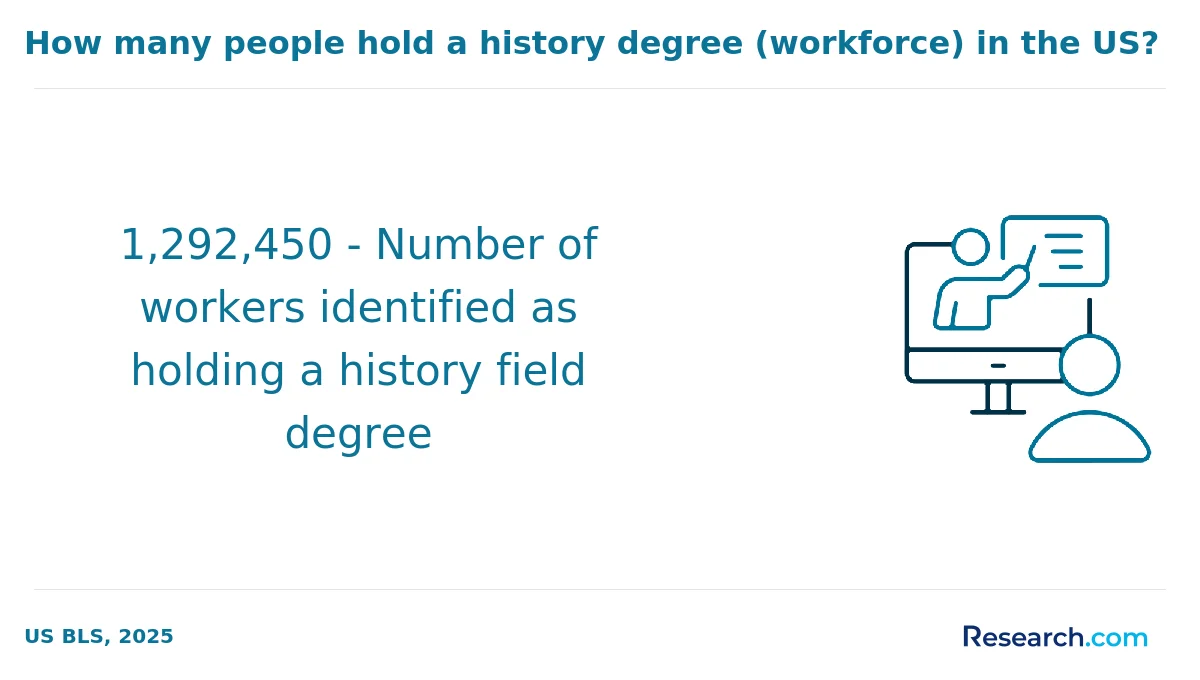
Graduates with an online history degree in the Northeast often pursue diverse career paths that capitalize on critical thinking and research skills. Many find rewarding roles in education, from K-12 teaching positions requiring state certification to professorships at community colleges and universities in the region. For example, graduates from institutions such as Boston University or Syracuse University appreciate proximity to cultural hubs that enrich their teaching and research opportunities, reflecting in fulfilling careers. These career paths align well with jobs with online history degree Northeast advantages, especially when students engage deeply with regional history and archives.
Museum and archival work in the Northeast offers roles like curator or archivist, tying graduates to vibrant historical societies and renowned museums near New York City or Philadelphia. Careers here are often described by alumni as creatively satisfying and intellectually stimulating, allowing them to bring history alive for the public. The public sector also stands out, with positions in historic preservation and cultural resource management offering stable employment and benefits. Many of these jobs thrive in Northeastern states with protected landmarks, serving communities eager to maintain their heritage.
Other paths for graduates include roles in libraries, publishing, or research analysis, fields where analytical rigor and historical insight provide an edge. Students supplement their studies with internships to gain practical experience, often finding that these opportunities enhance their career prospects. Those balancing work and study may find affordable history online programs helpful in managing costs while advancing toward these diverse opportunities.
The job outlook for online history degrees Northeast shows a steady but moderate growth, reflecting broader employment trends. Graduates from programs at institutions like Boston University or the University of Pennsylvania often find opportunities in cultural institutions, museums, and government roles prevalent in states such as New York and Massachusetts. These positions typically require strong research and writing skills, which students develop through coursework and internships, helping them land rewarding roles as archivists or museum curators. One graduate spoke of engaging with the American Museum of Natural History, where the practical experience translated directly into employability.
Employment opportunities with history degree Northeast extend beyond traditional roles, with some alumni transitioning into public relations or nonprofit sectors, leveraging their analytical skills. Nevertheless, salaries vary and may require advanced certifications, especially in teaching. Those pursuing an online degree benefit from flexible learning schedules and often reduced costs. For prospective students seeking pathways to enhance career prospects, exploring options like history masters degrees online can provide further specialization and open doors in competitive local markets.
2027 Most Affordable Online History Degree Programs Ranking in the Northeast
Investing in your education is a significant decision that can shape your future, and the Research.com team understands the importance of making informed choices. To assist prospective students in the Northeast, we have meticulously crafted the "2027 Most Affordable Online History Degree Programs Ranking in the Northeast." Our commitment to quality, credibility, and accuracy is reflected in the extensive research and analysis conducted to compile this ranking.
We utilized the following reputable data sources to ensure a comprehensive evaluation of online history degree programs:
By exploring this ranking, readers will gain valuable insights into affordable and credible online history programs in the Northeast, enabling them to make informed decisions that align with their educational and financial goals. For more information on how this ranking was created, please visit our Research.com methodology page.


# 4 position
Penn State University Park
Bachelor of History


# 7 position
SUNY Empire State College
Bachelor of Historical Studies

# 9 position
Thomas Edison State University
Bachelor of History


Frequently Asked Questions About history
Students pursuing an online history degree in the Northeast can enhance their learning by taking advantage of regional archives and digital libraries. Institutions such as the Massachusetts Historical Society and the New York Public Library offer extensive online collections that complement coursework. Engaging actively in virtual discussion forums helps deepen understanding through peer and instructor interaction, which research shows improves retention by up to 25% (EducaData, 2023).
Choosing programs accredited by the Middle States Commission on Higher Education ensures quality education recognized within the region. Additionally, leveraging Northeast-specific history resources can provide relevant context, giving students a unique perspective often emphasized in local curricula. Regularly scheduled study times and seeking virtual internships with regional museums or historical societies also add practical value to theoretical knowledge.
Emerging niches within the history field increasingly reflect broader social trends and technological advances. Digital history stands out, combining traditional historical scholarship with digital tools such as GIS mapping and data visualization. This niche is growing rapidly in Northeast universities, with programs incorporating online archives and digital exhibits.
Public history, which focuses on presenting history to broader audiences through museums, archives, and community projects, also gains prominence. According to the American Historical Association, Northeast states host nearly 40% of US public historians, making this region a hub for those interested in outreach and education careers.
Environmental history is expanding as well, examining human interaction with nature over time. This approach aligns with regional concerns about climate change and conservation efforts in the Northeast, attracting students eager to combine history with ecological awareness.
Preparing for the job market after earning an online history degree in the Northeast involves strategic steps. Networking with local historical societies and museums can provide valuable connections. Internships, even virtual ones, offer practical experience that employers value. According to the American Historical Association, nearly 60% of history graduates find work in education, archives, or public history sectors, which are strong in Northeastern states like New York and Massachusetts.
The Northeast hosts many cultural institutions, creating opportunities for graduates to engage in project management, research, and preservation roles. Building digital literacy and familiarity with archival software enhances employability. Finally, joining professional organizations such as the New England Historical Association can provide up-to-date job listings and career advice.
Employers in the Northeast highly value history degree graduates for their strong research and analytical skills. These skills enable graduates to interpret complex historical data and present evidence-based arguments clearly. Critical thinking is essential, as it supports problem-solving across various industries ranging from education to public policy.
Communication skills, both written and verbal, are also crucial since many roles require explaining historical contexts to diverse audiences. According to the American Historical Association, 78% of history graduates in the Northeast report success in roles where storytelling and narrative construction are key.
Additionally, proficiency in digital tools for archiving and data management is increasingly important, reflecting the region's emphasis on technology integration in humanities careers.
Finding internships in the Northeast relevant to a history degree requires targeted research and networking. Many history students secure internships through the region's rich historical societies, museums, and archives, such as the New York Historical Society and the Massachusetts Historical Society. According to the National Internship Survey, over 60% of history interns gain experience in nonprofit or public history institutions, common in the Northeast.
Utilize your online program's career services and alumni networks to identify opportunities. Platforms like Handshake and LinkedIn often list regional internships. Additionally, local universities may offer listings or partnerships, even for online students.
Apply early and tailor your applications to focus on your historical knowledge and research skills, key assets valued by Northeast employers in this field, including libraries and cultural preservation agencies.
An online history degree in the Northeast can significantly enhance career mobility and advancement by providing flexibility for working adults and access to regionally respected institutions. Employers in government, education, and cultural sectors often value the critical thinking and research skills developed in history programs. According to the U.S. Bureau of Labor Statistics, areas like New York and Massachusetts offer over 15% higher employment levels in history-related fields compared to the national average.
Additionally, many online programs in the region partner with local museums and archives, offering practical experience that strengthens resumes. The rise of remote work also broadens job opportunities beyond one's immediate area.
Studying for a history degree in the Northeast offers unique opportunities to engage with diverse interdisciplinary fields. Many institutions integrate history with subjects like political science, economics, and cultural studies, reflecting the region's rich historical and social complexity. According to the National Center for Education Statistics, Northeastern universities often emphasize cross-disciplinary projects, preparing students for roles in education, public policy, and museum curation.
Online history programs in this region provide access to extensive digital archives and partnerships with local historical societies. This exposure helps students develop analytical skills applicable beyond traditional history careers, fostering adaptability in evolving job markets.
When choosing between a thesis and a non-thesis online history degree program in the Northeast, consider your career goals first. A thesis path typically suits students aiming for research, teaching, or advanced study, providing experience in scholarly writing and original investigation. Non-thesis programs focus more on coursework and practical skills, ideal for those seeking immediate application in fields like museum work or archival management. Data from the National Center for Education Statistics shows that many Northeast universities offer both options, with thesis tracks generally extending program length by one semester. Evaluate your time availability and professional aims when deciding.
Students in the Northeast interested in studying history abroad through online programs have several options. Many regional universities offer study-abroad components integrated with their online history degrees, allowing students to combine remote learning with international travel experiences.
Schools such as Rutgers University and the University of Massachusetts provide partnerships with European universities, facilitating short-term exchanges or research opportunities. These options allow students to earn credits while experiencing historical sites firsthand.
Additionally, scholarship programs and federal financial aid often support such international study components. According to the Institute of International Education (IIE), about 15% of Northeast college students participate in study abroad, a trend growing steadily in hybrid online programs.
This blend of online coursework and abroad experiences broadens academic perspectives while maintaining flexibility for students balancing other commitments.
Part-time job opportunities in the Northeast that complement an online history degree are diverse and often tied to the region's rich cultural and historical resources. Museums and historical societies in cities such as Boston, Philadelphia, and Albany frequently hire part-time interns or tour guides. These roles offer hands-on experience with primary sources and public history, enhancing academic study.
Libraries and archives also employ part-time staff to assist with organizing collections or digitizing materials. According to the American Library Association, many such positions require strong research and organizational skills, which history students possess.
Additionally, local government and nonprofit organizations hire part-time assistants for educational programming or historical preservation projects. These jobs provide insight into public history careers and valuable networking opportunities in the Northeastern United States.
Online history students in the Northeast benefit from various networking opportunities despite physical distance. Many universities provide virtual events, including guest lectures and history symposiums, connecting students to scholars and professionals regionally. For instance, the American Historical Association frequently hosts online conferences accessible to Northeast students, fostering direct engagement with experts.
State history organizations, such as the Massachusetts Historical Society and New York Historical Society, offer memberships and online discussion groups. These platforms serve as valuable networking channels, offering access to archives and professional contacts.
In addition, students can join specialized online communities and LinkedIn groups focused on Northeast history, enabling collaboration and career networking. Such opportunities broaden exposure and enhance professional development within the regional academic community.
Alumni networks offer significant advantages to online history degree students in the Northeast. These connections provide access to professional mentors and local job opportunities, which is especially valuable in a competitive field like history. According to data from the National Association of Colleges and Employers, 85% of jobs are filled through networking. In regions such as New England and New York, where many historical societies and museums are located, alumni can facilitate introductions to these institutions.
Furthermore, alumni often participate in webinars and workshops, enhancing career readiness for current students. These networks help bridge the gap between online study and real-world historical careers.
Customizing an online history degree program in the Northeast allows students to align their studies with specific career ambitions. Many accredited universities in this region offer diverse course electives, enabling learners to specialize in areas like American history, public history, or archival studies.
Students can often select internship opportunities with local museums, historical societies, or government agencies to gain practical experience relevant to roles in education, research, or cultural resource management.
Additionally, some programs provide options for thesis projects or capstone experiences focusing on regional history topics, supporting career goals in academia or historical consultancy.
According to the National Center for Education Statistics, roughly 75% of Northeast institutions with online history degrees support such customizable elements, enhancing career readiness.
Online history students in the Northeast often face challenges related to balancing rigorous coursework with personal and professional responsibilities. Many learners juggle work and family commitments, which can make meeting deadlines difficult.
Access to specialized research materials can also be limited. While traditional campuses in the Northeast offer extensive archives and historical collections, online students may struggle to obtain primary sources crucial for history studies.
Technical issues and varying quality of online instruction further complicate the learning experience. According to the National Center for Education Statistics, about 30% of students nationwide report dissatisfaction with online course engagement, a trend reflective in Northeast programs as well.
Finally, networking and mentorship opportunities are often less accessible online, affecting student development in a field that benefits greatly from academic discourse.
Graduates with an online history degree in the Northeast have several professional certification options to enhance their careers. Common certifications include the Certified Archivist credential, offered by the Academy of Certified Archivists, which is valuable for careers in museums, libraries, and historical societies. Additionally, the Northeast has numerous opportunities for certification in cultural resource management through the Register of Professional Archaeologists.
For those interested in education, obtaining state teaching certification allows history graduates to become licensed teachers in public schools. According to the National Center for Education Statistics, several Northeastern states offer streamlined paths for history majors with alternative certification programs.
Finally, certifications in digital humanities and historic preservation are gaining traction, reflecting the region's rich historical sites and growing tech integration in the field. Professional credentials can significantly improve job prospects in archives, education, and public history sectors.
When applying to an online history program in the Northeast, a clear and compelling personal statement is essential. Focus on your passion for history and explain why studying it online suits your needs. Highlight any relevant experience, such as historical research or volunteer work at museums. Admissions committees in this region often value connections to local history, so referencing Northeastern historical topics may strengthen your application.
Ensure your transcripts reflect strong performance in writing and social sciences, as these are critical in history studies. Proofread all materials carefully to avoid errors.
Consider requesting recommendation letters from educators familiar with history or research skills. According to the National Center for Education Statistics, many Northeastern online programs prioritize applicants with demonstrated academic discipline. Meeting all deadlines and providing clear, concise answers on application forms will further improve your chances.
History careers increasingly emphasize global perspectives, reflecting the interconnectedness of today's world. Graduates with online history degrees in the Northeast often pursue roles in education, archival work, and cultural resource management with an international context. According to the U.S. Bureau of Labor Statistics (2023), employment of historians is expected to grow by 6% nationally, with higher demand for those skilled in global affairs.
Many programs in the Northeast integrate global history themes, preparing students to analyze cross-cultural influences and international developments. This regional focus aligns with global trends, as employers value historians who understand diverse narratives.
Furthermore, professional organizations like the American Historical Association promote global competencies to enhance career opportunities beyond U.S. borders.
Gaining practical experience while pursuing an online history degree in the Northeast is achievable through several approaches. Many universities encourage internships at local museums, historical societies, or archives, providing hands-on learning connected to regional history. For example, institutions often partner with entities like the Massachusetts Historical Society or the New York Historical Society, offering students access to primary documents and preservation projects.
Virtual internships have also become popular, allowing students to engage in digital curation or research from home. Additionally, participation in local history projects or community oral history initiatives supports skill development. The U.S. Bureau of Labor Statistics highlights the value of such experiences for enhancing research and analytical skills crucial to history careers.
Choosing the right concentration within an online history degree program in the Northeast depends on your interests and career goals. History programs often offer specializations such as American history, colonial studies, or public history. Programs in this region frequently emphasize local history, given the Northeast's rich colonial and revolutionary heritage.
Consider how each concentration aligns with job markets. For example, public history is valuable for careers in museums or archives, common employers in Northeastern states like Massachusetts and New York. Researching faculty expertise and course availability helps ensure a strong program fit.
Additionally, check if the program includes internships or partnerships with regional historical organizations, which can enhance practical experience.
- History, BA https://www.nec.edu/programs/history-b-a
- How to Become a History Researcher: Steps and Career Outlook https://online.norwich.edu/online/about/resource-library/how-become-history-researcher-steps-and-career-outlook
- Finding Networking Opportunities as a Student | National Society of High School Scholars https://www.nshss.org/resources/blog/blog-posts/how-to-find-networking-opportunities-as-a-student/
- Study History Abroad | Go Overseas https://www.gooverseas.com/study-abroad/history
- Niche History Picks from EPOCH https://www.epoch-magazine.com/post/niche-history-picks-from-epoch
- How a Strong Alumni Network Can Benefit Students https://www.pacificu.edu/blog/how-strong-alumni-network-can-benefit-students
- After the Degree: Finding work with a History degree https://www.graduate-jobs.com/news/13219/After_the_Degree__Finding_work_with_a_History_degree
- Top Niche Historical Topics for Deep-Dive High School Projects https://riseglobaleducation.com/blogs/top-niche-historical-topics-for-deep-dive-high-school-projects
- Master's History Application - Sample Letter (EN) https://ai.mystudies.com/blog/mystudies-writing-examples/application-for-master-program-history-20-06-2025.html
- History majors should have a more global perspective - The Lamron https://www.thelamron.com/opinion/history-majors-should-have-a-more-global-perspective