2027 Easiest Online Bachelor's in History Degree Programs Ranking in the Northeast

Co-Founder and Chief Data Scientist
Are you looking to pursue an online bachelor's degree in history in the Northeast with ease and flexibility? This article introduces the 2027 Easiest Online Bachelor's in History Degree Programs Ranking in the Northeast, created by the Research.com team of data scientists. The ranking is designed to guide you through the best options available, helping you make an informed choice.
Exploring history opens doors to understanding our past and shaping the future. This ranking highlights programs that combine quality education with student-friendly formats, making your journey rewarding and manageable.
Key benefits of getting online history degree in the Northeast
- History degree graduates often pursue careers in education, research, or public history, with general US median salaries ranging from $50,000 to $70,000 annually, reflecting stable earning potential.
- Graduates from prominent Northeastern schools, like Boston University, have accessed varied paths including museum curation, archival work, and teaching, showcasing diverse and rewarding career options.
- Completing a history degree online through institutions such as Northeastern University offers flexible scheduling and access to expert faculty, making it easier to balance studies with personal or professional commitments.
- 2027 Easiest Online Bachelor's in History Degree Programs Ranking in the Northeast
- What can I expect from online history degree in the Northeast?
- Where can I work with online history degree in the Northeast?
What can I expect from online history degree in the Northeast?
The average cost of earning an online history degree in the Northeast is remarkably accessible, with many public universities offering in-state tuition rates under $15,000 annually. This affordable pricing opens doors for passionate students eager to explore history without the financial burden often associated with higher education. Graduates from well-regarded institutions in states like New York and Pennsylvania share how managing tuition while balancing work and family was a true relief, making their academic journey both empowering and achievable.
Studying history online in the Northeast also taps into the region's rich cultural heritage. Imagine engaging in research projects inspired by Boston's revolution-era landmarks or Philadelphia's historical archives-all from your home. These experiences amplify learning beyond textbooks, fueled by a real connection to the past that students eagerly embrace.
Many online programs are designed with flexible schedules, allowing busy professionals to thrive. By investing in these competitively priced degrees, students join a vibrant network of scholars and historians, poised to make meaningful contributions wherever their passions lead.
Where can I work with online history degree in the Northeast?
Graduates with an online history degree from colleges like Boston University or New York University find exciting career paths across the Northeast's vibrant cultural and educational landscape. Picture yourself working as a museum curator in a Smithsonian-affiliated museum, carefully preserving artifacts and sharing stories that connect communities to their past.
Others thrive as archivists or collections managers at renowned historical societies, where every document and photo you handle brings history to life. Graduates often land rewarding roles in public history as grant writers or heritage preservation officers, helping to protect landmarks like the Freedom Trail or Colonial Williamsburg.
Many find inspiration pursuing academic opportunities at bustling universities, contributing as research assistants or teaching aides while preparing for graduate studies. Meanwhile, some become passionate social studies teachers, shaping young minds and fueling a love for history in classrooms throughout the region.
These powerful roles allow graduates to make a meaningful impact every day, blending a love for the past with valuable skills that promote educational and cultural growth across the Northeast.
Graduates with an online history degree in the Northeast can look forward to rewarding career opportunities with competitive salaries. While specific salary data from the U.S. Bureau of Labor Statistics for certain historian roles is unavailable, regional trends show encouraging outcomes. For example, historians in metropolitan areas like New York City or Boston often earn above the national median of approximately $63,000, reaching closer to $75,000 annually. This reflects the demand for skilled researchers and educators in these vibrant cultural hubs.
Many graduates find fulfilling work in education, museums, and government, where salary ranges can vary but generally offer stability and growth. Secondary school teachers with history degrees in the Northeast earn between $55,000 and $80,000, inspiring many to contribute meaningfully to their communities. Graduates from respected institutions and online programs enjoy strong networks and internship opportunities, boosting their employability and long-term prospects.
Imagine yourself leveraging critical thinking skills gained from your studies at a renowned college in New England, crafting engaging lessons or curating exhibits that bring history to life. These career paths not only offer competitive earnings but also meaningful work that connects you with your region's rich heritage.
- Online history degrees in the Northeast offer flexible options with fully online or hybrid formats from accredited universities.
- The average tuition ranges from $15,000 to $35,000 per year, varying by school and residency status.
- Early-career salaries for history graduates range between $40,000 and $50,000 annually, increasing to $60,000-$75,000 with experience.
- Job opportunities exist in education, archives, museums, government, and nonprofit sectors, with some roles requiring advanced degrees or certifications.
- Programs often include virtual internships and networking to provide practical experience despite remote learning.
Completing an online history degree in the Northeast is a journey tailored to fit your life and ambitions. Many students at well-known schools like Southern New Hampshire University and Empire State College find that a full-time path wraps up smoothly in about four years, matching the pace of traditional on-campus programs. This timeframe inspires confidence, knowing that your dedication leads to a rewarding accomplishment within a manageable window.
For those balancing work and family, part-time enrollment is a flexible option embraced by many graduates who took anywhere from five to six years, or sometimes a bit longer, to finish their degrees. These students often celebrate how the personalized pacing eased stress and kept their motivation steady.
Transfer credits can be a game changer, too. Many online programs accept up to 60 credits, allowing you to leap forward and shave years off your timeline. Imagine entering your final year sooner because previous studies have propelled you ahead!
Accelerated paths also light the way for highly motivated learners, with some finishing in as little as three years by studying year-round. This option energizes those eager to dive into their careers quickly while still gaining a respected Northeast education.
Choosing between an online and on-campus history degree in the Northeast means embracing different but equally rewarding experiences. Online programs offer unmatched flexibility, allowing busy students to juggle work and family while pursuing their passion for history at their own pace. Imagine accessing lectures from your favorite café or home, saving time and costs on commuting in busy cities like Boston or Philadelphia.
On-campus programs, such as those at Boston University or the University of Pennsylvania, immerse students in vibrant academic communities. Graduates often recall lively debates in historic lecture halls and the thrill of discovering archives firsthand, which foster deep connections with professors and peers. These in-person moments create lasting friendships and valuable networking opportunities that open doors to internships and research positions.
Both paths share the same rigorous academic standards, ensuring that whether you study online or on campus, your degree is respected and meaningful. Students appreciate how each format suits their unique lifestyle and ambition in the rich historical landscape of the Northeast.
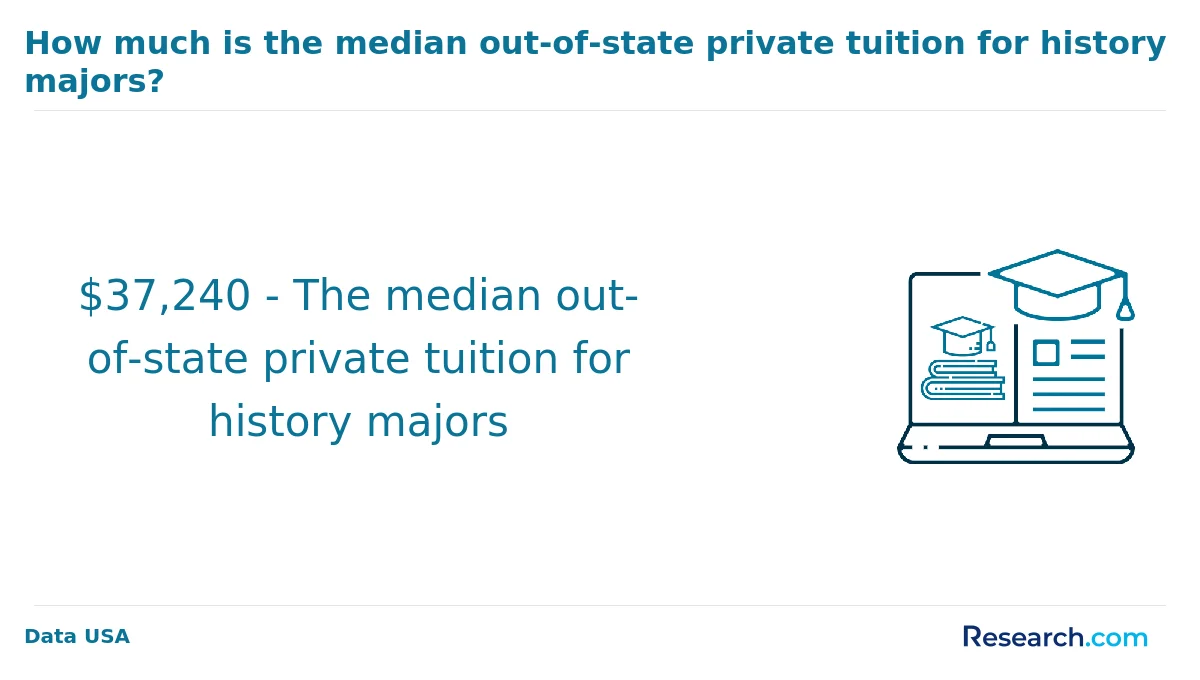
The average cost of an online history degree in the Northeast typically centers around $41,806, making it an attainable investment in your future. For many students from popular institutions like the University of Massachusetts Online or Northeastern University, this cost reflects a valuable opportunity to learn from distinguished faculty while balancing work and life commitments. Graduates often share how the flexibility and quality of these programs allowed them to pursue their passion without feeling overwhelmed by expenses.
Residents studying in-state usually find more affordable tuition around $36,580, which opens doors for local learners aiming to deepen their knowledge of history. Out-of-state students should expect a slightly higher median cost near $43,772, but financial aid and scholarships frequently ease the path. This financial landscape creates possibilities for those seeking affordable online bachelor's history programs Northeast, proving that a meaningful degree can fit diverse budgets and lifestyles.
Many students appreciate how online programs include fees for technology and course materials within the overall price, reducing surprises and allowing for clearer budgeting. The experience of studying history online in the Northeast is not only shaped by cost but also by access to innovative course designs and supportive communities that make learning engaging and inspiring.
For those exploring different types of history degrees, visiting different types of history degrees can provide guidance on program structures and specialties, helping you find the perfect fit as you plan your academic journey.
Many students pursuing online history degrees in the Northeast find financial aid to be a powerful ally in their educational journey. Graduates from institutions like Boston University and SUNY Albany often share how federal aid, especially Pell Grants, lifted a significant burden by covering thousands of dollars annually. This aid, based on financial need, can open doors that once felt closed.
Federal student loans provide manageable borrowing options with flexible repayment plans, giving peace of mind to those balancing work and study. State-specific programs such as New York's Tuition Assistance Program (TAP) further ease tuition costs for residents attending approved schools, including popular online history programs.
Many colleges in the region offer scholarships tailored for online history students, rewarding dedication and academic excellence. Private organizations like the American Historical Association add another hopeful layer of support. These resources combine to create real opportunities, turning dreams of earning a history degree into a bright, achievable reality.
To embark on an online history degree in the Northeast, you'll most often start with a completed high school diploma or GED, which opens the door to exciting academic journeys at institutions like Boston University or Syracuse University. Many graduates recall how meeting a minimum GPA of around 2.5 to 3.0 empowered them, proving they were ready to tackle engaging historical narratives and critical analysis.
Standardized testing, such as SAT or ACT, may be requested, though numerous colleges in the region have embraced test-optional policies, reflecting a flexible and inclusive approach that many students appreciate. Imagine submitting your personal statement or recommendation letters to showcase your passion for history, just like successful applicants at Rutgers University.
Official transcripts play a key role, verifying your readiness through completed prerequisite courses. Some learners find that transferring credits from other programs accelerates their path, reducing time and costs.
Finally, being comfortable with technology and having reliable internet are essential, ensuring you can actively join virtual discussions and research projects-just as vibrant online history communities at Northeastern University demonstrate.
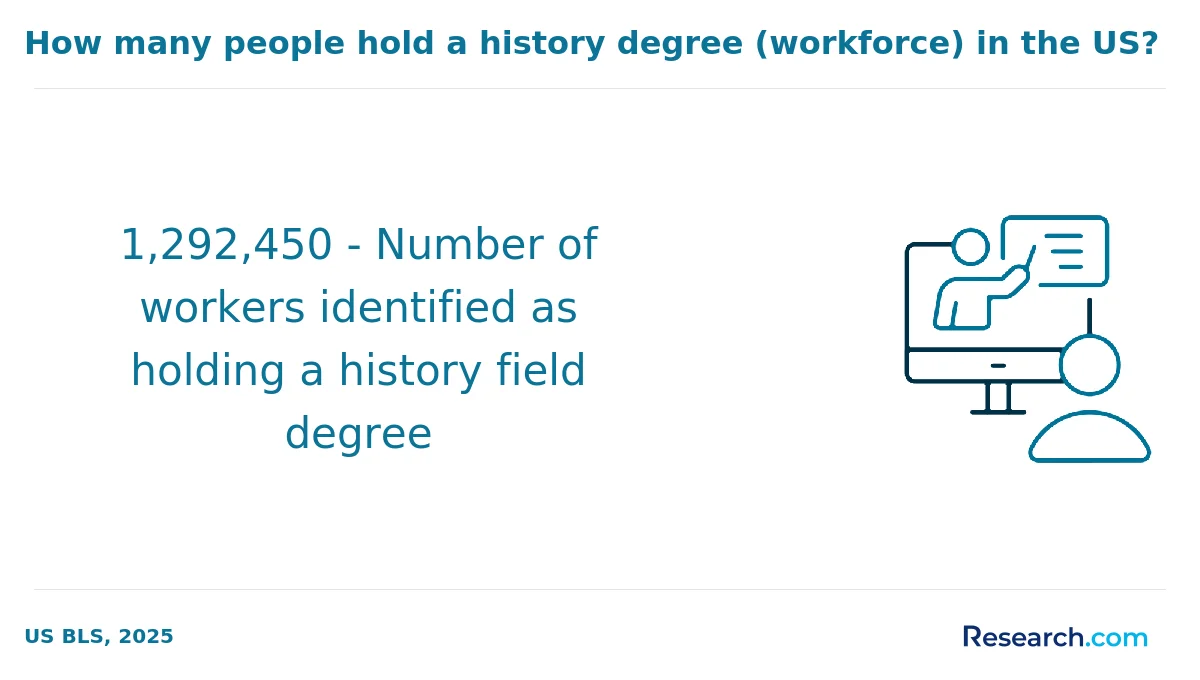
Online history degree programs in the Northeast immerse students in a rich tapestry of courses that build both knowledge and passion for the past. Graduates from renowned institutions often recall how core surveys like American history, Western civilization, and world history illuminated the forces shaping their region and the world. These classes bring to life the stories of Colonial America, the drama of the Civil War, and the transformative waves of the 20th century.
Specialized courses deepen this engagement by focusing on subjects close to the heart of the Northeast's unique heritage, such as the history of the region itself, the Renaissance, or the social dynamics of gender and race. Many students find excitement in exploring modern global conflicts like World Wars I and II while uncovering how these events connect to local experiences.
Beyond traditional lectures, programs at popular colleges often emphasize practical research skills. Graduates highlight the thrill of analyzing original documents and mastering digital tools, empowering them to tell compelling historical stories with clarity and creativity.
Online history degree specializations Northeast offerings unlock a world of focused study that makes history come alive. Graduates from well-known Northeast colleges often recall diving deeply into American history, exploring colonial times and revolutionary moments with a unique emphasis on local events like Boston's role in independence. This hands-on approach brings history into their daily lives and future careers, making the past vividly relevant.
Other popular history bachelor's concentration options Northeast include European history, where students analyze the Renaissance and World Wars, often using the region's rich digital archives. Military history enthusiasts enjoy learning about pivotal conflicts, informed by notable battle sites nearby, while public history students gain practical skills through internships at museums and cultural institutions. Many appreciate the chance to customize their path with evolving subjects like African American history or digital history, reflecting a diverse and inspiring academic journey.
Those eager for rewarding careers with history degree find these specializations open doors to meaningful roles that connect passion with purpose.
Choosing the best online history degree in the Northeast means focusing on schools that offer accredited, flexible programs tailored to your passions. Graduates from renowned institutions like Southern New Hampshire University often share how faculty expertise and engaging courses brought American and European history to life, enriching their understanding of the past while balancing busy lives. Opting for affordable online history programs Northeast can ease financial concerns, with many public universities providing competitive tuition rates alongside vibrant course offerings.
Imagine diving deep into local colonial America studies or exploring Native American history through dynamic online classes, all while accessing dedicated academic support that helps you thrive. Alumni frequently highlight the strength of their university's alumni network and how it helped them connect to exciting opportunities. By choosing programs with solid graduation and retention rates, you join a community of motivated learners preparing for careers related to history, confident that your degree will carry weight in the field and beyond.
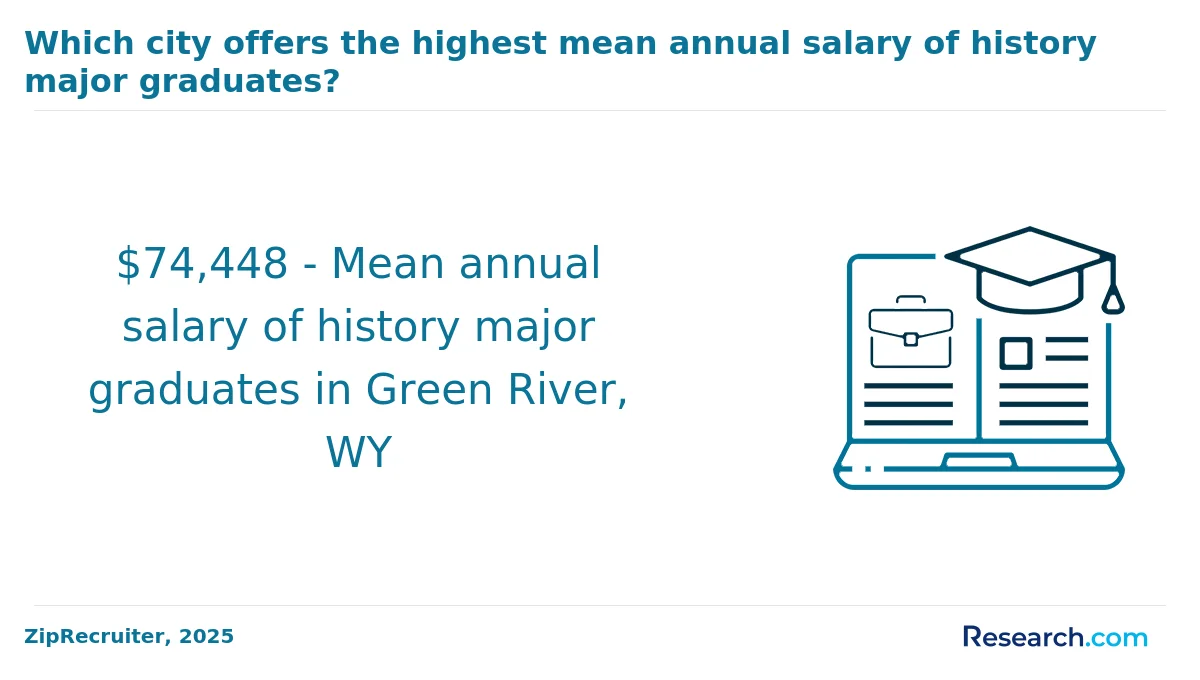
Graduates with an online history degree in the Northeast find themselves equipped to pursue diverse and fulfilling careers. Many step into education, becoming high school history teachers or college instructors, where they inspire the next generation with stories of the past. Several graduates from well-known institutions, such as those attending popular colleges in New England, take pride in securing teacher licensure pathways that enhance their job prospects while earning competitive salaries.
Museum and archival work also beckons enthusiastic history majors. With rich cultural hubs nearby, such as the Massachusetts Historical Society and Smithsonian Affiliates in New York, graduates thrive in curatorial and educational roles, managing collections or developing public programs that bring history to life for communities.
Those seeking dynamic career options often tap into government roles focused on research and policy, enjoying median wages near $63,000. Other graduates leverage their sharp analytical skills in booming media and communications sectors. For students considering their options, exploring the best online history programs can open doors to exciting online history degree careers Northeast offers.
The job market for graduates with an online history degree in the Northeast is vibrant and offers diverse opportunities. Many graduates from well-regarded institutions like those in Boston or New York have found rewarding careers in museums, archives, and government agencies. These roles often capitalize on the region's rich cultural heritage and numerous historical societies, creating a strong demand for skilled professionals.
Students pursuing an online history degree jobs Northeast benefit from flexible learning tailored to working adults, allowing them to gain hands-on experience through internships at local museums or historical organizations. Graduates frequently speak of the excitement of contributing to exhibitions and public history projects, which blend academic knowledge with real-world impact.
Employment prospects for history graduates in the Northeast are bolstered by connections to universities and nonprofits, with many roles offering competitive salaries starting around $35,000 to $45,000. Those interested in expanding their paths might explore specialized areas highlighted in an art history job, which shares similar opportunities and growth potential.
2027 Easiest Online Bachelor's in History Degree Programs Ranking in the Northeast
Investing in your education is a significant decision that can shape your future, and the Research.com team understands the importance of making informed choices. To assist prospective students seeking history degrees in the Northeast, we have carefully developed the "2027 Easiest Online Bachelor's in History Degree Programs Ranking in the Northeast." Our dedication to quality, credibility, and accuracy is demonstrated through thorough research and analysis. We utilized the following reputable data sources to ensure a comprehensive evaluation of online history programs:
By exploring this ranking, readers will gain valuable insights into accessible and flexible online history degree options in the Northeast, enabling informed decisions tailored to their educational goals. For more details on our methodology, please visit our Research.com methodology page.
# 1 position
Penn State University Park
Bachelor of History

# 2 position
SUNY Empire State College
Bachelor of Historical Studies


Frequently Asked Questions About history
Online history degree students in the Northeast can maximize their learning experience by actively engaging with digital archives and regional resources. Many universities in this region offer access to extensive collections, such as the Library of Congress' digital materials and state historical societies' databases. Utilizing these tools enriches research and contextual understanding.
Participation in virtual seminars and history forums hosted by institutions like the American Historical Association enhances critical thinking and networking opportunities. Additionally, leveraging local museums' online exhibits, such as those from the New England Historical Society, provides practical insights into historical interpretation.
Consistent time management and communication with instructors, common challenges in online learning, are vital for success.
Emerging niches within the history field increasingly emphasize interdisciplinary approaches. For students pursuing online history degrees in the Northeast, areas like public history have grown in demand. This niche involves preserving and presenting history outside traditional academic settings, including museums, archives, and heritage sites.
Another expanding area is digital history, which uses technology to analyze and visualize historical data. According to the American Historical Association, digital history programs have doubled in interest over the past five years, with many Northeastern schools integrating these methods into their curricula.
Environmental history is also gaining traction, especially in regions where industrial and ecological changes intersect. This reflects broader public interest in climate and sustainability.
Preparing for the job market after earning an online history degree in the Northeast involves strategic steps. First, students should seek internships with local museums, historical societies, or archives, which are abundant in states like New York and Massachusetts. According to the Bureau of Labor Statistics, growth in history-related jobs is steady, emphasizing research and education.
Networking is crucial; joining professional organizations such as the New England Historical Association can provide valuable contacts and job leads. Additionally, enhancing digital skills like GIS mapping or database management can increase employability in this region where tech integration in history fields is growing.
Employers in the Northeast highly value critical thinking and research skills in history degree graduates. According to the American Historical Association, graduates who can analyze complex historical data and present clear, well-supported arguments stand out in job markets like New York and Massachusetts.
Strong written and verbal communication are also essential, as many roles require presenting information clearly to diverse audiences. The Bureau of Labor Statistics notes that history majors in the Northeast often pursue careers in education, public policy, and museums, where storytelling skills matter.
Additionally, proficiency with digital archives and online research tools is increasingly important. Many institutions now expect graduates to navigate databases and digital collections efficiently.
Finding internships in the Northeast for history students involves targeting museums, historical societies, and archives, many of which offer online or remote opportunities. Institutions like the New-York Historical Society and the Massachusetts Historical Society regularly provide internships related to American history and preservation.
Networking through university career centers is crucial, particularly those connected to large public and private universities in the region. According to the National Association of Colleges and Employers (NACE), over 60% of internships in history rely on school-affiliated connections or faculty recommendations.
Additionally, explore state and local government websites, as history-related internships in cultural resource management and public history often appear there. Websites like USAJobs also list paid internships with federal agencies in the region, including the National Park Service.
Online history degrees in the Northeast offer significant opportunities for career mobility and advancement, especially in education, public history, and cultural institutions. Many regional employers value degree completion from accredited programs, recognizing the rigorous training online formats provide. According to the National Center for Education Statistics, nearly 30% of history BA graduates in the Northeast pursue careers in education or government roles within five years.
Studies from the American Historical Association highlight that online graduates can access a wider range of positions due to flexible scheduling and networking possibilities with local historical societies and museums.
Additionally, the growing digital humanities field in Northeastern cities creates specialized roles where online history graduates are increasingly competitive.
Studying for a history degree online in the Northeast equips students with critical skills for interdisciplinary roles across various fields. History programs at many Northeastern universities emphasize research, analysis, and effective communication-competencies valued in law, education, public policy, and cultural resource management. According to the National Center for Education Statistics, over 30% of history graduates from Northeastern institutions also engage in dual majors or minors, often in disciplines like political science or economics.
The region's rich historical sites and diverse communities provide abundant case studies connecting history with sociology, anthropology, and urban studies. Online history degrees often include coursework teaching digital literacy and archival techniques, preparing students for careers in museums, archives, or media. These combined skillsets make graduates adaptable for cross-sector collaborations and evolving job markets.
Choosing between a thesis and a non-thesis history degree program in the Northeast depends largely on your academic and career goals. A thesis program typically involves extensive research and writing, which prepares students for graduate studies or research-heavy roles. In contrast, non-thesis programs focus on coursework and may include internships or projects, catering more to those seeking professional experience or flexible schedules.
According to the National Center for Education Statistics, over 60% of bachelor's history students in northeastern states opt for non-thesis tracks, valuing quicker completion and practical experience. Schools like SUNY and Rutgers offer both options online, allowing students to match programs with their ambitions.
Thesis tracks often demand strong time management due to research commitments, while non-thesis options can be more accessible for working adults. Considering your readiness for independent research and your career plans can guide the best choice.
Students based in the Northeast interested in studying history abroad through online programs have several options. Many universities in this region, such as those in New York, Massachusetts, and Pennsylvania, offer online history degrees with study abroad components or international research opportunities integrated into their curricula.
Typically, these programs allow students to earn credits while participating in virtual exchange programs or short-term travel abroad during summer sessions. Institutions often partner with foreign universities to provide access to specialized historical archives and cultural experiences.
According to the National Center for Education Statistics, about 25% of Northeast colleges with history programs facilitate some form of study abroad, enhancing students' global perspective through history.
Students pursuing an online history degree in the Northeast can enhance their education through various part-time job opportunities. Museums and historical societies in cities like Boston, Philadelphia, and New York often hire part-time assistants, providing hands-on experience with archives and public history projects. According to the American Alliance of Museums, nearly 28% of museum staff in the Northeast work part-time, which benefits students balancing coursework.
Additionally, many libraries and cultural institutions seek part-time workers to support research and cataloging. Federal and state historic preservation offices also offer internships and temporary roles, giving students practical insights into heritage management and public policy related to history.
Online history students in the Northeast can access numerous networking opportunities despite their remote status. Many universities offer virtual events, guest lectures, and discussion forums connecting students with history scholars and professionals. For example, The New England Historical Association frequently hosts conferences and workshops attracting regional historians and students alike.
Local history organizations and museums, such as the Massachusetts Historical Society, often provide internships and volunteer roles that online students may pursue. These experiences enhance professional contacts and practical skills.
Additionally, LinkedIn groups focused on Northeast history and academic networks enable students to exchange research ideas and job leads. According to the National Center for Education Statistics, over 70% of online students use such platforms to build connections relevant to their fields.
Alumni networks offer significant benefits to online history degree students in the Northeast by providing valuable professional connections across a region rich in historical institutions. These networks often facilitate mentorship opportunities, linking students with experienced graduates working in museums, archives, and educational settings. According to the American Historical Association, nearly 60% of history graduates find employment through such professional relationships.
In the Northeast, which hosts numerous cultural organizations and historic sites, alumni involvement helps students access internships and job opportunities tailored to their regional expertise. For online learners, these connections help bridge the distance, fostering a sense of community and career support beyond the virtual classroom.
Customizing an online history degree in the Northeast allows students to align their studies with specific career goals. Many accredited universities offer flexible curricula where students can choose electives, concentrations, or minors related to fields like public history, archival science, or historical research. For example, schools accredited by the New England Commission of Higher Education often provide options to focus on American, European, or regional history.
Students can also tailor their program by selecting courses emphasizing digital history tools, enhancing skills sought by museums and cultural institutions. Additionally, internships or research projects available through some programs offer practical experience, boosting employability in local archives or education sectors.
Online history students in the Northeast often face challenges related to limited access to primary sources and local archives. While many programs provide digital materials, some historical research requires physical access, which can be difficult when studying remotely.
Another common difficulty is balancing coursework with personal and professional responsibilities. According to the National Center for Education Statistics (NCES, 2023), 42% of online bachelor's students in the region manage jobs alongside their studies, impacting their study time.
Additionally, students may experience fewer networking opportunities compared to traditional on-campus peers. Engaging with professors and peers through virtual platforms requires strong self-motivation and technical skills, which some may find challenging.
With an online history degree, graduates in the Northeast can pursue professional certifications that enhance career opportunities in fields like education, archives, and museum work. One common certification is the Certified Archivist credential, offered by the Academy of Certified Archivists, which is valued by many historical institutions in the region.
Additionally, many graduates choose to obtain teaching licensure if they want to work in public schools. States in the Northeast, such as New York and Massachusetts, typically require a state-specific teaching certificate in Secondary Social Studies or History. Completing a state-approved teacher preparation program alongside the degree is often necessary.
For those interested in museums or public history, certificates in Museum Studies or Public History from accredited programs can complement the history degree. These certifications help graduates qualify for roles in New England's numerous cultural heritage organizations.
Writing a strong application for an online history program in the Northeast requires careful preparation. Start by showcasing your passion for history with a focused personal statement. Highlight any relevant experiences, such as research projects or volunteer work in historical societies, which are abundant in this region. For example, institutions like the New York Historical Society offer valuable involvement opportunities. Pay attention to your academic record, especially in subjects related to history and writing, as many Northeastern schools emphasize strong analytical skills. Letters of recommendation should come from professors or professionals who can attest to your commitment and abilities. Finally, ensure all application materials are error-free and submitted before deadlines.
Online history degrees in the Northeast offer students a comprehensive view of history careers with a growing global focus. Graduates often find opportunities not only in education and research but also in international organizations, cultural institutions, and governmental agencies. According to the American Historical Association, the demand for historians with global competence is rising as employers value skills in cross-cultural analysis and global trends.
Many programs in the Northeast emphasize global history perspectives to prepare students for diverse career paths. For example, Northeastern universities often integrate topics such as world diplomacy, colonial encounters, and transnational movements.
The U.S. Bureau of Labor Statistics notes that job growth for historians is projected at 6% from 2021 to 2031, a growth driven significantly by global interests in preserving cultural heritage and international relations.
Gaining practical experience while pursuing an online history degree in the Northeast is achievable through various avenues. Many universities partner with local museums, historical societies, and archives, offering remote internships or volunteer opportunities that allow students to apply their knowledge. For example, institutions in Massachusetts and New York frequently collaborate with renowned cultural organizations like the Massachusetts Historical Society and the New-York Historical Society.
Additionally, students can participate in digital history projects or contribute to online databases, which often include primary source transcription or curation.
Some programs also encourage attending regional history conferences or seminars virtually, providing networking opportunities with Northeast historians and professionals.
Choosing the right concentration within an online history degree program in the Northeast requires exploring your interests and career goals. Popular fields include American History, Colonial and Revolutionary History, and Public History, reflecting the region's rich historical significance. For example, Colonial history is commonly emphasized due to the Northeast's role in early U.S. development.
Consider how concentrations align with regional job markets. The Northeast hosts many museums, archives, and historical societies, especially in states like Massachusetts and New York, which often seek graduates specialized in Public History or Museum Studies.
Review program curricula and faculty expertise carefully. Schools like Northeastern University and the University of Massachusetts offer tailored online courses focused on regional history themes supporting diverse concentration choices.
- History https://northeast.edu/degrees-and-programs/history
- The Job Search (Outside Academia) I https://cha-shc.ca/publications/employing-history-a-guide-to-graduate-school-and-navigating-the-job-market/the-job-search-outside-academia-i/
- Desmet | Talent development in history education https://journals.uclpress.co.uk/herj/article/pubid/Hist_Educ_Res_J-23-16/
- Finding Networking Opportunities as a Student https://www.nshss.org/resources/blog/blog-posts/how-to-find-networking-opportunities-as-a-student/
- My Top 3 Recommendations on Networking in the History ... https://anhistorianabouttown.com/recommendations-on-networking-in-the-history-world/
- Undergraduate History Student Opportunities https://warwick.ac.uk/fac/arts/history/students/studentopportunities/
- 4 Steps to Find History Research Opportunities as an ... https://www.coltie.com/post/4-steps-to-find-history-research-opportunities-as-an-undergraduate
- Join the Alumni Network https://nhd.org/en/get-involved/join-the-alumni-network/
- History Degree - suitable work experience to showcase to Uni's | Mumsnet https://www.mumsnet.com/talk/_chat/4570522-history-degree-suitable-work-experience-to-showcase-to-unis
- THE list of internships for history majors https://employedhistorian.com/history-major/internships-for-history-majors/