2027 Best Online History Degree Programs Ranking in the USA

Co-Founder and Chief Data Scientist
Choosing the right online history degree can be overwhelming. Our article presents the 2027 Best Online History Degree Programs Ranking in the USA, carefully crafted by the Research.com team of data scientists to guide you.
Discover programs that match your goals and schedule, helping you build a strong foundation in history while balancing life's demands.
A history degree opens doors to understanding the world and enhances critical thinking skills. Dive in and find a program that inspires your passion for the past and shapes your future success.
Key benefits of getting online history degree in America
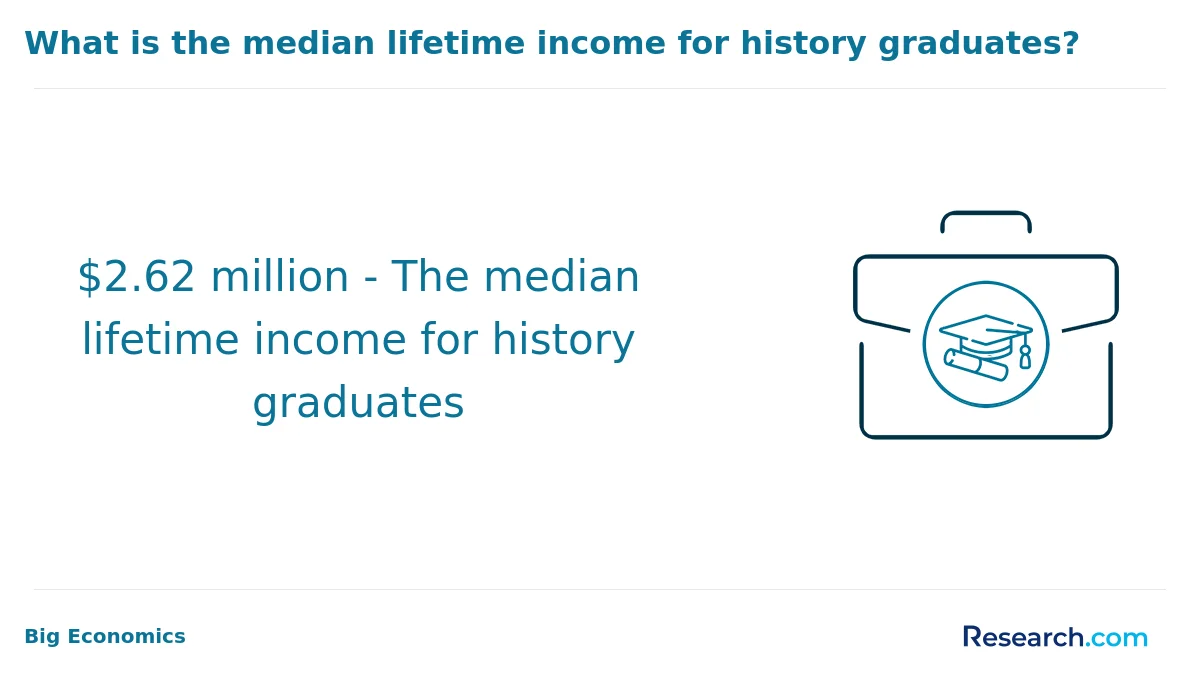
- History degree graduates often pursue careers in education, research, or public history, with many earning median salaries around $60,000 annually according to general U.S. data.
- A graduate from a popular university like the University of Texas can explore diverse roles such as museum curator, archivist, or historical consultant, offering exciting and varied career opportunities.
- Obtaining a history degree online, for example from Arizona State University, provides flexibility to balance work and studies, often making education more accessible and tailored to busy lifestyles.
- Key benefits of getting online history degree in America
- What can I expect from online history degree in America?
- Where can I work with online history degree in America?
- How much can I make with online history degree in America?
- 2027 Best Online History Degree Programs Ranking in the USA
- Key Findings
- How long does it take to complete online history degree in America?
- What's the difference between online and on-campus history degree?
- What is the average cost of online history degree in America?
- What financial aid is available to online history degree students in America?
- What are the prerequisites for enrolling in online history degree program in America?
- What courses are typically in online history degree programs in America?
- What types of specializations are available in online history degree programs in America?
- How do you choose the best online history degree in America?
- What career paths are available for online history degree students in America?
- What is the job market for online history degree in America?
- Top Trending History Rankings
What can I expect from online history degree in America?
The average cost of an online history degree in America typically ranges between $15,000 and $40,000 for the entire program, varying widely depending on the institution. Graduates of programs from universities like Arizona State University and Oregon State University often share how affordable online tuition opened doors they never imagined, allowing them to study from home while balancing work or family life.
Some students thrill at the flexibility of these programs, finding themselves immersed in rich, virtual environments without the hefty price of on-campus living. Others appreciate how online courses at schools such as the University of Florida make rigorous history education accessible and budget-friendly, providing exceptional value through scholarship opportunities and payment plans.
For many, investing in an online history degree feels like embarking on a personalized journey through time-each dollar spent bringing them closer to mastering critical thinking, research skills, and expansive knowledge of past civilizations. This combination of affordability and quality excites learners ready to explore history's depths without financial strain.
Where can I work with online history degree in America?
Graduates from online history programs at universities like Arizona State or University of Florida often find themselves stepping into vibrant roles that bring the past to life in uniquely American settings. Imagine working as a postsecondary teacher in bustling classrooms, sharing captivating stories and critical thinking skills with eager minds-these roles offer a median salary around $68,000 and a promising 12% growth rate according to BLS data.
Others take on the adventurous work of curators or archivists in museums or historical societies, carefully preserving artifacts that tell America's diverse narratives. These roles typically bring around $60,000 annually and an exciting blend of remote and onsite work. Or picture staffing local or federal agencies, such as the National Park Service or Smithsonian Institution, where history graduates analyze data to shape public policy and protect cultural heritage.
Freelance researchers and consultants also thrive in America's private sector-from genealogy firms to digital content creators-turning historical expertise into dynamic careers. Students from top history colleges discover how their degree opens doors to careers packed with exploration, discovery, and meaningful impact.
How much can I make with online history degree in America?
Graduates with an online history degree in America find their earning potential as varied and fascinating as the stories they love to uncover. Imagine a graduate from a popular university stepping into a role as a historian, where the median annual wage is about $63,250 according to the U.S. Bureau of Labor Statistics. This opens a treasure chest of opportunities in museums, archives, and government agencies.
Online history graduates working as secondary school teachers see a median salary of around $63,640, bringing their passion for history into vibrant classrooms. Postgraduates diving deeper into education may secure postsecondary roles with salaries surpassing $80,000, reflecting their specialized knowledge and dedication.
In bustling cultural hubs like Washington, D.C., or California's cities, these salaries often climb higher, fueled by the energy of nearby institutions. The possibilities widen further with advanced studies or skills in digital archiving and consulting, turning love for history into rewarding careers full of discovery.
2027 Best Online History Degree Programs Ranking in the USA
How do we rank schools?
Investing in your education is a significant decision that can shape your future, and the Research.com team understands the importance of making informed choices. To assist prospective students, we have meticulously crafted the "2027 Best Online History Degree Programs Ranking in the USA." Our commitment to quality, credibility, and accuracy is reflected in the extensive research and analysis conducted to compile this ranking.
We utilized the following reputable data sources to ensure a comprehensive evaluation of history programs:
By exploring this ranking, readers will gain valuable insights into the best online history degree programs in the USA, helping them make informed decisions about their educational paths. For more details on our methodology, please visit our Research.com methodology page.


# 8 position
Penn State University Park
Bachelor of History




Key Findings
- Online history bachelor's degrees usually require about 120 credit hours, similar to on-campus programs.
- Tuition for online history degrees ranges from $15,000 to over $40,000, with public universities charging $300-$600 per credit and private ones $500-$1,200 or more.
- Average starting salaries for history graduates are around $45,000 per year, with potential growth to $60,000-$75,000 after gaining experience.
- Employment for historians is expected to grow 6% from 2021 to 2031, matching the average growth rate of all occupations.
- Accreditation is important; most programs are accredited by regional bodies like the Higher Learning Commission (HLC).
How long does it take to complete online history degree in America?
Others, pursuing associate degrees online, find themselves immersed for around two years-enough time to build a sturdy foundation and even stack credits toward a bachelor's. Graduates from community colleges appreciate this flexible stepping stone, especially when life demands part-time study.
Then there are master's seekers diving deeper, embracing 30 to 36 credit hours often completed in one to two years. Many enjoy the challenge of thesis work alongside virtual seminars offered by American institutions like Boston University.
Life's rhythms shape these timelines. Some students accelerate their studies by leveraging transfer credits or year-round courses, while others savor the journey at a comfortable pace, ensuring each historical era they study resonates deeply in their personal and academic growth.
What's the difference between online and on-campus history degree?
Imagine diving into U.S. history at a campus like the University of North Carolina, where lively classroom debates with professors and peers spark new insights every day. On-campus students often cherish the hands-on experiences-visiting university archives or joining guest lectures-that bring history to life in unexpected ways. These moments create a vibrant community, making learning feel immediate and shared.
Conversely, those studying online at schools like Arizona State University enjoy the freedom to explore history at their own rhythm. With flexible schedules and digital resources, online learners balance family, jobs, and studies, accessing video lectures and lively discussion boards that connect them across the country. Graduates appreciate this independence, discovering that motivation and curiosity unlock rich learning without geographic limits.
Costs also vary-online learners often save on commuting and housing, though they invest in reliable tech. Both paths demand dedication but deliver accredited, respected history degrees. Whether debating Civil War battles in a classroom or analyzing digital archives from home, students experience the thrill of uncovering the past in uniquely empowering ways.
What is the average cost of online history degree in America?
On average, the cost of an online history degree in America hovers around $42,000, with variations depending on residency and school type. For example, many graduates from well-known public universities report total expenses near $36,580 if they qualify for in-state tuition, which feels like unlocking a hidden treasure chest of affordability. On the other hand, out-of-state learners might experience a steeper path, often totaling around $54,600, reflecting the extra investment in diverse academic adventures far from home. Private colleges, popular among those seeking elite history programs, usually charge prices between $30,000 and $45,000 annually, shaping a different, yet equally exciting journey filled with rich academic opportunities.
Imagine a student diving deep into American history courses at a top public university, feeling inspired by professors' stories while balancing budgets thoughtfully. These costs include not only tuition but also additional expenses like textbooks, technology fees, and specific software for online coursework-elements that together compose the full adventure of an online history degree. Many online learners discover that scholarship programs or financial aid offered by their schools can lighten the financial load, making the dream of studying history accessible and thrilling.
For those curious about what awaits after graduation, exploring what jobs can you do with a history degree is a perfect next step, opening doors to vibrant career pathways fueled by critical thinking and storytelling skills.
By embracing the average cost of online history degree USA, prospective students can prepare for a rewarding journey through time and ideas without unexpected detours.
What financial aid is available to online history degree students in America?
Imagine a history student at the University of North Carolina, discovering that federal financial aid can open doors to their academic journey. By filling out the FAFSA, they unlock access to Pell Grants, which can cover up to $7,395 a year without the burden of repayment. This kind of support transforms dreams into reality, easing the path for many pursuing online history degrees.
State-specific grants also come into play. For instance, a student studying remotely through Arizona State University can tap into state funds designed to support in-state residents, especially adults returning to education. These personalized awards bring a sense of encouragement and financial relief.
Moreover, institutional scholarships from universities like the University of California, Berkeley, reward merit and dedication, sometimes recognizing veterans or students with strong GPAs. Private scholarships through organizations such as the American Historical Association add another layer of opportunity, making the journey even more achievable.
Finally, many working history learners find hope in employer tuition reimbursement programs, which turn career commitments into a collaborative path to knowledge and growth.
What are the prerequisites for enrolling in online history degree program in America?
Embarking on an online history degree in America requires a few key steps that many adventurous students find exciting rather than daunting. Imagine a graduate from a well-known university who first secured their high school diploma or GED before confidently submitting transcripts and test scores-whether SAT or ACT, though many schools now welcome test-optional applications. This shift, embraced by over 1,400 colleges nationwide, opens doors for flexible learners eager to explore history from home.
Picture another student, eyes bright with curiosity, assembling letters of recommendation and crafting personal essays that reveal their passion for historical stories. These elements often shape admissions decisions at prestigious colleges known for their history programs. For those pursuing a master's degree, having a solid bachelor's in history or a related field and maintaining a GPA near 3.0 often becomes their proud foundation.
Students frequently share how essential reliable internet and tech skills become their trusty tools, helping them connect with professors and classmates across states while diving into captivating coursework. Financial preparation also plays a starring role, as public universities offer tuition averaging $10,000 to $20,000 annually, whereas private institutions may ask for more, but with scholarships and loans adding hope and opportunity along the journey.
Ultimately, these prerequisites echo a shared commitment among students ready to uncover the past and shape their futures through flexible, online study in America's vibrant history landscape.
What courses are typically in online history degree programs in America?
Diving into an online history degree in America means embarking on a thrilling journey through time, guided by courses that illuminate the past with rich detail. Students at popular schools like the University of Florida or Arizona State University often describe their experience as exploring vast landscapes of American History-from Colonial days to the fiery debates of the Civil War, and the transformative waves of the 20th century. These foundational classes build a strong base, grounding learners in the stories that shaped the nation.
Alongside this, courses in World History open doors to ancient civilizations and global conflicts, painting a vivid picture of human connection across continents and eras. Imagine analyzing primary documents as a graduate from Oregon State University did, uncovering firsthand accounts to better understand cultural exchanges and clashes.
Research methods and historiography classes invite students to become detectives of the past, developing keen skills to interpret sources and challenge narratives, much like peers at the University of North Carolina have shared. Electives exploring African American history or public history often spark passionate discussions and new perspectives, making every lesson an adventure in discovery.
What types of specializations are available in online history degree programs in America?
Explorers of broad horizons choose World History, navigating through complex global interactions like imperialism and globalization-often a preferred path for those seeking a comparative perspective on the past. Military History fans enjoy analyzing battles and strategies, translating that passion into careers tied to defense and veteran affairs. Then there are those drawn to Public History and Museums, where practical skills meet community engagement, letting students preserve and present history in vibrant, impactful ways. Political and Social History attracts those eager to understand social justice issues through a historical lens, linking their studies to ongoing societal changes.
Many students discover these paths perfectly suit their interests, helped by the diverse offerings of online history degree specializations USA programs. If you want to explore different concentration options in America before committing, check out this resource on the types of history degree available online.
How do you choose the best online history degree in America?
When chasing the adventure of earning a history degree online in America, the first compass point is accreditation. Graduates from well-known universities emphasize the confidence that comes with programs accredited by bodies like the Higher Learning Commission. This assures the degree has genuine value and opens doors nationwide. Diving into the curriculum is next-students have found that programs blending American and world history with hands-on research ignite passion and sharpen analytical skills. Picture yourself exploring cultural revolutions through engaging online classes offered by prominent colleges known for their rigorous yet flexible courses.
Flexibility often means balancing studies with real life, so look for asynchronous classes that fit your busy schedule. Many who have chosen the best online history degree programs USA praise this freedom. And don't forget cost-a crucial marker where knowing how to choose affordable history degree America options can save you thousands yearly compared to traditional campus fees.
Finally, imagine walking a path that many grads treasure: post-degree support. Schools with strong history departments may connect you with mentorships or career opportunities in fields you love. If you're curious about future possibilities, check out resources on masters in history jobs to see where your journey might lead.
What career paths are available for online history degree students in America?
Exploring diverse career avenues is a thrilling part of earning an online history degree in America. Graduates from renowned universities often find themselves stepping into roles as historians, diving deep into archives or working behind the scenes at museums to bring the past to life. They relish the opportunity to interpret history, making it relevant today. Many of these graduates embrace the challenge of becoming history teachers, sharing their passion with young minds in middle and high schools, often inspired by immersive programs at top public and private colleges.
Others discover careers as archivists or curators, managing precious artifacts and curating exhibits that tell compelling stories. With public history, cultural resource management, or even law on the horizon, graduates enjoy applying their skills in real-world settings, crafting engaging narratives or supporting preservation efforts. Those curious about different paths often explore cheapest online history degree programs that prepare them for these journeys. Career opportunities with history degree America alumni describe are rich and varied, inviting constant growth and discovery.
What is the job market for online history degree in America?
Exploring online history degree jobs in the USA reveals a landscape rich with unexpected opportunities. Graduates from renowned institutions like the University of Michigan or UCLA often find themselves stepping into roles beyond traditional teaching-curating digital archives for museums or analyzing historical data for government agencies. These career paths bring the excitement of uncovering stories that shape public policy or cultural preservation, making history feel vivid and relevant.
Many graduates share how hands-on projects during their studies gave them an edge, whether creating GIS maps or designing digital history exhibits. The blend of historical insight with modern skills turns passion into a rewarding profession, especially in vibrant cities where history and technology intersect. According to the U.S. Bureau of Labor Statistics, median salaries hover around $62,000 to $63,000 with promising growth, encouraging graduates to dive into sectors like publishing or consulting.
For anyone considering studying history online, programs that combine rich content with practical experiences-like those found in popular American colleges-unlock diverse career opportunities for history graduates in America. Learning more about an online masters in history could be your first step to an adventurous, impactful career.
Frequently Asked Questions About history
Online history degree students in America can maximize their learning by actively engaging with course materials and discussions. Studies from the National Center for Education Statistics show that interaction with professors and peers significantly improves retention and understanding. Students should also make use of digital archives like the Library of Congress and the National Archives, which offer extensive primary sources for research. Time management is critical; using calendars and setting study goals helps maintain consistent progress. Additionally, many programs provide access to webinars, virtual lectures, and history forums-participating in these enhances critical thinking and contextual knowledge beyond textbooks.
Emerging niches within the history field reflect America's evolving cultural and technological landscape. Digital history is growing rapidly as historians use data analysis and digital archives to interpret the past in new ways. According to the American Historical Association, about 30% of history programs now incorporate digital tools.
Public history remains vital, focusing on museum work, preservation, and community engagement. This niche appeals to those interested in making history accessible beyond academia.
Environmental history gains traction as scholars explore human interactions with nature across time, aligning with rising public interest in climate issues.
Finally, interdisciplinary history studies, such as medical or legal history, offer specialized approaches combining history with other fields.
After completing an online history degree in America, preparing for the job market involves developing both subject expertise and practical skills. History graduates often pursue careers in education, research, museums, or government. According to the U.S. Bureau of Labor Statistics (BLS), employment for historians is projected to grow about 5% from 2021 to 2031, which is as fast as the average for all occupations.
Building strong writing, research, and critical thinking skills is essential. Internships and volunteer opportunities at archives, historical societies, or museums can provide valuable experience and professional connections. Networking through platforms like the American Historical Association helps graduates learn about job openings and join relevant professional groups.
Additionally, gaining digital literacy skills in tools like GIS (Geographic Information Systems) or data analysis can increase job prospects. Pursuing certifications in digital humanities or public history may also add value, as employers look for candidates with technical as well as historical knowledge.
Employers in America highly value several key skills in graduates with history degrees. Critical thinking tops the list, as employers expect graduates to analyze complex information and develop well-reasoned arguments.
Strong research skills are also essential. History programs in the U.S. emphasize primary and secondary source analysis, preparing students to gather and assess evidence effectively.
Communication, both written and oral, is another critical skill. According to the National Association of Colleges and Employers (NACE), 91% of employers seek candidates with strong written communication abilities.
Additionally, attention to detail and the capacity to synthesize large amounts of data into clear narratives are crucial in roles related to archives, education, or public policy.
These skills make history graduates adaptable across multiple sectors including government, education, and culture.
Finding internships relevant to a history degree in America involves targeted searching and leveraging available resources. Many universities offering online history programs have partnerships with museums, archives, and historical societies, which facilitate internship opportunities. Students should consult their school's career services and internship coordinators early in their studies to access exclusive listings.
National organizations like the American Historical Association provide internship databases and guidance tailored for history students. According to the National Association of Colleges and Employers, 62% of history majors secure internships before graduation, improving their employment prospects.
Exploring government agencies, such as the National Archives or the Smithsonian Institution, can also increase chances of securing meaningful internships related to archival work or preservation.
Networking through academic conferences and joining professional groups online enhances visibility among potential internship providers and often leads to valuable referrals.
Obtaining an online history degree in America can significantly enhance career mobility by providing graduates with critical thinking, research, and communication skills valued across many industries. According to the U.S. Bureau of Labor Statistics, history-related roles such as archivists and museum specialists are projected to grow about 5% between 2021 and 2031, reflecting steady demand.
Online history programs offer flexibility for working professionals, enabling them to earn qualifications without interrupting their careers. This flexibility often leads to promotions or job changes with higher earning potential, as reported by the National Center for Education Statistics.
Employers in education, public history, and government sectors particularly recognize history degrees, aiding advancement. Additionally, advanced degrees can open doors to specialized roles in research or policy-making.
Studying for a history degree in America equips students with skills applicable across various fields. History programs emphasize critical thinking, research, and effective communication, essential for interdisciplinary roles.
Courses often intersect with political science, economics, sociology, and cultural studies, enabling students to analyze complex social issues from multiple perspectives. This broad approach fosters adaptability and problem-solving, valuable in careers such as education, public policy, and museum curation.
The American Historical Association reports that nearly 40% of history graduates work in professions outside traditional history roles, highlighting the degree's versatility. Online programs enhance this by offering flexible learning and access to diverse coursework nationwide.
When choosing between a thesis and a non-thesis history degree program in America, consider your career goals and learning preferences. Thesis programs require original research and a substantial written project, which suits those interested in academic or research careers. Non-thesis options typically focus on coursework and exams, ideal for students targeting teaching or public history roles without heavy research demands. According to the American Historical Association, about 40% of graduate history programs offer thesis options, emphasizing research skills valued in doctoral study. Understanding these differences helps you select a path aligned with your professional ambitions and time commitments.
Students based in America seeking to study history abroad through online programs have several options. Many U.S. universities partner with international institutions, allowing students to take courses or earn credits from foreign history departments remotely. These joint programs often cover diverse topics such as European, African, or Asian history, expanding students' global perspectives.
According to the Institute of International Education, about 20% of U.S. students studying history participate in exchange or dual-degree programs involving international study components, though most are campus-based rather than fully online.
Additionally, some accredited European and Canadian universities offer fully online history degrees or courses accessible to U.S. residents, which may be transferable to American institutions.
American students can also benefit from virtual study abroad programs focused on history, blending lectures with virtual tours and cultural immersion.
Part-time job opportunities that complement a history degree in America often involve roles that build research, writing, and analytical skills. Common positions include working as a research assistant, library aide, or museum guide, which provide valuable experience related to archival work and historical interpretation.
Many students also find jobs as teaching assistants or tutors in history courses, enhancing their understanding while gaining educational experience. According to the National Center for Education Statistics, approximately 55% of history majors engage in some form of academic employment during their studies.
Other options include internships with historical societies, government agencies, or cultural institutions that often offer flexible hours suitable for students. These roles help develop practical skills and professional networks within the field of history.
Online history students in America benefit from various networking opportunities that enhance their academic and professional development. Many universities provide virtual events, such as guest lectures and history roundtables, where students can connect with historians and peers. According to the American Historical Association, about 60% of history programs offer online-specific platforms or forums for student interaction.
Students can also join national organizations like the Phi Alpha Theta Honor Society, which supports history students with online communities and local chapters. These groups often host conferences and seminars, offering valuable contacts in academia and related careers. Additionally, internships and research projects promoted by universities help students build professional networks within museums, archives, and historical societies across the U.S.
Alumni networks play a crucial role in supporting online history degree students in America. These networks provide access to a broad community of graduates who share academic and professional interests in history. According to the National Association of Colleges and Employers (NACE), 85% of job placements stem from networking, highlighting the importance of connections made through alumni groups.
For history students, alumni networks often offer mentorship opportunities, internships, and job leads in museums, archives, education, and government sectors. Many universities also organize virtual events to connect online learners with experienced professionals.
Such networks help students build relationships that can enhance career prospects and deepen understanding of the field beyond coursework.
Customizing an online history degree program in America allows students to align their studies with specific career goals. Many universities offer a range of electives and concentrations, such as public history, archival studies, or museum studies, that can be chosen based on professional interests. According to the National Center for Education Statistics, about 65% of history bachelor's degrees awarded in 2022 had specialized tracks or themes. Students can also engage in internships or research projects remotely, gaining practical experience relevant to careers in education, government, or cultural preservation. Academic advisors typically help tailor course selections to fit individual ambitions.
Online history students in America often face challenges related to time management and self-discipline. Unlike traditional classrooms, online programs require students to organize their study schedules independently, which can be difficult for those balancing work or family commitments.
Another common issue is limited access to archival materials and primary sources, which are crucial for history research. While many libraries offer digital collections, some specialized resources remain accessible primarily through physical archives, potentially restricting students' depth of study.
Additionally, students may experience reduced interaction with professors and peers. According to the National Center for Education Statistics, this can affect motivation and engagement, which are vital for mastering complex historical analysis and writing skills.
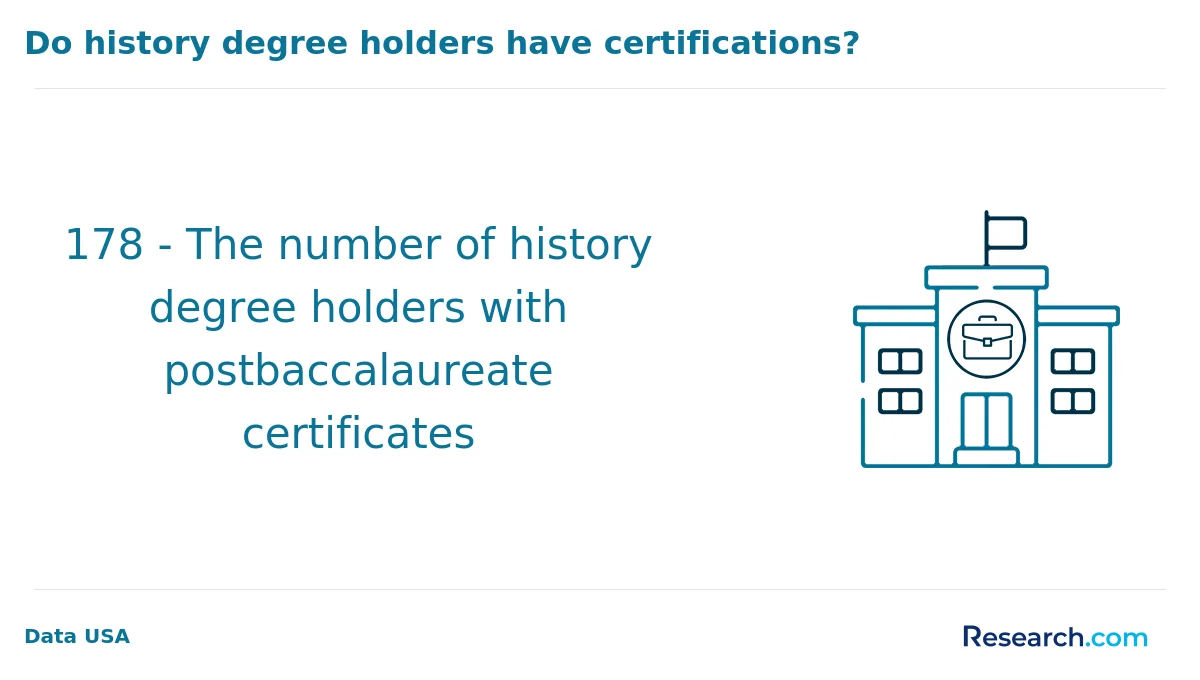
With an online history degree in America, graduates can pursue several professional certifications that enhance career prospects. One popular certification is the Certified Archivist credential, offered by the Academy of Certified Archivists, which validates expertise in managing historical records and archives.
Another option is the Museum Studies Certification, ideal for those aiming to work in museums or cultural institutions. Additionally, some graduates pursue teaching certifications if interested in education careers, typically requiring a state-specific teaching license.
Historic Preservation Certification is also valuable, focusing on conserving historic sites and structures. These certifications help demonstrate specialized knowledge and can increase job opportunities in public history, research, or education sectors.
Applying to an online history program in America requires careful preparation to stand out. Start by researching schools accredited by the Council for Higher Education Accreditation (CHEA) to ensure program quality. Highlight your passion for history through a compelling personal statement, emphasizing your interest in American history, which is the focus of most top programs.
Include relevant academic achievements and any experience related to research or writing, as strong analytical and communication skills are essential. According to the National Center for Education Statistics, history remains a popular major with thousands enrolling yearly, so clear articulation of goals is vital.
Finally, secure strong recommendation letters from professors or professionals who can attest to your dedication and academic potential.
History careers in the United States are influenced by global perspectives emphasizing cultural understanding and analytical skills. According to the American Historical Association, historians often engage in cross-cultural projects and contribute to international policy development. Many US history graduates pursue opportunities in museums, academia, and public history, fields that increasingly value global awareness.
Data from the Bureau of Labor Statistics shows that employment for historians is projected to grow 6% from 2021 to 2031, with many roles connected to global archives and international research.
Overall, global perspectives enhance a historian's ability to interpret complex narratives beyond national borders, an asset emphasized in many online history degree programs in America.
Gaining practical experience while pursuing an online history degree in America is essential for career readiness. Many programs encourage internships at museums, archives, or historical societies, which help students apply academic knowledge in real-world settings. According to the American Historical Association, internships can significantly improve job prospects in history-related fields.
Additionally, students can engage in research projects with faculty advisors, often remotely. Utilizing digital archives and databases such as the National Archives and Library of Congress allows students to develop critical skills important to historians.
Virtual conferences and webinars hosted by professional groups provide networking opportunities and practical insights.
Choosing the right concentration within an online history degree in America involves aligning your interests with career goals and program strengths. Common concentrations include American history, world history, public history, and archival studies. According to the American Historical Association, 65% of history graduates work in education, government, or museums, fields that may favor specific concentrations.
Consider the curriculum and faculty expertise at each school, ensuring they offer courses relevant to your preferred focus. Accreditation by the American Historical Association or regional bodies adds credibility and ensures quality education.
Additionally, look for programs that provide internships or partnerships with historical organizations to gain practical experience.
Top Trending History Rankings
References
- History majors should have a more global perspective - The Lamron https://www.thelamron.com/opinion/history-majors-should-have-a-more-global-perspective
- What Can You Do With a History Degree? https://willamette.edu/academics/college/history/career-options
- Online Bachelor's Degree: History https://www.umgc.edu/online-degrees/bachelors/history
- Jobs for History Majors: 12 Career Paths That Use Your Skills | Extern https://www.extern.com/post/jobs-for-history-majors-career-guide
- Master's History Application - Sample Letter (EN) https://ai.mystudies.com/blog/mystudies-writing-examples/application-for-master-program-history-20-06-2025.html
- Undergraduate Certificate in History | Thomas Edison State University https://www.tesu.edu/degrees-programs/certificates/undergraduate-history.php
- How to Apply to Graduate School | Canadian Historical Association | Société historique du Canada https://cha-shc.ca/publications/employing-history-a-guide-to-graduate-school-and-navigating-the-job-market/how-to-apply-to-graduate-school/
- Finding Networking Opportunities as a Student | National Society of High School Scholars https://www.nshss.org/resources/blog/blog-posts/how-to-find-networking-opportunities-as-a-student/
- 4 Steps to Find History Research Opportunities as an Undergraduate https://www.coltie.com/post/4-steps-to-find-history-research-opportunities-as-an-undergraduate
- THE list of internships for history majors https://employedhistorian.com/history-major/internships-for-history-majors/