2027 Best Online History Degree Programs Ranking in the Midwest

Co-Founder and Chief Data Scientist
Choosing the right history degree program can shape your future, especially when studying online from the Midwest. To support your decision, this article features the 2027 Best Online History Degree Programs Ranking in the Midwest, created by the Research.com team of data scientists. It provides clear insights to help you find programs that fit your goals and lifestyle.
Whether you're starting fresh or advancing your education, understanding the best options can spark confidence. A history degree opens doors to exciting careers and deepens your understanding of the past, preparing you for a meaningful future.
Key benefits of getting online history degree in the Midwest
- History degree graduates in the Midwest can expect to find rewarding careers in education, research, or museums, with typical salaries ranging from $45,000 to $70,000 annually, reflecting solid earning potential in these fields.
- Graduates from popular Midwest universities often pursue diverse careers such as archivists, curators, and history teachers, showcasing the versatile opportunities a history degree can offer in both public and private sectors.
- Online history degrees provide flexibility and convenience, allowing students to balance work and study while benefiting from accredited programs offered by well-known Midwest institutions, making education accessible without sacrificing quality.
- 2027 Best Online History Degree Programs Ranking in the Midwest
- What can I expect from online history degree in the Midwest?
- Where can I work with online history degree in the Midwest?
What can I expect from online history degree in the Midwest?
Landing an online history degree in the Midwest often comes with an inviting price tag that feels like a wise investment rather than a burden. Most students from beloved institutions such as the University of Illinois Springfield or the University of Wisconsin find that tuition lands comfortably between $8,000 and $12,000 per year for in-state study. This range allows them to unlock the wealth of Midwestern heritage without uprooting their lives or draining their savings.
Graduates often recall balancing their work-from-home days with virtual lectures on indigenous history or migration patterns, all while feeling the financial relief of accessible tuition. The value deepens when they reflect on scholarships and financial aid easing the journey, making each dollar spent feel like a step toward not just a degree but a vibrant career.
Imagine logging into digital archives from your living room, unraveling the Midwest's past, knowing your education fits your budget and lifestyle. This blend of affordability and quality molds history enthusiasts into confident storytellers of the region's legacy.
Where can I work with online history degree in the Midwest?
Graduates wielding an online history degree from Midwest favorites like the University of Illinois or Ohio State find themselves stepping into worlds alive with stories. Imagine one graduate walking the halls of a Chicago museum, curating exhibits that bring regional tales to life, while another dives into archives at the Indiana Historical Society, preserving the vibrant past of the heartland. Education beckons many; K-12 classrooms and community colleges across states like Ohio and Illinois welcome history majors passionate about shaping young minds with tales of yesteryear.
In cities like Minneapolis and St. Louis, these graduates transform into cultural detectives for government agencies, unraveling histories to guide urban planning or stirring heritage tourism. Sometimes, they become corporate storytellers, crafting narratives from archives to help businesses understand Midwest growth or maintain legacy records. The Midwest's rich tapestry invites online history graduates not just to observe history but to live and breathe it, turning dusty pages into vibrant futures filled with discovery and purpose.
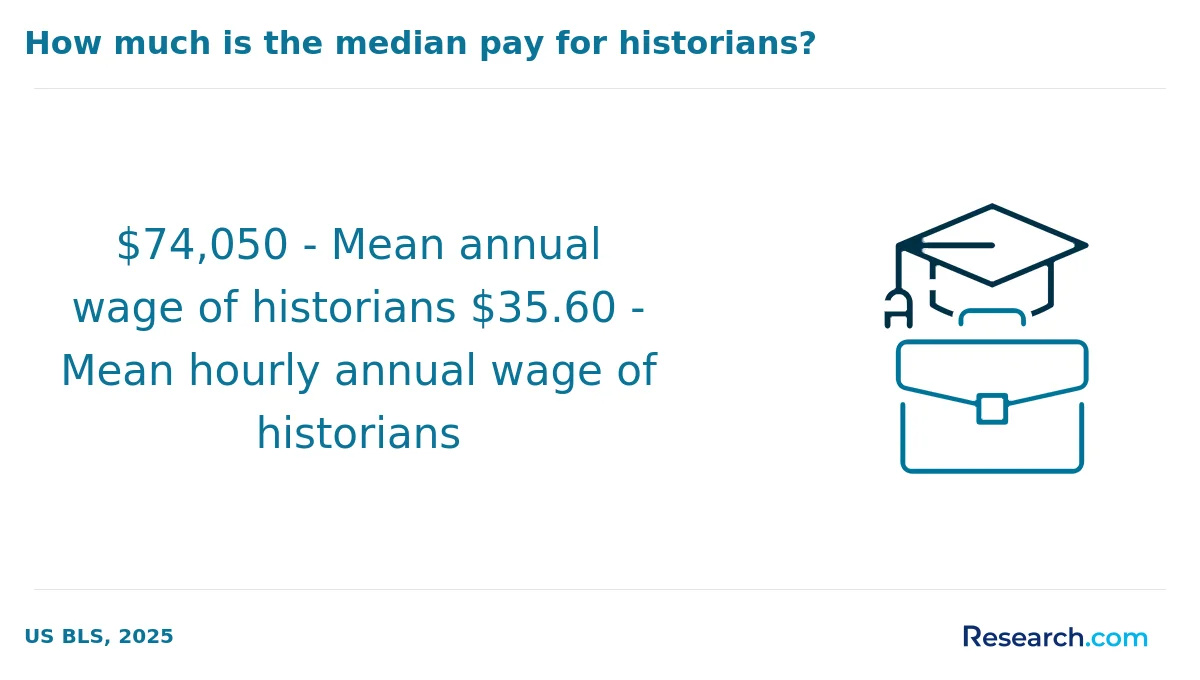
Imagine a graduate from a well-regarded Midwestern university, like the University of Michigan or the University of Chicago, stepping confidently into the job market with an online history degree in hand. They can anticipate a median annual wage hovering around $65,000-a comforting figure that aligns closely with national norms. This wage paints a picture of stability in the world of history careers, a steady beacon amidst typical job market chaos.
For those who find their calling in teaching, especially in vibrant states like Illinois or Ohio, salaries often range between $55,000 and $67,000. Picture a fresh history teacher sharing stories of the past in a lively Chicago classroom while earning a salary that respects both their passion and knowledge.
Graduates venturing into archives or museum curation in places like Minneapolis or St. Louis may see wages between $47,000 and $70,000. Visualize curators preserving cultural treasures, their work funded by paychecks that reward their meticulous dedication.
Some daring history alumni leap beyond traditional roles, tapping into law or policy analysis with starting incomes around $60,000. Their degrees are not just diplomas but keys unlocking diverse doors, blending critical thinking with real-world impact in booming Midwestern cities.
- Tuition for online bachelor's history programs in the Midwest ranges from $12,000 to $25,000 per year, with public schools generally being more affordable for in-state students.
- Starting salaries for recent Midwest history graduates are typically between $40,000 and $45,000 annually, rising to $55,000-$65,000 for mid-career professionals.
- Job opportunities exist mainly in education, government agencies, libraries, and historical societies, with Illinois, Ohio, and Michigan having strong demand for history experts.
- Many graduates enhance employability by combining their history degree with skills in digital technology, research, or public administration.
- Midwest online history programs often have regional accreditation, ensuring credit transferability and eligibility for federal financial aid.
- Illinois and Minnesota host some of the largest and highly ranked public universities offering affordable and high-quality online history degrees.
Graduate degrees stretch from 1.5 to 3 years, but some working professionals stretch that to five with part-time study, balancing career and coursework. Transfer credits act like time machines, often speeding things up. Taking all this into account, Midwestern online history degrees blend adaptability with solid pacing to meet unique student rhythms.
Imagine juggling a bustling job and family life in bustling Chicago while earning your history degree online from a respected Midwestern university like the University of Illinois Urbana-Champaign. That flexibility-the ability to pause lectures during a commute or dive into archives at midnight-draws many online learners who cherish control over their schedules. Meanwhile, on-campus students at places like Northwestern University savor the spontaneous hallway debates, late-night library sessions, and visits to nearby historical sites, experiences that breathe life into dusty textbooks.
Graduates often recall how online programs ease costs by cutting out housing fees, essential for those grounding their lives in affordable Midwest towns rather than pricey coastal metros. Yet, they sometimes miss the palpable community vibe of campus life, where faculty connections and impromptu study groups spark new passions. Both paths intertwine rigorous curricula, but the choice between digital convenience or tactile immersion shapes how histories are uncovered and remembered.
In the Midwest, the average cost of pursuing an online history degree sits around $33,838, a figure that blends diverse educational paths into a single story of investment and opportunity. Graduates from Midwest institutions often recall budgeting carefully yet feeling empowered by the affordability compared to coastal options. For residents, the median in-state total cost drops to nearly $25,456, making the dream of mastering history more financially reachable, while out-of-state students face a higher mark, averaging $43,440. Imagine a student at a popular Midwest college, balancing work and study with the reassurance that the financial strain won't overshadow their passion for history's narratives.
Many embrace the appeal of affordable online history programs Midwest-wide, where courses often mirror the quality and rigor of brick-and-mortar campuses. These programs attract learners who appreciate the freedom to explore ancient civilizations or modern movements at their own rhythm, often supported by regional tuition reciprocity agreements that soften the blow of out-of-state fees. One graduate reflects on choosing their path by analyzing not just cost but the enriching experience offered by asynchronous classes accessible through their University's online platform.
When grasping the span of financial commitments, it helps to look beyond tuition alone. Additional fees may tie to specialized digital archives or historical databases that sharpen research skills. Those ready to dive deeper will find value in comprehensive programs like the ones featured on degrees in history, tailored for Midwest students hungry for both affordability and academic excellence.
Imagine a history student at the University of Illinois Urbana-Champaign who feels the weight of tuition bills but discovers federal Pell Grants lighting the way-covering up to $7,395 and lifting financial burdens like a well-timed plot twist. Meanwhile, a learner at the University of Missouri leverages the Access Missouri grant, wrapping state funding around their ambitions like a trusty cloak. These grants often weave seamlessly with federal aid, creating a safety net that keeps dreams anchored amidst financial waves.
Scholarships from humanities societies or Midwest campuses sparkle like hidden treasures for those with scholarly zeal, rewarding merit and passion. A graduate from Michigan State University reminisces about employer tuition assistance that transformed their evening classes from costly to affordable, letting them juggle work and study like a skilled historian balancing timelines.
And when spring tuition feels like a dragon to be slain, flexible payment plans at places like Indiana University bloom as strategic allies-breaking down costs into manageable steps, so education becomes more an adventure and less a mountain.
Picture yourself diving into the world of history from a cozy room in the Midwest, tapping into robust programs that value both your past achievements and future aspirations. To embark on this journey at a university well-known in the region, like those thriving along the Great Lakes, you'll first need a high school diploma or GED-a key that unlocks the gateway to academic adventure.
Graduates often recall the initial hurdle of maintaining a solid GPA, typically around 2.5 to 3.0, acting as a compass pointing toward success in dense readings and critical essays. Many Midwest institutions ease the pressure of standardized tests, embracing a test-optional mindset that feels like a fresh breeze, especially for those balancing work or family.
Stories from alumni reveal how a heartfelt personal essay became their voice, painting a vivid picture of motivation and genuine curiosity about past civilizations. Letters of recommendation also add another layer-trustworthy echoes from mentors who witnessed their analytical growth firsthand.
For transfer students, prior credits can be a treasure trove, magically accelerating the path to a degree and easing financial burdens-a relief celebrated by many who've walked this route in places like Illinois or Ohio.
Diving into an online history degree in the Midwest feels like stepping into a time machine fueled by curiosity and discovery. Courses aren't just dusty lectures; they're adventures. Graduates from popular schools in Illinois and Ohio recall how exploring U.S. History from Colonial times through the 20th century illuminated the struggles and triumphs that shaped their own communities. Picture a lively online seminar debating the ripple effects of the Renaissance or unraveling the Industrial Revolution's impact on Chicago's skyline.
Midwest programs balance broad strokes with fine details-think European History paired with hands-on training in historical research and writing techniques. One alum remembers how "Introduction to Historiography" shifted their perspective, teaching them to see history as a living narrative, shaped by who tells it.
Electives add spice: from Native American heritage echoing across the Great Lakes to the economic tales behind Detroit's automotive rise. These courses aren't just studies; they're connections to the Midwest's heart and soul.
Diving into online history degree specializations in the Midwest, students unlock a blend of time-traveling adventures tailored to the region's depths. Imagine a graduate from a popular Midwestern college recounting late nights spent unraveling the Midwest's pivotal role in American industrialization through their American History track, feeling a deep connection to the rusty railroads and bustling factories that shaped their hometown.
Others find themselves wandering the vivid streets of European Renaissance cities or strategizing over pivotal battles in Military History, bringing theoretical clashes to life through lively online discussions. At schools near Native American communities, students immerse in native stories that enrich their Cultural and Social History studies, expanding perspectives beyond traditional narratives. These Midwest history degree program concentration options mirror the rich mosaic of local and global pasts, fueling passion for real-world impact.
Graduates often praise how these specializations open doors to careers that require a history degree, blending regional heritage with broader knowledge and flexible online learning.
Choosing the best online history degree programs Midwest can feel like navigating a labyrinth of time itself. Imagine a graduate from a renowned Midwest university who, juggling family and work, praises the flexible online format that lets them dive into Civil War archives at midnight or explore Indigenous histories during lunch breaks. Their secret? Programs accredited by the Higher Learning Commission that blend rigorous scholarship with adaptable pacing, making history not just learned but lived.
Affordability also plays a starring role. Graduates rejoice over tuition rates hovering between $9,000 and $12,000 annually at public institutions, proving quality education doesn't demand a king's ransom. They often mention how digital access to rich libraries and resources fuels their passion, turning their homes into portals to bygone eras.
Exploring specialization options, such as military or public history, adds intrigue-like unlocking secret chapters tailored to your curiosities. Faculty mentorship here feels personal, guided by scholars whose research shapes conversations beyond the classroom. And for those pondering career pathways, consider checking out careers with a master's degree in history to see where your Midwest online history degree could take you.
Graduates holding an online history degree in the Midwest often find themselves stepping into vibrant roles that blend passion with purpose. Imagine turning a love for the past into a middle school classroom buzz where young minds in Illinois or Ohio eagerly absorb tales from bygone eras, fueled by educators who studied at renowned universities like the University of Michigan or Indiana University. These history storytellers often evoke excitement and curiosity, making teaching a deeply rewarding frontier.
Others dive into the pulse of public history-curating artifacts in Midwest institutions like the Minnesota Historical Society, or shaping immersive exhibits that connect communities to their roots, enriching the public's understanding of local heritage. For these graduates, the past isn't static; it's a lively dialogue that shapes identity and culture.
Exploring affordable history degrees online in the region opens even broader horizons. Policy analysts in government agencies use historical insights to navigate land use, Native American affairs, and economic growth, while writers and editors craft compelling narratives that bring history to life across media platforms. These Midwest online history degree job opportunities nurture both creativity and analytical prowess, fueling fulfilling careers.
Graduates holding an online history degree in the Midwest often find themselves weaving through a tapestry of vibrant career paths, from teaching eager minds in bustling universities to curating stories in metropolitan museums. Picture a graduate from a well-respected Midwestern college landing a teaching role in a public school where their passion for history sparks students' curiosity about the past. The Midwest career outlook history graduates face is promising, particularly in states like Illinois and Michigan, where cultural institutions and universities create steady demand for skilled professionals.
Archivists and curators, for instance, thrive in cities such as Chicago and Columbus, where history pulses through museums and libraries. Graduates enjoy opportunities that intertwine research, preservation, and community engagement. However, many seek supplemental certifications or graduate study to boost their qualifications, knowing that dedication expands pathways.
Fascinated by this journey? Explore the best online masters in history degree programs tailored to augment your credentials and elevate your role in this rich job market of online history degree jobs Midwest.
2027 Best Online History Degree Programs Ranking in the Midwest
Investing in your education is a significant decision that can shape your future, and the Research.com team understands the importance of making informed choices. To assist prospective students in the Midwest, we have meticulously crafted the "2027 Best Online History Degree Programs Ranking in the Midwest." Our commitment to quality, credibility, and accuracy is reflected in the extensive research and analysis conducted to compile this ranking.
We utilized the following reputable data sources to ensure a comprehensive evaluation of history degree programs:
By exploring this ranking, readers will gain valuable insights into the best online history degree programs available in the Midwest, empowering them to make well-informed decisions about their educational journeys. For more details on our methodology, please visit our Research.com methodology page.


Frequently Asked Questions About history
Students pursuing online history degrees in the Midwest can enhance their learning by actively engaging with regional historical resources. Many universities encourage the use of local archives and digital collections, such as those at the Chicago History Museum or the Minnesota Historical Society, which provide valuable primary sources. Participation in online discussion forums and virtual study groups also helps deepen understanding by exchanging diverse perspectives.
The National Center for Education Statistics reports increasing enrollment in online history programs, highlighting the importance of consistent time management for success. Utilizing Midwest-based virtual lectures and webinars hosted by local universities enriches the curriculum with area-specific context. Combining academic rigor with practical exploration creates a more meaningful learning experience.
The study of history is evolving, with several emerging niches gaining traction, especially for students pursuing online history degrees in the Midwest. One rapidly growing area is public history, which focuses on preserving and interpreting history for community engagement, museums, and cultural institutions. According to the American Historical Association, public history careers are expected to grow by 8% over the next decade.
Another niche is digital history, which integrates technology and data analysis to explore historical trends. Midwestern universities increasingly offer courses that teach geographic information systems (GIS) and digital archiving methods, skills valued by employers.
Environmental history also attracts interest, studying human interactions with the Midwest's unique ecosystems, fitting well with regional concerns about agriculture and sustainability.
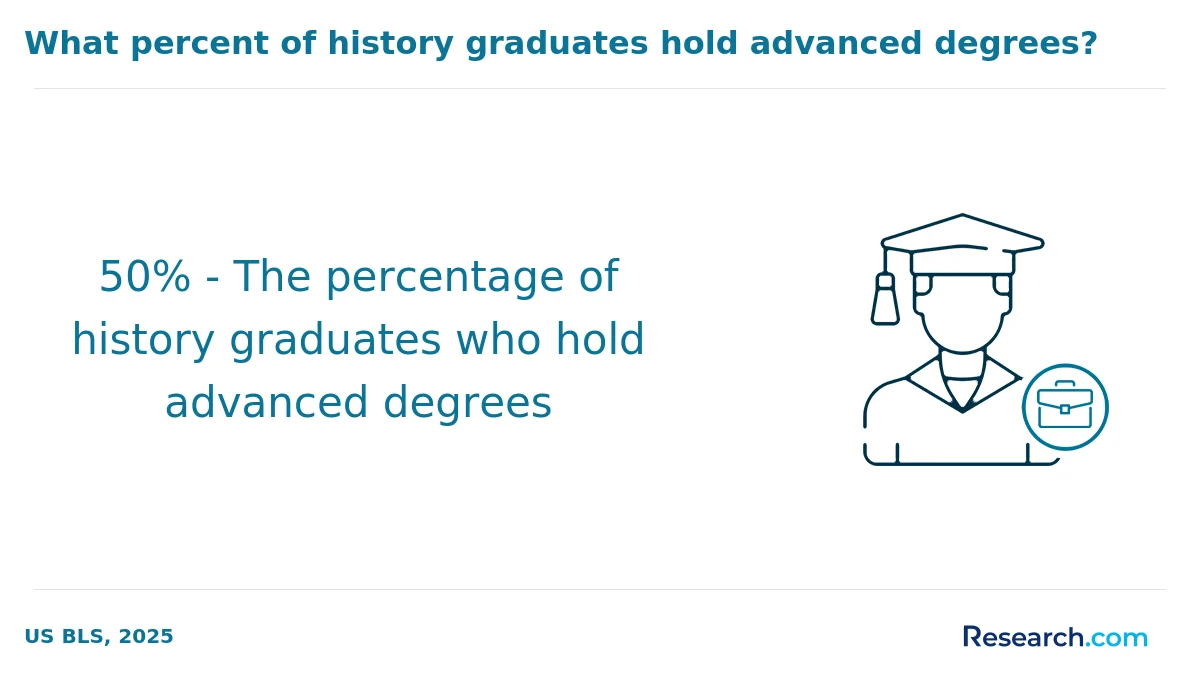
After completing an online history degree in the Midwest, preparing for the job market requires strategic steps. Many graduates should consider internships or volunteer opportunities at local museums, archives, or historical societies to gain practical experience. According to the Bureau of Labor Statistics, around 21% of historians work in education and museums, highlighting the importance of hands-on roles.
Networking with professionals through state history associations like the Ohio Historical Society or the Illinois State Historical Society can open doors. Additionally, acquiring skills in digital archives and historical preservation software often improves employability.
Building a strong resume focused on research and communication skills is crucial. Employers value graduates who can analyze historical data and present findings clearly. Enhancing your skillset with certifications in records management or GIS mapping may also increase job prospects in the Midwest job market.
Employers in the Midwest highly value several key skills among history degree graduates. Analytical thinking is essential, as graduates must interpret complex historical data accurately. Strong research abilities are also critical; history professionals often work with primary sources and archives.
Communication skills rank high, particularly the ability to write clearly and present arguments effectively, which employers in education, museums, and public history sectors prioritize. According to the American Historical Association, Midwest employers also emphasize project management skills, reflecting the increasing demand for organizing exhibitions and community history projects.
Finally, digital literacy in historical databases and online research tools is increasingly important, aligning with the rise of digital humanities in Midwest institutions.
Finding internships in the Midwest relevant to a history degree involves leveraging local museums, historical societies, and archives. Many states such as Illinois, Ohio, and Michigan host renowned institutions that offer internship opportunities tailored for history students. For example, the Illinois State Historical Society frequently posts openings suited to undergraduates and graduates seeking practical experience.
Online history programs often have internship coordinators or career services to guide students toward regional placements. Students should also explore state government agencies, which sometimes offer internships involving historical research or public education.
Networking through academic conferences like those held by the Midwestern History Association can connect students with professionals offering internships. According to the National Archives, approximately 40% of entry-level history jobs value internship experience, highlighting its importance.
An online history degree in the Midwest can significantly impact career mobility and advancement. According to the U.S. Bureau of Labor Statistics, demand for professionals skilled in research, analysis, and critical thinking-skills honed in history programs-is growing by 8% through 2030 in the region. Employers across education, public administration, and cultural institutions value these competencies.
Midwestern universities offering accredited online history degrees often connect students with local internships and networking opportunities. This regional focus helps graduates access job markets in cities like Chicago, Minneapolis, and Indianapolis where history-related roles frequently appear.
Additionally, data from the American Historical Association shows that graduates of online history programs report competitive salaries comparable to in-person cohorts, enhancing career progression prospects.
Studying for a history degree online in the Midwest equips students with skills applicable across various fields. Programs emphasize critical thinking, research, and communication-core abilities valued in interdisciplinary careers such as education, law, public policy, and cultural resource management. Midwest institutions often highlight the region's rich historical tapestry, including indigenous histories and industrial development, fostering a broad, contextual understanding.
According to the American Historical Association, nearly 40% of history graduates pursue careers outside academia, demonstrating the versatility of the discipline. Midwest universities also encourage collaboration with departments like political science and anthropology, further enhancing interdisciplinary competence.
Choosing between a thesis and a non-thesis online history degree in the Midwest depends on your career goals and learning preferences. A thesis option typically suits students interested in research or planning to pursue graduate studies, as it involves writing a substantial research paper under faculty supervision.
Non-thesis programs usually focus on coursework and may require a capstone project or comprehensive exam instead. These are often favored by students aiming to enter the workforce directly, particularly in education, public history, or archival work.
According to the National Center for Education Statistics, Midwest institutions offering online history degrees vary in thesis requirements, so examining each program's structure is important.
Consider also time commitment and faculty availability, as thesis tracks often demand more one-on-one mentorship.
Midwest students pursuing online history degrees can enhance their education by participating in study abroad programs affiliated with their home institutions. Many universities in the Midwest, such as the University of Illinois and Michigan State University, offer virtual and hybrid options that include international seminars or short-term travel abroad experiences focused on history and culture. According to the Institute of International Education, nearly 10% of Midwest students in humanities engage in study abroad activities, often in Europe or Latin America, which complement their online coursework.
Flexible online formats allow students to earn credits from overseas collaborations without relocating. These programs broaden perspectives by providing access to global archives and historical sites under faculty guidance. This hybrid approach supports learners balancing work or family commitments while gaining international exposure.
Students pursuing online history degrees in the Midwest have a variety of part-time job opportunities that complement their education. Working as archival assistants in local museums or historical societies is common, providing hands-on experience with primary sources. According to the American Alliance of Museums, the Midwest hosts over 1,200 museums, many offering internships and part-time roles.
Library aide positions, particularly in university or public libraries, also benefit history students by improving research skills. The U.S. Bureau of Labor Statistics projects a 5% growth in librarian and archivist roles through 2031. Additionally, local government offices often seek part-time workers to help with historical preservation projects and community education programs.
Online history students in the Midwest have access to a variety of networking opportunities designed to enhance their academic and professional growth. Many universities offer virtual events, including guest lectures and alumni panels that foster connection among students and history professionals. Regional history associations, such as the Ohio Academy of History and the Illinois State Historical Society, also provide online memberships, virtual conferences, and forums tailored to history scholars.
Additionally, students can join national organizations like the American Historical Association, which often hosts webinars accessible from anywhere. These networks help Midwest online learners collaborate and find internships or job opportunities locally and nationwide, bridging the gap between remote study and local professional engagement.
Alumni networks provide significant benefits to students pursuing online history degrees in the Midwest. These networks create opportunities for mentorship, connecting current students with graduates who have professional experience in history-related fields. Research from the National Association of Colleges and Employers highlights that 85% of jobs are filled through networking, emphasizing the importance of connections.
Midwestern universities often have active alumni groups that host virtual events, workshops, and panels tailored to history students. This helps learners build relationships despite geographic barriers.
Access to alumni networks also supports career development, offering guidance on internships and job openings within museums, archives, and educational institutions across states like Illinois, Ohio, and Michigan.
Customizing an online history degree in the Midwest allows students to align their studies with specific career goals, such as education, public history, or research. Many universities offer elective courses focused on regional history, like the Midwest's industrial era or Native American heritage, which can deepen subject matter expertise.
Students can also select concentrations or minors in related fields such as political science, archival management, or museum studies. These options enhance skills relevant to careers in government or cultural institutions.
Internships and capstone projects available through online programs often provide practical experience tailored to career interests. According to the National Center for Education Statistics, about 30% of Midwest institutions offering history degrees provide flexible online specialization tracks, helping students customize their paths effectively.
Online history students in the Midwest often face challenges related to limited access to specialized resources. Unlike traditional campuses with extensive archives and libraries, many online programs rely heavily on digital materials, which can restrict the depth of research opportunities. According to the American Historical Association, hands-on access to primary sources remains a critical component in history education that is harder to replicate remotely.
Another common issue is time management. Many students balance studies with full-time jobs or family responsibilities, making it difficult to keep up with rigorous reading and writing assignments. The National Center for Education Statistics reports that nearly 60% of online learners in the Midwest are adult students balancing multiple obligations.
Technical proficiency may also present a hurdle, as students must navigate various learning management systems and digital research tools. Additionally, fewer face-to-face interactions can affect engagement and networking, which are important for career-building in the field of history.
With an online history degree, Midwest students can pursue several professional certifications that enhance their career prospects. One popular option is the Certified Archivist credential from the Academy of Certified Archivists, valuable for those interested in managing historical documents and records. Another recognized certification is the Museum Studies Certificate, often offered by regional institutions, which prepares graduates for curatorial and educational roles in museums throughout the Midwest.
Additionally, teaching licensure is a common path for history graduates aiming to work in secondary education. States like Illinois and Michigan offer certification programs aligned with online history degrees. These certifications improve employability and demonstrate subject mastery within the regional job market.
Applying to an online history program in the Midwest requires a clear and focused approach. Begin by researching schools with strong history departments, such as the University of Illinois or Ohio State University, to understand their application requirements. Highlight your passion for history by specifying regional interests like Midwest cultural development or American industrialization, which are common research areas at these institutions.
Emphasize your academic readiness with relevant coursework or professional experience. According to the National Center for Education Statistics, Midwest schools have seen a 12% increase in online history program applications recently, making a well-crafted personal statement crucial to stand out. Finally, meet all deadlines and submit required documents like transcripts and letters of recommendation promptly.
History careers in the United States, including the Midwest, are increasingly viewed through a global lens. Employers value graduates who understand diverse perspectives, reflecting global events and cultural interactions. According to the American Historical Association, skills in research and critical thinking are highly transferable worldwide.
In the Midwest, institutions offering online history degrees emphasize global awareness, preparing students for roles in education, museums, and international organizations. The U.S. Bureau of Labor Statistics projects a steady demand for historians, partly due to growing interest in cultural heritage and global studies.
Graduates with global perspectives have greater opportunities beyond regional jobs, including consulting and government sectors. A robust understanding of world history supports careers in diplomacy and cultural preservation.
Gaining practical experience while studying for an online history degree in the Midwest is essential for career readiness. Many universities encourage students to participate in internships with local museums, archives, or historical societies. For example, the Chicago History Museum and the Indiana Historical Society offer remote internship options that online students can access.
Additionally, students may engage in research projects under faculty supervision, often focusing on regional history topics. This hands-on work helps develop critical skills like primary source analysis and historical writing.
Volunteering for community history initiatives or digital preservation projects is another valuable opportunity. According to the American Historical Association, internships and experiential learning significantly improve graduate employability in history-related fields.
Choosing the right concentration within an online history degree program in the Midwest involves aligning your interests with regional and national historical themes. Many Midwestern universities offer concentrations such as American history, public history, or African American studies, reflecting the area's diverse cultural heritage. According to the American Historical Association, programs with strong regional focuses often provide better opportunities for local internships and networking.
Consider your career goals: public history concentrations suit museum or archival work, while political history might lead to education or research roles. Review curriculum details and faculty expertise to find strong support in your area of interest.
Research state-specific employment data; for example, Illinois and Ohio have growing demand for historians in education and cultural institutions, per Bureau of Labor Statistics reports.
- 2025 Most Affordable Online History Degrees https://www.onlineu.com/most-affordable-colleges/history-degrees
- What Can You Do With a History Degree? https://willamette.edu/academics/college/history/career-options
- Join the Alumni Network - National History Day https://nhd.org/en/get-involved/join-the-alumni-network/
- 5 Challenges of Teaching History in International Classrooms (and How https://millerskills.co.uk/blogs/teaching-overseas/5-challenges-of-teaching-history-in-international-classrooms-and-how-to-overcome-them
- Master's History Application - Sample Letter (EN) https://ai.mystudies.com/blog/mystudies-writing-examples/application-for-master-program-history-20-06-2025.html
- What Can I do With a History Degree? https://theinterngroup.com/our-blog/what-can-i-do-with-a-history-degree
- The Challenges of Studying History in School | Education Research Project Topics and Materials https://educationtopics.com.ng/the-challenges-of-studying-history-in-school/60853/history-education/
- Study History Abroad | Go Overseas https://www.gooverseas.com/study-abroad/history
- Top tips for studying history at university https://www.historyextra.com/period/modern/tips-study-history-university-undergraduate-what-expect-how-prepare/
- How to Become a History Researcher: Steps and Career Outlook https://online.norwich.edu/online/about/resource-library/how-become-history-researcher-steps-and-career-outlook