2027 Fastest Online Master's in History Degree Programs Ranking in the USA

Co-Founder and Chief Data Scientist
Considering an online master's in history? This article presents the 2027 Fastest Online Master's in History Degree Programs Ranking in the USA, carefully crafted by the Research.com team of data scientists. It's designed to guide you toward programs that combine quality education with efficient completion times.
Studying history online offers flexibility and the chance to deepen your understanding of the past while balancing life's demands. Exploring this ranking can help you find a program that fits your goals and schedule, empowering your academic and professional journey.
Key benefits of getting online history degree in America
- History degree graduates often pursue careers such as archivists and curators, with archivists earning a median annual wage of approximately $56,000 in the US, providing a stable and rewarding income.
- Graduates from well-known universities often find diverse career paths in education, research, museum work, or public history, allowing for creative and impactful roles.
- Online history degrees offer flexibility and affordability, enabling students from anywhere in America to earn their degree while balancing work or family commitments, making education more accessible and convenient.
- 2027 Fastest Online Master's in History Degree Programs Ranking in the USA
- What can I expect from online history degree in America?
- Where can I work with online history degree in America?
What can I expect from online history degree in America?
Many online history degrees in America carry an average cost ranging from $15,000 to $40,000 for the entire program, depending on the institution and credit requirements. Graduates from well-known public universities often reflect on the balance of affordability and quality, praising programs that offer both rigorous coursework and the flexibility to manage family or work commitments. For instance, students at large state universities appreciate how they can access digital archives and resources once reserved for on-campus learners without the hefty tuition of private institutions.
Private universities, while often more expensive, provide immersive virtual seminars and personalized mentorship that graduates find invaluable, fueling their passion for uncovering nuanced historical narratives. Many highlight the emotional satisfaction gained from thesis projects that deepen their connection to topics like African American history or cultural studies, proving that investment in these programs transcends cost.
Ultimately, as one graduate put it, the value lies in how these programs reshape one's perspective on history and critical thinking, equipping students with skills that resonate far beyond the classroom walls.
Where can I work with online history degree in America?
Graduates from online history programs at respected American institutions like Arizona State University or the University of Florida find themselves stepping into careers that defy the stereotype of dusty archives and old books. Many begin as passionate high school teachers, translating their deep knowledge and critical thinking skills into inspiring lessons, often exceeding the $63,000 median salary reported by the U.S. Bureau of Labor Statistics. This tangible impact on future generations brings a profound sense of fulfillment.
Others channel their curiosity into museum or archival work, preserving cultural heritage with a sense of stewardship that transforms history from static pages into living stories. Alumni often recall moments unveiling lost narratives, earning around $56,000 while contributing to the nation's collective memory.
In government agencies or think tanks, history graduates tackle policy and research, their analytical prowess shaping decisions with real-world consequences. Even media and publishing fields beckon those eager to craft compelling historical content, proving that an online history degree from top American universities opens diverse, rewarding career doors.
Graduates from online history programs in America often find their earnings shaped by experience, location, and chosen career paths. While the U.S. Bureau of Labor Statistics doesn't provide detailed salary data for many history-related roles, typical figures show historians earn a median around $63,700 annually nationwide as of 2023. This number, cited by those who completed degrees from reputable institutions like the University of Florida or Arizona State University, reflects an entry-level start near $45,000 with the potential to surpass $100,000 in government or specialized jobs.
Postsecondary history teachers, many armed with online degrees from schools such as Penn State World Campus, report median salaries close to $75,000. Graduates often recall the satisfaction of merging passion with paychecks that support their lifestyles in vibrant cities like Washington D.C. or New York, where cultural institutions drive up demand and wages.
These realities illustrate that an online history degree can translate into fulfilling, well-compensated roles, especially when combined with advanced skills or geographic advantages.
- Online history degrees are available from accredited public and private universities, offering bachelor's, master's, and sometimes doctoral programs fully online.
- Tuition costs range from $10,000 to $30,000 per year for in-state students at public universities, while private institutions may charge over $40,000 annually.
- Graduates earn an average starting salary of about $45,000 per year, with experienced professionals making around $60,000 or more in specialized roles.
- Employment growth for historians is projected at about 6% over the next decade, reflecting average growth compared to all occupations.
- Accreditation by organizations such as the Higher Learning Commission is important for program quality and credit transfer.
Completing an online history degree in America usually spans about four years for a bachelor's, mirroring traditional on-campus timelines. Graduates from universities like the University of Florida or Arizona State University often share how the typical 120-credit hour requirement feels intense yet rewarding as they juggle coursework with life responsibilities.
Some online students, eager to accelerate their progress, tap into programs that condense the degree to three years. By leveraging prior college credits or AP classes, they experience the empowering pace of accelerated tracks. Imagine a student balancing a job while finishing a bachelor's degree in three years-each term packed, yet every milestone sparking a genuine sense of achievement.
Master's students at institutions such as Boston University find themselves completing their 30-to-36 credit hours within 1.5 to 3 years depending on full- or part-time choices. The flexible scheduling of online formats enables many to adapt to personal and professional demands, making education feel less like a burden and more like a fulfilling journey.
When weighing an online history degree against traditional on-campus study, graduates from schools like the University of California or Boston University often describe two very different journeys shaped by environment and engagement. On-campus students cherish the tactile thrill of wandering through the university's archives or debating historiography face-to-face after a lively seminar-moments that deepen their connection to history in a way digital screens rarely replicate.
Conversely, those who pursued online programs at institutions such as Arizona State University applaud the unparalleled flexibility. They recall juggling work, family, and studies while accessing lectures from anywhere in America, which transformed their learning into a personalized, self-directed experience. This flexibility fuels motivation, helping them feel empowered rather than confined.
Academic rigor remains intense in both paths, but connections differ: on-campus learners thrive on spontaneous conversations outside historic halls, while online students build community through virtual forums and webinars. Both cultivate a passion for history, albeit through distinct rhythms of discovery and interaction that challenge traditional notions of what a rich history education looks like today.
The typical cost of an online history degree in America is around $17,040 in total, with some variation depending on whether you qualify for in-state tuition-or not. For many students who chose institutions like the University of Florida or Arizona State University, this can mean balancing the excitement of pursuing their passion for history with careful financial planning. Graduates often reflect that while the total tuition fees are a significant commitment, the ability to study remotely at these respected schools makes the investment feel more manageable and deeply rewarding.
When assessing the average cost of online history degree USA programs, it's important to look beyond just tuition. Annual technology fees, textbooks, and supplies can quickly add up, meaning total expenses may slightly exceed the listed tuition. That said, many programs at well-known public universities maintain competitive pricing, allowing students to pursue quality education without extreme financial pressure. For example, one graduate from a major public university shared how employer tuition assistance eased her path, underscoring how real-life financial aid opportunities can transform cost concerns into optimistic stories.
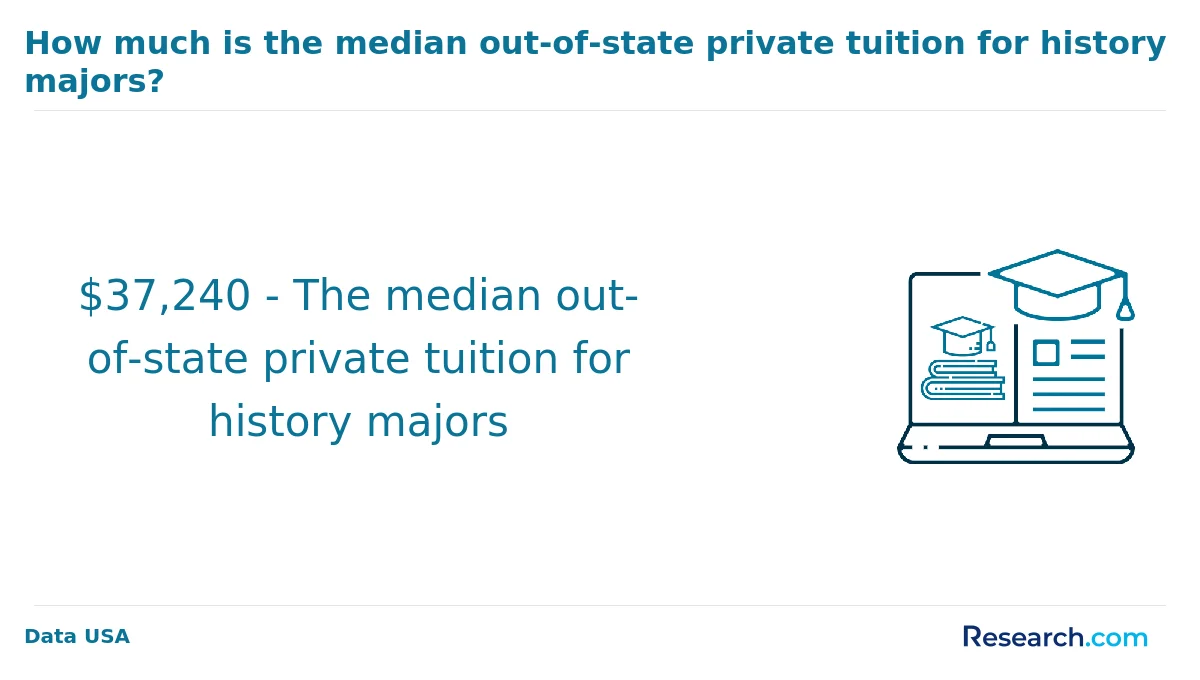
Master's students, especially at private colleges, face tuition costs varying widely-sometimes exceeding $40,000. But the return in terms of academic growth and career advancement often justifies this. The key is thoughtful research, where students examine tuition structure and additional fees, and make choices that align with their goals. For those curious about the different types of history degrees, considering accredited programs with strong faculty reputations is vital, and more details can be found at different types of history degrees.
Prospective students seeking to understand total tuition and fees for history master's USA programs benefit from weighing both median costs and personal circumstances. Awareness of the average costs and financial aid options enables a more empowered, confident approach to education. This balanced perspective helps history students embrace their academic journey with enthusiasm rather than hesitation.
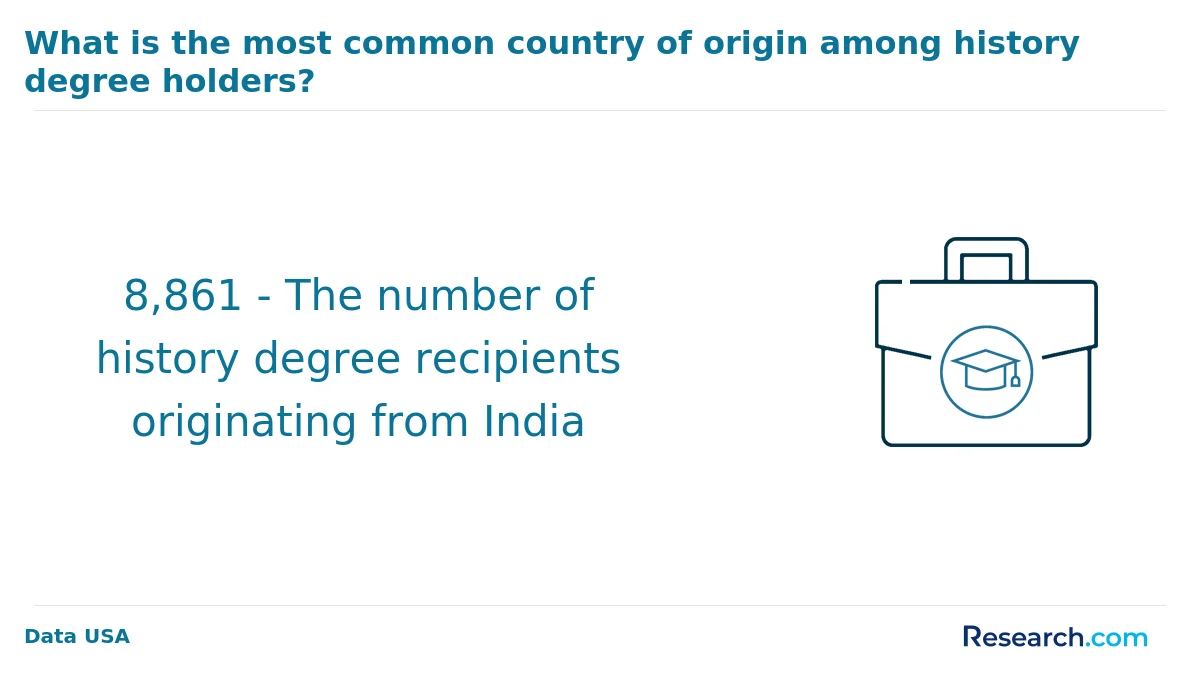
Many online history students in America often view financial aid as a tangled web, but the reality offers more clarity and support than expected. Take graduates from institutions like Arizona State University or the University of Florida-federal student aid through FAFSA frequently becomes their lifeline, unlocking Pell Grants that can cover up to $7,395 annually without burdening them with debt. These grants transform possibilities, allowing a working parent or a first-generation student to focus more on Renaissance history rather than monthly bills.
Loans, particularly Direct Subsidized and Unsubsidized options, also provide breathing room with manageable rates and repayment options tailored to varying life stages. Graduate history students recall leaning on Direct Unsubsidized Loans up to $20,500 annually, easing the strain of advanced study.
Scholarships and fellowships-though competitive-ignite hope. Departments at schools like the University of North Carolina award scholarships that reward dedication and achievement, while national fellowships offer stipends that turn stressful finances into encouraging support systems.
Moreover, work-study programs offer hands-on experiences in archives or libraries, often tied directly to students' career interests, enriching both their wallets and resumes. State grants, like California's Promise Grant, prove that online history learners can still benefit from local support, challenging assumptions that online means isolated.
These varied financial aids show that pursuing history online in America need not be a dream deferred but a well-supported journey.
To enroll in an online history degree in America, you must first meet key prerequisites that often challenge your commitment beyond mere academics. Many graduates from institutions like Arizona State University or the University of Florida recall how submitting a personal statement transformed their application from a list of grades to a vivid story of passion and curiosity about the past. Unlike traditional assumptions, a high school diploma or GED is just the starting point for undergraduates, who must also provide official transcripts and, increasingly, engaging essays or letters showcasing why history excites them.
For master's programs at universities such as Georgetown or Indiana University, the bar rises: applicants usually need a bachelor's degree, preferably with coursework in history or related social sciences, and a GPA around 3.0. Yet, many report relief as test requirements like the GRE become optional, opening doors wider in a post-pandemic world.
Non-native English speakers often share pride in submitting TOEFL scores, recognizing this effort as part of their academic journey toward understanding history's global narratives. This blend of formal criteria and personal commitment reveals that entering history programs in America means more than qualifications-it's a deliberate leap fueled by passion and perseverance.
Online history degrees in America typically immerse students in a suite of courses that go beyond memorizing dates, encouraging a real-time engagement with how history is constructed and understood. Graduates from institutions like the University of Florida or Arizona State University often highlight how courses in historiography transformed their perspective-teaching them to critically analyze sources rather than accept narratives at face value.
Core classes usually include American history covering eras from colonial struggles to modern civil rights movements, alongside expansive world history courses that connect global events and cultures. Imagine dissecting the causes of the U.S. Civil War one week, then exploring ancient civilizations the next, just as many online students describe their balanced yet challenging schedules.
Many find the specialized subjects-such as the history of American slavery or the American West-deeply resonant, revealing the complexities behind familiar stories. Through electives and seminars, students personalize their journey, examining African American history or women's rights with guidance from professors known for their engaging online teaching styles.
Online history degree specializations USA often challenge the idea that history is monolithic. Graduates from programs at institutions like Arizona State University or the University of Massachusetts share how diving into American History transformed their understanding of national identity-covering eras from Colonial America to the Civil Rights Movement-fueling passion for education and public history careers. Meanwhile, those pursuing a broader outlook find World History specializations enriching, as they explore cultural exchanges and global conflicts, unlocking opportunities in international relations or museum work.
More niche concentrations such as Military History or Civil Rights and Social Movements empower students to connect past battles or social justice efforts with contemporary policy-making, often sparking a deep sense of purpose. With the best history master's concentrations America offers, these tailored paths reflect more than academic interests-they tap into powerful stories that shape who we are. Many students have found that these specialized studies enhance not only their career prospects but also their personal growth, making history vividly relevant today.
Such dynamic options inspire excitement about possible futures. Financial considerations are manageable too, as several programs balance cost with flexibility, leading many to explore careers with history degree studies that merge passion with practicality.
Choosing the best online history degree in America means looking beyond surface-level rankings and focusing on what truly shapes your academic journey. Graduates from respected programs at schools like the University of Illinois or Arizona State often cite the value of strong accreditation and a curriculum that dives into diverse historical perspectives, from colonial America to global revolutions. These features don't just fill credits-they ignite passion and sharpen critical skills useful in real-world settings.
Affordability is often underestimated. While private institutions might impress with prestige, public universities offer some of the most affordable history master's degrees America-wide, allowing students to pursue their passion without overwhelming debt. Many graduates have shared how managing tuition cost alongside flexible course scheduling made their learning experience both enriching and sustainable.
Flexibility in course delivery mirrors the lives of busy students balancing study with life commitments. The best online history degree programs USA provide asynchronous options and remote academic support, enabling learners to engage fully on their own schedules. Faculty actively involved in research inspire students with fresh insights, connecting theory to the evolving historical discourse.
Finally, consider pathways to careers related to history-some programs specifically connect you with industry opportunities and mentorship. This integration of practical direction fuels both confidence and curiosity, essential qualities for succeeding in this rich field.
Graduates with an online history degree in America often find their skills in research and critical thinking unlocking diverse career avenues that challenge traditional expectations. For example, many alumni from institutions like Arizona State University and the University of Florida have embraced roles as educators, shaping young minds as secondary or postsecondary teachers. These careers offer not only fulfilling engagement but also median salaries around $67,000, proving that passion and practicality can coexist.
Others with online history degree careers USA have leveraged their expertise in museums and archives, preserving narratives that define cultural identity. Graduates from the University of Illinois often recall their rewarding experiences curating exhibits or managing digital archives, fields where storytelling meets technology, with average salaries near $53,000.
Career options for history graduates America extend beyond academia and preservation. Government agencies, including the National Park Service, attract graduates who apply analytical skills to policymaking and research, earning between $60,000 and $80,000 annually. Additionally, those with an aptitude for communication transition into journalism and law, revealing the degree's flexibility especially through part-time online pathways.
Financial considerations are vital, with reputable programs at universities such as Ohio State offering competitive tuition that complements potential earnings. Prospective students might explore the best online history programs to align their educational investment with career ambitions.
The job market for graduates holding an online history degree in America offers a complex blend of challenges and hidden opportunities. While traditional historian roles are limited-with the U.S. Bureau of Labor Statistics projecting just a 2% growth-many graduates from well-known universities find success by applying their skills in broader contexts.
Consider graduates from popular history programs who transition into education, such as teaching or curriculum development, leveraging their deep knowledge and communication skills. Others thrive in government or corporate sectors where their analytical abilities shine in policy analysis or marketing research. These roles often provide steady income and professional growth despite not being labeled strictly as historian jobs. Exploring public history through museums or archives also opens rewarding career paths.
For those aiming to connect historical knowledge with creative industries, investigating related areas like the art history job market can reveal adjacent possibilities. Prospective students searching for online history degree jobs USA should embrace flexibility and target sectors valuing the research and critical thinking cultivated by a history master's degree in America.
2027 Fastest Online Master's in History Degree Programs Ranking in the USA
Investing in your education is a significant decision that can shape your future, and the Research.com team understands the importance of making informed choices. To assist prospective students exploring online history master's degrees, we have meticulously crafted the "2027 Fastest Online Master's in History Degree Programs Ranking in the USA." Our commitment to quality, credibility, and accuracy is demonstrated through thorough research and analysis.
We utilized the following reputable data sources to ensure a comprehensive evaluation of history degree programs:
By consulting this ranking, readers will gain valuable insights into the fastest online master's programs in history, simplifying the decision-making process and guiding them toward quality education options. For more details on how this ranking was created, please visit our Research.com methodology page.


Frequently Asked Questions About history
Online history degree students in America can maximize their learning experience by actively engaging with diverse course materials, including primary sources, lectures, and scholarly articles. According to the American Historical Association, students benefit greatly from joining online discussion groups and attending virtual seminars to deepen their understanding and critical thinking skills.
Consistent interaction with professors during office hours or via email helps clarify complex topics. Utilizing digital archives, such as the Library of Congress, offers rich resources essential for research.
Moreover, time management is critical; setting a study schedule enhances retention and helps meet deadlines effectively.
Emerging niches within the history field reflect evolving societal interests and technological advances. Public history is growing rapidly, focusing on how history is presented outside of academia, such as in museums and digital archives. According to the American Historical Association, jobs in this area grew by 12% over the past decade.
Environmental history is another expanding niche. It studies human interaction with the natural world, which has become increasingly relevant due to climate change discussions.
Digital history, using software and data analysis to interpret historical events, is gaining traction, especially in online degree programs adapting to remote learning technologies.
After completing an online history degree in America, preparing for the job market involves several key steps. Graduates should build strong research and writing skills, which are highly valued in fields like education, archives, and government work. Connecting with professional organizations such as the American Historical Association can provide networking and job opportunities.
Internships or volunteer work in museums, libraries, or historical societies give practical experience and enhance resumes. Additionally, familiarity with digital tools like databases and GIS mapping increases employability. According to the U.S. Bureau of Labor Statistics, employment for historians is projected to grow 8% from 2021 to 2031, indicating steady demand in related fields.
Employers in America highly value critical thinking skills from history degree graduates. The ability to analyze complex information and interpret diverse sources is essential in many careers, including education, research, and public policy.
Strong written and verbal communication skills are also top priorities. History graduates often excel in presenting clear arguments, a quality sought after in law, journalism, and government roles.
Research proficiency is critical. According to the American Historical Association, employers expect graduates to skillfully gather and evaluate both primary and secondary sources.
Finally, attention to detail and the capacity to understand cultural and social contexts enhance a history graduate's adaptability across industries such as museums, archives, and business.
Finding internships relevant to a history degree in America starts with exploring opportunities through university career centers. Many accredited online history programs partner with museums, archives, and historical societies to provide internship placements. According to the National Council on Public History, about 60% of history students gain experience via internships.
Students should also check platforms like Handshake and LinkedIn, filtering for internships in history-related fields such as archival work, museum curation, or historical research. Additionally, organizations such as the American Historical Association offer internship listings tailored to history majors.
Networking with professors and joining history-focused groups can further unlock unpaid or paid internships, which often enhance employability after graduation.
An online history degree in America can significantly enhance career mobility by equipping graduates with critical thinking, research, and communication skills valued across many industries. According to the U.S. Bureau of Labor Statistics, careers in history-related fields like archivists and curators are projected to grow about 5% from 2021 to 2031, faster than average. This degree also supports advancement in education, public service, and cultural organizations, where specialized knowledge of American history is prized.
Flexible online formats enable working professionals to gain qualifications without interrupting their careers, increasing opportunities for promotions or career changes. Additionally, many employers recognize accredited online degrees, making them credible credentials for upward mobility.
Studying for a history degree in America equips students with strong interdisciplinary skills by emphasizing critical thinking, research, and communication. American history programs often integrate perspectives from economics, politics, sociology, and cultural studies to provide a broad understanding of historical events.
The American Historical Association highlights that many online programs include research methods and digital humanities, preparing students to work with data and technology in various fields. Graduates commonly apply their skills in roles beyond traditional history careers, such as public policy, education, and business.
According to the National Center for Education Statistics, the demand for graduates with versatile analytical skills continues to grow, making history degrees relevant in interdisciplinary environments.
When choosing between a thesis and a non-thesis online history degree program in America, consider your career goals and learning preferences. Thesis programs typically require research and writing an extensive paper, ideal for students aiming for doctoral studies or research-intensive jobs. Non-thesis options focus more on coursework and practical skills, which may suit those targeting teaching or public history roles.
The U.S. Department of Education notes that thesis programs often take longer to complete but provide deeper expertise. In contrast, non-thesis tracks may be finished faster, beneficial for working professionals seeking advancement. Evaluating faculty support and program flexibility is also key to a good fit.
Students in America seeking to study history abroad have various online options through partnerships between U.S. universities and international institutions. Many accredited American universities offer online master's programs that include study-abroad components or virtual collaborations with foreign faculties. According to the Institute of International Education, over 33,000 American students participated in study abroad programs in 2022, with history being a popular field due to rich cultural contexts.
Some programs feature virtual exchange courses, where students engage with international peers, enhancing their global historical perspectives without physical relocation. Additionally, joint online degrees with European universities are growing in availability. These options enable students to earn accredited U.S. degrees while incorporating international study elements tailored to history specialization.
Students pursuing an online history degree in America can benefit from various part-time job opportunities that complement their education. Museum assistant positions allow students to engage with historical artifacts and public education, helping to build practical skills. According to the U.S. Bureau of Labor Statistics, jobs in museum work are expected to grow 12% from 2022 to 2032, reflecting steady demand.
Archival workers and library aides also provide valuable experience handling historical documents and improving research skills. Additionally, tutoring history to high school or college students offers a flexible way to reinforce one's own knowledge while earning income.
Jobs in local historical societies or cultural heritage organizations give students hands-on involvement in preserving and interpreting history. These roles often provide networking opportunities, enhancing future career prospects in academia, research, or public history fields.
Online history students in America have access to a variety of networking opportunities despite geographic distances. Many accredited programs offer virtual events such as guest lectures, webinars, and history-focused discussion forums. These platforms enable interaction with peers, faculty, and professionals in the field. Additionally, organizations like the American Historical Association provide memberships for students, which include online networking tools and career resources.
Students can also join history-related groups on LinkedIn and participate in local historical societies when possible. According to the American Historical Association, nearly 60% of history graduates find employment through networking efforts, demonstrating its importance for career advancement.
Alumni networks for online history degree programs in America offer valuable benefits to current students. They provide access to a wide community of graduates who can share career advice, internship opportunities, and job leads specific to history-related fields. According to the National Association of Colleges and Employers (NACE), 85% of jobs are filled through networking, highlighting the importance of these connections.
Many universities facilitate mentorship programs where alumni guide students through research projects or professional development. This can be especially helpful for online students who may feel isolated.
Alumni events and online forums also encourage collaboration and ongoing learning beyond graduation, further enhancing career prospects in historical research, education, or public history sectors.
Customizing an online history degree program in America allows students to align their education with specific career paths. Many universities offer electives and concentration options such as public history, museum studies, or archival management. This flexibility helps tailor learning toward roles in education, research, or cultural preservation.
Students can also select courses that develop skills in digital history or historical methods, enhancing job market competitiveness. Accreditation and faculty expertise are important factors to consider when choosing a program, as quality influences career outcomes.
According to the American Historical Association, graduates who focus on applied history often experience higher employment rates. Additionally, internships or practicum components available virtually can provide practical experience relevant to individual goals.
Online history students in America often face challenges related to limited access to primary sources and archival materials, which are crucial for research. Many universities provide digital archives, but these may not be as comprehensive as physical collections. According to the American Historical Association, this can restrict the depth of analysis in student projects.
Another common issue is the lack of face-to-face interaction with professors and peers, which can hinder critical discussions and networking opportunities. Additionally, balancing study with personal and professional obligations remains difficult, with a National Center for Education Statistics report noting that about 40% of online learners juggle work and family responsibilities.
Technical difficulties and varying levels of digital literacy can also affect student success, requiring additional time and support.
With an online history degree in America, graduates can pursue various professional certifications that enhance career opportunities. One common certification is the Certified Archivist credential offered by the Academy of Certified Archivists, which validates expertise in managing historical records. Another option is the Museum Studies certification, suitable for those interested in curatorial or museum education roles.
For those aiming at education careers, earning a state teaching certification in social studies is typical. Additionally, the Project Management Professional (PMP) credential is valuable for history graduates managing cultural or historical projects. According to the Bureau of Labor Statistics, certification often improves job prospects and potential earnings for history professionals.
Writing a strong application for an online history program in America involves clear communication of your academic background and motivation. Emphasize your passion for history by describing specific interests, such as American colonial history or cultural studies. Many programs value applicants with solid writing skills, so submitting a well-crafted personal statement is crucial.
Highlight relevant experience, including research projects or coursework, especially if you have completed undergraduate history studies. According to the American Historical Association, demonstrating critical thinking and analytical abilities strengthens applications.
Additionally, letters of recommendation from history professors or employers familiar with your academic or professional work add credibility to your candidacy.
Ensure all transcripts and documents reflect your qualifications accurately to meet admissions requirements set by accredited US institutions offering online degrees.
History careers in the United States often emphasize a global perspective due to the interconnected nature of today's world. According to the American Historical Association, nearly 40% of historians work in education, government, or cultural institutions, fields that increasingly value international understanding. A history degree from an American online program can prepare graduates to engage with global issues such as diplomacy, international conflict, and cultural exchange.
Moreover, U.S. historians often collaborate with foreign scholars, contributing to worldwide research projects. The global job market for historians is competitive, but skills in research, critical thinking, and communication remain highly transferable across borders. This makes a history career both relevant and adaptable worldwide.
Gaining practical experience while pursuing an online history degree in America is essential for applying theoretical knowledge. Many programs encourage internships with museums, archives, or historical societies. According to the National Council on Public History, over 70% of history graduates find internships invaluable for career development.
Students can also engage in digital history projects, such as online exhibitions or data analysis using historical databases. Some universities partner with local organizations to offer virtual volunteer opportunities.
Additionally, participating in academic conferences or publishing research papers can enhance practical skills and professional networking.
When choosing a concentration within an online history degree in America, consider your career goals first. History programs often offer concentrations like American history, world history, public history, or archival studies. American history remains the most popular focus, with about 60% of history master's students selecting it, according to the American Historical Association.
Evaluate the specialization's relevance in your desired job market. For instance, public history is useful for careers in museums and archives, which employed over 140,000 professionals nationwide in 2022 (Bureau of Labor Statistics).
Also, review course offerings and faculty expertise. Accredited programs typically provide detailed concentration descriptions so you can align your studies with your interests.
Lastly, consider how interdisciplinary opportunities-such as combining history with politics or cultural studies-can enrich your education and career prospects.
- Know more about thesis vs non- thesis: what is the difference? https://studyfans.com/en/blogs/816
- THE list of internships for history majors https://employedhistorian.com/history-major/internships-for-history-majors/
- Master's History Application - Sample Letter (EN) https://ai.mystudies.com/blog/mystudies-writing-examples/application-for-master-program-history-20-06-2025.html
- Online Bachelor's Degree: History https://www.umgc.edu/online-degrees/bachelors/history
- Study History Abroad | Go Overseas https://www.gooverseas.com/study-abroad/history
- Join the Alumni Network - National History Day https://nhd.org/en/get-involved/join-the-alumni-network/
- My Top 3 Recommendations on Networking in the History World | An Historian About Town https://anhistorianabouttown.com/recommendations-on-networking-in-the-history-world/
- WHAT JOBS CAN YOU DO WITH A HISTORY DEGREE https://parceiro.enem.com.br/read/3TW/142/bUZPqo/what-jobs-can_you_do_with-a_history_degree
- 2025 Most Affordable Online History Degrees https://www.onlineu.com/most-affordable-colleges/history-degrees
- History Programs Abroad: Degrees & Opportunities - AEC https://www.aecoverseas.com/history/