2027 Most Valuable Online Bachelor's in History Degree Programs Ranking in the Northeast

Co-Founder and Chief Data Scientist
Choosing the right online bachelor's in history program can feel overwhelming, especially with so many options in the Northeast. This article introduces the 2027 Most Valuable Online Bachelor's in History Degree Programs Ranking in the Northeast, created by the Research.com team of data scientists. It's designed to help you make an informed decision tailored to your goals.
Exploring history through a valuable degree opens doors to understanding the world and developing critical skills. Reading this guide will give you confidence in finding programs that truly stand out.
Key benefits of getting online history degree in the Northeast
- History degree graduates in the Northeast often pursue roles such as archivists or museum technicians, who typically earn around $50,000 annually, reflecting steady and meaningful career opportunities.
- Graduates from popular Northeast universities like Boston University have diverse career paths including education, public history, and cultural resource management, allowing exploration of fields that enrich community and personal growth.
- Online history degrees from institutions like Northeastern University offer flexible schedules and access to expert faculty, making it easier to balance work and study while gaining the same respected credentials as traditional programs.
- 2027 Most Valuable Online Bachelor's in History Degree Programs Ranking in the Northeast
- What can I expect from online history degree in the Northeast?
- Where can I work with online history degree in the Northeast?
What can I expect from online history degree in the Northeast?
The average cost of an online history degree in the Northeast can vary quite a bit, but many students find ways to manage expenses without breaking the bank. For example, graduates from well-known Northeast schools often mention how helpful in-state tuition discounts or financial aid were in making their degrees more affordable. While private universities in places like Massachusetts or New York might have higher sticker prices-sometimes around $20,000 to $30,000 per year-public colleges usually offer rates closer to $7,000 to $12,000 annually for online learners.
One graduate shared how balancing a part-time job and taking advantage of asynchronous classes helped them stay on budget while studying history at a respected online program in the region. Another appreciated how scholarship opportunities eased costs, making it easier to focus on fascinating topics like early American history and immigration patterns unique to the Northeast.
Overall, the cost feels manageable for many thanks to flexible payment plans and financial support tailored to online students. It's like investing in a valuable experience without the stress.
Where can I work with online history degree in the Northeast?
If you're studying history online in the Northeast, you'll find plenty of cool career paths waiting for you. Many grads from schools like Boston University and Syracuse University land jobs teaching at high schools or colleges nearby. It's pretty exciting to share your passion for history in a classroom, especially when the demand for teachers in this region is solid.
Others dive into museum work around places like Philadelphia's Museum of the American Revolution or the New-York Historical Society. Imagine curating exhibits or organizing community events that bring history to life-many grads find this super rewarding.
Some jump into government roles, working as preservation specialists or researchers for state historical offices. Picture helping protect historical sites or creating programs that educate the public about your area's rich past.
Plus, with tech booming in the Northeast, more grads combine history with digital skills to manage online archives or craft interactive exhibits. Boston and NYC have buzzing research hubs where this kind of work really takes off, making the possibilities feel endless.
If you're studying history online in the Northeast, you're in a pretty sweet spot when it comes to making money after graduation. Graduates from popular schools like Boston University or Syracuse often tell us that starting salaries hover between $40,000 and $50,000, especially if they land internships or part-time gigs in museums or archives while studying. That hands-on experience can really speed up your pay growth.
And for those sticking around the Northeast-think New York or Massachusetts-the pay tends to be a bit higher than the national average, sometimes hitting the $60,000 to $80,000 range mid-career. That's because there's a big concentration of cultural institutions, universities, and government offices here, all looking for history buffs.
Even if you're eyeing roles beyond traditional historian jobs, like teaching or consulting, the Northeast market pays well. Plus, with a strong history program under your belt from schools around here, the opportunities to earn more just keep growing.
- Online history bachelor's degrees in the Northeast often cost between $15,000 and $30,000 per year, with public schools generally charging less than private ones.
- The region offers fully online or hybrid history programs that match the academic quality of on-campus degrees.
- Entry-level salaries for history graduates start around $40,000 to $50,000 annually, rising to $60,000 to $75,000 with experience or advanced degrees.
- Job opportunities exist in education, research, museums, archives, government, and nonprofits, especially in densely populated cultural areas.
- Many programs include internships and emphasize digital and public history skills to prepare students for modern career demands.
Completing an online history degree in the Northeast usually takes about four years if you're studying full-time, which is pretty similar to the traditional on-campus route. Think about a typical student at a well-known school like Boston University or Syracuse University, taking around 12 to 15 credits each semester and steadily moving toward graduation. It's a solid rhythm that most find manageable and rewarding.
But here's the thing - not everyone sticks to full-time. Lots of students juggling jobs or family choose part-time, stretching their studies out to six years or more by taking 6 to 9 credits a semester. For example, a student at the University of Vermont worked part-time and loved the flexibility, even if it meant a longer wait to walk the stage.
Some grads come in with AP credits or community college classes already under their belt, which can shave off a year or so. Plus, a few institutions, such as Northeastern University, offer accelerated programs where you can move faster by proving what you know instead of sitting through every class. That freedom really excites many students who want to finish quicker without sacrificing quality.
Choosing between an online and on-campus history degree in the Northeast really comes down to how you like to learn and live your daily life. Imagine being able to study history from home while juggling a job or family-this is what many online students experience, especially at schools like the University of Massachusetts, where online courses cost less and offer flexible schedules. They love logging in late at night or on weekends without the stress of commuting.
On the flip side, graduates from Boston University or Fordham University often share how valuable face-to-face time with professors and lively seminar discussions made tricky historical theories click for them. Being on campus means you bump into classmates in the library or at events, which feels like a tight-knit community and opens up networking chances.
Both paths cover the same subjects and keep academic standards high, but the vibe and daily routines can't be more different-in a good way. It's really about what fits your life best.
If you're looking at the average cost of online history degree Northeast options, expect the total expenses to be around $41,806. This includes both tuition and fees, which can vary based on whether you're an in-state or out-of-state student. Graduates from popular Northeastern colleges often mention how in-state tuition averages about $36,580, making it a bit more affordable if you qualify. Out-of-state students, meanwhile, might see costs closer to $43,772, which can feel a bit steep but is still manageable with proper planning.
A lot of folks studying history online at well-known universities in the area appreciate how the flexibility saves on commuting and housing, letting them focus their budget more on tuition and books. Many programs price their courses per credit hour, so if you know the per-credit cost, multiplying by about 120 credits, which is typical for a history degree, helps give you a clearer picture of what to expect. If you're curious about future opportunities after graduation, checking out resources on history degree jobs might help keep you motivated while budgeting.
Students always talk about those extra fees like technology or exam proctoring costs that can pop up, so it's smart to account for those early on. Financial aid, scholarships, and grants often make a big difference, too, so many who researched total expenses for online bachelor's in history Northeast found ways to ease the financial side and still enjoy a rewarding learning experience without feeling overwhelmed.
If you're chasing an online history degree in the Northeast, there's a good chance you'll find plenty of financial aid to lighten the load. Lots of students from schools like SUNY or CUNY love sharing how Pell Grants helped cover a big chunk of their tuition-those grants don't need to be paid back, which is a win. For the 2023-2024 year, the maximum Pell Grant hits $7,395, which can be a real lifesaver.
State programs also step up, especially if you're a resident. Take New York's TAP, for example-it can put up to $5,665 in your pocket annually if you qualify. Graduates often mention how these funds made online history courses super affordable without sacrificing quality.
And don't overlook scholarships from universities. Many Northeast colleges offer merit and need-based aid designed just for history buffs studying online. Plus, if you're juggling work or military service, some schools partner with employers or offer veterans' benefits, which past students really appreciate.
Just be sure to file your FAFSA early to grab all these benefits before deadlines sneak up on you!
If you're eyeing an online history degree in the Northeast, getting in usually means showing you're ready and motivated. Most programs want you to have your high school diploma or something equivalent like a GED, which is pretty standard across schools like those popular ones in Boston or New York. Some grads say having a few college credits or an associate degree made the process smoother for them because these can sometimes transfer and speed things up.
A lot of schools these days don't stress SAT or ACT scores as much-especially with test-optional policies-though a solid score can definitely boost your application at more competitive colleges. You'll almost always need to send official transcripts, fill out an application (usually with a personal essay sharing why history excites you), and maybe include letters of recommendation, though some programs make those optional.
For folks who didn't grow up speaking English, proving your skills with tests like TOEFL or IELTS is a must. Graduates often mention that showing off strong reading, writing, and critical thinking skills in essays or interviews really helps you stand out. Plus, having a resume with school projects or any history-related work adds a nice touch, making your enthusiasm for the subject shine through.
If you're diving into an online history degree in the Northeast, expect a solid mix of courses that really bring the past to life. Most students find themselves exploring U.S. History from colonial days all the way to today, plus European History that spans from the Middle Ages to modern times. These core classes are a favorite among online learners at well-known schools like Boston University and Fordham University, where grads say the coursework feels like taking a conversation with history into their own home.
On top of that, many programs toss in electives that tap into the Northeast's unique story-think Native American history, immigration waves, or the American Revolution. One graduate shared how a digital history course helped them build skills to create engaging online exhibits, merging tech with storytelling. Schools often blend lectures with lively discussion boards and projects, making learning flexible but still interactive-a perfect fit if you're balancing work or family.
When it comes to an online history degree in the Northeast, you'll find a bunch of cool specializations that make your studies really come alive. Many grads from popular colleges in places like New York and Massachusetts rave about diving into American History, especially since the region is packed with landmarks from the Revolutionary War to modern times. Others love focusing on European History, tracing old ties between Europe and the Northeast's colonial roots. If you're into something more hands-on, Public History and Museum Studies are huge hits-graduates often talk about working with museums or archives right after finishing their courses.
Specializations like Historical Preservation are super meaningful too, especially with all the colonial buildings around the Northeast. There's also World History and Indigenous Studies, perfect if you want a global or cultural twist on your degree. You can check out more about these options when deciding on your degree in history.
Most students find these specializations really help align their online history degree specializations Northeast experience with career goals, making it feel personal and exciting every step of the way.
Picking the best online history degree programs Northeast is all about finding one that fits your goals and lifestyle. Graduates from popular schools around here often mention how important accreditation was-knowing their credits would transfer easily gave them peace of mind. Plus, programs with a mix of courses on everything from colonial America to global history helped them explore exactly what excited them most.
Cost matters, too. Many Northeastern schools offer in-state tuition for online students no matter where they live, which was a game changer for those balancing budgets. Faculty expertise and solid student support really stood out for graduates, making the remote learning experience feel connected and supportive. They also appreciated programs that encouraged working with primary sources, sharpening skills needed for real-world jobs.
Since you might want a job in education, research, or museums later, check out what alumni are doing-some schools share data on this, which is super helpful. For a boost in knowing about high paying history jobs, definitely pay attention to programs that prepare you well for the workforce.
So if you want affordable accredited history degrees Northeast with strong support and flexible, diverse courses, focus on those factors when you decide!
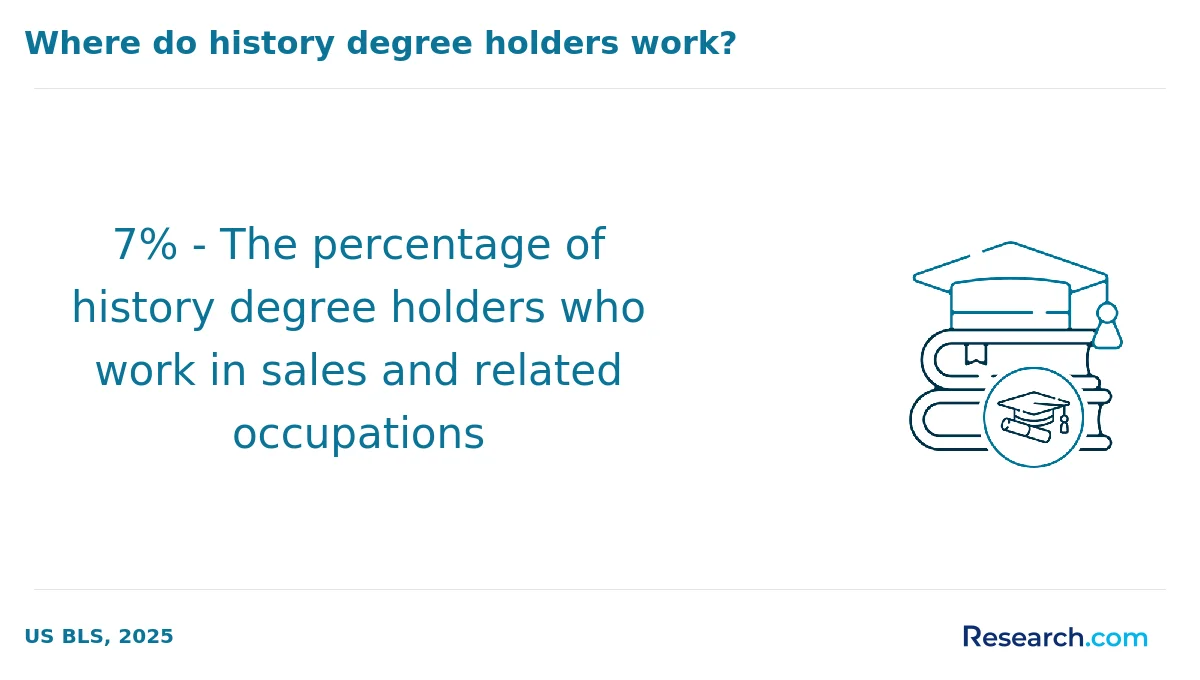
If you're thinking about job opportunities with online history degree Northeast grads often find themselves teaching at local high schools or middle schools, especially in places around Boston or New York, where education is a big deal. Many grads from these well-known schools love sharing stories of past eras with eager students and find it rewarding to shape young minds.
Others dive into museum work-curating exhibits or preserving artifacts. Imagine working near the Metropolitan Museum of Art or the American Museum of Natural History, where graduates use their skills daily to protect history and educate visitors. It's a dream for those who love hands-on history.
Plus, there's public history jobs in state parks or cultural agencies. Graduates enjoy roles where they help preserve historic sites in the Northeast, contributing to their communities while earning a steady paycheck.
And for those who prefer writing or research, media outlets and publishers in cities like Philadelphia offer roles where graduates analyze and tell stories about our past.
Many students from top schools decide to earn a history degree online to stay flexible while pursuing these exciting career paths.
The job market for online history degree graduates in the Northeast is pretty steady and full of unique opportunities. Many graduates from well-known schools like those in New York or Massachusetts find roles in museums, archives, and cultural institutions thanks to the region's rich history and funding. For those curious about online history degree jobs Northeast, it's encouraging that many employers now value digital skills alongside traditional historical knowledge, which is exactly what these programs focus on.
Graduates often share how their flexible online programs allowed them to intern or work with local historical societies or universities, boosting their resumes. And while teaching roles remain popular, the competition can be stiff given the area's dense educational hubs. That's why many grads explore public history or even move into government or nonprofit sectors, where skills like research and communication really shine.
If you're curious about how this plays out salary-wise or want to explore a variety of career paths, check out art history jobs salary for some solid insight on related fields too.
2027 Most Valuable Online Bachelor's in History Degree Programs Ranking in the Northeast
Investing in your education is a significant decision that can shape your future, and the Research.com team recognizes the importance of making informed choices. To guide prospective students interested in history degrees, we have carefully compiled the "2027 Most Valuable Online Bachelor's in History Degree Programs Ranking in the Northeast." Our dedication to quality, credibility, and accuracy is demonstrated through thorough research and analysis to deliver a trustworthy resource.
We utilized the following reputable data sources to ensure a comprehensive evaluation of online history programs:
By exploring this ranking, readers will gain valuable insights into the most valuable online history degree programs in the Northeast, helping them make well-informed decisions about their educational investments. For further information about our comprehensive ranking methodology, please visit our Research.com methodology page.


# 3 position
SUNY Empire State College
Bachelor of Historical Studies
# 4 position
Penn State University Park
Bachelor of History


Frequently Asked Questions About history
Online history degree students in the Northeast can maximize their learning by actively engaging with digital archives and museums available in the region. Institutions like the Massachusetts Historical Society and the New York Public Library offer extensive online resources that complement coursework.
Participating in virtual seminars and webinars hosted by Northeastern universities enhances understanding of regional history and current scholarly debates. According to the National Center for Education Statistics, 39% of students in online history programs use these supplemental resources for better academic outcomes.
Networking with peers and professors through discussion boards and regional history forums helps deepen insight and encourages collaborative learning.
The field of history is expanding with new specialized areas that appeal to students pursuing online history degrees in the Northeast. Public history, focusing on museums, archives, and cultural preservation, is gaining popularity due to increased investment in heritage sites in states like New York and Pennsylvania. Digital history is another emerging niche, where students learn to use technology and data analysis to interpret historical events. Environmental history, which explores the relationship between humans and nature over time, is growing alongside regional concerns such as climate change in coastal Northeast communities.
Urban history is also significant, given the Northeast's dense and diverse city environments like Boston and Philadelphia. This niche examines social, economic, and cultural development over time. According to the American Historical Association, demand for expertise in digital archives and community-based history initiatives has increased by 15% in the last five years, reflecting broader trends in education and employment within the region.
Preparing for the job market after completing an online history degree in the Northeast involves strategic planning and practical skill-building. Graduates should focus on gaining experience through internships, many of which are offered by museums, historical societies, and archives throughout states like New York, Massachusetts, and Pennsylvania.
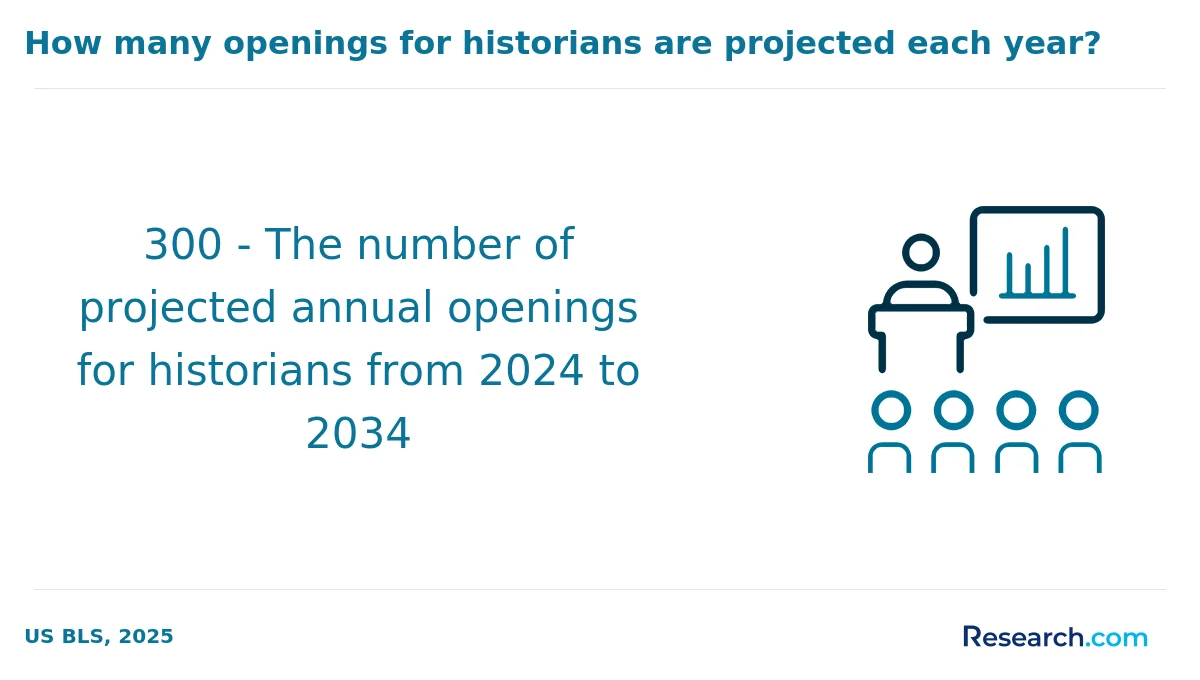
According to the Bureau of Labor Statistics, employment for historians is projected to grow by 5% nationwide from 2021 to 2031, with the Northeast featuring a significant concentration of cultural institutions.
Students should also develop valuable skills such as digital archiving, research methodologies, and public history communication, which are sought after in education, government, and nonprofit sectors.
Networking through professional organizations like the American Historical Association and attending regional conferences can further enhance job prospects in this competitive field.
Employers in the Northeast highly value history degree graduates who demonstrate strong analytical and research skills. These competencies are crucial because many roles require the ability to interpret complex documents and historical data accurately. According to the National Association of Colleges and Employers, over 70% of employers seek candidates who can think critically and communicate their findings clearly.
Effective written and oral communication skills are also essential in the region's competitive job market. History graduates often find opportunities in museums, archives, and education, where storytelling and presentation skills help engage audiences.
Additionally, proficiency in digital tools and databases, such as GIS and online archives, is increasingly important for employers in government and cultural institutions throughout the Northeast.
Finding internships relevant to a history degree in the Northeast involves leveraging local historical institutions, universities, and government archives. Many organizations in this region, like the New-York Historical Society and Massachusetts Historical Society, offer internship programs specifically for history students.
Students should also explore opportunities through university career centers, which often connect online learners with regional placements. The National Archives at New York City and Philadelphia provide hands-on archival experience highly valued in history professions.
According to the American Historical Association, internships can significantly improve employment prospects by providing practical skills and professional networks in this competitive field.
Obtaining an online history degree in the Northeast can significantly enhance career mobility and advancement. Employers in education, public history, and government sectors often value a bachelor's degree in history, especially from reputable regionally accredited institutions.
According to the Bureau of Labor Statistics, Northeast states like New York and Massachusetts have a higher concentration of historical experts working in museums, archives, and academia, where online degrees are increasingly accepted. Graduates with such degrees show competitive entry into roles such as archivists, curators, and educators.
Online history programs also equip students with critical research, writing, and analytical skills, which are transferable across multiple professions. This versatility improves job prospects and potential for upward mobility within the Northeast's diverse labor market.
Studying for a history degree in the Northeast offers unique preparation for interdisciplinary roles by providing access to diverse academic resources and rich regional history. Institutions in states like New York, Massachusetts, and Pennsylvania often emphasize cross-disciplinary courses, blending history with fields such as political science, sociology, and digital humanities. According to the American Historical Association, Northeastern programs frequently incorporate internships and research opportunities with museums and cultural institutions, enhancing practical skills beyond traditional history study.
The region's dense network of universities facilitates collaboration with departments in law, economics, and education, equipping graduates with versatile knowledge applicable to many careers. This approach is instrumental in preparing students for roles in public policy, archival science, and education, where multiple fields intersect.
When choosing between a thesis and a non-thesis online history degree in the Northeast, consider your career goals and learning style. Thesis programs typically require original research and a substantial written project, preparing students for graduate studies or research roles. Non-thesis options usually focus on coursework and may include comprehensive exams, suiting those aiming for teaching or public history careers.
Most Northeast universities offering online history degrees follow these formats, with thesis paths often extending program length by one semester. According to the National Center for Education Statistics, about 40% of history bachelor's programs in the region have thesis options.
Review program details to ensure alignment with your professional plans and academic strengths.
Students based in the Northeast interested in studying history abroad often explore online programs that integrate international history perspectives with regional studies. Many accredited institutions in the region, such as those in New York and Massachusetts, offer online history degrees with courses focusing on global historical contexts, allowing students to virtually engage with foreign archives and primary sources.
Furthermore, partnerships between Northeastern universities and overseas institutions provide study abroad options that complement online coursework. According to the Institute of International Education's 2023 report, approximately 15% of history majors from Northeast schools participated in study abroad programs, highlighting the region's commitment to global historical education.
Online history degrees from the Northeast frequently include faculty expertise in European and Asian history, supporting comprehensive learning for students unable to travel. The flexibility of these programs makes it easier for students to gain a broad international perspective while completing their degree entirely remotely.
Students pursuing online history degrees in the Northeast can find several part-time job opportunities that complement their academic learning. Museums and historical societies, abundant in this region, often offer part-time roles such as docent or archival assistant. For example, the Massachusetts Historical Society frequently hires students for research support positions.
Libraries in the Northeast also provide valuable experience, particularly roles involving cataloging historical documents. Additionally, internships with local government offices or cultural heritage organizations allow students to apply research and analytical skills in real-world settings. According to the U.S. Bureau of Labor Statistics, Northeast states have a higher concentration of museum-related jobs than the national average, enhancing student opportunities.
Such positions not only build relevant skills but also expand professional networks within the history field, benefiting future careers.
Online history students in the Northeast benefit from diverse networking opportunities through regional academic organizations and virtual events. Groups such as the New England Historical Association often host webinars and conferences open to online learners, providing access to leading historians and peer collaboration. Many universities also offer virtual alumni networks, linking current students with graduates working in museums, education, and public history sectors across the region.
Additionally, local historical societies in states like Massachusetts and New York frequently welcome online students to participate in research projects and internships. According to the American Historical Association, engagement in these networks enhances career prospects by connecting students to job markets focused on Northeast historical disciplines.
Alumni networks offer valuable benefits to online history degree students in the Northeast by fostering connections that support academic and career growth. Graduates from programs in this region often remain active in professional organizations, such as the New England Historical Association, which enhances opportunities for networking and mentorship.
These networks provide access to job leads in prestigious local institutions like the Massachusetts Historical Society or New York Public Library. According to the National Center for Education Statistics, over 70% of alumni engage in professional networking post-graduation, helping new students secure internships and research opportunities.
Additionally, alumni connections can assist in navigating regional job markets, often favoring candidates familiar with Northeast historical contexts.
Online history degrees in the Northeast offer many options to tailor coursework to your career goals. Students can often select concentrations like American history, public history, or museum studies to focus on areas relevant to jobs in education, archives, or cultural institutions.
Many accredited schools provide electives that emphasize regional history, providing unique insights into Northeast heritage and industries. For example, certain programs include studies of Colonial America or the Industrial Revolution, reflecting the area's rich past.
Additionally, partnerships with local museums or historical societies allow online learners to gain practical experience through internships or research projects. According to the National Center for Education Statistics, over 30% of Northeastern colleges offer such flexible, career-oriented features in their online history programs.
Online history students in the Northeast often face challenges related to balancing rigorous coursework with personal and professional responsibilities. Many programs expect strong critical reading and writing skills, which can be difficult without in-person support. Access to regional archives and primary sources is limited in virtual settings, impacting research quality. According to the National Center for Education Statistics, about 30% of Northeast online students report difficulties with time management specific to demanding history curricula. Additionally, technology barriers and inconsistent internet access remain concerns, especially for students in rural areas. Peer interaction and networking opportunities can also be more limited in online history programs.
With an online history degree, graduates in the Northeast can pursue several professional certifications to enhance their careers. One common certification is the Certified Archivist credential, issued by the Academy of Certified Archivists. This is valuable for those interested in working with historical documents in museums, libraries, or government agencies. Another option is the Project Management Professional (PMP) certification, which can benefit history graduates working on historical projects or in administrative roles.
Additionally, teaching certifications are available for those aiming to become history educators at the K-12 level. For example, many Northeastern states require passing the Praxis exams for social studies teaching licensure. According to the National Archives, Northeastern states employ thousands of archivists and curators, making these certifications especially relevant regionally.
When applying to an online history program in the Northeast, start by researching schools accredited by the Middle States Commission on Higher Education, which ensures quality education in this region. Highlight your passion for history, especially if you focus on Northeastern U.S. topics, as local relevance can strengthen your application. Admissions committees often value clear writing and critical thinking skills, so tailor your personal statement to demonstrate these.
Include any relevant academic or professional experience related to history or research. According to the National Center for Education Statistics, history enrollments in Northeast online programs have grown by 15% over the past five years, increasing competition. Submit strong letters of recommendation from academic or professional sources who can attest to your readiness for rigorous study in history.
The global perspectives on a history career emphasize versatility and cultural understanding. Graduates with history degrees often pursue roles in education, public policy, and cultural preservation worldwide. In the United States, including the Northeast, over 6,000 bachelor's degrees in history are awarded annually, according to the National Center for Education Statistics. This region benefits from strong academic institutions that emphasize global contexts in their curricula.
Many employers value history graduates for their critical thinking and research skills, applicable in international relations and global nonprofit organizations. Furthermore, the U.S. Bureau of Labor Statistics projects a steady growth in historian jobs, especially in museums and libraries, sectors with increased demand for professionals knowledgeable about diverse cultures and histories.
Understanding global history enhances a candidate's attractiveness in markets that prioritize cross-cultural communication. For Northeast students, leveraging online degrees allows access to diverse perspectives, often incorporating international case studies that are highly regarded by employers worldwide.
Gaining practical experience while studying for an online history degree in the Northeast is feasible through various means. Many institutions partner with local museums, historical societies, and archives, allowing students to participate in virtual internships or remote research projects. For example, the Massachusetts Historical Society and New York Historical Society often provide online volunteer opportunities, which help develop critical research skills.
Additionally, students can join digitization efforts or collaborate on public history initiatives, enhancing their resumes. Engaging with regional academic conferences or webinars also provides networking and hands-on knowledge. According to the National Education Association, 65% of history students in the Northeast reported improved employment prospects after completing practical experiences online.
Choosing the right concentration within an online history degree in the Northeast involves aligning your interests with regional strengths and career goals. Many programs offer focuses like American history, colonial and revolutionary periods, or public history, reflecting the Northeast's rich historical landscape.
Consider concentrations with practical applications, such as archival studies or museum studies, as the region hosts numerous historic sites and cultural institutions. According to the American Historical Association, nearly 40% of history-related jobs in the U.S. are concentrated in the Northeast, emphasizing strong local opportunities.
Research the faculty expertise and course offerings of each program carefully to find a good match. This will support both academic growth and career prospects.
- 5 Challenges of Teaching History in International Classrooms (and How https://millerskills.co.uk/blogs/teaching-overseas/5-challenges-of-teaching-history-in-international-classrooms-and-how-to-overcome-them
- Finding Networking Opportunities as a Student | National Society of High School Scholars https://www.nshss.org/resources/blog/blog-posts/how-to-find-networking-opportunities-as-a-student/
- Jobs for History Majors: 12 Career Paths That Use Your Skills | Extern https://www.extern.com/post/jobs-for-history-majors-career-guide
- The Impact of History Degrees: Opportunities and Trends Among History Degree Jobs https://www.ucumberlands.edu/blog/the-impact-of-history-degrees
- Master's History Application - Sample Letter (EN) https://ai.mystudies.com/blog/mystudies-writing-examples/application-for-master-program-history-20-06-2025.html
- Online Degree vs. Traditional | University of Arkansas Grantham https://www.uagrantham.edu/blog/pros-cons-online-degree-vs-traditional-university/
- History Programs Abroad: Degrees & Opportunities - AEC https://www.aecoverseas.com/history/
- History https://northeast.edu/degrees-and-programs/history
- My Top 3 Recommendations on Networking in the History World | An Historian About Town https://anhistorianabouttown.com/recommendations-on-networking-in-the-history-world/
- History Degree - suitable work experience to showcase to Uni's | Mumsnet https://www.mumsnet.com/talk/_chat/4570522-history-degree-suitable-work-experience-to-showcase-to-unis