2027 Most Valuable Online Bachelor's in History Degree Programs Ranking in the Midwest

Co-Founder and Chief Data Scientist
Choosing the right history degree program can be a daunting task, especially when you want to study online from the Midwest. This article features the 2027 Most Valuable Online Bachelor's in History Degree Programs Ranking in the Midwest, developed by the Research.com team of data scientists to help you make an informed decision.
By exploring this ranking, you'll discover programs that offer strong value, quality education, and flexible learning options. Earning a history degree opens doors to diverse career paths and enriches your understanding of the world, making the journey worthwhile.
Key benefits of getting online history degree in the Midwest
- History degree graduates in the Midwest can expect competitive salaries, with related careers like archivists earning a median annual wage of around $56,000, offering stable financial prospects.
- Graduates from well-known Midwestern universities often find diverse career paths in education, museum curation, and public history, allowing them to apply their skills in engaging and impactful ways.
- Completing a history degree online provides flexibility to balance work and study, as seen at institutions like the University of Illinois Urbana-Champaign, making it easier to earn your degree without sacrificing your current lifestyle.
- 2027 Most Valuable Online Bachelor's in History Degree Programs Ranking in the Midwest
- What can I expect from online history degree in the Midwest?
- Where can I work with online history degree in the Midwest?
What can I expect from online history degree in the Midwest?
The average cost of earning an online history degree in the Midwest typically ranges between $15,000 and $30,000, depending largely on the institution and residency status. Graduates from well-known public universities in states like Illinois or Ohio often reflect on the affordability compared to private counterparts, appreciating how their investment balanced quality instruction with manageable tuition.
Many find reassurance knowing that the cost aligns with the comprehensive education they receive-covering regional history, critical thinking, and research skills that are valued professionally. A graduate from a Midwestern college recalls how the flexible online format paired with reasonable tuition allowed them to work part-time while pursuing coursework focused on the Rust Belt and Native American histories, giving their studies a unique regional relevance.
Choosing an accredited institution is key, as it ensures the curriculum meets national standards while often qualifying for state tuition agreements or financial aid. This practical balance helps students feel confident their education is both worthwhile and accessible, supporting their long-term career goals.
Where can I work with online history degree in the Midwest?
Graduates with an online history degree from Midwestern institutions like the University of Illinois or Michigan State University often find fulfilling roles within education, public history, and government sectors. Many step into secondary school teaching, joining the ranks of thousands of educators shaping minds in public and private schools throughout the region. The degree's alignment with state certification requirements eases this transition.
Others embrace roles in museums or cultural organizations in places such as Chicago or Cleveland, managing collections or creating engaging public programs. These positions allow graduates to connect with their community's heritage in meaningful ways, often recalling alumni proud of their contributions to local historical preservation.
Government agencies also offer rich opportunities-from historical research in state commissions to policy work at National Park Service sites. Meanwhile, some find rewarding careers in the private sector, supporting media companies or market research firms, where analytical and storytelling skills honed during their studies become invaluable.
For many, the journey reflects a blend of passion and practical impact, proving that an online history degree in the Midwest opens doors to diverse, engaging careers fueled by curiosity and dedication.
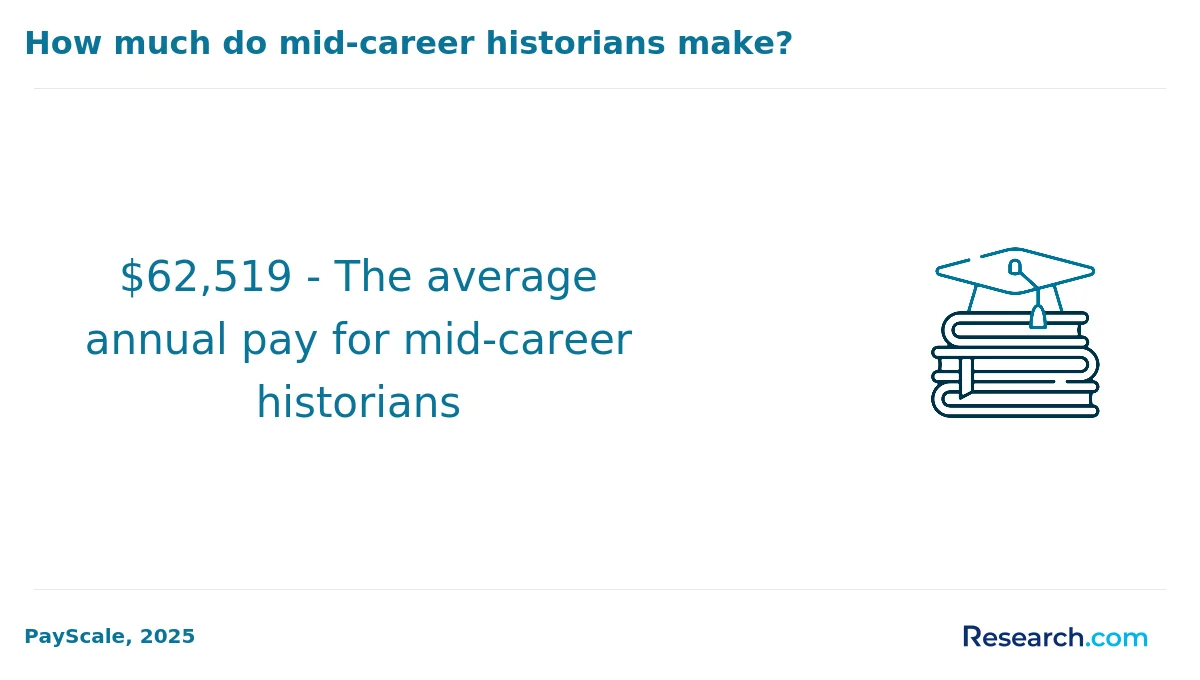
Graduates with an online history degree in the Midwest often find starting salaries generally ranging from the mid-$40,000s to mid-$60,000s, depending on their exact career path and location. For example, those entering K-12 teaching roles in states like Michigan or Wisconsin report median earnings between $50,000 and $65,000. Graduates working in archives or library technician positions in metropolitan areas tend to earn between $40,000 and $55,000 annually.
Midwestern cities with strong cultural institutions and universities, such as Chicago, Ann Arbor, and Madison, provide richer opportunities where public historians and museum specialists can approach or exceed $60,000 as they gain experience. Many graduates from schools like the University of Michigan or Ohio State have observed that pursuing advanced degrees or certifications significantly enhances earning potential, especially for roles in higher education or research, where salaries can surpass $80,000 mid-career.
Your earning potential not only reflects regional wage scales but also the rewarding impact you can have preserving and interpreting history in vibrant communities.
- In-state tuition for online history bachelor's degrees at public universities in the Midwest ranges from $8,000 to $15,000 per year.
- Private institutions in the region generally charge between $20,000 and $30,000 annually for similar programs.
- Average starting salaries for history graduates in the Midwest are around $40,000 to $50,000 per year, rising to $65,000 to $75,000 with experience.
- Job growth for historians and archivists in the Midwest is expected to be between 5% and 8% over the next decade.
- Most online history degree programs require about 120 credit hours, including core courses, electives, and general education credits.
Completing an online history degree in the Midwest typically takes around four years for full-time students, reflecting a pace familiar to many pursuing this path at universities like the University of Illinois or Indiana University. Graduates often share that maintaining a steady course load of about 15 credits per semester creates a manageable rhythm, blending academic rigor with personal commitments.
However, flexibility is a hallmark of many Midwestern programs. Students at institutions such as the University of Minnesota have found that enrolling in summer sessions or accelerated courses can shrink their timeline to three years, fueling a sense of accomplishment and momentum. On the other hand, those balancing part-time study with work or family often extend their journey to six years or more, embracing the pacing that suits their life demands.
Transfer credits from community colleges also serve as a valuable shortcut, allowing many learners to feel a boost in confidence and progress by leveraging past academic efforts. This adaptability within Midwestern online programs nurtures a hopeful atmosphere where each student can shape their own path toward earning a history degree.
The difference between online and on-campus history degrees in the Midwest often comes down to environment and flexibility. Graduates who attended on-campus programs at schools like the University of Illinois Urbana-Champaign recall the rich experience of engaging directly with professors and peers, accessing physical archives, and even participating in local historical site visits. This hands-on interaction helps deepen understanding and fosters a vibrant community feeling that many cherish.
On the other hand, those who pursued online history degrees appreciate the ability to study at their own pace, fitting coursework around personal and professional lives, especially when balancing family or jobs. For Midwest students living far from campus hubs like Ohio State University, this flexibility is invaluable. While missing the campus buzz, they still access quality lectures and digital resources that support their learning journey.
Cost also plays a role. Many find online programs cost-effective, avoiding commuting and housing expenses, which adds comfort and relief. Both paths offer solid history foundations, but your choice will shape your daily experience and connection to the subject in unique, meaningful ways.
When considering the average cost of online history degree Midwest students often find the total expenses to be around $44,520. This reflects a balance where in-state tuition tends to be more affordable-averaging about $34,448-while out-of-state students might face costs close to $43,995. Graduates from popular Midwest universities typically recall managing these expenses by strategically selecting schools with reasonable tuition and ample financial aid.
For many history students, this investment feels worthwhile. One graduate from a well-known public university fondly remembers how spreading coursework over part-time semesters helped ease financial pressure, making the cost manageable without sacrificing the quality of education. The affordability of online programs coupled with the flexibility of study schedules often brings a sense of relief to those juggling work and family commitments, enriching their academic experience.
Midwest affordable online history bachelor's tuition also allows learners to avoid extra costs such as commuting and housing, which significantly reduces overall expenditures. Yet, students remain mindful of additional fees like textbooks and technology, which can add a few thousand dollars yearly. Wise candidates typically explore financial aid packages and grants, enhancing their ability to cover tuition.
Those curious about history degree requirements will find useful guidance at history degree requirements, helping in making informed decisions that align with both career goals and budget constraints.
Many history students in the Midwest find federal financial aid indispensable when pursuing their online degrees. Completing the FAFSA unlocks access to Pell Grants, which can cover a significant portion of tuition costs without the burden of repayment. Graduates from well-known institutions like the University of Wisconsin or Indiana University often recall how Pell Grants and low-interest federal student loans helped them focus on their studies rather than stressing over finances.
State-specific scholarships add another layer of support. For example, those attending Illinois State University frequently benefit from state grants designed to aid in-state learners, while Ohio students often tap into the Choose Ohio First Scholarship, which prioritizes fields including history. These programs reflect a community's commitment to nurturing local talent and make the dream of earning a history degree less daunting.
Institutional scholarships from universities popular in the region frequently recognize both academic merit and the unique needs of adult learners balancing work and study. Additionally, private scholarships are widely available targeting humanities students, and many graduates have successfully used employer tuition reimbursement or veterans benefits like the GI Bill to ease financial strain.
Enrolling in an online history degree program in the Midwest often begins with a few clear prerequisites that reflect both academic preparedness and practical readiness. Graduates from institutions like the University of Illinois or Indiana University frequently recall the importance of having at least a high school diploma and maintaining a solid GPA-usually around 2.5 to 3.0. This academic foundation reassures admissions teams that students can manage rigorous coursework.
Many students appreciate that test-optional policies have eased the stress around SAT or ACT scores, making the process feel more personalized. Submitting a thoughtful personal statement often becomes a moment to express genuine passion for history and future goals, creating a connection beyond numbers and grades. Experience shows that even if letters of recommendation aren't mandatory, they can still add warmth to an application.
Technological confidence plays a surprisingly big role. Online learners at schools like Michigan State share how mastering platforms like Canvas early on smooths their journey. Prerequisite courses in general education build important skills, reinforcing the value of a well-rounded start to studying history.
Online history degree programs in the Midwest commonly include a blend of foundational and specialized courses that offer both depth and breadth. Graduates from prominent institutions in Illinois and Ohio often describe how courses like Introduction to Historical Methods and Research sharpened their ability to critically analyze historical documents, an essential skill that proved invaluable during their capstone projects.
Typical coursework spans the rich tapestry of American history, from colonial times through the Civil War and into the 20th century. Many students find the American History Survey particularly engaging, as it connects them deeply with their regional roots and national identity.
- World History classes broaden perspectives by exploring civilizations across continents, helping students appreciate global interconnectedness - a highlight often noted by those attending online programs at Midwestern universities known for their diverse faculties.
- Historiography invites reflection on how historical narratives evolve, challenging students to question sources critically, a process praised by graduates who value intellectual growth.
- Specialized electives such as Midwest history or studies on immigration and industrialization help personalize learning, grounding abstract concepts in the lived experiences of communities near universities like those in Michigan.
This curriculum structure provides online students with flexibility while still connecting them to the vibrant history of the Midwest, empowering them to engage deeply with both regional and global histories through a thoughtful, well-rounded approach.
Among the varied online history degree specializations Midwest programs offer, students often find a rich selection grounded in both regional and broad themes. Graduates from popular institutions like the University of Illinois and Ohio State University frequently recall how specializing in American History with a focus on the Midwest's role in national development provided a profound connection to their own communities and family histories. Other common paths include World History, which appeals to those curious about global interconnections, and Public History, ideal for students passionate about working in museums or archival settings.
Midwest online bachelor's in history concentrations also often feature Military History, reflecting local contributions to major conflicts, and Social and Cultural History, which explores the lives of everyday people and social movements. Graduates appreciate how these specializations illuminate real-life scenarios, enhancing their ability to engage meaningfully in history-related careers. Those seeking advice on aligning their interests with career opportunities might explore resources such as history degree careers for further guidance.
Choosing the best online history degree in the Midwest requires attention to accreditation and program reputation. Graduates often reflect on their satisfaction with programs from colleges known for strong regional ties, ensuring credits are widely accepted and respected throughout the Midwest. Accreditation by bodies like the Higher Learning Commission provides confidence in academic quality and transferability.
Affordability plays a key role, especially when seeking an affordable online history bachelor's Midwest. Many students find that comparing the total cost-including tuition, fees, and materials-at popular schools leads to better financial planning. Graduates appreciate institutions that balance quality with reasonable expenses, making their journey feel rewarding and manageable.
Experienced students highlight the importance of faculty expertise and varied coursework that cover American and global histories, alongside accessible student support services. These factors shape a fulfilling study experience and prepare learners for meaningful careers. For those curious about career paths, exploring the highest paying jobs for history majors can shed light on opportunities after graduation.
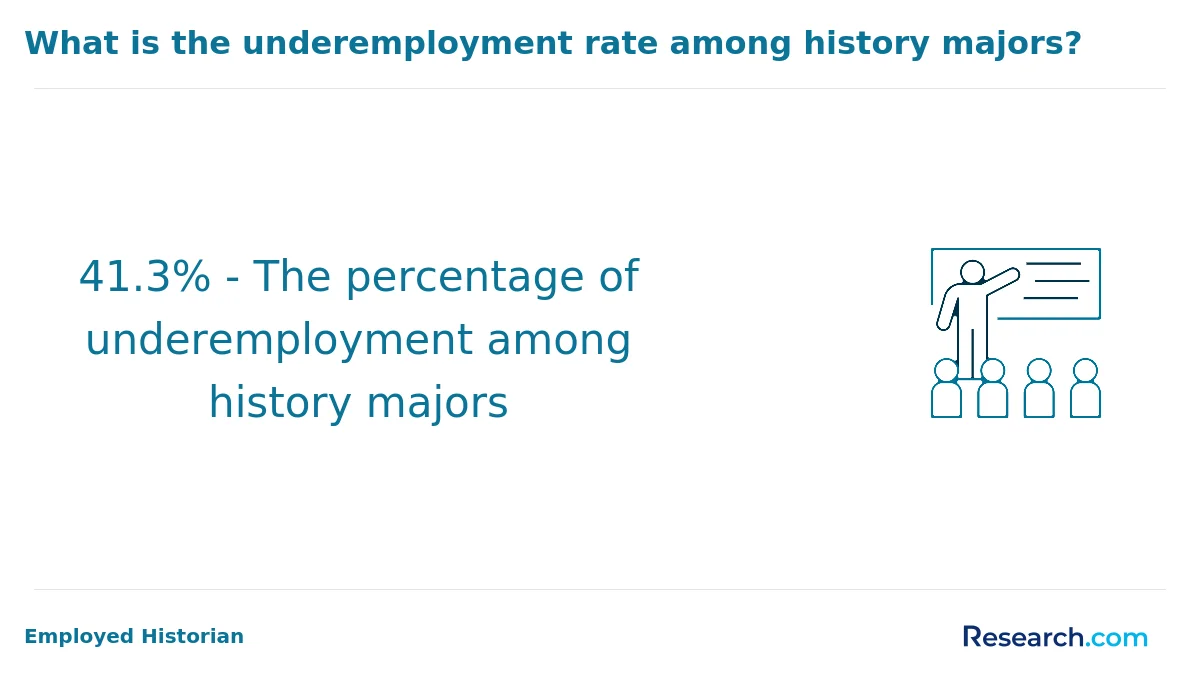
Graduates who earn an online history degree in the Midwest discover diverse career paths rooted in the region's rich historical landscape. Many alumni from universities such as the University of Illinois Urbana-Champaign or Ohio State University find fulfillment in secondary education and teaching roles, where they inspire new generations with stories from the past. These positions offer both stability and the joy of shaping young minds, often with salaries between $55,000 and $65,000.
Others are drawn to museum and historical preservation roles, working as curators or archivists in institutions across Michigan and Illinois. The satisfaction of safeguarding cultural heritage brings a deep sense of purpose, matched by professional opportunities with average earnings of $45,000 to $55,000. Experience gained here often complements work in government research and policy positions, where history graduates contribute to preserving and interpreting public records.
Beyond traditional roles, graduates leverage their skills in law, journalism, and business sectors. Strong research and communication abilities develop through a history degree, especially one pursued online, provide a solid foundation for careers in these fields. Choosing an history degree online in the Midwest not only opens these doors but often comes with affordable tuition, enriching both career prospects and educational experience.
The job market for graduates with an online history degree in the Midwest is shaped by a mixture of opportunity and competition. Graduates from institutions like the University of Illinois or Ohio State University often find themselves drawn to roles in education, museums, and government agencies, where their ability to research and interpret local history adds real value. Many alumni recall gaining rewarding internships at cultural institutions or working part-time in local archives, experiences that proved essential for building their careers.
Those pursuing online history degree jobs Midwest have noted that supplementing their studies with skills in digital archives or education licensing helps distinguish them. A graduate from a public university shared how leveraging hands-on volunteer work in Michigan's historical societies opened doors beyond traditional academic roles. Moreover, online learners appreciate the flexibility that allows balancing studies with part-time positions in libraries or research centers.
Networking remains key in this field, especially in rich historical regions in Illinois and Ohio. Graduates benefit from connecting with local experts and organizations to access niche jobs. For those exploring career paths, resources like art history major jobs salary offer valuable insights on potential salaries and roles, highlighting viable pathways beyond teaching.
2027 Most Valuable Online Bachelor's in History Degree Programs Ranking in the Midwest
Investing in your education is a significant decision that can shape your future, and the Research.com team understands the importance of making informed choices. To assist prospective students in the Midwest, we have meticulously crafted the "2027 Most Valuable Online Bachelor's in History Degree Programs Ranking in the Midwest." Our commitment to quality, credibility, and accuracy is reflected in the extensive research and analysis conducted to compile this ranking.
We utilized the following reputable data sources to ensure a comprehensive evaluation of history degree programs:
By exploring this ranking, readers will gain valuable insights into the most valuable online history programs in the Midwest, enabling them to make well-informed decisions about their educational paths. For more details on our methodology, please visit our Research.com methodology page.




Frequently Asked Questions About history
Online history degree students in the Midwest can maximize their learning by actively engaging with digital archives such as those hosted by the Library of Congress and regional historical societies. These resources provide access to primary documents essential for deep study. Supplementing coursework with virtual lectures and webinars from institutions like the American Historical Association enhances understanding and context.
Students should also join online discussion groups or regional history forums to foster connections with peers and professionals, which research shows boosts retention and critical thinking. Utilizing university advising services for research guidance ensures alignment with academic standards in the U.S. higher education system.
Finally, scheduling regular study times and setting clear academic goals supports discipline, vital for success in largely self-paced Midwest online history programs.
Emerging niches within the history field reflect the growing demand for specialized knowledge in both academia and the public sector. In the Midwest, digital history stands out, combining traditional research with technology to preserve and interpret historical data. According to the American Historical Association, nearly 35% of history programs now emphasize digital skills.
Another expanding area is environmental history, addressing regional issues like the Great Lakes' ecology and agricultural development. This focus attracts students interested in the intersection of nature and human activity. Additionally, public history continues to grow, with many graduates working in museums, archives, and cultural institutions. The Midwest, with its rich industrial past, offers fertile ground for these applications.
After completing an online history degree in the Midwest, preparing for the job market involves several key steps. First, gaining practical experience through internships or volunteering in museums, archives, or historical societies can significantly boost employability. The Midwest hosts numerous cultural institutions such as the Illinois State Museum and the Indiana Historical Society, offering valuable opportunities.
Networking is essential; joining professional groups like the American Historical Association or regional chapters helps connect with potential employers. Additionally, developing skills in digital humanities and public history enhances job prospects, as many employers seek expertise in these areas.
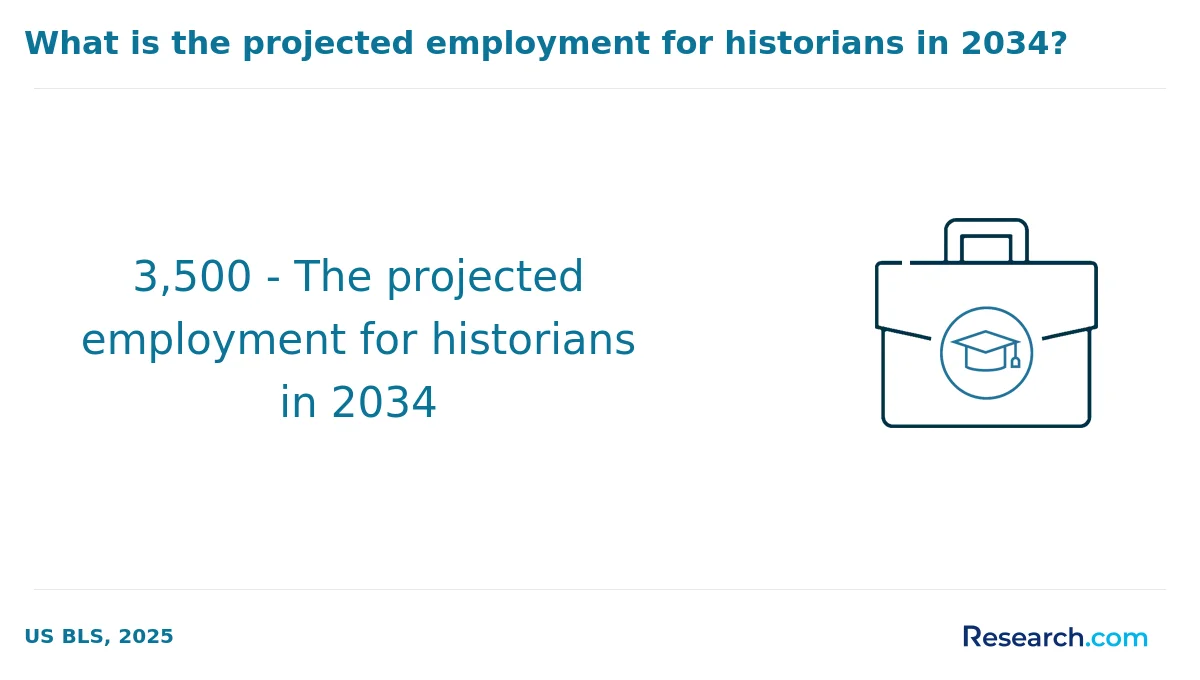
According to the Bureau of Labor Statistics, employment for historians in the US is projected to grow 6% from 2021 to 2031, with many roles located in education, research, or government sectors within the Midwest. Enhancing communication and research skills remains crucial for success in this field.
Employers in the Midwest highly value history degree graduates for their strong research and analytical skills. History programs in this region emphasize critical thinking through evaluating primary sources and constructing evidence-based arguments. According to data from the National Association of Colleges and Employers (NACE), 78% of employers seek candidates with these abilities.
Moreover, communication skills-both written and verbal-are essential. Midwest employers often require clear presentation of complex historical data to diverse audiences. Attention to detail and proficiency in digital archives or historical databases also rank among top skills, reflecting growing demand for tech-savvy historians.
Finding internships in the Midwest relevant to a history degree involves targeting institutions that value historical research and preservation. Start by exploring partnerships with local museums, historical societies, and archives; many Midwestern cities, like Chicago and St. Louis, have rich cultural resources offering internships. According to the National Council on Public History, such placements provide hands-on experience essential for careers in history.
Next, inquire with your university's career services and history department about internship listings and alumni networks. Many online programs maintain connections to regional organizations. Internships with government agencies, like state historical commissions in Illinois or Ohio, also offer practical opportunities.
Finally, use online job boards specializing in history and nonprofit roles, such as the American Historical Association's Career Center, to find up-to-date openings specifically in the Midwest.
Obtaining an online history degree in the Midwest can significantly enhance career mobility and advancement. Many employers value the critical thinking, research, and communication skills developed through history programs. According to the National Center for Education Statistics, Midwest graduates with bachelor's degrees experience a steady employment growth, particularly in education, public administration, and cultural institutions.
Online programs offer flexibility, enabling students to balance work and study, which supports continuous professional development. Additionally, the regional job market, including states like Illinois and Ohio, often shows demand for historians, archivists, and museum specialists.
Therefore, an online history degree from an accredited Midwestern institution can open doors to new sectors and leadership roles.
Studying for a history degree online in the Midwest offers students a strong foundation for interdisciplinary roles by emphasizing critical thinking, research skills, and cultural understanding. Midwestern universities often integrate history curricula with fields like political science, sociology, and education, reflecting the region's diverse economic and cultural landscape.
This interdisciplinary approach prepares graduates for careers in public policy, museum curation, and archival management-sectors growing steadily in the Midwest. According to the National Center for Education Statistics, Midwestern institutions awarded over 3,500 history bachelor's degrees in 2022, many offering courses focused on regional history and cross-disciplinary methods.
Additionally, the emphasis on digital archives and geographic information systems (GIS) within many programs equips students with technical expertise relevant across disciplines, aligning with workforce demands in libraries and government agencies.
Choosing between a thesis and a non-thesis online history degree in the Midwest depends on your academic and career goals. Thesis programs typically require original research and a substantial written project, preparing students for graduate school or research-intensive roles. Non-thesis options focus more on coursework and practical skills, often appealing to those aiming for teaching, public history, or administrative jobs.
Midwestern institutions, like those in Indiana and Illinois, often align thesis programs with a research emphasis, reflecting regional academic traditions reported by the National Center for Education Statistics.
Consider your learning style and post-graduation plans to decide which path fits best.
Students in the Midwest pursuing online history degrees often seek international study opportunities to enhance their education. Many regional universities with history programs participate in study abroad partnerships, enabling online learners to travel and study in Europe, Latin America, or Asia during summer or semester breaks. According to the Institute of International Education, nearly 8% of U.S. study abroad students in 2022 were from Midwestern states. Schools like the University of Illinois and Ohio State offer flexible programs combining online coursework with short-term overseas experiences. These options help students gain global perspectives while completing their online degrees.
Part-time job opportunities in the Midwest that complement an online history degree are diverse and practical. Many students find roles as museum assistants or archivists, positions often available at regional institutions like the Illinois State Museum or the Indiana Historical Society. These jobs offer hands-on experience with historical artifacts and documents, enhancing academic learning with real-world skills.
Additionally, history students can pursue jobs in local libraries or historical societies, where research and cataloging play key roles. According to the U.S. Bureau of Labor Statistics (2023), archivist and museum technician roles in the Midwest are expected to grow by 8% over the next decade, reflecting rising demand for heritage professionals.
Some students also benefit from part-time roles in education, such as tutoring or assistant teaching, which develop communication skills essential for historians. These jobs often accommodate flexible schedules, fitting well with online study demands.
Online history students in the Midwest benefit from numerous networking opportunities despite studying remotely. Many regional universities host virtual events, webinars, and workshops that connect students with faculty, alumni, and professionals in history-related fields.
The Midwest Historical Association offers memberships that provide access to conferences and networking sessions, fostering connections among historians across states like Illinois, Indiana, and Ohio. According to the National Center for Education Statistics, over 60% of Midwest online history students engage in such professional groups.
Additionally, local historical societies and museums often collaborate with universities, providing internships and volunteer opportunities, which help students build valuable contacts.
Alumni networks offer significant benefits to students pursuing online history degrees in the Midwest. These networks provide valuable opportunities for mentorship, connecting current students with graduates who have experience in history-related fields like education, museums, and archival work.
Midwestern universities often have large, active alumni communities that organize events, job boards, and networking sessions tailored specifically for history graduates.
According to the National Association of Colleges and Employers, 82% of jobs are filled through networking, highlighting the importance of these connections for online students who might lack on-campus access.
Access to alumni networks increases students' chances of internships and employment in regional historical institutions, enhancing career prospects.
Customizing an online history degree in the Midwest to match your career goals begins with selecting programs offering diverse concentrations. Many Midwestern schools provide specializations such as public history, museum studies, or American history, allowing students to focus on areas directly related to careers in education, archiving, or research.
Additionally, look for schools that offer flexible electives or independent study options. This flexibility lets you tailor your coursework to develop skills valuable to your intended profession. For example, courses in digital humanities or archival management enhance job readiness in growing fields.
The Midwest also hosts institutions accredited by the Higher Learning Commission, ensuring quality education recognized by employers nationwide.
Many universities encourage internships or partnerships with local museums and historical societies, enriching practical experience alongside academic study.
Online history students in the Midwest face several notable challenges that can impact their educational experience. One key difficulty is limited access to region-specific archival materials, which are often housed in local libraries and museums crucial for in-depth research. While digital resources have expanded, not all primary sources are digitized, making it harder to conduct comprehensive studies online.
Connectivity issues are another common problem, especially in rural Midwestern areas where reliable high-speed internet remains inconsistent. The National Digital Inclusion Alliance highlights that approximately 25% of rural Midwestern residents lack broadband access, affecting students' ability to participate in synchronous classes.
Additionally, students often struggle with fewer opportunities for networking and mentorship compared to traditional programs. Given history's reliance on faculty interaction for guidance in research methodology, this can hinder academic growth.
With an online history degree from a Midwestern institution, graduates can pursue several professional certifications to enhance their career prospects. One popular pathway is becoming a Certified Archivist, which requires passing an exam administered by the Academy of Certified Archivists. This credential validates expertise in preserving and managing historical documents.
Another option is the Certified Museum Professional credential offered by the American Alliance of Museums, which suits those seeking roles in museum curation or education. Additionally, history graduates interested in teaching can obtain state-specific teaching certifications. For instance, Illinois and Ohio require passing a content-area test for history educators.
Professional certification can significantly improve job opportunities in public history, education, and cultural resource management fields across the Midwest.
To write a winning application for an online history program in the Midwest, start by carefully researching each school's specific requirements and faculty interests. Tailor your statement of purpose to highlight your passion for Midwestern history, which many programs emphasize due to the region's rich historical significance. Include relevant academic achievements and any experience with historical research or writing.
Strong letters of recommendation from professors or professionals familiar with your academic abilities can significantly enhance your application. Highlight skills in critical thinking and analysis, important traits for history students. According to the National Center for Education Statistics, Midwestern universities often prioritize applicants showing clear motivation and relevant experience.
Be sure to submit all required materials before deadlines and proofread carefully to avoid errors. Ultimately, a focused and well-organized application will demonstrate your readiness for advanced history studies online.
History careers offer diverse global perspectives, shaped by the increasing importance of cross-cultural understanding. In the United States, especially the Midwest, history graduates often engage with international relations, education, and cultural preservation sectors. According to the American Historical Association, nearly 30% of history majors find positions related to global studies or international organizations.
Midwestern institutions emphasize global awareness through online history programs, preparing students for roles that require knowledge of worldwide events and trends. Graduates commonly pursue careers in diplomacy, global nonprofit work, or international archives management, reflecting a growing demand for historians who understand varied cultural contexts.
The Bureau of Labor Statistics notes a steady rise in demand for historians fluent in global perspectives, with a projected 3% growth in related roles nationwide through 2031, including the Midwest. This indicates expanding opportunities beyond traditional teaching roles.
Gaining practical experience while studying for an online history degree in the Midwest is achievable through several key opportunities. Many universities partner with local museums, archives, and historic sites to offer internships, even virtually. For example, institutions often collaborate with places like the Chicago History Museum or the Indiana Historical Society, providing students real-world project experience.
Students can also engage in research assistant positions with faculty members, contributing to ongoing academic studies. Volunteering for regional historical societies or digital history projects further enhances skills and resumes.
Additionally, virtual conferences and webinars offered by Midwest history associations help students connect with professionals in the field, broadening practical knowledge.
Choosing the right concentration within an online history degree in the Midwest involves assessing your interests and career goals. Common concentrations include American history, European history, and public history. Midwest universities often emphasize regional history due to the area's rich cultural heritage, including Native American studies and industrial history.
Look for programs accredited by the Higher Learning Commission, ensuring academic quality. Consider how concentrations align with job markets; public history roles in museums and archives are growing by 5% annually, according to the U.S. Bureau of Labor Statistics.
Research faculty expertise and available internship opportunities, which can enhance practical experience especially important in history-related careers.
- How a Strong Alumni Network Can Benefit Students https://www.pacificu.edu/blog/how-strong-alumni-network-can-benefit-students
- Bachelor of Arts in History https://www.wiu.edu/cas/history/undergraduate_history.php
- Undergraduate Certificate in History | Thomas Edison State University https://www.tesu.edu/degrees-programs/certificates/undergraduate-history.php
- History (B.A.) https://king.edu/programs/humanities/history/
- Financial Aid and Scholarships for Non-Traditional Students - Midwest Technical Institute https://www.midwesttech.edu/resources/careers/financial-aid-and-scholarships-for-non-traditional-students/
- THE list of internships for history majors https://employedhistorian.com/history-major/internships-for-history-majors/
- FAFSA Approved Medical Programs | Midwest Institute MO https://www.midwestinstitute.edu/financial-aid/
- Top Niche Historical Topics for Deep-Dive High School Projects https://riseglobaleducation.com/blogs/top-niche-historical-topics-for-deep-dive-high-school-projects
- Finding Networking Opportunities as a Student | National Society of High School Scholars https://www.nshss.org/resources/blog/blog-posts/how-to-find-networking-opportunities-as-a-student/
- How to Become a History Researcher: Steps and Career Outlook https://online.norwich.edu/online/about/resource-library/how-become-history-researcher-steps-and-career-outlook