2027 Most Valuable Online History Degree Programs Ranking in Alabama

Co-Founder and Chief Data Scientist
If you're considering pursuing a history degree in Alabama, this article is here to guide you. It features the 2027 Most Valuable Online History Degree Programs Ranking in Alabama, developed by the Research.com team of data scientists. This ranking helps you understand which programs offer the best opportunities and value.
Exploring history opens doors to critical thinking and a deeper appreciation of the world. By reading this, you'll feel confident in choosing a program that supports your goals and passion for learning.
Key benefits of getting online history degree in Alabama
- History degree graduates in Alabama can pursue careers such as archivists and curators, with median annual wages around $56,000 to $60,000 nationwide, offering a rewarding career with stable earning potential.
- Graduates from universities like the University of Alabama can explore diverse fields including education, research, and public history, creating meaningful impacts through preserving culture and educating others.
- Completing a history degree online through institutions such as Auburn University Online provides flexibility to balance work and study while accessing quality education, making it easier to achieve your goals without relocating or giving up your job.
- 2027 Most Valuable Online History Degree Programs Ranking in Alabama
- What can I expect from online history degree in Alabama?
- Where can I work with online history degree in Alabama?
What can I expect from online history degree in Alabama?
Online history degree programs in Alabama typically cost between $8,000 and $12,000 for in-state students, reflecting the affordability emphasized by local institutions like the University of Alabama and Troy University. Graduates often express satisfaction with the cost-to-value ratio, noting that tuition fees are considerably lower compared to on-campus alternatives, enabling them to balance education with work or family commitments.
Many students appreciate that the programs generally require 120 credit hours, which fits well into standard full-time study schedules spread over four years. For example, graduates from the University of Alabama highlight how tuition savings allowed them to invest in research projects using resources such as the Alabama Department of Archives and History.
The affordability combined with access to expert faculty and digital archives strengthens the learning experience. This cost-effective approach aligns with statewide trends reported by the Alabama Commission on Higher Education, supporting steady enrollment growth and student satisfaction in historical studies conducted online.
Where can I work with online history degree in Alabama?
Graduates with an online history degree from popular Alabama institutions like the University of Alabama or Auburn University often find rewarding careers within the state. Many secure roles as history teachers or social studies instructors in K-12 public and private schools, addressing the state's ongoing demand for qualified educators driven by Alabama's focus on enhancing education standards.
Others pursue employment in museums and cultural institutions located in cities such as Birmingham and Montgomery. Working at places like the Birmingham Civil Rights Institute or Alabama Department of Archives and History enables graduates to engage directly with preserving Alabama's rich historical heritage, a fulfilling path for those passionate about public history.
Additionally, history grads enter government roles as analysts or policy advisors, leveraging their deep understanding of local and civil rights history to influence public programs. Some find success in library science or archival management, supported by networks like the Alabama Library Association, which often highlights job openings suited to their skills.
Many also thrive in publishing, journalism, or historical consultancy, turning their research and writing skills into impactful careers that contribute to Alabama's cultural preservation.
Graduates holding an online history degree in Alabama typically see salaries reflecting the regional demand and institutional funding. Postsecondary educators in history earn about $60,000 annually on average in Alabama, which is slightly below the national average but offers a stable income path for degree holders. Those who teach at community colleges or universities across Alabama often progress to higher salaries with increased experience and advanced degrees.
Secondary school history teachers earn between $45,000 and $52,000 annually, a range that many Alabama graduates from institutions like the University of Alabama or Auburn University can relate to as they start their teaching careers. Public historians working as museum curators or archivists usually earn between $40,000 and $55,000, with some rising figures based on institutional size and experience.
Graduates who combine their history knowledge with skills in digital archiving or education technology frequently find enhanced opportunities and better salary prospects in Alabama's evolving job market. The path remains promising for history students aiming for engaging careers in education, research, and cultural preservation within the state.
- Tuition for in-state students pursuing an online history bachelor's degree in Alabama ranges from $8,000 to $12,000 per year.
- Public universities such as the University of Alabama at Birmingham and Alabama State University offer more affordable tuition compared to private schools.
- Starting salaries for history graduates in Alabama typically range from $38,000 to $42,000 annually, increasing to $55,000 to $65,000 with experience or advanced degrees.
- Online history degree programs are often accredited, ensuring transferability of credits and meeting academic standards.
- Many programs focus on American and Southern history but also include courses on global history and offer access to online libraries and digital archives.
Completing an online history degree in Alabama typically requires about four years of full-time study for undergraduate students, similar to the experience at universities like the University of Alabama and Auburn University. Many graduates appreciate the program's flexibility, enabling them to balance courses with work or family commitments. Part-time students at institutions such as the University of South Alabama often extend their studies beyond four years, fitting education around personal schedules.
Undergraduate degrees generally need 120 to 130 credit hours, usually completed over eight semesters if attended full-time. Some Alabama colleges offer accelerated options or accept transfer credits, which have helped graduates finish sooner, saving time and tuition costs.
For master's degrees in history, prevalent at schools like Troy University, the typical full-time online program lasts one to two years. These programs often feature evening or asynchronous classes, which former students say ease managing jobs and study.
In Alabama, the principal difference between online and on-campus history degree programs lies in delivery and experience rather than content. Online learners at institutions such as the University of Alabama often appreciate the flexibility to study around work or family obligations, accessing lectures remotely without commuting. This model suits those balancing busy lives while earning a degree recognized equally by employers.
Conversely, on-campus programs at schools like Auburn University foster dynamic interaction with professors and peers through live discussions and campus activities. Graduates recall how direct feedback and access to libraries enriched their understanding and provided networking opportunities crucial to careers in education or archival work.
Tuition averages around $10,000 annually for in-state students at public universities, with private schools charging more. Online students may save on housing or travel costs, though tuition rates generally remain similar. Still, the immersive social environment and internships available on campus often enhance graduate prospects.
- Online history degrees offer vital scheduling flexibility for working or family-focused students.
- On-campus programs provide hands-on learning and immediate academic support.
- Cost differences primarily come from living expenses, not tuition.
- In-person networking boosts opportunities in history-related professions.
- Accreditation ensures equal career recognition for both formats.
The average cost of an online history degree in Alabama varies depending on residency status and institution type. Data show the median total tuition and fees for an Alabama history degree is about $36,000 for in-state students enrolled in public universities, which tend to offer the most affordable rates. Out-of-state students, or those attending private institutions popular for their history programs, often face a significantly higher median total cost of approximately $68,352. This discrepancy aligns with the typical per-credit tuition structure, where in-state students pay between $300 and $400 per credit hour at public universities, while out-of-state and private tuition rates can exceed $600 to $1,000 per credit hour.
Graduates from well-known Alabama colleges note the value of these programs because of the practical, flexible learning environments combined with competitive pricing. Since history degrees often require around 120 credit hours, the total financial investment remains an important consideration for many prospective students. This clear understanding of the average cost of online history degree Alabama programs allows students to budget effectively for their degrees, balancing affordability with quality education.
Additional expenses like technology fees or course materials may slightly impact the total, but many institutions actively work to maintain competitive pricing. Students are encouraged to explore financial aid options and scholarships to offset costs. For those curious about career outcomes, researching history degree jobs can provide insight into the return on investment for these programs.
Students pursuing an online history degree in Alabama benefit from multiple financial aid options that significantly reduce education costs. For instance, graduates from the University of Alabama at Birmingham often leverage federal aid through the FAFSA, unlocking Pell Grants of up to $7,395 for the 2023-2024 academic year-grants that require no repayment and provide critical support for many low-income learners.
State-specific programs like the Alabama Student Assistance Program (ASAP) further aid residents attending institutions such as Auburn University. These grants adapt to the financial circumstances of students, enabling them to focus on studies rather than tuition stress. Additionally, private college attendees take advantage of the Alabama Tuition Grant (ATG) to offset costs.
Institutional scholarships at schools across Alabama reward academic excellence and leadership, providing hopeful history majors with valuable supplementary funding. When grants and scholarships fall short, federal Direct Subsidized and Unsubsidized Loans offer manageable repayment plans, a relief noted by graduates balancing work and study commitments.
Employer tuition assistance programs also offer flexible options for part-time students enrolled at colleges like Troy University, helping ease financial burdens during degree completion.
To enroll in an online history degree in Alabama, prospective students must have a high school diploma or equivalent, such as a GED. Universities like the University of Alabama and Auburn University emphasize completion of core academic subjects-English, mathematics, social studies, and science-during high school to ensure a solid academic foundation. Graduates often recall that maintaining a strong GPA and submitting a well-crafted personal statement helped them stand out during admissions, especially since many programs are test-optional, reducing emphasis on standardized tests like the SAT or ACT.
Some history programs in Alabama recommend prior coursework in history or humanities, reinforcing essential skills in critical thinking and historical analysis. Students pursuing bachelor's degrees online are often required to demonstrate proficiency in reading and writing, which aligns with the extensive research and essay-based assignments common at schools such as Troy University.
For master's programs, applicants usually need a related bachelor's degree, with additional requirements like GRE scores and writing samples. This thorough vetting aligns with positive graduate experiences, where students feel better prepared for rigorous academic research within Alabama's supportive online learning environments.
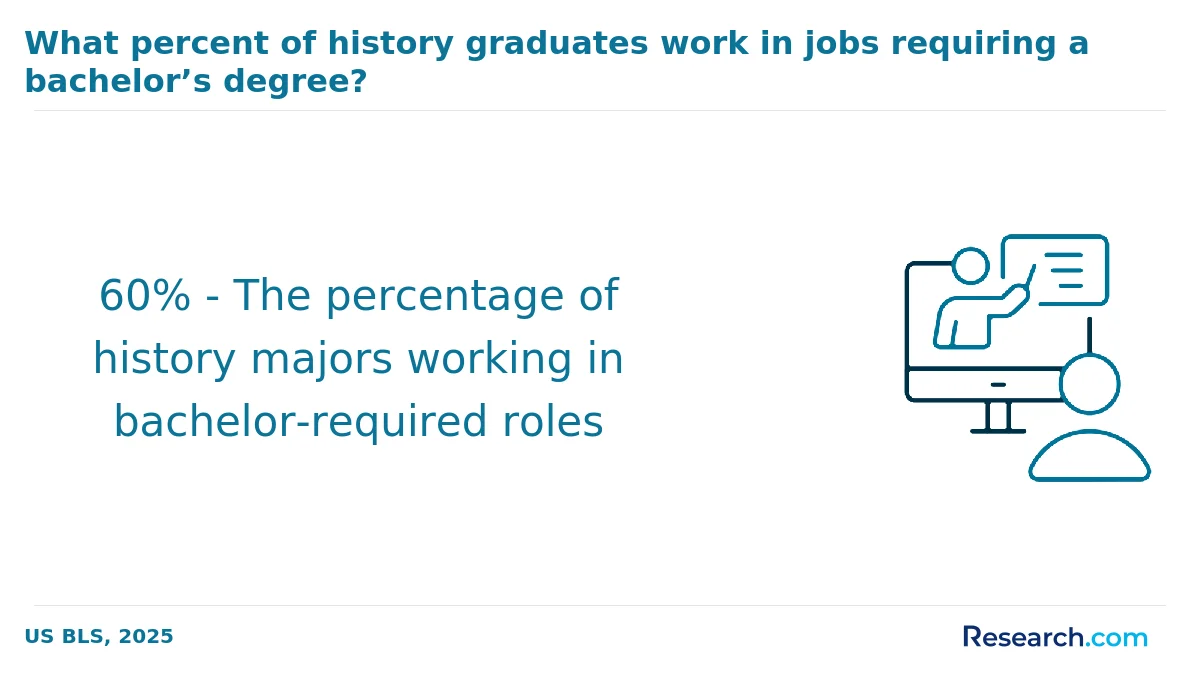
Online history degree programs in Alabama typically include foundational courses such as Introduction to American History, which covers major events from colonial times to today, and World History, emphasizing global developments. Students at institutions like the University of Alabama or Auburn University often praise the Historical Methods and Research classes for sharpening their academic research and writing skills, essential for success in both graduate studies and professional roles.
Additional courses reflect Alabama's unique historical context. Graduates frequently highlight the value of Southern History and Civil Rights Movement classes, which provide a deep understanding of regional culture and social justice struggles, making their learning experience more meaningful and personally relevant.
Electives allow students to customize their programs, with options such as Native American history or history of science. Many also benefit from a capstone project, which helps integrate their accumulated knowledge through real research, a process alumni describe as both challenging and rewarding.
Students pursuing online history degree specializations in Alabama typically encounter a diverse selection of focused areas that align with both regional and broader historical interests. Popular concentrations include American History, emphasizing the South and Alabama's unique socio-political context; World History, which covers global civilizations and interactions; Public History, preparing graduates for roles in museums and archives; Military History, highlighting warfare's influence on society; and Historical Research and Methodology, which develops critical skills for archival work and academic careers.
Graduates from universities like the University of Alabama and Alabama State University often share positive experiences balancing specialized coursework with practical applications related to Southern history and civil rights. These programs combine rigorous study with meaningful insights into local heritage, making their education both engaging and relevant. Alabama's online history degree concentration options also sometimes intersect with political science and African American studies, enriching the learning experience.
For prospective students seeking a comprehensive overview of available programs, exploring the details of a degree in history can provide valuable guidance in selecting a specialization that fits career goals and personal interests.
Choosing the best online history degree in Alabama requires examining multiple factors that directly impact student success. Accreditation is critical; programs from regionally accredited institutions like the University of Alabama or University of Alabama at Birmingham ensure your credits transfer smoothly and that your degree holds weight with employers. Graduates often share how flexible, asynchronous course formats allow them to balance work and study effectively, a key advantage for many online learners.
Cost is another major consideration. Public Alabama universities typically charge around $10,670 annually for in-state students, with some online programs waiving out-of-state fees, making affordable online history degrees Alabama residents appreciate. Students value programs that combine reasonable tuition with robust support services, including career advising and library access, which boost confidence and academic engagement.
Finally, reputation matters. Alumni from Alabama's top history departments frequently highlight faculty expertise and career resources that helped them secure high paying history jobs. Evaluating graduation rates and program outcomes can guide you to a program that suits your goals both academically and professionally.
Graduates who pursue an online history degree in Alabama often find diverse career paths in education, public history, and government sectors. Many become K-12 teachers or college instructors, supported by Alabama's projected 3.7% growth in high school teaching jobs through 2030 and relatively low teacher shortages. Graduates from universities like the University of Alabama or Auburn University report fulfilling experiences shaping young learners while leveraging their history expertise.
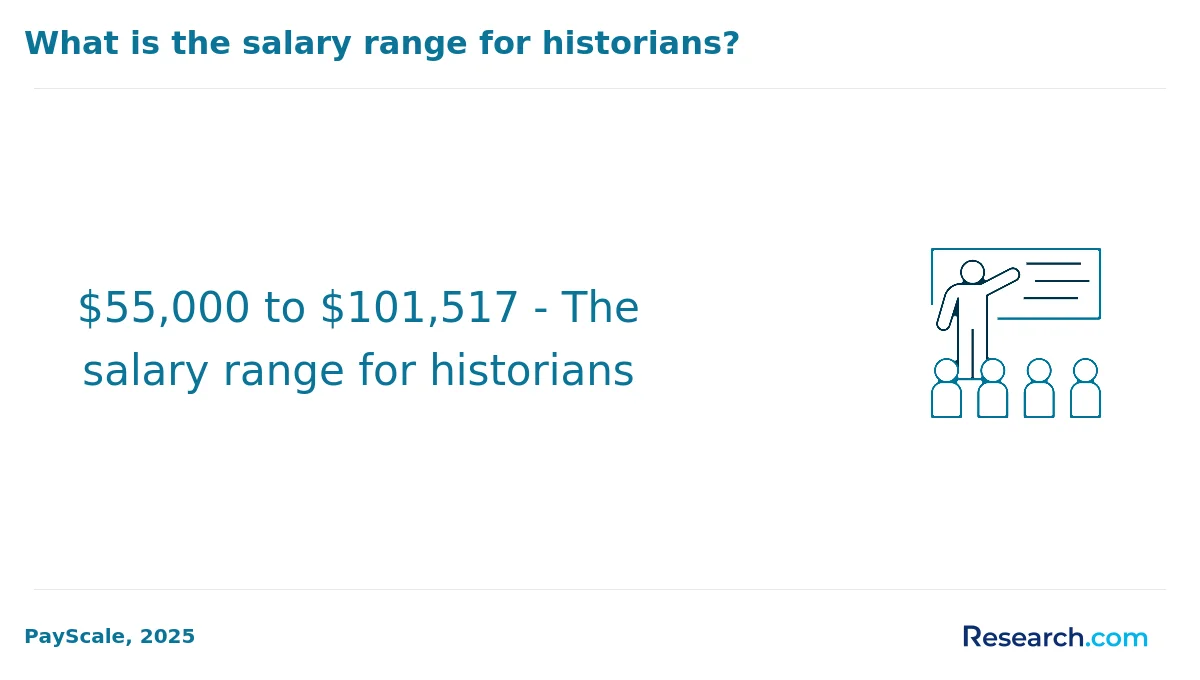
Others join museums, archives, or historical sites, such as the Alabama History Museum or the Civil Rights Institute, working as curators or archivists. With a median wage near $56,000 nationally, these roles offer stable employment in Alabama's heritage tourism industry. Some history degree holders transition to government roles-historical researchers, preservation specialists, or policy analysts-with median historian salaries around $63,000 annually. This data-driven analysis highlights practical job opportunities and encourages prospective students to earn a history degree online in Alabama for robust career prospects.
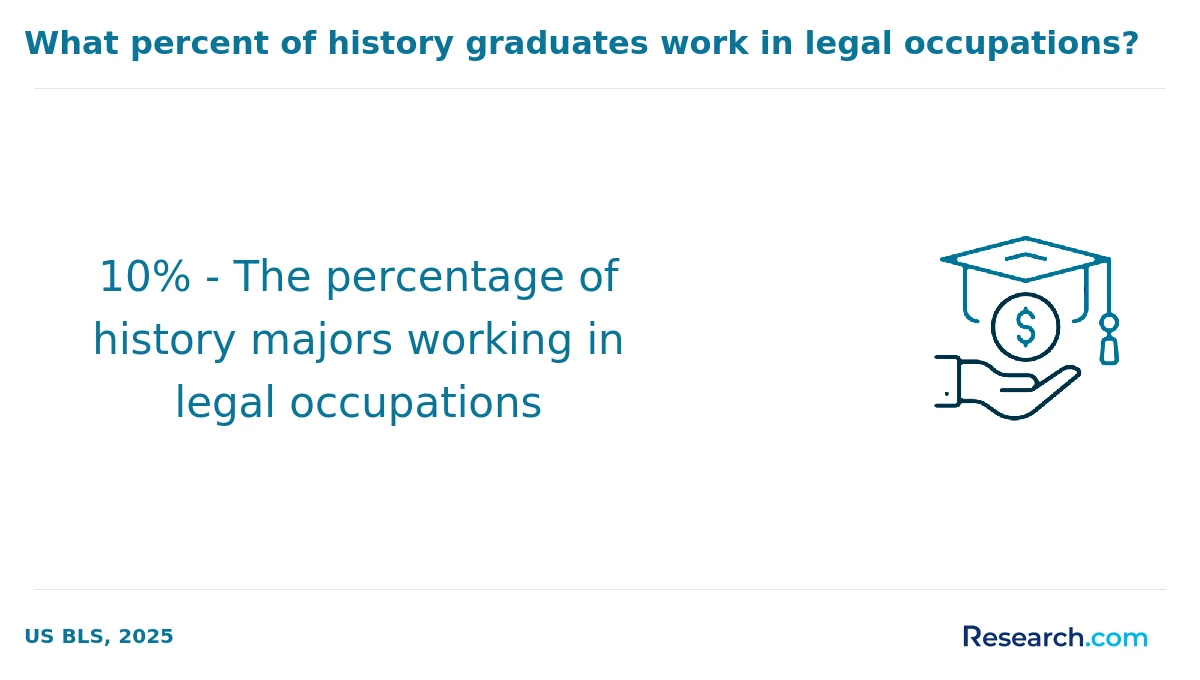
Many graduates also report that the analytical thinking and writing skills honed during their online history degree translate well into law, journalism, and business, broadening their employment options within Alabama's evolving job market.
The job market for graduates holding an online history degree in Alabama is steady, with opportunities primarily concentrated in education, cultural institutions, and government. Many graduates from schools like the University of Alabama at Birmingham find roles as secondary school teachers or adjunct faculty, leveraging their history knowledge to inspire new generations. Others secure positions at Alabama's notable museums, such as the Birmingham Civil Rights Institute, where their skills support historic preservation and public education.
Salary ranges for these roles typically fall between $40,000 and $60,000 annually, reflecting local economic conditions while providing a sustainable income for those passionate about history. Alumni often highlight how combining their history degree with complementary skills like digital archiving improves job prospects across the state. Those interested in creative career paths related to their degree sometimes explore niches in research or grant writing, which also benefit from strong writing and analytical abilities.
Prospective students exploring online history degree jobs in Alabama should consider institutions with affordable tuition and financial aid options. For comprehensive insights on career outcomes and expected compensation, reviewing reports on art history jobs salary offers additional guidance aligned with this field's trends.
2027 Most Valuable Online History Degree Programs Ranking in Alabama
Investing in your education is a significant decision that can shape your future, and the Research.com team understands the importance of making informed choices. To assist prospective students in Alabama, we have meticulously crafted the "2027 Most Valuable Online History Degree Programs Ranking in Alabama." Our commitment to quality, credibility, and accuracy is reflected in the extensive research and analysis conducted to compile this ranking.
We utilized the following reputable data sources to ensure a comprehensive evaluation of online history degree programs:
By exploring this ranking, readers will gain valuable insights into the most worthwhile online history degree programs in Alabama, enabling them to make well-informed decisions about their educational investments. For more details on our methodology, please visit our Research.com methodology page.


# 4 position
Judson College
Bachelor of History

Frequently Asked Questions About history
Online history degree students in Alabama can enhance their learning by actively engaging with diverse course materials and participating in virtual discussions. Utilizing resources such as the Alabama Department of Archives and History offers valuable primary documents to supplement coursework.
Setting a structured study schedule helps maintain consistent progress, especially since online learning demands strong time management. Joining professional history organizations, like the Alabama Historical Association, provides networking opportunities and access to specialized publications.
Students should also take advantage of online lectures and seminars hosted by Alabama universities, many of which are publicly available. According to the National Center for Education Statistics, Alabama awards over 200 history-related degrees annually, indicating a robust community of peers to connect with.
Emerging niches within the history field reflect growing interests in specialized and interdisciplinary approaches. One key area is digital history, where historians use technology to analyze and present historical data, increasingly important in Alabama's online history programs. Public history also gains traction, focusing on making history accessible through museums, archives, and community projects.
Environmental history is another rising niche, examining human interaction with nature over time-relevant as Alabama faces ecological changes. Additionally, medical history attracts students exploring the development of healthcare systems. These niches offer diverse career paths, supported by data from the American Historical Association and Alabama universities' program offerings.
To prepare for the job market after earning an online history degree in Alabama, it is essential to build practical skills alongside academic knowledge. Students should seek internships and volunteer opportunities with local museums, archives, or historical societies. Alabama's rich history offers valuable chances to engage with Civil Rights sites or Civil War landmarks.
Networking through professional associations like the Alabama Historical Association can open doors to career opportunities. Additionally, acquiring skills in digital archiving, research databases, and writing enhances employability. According to the U.S. Bureau of Labor Statistics, demand for historians is projected to grow by 6% through 2032, primarily in education, government, and cultural preservation sectors.
Developing communication skills by presenting research or writing for publications also improves market readiness. Graduates should utilize university career services for resume building and job search strategies tailored to history-related roles.
Employers in Alabama seek several key skills from history degree graduates, especially those with online education. Critical thinking tops the list, as analyzing historical data and interpreting sources is vital for many roles. Strong research abilities are also important, allowing graduates to gather and assess complex information effectively.
Writing and communication skills are highly valued, since graduates often present findings clearly in reports or presentations. According to the Alabama Department of Labor, local employers in museums, archives, and educational institutions prioritize these skills. Additionally, proficiency with digital tools for data management is increasingly requested, reflecting trends in historical research methods across the U.S.
Understanding regional history and cultural context is a unique advantage in Alabama's job market, enhancing relevance in public history and community-oriented projects. These combined skills prepare graduates for careers ranging from education to preservation and public policy analysis.
Finding internships in Alabama relevant to a history degree involves targeting local institutions that emphasize historical research and preservation. Museums such as the Alabama Department of Archives and History in Montgomery offer internship programs where students can gain hands-on experience. Additionally, universities like the University of Alabama provide career centers that connect students with regional opportunities.
Students should also explore historical societies and cultural heritage organizations throughout the state. According to the Alabama Historical Association, internships in these areas often include archival work, museum curation, and educational programming. Engaging with these can be crucial for practical experience and networking.
Online history degree students can benefit from contacting these institutions directly and leveraging university resources focused on workforce development and internship placement. Utilizing platforms like the Alabama Career Center System enhances the search for locally relevant internships in history fields.
Obtaining an online history degree in Alabama can significantly enhance career mobility and advancement within the state's educational, cultural, and governmental sectors. According to the Alabama Commission on Higher Education, history graduates often qualify for roles in museums, archives, teaching, and public administration. Alabama's robust network of historical sites and institutions, such as the Alabama Department of Archives and History, creates local demand for professionals skilled in historical research and interpretation.
Online degrees offer flexibility, enabling working adults to upskill without pausing their careers. This flexibility supports career advancement by allowing students to gain credentials recognized statewide while maintaining employment.
Furthermore, data from the U.S. Bureau of Labor Statistics show that historians in Alabama earn a median annual wage above the national average, supporting upward mobility. Continuous learning through online history programs fosters expertise valuable for leadership roles in education, cultural resource management, and government agencies.
Studying for a history degree in Alabama online equips students with critical research, analytical, and communication skills applicable across multiple fields. Alabama's universities emphasize interdisciplinary approaches, integrating history with areas like political science, sociology, and public policy. This prepares graduates for diverse careers in education, law, public administration, and cultural resource management.
According to the Alabama Commission on Higher Education, programs often include courses tailored to the state's rich civil rights history and Southern studies, adding regional context beneficial in social and community-focused roles. Students also gain experience in digital archives and historical technology, enhancing adaptability in modern work environments.
Choosing between a thesis and a non-thesis online history degree program in Alabama depends largely on your career goals and learning preferences. A thesis option usually involves conducting original research and writing a substantial paper, which can be advantageous if you plan to pursue graduate school or a research-focused career. According to the Alabama Commission on Higher Education, schools like the University of Alabama offer thesis tracks that emphasize critical thinking and research skills.
Conversely, non-thesis programs often require more coursework and focus on practical skills, appealing to those aiming for teaching or public history jobs. This path may also finish faster, which suits working professionals seeking flexibility.
Students based in Alabama seeking to study history abroad through online degree programs have several options. Many Alabama universities with accredited history programs offer study abroad components or international partnerships that allow students to earn credits remotely while experiencing cultural immersion.
For example, the University of Alabama provides various online history courses with optional travel seminars abroad, aligning with their accredited curriculum. Additionally, institutions often collaborate with universities in Europe or Asia, especially for specialized history topics.
The Alabama Commission on Higher Education supports such initiatives by promoting accessible and flexible education, enabling students to gain global perspectives while remaining in Alabama. According to NCES data, Alabama had over 1,200 students enrolled in online history programs in 2023, indicating growing interest in these flexible, global learning paths.
Students pursuing an online history degree in Alabama can benefit from various part-time job opportunities that complement their academic goals. Local museums and historical societies often seek part-time research assistants or tour guides, providing practical experience in historical interpretation and public engagement.
The Alabama Department of Archives and History, for example, occasionally hires students for archival work, which develops skills in document preservation and cataloging. This aligns directly with coursework in historical methods.
Additionally, positions in local libraries or community centers that involve curating exhibits, organizing events, or assisting with educational programs can enhance a student's understanding of Alabama's diverse history.
According to the U.S. Bureau of Labor Statistics, the demand for museum technicians and archivists in Alabama is expected to grow by 5% through 2031, indicating sustained opportunities for part-time roles.
Online history students in Alabama have several valuable networking opportunities to enhance their academic and professional prospects. Many universities offering online programs, such as the University of Alabama and Auburn University, provide access to virtual events, guest lectures, and history-focused webinars. These platforms allow students to connect with professors and alumni across the state.
Additionally, the Alabama Historical Association hosts annual conferences and workshops inviting both students and professionals, fostering connections within the local history community. Online students can often participate remotely. Social media groups and forums dedicated to Alabama history also offer informal networking channels.
Such engagement helps students build relationships, find internships, and uncover research opportunities relevant to Alabama's rich historical landscape.
Alumni networks offer significant benefits to online history degree students in Alabama by creating valuable professional connections. Graduates from Alabama institutions often join these networks to access job opportunities, internships, and mentorship programs tailored to history-related careers. According to the Alabama Commission on Higher Education, strong alumni engagement increases employment rates by providing graduates with industry insights and networking events.
For online students, participating in virtual alumni groups helps overcome geographic barriers, enabling statewide and national networking. This accessibility is crucial, given the competitive job market for history majors, especially in public history or education sectors prevalent in Alabama.
Additionally, alumni can provide guidance on local history resources and research institutions, enriching students' academic and practical experiences.
Customizing an online history degree in Alabama allows students to align their education with specific career goals. Many Alabama universities offer flexible course selections, enabling learners to focus on areas such as American history, African American studies, or public history. Electives can include archival management or museum studies, which are valuable for careers in preservation or education.
Some programs also provide internship opportunities with local historical societies or state archives, enhancing practical experience. According to the Alabama State Department of Education, positions in history-related fields often require specialized knowledge, achievable through tailored coursework. Choosing relevant seminars or research projects helps deepen expertise in chosen topics, increasing employment prospects.
Online history students in Alabama often face challenges related to maintaining consistent access to reliable internet, especially in rural areas where broadband service remains limited. According to the Alabama Broadband Accessibility Office, about 35% of rural residents still experience connectivity issues, which can disrupt class participation and research activities.
Another common difficulty is adapting to self-paced study without in-person support, leading to feelings of isolation. History coursework requires deep engagement with primary sources and critical analysis, which can be harder without direct interaction with professors.
Finally, students report challenges balancing work, family, and study commitments, as many online learners in Alabama are non-traditional students managing multiple responsibilities simultaneously.
With an online history degree in Alabama, you can pursue several professional certifications that enhance career opportunities. One common path is obtaining teacher certification for history or social studies at the secondary education level, which requires passing the Alabama Educator Certificate Testing Program.
For those interested in archives and preservation, becoming a Certified Archivist through the Academy of Certified Archivists is a respected credential. It validates expertise in managing historical records, useful in museums and libraries throughout Alabama, including institutions like the Alabama Department of Archives and History.
Additionally, certification from the American Association for State and Local History (AASLH) offers recognition in public history fields, which is valuable in Alabama's rich cultural heritage sector.
These certifications provide professional credibility and can improve job prospects in education, archives, and public history roles.
To write a winning application for an online history program in Alabama, start by carefully researching each school's requirements and deadlines. Highlight your passion for history, especially topics relevant to Alabama's rich past, such as Civil Rights or Southern heritage, which many programs value.
Strong writing skills are essential; submit a clear, well-organized personal statement explaining your academic goals and how the program fits into your career plan. Include any relevant experience, such as volunteer work at local historical sites or libraries.
Alabama community colleges and universities often require official transcripts and letters of recommendation, so request these early. According to the Alabama Commission on Higher Education, demonstrating a consistent academic record in history or related fields improves your chances of admission.
The global perspective on a history career highlights a growing recognition of the value historians bring to many fields. In the United States, including Alabama, history graduates have opportunities beyond traditional teaching roles. According to the National Center for Education Statistics, history degrees often lead to careers in research, archiving, museum curation, and public history.
Employers value critical thinking, analytical skills, and cultural awareness, which are central to history programs. Alabama's online history degrees equip students with these skills, making graduates competitive for roles in government agencies and nonprofit organizations.
Global trends show increased demand for professionals who can interpret historical data to inform policy and preservation efforts, reflecting the importance of history careers worldwide.
Gaining practical experience while pursuing an online history degree in Alabama involves several valuable strategies. Many Alabama universities partner with local historical societies and museums, allowing students to engage in internships or volunteer positions. For example, the Alabama Department of Archives and History offers internship opportunities that provide hands-on experience in archival management and research.
Students can also participate in digital history projects, which have grown in academic importance. These projects often involve cataloging, curating, or contributing to online exhibits. Additionally, Alabama's rich Civil Rights history offers numerous community-based research options.
Networking through online forums and attending virtual conferences hosted by organizations like the American Historical Association can also enhance practical learning.
Choosing the right concentration within an online history degree program in Alabama depends on your personal interests and career goals. Popular concentrations include American history, public history, and historical preservation, reflecting Alabama's rich cultural heritage. For example, American history often covers events significant to Alabama, such as the Civil Rights Movement.
Consider job prospects when selecting a focus. According to the U.S. Bureau of Labor Statistics, roles like archivists and curators, which often require specific history concentrations, show steady growth nationally. Research Alabama universities' offerings, as schools like the University of Alabama provide specialized tracks.
Look for programs with strong faculty expertise and access to Alabama's historic archives to enhance your learning and networking opportunities.
- History Education (Concentration) https://www.lawsonstate.edu/learn_at_lawson/programs_and_divisions/college_transfer_programs/history_education.aspx
- Undergraduate Certificate in History | Thomas Edison State University https://www.tesu.edu/degrees-programs/certificates/undergraduate-history.php
- 6-semester-hour sequence in either literature or history https://talk.collegeconfidential.com/t/6-semester-hour-sequence-in-either-literature-or-history/1074231
- Know more about thesis vs non- thesis: what is the difference? https://studyfans.com/en/blogs/816
- What Can You Do With a History Degree? https://willamette.edu/academics/college/history/career-options
- History majors should have a more global perspective - The Lamron https://www.thelamron.com/opinion/history-majors-should-have-a-more-global-perspective
- My Top 3 Recommendations on Networking in the History World | An Historian About Town https://anhistorianabouttown.com/recommendations-on-networking-in-the-history-world/
- 4 Steps to Find History Research Opportunities as an Undergraduate https://www.coltie.com/post/4-steps-to-find-history-research-opportunities-as-an-undergraduate
- Alabama State University Global Campus https://www.alasu.edu/websites/asu-global-campus.php
- Top Niche Historical Topics for Deep-Dive High School Projects https://riseglobaleducation.com/blogs/top-niche-historical-topics-for-deep-dive-high-school-projects