2027 Most Valuable Online History Degree Programs Ranking in Massachusetts

Co-Founder and Chief Data Scientist
Choosing the right online history degree program in Massachusetts can feel overwhelming. This article presents the 2027 Most Valuable Online History Degree Programs Ranking in Massachusetts, developed by the Research.com team of data scientists.
It's designed to help you find programs that offer great value, quality education, and promising career prospects.
Whether you're passionate about the past or aiming for a rewarding future, a history degree opens doors to critical thinking and meaningful opportunities.
Explore the ranking to make an informed decision that fits your goals and lifestyle.
Key benefits of getting online history degree in Massachusetts
- History degree graduates often pursue careers as historians, archivists, or museum workers, with median annual salaries around $63,000 in the US, offering a rewarding balance of passion and income.
- Graduates from schools like Boston University commonly find paths in education, public history, or research, allowing them to use their skills in diverse and fulfilling roles.
- Online history degrees from institutions such as the University of Massachusetts offer flexibility, enabling students to balance work and life while gaining respected credentials that employers value.
- Key benefits of getting online history degree in Massachusetts
- What can I expect from online history degree in Massachusetts?
- Where can I work with online history degree in Massachusetts?
- How much can I make with online history degree in Massachusetts?
- 2027 Most Valuable Online History Degree Programs Ranking in Massachusetts
- Key Findings
- How long does it take to complete online history degree in Massachusetts?
- What's the difference between online and on-campus history degree?
- What is the average cost of online history degree in Massachusetts?
- What financial aid is available to online history degree students in Massachusetts?
- What are the prerequisites for enrolling in online history degree program in Massachusetts?
- What courses are typically in online history degree programs in Massachusetts?
- What types of specializations are available in online history degree programs in Massachusetts?
- How do you choose the best online history degree in Massachusetts?
- What career paths are available for online history degree students in Massachusetts?
- What is the job market for online history degree in Massachusetts?
- Related History Rankings for Nearby States
- Top Trending History Rankings
What can I expect from online history degree in Massachusetts?
The average cost of an online history degree in Massachusetts typically ranges from $15,000 to $30,000, depending on the institution and program length. Graduates from well-known schools such as Boston University or UMass Amherst often describe the investment as worthwhile, highlighting the comprehensive education and flexible learning options that fit their busy lives.
Many students appreciate how online programs balance affordability with access to rich resources, like digital archives and virtual internships with local museums. These opportunities bring history alive and deepen understanding beyond textbooks, making each lesson feel personally meaningful. The chance to engage with Massachusetts' own historical treasures adds a unique, exciting layer to studies.
With available financial aid and scholarships targeted at Massachusetts residents, managing tuition becomes less daunting. Graduates frequently reflect on how these programs opened doors to careers in education, public history, and cultural preservation, fueling their passion while providing practical skills for a fulfilling future.
Where can I work with online history degree in Massachusetts?
Graduates with an online history degree from Massachusetts institutions often find rewarding careers that blend passion with purpose. Many become inspiring middle or high school history teachers, contributing to their communities and shaping young minds across the state. Institutions like the University of Massachusetts and Boston University provide graduates with the skills and confidence to thrive in these roles, fulfilling the steady demand for history educators in schools statewide.
Others pursue enriching positions in higher education and cultural sectors. Graduates frequently join museums such as the Massachusetts Historical Society or work as archivists preserving priceless artifacts. Their deep understanding of history and research makes them valuable contributors to local historical commissions or public history projects, offering meaningful opportunities to engage with and protect Massachusetts' rich heritage.
Many alumni also find joy working in libraries or with publishing companies in Boston's vibrant cultural landscape, using their expertise to illuminate the past through writing and media. These careers not only provide stability but also a fulfilling connection to history every day.
How much can I make with online history degree in Massachusetts?
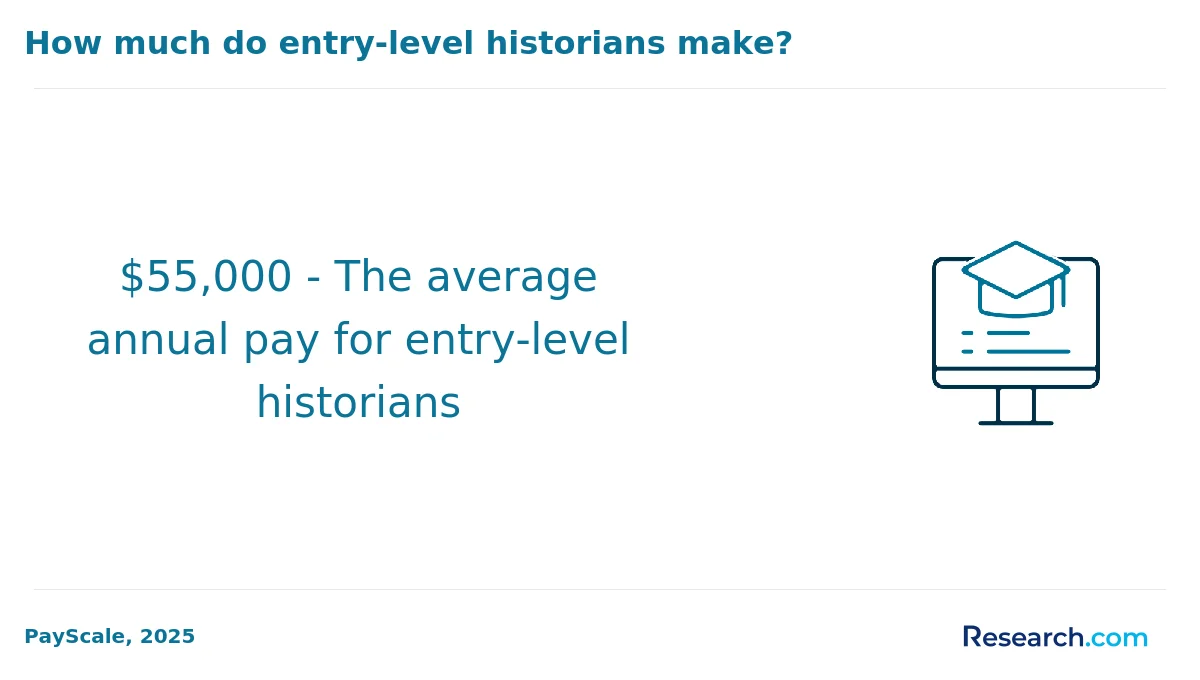
Graduates with an online history degree in Massachusetts can anticipate rewarding earning potential, as the state boasts a median annual wage of around $75,000 for historians, well above the national average. Many history graduates from institutions like Boston University or UMass Amherst find success in roles ranging from museum assistants to research coordinators, where starting salaries often begin between $45,000 and $55,000. Imagine stepping into a role at a Boston cultural institution, applying your passion and studies to real-world projects that pay well and build valuable experience.
For those who pursue advanced studies or combine history with specialties such as digital archiving or public history, salaries can climb even higher. Working in education or government agencies around Massachusetts offers opportunities with salaries nearing or exceeding $70,000, reflecting the strong demand for skilled historians. Graduates often share stories of connecting with local historical societies and leveraging internships that lead to fulfilling careers with competitive pay. Your online history degree can open doors to meaningful work with incomes that inspire confidence and pride.
2027 Most Valuable Online History Degree Programs Ranking in Massachusetts
How do we rank schools?
Investing in your education is a significant decision that can shape your future, and the Research.com team understands the importance of making informed choices. To assist prospective students, we have meticulously crafted the "2027 Most Valuable Online History Degree Programs Ranking in Massachusetts." Our commitment to quality, credibility, and accuracy is reflected in the extensive research and analysis conducted to compile this ranking.
We utilized the following reputable data sources to ensure a comprehensive evaluation of history degree programs:
By exploring this ranking, readers will gain valuable insights into the most valuable online history degree programs in Massachusetts, empowering them to make well-informed educational decisions. For more information about how this ranking was created, please visit our Research.com methodology page.


Key Findings
- Tuition for online history degrees in Massachusetts ranges from $15,000 to over $45,000 per year depending on residency and whether the institution is public or private.
- Starting salaries for history graduates average between $40,000 and $45,000 annually, increasing to $55,000-$70,000 with experience.
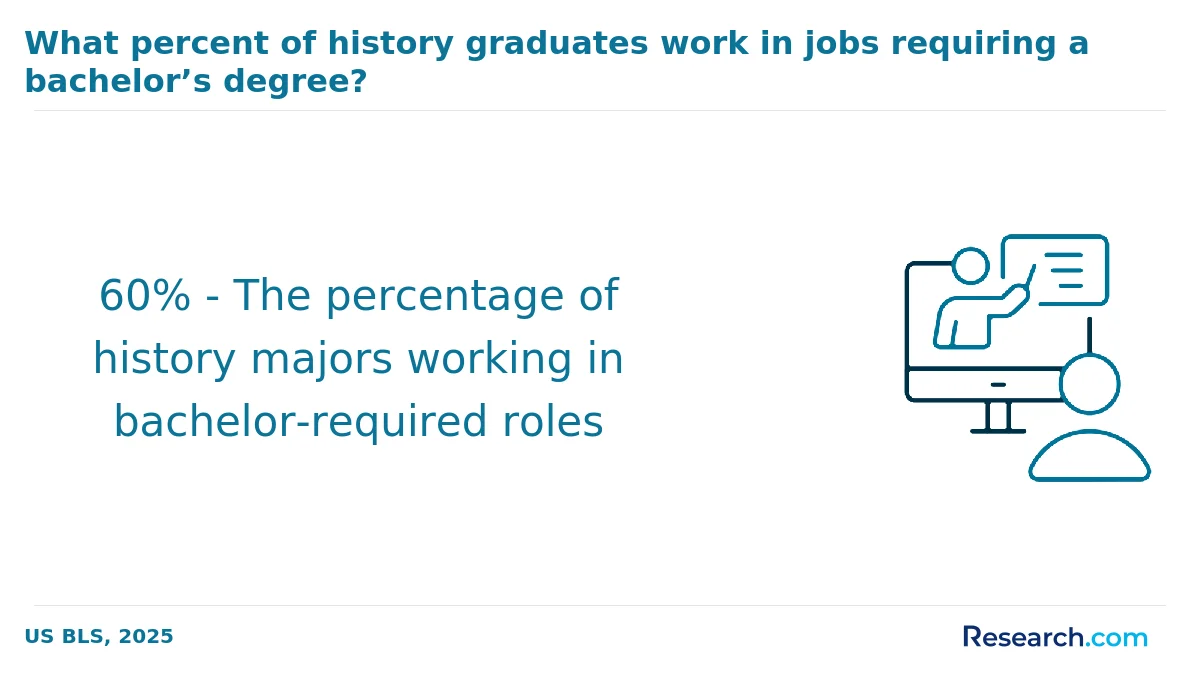
- Common career fields include education, public administration, museums, archives, and research institutions.
- The job market for history-related roles is expected to grow modestly by 2% to 5% over the next decade.
- Online history programs in Massachusetts are typically accredited, ensuring credits are transferable and valuable for further education or employment.
How long does it take to complete online history degree in Massachusetts?
Part-time students often extend their studies to six years, just like busy professionals at Northeastern University who juggle work, family, and school. Their dedication shows that flexibility is a real advantage of online learning, empowering students to succeed without sacrificing other priorities.
Graduate students pursuing a master's online experience can complete their degrees in as little as one and a half years, pushing through at an accelerated pace when ready. Graduates from schools such as Brandeis University often speak enthusiastically about how transfer credits and adaptable schedules helped them finish faster, igniting new career opportunities sooner than expected.
These stories from Massachusetts-based history students prove that with passion and determination, completing an online history degree aligns perfectly with your unique path and aspirations.
What's the difference between online and on-campus history degree?
Choosing between an online and on-campus history degree in Massachusetts opens two exciting paths tailored to your lifestyle and learning preferences. Imagine attending Boston University, where on-campus students immerse themselves in vibrant campus life: engaging directly with professors, exploring vast archives, and benefiting from collaborative classroom discussions that spark deep connections and inspiration.
Meanwhile, online students experience the University of Massachusetts system's flexible digital platform, perfect for balancing work and study. Graduates often share how this format empowered them to dive into history at their own pace, fitting coursework around family or job commitments while staying connected through interactive virtual seminars.
Whether you thrive on the buzzing energy of campus or cherish the freedom to study anytime from your home in Massachusetts, both paths deliver rigorous education. The choice encourages confidence that your journey in history will be rich, fulfilling, and shaped to fit your unique story.
What is the average cost of online history degree in Massachusetts?
The average cost of an online history degree in Massachusetts typically centers around $19,200, offering a balanced opportunity for students across the state. Many graduates from well-known institutions like the University of Massachusetts have found that this investment opens doors to enriching careers and lifelong knowledge. These students appreciate how their tuition covers a comprehensive curriculum that blends historical theory with practical skills.
When considering tuition and fees for history degree Massachusetts programs, public universities generally provide accessible rates near $13,000 to $18,000 annually for in-state students. Private colleges may charge more, yet they often offer substantial scholarships or financial aid that make these costs manageable. The online format also helps reduce expenses tied to commuting and housing, which past students have found particularly encouraging as it allows more flexibility and savings.
Many students pursuing their history degrees online feel inspired knowing they can access quality education without sacrificing their personal or professional lives. This accessibility makes the dream of a history degree achievable for a wider group of learners. Exploring what is a history degree can ignite a passion for understanding the past while tailored financial options keep your goals within reach.what is a history degree perfectly captures the value of this path for those eager to delve into history's rich stories.
What financial aid is available to online history degree students in Massachusetts?
Many students pursuing an online history degree in Massachusetts find hope through a variety of financial aid options that make their dreams attainable. Graduates from institutions like UMass Amherst and Boston University often highlight how federal aid, including Pell Grants and Direct Loans, lightened their financial load and allowed them to focus on their studies without overwhelming debt. The maximum Pell Grant of $7,395 has been a crucial lifeline for many, providing need-based support that doesn't require repayment.
State grants such as the MassGrant program and the John and Abigail Adams Scholarship have been game-changers for Massachusetts residents attending public colleges online. These opportunities help reduce tuition costs and reward academic achievement, making history degrees more accessible.
Part-time and non-traditional students also benefit from the Massachusetts State Tuition Waiver Program, which has transformed the educational journey for many juggling work and family responsibilities. Institutional scholarships from schools like Northeastern and private scholarships found through platforms such as Fastweb further brighten the path toward earning a history degree.
What are the prerequisites for enrolling in online history degree program in Massachusetts?
To enroll in an online history degree program in Massachusetts, having a high school diploma or GED is the essential starting point. Many graduates from well-known institutions in the state share how submitting their official transcripts demonstrating strong foundations in social studies and English opened doors for them. Picture yourself submitting an application to a respected Massachusetts college and writing a personal essay that vividly expresses your passion for history-this step often captures the attention of admissions teams, making your story stand out among many.
Some programs may request SAT or ACT scores, but with so many Massachusetts schools adopting test-optional policies, this creates more opportunity and less stress for aspiring historians. For those aiming at graduate levels, evidence of strong undergraduate work with a GPA above 3.0 and possibly GRE scores showcases readiness for advanced study, much like the successful applicants at top online history programs in the state.
Additionally, some schools might ask for letters of recommendation or prerequisite courses in English composition or introductory history, ensuring you're fully prepared to thrive in your journey. These requirements help create a supportive pathway toward your dream of mastering history from the comfort of home.
What courses are typically in online history degree programs in Massachusetts?
Online history degrees in Massachusetts offer a rich and engaging curriculum that excites students with vivid stories from the past. Graduates from popular universities in the state often recall how foundational courses in historical research and writing sharpened their abilities to analyze captivating primary sources and compelling narratives.
Massachusetts programs emphasize American history deeply, inviting students to explore colonial and revolutionary America, as well as 19th-century social changes like industrialization and civil rights. Many find the specialized study of Massachusetts and New England history especially inspiring, as it connects them personally to local heritage and culture.
Students also broaden their horizons by delving into European history and global themes such as imperialism and cultural exchanges, fostering a well-rounded understanding that empowers them to interpret history beyond familiar borders. Electives in areas like women's history and public history add vibrant layers, helping students discover career paths in museums or archives with enthusiasm and confidence.
What types of specializations are available in online history degree programs in Massachusetts?
Online history degree specializations in Massachusetts offer exciting paths that align with diverse passions and career ambitions. Graduates from popular universities and colleges in the state often share how studying American History at these institutions connects them directly with the rich colonial and revolutionary heritage of New England, making history vivid and personal.
Other students pursue concentrations such as World History to explore global societies, or Public History, where they can engage with museums and cultural institutions throughout Massachusetts. This specialization brings history to life outside the classroom, inspiring a rewarding career in preservation and public engagement.
Those interested in analytical rigor choose Historical Research and Methodology, sharpening their skills to delve deep into historical narratives. Military History also attracts many, reflecting on Massachusetts' significant role in past conflicts. These options show the depth and flexibility available in a history degree, empowering students to follow their unique interests.
For those curious about the practical benefits, graduates often find fulfilling jobs you can get with a history degree that allow them to impact communities meaningfully while enjoying the flexibility of online learning.
Massachusetts history degree concentration options ensure that every student can tailor their experience to their dreams, ultimately fostering both personal growth and professional success.
How do you choose the best online history degree in Massachusetts?
Choosing the best online history degree in Massachusetts means finding a program that truly fits your goals and lifestyle. Graduates from local universities often highlight how programs with strong accreditation, such as those recognized by NECHE, gave them confidence their studies would be respected and transferable. Imagine diving into courses that cover captivating American history and social justice themes, tailored to Massachusetts' rich past, all while balancing work and family through flexible, asynchronous classes.
Many students share how affordable history degrees online in Massachusetts make pursuing their passion achievable without overwhelming debt. They appreciate accessible faculty who bring their research into the virtual classroom, offering personalized guidance. Support services like tutoring and career counseling empower students to thrive. Exploring the success stories of alumni working in museums or education inspires current learners to envision their own bright futures.
For those curious about career paths, resources such as masters history jobs provide valuable insights, helping you align your degree with meaningful work. This journey is about more than a diploma-it's your chance to connect with history in a way that transforms your life.
What career paths are available for online history degree students in Massachusetts?
Graduates with an online history degree in Massachusetts uncover a world of rewarding career paths that tap into their passion for storytelling and critical thinking. Many find fulfillment teaching history at local high schools or colleges, where they inspire students just as they were inspired by their studies at popular institutions like Boston University or the University of Massachusetts. These graduates often describe the joy of bringing historical events to life, shaping young minds for tomorrow.
Others dive into public history careers, working with renowned Massachusetts museums or historic sites to preserve and share the past. Imagine curating exhibits at the Massachusetts Historical Society or helping visitors connect with the nation's roots at Boston National Historical Park-roles that bring history into the community's everyday experience. These opportunities highlight the value of specialized knowledge gained through online study.
Exciting roles also await in government and research, where strong analytical skills support cultural resource management and policy development. For those exploring cheapest online degrees in history, the diverse job opportunities in Massachusetts make the journey worthwhile and inspiring for aspiring historians.
What is the job market for online history degree in Massachusetts?
The job market for online history degree graduates in Massachusetts is filled with promising opportunities, especially for those eager to immerse themselves in the state's rich cultural and academic landscape. Graduates from well-known institutions like Boston University or Harvard Extension School often find rewarding roles in museums, archives, and historical societies across Boston and Cambridge. These locations boast a strong concentration of historical organizations that appreciate the unique blend of traditional scholarship and modern digital skills that online history students bring. The outlook for history graduates employment opportunities Massachusetts is steady, with roles ranging from museum curators to educators and public historians.
Many students pursuing an online history degree in Massachusetts find that complementing their studies with technical expertise or certifications enhances their job prospects, particularly in emerging fields like digital humanities. Those who seek advanced education often explore online masters history degrees to gain a competitive edge. Graduates report excitement about applying their knowledge to government research, educational settings, or content creation, making the job market a landscape of engaging, fulfilling career paths.
Frequently Asked Questions About history
Online history degree students in Massachusetts can maximize their learning by actively engaging with course materials and participating in virtual discussions. Consistent study schedules help maintain focus, especially when balancing work or family commitments. Connecting with professors during virtual office hours enhances understanding and provides valuable academic support.
Utilizing resources from Massachusetts' rich historical institutions, like the Massachusetts Historical Society, offers students practical insights and primary sources. Additionally, students should explore internships and remote research opportunities available through local museums and libraries to gain hands-on experience relevant to their studies.
According to the National Center for Education Statistics, students who participate in interactive online activities demonstrate higher retention rates, which is essential for mastering complex historical analysis skills.
The field of history is evolving with several emerging niches gaining attention, especially in Massachusetts, where research institutions shape new areas of study. Digital history, which uses technology to analyze and present historical data, is rapidly growing. This niche equips students with skills in digital archives and data visualization.
Public history, involving the preservation and interpretation of historical sites and museums, is prominent in Massachusetts with its rich colonial heritage.
Environmental history is another expanding focus, exploring human interactions with nature over time. Programs in the state increasingly integrate this perspective.
According to the Massachusetts Historical Society, these areas reflect broader job market trends emphasizing technology and community engagement within history careers.
Preparing for the job market after earning an online history degree in Massachusetts involves several key steps. Graduates should focus on building a strong resume that highlights internships or volunteer work with museums, archives, or historical societies such as the Massachusetts Historical Society. Networking is also essential; professionals can attend local events or join groups like the Massachusetts Association of Historians.
Many history graduates find opportunities in education, government, or cultural resource management. According to the U.S. Bureau of Labor Statistics, Massachusetts has a higher-than-average employment rate for historians compared to the national average. Gaining skills in research, digital archiving, and public speaking can boost job prospects. Continuing education or certification in related fields can also be beneficial.
Employers in Massachusetts value a broad set of skills when hiring history degree graduates. Critical thinking tops the list, enabling graduates to analyze and interpret complex historical data effectively. Communication skills, both written and verbal, are essential since many roles require clear presentation of research findings.
Research proficiency is another key skill, highlighted by Boston-based employers who emphasize the ability to use primary sources and digital archives. Additionally, strong organizational skills are important for managing extensive information.
The Massachusetts Department of Higher Education reports that graduates with these skills see higher employment rates in education, museums, and public history sectors.
Finding internships in Massachusetts relevant to a history degree involves exploring a variety of local resources and organizations. Students can start by contacting university career centers, which often partner with regional museums, historical societies, and archives to offer internships. Notable places include the Massachusetts Historical Society and the Boston Public Library's special collections.
Additionally, statewide platforms like MassHire connect students to internship opportunities in education, public history, and preservation. According to the National Association of Colleges and Employers, 65% of employers in history-related fields prefer candidates with internship experience.
Online history degree students should also consider virtual internships, which have grown by 30% since 2020, providing flexible options relevant to Massachusetts institutions. Networking through professional groups such as the New England Historical Association can further help students discover openings.
Obtaining an online history degree in Massachusetts can significantly enhance career mobility and advancement, particularly in education, research, and public history sectors. According to the Massachusetts Department of Higher Education, demand for professionals with historical analysis and critical thinking skills remains steady in state government and cultural institutions.
The flexibility of online programs allows working adults to reskill or upskill without interrupting their careers. Graduates often find roles in museums, archives, or teaching, where mastery of state and national history is valued. Data from the U.S. Bureau of Labor Statistics shows a 5% growth in related occupations in Massachusetts through 2030.
Online degrees also provide networking opportunities with local academic and professional communities, aiding career progression within Massachusetts. Many employers recognize accredited online history degrees as equivalent to traditional degrees, supporting upward mobility.
Studying for a history degree in Massachusetts offers strong interdisciplinary preparation through a comprehensive curriculum. Many online programs incorporate courses in political science, anthropology, economics, and digital humanities, allowing students to connect historical knowledge with other fields. Massachusetts' higher education institutions often encourage research projects that blend history with data analysis or cultural studies, reflecting the state's rich academic resources.
According to the Massachusetts Department of Higher Education, about 30% of history graduates pursue careers in fields requiring multidisciplinary skills, such as public policy and education. Institutions like UMass and Boston University emphasize critical thinking and research techniques transferable across disciplines.
This broad educational approach helps students adapt to various professional environments, enhancing their value in roles beyond traditional historical research.
Choosing between a thesis and a non-thesis history degree program in Massachusetts depends on your career goals and learning preferences. A thesis program requires extensive original research and writing, ideal for students aiming for academia or research roles. The Massachusetts Department of Higher Education notes that thesis options typically demand more credit hours dedicated to research methods and writing.
Non-thesis programs focus on coursework and exams, providing broader historical knowledge without the pressure of producing a formal thesis. This path suits professionals seeking advancement or teaching positions in local schools. According to the National Center for Education Statistics, Massachusetts offers diverse online history programs that accommodate both formats.
Evaluate your strengths and career plans carefully before deciding.
Students in Massachusetts seeking to study history abroad while enrolled in online programs have several pathways. Many accredited institutions in Massachusetts partner with study abroad providers that offer virtual international experiences in historical studies. This allows students to engage with global history content without leaving the state. According to the Institute of International Education, nearly 25% of U.S. study abroad participants in 2022 included history majors, reflecting a strong interest in this field.
Additionally, some Massachusetts universities with online history degrees allow credit transfers from approved international programs. This flexibility helps students gain global perspectives critical to historical scholarship. However, physical travel options remain limited due to ongoing institutional policies post-pandemic.
Part-time job opportunities in Massachusetts that complement a history degree often involve positions in museums, archives, and libraries. The state has a rich historical heritage, including sites like the Boston Tea Party Ships and Museum, which frequently seek knowledgeable guides and educators. According to the Massachusetts Cultural Council, museum employment is growing by about 4% annually, offering students practical experience.
Additionally, internships or part-time roles in local historical societies, such as the Massachusetts Historical Society, allow students to engage in research and preservation work. Libraries across the state also hire aides familiar with historical documents, supporting digital archiving projects.
Another avenue includes assisting with grant writing or educational programming for nonprofits focused on Massachusetts history, helping students develop writing and organizational skills alongside their academic knowledge.
Online history students in Massachusetts have access to various networking opportunities despite studying remotely. Many universities offer virtual events, including guest lectures and history-focused webinars, which help students connect with professors and peers statewide.
Professional organizations like the Massachusetts Historical Society provide memberships and events that are open to online students, fostering connections with historians and researchers.
Internships with local museums, archives, and cultural institutions in Boston and beyond are commonly available to online learners, offering practical experience and professional networking.
Students can also join online forums and social media groups dedicated to Massachusetts history, which enhance peer interaction and knowledge sharing.
Alumni networks play a significant role for students pursuing online history degrees in Massachusetts by providing valuable connections within the academic and professional communities. Graduates can access mentorship opportunities from experienced alumni who understand both the local and national history landscapes. According to the Massachusetts Department of Higher Education, strong alumni engagement improves graduate employment rates, particularly in fields related to education, research, and public history.
Networking through alumni groups helps students find internships and job openings in museums, archives, and cultural institutions throughout the state. These connections are crucial since Massachusetts has a rich historical environment with many historical sites and organizations seeking skilled professionals. Furthermore, alumni networks offer ongoing career support, which can be especially important for online students who study remotely.
Customizing an online history degree in Massachusetts involves selecting courses and specializations that align with your career goals. Many programs offer electives in areas like American history, public history, or museum studies, allowing students to tailor their education. For example, the Massachusetts Department of Higher Education highlights that public history is a growing field locally, reflecting the state's rich colonial heritage.
Students can also engage in internships or capstone projects with historical societies and museums across Massachusetts to gain practical experience. Additionally, some universities provide the option to combine history with related fields like political science or education, further broadening career opportunities. Thoughtful course and experiential choices support a more personalized and relevant degree path.
Online history students in Massachusetts often face challenges related to maintaining engagement and motivation. Unlike traditional classrooms, remote learning can feel isolating, which may affect students' participation and critical discussion skills. According to the National Center for Education Statistics, 34% of Massachusetts students reported difficulty staying motivated in online formats in recent surveys.
Another common challenge is access to specialized resources. History programs frequently require primary source materials, which might not always be digitized or easily accessible remotely. Massachusetts libraries and archives improve this but cannot fully replace on-campus access.
Technical issues and varying quality of online instruction also impact students' experiences, making time management and self-discipline essential skills.
With an online history degree, Massachusetts students can pursue several professional certifications to enhance career prospects. One common certification is the Certified Archivist credential, which is nationally recognized and valuable for those interested in managing historical records. The Academy of Certified Archivists offers this certification, appealing to graduates seeking roles in libraries and museums.
Another option is obtaining a Massachusetts Secondary Teacher Certification in History, allowing graduates to teach history in public schools. This requires passing the Massachusetts Tests for Educator Licensure (MTEL).
For careers in preservation, the Certified Local Government (CLG) program offers credentials linked to historic preservation efforts supported by Massachusetts Historical Commission data.
Writing a winning application for an online history program in Massachusetts requires a clear demonstration of your passion for history and your ability to succeed in a virtual learning environment. Start by highlighting your academic background, particularly any coursework or experiences related to history or research methods. Admissions committees value applicants who show strong writing and critical thinking skills, essential for history studies.
Massachusetts is home to several reputable institutions offering online history degrees, including public universities like the University of Massachusetts system. According to the National Center for Education Statistics, Massachusetts awards over 1,500 bachelor's degrees in history annually, reflecting a competitive but well-established field.
Include a personalized statement explaining why you want to study history online and how it fits your career goals. Be sure to mention any unique aspects of Massachusetts' history you find compelling. Finally, submit all required documents on time and ensure your recommendation letters emphasize your dedication and academic strengths.
A career in history offers a global viewpoint, as history professionals analyze events that shape societies worldwide. In the U.S., including Massachusetts, historians contribute to diverse fields such as education, museums, research, and public policy. According to the U.S. Bureau of Labor Statistics, employment for historians is expected to grow steadily by 6% through 2031.
Massachusetts, with its rich historical heritage and numerous academic institutions, supports strong demand for historians in both public and private sectors. Graduates with online history degrees can work internationally, often collaborating with global organizations focused on cultural preservation and historical research.
Internationally, history careers emphasize cross-cultural understanding, which aligns well with Massachusetts' diverse academic environment, fostering skills valuable in global diplomacy, archival management, and education.
Gaining practical experience while studying for an online history degree in Massachusetts is possible through internships, volunteer opportunities, and research projects. Many Massachusetts museums, such as the Massachusetts Historical Society and the Bostonian Society, offer remote and local internships that allow students to apply their knowledge in real-world settings.
Students can also engage with online databases and archives like the Digital Commonwealth, which hosts thousands of Massachusetts historical documents. These resources provide valuable experience in handling primary sources. Additionally, some colleges encourage participation in virtual history conferences and workshops to build professional networks and skills.
The Massachusetts Department of Higher Education reports that nearly 30% of history majors participate in internships before graduation, enhancing their job prospects. Taking advantage of these opportunities while studying online helps students build a competitive resume.
Choosing the right concentration in an online history degree in Massachusetts begins with understanding your academic and career goals. History programs often offer concentrations such as American history, world history, or public history.
American history is popular among Massachusetts students due to the state's rich colonial and revolutionary past. Public history focuses on museum work, archiving, and education, aligning with the strong cultural sector in Boston and Cambridge. According to the Massachusetts Department of Higher Education, programs that emphasize practical skills can improve job prospects in the local museum and archival fields.
Review course offerings carefully and consider how each concentration matches your interests and the state's historical significance. Contacting academic advisors and examining alumni career paths can also inform your choice.
Related History Rankings for Nearby States
Top Trending History Rankings
References
- Join the Alumni Network - National History Day https://nhd.org/en/get-involved/join-the-alumni-network/
- 4 Steps to Find History Research Opportunities as an Undergraduate https://www.coltie.com/post/4-steps-to-find-history-research-opportunities-as-an-undergraduate
- How to Network with Alumni | Student Guide to Alumni Networking 2026 https://digitalrecordboard.com/blog/how-to-network-with-alumni/
- Niche History Picks from EPOCH https://www.epoch-magazine.com/post/niche-history-picks-from-epoch
- Top Niche Historical Topics for Deep-Dive High School Projects https://riseglobaleducation.com/blogs/top-niche-historical-topics-for-deep-dive-high-school-projects
- Global Perspectives on Public History https://www.routledge.com/Global-Perspectives-on-Public-History/book-series/GPPH
- 5 Challenges of Teaching History in International Classrooms (and How https://millerskills.co.uk/blogs/teaching-overseas/5-challenges-of-teaching-history-in-international-classrooms-and-how-to-overcome-them
- History Major https://www.creighton.edu/arts-sciences/history/programs/historymajor
- How to Apply to Graduate School | Canadian Historical Association | Société historique du Canada https://cha-shc.ca/publications/employing-history-a-guide-to-graduate-school-and-navigating-the-job-market/how-to-apply-to-graduate-school/
- THE list of internships for history majors https://employedhistorian.com/history-major/internships-for-history-majors/