2027 Most Affordable Online History Degree Programs Ranking in the USA

Co-Founder and Chief Data Scientist
Exploring your options for an online history degree can feel overwhelming. To help, the article presents the 2027 Most Affordable Online History Degree Programs Ranking in the USA, carefully compiled by the Research.com team of data scientists. This ranking offers clear insights into affordable programs that combine quality and value.
Reading this guide empowers you to confidently choose a program that fits your goals and budget. Pursuing a history degree opens doors to understanding the past, sharpening critical thinking, and building a meaningful career path. Your journey starts here with trusted information tailored for you.
Key benefits of getting online history degree in America
- History degree graduates pursuing roles like museum technicians or archivists in the US earn median salaries around $46,000 per year, offering a stable income in engaging, meaningful work.
- Graduates from popular schools such as the University of California often find careers in education, research, or public history, providing diverse and rewarding job opportunities.
- Online history degrees from reputable universities like Arizona State University offer flexibility and convenience, allowing students to balance studies with personal commitments while gaining the same quality education as traditional programs.
- 2027 Most Affordable Online History Degree Programs Ranking in the USA
- What can I expect from online history degree in America?
- Where can I work with online history degree in America?
What can I expect from online history degree in America?
The average cost of an online history degree in America generally ranges from $20,000 to $50,000 for the entire program, depending on whether the institution is public or private and if the student qualifies for in-state tuition. Graduates from well-known universities often recall balancing their coursework with part-time jobs or family commitments, appreciating the flexibility of asynchronous lectures and digital archives. For instance, a student enrolled at a prominent public university may spend closer to $25,000, while those at private colleges might invest more due to higher tuition fees.
Many students find that financial aid, scholarships, and payment plans help alleviate the cost concerns, making their dream of earning a history degree more attainable. The investment feels worthwhile as graduates look back on their research projects analyzing civil rights movements or military history, valuing the critical thinking skills sharpened through rigorous writing assignments and faculty mentorship from history experts.
Access to extensive digital libraries and virtual office hours, common at top history programs, enriches the learning experience without additional expenses, creating a rewarding balance of cost and education quality for future historians.
Where can I work with online history degree in America?
Graduates with an online history degree in America often find themselves stepping into dynamic roles that blend passion with purpose. Many from well-known institutions like Arizona State University or the University of Massachusetts Amherst begin careers as secondary school educators, feeling the rewarding challenge of bringing history alive for diverse classrooms. For those pursuing advanced degrees, opportunities open in colleges and universities nationwide, where teaching and research allow them to shape future historians and contribute to evolving academic conversations.
Others embrace public history, taking on roles as museum curators or archivists in cities rich with heritage such as Boston or Washington, D.C. Here, graduates experience daily the excitement of preserving culture while engaging communities. Federal roles, like those with the National Park Service, provide powerful ways to combine passion for history with policy and site management.
Beyond traditional sectors, many find their analytical skills opening doors in journalism, publishing, and even business, where storytelling and critical thinking are prized. Graduates from programs like the University of Florida report a sense of fulfillment transforming historical insight into real-world impact across America's evolving job market.
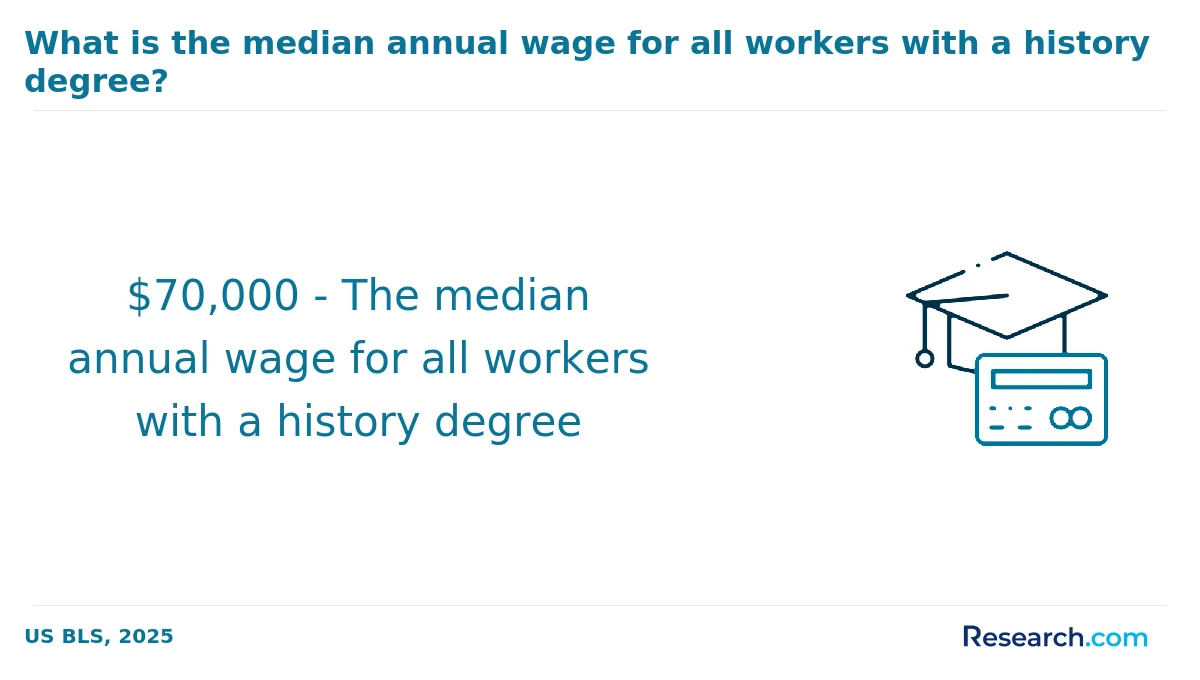
Graduates with an online history degree from well-known American institutions often find a wide range of salary outcomes depending on their chosen career paths. Many enter education or cultural sectors, where they typically earn around $63,000 annually, reflecting median wages for historians reported in the U.S. job market. For instance, alumni from popular history programs at universities like the University of Florida or Arizona State University mention starting salaries near $45,000 as they build experience.
Teaching roles at community colleges or state universities can boost earnings to approximately $75,000, especially in regions with higher educational funding like the Northeast or West Coast. Those who combine their history degrees with skills in digital archiving or public administration often increase their income potential, sometimes surpassing $100,000 in research-oriented or governmental positions in cities such as Washington D.C. or Boston.
History graduates enthusiastic about museums and preserving culture report median salaries close to $58,000, revealing promising prospects in specialized fields. With online programs enabling flexible study, graduates appreciate the opportunity to tailor career moves to dynamic job markets, balancing passion with financial growth.
- Online history degrees are available at bachelor's, master's, certificate, and doctoral levels from accredited universities across the U.S.
- Public universities charge between $10,000 and $25,000 per year for in-state online students, while private schools range from $20,000 to over $40,000 annually.
- Entry-level salaries for history graduates typically range from $35,000 to $45,000 per year, increasing to about $63,000-$65,000 with advanced degrees and experience.
- The job outlook for historians is projected to grow by 5% over the next decade, with roles in government, museums, universities, and private research firms.
- Online history programs often include courses on research methods, American and world history, and digital archival skills useful for various career paths.
- Access to internships, networking, and career services in online programs can improve job prospects and may affect salary potential.
Completing an online history degree in America generally aligns with the traditional timeline of about four years for full-time students. Graduates from popular universities like the University of Florida or Arizona State University often share stories of managing coursework alongside jobs or family, appreciating the flexibility that online programs offer.
For those balancing multiple responsibilities, part-time enrollment can extend this to six years or more, yet many find great satisfaction in pacing their studies this way. Others embrace accelerated online classes offered by institutions such as Oregon State University, finishing in as few as three years-a motivating factor for those eager to start their careers or graduate studies sooner.
Transfer credits play an important role too: returning adult learners or military personnel frequently leverage prior college work to reduce their time spent studying. The evolving landscape of online history education suggests even greater personalization ahead, making it easier for students to shape their academic paths according to individual goals and life circumstances.
Online history degrees in America are reshaping how students engage with the past by offering flexibility far beyond traditional classroom settings. Graduates from universities like Arizona State University often describe the freedom to balance family and work commitments as a game-changer, attending lectures from home or while traveling. In contrast, on-campus programs at institutions such as the University of Virginia provide immersive social environments where spontaneous debates in historic libraries and group projects create tight-knit communities that online formats strive to replicate digitally.
Future trends suggest online programs will integrate more interactive technologies, like virtual reality field trips to historical sites, enhancing experiential learning despite physical distance. On-campus students cherish direct access to archives and face-to-face mentorship, yet some online learners find that rigorous self-discipline nurtures independence and time-management skills pivotal for careers in history or education.
Cost remains a balancing factor-while state universities offer competitive tuition both online and in-person, the ability to eliminate commuting and housing expenses attracts many prospective online students. As digital platforms evolve, the distinction between these formats may blur, offering a hybrid richness combining convenience with community.
The average cost of an online history degree in America is around $42,000 in total, with in-state students typically paying about $36,580 and out-of-state students facing costs closer to $54,600. Graduates from well-known public universities often share how balancing tuition with financial aid helps make their education achievable, especially when paired with flexible online schedules. Many find value in pursuing programs at colleges recognized for history, where the opportunity to learn from expert faculty without relocating is a major advantage.
Looking toward affordable online history degree programs 2027, universities may increasingly offer tailored pricing models, including flat-rate tuition or discounted fees for online learners. Students attending private institutions might still face higher costs, but innovative credit-for-prior-learning options and accelerated tracks are becoming more common, easing the financial commitment while encouraging academic progress.
Beyond tuition, additional expenses such as textbooks and technology fees can add $500 to $2,000 yearly. Many history students appreciate how integrated online platforms and digital resources often reduce these costs compared to traditional campus experiences. Those exploring what history degrees are there will find a growing number of accessible, competitively priced online options from respected programs.
Ultimately, understanding these evolving cost structures empowers prospective students to choose programs that align with their budgets and career goals while enjoying the rewarding experience of studying history remotely.
Online history students in America often find financial aid through federal programs like Pell Grants, which provide up to $7,395 annually and offer a tremendous boost without the burden of repayment. Graduates from well-known state schools, such as those in the University of California or the City University of New York systems, frequently share how FAFSA opened doors to not only grants but also manageable federal loans that eased their tuition costs.
State grants tailored to residents can be a game-changer; for instance, California's Cal Grant and New York's Tuition Assistance Program have transformed the college journey for many online history majors. Numerous students recount the relief of accessing those funds, allowing them to focus on in-depth historical research instead of financial stress.
Institutional scholarships from history departments at universities like the University of Michigan or Boston University also support those who excel academically or demonstrate financial need, helping make the digital classroom experience more accessible and engaging. Private scholarships and employer tuition assistance are increasingly popular too, as working students find support balancing careers and coursework, fueling their passion for history without sacrificing income.
Looking ahead, emerging platforms may soon integrate AI-driven scholarship matching, allowing future history students to discover personalized aid opportunities faster than ever before.
Enrolling in an online history degree in America typically starts with a high school diploma or GED, which ensures students have the foundational skills needed for college work. Many students from well-known universities emphasize how proving English proficiency was key to succeeding in reading and writing-intensive history courses. While some schools still request SAT or ACT scores, a growing number have adopted test-optional policies, making access easier and less stressful for many applicants.
For those transferring from other colleges, submitting official transcripts with a 2.0 GPA or higher can help reduce degree time, a strategy often praised by online history graduates from public universities. Graduate programs usually call for a bachelor's degree-preferably in history or related fields-along with a minimum 3.0 GPA, letters of recommendation, and personal statements, which students say provide valuable self-reflection on their academic goals.
Reliable internet and computer skills are non-negotiable. Many learners appreciate orientation modules that help them navigate digital classrooms, enhancing their confidence and readiness. This blend of academic and technical prerequisites echoes the positive, flexible experience reported by online history students nationwide.
Online history degrees in America typically include a blend of core courses like United States history from colonial times onward, European history, and global civilizations. Graduates from well-known institutions often describe engaging deeply with classes such as Introduction to American History and Historical Methods and Research, which sharpen their ability to analyze primary sources and develop strong arguments. These courses reflect the evolving academic landscape, thanks to digital archives and interactive virtual classrooms.
Specialized electives allow students to personalize their studies-for instance, exploring African American history or women's history, which recent graduates at universities in states like California and New York found particularly empowering. Many appreciate how these focused topics connect history to contemporary social issues, increasing their motivation and passion for learning.
Courses in digital history and historiography are becoming increasingly common, enabling students to navigate historical data with tech-savvy skills. Graduates often express excitement about how these classes prepare them for diverse careers by blending traditional study methods with innovative digital tools.
Students pursuing an online history degree in America commonly engage with specializations such as American History, World History, Military History, and Public History, allowing them to tailor learning to their passions and career ambitions. Graduates often share how exploring Ethnic and Cultural Studies or the History of Science and Technology transformed their understanding of America's diverse narratives and innovation-driven society. Colleges like Arizona State University and University of Massachusetts offer flexible programs where students balance research projects with real-time virtual discussions, making historical inquiry feel immediate and inspiring.
Looking ahead, emerging trends suggest greater incorporation of digital humanities and data analytics into history degree focus areas in America, blending traditional research with cutting-edge technology. Students find this integration energizing, enhancing their skills for careers in museums or policy. Many report excitement about how these evolving specializations prepare them for a wide array of roles, backed by insights on jobs with history degree.
Choosing the best online history degree in America increasingly means looking beyond just cost and curriculum to consider emerging trends like virtual internships and digital archives integration. Graduates from top programs at well-known universities recall the excitement of accessing rare historical documents online while balancing their work schedules, highlighting the importance of asynchronous course formats. Programs in popular colleges emphasize flexibility and cutting-edge technology, which aligns with what many students seek in best affordable online history degree programs USA.
Cost remains a big factor, but future-focused students also weigh how programs support career paths. Graduates often share how connections made through online networking events helped them explore history related careers in education and heritage management. Looking at retention and graduation rates from respected American institutions helps gauge program quality and student satisfaction.
Speculatively, innovations like AI-assisted research tools and global collaborative projects may soon become standard. Therefore, understanding how a program integrates these advancements can guide prospective students on how to choose online history degree America that best suits their aspirations and lifestyle.
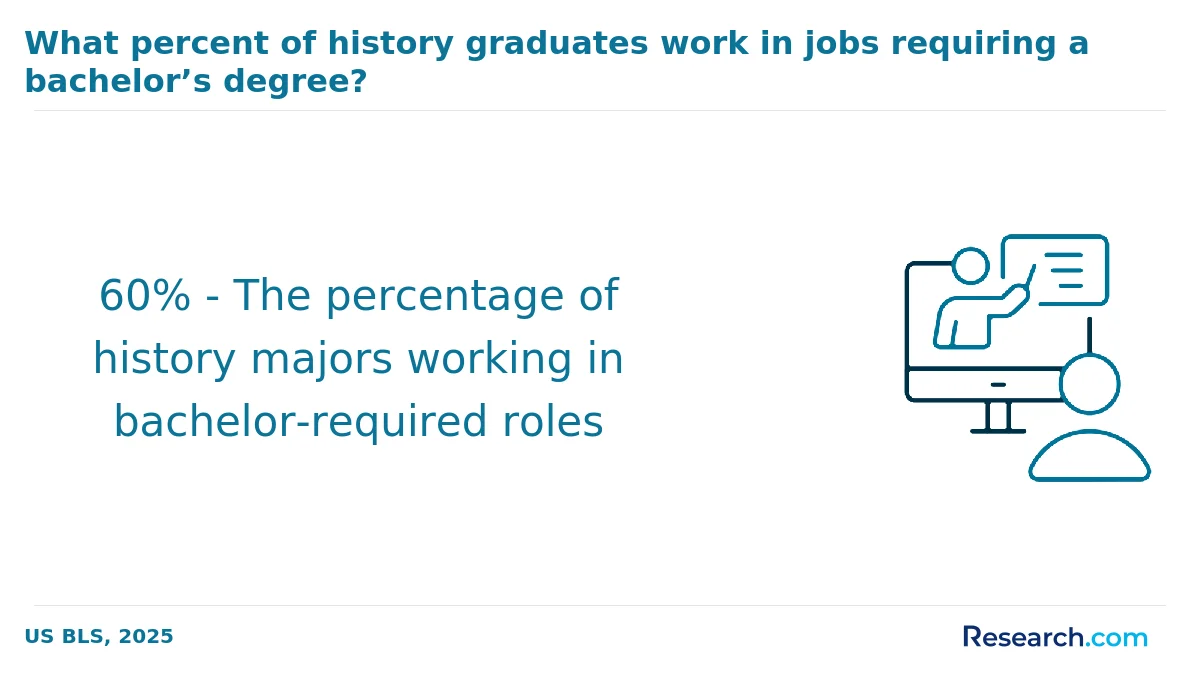
Graduates with an online history degree in America often find themselves drawn to diverse career opportunities that go beyond traditional roles. Museums, libraries, and government agencies remain prominent employers, with positions such as historians, archivists, and curators offering a fulfilling blend of research and public engagement. Many history graduates from universities like the University of Florida or Arizona State University describe excitement in preserving historical records while educating communities. Exploring career opportunities with online history degree USA also leads to emerging fields such as cultural resource management and nonprofit work, where graduates leverage their skills in storytelling and analysis to impact policy and preservation.
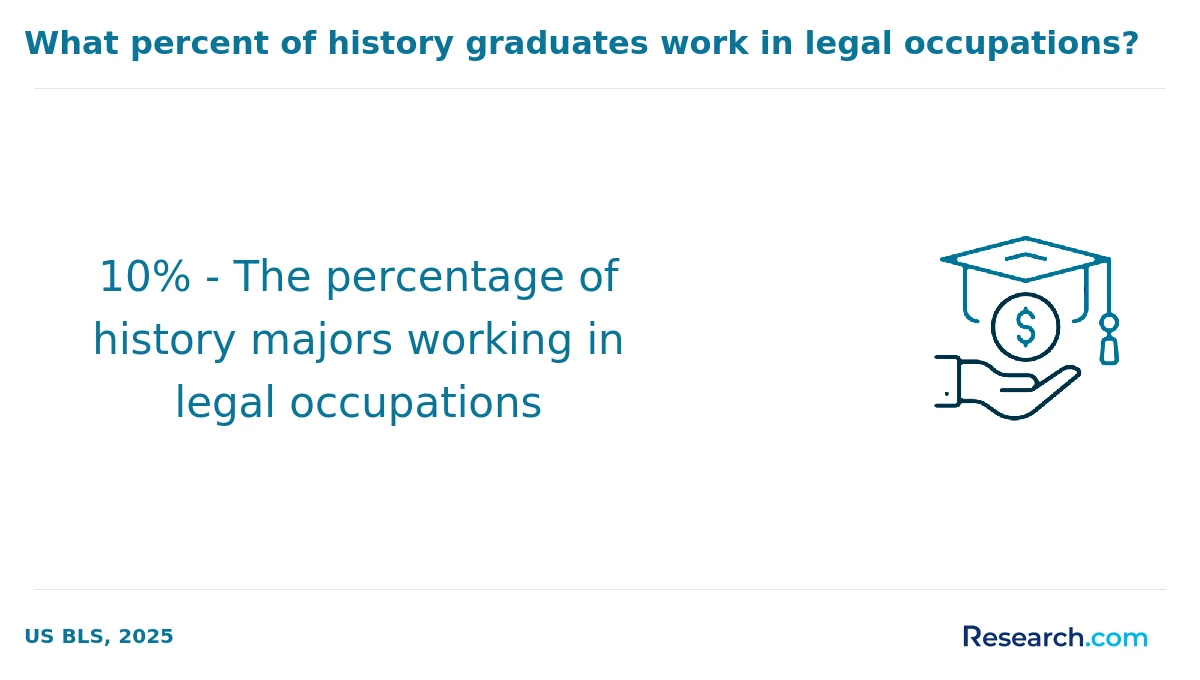
Jobs for online history graduates in America are expanding into education, law, journalism, and business sectors, reflecting the versatile skills these students develop. Graduates from institutions like Penn State or University of Illinois have found success entering roles like policy analysts or technical writers, where their ability to communicate complex information is highly valued. Many appreciate the flexibility of an online history degree which allows them to balance coursework with growing professional networks.
Students often consider an online history degree bachelor's as a stepping stone toward advanced research or academic positions that involve critical inquiry and scholarship. These paths underline the adaptability and future-focused nature of history degrees in America today, promising diverse and meaningful career paths.
Graduates of online history programs from well-known American institutions often find themselves navigating a job market that is steady yet competitive. The job outlook for online history graduates in USA shows a 6% projected growth for historians, aligning with average occupational growth, but the limited number of historian positions calls for adaptability. Many alumni from top public and private colleges are turning their degrees into diverse career pathways, such as teaching, museum work, or government research.
Those who studied at universities with strong online offerings report embracing opportunities beyond traditional roles, including digital humanities and public history. This trend reflects emerging employment opportunities for history degree holders in America, particularly in metropolitan areas and federal agencies. History students often leverage their research and analytical skills in publishing or media careers, adding value with historical expertise.
Graduates appreciate that combining their history degree with technical abilities broadens prospects. For practical insight into career options, many explore resources like jobs with art history degree, which detail evolving roles and inspire confidence about future potential in the field.
2027 Most Affordable Online History Degree Programs Ranking in the USA
Investing in your education is a significant decision that can shape your future, and the Research.com team understands the importance of making informed choices. To support students looking for affordable online history degree options, we have carefully developed the "2027 Most Affordable Online History Degree Programs Ranking in the USA." Our dedication to quality, credibility, and accuracy is demonstrated through thorough research and detailed analysis.
We utilized the following reputable data sources to ensure a comprehensive evaluation of programs:
By reviewing this ranking, readers will gain valuable insights into affordable and quality online history degree programs, enabling informed educational decisions. For further details about our ranking process, please visit our Research.com methodology page.


Frequently Asked Questions About history
Online history degree students in America can enhance their learning by actively engaging with diverse digital resources. Utilizing primary source databases such as the Library of Congress digital collections enriches understanding of historical contexts. Scholars recommend complementing coursework with virtual lectures and webinars hosted by institutions like the American Historical Association.
Time management is critical; students should create consistent study schedules that mirror traditional class cadence, increasing retention. Participating in online discussion forums fosters critical thinking and exposes students to differing perspectives. According to the National Center for Education Statistics, students engaging with peers virtually tend to perform better.
Finally, seeking internships or volunteer roles in local museums or archives provides practical experience, bridging theoretical knowledge with real-world application.
The history field in America is expanding into several emerging niches that reflect current societal interests and technological advances. One of the fastest-growing areas is public history, where historians work with museums, archives, and cultural institutions to make history accessible to wider audiences. According to the American Historical Association, jobs in public history have increased by over 20% in the past decade.
Another niche gaining attention is digital history, which uses digital tools and databases to analyze historical data. This approach allows students to engage with history through interactive maps, virtual exhibits, and data visualization.
Additionally, environmental history is increasingly popular as it examines the relationship between humans and nature over time, addressing contemporary issues like climate change.
Finally, social justice history is a growing focus for those interested in uncovering marginalized voices and exploring topics like racial equality and civil rights in America.
Graduates with an online history degree in America should focus on building relevant skills to enhance employability. Strong research, writing, and critical thinking skills are essential, as they are highly valued in sectors like education, public history, and government. Internships and volunteer work at museums or archives can provide practical experience and networking opportunities. According to the U.S. Bureau of Labor Statistics, jobs in history-related fields are expected to grow about 5% through 2031. Additionally, proficiency with digital tools and data analysis increases marketability in the evolving job landscape. Joining professional organizations such as the American Historical Association can also help with job connections and career advice.
Employers in America highly value history degree graduates for their strong analytical and research skills. According to the National Association of Colleges and Employers (NACE), critical thinking tops the list, as graduates are trained to evaluate diverse sources of information carefully.
Communication skills are also crucial. History students often excel in writing and presenting complex ideas clearly, a trait identified in over 75% of humanities-related job postings, according to the Bureau of Labor Statistics.
Additionally, employers seek proficiency in data interpretation and digital literacy, especially with online archives and historical databases. Adaptability and project management skills are increasingly important in fast-changing work environments.
Overall, graduates who combine traditional historical knowledge with technical skills stand out in the American job market.
Finding internships relevant to a history degree in America involves targeted research and leveraging university resources. Many online history programs offer career services that connect students with internships in museums, archives, and research institutions. The National Council on Public History reports that internships can significantly boost job prospects, with over 60% of public historians starting their careers through such roles.
Students should explore websites like the American Historical Association's Career Center, which lists history-focused internship opportunities nationwide. Additionally, local historical societies and government archives often have programs designed for history students. Networking through alumni groups and professional associations can also uncover hidden opportunities.
Applying early and tailoring applications to emphasize historical research and analysis skills is critical. Internships can range from paid to volunteer, so considering both options broadens possibilities. Tracking application deadlines and requirements, particularly for summer programs, ensures timely submissions.
An online history degree in America can significantly enhance career mobility and advancement by equipping students with critical thinking, research, and analytical skills valued across multiple industries. According to the U.S. Bureau of Labor Statistics, positions in education, museums, and government agencies often list a history degree as preferred or required. Graduates enjoy versatility in fields like law, public policy, and archival work, where historical knowledge informs decision-making and strategy.
Additionally, online programs provide flexible scheduling, allowing working professionals to advance their education without leaving their jobs. This flexibility supports continuous career growth and salary improvement. The National Center for Education Statistics highlights that history majors have a median starting salary above the average for humanities degrees, further supporting career advancement potential.
Studying for a history degree in America offers versatile skills that prepare students for interdisciplinary roles across various fields. Coursework emphasizes critical thinking, research methods, and effective communication, which are widely applicable beyond traditional history careers. Many programs incorporate elements from political science, sociology, economics, and cultural studies, encouraging a holistic understanding of complex issues.
The American Historical Association highlights that 70% of history graduates work outside academia, often in roles requiring cross-disciplinary knowledge, such as public policy, law, or museum curation. Online programs increasingly offer customizable electives, allowing students to tailor their studies to intersect with other disciplines, further enhancing flexibility in career paths.
When choosing between a thesis and a non-thesis online history degree in America, consider your career goals first. Thesis programs require original research and writing, ideal for students aiming for academic or research careers. These programs often take longer to complete but provide strong preparation for doctoral studies.
Non-thesis programs focus on coursework and exams, appealing to those seeking practical skills for jobs in education, museums, or government. According to the American Historical Association, about 40% of U.S. history master's students choose non-thesis options for quicker entry into professions.
Cost and time are also important-non-thesis tracks often require fewer credits, reducing overall expenses.
Students in America interested in studying history abroad have several viable options through online programs and partnerships. Many U.S. universities offer study abroad opportunities incorporated within their online history degrees, allowing students to earn credits remotely while participating in short-term overseas experiences.
Programs may include virtual exchanges or collaborative courses with international institutions, broadening historical perspectives without the need for full relocation. According to the Institute of International Education (2023), about 8% of U.S. students engage in study abroad activities, often in partner programs linked to their universities, including history majors.
Additionally, some accredited online history degrees provide elective courses focused on global or regional histories, which enrich study abroad components. These options enable U.S.-based learners to access diverse historical frameworks conveniently and affordably.
Students pursuing online history degrees in America often seek part-time jobs that enrich their academic experience while supporting their career goals. Common opportunities include internships or assistant roles at museums, archives, and historical societies, which provide hands-on experience with primary sources and preservation techniques. According to the U.S. Bureau of Labor Statistics, positions such as research assistants or library aides also align well with history studies, offering skills in research and information management.
In addition, tutoring or teaching assistant roles in history or related social sciences at local colleges can sharpen communication skills. These jobs not only enhance a resume but deepen understanding of historical content. Many institutions offer flexible hours accommodating online learners.
Online history students in America have access to growing networking opportunities despite the digital format of their studies. Many accredited programs connect students with alumni networks and professional organizations such as the American Historical Association (AHA), which offers virtual conferences and forums. According to the AHA, over 10,000 members engage annually in these activities, creating valuable connections.
Students can join online study groups, attend webinars hosted by universities, and participate in internships coordinated remotely by their institutions. Additionally, platforms like LinkedIn host specialized history groups where students and professionals share resources and job leads.
These virtual networking options can significantly support career development for online history learners across the United States.
Alumni networks offer significant benefits for students pursuing online history degrees in America. These networks connect current students with graduates who have firsthand experience navigating the field. As the American Historical Association reports, professional networking is crucial in history careers, where many job opportunities arise through contacts.
Through alumni events, mentorship programs, and online communities, students gain access to advice on research methods, job searches, and graduate programs. Networking also exposes students to internships and employment opportunities at museums, archives, and educational institutions.
Moreover, alumni networks provide a platform for sharing resources, such as historical journals and conference information, which enrich the academic experience beyond the virtual classroom.
Customizing an online history degree in America is possible through selecting concentration areas that align with your career goals. Many programs offer specializations such as American history, public history, or archival studies, allowing students to focus on fields relevant to careers in education, museums, or government.
Students can also tailor their elective courses to gain skills in digital history or historical preservation. Internships and capstone projects are common options that provide practical experience, enhancing job readiness. According to the American Historical Association, about 60% of history graduates enter roles requiring specific expertise, making targeted coursework valuable.
Choosing accredited universities ensures your degree meets professional standards for employment or graduate studies.
Online history students in America often face unique challenges that can impact their academic success. One major difficulty is maintaining motivation without traditional classroom interaction. According to the National Center for Education Statistics (NCES), about 20% of online students report feeling isolated during their studies.
Another challenge lies in accessing primary historical resources, which are often housed in physical archives. Students may struggle to find digital equivalents or rely heavily on secondary sources. Additionally, some employers and institutions may undervalue online degrees compared to traditional ones, despite growing acceptance. Time management and balancing coursework with personal commitments also remain significant hurdles.
Graduates with an online history degree in America can pursue several professional certifications to enhance their career prospects. One common option is the Certified Archivist credential offered by the Academy of Certified Archivists, which is recognized nationally for individuals aiming to work in archives or records management. Additionally, the Museum Studies Certificate can prepare graduates for roles in curatorship or museum education.
For those interested in education, obtaining a teaching license or certification for secondary education history can open doors to public school teaching jobs. The U.S. Bureau of Labor Statistics notes that history teachers at the high school level require a state-issued license.
Other certifications related to research, public history, and preservation are also available, helping professionals stand out in competitive job markets.
When applying for an online history degree program in America, a clear, well-organized application is essential. Start by tailoring your personal statement to highlight your passion for history and your commitment to online learning. Mention any relevant experience, such as research projects or related work.
Strong letters of recommendation from professors or employers who can vouch for your academic ability and motivation improve your chances. According to the National Center for Education Statistics (NCES), nearly 30% of online students emphasize the importance of recommendation letters.
Lastly, demonstrate your readiness for online study by discussing your time-management skills and self-discipline. Including your GPA and any relevant coursework helps complete a competitive application.
The global perspective on a history career emphasizes critical thinking, research skills, and cultural awareness. In the United States, history graduates often find opportunities in education, government, museums, and international organizations. According to the U.S. Bureau of Labor Statistics, employment for historians is projected to grow 6% from 2021 to 2031, reflecting steady demand.
History degrees also prepare students to engage with global issues through understanding diverse cultures and historical contexts. Many universities promote study abroad or online collaborations to enhance this perspective. Online history programs in the U.S. increasingly include global history courses, equipping graduates to work in multinational environments.
Overall, the career outlook within the U.S. education system supports a broad range of paths combining history expertise with global insight.
Gaining practical experience while studying for an online history degree in America is essential to apply theoretical knowledge and enhance career readiness. Many programs encourage internships with museums, archives, or historical societies, which can often be completed virtually. According to the American Historical Association, about 60% of history students engage in some form of applied learning before graduating.
Additionally, students can participate in research projects, either independently or alongside faculty, to develop skills in analysis and interpretation of historical data. Online learners may also join digital history labs or community history initiatives that offer hands-on opportunities.
Another option is to contribute to local or national preservation efforts, sometimes facilitated through university partnerships. These experiences help build professional networks and resume credentials while studying remotely.
Choosing the right concentration within an online history degree program in America starts with understanding your interests and career goals. History encompasses diverse fields such as American history, world history, public history, and archival studies. According to the National Center for Education Statistics, more than 30% of history bachelor's degrees in the U.S. focus on American and U.S. history specialties. Reflect on which historical period or theme excites you most and aligns with potential job markets, like education, research, or museum work.
Examine curriculum details carefully. Some programs emphasize research skills, while others focus on practical experience or digital history tools. Accreditation status, faculty expertise, and program flexibility-especially for working professionals-also heavily influence your choice. Institutions like the American Historical Association provide resources on emerging history concentrations, helping you make an informed decision.
- How a Strong Alumni Network Can Benefit Students https://www.pacificu.edu/blog/how-strong-alumni-network-can-benefit-students
- United States History I https://www.straighterline.com/online-college-courses/united-states-history-i/
- History Programs Abroad: Degrees & Opportunities - AEC https://www.aecoverseas.com/history/
- History Online https://www.nsu.edu/History-and-Interdisciplinary-Studies/History-Online
- 2025 Most Affordable Online History Degrees https://www.onlineu.com/most-affordable-colleges/history-degrees
- Online Degree vs. Traditional: Choosing the Right Path https://beal.edu/online-degree-vs-traditional/
- Undergraduate Student Opportunities https://warwick.ac.uk/fac/arts/history/students/studentopportunities/
- Finding Networking Opportunities as a Student | National Society of High School Scholars https://www.nshss.org/resources/blog/blog-posts/how-to-find-networking-opportunities-as-a-student/
- Top Online Master’s Degree Programs in History for 2025 https://www.onlinemastersdegrees.org/best-programs/history/
- What Can You Do With a History Degree? https://willamette.edu/academics/college/history/career-options