2027 Best Online Bachelor's in History Degree Programs Ranking in the Midwest

Co-Founder and Chief Data Scientist
Choosing the right history degree program can feel overwhelming, especially with so many options available online. This article presents the 2027 Best Online Bachelor's in History Degree Programs Ranking in the Midwest, carefully created by the Research.com team of data scientists. Their thorough analysis aims to help you find programs that fit your goals and lifestyle.
Studying history offers valuable skills like critical thinking and a deeper understanding of the world. Reading this guide can inspire you as you take the next step toward a meaningful and rewarding educational journey.
Key benefits of getting online history degree in the Midwest
- History degree graduates in the Midwest often find rewarding careers in education, museums, and public history, with average salaries typically ranging from $45,000 to $65,000 annually, reflecting steady income potential.
- Graduates from popular Midwest universities in history can pursue diverse roles such as archivists, curators, or historians, showcasing the versatility and passion-driven paths this degree enables.
- Online history degrees offer flexible schedules and lower costs compared to traditional programs, allowing students to balance work and life while gaining the same quality education from respected Midwest universities.
- 2027 Best Online Bachelor's in History Degree Programs Ranking in the Midwest
- What can I expect from online history degree in the Midwest?
- Where can I work with online history degree in the Midwest?
What can I expect from online history degree in the Midwest?
The average cost of an online history degree in the Midwest is often a pleasant surprise for many students. Graduates from well-known institutions like the University of Illinois Springfield or Indiana University frequently share how the in-state tuition rates helped ease financial worries, allowing them to focus deeply on their studies rather than on mounting debt. Public universities in this region usually offer more affordable pricing compared to private schools, which can make a substantial difference for students balancing work and family commitments.
Many online learners appreciate how accessible financial aid and scholarships are throughout their program, often citing these supports as crucial in their journey. This affordability paired with the high academic standards of Midwestern programs brings a sense of security and pride, knowing they receive a quality education without overspending.
From the stories of those who have walked this path, it's clear that studying history online in the Midwest is not only intellectually rewarding but also financially manageable, especially when students take full advantage of resident tuition benefits and institutional aid resources.
Where can I work with online history degree in the Midwest?
Graduates holding an online history degree from Midwest institutions like the University of Michigan or Indiana University often find themselves welcomed into a variety of meaningful roles. Many discover fulfilling careers at local museums, such as the Milwaukee Public Museum, where they engage in curation and educational outreach-roles that allow them to bring history to life for their communities.
Others take positions within state historic preservation offices in Illinois or Ohio. These graduates find satisfaction overseeing historic landmarks, applying their specialized knowledge while contributing to projects that protect regional heritage. Such work often feels deeply rewarding, connecting professional efforts to tangible cultural impact.
Teaching is another rich path, with alumni securing roles in K-12 schools or community colleges across Wisconsin and Michigan. These educators cherish the chance to inspire new generations to appreciate history, often combining classroom work with community projects.
Business and government also offer roles in archives management and research, where history graduates leverage analytical and communication skills cultivated during their studies at respected Midwest universities. Many report excitement in applying their backgrounds beyond traditional settings, demonstrating the degree's versatility.
Graduates with an online history degree in the Midwest often find their earnings shaped by the region's diverse opportunities. Many who studied at well-known institutions like the University of Illinois or Ohio State University report median salaries around $68,000 as practicing historians in states like Illinois or Minnesota, where pay tends to be higher.
Others who ventured into education, particularly secondary teaching, have seen annual salaries ranging from $50,000 to $65,000, depending on experience and district, especially in Ohio and Indiana. This range aligns well with the practical career paths taken by history graduates who value the ability to inspire new generations.
For those entering museums or archives, starting salaries typically fall between $40,000 and $55,000 in cultural hubs like Chicago and Minneapolis, with the potential to grow past $60,000 as experience deepens. These roles often offer fulfilling work preserving the past and connecting communities.
Government historian roles in the Midwest provide a broader salary range, usually between $55,000 and $80,000, reflecting the importance of state-funded historical research and preservation in places such as Wisconsin and Michigan. Graduates find these careers not only financially viable but enriching in purpose.
- Online history bachelor's programs in the Midwest are typically designed to be completed within four years for full-time students and cover American, European, and world history.
- In-state tuition at public institutions ranges from about $8,000 to $12,000 per year, while private schools often charge more than $20,000 annually.
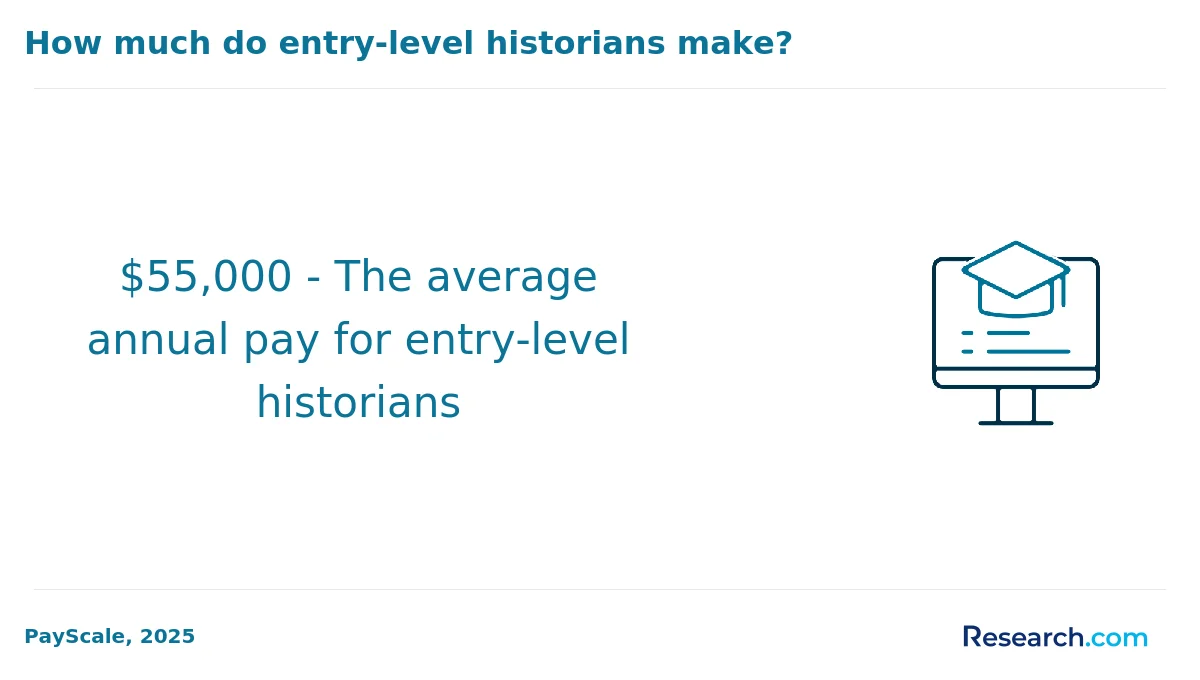
- Entry-level history-related jobs offer salaries around $40,000 to $45,000, with experienced roles like museum curators earning between $55,000 and $65,000 yearly.
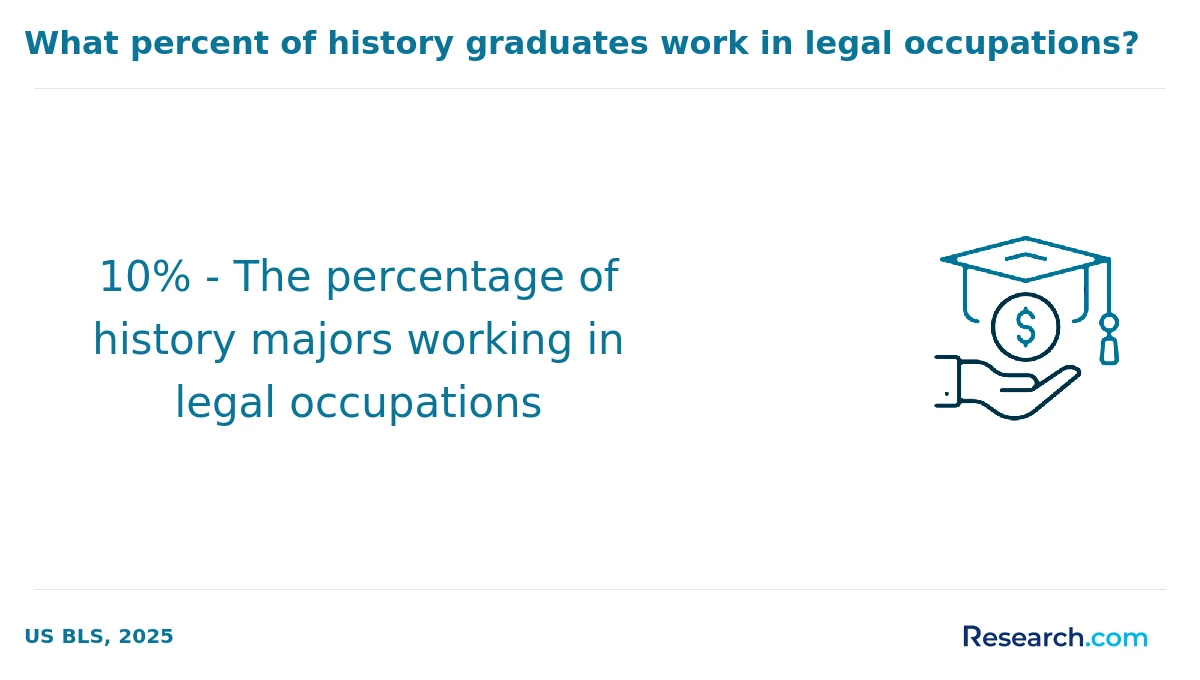
- The job market is stable with demand in education, government, libraries, and cultural institutions, plus opportunities in law, journalism, and public policy.
- Most reputable Midwest online history programs are regionally accredited, ensuring quality education and better acceptance by employers and graduate schools.
Completing an online history degree in the Midwest typically takes about four years for full-time students, following a structure of 120 to 130 credit hours. Graduates from universities like Illinois State University and the University of Missouri often share how the rhythm of semester-based courses helps maintain a steady pace while juggling other responsibilities.
Many students reflect on the balancing act required when managing work, family, and studies, which can extend their timeline to around six years or more. Those who take advantage of flexible course loads or accelerated options find encouragement in accelerating their progress, especially when transferring credits from community colleges. This flexibility resonates with individuals who appreciate a personalized approach to their education.
Affordability also plays a quiet but influential role. With yearly tuition ranging between $8,000 and $15,000 at public institutions, students often carefully plan their course loads to maintain financial stability, ensuring steady advancement. Many Midwest history majors recall this thoughtful pacing made their degree journey both manageable and rewarding.
Choosing between online and on-campus history degrees in the Midwest often hinges on how students want to experience their education. Graduates from the University of Illinois Urbana-Champaign recall the energy of walking into lively seminars and studying archives in person, which deepened their connection to local history through visits to nearby museums. They value the spontaneous debates and networking that on-campus life naturally encourages.
Conversely, alumni of Ball State University appreciate the flexibility their online program offered, allowing them to balance work and family while accessing interactive lectures from home. For many, the virtual discussion boards became a space for thoughtful exchanges, proving that meaningful engagement can thrive beyond physical classrooms.
Cost considerations are comforting for Midwest students since many public universities keep tuition similar across formats. Yet, online learners often save on commuting and housing, easing financial pressure. Both paths maintain rigorous academic standards, but experience tells us that those craving hands-on archival work may lean toward on-campus study, while others value the adaptable schedule online programs provide.
When considering the average cost of an online history degree Midwest students should expect total expenses around $44,520. This figure balances both in-state and out-of-state tuition fees while including reasonable estimates for technology fees and course materials. Graduates from popular public universities in the region often recall paying closer to $34,448 if they qualify for in-state rates, making the degree more accessible when attending a state university. Conversely, out-of-state learners may face costs near $43,995, a significant but often worthwhile investment given the flexibility online programs offer.
Many students pursuing a Midwest online bachelor's history degree tuition fees point to the example of Indiana University's Kelley School of Liberal Arts, where tuition is charged approximately $400 per credit. This ease of understanding per-credit costs allows learners to plan budgets more meticulously, especially when deciding how many credits to take each year. Alumni often appreciate the balance between affordability and the high-quality instruction they receive, which empowers them to build meaningful careers without overwhelming debt.
It's worth noting that while private institutions generally charge more, many online students find scholarship opportunities or reduced online tuition rates that can alleviate financial concerns. Those juggling work and family responsibilities often find the online format a financially and emotionally rewarding option. Exploring all tuition policies, financial aid possibilities, and additional fees is critical to making informed decisions about pursuing a history degree in the Midwest.
Students pursuing online history degrees in the Midwest often find that a mix of federal, state, and institutional aid can make their educational journey feel more attainable. Many graduates recall starting with the Free Application for Federal Student Aid (FAFSA), unlocking access to Pell Grants that provide significant financial relief-sometimes up to $7,395 annually. This aid often becomes the cornerstone for budgeting around tuition costs that typically range from $10,000 to $12,000 at public Midwest universities.
State-specific programs also offer valuable support. For instance, Illinois students attending the University of Illinois at Springfield often benefit from the Monetary Award Program (MAP), which helps cover expenses for those with demonstrated need. In Michigan, attending Michigan State University online can bring tuition incentives that ease financial pressures, especially appreciated by working adults balancing study and life.
Institutional scholarships, awarded for academic merit or financial need, are frequently highlighted by successful online history graduates as game changers. These scholarships, sometimes targeting history majors or related careers, encourage persistence and passion in their fields.
Many students also share stories of employer tuition assistance, allowing them to gain critical skills while feeling supported professionally. Federal loan forgiveness programs, especially for those working in education or public service, further illuminate pathways to reduce long-term debt, making the pursuit of history in the Midwest not only a dream but a rewarding possibility.
Enrolling in an online history degree program in the Midwest commonly begins with holding a high school diploma or an equivalent like a GED. Graduates from universities such as the University of Illinois or Ohio State share how this foundational step opened doors to their academic journeys, providing a solid base for historical inquiry.
Many students find reassurance in knowing that although some institutions may still request SAT or ACT scores, several popular programs have embraced test-optional policies, especially after the changes prompted by the COVID-19 pandemic. This flexibility often lifts stress and encourages a wider range of applicants.
Transfer students have emphasized the importance of submitting official transcripts that reflect completed social science or general education courses. At Midwestern colleges known for history, these transcripts help admissions teams understand a student's readiness and commitment to the field.
English proficiency is another key prerequisite, particularly for international learners. Successful graduates recall how meeting this requirement gave them confidence in engaging deeply with historical texts and discussions.
Finally, some programs ask for a minimum GPA around 2.5 to 3.0, alongside a statement of purpose or personal essay. These elements allow candidates to express their passion for history and clarify their academic goals, making the application process both a challenge and an opportunity for personal reflection.
Typical online history degree programs in the Midwest guide students through a rich spectrum of courses that blend both broad and region-specific historical insights. Graduates from well-regarded Midwestern universities often recall deeply engaging with core classes like U.S. History from Colonial Times to the Present, which brings alive the nation's evolving identity with relatable stories of everyday people and landmark events.
World Civilizations and European History courses open windows to global contexts, layering the American experience within a wider frame. Many find the course on the History of the Midwest and Great Lakes Region particularly meaningful, as it connects them personally to their own environment's unique cultural and industrial heritage.
Students frequently praise electives exploring African American history, Native American history, and labor movements, noting how these shaped current societal dynamics. Research Methods classes, a staple at institutions known for their rigorous history programs, equip learners with the analytical tools to critically examine sources, often reflecting on moments in their own communities with renewed understanding.
Students pursuing an online history degree in the Midwest typically find a rich selection of specializations that deeply connect with regional heritage and broader historical narratives. Graduates from well-known Midwestern universities often share enthusiasm for areas like American History, which delves into transformative eras including the Civil War and modern developments. Others appreciate focusing on European History, exploring pivotal moments such as the Renaissance and Enlightenment that shaped Western civilization. For those drawn to hands-on work, Public History concentrations open doors to careers in museums and archives, reflecting a common path for Midwest students eager to apply their knowledge beyond textbooks.
Many enjoy the relevance of Military History, given the region's strong military traditions, while Ancient or Classical History appeals to learners fascinated by early civilizations. Some programs highlight African American History and Ethnic Studies, acknowledging the diverse cultural contributions intrinsic to the Midwest. These tailored options within Midwest online bachelor's history concentrations empower students to align passions with career ambitions and benefit from affordable in-state tuition. Curious about the cost of a history degree? Exploring this can make your educational journey practical as well as inspiring.
Choosing the best online history degree programs Midwest requires more than just reviewing course catalogs. Graduates from notable Midwestern colleges often emphasize how accreditation by the Higher Learning Commission assured them of quality education recognized across the country. Beyond accreditation, these programs stood out by offering diverse coursework-from American and European history to specialized Midwest history studies-helping students develop a robust understanding of regional and global contexts.
Affordability is another key concern. Many appreciating the value of affordable online bachelor's in history Midwest were pleasantly surprised by in-state tuition options that significantly reduced costs without sacrificing academic rigor. Faculty expertise was equally memorable; students benefited greatly from professors engaged in current research and who integrated digital archives and tools into their curriculum, enhancing the remote learning experience.
Flexibility also made a real difference for those balancing work and study, with asynchronous classes and credit transfer policies supporting varied schedules. For students contemplating future career prospects, exploring history master's degree career paths provided insightful guidance on how undergraduate choices can lead to rewarding roles in education, research, and museums.
Graduates with an online history degree in the Midwest often find rewarding career options that align with their passions and the region's unique opportunities. Many pursue teaching positions in well-regarded institutions like the University of Illinois or Ohio State University, leveraging their strong foundation in critical thinking to inspire the next generation. Others embrace roles in museums or archives, working in Chicago's vibrant cultural scene or at the Indiana Historical Society, where they preserve and share the rich heritage of the Midwest. These careers tap deeply into the skills gained through an online history degree careers Midwest offers.
There are also fulfilling paths in public policy and government, where graduates contribute as research analysts or policy advisors in state agencies, often feeling a meaningful connection to local communities. The business world around Minneapolis and Chicago welcomes history majors too, valuing their analytical talents in communications or corporate archives. For those mindful of cost and outcomes, exploring affordable online art history degrees accredited can be a wise step toward these promising career options for history graduates Midwest.
The job market for graduates with an online history degree in the Midwest offers a diverse range of opportunities reflecting the region's cultural richness and educational priorities. Graduates from popular institutions like the University of Illinois or Michigan State University often find rewarding roles in museums, local government agencies, and cultural organizations, where their research and analytical skills shine. Many have shared stories of working within Chicago's vibrant historical societies, where their passion for regional history directly supports community engagement and preservation efforts. This kind of work, though sometimes less visible, brings deep personal satisfaction through meaningful contributions to keeping local heritage alive.
For students considering Midwest careers with online history degree credentials, public schools and community colleges represent another avenue, especially when combined with teaching certification. The steady demand in these fields highlights the practical value of history degrees beyond purely academic settings. Additionally, learners enhance their prospects by developing digital archiving or public history expertise, which increasingly aligns with the region's investment in historical preservation and education.
Many graduates appreciate that tuition remains accessible-often between $8,000 and $12,000 annually at public universities-making their degree a wise investment. The median entry-level salaries in this sector reflect that balance, and the options to grow within museums or archives in cities like St. Louis and Minneapolis provide a rewarding pathway. Those interested in advancing their studies can explore history masters programs online to deepen their expertise and increase their career flexibility.
2027 Best Online Bachelor's in History Degree Programs Ranking in the Midwest
Investing in your education is a significant decision that can shape your future, and the Research.com team understands the importance of making informed choices. To assist prospective students seeking history degrees in the Midwest, we have meticulously crafted the "2027 Best Online Bachelor's in History Degree Programs Ranking in the Midwest." Our commitment to quality, credibility, and accuracy is reflected in the extensive research and analysis conducted to compile this ranking.
We utilized the following reputable data sources to ensure a comprehensive evaluation of history degree programs:
By exploring this ranking, readers will gain valuable insights into the top online history programs in the Midwest, helping them make informed decisions about their educational paths. For more details on our methodology, please visit our Research.com methodology page.


Frequently Asked Questions About history
Students pursuing online history degrees in the Midwest can enhance their learning by actively engaging in virtual discussions and utilizing university library resources. Many Midwestern universities provide remote access to extensive digital archives and databases, which are essential for historical research. According to the American Historical Association, students who explore regional history collections often gain deeper insights relevant to their coursework.
Joining regional history groups or online forums focused on Midwestern history also helps foster a community and expose students to diverse perspectives. Additionally, seeking internships or volunteer opportunities at local museums or historical societies can provide practical experience to complement online study.
Regular communication with faculty and peers supports academic success, as does planning a structured study schedule to manage coursework efficiently. These strategies combine to maximize both knowledge and skills in history within an online learning environment focused on the Midwest.
Emerging niches within the history field reflect growing interests in interdisciplinary and applied areas. In the Midwest, digital history has gained traction, as universities integrate technology to analyze historical data and artifacts. This includes using Geographic Information Systems (GIS) to map historical events. Public history also continues expanding, focusing on museum work, archival management, and community engagement. Environmental history is increasingly important, especially given the region's agricultural heritage and concerns about climate change. Additionally, studies of migration and labor history remain central, addressing the Midwest's diverse populations and industrial past. According to the American Historical Association, these niches receive growing academic and job market attention.
Graduates with an online history degree in the Midwest can enhance their job market readiness by gaining practical experience. Internships at local museums, historical societies, or archives offer valuable hands-on skills. According to the American Historical Association, 62% of history graduates who intern secure jobs within six months.
Building a professional network is equally essential. Joining Midwest-based history associations and attending regional conferences can connect graduates with potential employers. Additionally, developing skills in digital humanities and data analysis increases employability in the evolving job market.
Finally, pursuing certifications in archival or museum studies can position graduates for competitive roles.
Employers in the Midwest value several key skills when hiring history degree graduates. Strong research abilities are essential, as graduates must analyze primary and secondary sources accurately. Critical thinking and analytical skills help in evaluating historical events and drawing informed conclusions.
Communication skills, both written and oral, are highly sought after since history professionals often present findings clearly and persuasively. According to the American Historical Association, nearly 70% of employers prioritize these competencies in humanities graduates.
Additionally, proficiency in digital tools and archives is increasingly important due to the growing use of technology in historical research and preservation. Familiarity with data organization and interpretation enhances a candidate's value in museums, educational institutions, and public history roles across the Midwest.
Finding internships in the Midwest relevant to a history degree typically involves leveraging regional resources like museums, archives, and universities. Many Midwestern cities, such as Chicago, Indianapolis, and Minneapolis, have institutions actively seeking history interns.
Students should explore programs offered by historical societies, like the Indiana Historical Society, which often provide hands-on experience. Additionally, contacting university career services in the region can connect students to opportunities not widely advertised.
Online platforms like Handshake and USAJobs also list internships in government archives and cultural institutions. According to the National Park Service, the Midwest hosts over 100 historic sites, many offering internships for history students.
Networking through professional associations, such as the Midwest Archives Conference, enhances chances to find meaningful internships.
An online history degree in the Midwest can significantly enhance career mobility and advancement opportunities. Many employers value the critical thinking, research, and communication skills developed through history programs. According to the National Center for Education Statistics, nearly 30% of Midwest graduates with humanities degrees, including history, proceed to roles in education, public administration, and museums.
Online degrees also offer flexible schedules, allowing working professionals to upskill without leaving their current jobs. This flexibility supports career shifts and promotions in sectors like government, archival work, and cultural management.
Midwestern states such as Illinois and Ohio report steady growth in demand for history-related positions, contributing to regional job stability.
Studying for a history degree in the Midwest offers strong preparation for interdisciplinary roles by providing broad-based skills valued across fields. Many Midwest universities emphasize combining historical knowledge with social sciences, humanities, and communication studies.
According to the American Historical Association, nearly 60% of history graduates enter fields like education, public policy, or cultural resource management, where interdisciplinary expertise is crucial. Programs in states such as Illinois and Ohio frequently include coursework in economics, political science, and digital humanities, developing analytical and research skills applicable beyond traditional history careers.
Online history degrees in the Midwest often incorporate regional history and global perspectives, fostering cultural awareness important for roles in business, law, and media. This approach equips students to adapt and contribute in diverse professional environments.
When choosing between a thesis and a non-thesis online history degree in the Midwest, students should consider their career goals. A thesis program involves original research and writing, preparing those interested in graduate school or research careers. Non-thesis options emphasize coursework and applied skills, better suited for those focusing on teaching or public history jobs.
Midwestern universities like the University of Illinois offer both formats with similar credit requirements, so think about your time commitment and interest in deep research. According to the National Center for Education Statistics, about 30% of history graduates in the Midwest pursue further education, highlighting the relevance of thesis tracks for that group.
Additionally, non-thesis programs may be faster to complete, an important factor for working professionals. Evaluate your learning style and professional plans carefully before deciding.
Students in the Midwest pursuing online history degrees have several pathways to gain international experience in their studies. Many universities offer study abroad programs integrated with their online curriculum, allowing students to take short-term trips to historic sites in Europe, Asia, or Latin America.
Some institutions partner with global universities for virtual exchange programs, enabling students to attend seminars featuring international scholars. According to the Institute of International Education's 2022 Open Doors Report, nearly 10% of Midwest college students participate in study abroad, highlighting growing opportunities.
Additionally, programs often provide research opportunities on global history topics, preparing graduates for diverse careers.
Students pursuing an online history degree in the Midwest can benefit from part-time roles that enhance their academic knowledge and professional skills. Museums and historical societies frequently seek assistants for cataloging collections, leading tours, and conducting research. For example, the Illinois State Historical Society offers internships that provide hands-on experience supporting local history preservation.
Additionally, many Midwestern libraries offer research assistant positions, which can deepen understanding of archival materials and primary sources. According to the U.S. Bureau of Labor Statistics, library assistants earn around $15 per hour, a solid option for students balancing work and study.
Jobs in education, such as tutoring history to high school students or creating content for online platforms, also complement history degrees well. These roles develop communication skills vital for future historians or educators.
Online history students in the Midwest benefit from a variety of networking opportunities tailored to their unique needs. Many Midwestern universities offering online history degrees host virtual events such as guest lectures, history seminars, and alumni panels. These events help students connect with professionals and academics in the field.
Regional history associations, like the Ohio Academy of History and the Indiana Historical Society, offer memberships that allow online students to network through conferences and workshops. Participation in local museum collaborations and internship programs also provides practical experience and valuable contacts.
According to the American Historical Association, students engaged in professional networks have a higher chance of career advancement post-graduation.
Alumni networks play a vital role in supporting online history degree students in the Midwest. These networks provide access to professional connections, which are crucial for finding internships, job opportunities, and mentorship within historical societies, museums, and educational institutions common in the region.
Many Midwestern universities have established robust alumni communities that host events and create online forums. For example, the University of Illinois Alumni Association offers career services and networking workshops specifically tailored to history graduates.
Research from the National Association of Colleges and Employers highlights that 85% of jobs are filled through networking, underscoring the value of these connections for history students transitioning into the workforce.
Customizing an online history degree in the Midwest allows students to align their studies with specific career goals. Many regional universities offer concentrations such as public history, archival studies, or museum studies, helping students gain targeted skills relevant to jobs in education, research, or cultural preservation.
The flexibility of online programs lets students choose electives that focus on areas like Midwest history, Native American history, or Civil War studies. According to the American Historical Association, nearly 40% of history majors pursue careers outside academia, making interdisciplinary coursework valuable.
Additionally, internships and virtual collaborations offered by Midwestern schools provide practical experience, essential for career readiness in history-related fields.
Online history students in the Midwest face several common challenges that can impact their academic success. One key issue is limited direct access to local archives and historical resources, which are often vital for research projects. Unlike traditional on-campus students, they may struggle to engage deeply with primary sources, especially region-specific materials. Additionally, balancing coursework with work or family commitments, a challenge reported by over 60% of adult learners nationwide according to the National Center for Education Statistics, is prominent among Midwest students.
Connectivity can also be problematic in rural areas, affecting participation in live discussions and timely access to course materials. Lastly, many students express a need for stronger online community support and faculty interactions, which can enhance motivation and understanding in history programs. These hurdles require adapted strategies to ensure effective online learning experiences in the region.
Graduates with an online history degree in the Midwest can pursue various professional certifications to enhance their career prospects. Popular options include the Certified Archivist credential offered by the Academy of Certified Archivists, which is valuable for those interested in preserving historical records.
Other certifications such as the Museum Studies Certificate prepare graduates for roles in museum curation and administration, particularly relevant given the Midwest's rich cultural institutions.
History degree holders may also qualify for teaching certifications if they wish to enter education, with many states like Illinois and Ohio requiring passing specific exams to teach history at the secondary level.
According to the Midwest Archives Conference, certified professionals have a competitive edge in this growing regional workforce.
Writing a winning application for an online history program in the Midwest requires clear focus and preparation. Begin by highlighting your genuine interest in history, especially regional topics relevant to the Midwest, such as the impact of the Great Lakes or Native American heritage in the area.
Admissions committees value applicants who demonstrate critical thinking and research skills. Include examples of any historical research projects or papers you have completed. Strong letters of recommendation from history instructors or professionals add credibility.
Many Midwest programs look for commitment to online learning, so emphasize your ability to manage time and meet deadlines virtually. According to recent data from the National Center for Education Statistics, enrollment in online bachelor's programs in the region has risen by over 15% since 2020, making competition more robust.
Global perspectives on a history career emphasize diverse opportunities in education, research, public service, and cultural preservation. In the United States, including the Midwest, history graduates often contribute to museums, archives, and government agencies. According to the American Historical Association, job growth for historians is projected at 6% from 2022 to 2032, aligning with the national average.
Midwestern universities offering online history degrees prepare students for roles demanding critical thinking and communication skills. These competencies are valued worldwide, especially in international organizations and education sectors. The region's rich historical sites also provide practical experience opportunities, enhancing graduates' global understanding.
Expertise in history supports careers in law, journalism, and policy, reflecting the field's broad relevance. In sum, history degrees from the Midwest equip students to engage with global challenges through local and international contexts.
Gaining practical experience while studying for an online history degree in the Midwest is both feasible and valuable. Many Midwest universities offer virtual internships and research assistant roles focused on local history, archives, or museums. For example, institutions in Illinois and Ohio collaborate with historical societies that provide remote opportunities for students.
Additionally, students can participate in digital history projects, such as oral history collections or database curation. These projects often partner with local historical organizations to preserve Midwest heritage. According to the American Historical Association, 40% of online history students engage in such experiential learning to enhance their resumes.
Volunteering with regional archives or contributing to history blogs can also supplement formal education, building skills relevant to careers in research, education, or public history sectors common in Midwestern states.
Choosing the right concentration within an online history degree program in the Midwest involves assessing your personal interests and career goals. Many Midwest programs offer concentrations such as American history, public history, or museum studies, reflecting the region's rich historical heritage. For example, the Midwest holds significant industrial and Native American history, which some schools emphasize in their curriculum.
It's important to consider the faculty expertise and resources accessible online. Programs accredited by recognized bodies like the Higher Learning Commission are typically more reliable. According to the National Center for Education Statistics, around 30% of history bachelor's degrees awarded in the Midwest focus on American history, showing its popularity.
Research job markets and alumni outcomes linked to concentrations to ensure practical value. Exploring online forums and academic reviews can also guide your choice under realistic expectations.
- How to Become a History Researcher: Steps and Career Outlook https://online.norwich.edu/online/about/resource-library/how-become-history-researcher-steps-and-career-outlook
- How to Apply to Graduate School | Canadian Historical Association | Société historique du Canada https://cha-shc.ca/publications/employing-history-a-guide-to-graduate-school-and-navigating-the-job-market/how-to-apply-to-graduate-school/
- What Can You Do With a History Degree? https://willamette.edu/academics/college/history/career-options
- History majors should have a more global perspective - The Lamron https://www.thelamron.com/opinion/history-majors-should-have-a-more-global-perspective
- THE list of internships for history majors https://employedhistorian.com/history-major/internships-for-history-majors/
- Online Bachelor's Degree: History https://www.umgc.edu/online-degrees/bachelors/history
- Making sure you're not a bot! https://journals.uclpress.co.uk/herj/article/pubid/Hist_Educ_Res_J-23-16/
- 2025 Most Affordable Online History Degrees https://www.onlineu.com/most-affordable-colleges/history-degrees
- History (B.A.) https://king.edu/programs/humanities/history/
- History https://lakeland.edu/degrees/history