2027 Most Valuable Online History Degree Programs Ranking in Texas

Co-Founder and Chief Data Scientist
If you're considering pursuing a history degree online in Texas, this article is here to guide you. It features the 2027 Most Valuable Online History Degree Programs Ranking in Texas, created by the Research.com team of data scientists to help students make informed decisions.
Exploring these programs can open doors to fascinating career paths and deepen your understanding of the past. Reading this ranking will empower you to choose a program that fits your goals and lifestyle, making your educational journey both rewarding and accessible.
Key benefits of getting online history degree in Texas
- History degree graduates in Texas typically find rewarding roles in education, research, and archival work, with general US history-related jobs offering average salaries around $60,000 per year, reflecting stable earning potential.
- A history graduate from a well-known Texas university can pursue diverse career paths such as museum curator, historian, or cultural resource manager, providing exciting opportunities to engage with history in impactful ways.
- Completing a history degree online from a reputable Texas institution offers flexibility and convenience, enabling students to balance work and life while accessing quality education without relocating.
- Key benefits of getting online history degree in Texas
- What can I expect from online history degree in Texas?
- Where can I work with online history degree in Texas?
- How much can I make with online history degree in Texas?
- 2027 Most Valuable Online History Degree Programs Ranking in Texas
- Key Findings
- How long does it take to complete online history degree in Texas?
- What's the difference between online and on-campus history degree?
- What is the average cost of online history degree in Texas?
- What financial aid is available to online history degree students in Texas?
- What are the prerequisites for enrolling in online history degree program in Texas?
- What courses are typically in online history degree programs in Texas?
- What types of specializations are available in online history degree programs in Texas?
- How do you choose the best online history degree in Texas?
- What career paths are available for online history degree students in Texas?
- What is the job market for online history degree in Texas?
- Related History Rankings for Nearby States
- Top Trending History Rankings
What can I expect from online history degree in Texas?
The average cost of an online history degree in Texas typically ranges from $7,000 to $15,000 per year, depending on the institution. Graduates from prominent universities such as Texas A&M and the University of Texas at Austin often reflect on how this investment brought both flexibility and quality instruction into their busy lives. Many found the balance of asynchronous courses and occasional live interactions well worth the tuition, allowing them to work or manage family commitments simultaneously.
Financial aid and scholarships often help ease the financial burden, making access to these programs more attainable. The affordability combined with accredited, respected Texas schools makes the journey rewarding and less stressful. One graduate recalled spending evenings diving into archival research, knowing the investment aligned with a future in museum work or public history that felt deeply meaningful and personally fulfilling.
Overall, the cost reflects a valuable opportunity to gain strong historical analysis skills within a supportive and adaptable learning environment tailored for Texans pursuing their passion.
Where can I work with online history degree in Texas?
Graduates with an online history degree from institutions like the University of Texas or Texas A&M often find themselves stepping confidently into diverse career paths across the state. Many take pride in becoming certified middle or high school teachers, sharing Texas' rich historical narratives with new generations-an experience that one graduate described as deeply rewarding and community-centered.
Others find fulfillment working in museums such as the Bullock Texas State History Museum, managing exhibits or educating visitors, where their passion for history turns into immersive, hands-on learning experiences. These roles allow graduates to connect the public with Texas' vibrant past in meaningful ways.
Government roles, such as archival research with the Texas State Library and Archives Commission, appeal to those drawn to preservation and public history. Here, graduates apply knowledge of digital archiving while feeling a strong sense of guardianship over the state's heritage.
Positions in historic preservation consulting and tourism are growing, offering graduates dynamic opportunities to promote Texas' cultural landmarks, often leading to a satisfying blend of history and community engagement.
Finally, research and writing roles enable graduates to shape historical discourse for media outlets or nonprofits, where intellectual curiosity meets impactful storytelling, providing a gratifying career aligned with their academic journey.
How much can I make with online history degree in Texas?
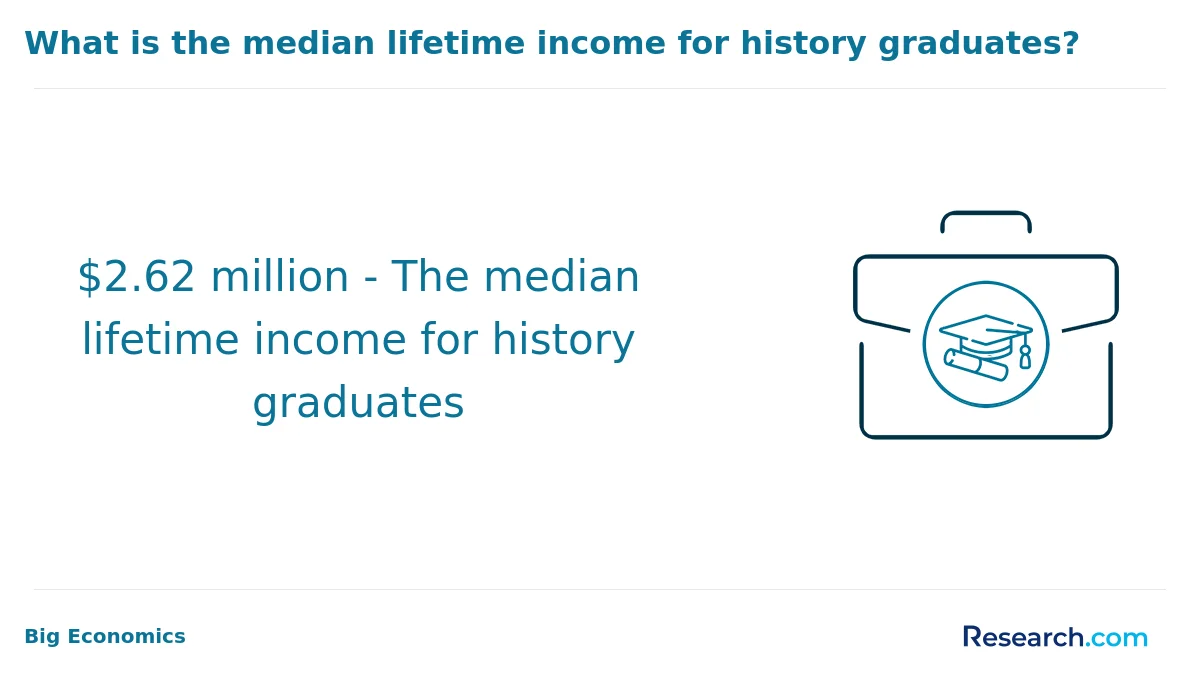
Graduates holding an online history degree in Texas can anticipate annual earnings around $65,500 if they become historians, closely mirroring the national average. Many alumni from well-regarded Texas institutions-such as the University of Texas or Texas A&M-reflect on the satisfaction of combining their passion for history with steady income in museums, government roles, or academic research.
Postsecondary teaching stands out as a rewarding career path where these graduates often earn about $69,000 per year in Texas. Educators at universities and community colleges appreciate the balance of intellectual fulfillment and financial stability, although salaries may vary with experience and institution type.
Positions in archival science and curatorship typically pay between $45,000 and $60,000 annually, offering graduates an opportunity to work hands-on with historical artifacts and digital archives. Those based in metropolitan areas like Houston or Austin usually find higher salaries and more job openings, enriching their early career experiences with networking and professional growth. This blend of passion and pragmatism makes pursuing an online history degree in Texas a compelling choice for many.
2027 Most Valuable Online History Degree Programs Ranking in Texas
How do we rank schools?
Investing in your education is a significant decision that can shape your future, and the Research.com team understands the importance of making informed choices. To assist prospective students in Texas, we have meticulously crafted the "2027 Most Valuable Online History Degree Programs Ranking in Texas." Our commitment to quality, credibility, and accuracy is reflected in the extensive research and analysis conducted to compile this ranking.
We utilized the following reputable data sources to ensure a comprehensive evaluation of history degree programs:
By exploring this ranking, readers will gain valuable insights into the most valuable online history degree programs in Texas, enabling them to make well-informed decisions about their educational and professional futures. For more details on how this ranking was developed, please visit our Research.com methodology page.

# 2 position
Texas A&M University - Victoria
Bachelor of History


Key Findings
- Tuition for online history bachelor's degrees in Texas ranges from $7,000 to $12,000 per year at public universities, with private schools charging over $20,000 annually.
- Entry-level salaries for history graduates in Texas typically fall between $40,000 and $50,000 per year, increasing to $60,000-$75,000 or more with experience.
- Common jobs include roles in education, museums, archives, government, and cultural resource management, with some careers requiring additional certifications or graduate degrees.
- Accreditation is important; look for programs recognized by regional bodies like the Southern Association of Colleges and Schools Commission on Colleges (SACSCOC).
- Online programs often feature flexible schedules to accommodate working adults and those with family commitments.
How long does it take to complete online history degree in Texas?
Completing an online history degree in Texas most often takes about four years of full-time study, mirroring the experience of many students at well-known institutions like the University of Texas at Austin or Texas Tech University. Graduates frequently recall how following the standard 15 credit hours per semester enabled them to maintain steady progress toward their goal without feeling overwhelmed.
Yet, flexibility is a hallmark of Texas programs. Some learners balance jobs or family by opting for part-time study, extending their journey to six or even eight years. Such students appreciate the ability to tailor their pace, knowing that this path is still valid and rewarding.
Others have shared how summer and winter courses at places like Texas State University accelerated their studies, allowing them to finish sooner. Transfer credits also play a crucial role; graduates who brought in prior coursework often celebrated completing their degrees in just two to three years. This blend of options makes pursuing history online in Texas both practical and inspiring.
What's the difference between online and on-campus history degree?
Choosing between an online and on-campus history degree in Texas often comes down to how you prefer to engage with your studies. Graduates from Texas A&M who opted for on-campus learning frequently recall lively classroom debates and instant access to professors, which enriched their understanding through real-time exchange. Meanwhile, those completing their degrees online, perhaps through the University of Texas system's robust platforms, appreciate the freedom to balance coursework with jobs or family life, accessing lectures anytime and communicating asynchronously.
The difference in interaction styles is significant: on-campus students thrive on spontaneous discussions and social connections, whereas online learners develop strong self-discipline, navigating collaborations through message boards and video calls. Cost-wise, many find online programs ease the burden of commuting and housing without hiking tuition, which usually stays around $10,000 to $12,000 for in-state history degrees in Texas public universities.
Both online and traditional paths maintain the same rigorous accreditation and curriculum standards, ensuring that whether you're researching from a dorm or your living room, your degree holds equal value.
What is the average cost of online history degree in Texas?
The average cost of an online history degree in Texas often aligns with the median total cost of about $49,894, reflecting tuition and associated fees for residents pursuing their studies through public institutions. For many students, the appeal of programs offered by universities like Texas Tech or the University of Texas at Arlington lies not just in their academic reputation but also in tuition rates that fit within this range. Graduates frequently share that managing expenses while learning remotely allowed them to balance work, family, and studies without overwhelming financial stress.
Understanding Texas online history degree tuition and fees means recognizing how in-state status offers significant savings compared to out-of-state tuition, which can soar above $80,000. Even within Texas, private universities may present varying cost structures, sometimes exceeding $50,000 annually, though scholarships and financial aid often soften this impact for many students. Alumni from these programs recall the positive feeling of investing smartly in their education, knowing their degrees opened doors to fulfilling careers without crushing debt.
Many find it helpful to explore what to do with a history degree through reliable resources, turning to online platforms like what to do with a history degree for guidance on career paths. The additional costs tied to materials or technology remain manageable for most, buoyed by Texas initiatives aimed at keeping education accessible. This balance between cost and quality often leaves students feeling confident and motivated throughout their studies.

What financial aid is available to online history degree students in Texas?
Financial aid for online history degrees in Texas opens many doors, easing the path through the often daunting tuition costs. Graduates from Texas A&M University-Commerce recall how Pell Grants, offering up to $7,395 annually, significantly lessened their financial burden while pursuing their history studies remotely. This federal aid, based on need, requires no repayment, making it a crucial resource for many.
The Texas Grant program also stands out for students enrolled full-time in public universities, providing essential support that can cover a large part of tuition. Many Texas colleges complement these with institutional scholarships tailored to online history majors, rewarding merit and recognizing the dedication of returning adult learners.
Some graduates have benefited from outside scholarships, like those from the Texas Historical Foundation, which specifically support history majors and often feel like a meaningful nod to one's passion for the subject. Flexible work-study options, though less common for fully online students, can provide valuable income while maintaining connection to the academic environment.
Applying early through FAFSA is a shared piece of advice among Texas history students, unlocking these layered opportunities that make studying history online not only achievable but financially smart.
What are the prerequisites for enrolling in online history degree program in Texas?
Enrolling in an online history degree in Texas often starts with holding a high school diploma or an equivalent like a GED, which many graduates found essential before applying to programs at institutions such as the University of Texas at Austin or Texas A&M. They recall the importance of maintaining at least a 2.5 GPA, as this benchmark tends to be the baseline for most online programs across the state.
Students frequently share how standardized test scores once played a crucial role, yet many Texas universities have embraced test-optional policies, especially after the pandemic, easing entry for those balancing work and life obligations.
Transfer students who moved from community colleges, like those in the Lone Star College system, often highlight the smooth experience of submitting official transcripts to continue their studies. They emphasize how mastering basic computer skills and ensuring reliable internet was a practical necessity, enabling participation in lively online discussions and research activities that bring history to life.
Those pursuing graduate history degrees often speak warmly about crafting personal statements and gathering letters of recommendation, seeing these as valuable steps to showcase passion and academic readiness to admissions committees. Financial preparedness is another common theme, as graduates advise budgeting carefully for tuition and digital resources to avoid surprises.
What courses are typically in online history degree programs in Texas?
Online history degrees in Texas typically include a thoughtful blend of courses that explore both broad and regional narratives. Graduates from well-known institutions like the University of Texas or Texas A&M often describe how core classes in American History journeys through pivotal moments such as the Civil War and the Civil Rights Movement, grounding their understanding in significant national events.
These programs also emphasize World History, offering glimpses into global civilizations and conflicts. Many students appreciate the balance achieved between sweeping global perspectives and focused studies. A standout feature for Texas learners is the specialized coursework on Texas and Southwestern History, which brings local stories-like the frontier era and oil industry development-to life, making history feel immediate and relevant.
Students often reflect on the value of Historical Methods and Research classes, where they learn to analyze primary sources, an experience that deepens their critical thinking and scholarly confidence. Electives tying into European or Latin American history further enrich the curriculum, nurturing a well-rounded historical insight.
What types of specializations are available in online history degree programs in Texas?
Specializations in an online history degree in Texas often reflect the state's unique cultural and historical landscape, allowing students to dive deeply into areas like American History, which highlights significant regional narratives from the Spanish colonial period to modern economic growth. Graduates from Texas A&M and the University of Texas frequently share how focusing on Latin American History enriches their understanding of cross-border dynamics, making their studies especially relevant given Texas' proximity to Mexico.
Exploring Texas online history program concentrations also offers options such as World History, where students engage with global events and diverse civilizations, or Public History, which prepares learners for careers in museums and digital archives. Many graduates appreciate the tangible connection between their coursework and real-world applications, often recalling projects that involved preserving local historical sites or curating online exhibits.
For students weighing their future paths, understanding what jobs can you get with a history degree helps clarify the practical benefits of these specializations. Social History and Military History also appeal to those interested in the roles different groups and conflicts have played in shaping Texas and beyond.
How do you choose the best online history degree in Texas?
Choosing the best online history degree programs in Texas means looking beyond just the label of the school. Graduates from institutions like Texas A&M University often emphasize the value of solid regional accreditation and a curriculum that covers a wide span of historical topics, including Texas history, which brings the subject to life. Their personal stories highlight how faculty actively engaged in research helped deepen their understanding and made learning feel relevant and exciting.
Affordability matters greatly, too. Many pursuing affordable Texas online history degrees find relief in comparing tuition with available financial aid or scholarships that ease the burden. Online learners appreciate programs offering flexible, asynchronous classes that fit around busy lives, a common theme among working professionals balancing demands.
It's also wise to consider future prospects-graduates speak highly of programs connected to real-world opportunities. Exploring what is the best career in history can help clarify how your studies translate into fulfilling work.
What career paths are available for online history degree students in Texas?
Graduates with an online history degree in Texas often discover rewarding career paths that extend well beyond traditional academic roles. Many find fulfilling work in education, from teaching history at Texas high schools to serving as adjunct instructors at prominent universities like the University of Texas or Texas A&M. These roles provide the chance to inspire new generations while engaging deeply with the subject matter.
Others pursue museum or archival careers in institutions such as the Bullock Texas State History Museum, where managing historical collections offers both challenges and the satisfaction of preservation. This pathway suits graduates who appreciate history's tangible artifacts and aim to make history accessible to the public.
For those interested in public service, careers in government or policy analysis leverage the research and critical thinking skills honed during the degree. Graduates working in cities like Houston or Austin contribute directly to culturally informed policy decisions, a compelling option for those passionate about social impact.
Additionally, many embrace opportunities in research, publishing, and media, sometimes freelancing through digital history projects that connect audiences with Texas' rich past. From personal accounts, graduates from major Texas institutions often praise their degree's versatility and the wide range of undergraduate history degree online job opportunities in Texas.
What is the job market for online history degree in Texas?
The job market for an online history degree in Texas offers steady opportunities across education, cultural institutions, and government roles. Graduates from universities like the University of Texas at Austin or Texas State find rewarding paths as secondary school history teachers, museum curators, or researchers at nonprofits and public agencies. These careers often provide a sense of fulfillment by connecting Texas's rich history with contemporary community needs.
Many who pursue a Texas online history degree appreciate how the state's diverse economy supports their growth. For example, graduates working in cities such as Dallas or Houston benefit from expanding cultural organizations and historical preservation projects. While salaries typically range from $50,000 to $65,000, the real value comes from engaging work with lasting impact rather than explosive job growth.
Students often remark on the affordability and flexibility of their programs, emphasizing how online study at Texas public universities offers a practical way to advance their goals. Exploring what to do with an art history degree further inspires many to envision diverse career possibilities.
Frequently Asked Questions About history
Students pursuing an online history degree in Texas can enhance their learning by actively engaging with course materials and participating in virtual discussions. Utilizing resources such as the Texas State Historical Association's digital archives offers valuable primary sources to complement coursework. Research shows that students who regularly communicate with professors and peers tend to retain material better. Incorporating supplementary reading from Texas history journals can deepen understanding of state-specific topics. Additionally, leveraging Texas library systems' online access allows for broader resource availability. Scheduling consistent study times helps maintain discipline, which is crucial in the self-paced environment typical of online programs.
Emerging niches within the history field are shaping new opportunities for online history degree students in Texas. Public history, which involves preserving and interpreting history for the public, continues to grow, especially with Texas' rich cultural and historical sites. Digital history is another expanding area, as historians increasingly use technology to analyze and present data online.
Environmental history is gaining attention due to Texas' diverse landscapes and focus on natural resource management. Additionally, social justice history examines the experiences of marginalized groups, reflecting broader trends in the U.S. academic community.
The Texas State Historical Association and the American Historical Association provide resources supporting these evolving specializations.
After earning an online history degree in Texas, graduates should focus on building marketable skills like research, critical thinking, and effective communication. These abilities are highly valued in fields such as education, public history, and archival management. Texas employers often look for candidates with practical experience, so internships or volunteer work at local museums, libraries, or cultural organizations can improve job prospects.
Networking through professional groups like the Texas State Historical Association can also help connect with potential employers. According to the Texas Workforce Commission, history-related jobs in Texas are expected to grow moderately, especially in education and heritage sectors, emphasizing the importance of tailored job preparation.
Employers in Texas highly value history degree graduates who demonstrate strong research and analytical skills. According to the Texas Higher Education Coordinating Board, graduates who can critically evaluate historical documents and synthesize diverse sources tend to excel in both academic and professional settings.
Communication is another crucial skill. Texas employers expect history graduates to write clearly and present complex information effectively, whether in reports or public history roles. The ability to contextualize historical events is particularly important for careers in education, museums, and cultural organizations across the state.
Additionally, familiarity with digital archives and online research tools is increasingly necessary. As many Texas institutions digitize their collections, proficiency in these technologies enhances graduates' employability.
Finding internships in Texas relevant to a history degree involves exploring opportunities within museums, archives, and cultural institutions. Many universities in Texas partner with local historical societies such as The Texas State Historical Association, which can be a valuable resource. Students should also check listings on state government websites, as agencies often offer internships related to historic preservation and public history.
Online platforms like Handshake and Internships.com frequently post Texas-based history positions. Networking through professional organizations like the American Historical Association's Texas chapter can increase chances of securing internships. According to the Texas Workforce Commission, cultural and historical employment sectors have been growing steadily, offering relevant experiences for history students.
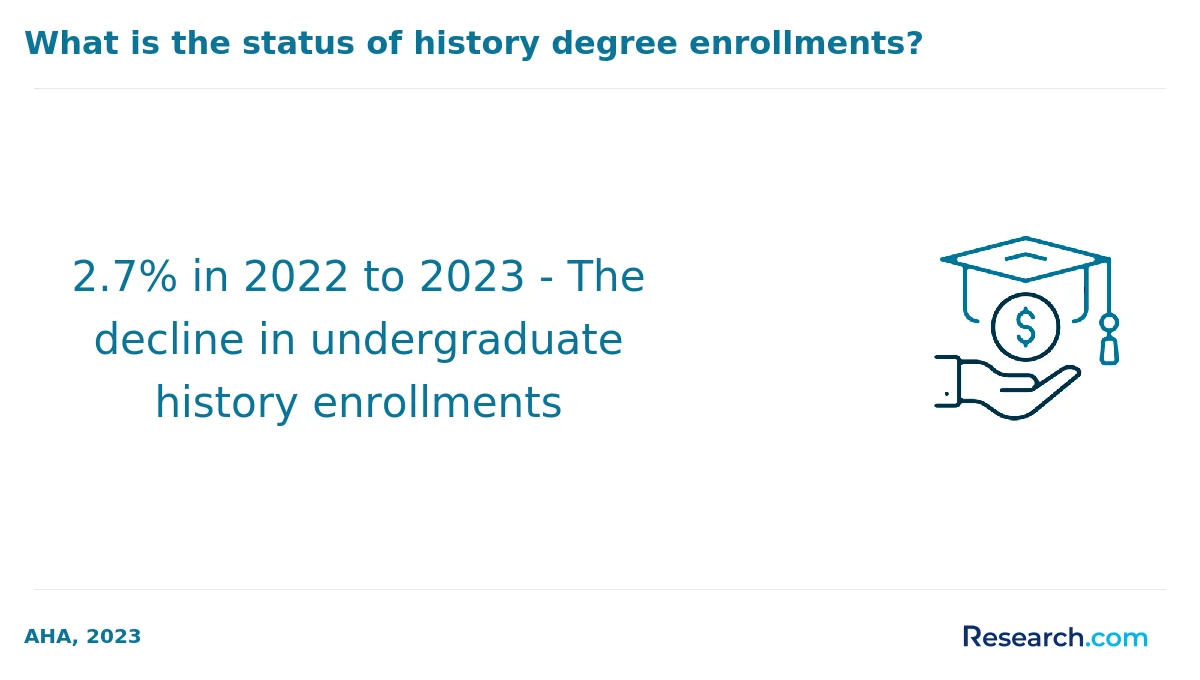
Obtaining an online history degree in Texas can significantly enhance career mobility and advancement, especially within education, research, and public service sectors. According to the Texas Workforce Commission, jobs related to history and social sciences are projected to grow by around 5% through 2030, signaling steady demand.
Texas employers increasingly recognize accredited online degrees, allowing graduates flexibility to balance study with work. An online history degree also develops critical thinking and research skills valued in roles like archivists, museum curators, and educators.
Moreover, Texas universities offering online history programs often have strong regional ties, boosting networking opportunities that can lead to promotions and specialized positions within the state's growing cultural institutions and government agencies.
Studying for a history degree in Texas offers a unique advantage for students seeking interdisciplinary careers. Texas history programs often incorporate courses in political science, sociology, and cultural studies, enabling students to develop diverse analytical skills. The Texas Higher Education Coordinating Board highlights the state's emphasis on integrating multiple disciplines in history curricula to prepare graduates for complex roles in education, public policy, and archival work.
Many Texas universities encourage online history students to engage with regional issues, such as border studies and civil rights, fostering a broad understanding applicable to fields like law and social work. This interdisciplinary approach enhances critical thinking, research, and communication skills vital in today's job market.
When choosing between a thesis and a non-thesis history degree program in Texas, consider your long-term goals. Thesis programs typically require original research and a substantial written dissertation. They suit students aiming for academic careers or doctoral studies. Non-thesis programs often focus on coursework and comprehensive exams, ideal for those pursuing professional roles outside academia.
Texas universities offering online history degrees, like Texas A&M and the University of Houston, provide both options. According to the Texas Higher Education Coordinating Board, about 40% of history graduates pursue graduate education, making thesis programs valuable for advanced study preparation.
Evaluate your research interests, time commitment, and career goals carefully before deciding.
Students in Texas pursuing online history degrees often explore study abroad programs that partner with their home institutions. Many Texas universities, including the University of Texas system, provide virtual exchange options with European and Latin American universities, enhancing understanding of global history without leaving home.
Additionally, the Texas Higher Education Coordinating Board supports initiatives encouraging international collaboration. While purely online, some programs incorporate short-term abroad residencies, giving students practical experience.
According to the Institute of International Education (2022), Texas ranks among the top states in the U.S. for students participating in study abroad, with history and liberal arts majors making up a significant share. These integrated online options suit students balancing work and education.
In Texas, part-time job opportunities that complement an online history degree often involve roles where research, analysis, and communication skills are essential. Working as a museum assistant or archival technician is common, with Texas boasting over 1,500 historical museums and cultural institutions, providing practical experience in preserving artifacts and historical documents. According to the Texas Historical Commission, these roles help deepen understanding of regional history.
Additionally, positions like historic site tour guides or library assistants offer exposure to public history and educational outreach.
Jobs in local government or nonprofit organizations focused on heritage preservation also align well with history studies.
Such roles help develop critical skills valued in both academic and professional settings.
Online history students in Texas benefit from a variety of networking opportunities despite their remote status. Many universities like the University of Texas at Austin and Texas A&M offer virtual events, guest lectures, and workshops that connect students with faculty and professionals in history fields. Statewide history organizations, such as the Texas State Historical Association, provide memberships that include access to conferences, publications, and local chapter events. Additionally, students can join online forums and social media groups tailored to Texas history, helping them engage with peers and experts. These resources support career growth and foster professional relationships within the state's history community.
Alumni networks play a crucial role for students pursuing online history degrees in Texas by offering valuable connections that extend beyond the virtual classroom. These networks provide access to professionals in academia, museums, archives, and other history-related fields, creating opportunities for internships and job placements. According to the Texas Higher Education Coordinating Board, over 70% of Texas graduates find jobs through alumni referrals.
For online students, who may lack face-to-face interaction, alumni networks help build community and mentorships. This support system can improve career outcomes and foster lifelong professional relationships within Texas' rich historical institutions.
Many online history degree programs in Texas offer flexible curricula that allow students to tailor their studies to specific career goals. For example, students can choose electives focusing on American, Texas, or world history depending on their interests. Some programs provide specializations in areas like public history, archival studies, or museum studies, which help prepare for careers in education, government, or cultural preservation.
Additionally, students often have the option to engage in internships or independent research projects, gaining real-world experience related to their intended field. Texas public universities reported that 45% of history graduates pursue careers in education or public administration, making targeted electives crucial.
Consulting academic advisors early can ensure engagement with relevant coursework and opportunities.
Online history students in Texas often face challenges related to the rigorous reading and research demands of their coursework. Unlike some other disciplines, history requires extensive analysis of primary sources and academic texts, which can be time-consuming without in-person guidance. According to the Texas Higher Education Coordinating Board, many online learners report difficulties balancing work, family, and study time effectively.
Another challenge involves limited access to local archives and libraries, which are crucial for deep historical research. While digital resources are growing, some materials remain accessible only on-site.
Technical issues and varying quality of online instruction also affect students' learning experiences, with 2023 surveys noting that 22% of Texas online students encountered platform-related problems.
With an online history degree from Texas, graduates can pursue several professional certifications that enhance career prospects in education, archival work, and museum studies. For example, Texas offers a Teaching Certification for History or Social Studies through the Texas Education Agency, which allows holders to teach in public schools.
Additionally, many history graduates seek certification from the Academy of Certified Archivists, which is nationally recognized and valuable for those interested in managing historical records. Museum professionals may pursue Certified Museum Specialist credentials through the American Alliance of Museums.
While Texas-specific salary data varies, professionals with certifications often report higher earning potential and broader job opportunities statewide, according to the Texas Workforce Commission.
When applying for an online history program in Texas, start by carefully reviewing the specific admission requirements of each university. Many Texas institutions, such as Texas A&M and the University of Texas at Austin, require transcripts, letters of recommendation, and a personal statement. Your personal statement should highlight your passion for history, relevant experience, and career goals.
Emphasize your ability to succeed in a remote learning environment by showcasing time management and self-motivation skills. According to the Texas Higher Education Coordinating Board, history remains a popular humanities major, so competitive applications often include a clear explanation of why you chose a Texas online program.
Finally, proofread all materials to avoid simple errors, demonstrating professionalism and attention to detail.
The global perspective on a history career emphasizes versatility and critical thinking skills valued worldwide. Graduates with history degrees often find roles beyond teaching or research, including in museums, archives, cultural resource management, and policy analysis. In Texas, the demand for historians aligns with this trend, offering opportunities in government agencies and private sectors.
According to the U.S. Bureau of Labor Statistics, employment of historians is projected to grow 6% from 2021 to 2031. Many Texas universities provide online history programs that prepare students for these varied roles with a global outlook. Understanding historical context enhances careers in international relations and global business, making history valuable beyond traditional boundaries.
Students pursuing an online history degree in Texas can gain practical experience through internships, volunteering, and research projects. Many Texas universities collaborate with local museums, archives, and historical societies, offering remote internships that allow students to work with primary sources and assist in digital preservation.
Volunteering for organizations like the Texas Historical Commission provides hands-on opportunities to engage with state history. Additionally, online learners can participate in faculty-led research projects, contributing to publications or virtual exhibits. The Texas State Historical Association also offers resources and networking for aspiring historians in the region.
These experiences enhance resumes and build professional skills essential for careers in education, public history, or archival work.
Choosing the right concentration within an online history degree program in Texas depends largely on your career goals and personal interests. Texas universities often offer diverse specializations such as Texas history, military history, or cultural studies.
Consider whether you want to focus on regional history, which can be valuable for careers in museums, archives, or education within the state. According to the Texas Higher Education Coordinating Board, programs emphasizing Texas history align well with local job markets.
Also, review each program's curriculum and faculty expertise to ensure they match your academic preferences. Research graduate outcomes and employment rates to make an informed decision based on practical benefits.
Related History Rankings for Nearby States
Top Trending History Rankings
References
- 4 Steps to Find History Research Opportunities as an Undergraduate https://www.coltie.com/post/4-steps-to-find-history-research-opportunities-as-an-undergraduate
- History Degree Program - The University of Texas Permian ... https://www.utpb.edu/academics/programs/history/
- Undergraduate Student Opportunities https://warwick.ac.uk/fac/arts/history/students/studentopportunities/
- THE list of internships for history majors https://employedhistorian.com/history-major/internships-for-history-majors/
- History, BA https://www.shsu.edu/academics/majors-programs/history-bachelors
- How to Apply to Graduate School | Canadian Historical Association | Société historique du Canada https://cha-shc.ca/publications/employing-history-a-guide-to-graduate-school-and-navigating-the-job-market/how-to-apply-to-graduate-school/
- Engaging High School History Students https://cliovis.com/engaging-high-school-history-students/
- History https://www.ntcc.edu/academics/programs-study/humanities-social-sciences/history
- My Top 3 Recommendations on Networking in the History World | An Historian About Town https://anhistorianabouttown.com/recommendations-on-networking-in-the-history-world/
- 2025 Most Popular Online History Degrees https://www.onlineu.com/degrees/history