2027 Most Valuable Online Bachelor's in History Degree Programs Ranking in the West

Co-Founder and Chief Data Scientist
Choosing the right online history degree can be challenging, especially with so many options available. To help you navigate this journey, this article features the 2027 Most Valuable Online Bachelor's in History Degree Programs Ranking in the West, created by the Research.com team of data scientists.
By exploring this ranking, you'll gain valuable insights on programs that balance quality, affordability, and career outcomes. Pursuing a history degree opens doors to critical thinking, cultural understanding, and meaningful careers. Reading this guide will empower you to make an informed choice for your future.
Key benefits of getting online history degree in the West
- History degree graduates in the US can expect median salaries around $50,000 to $65,000 per year, depending on their roles, such as archivists or museum technicians, offering stable income potential.
- Graduates from universities like the University of California often find diverse career paths in education, research, public history, or cultural resource management, providing exciting opportunities to engage with the past in meaningful ways.
- Online history degrees offer flexibility and accessibility, allowing students from the West to balance work, family, and study while earning a respected credential from institutions like Arizona State University, enhancing career prospects without relocating.
- Key benefits of getting online history degree in the West
- What can I expect from online history degree in the West?
- Where can I work with online history degree in the West?
- How much can I make with online history degree in the West?
- 2027 Most Valuable Online Bachelor's in History Degree Programs Ranking in the West
- Key Findings
- How long does it take to complete online history degree in the West?
- What's the difference between online and on-campus history degree?
- What is the average cost of online history degree in the West?
- What financial aid is available to online history degree students in the West?
- What are the prerequisites for enrolling in online history degree program in the West?
- What courses are typically in online history degree programs in the West?
- What types of specializations are available in online history degree programs in the West?
- How do you choose the best online history degree in the West?
- What career paths are available for online history degree students in the West?
- What is the job market for online history degree in the West?
- Top Trending History Rankings
What can I expect from online history degree in the West?
The average cost of an online history degree in the Western U.S. typically ranges between $4,000 and $7,000 per year at public universities such as California State University or the University of Washington. Graduates often share how affordable tuition combined with flexible payment plans made balancing work and study manageable, allowing them to invest more in learning rather than worrying about finances.
Many students leverage transfer credits or take advantage of in-state tuition rates, which further reduce overall expenses. For example, a student attending California State University online mentioned the relief of keeping costs low while gaining access to experienced faculty and valuable digital resources. This practical approach makes earning a history degree achievable without overwhelming debt.
Students are encouraged to explore scholarships specifically for online learners or veterans, as these can offset tuition fees significantly. An online history program in the West not only delivers strong academic value but also offers career-focused opportunities that align with the reasonable investment in education.
Where can I work with online history degree in the West?
Graduates with an online history degree from well-known Western schools, such as the University of California system or Arizona State University, often find rewarding roles in education. Many become secondary school history teachers earning around $63,000 annually, while others work as adjunct instructors or tutors at community colleges, benefiting from the growing trust in online credentials.
State and local governments in the West also hire history graduates for positions as historians, archivists, and curators. For instance, professionals employed by the California Department of Parks and Recreation contribute to preserving and interpreting historic sites, earning between $45,000 and $75,000 annually depending on experience.
Museum and cultural institutions in cities like Seattle and Portland seek graduates for curatorial and public historian roles. These positions emphasize research and communication skills highly developed through online programs and offer opportunities to engage actively with community heritage.
Additionally, some graduates pursue careers in publishing, cultural resource management, or with organizations like the National Park Service, which hires history graduates to support interpretive programs with salaries ranging from $50,000 to $70,000. These practical paths help graduates apply their passion for history while enjoying stable and meaningful careers.
How much can I make with online history degree in the West?
Graduates who earn an online history degree in the Western United States can expect varied earnings depending on their career choice. While specific regional wage data from authoritative sources is limited, nationwide figures provide useful guidance. For example, historians employed across the country earned an average annual salary of about $63,940 as of May 2022. Graduates from prominent Western institutions like the University of California system or Arizona State University often find roles in museums or cultural organizations where demand is strong.
Many history graduates also pursue teaching positions in high schools, especially in states like Oregon and Colorado, where salaries typically range from $55,000 to $70,000. Government roles in cultural resource management or policy analysis offer potential earnings between $50,000 and $80,000 annually, rewarding those with specialized skills.
Graduates report that combining their historical knowledge with digital archiving or educational technology skills-skills taught in popular Western colleges-results in greater job prospects and increased salaries. This adaptability makes an online history degree from the West a promising investment for real-world success.
2027 Most Valuable Online Bachelor's in History Degree Programs Ranking in the West
How do we rank schools?
Investing in your education is a significant decision that can shape your future, and the Research.com team understands the importance of making informed choices. To assist prospective students seeking online history bachelor's degrees in the West, we have meticulously developed the "2027 Most Valuable Online Bachelor's in History Degree Programs Ranking in the West." Our commitment to quality, credibility, and accuracy is reflected in the extensive research and analysis conducted to compile this ranking.
We utilized the following reputable data sources to ensure a comprehensive evaluation of programs:
By exploring this ranking, readers will gain valuable insights into the most valuable online history degree programs in the Western region, helping them make well-informed decisions about their educational investments. For more details on our methodology, please visit our Research.com methodology page.



Key Findings
- Online history degrees in the Western US usually take about four years and are accredited by regional bodies.
- In-state tuition at public universities ranges from $7,000 to $15,000 per year, while out-of-state costs can be $15,000 to $30,000 annually.
- Private schools charge between $25,000 and over $40,000 per year for tuition and fees.
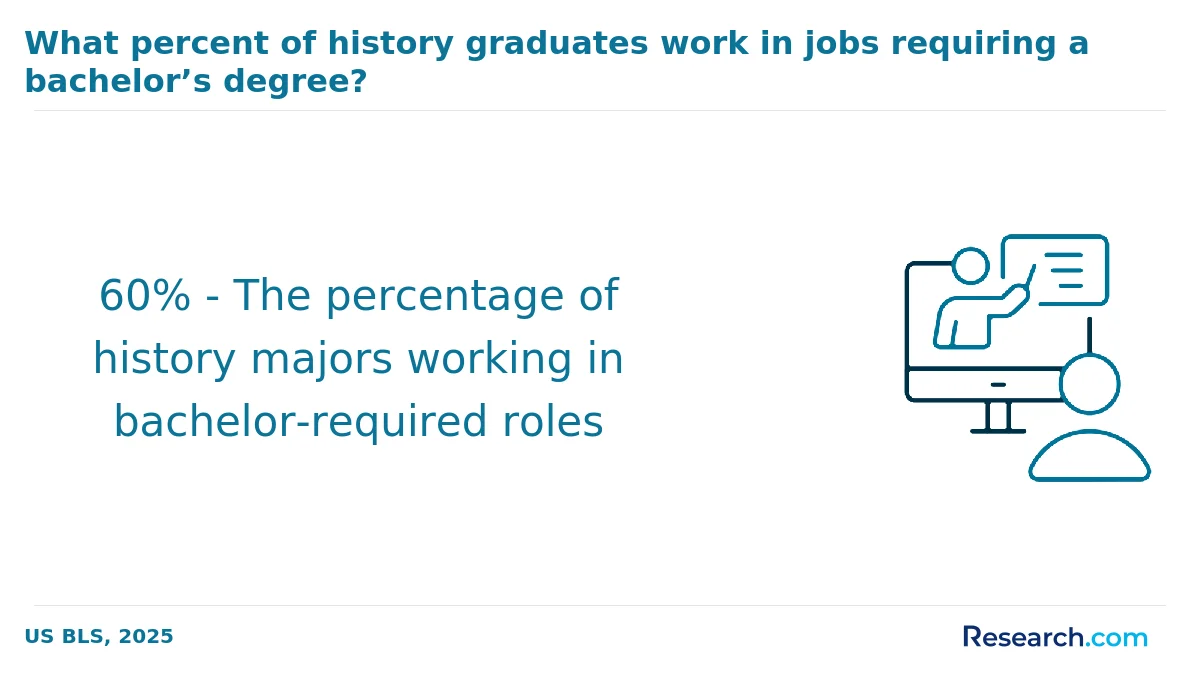
- Starting salaries for history graduates average $45,000 to $50,000, rising to $65,000 to $75,000 with experience or advanced roles.
- Job opportunities are strongest in education, museum work, public policy, and cultural resource management in states like California, Washington, and Oregon.
- Skills gained from these programs, such as research and writing, are valuable for careers in law, journalism, and public administration.
How long does it take to complete online history degree in the West?
Completing an online history degree in the Western United States typically takes about four years for full-time students, such as those attending popular schools like the University of Washington or Arizona State University. These students usually take around 15 credits each semester, steadily making progress toward the 120-credit requirement. Graduates often share how balancing their course load felt manageable with clear scheduling and university support.
Part-time students, including many who work or care for family, might take five to six years or longer. For instance, learners enrolled at more flexible programs like those at Oregon State University appreciate asynchronous classes that let them study on their own time, though they note it can stretch the degree length.
Some motivated students shorten this timeline by enrolling in accelerated tracks, which top Western universities occasionally offer, especially with summer classes. Prior learning credits or military experience can also help reduce time spent, making the journey feel rewarding and tailored to individual needs.
What's the difference between online and on-campus history degree?
Online and on-campus history degrees in the West differ mainly in structure and experience. On-campus programs at well-known schools like the University of California or the University of Washington immerse students in lively discussions and direct research in campus archives. Graduates recall the energy of in-person seminars and easy access to faculty, which deepened their understanding and connections.
In contrast, online history degrees offer flexibility crucial for working adults or those with family commitments. A graduate from a prominent Western online program shares how studying from home allowed balancing job shifts while engaging with virtual forums and digital resources. This format often comes at a lower cost-around $7,000 to $15,000 annually-and removes commuting and housing expenses common at traditional schools.
While online students may miss spontaneous campus networking, many Western institutions provide remote tutoring and virtual office hours to bridge this gap. Choosing between formats depends on your learning style and lifestyle, but online history degrees in the West deliver a practical, affordable path without sacrificing access to quality education.
What is the average cost of online history degree in the West?
The average cost of an online history degree in the West typically centers around $58,800, with in-state students paying somewhat less-around $64,980 total-and out-of-state students facing costs up to $72,432. Graduates from well-known Western universities often share how careful planning helped them manage these expenses effectively. For example, by taking advantage of in-state tuition or participating in regional agreements, students significantly reduce their tuition, making the investment feel more rewarding.
Many history students enrolled in online programs at public universities in the West benefit from residency discounts, where tuition per credit hour is substantially lower for residents, helping keep the total tuition close to the median costs. Additionally, leveraging community college pathways before transferring to a four-year institution can slash costs-students often attend a local community college for two years paying less than $150 per credit hour. This stepwise approach eases the financial pressure while still advancing academic goals.
Online learners often report appreciating the flexibility to continue working while studying, which allows them to access scholarships, employer tuition reimbursements, or financial aid that further reduce the net price. Planning for extra fees, usually between $1,000 and $3,000, for materials and technology is wise and can influence budgeting decisions.
For those researching programs, comparing offerings at schools like Arizona State University or University of California campuses can illustrate the range of costs and support options, helping students feel confident about managing expenses. Exploring history degrees online in the West reveals clear opportunities to balance affordability with quality education.
The average cost of online history degree programs in the West can vary, but with strategic decisions, students find practical paths to succeed financially while earning their credentials in a field they love.
What financial aid is available to online history degree students in the West?
Students pursuing an online history degree in the West often rely on a mix of financial aid to manage expenses. Graduates from public universities like the University of Washington have benefited from Pell Grants, which provide up to $7,395 annually for low-income students without requiring repayment. Additionally, Federal Supplemental Educational Opportunity Grants (FSEOG) can add up to $4,000, depending on the school's funding.
Loans such as Direct Subsidized Loans are a practical option; they don't accrue interest while you're in school, easing stress during studies. For example, online history students at Arizona State University have found that combining these loans with scholarships offered by their programs creates a manageable financial plan.
State-specific grants like California's Cal Grant and Oregon's Opportunity Grant further reduce costs for eligible students. Veterans and active military members also tap into GI Bill benefits, which cover tuition and housing stipends, making programs at institutions like Portland State University more accessible.
Many students complement aid with work-study jobs, gaining experience while earning. Applying early via FAFSA is key, as financial need determines eligibility for most aid, including the valuable Western Undergraduate Exchange that reduces out-of-state tuition for qualified applicants.
What are the prerequisites for enrolling in online history degree program in the West?
To enroll in an online history degree program in the Western US, you'll typically need a high school diploma or GED and a decent GPA, usually around 2.5 to 3.0. Many graduates from well-known Western universities share how meeting this basic academic bar gave them confidence to advance. Some colleges may ask for SAT or ACT scores, though many have shifted to test-optional-so check your program's latest rules.
Official transcripts are essential. They provide proof of your academic background and readiness. For international students, demonstrating English proficiency with tests like TOEFL or IELTS is often required, even for fully online learning.
Graduates highlight that strong reading and writing skills, plus self-motivation, are key. Some programs at major colleges in the region recommend placement tests to tailor your course path. Writing a personal statement explaining your passion for history can also strengthen your application.
Lastly, reliable internet and a good device are non-negotiable for smooth online study-something every successful student in the West emphasizes from their experience.
What courses are typically in online history degree programs in the West?
Online history degrees in the Western United States typically include core courses like American History from Colonial times to the present, and World History surveys covering major civilizations. Graduates from well-known Western universities often share how these classes helped them see connections between local history and global events, boosting their critical thinking.
Specialized courses such as Western Civilization dive into the cultural and political developments of Europe, while electives focus on subjects relevant to the region's diverse population, including Native American, African American, and Latin American history. Students studying at colleges in California or Washington value these focused classes for making history feel personal and relevant to their communities.
Research and methodology courses teach essential skills like historical inquiry and source analysis. Many online programs also emphasize digital history tools, helping students confidently navigate archives and online databases-skills graduates say gave them a competitive edge in both academics and careers.
Capstone projects or theses provide hands-on experience applying what they've learned, often drawing on Western regional themes, which students find empowering and engaging in their historical journey.
What types of specializations are available in online history degree programs in the West?
Online history degree specializations in the West typically include areas that highlight the rich regional past and prepare students for meaningful careers. Popular tracks involve American History focused on Western expansion and Native American cultures, which resonate well with graduates from universities in California or Colorado. Many students appreciate how Public History courses equip them to work in museums or heritage sites, connecting them emotionally to community preservation efforts. Others choose Military History, exploring conflicts like the Indian Wars, which bring to life stories deeply embedded in Western landscapes.
For those interested in broader perspectives, Cultural and Social History offers insights into the lives of diverse immigrant and indigenous populations shaping the West-this specialization fosters empathy and a deeper understanding among learners. Environmental History is another growing field, particularly relevant for those studying at institutions near national parks or conservation areas, providing practical knowledge around land use debates.
Online students often find that the best history concentrations for Western online programs combine regional focus with global context, supported by schools that mirror on-campus rigor. Graduates often highlight how these specializations open doors, reinforcing history degree job opportunities in heritage tourism, education, and beyond.
How do you choose the best online history degree in the West?
To choose the best online history degree in the West, prioritize programs accredited by respected regional bodies like the Northwest Commission on Colleges and Universities. Accreditation assures graduates that their degree holds value both locally and nationally. Graduates from popular Western colleges often share how faculty expertise, especially scholars actively researching Western and American history, enriched their experience and helped connect classroom learning with real-world applications.
Affordability is a major consideration. Look for affordable accredited online history degrees Western US options, balancing tuition rates with credit requirements. Many students successfully manage costs by comparing programs at public institutions, where tuition typically ranges $300 to $600 per credit hour. Personal accounts highlight that programs offering asynchronous classes and strong student support services create a flexible, rewarding environment for online learners balancing work and study.
Evaluate student support too-academic advising, library access, and career coaching matter. Graduates frequently emphasize these as key to completing their degrees successfully. For career-focused students, exploring outcomes such as job placement can be motivating. To understand potential employment paths, check resources detailing jobs for history masters degree holders, helping guide your decisions confidently.
What career paths are available for online history degree students in the West?
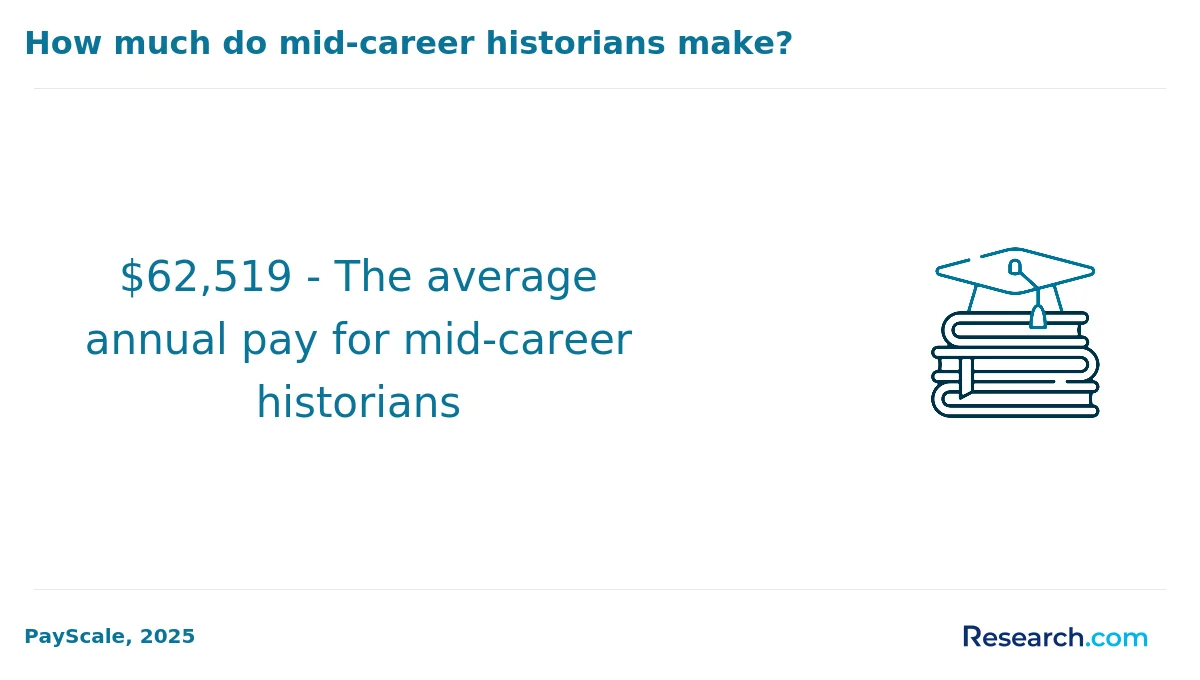
Graduates of online history degree programs in the West find diverse career paths tailored to their interests and skills. Many pursue teaching opportunities, working as high school educators or advancing to postsecondary roles at institutions like University of Washington or California State University. These roles offer rewarding experiences shaping young minds, with salaries ranging widely across the region. Others build fulfilling careers in archives or museums, serving as curators or archivists in Western cultural institutions, where their passion for preserving heritage truly shines.
Career seekers focused on public history thrive by joining governmental or nonprofit organizations, engaging in community projects and educational outreach. History graduates also leverage their skills in research and communication by entering consulting, media, or publishing fields, contributing to documentaries and historical analysis with real impact. For those targeting versatility, roles in law, public administration, and business benefit from the critical thinking developed through a history degree.
The Western region's universities offer strong career services and alumni networks to support this transition. Exploring affordable online history degrees at competitive institutions provides an excellent starting point for launching these careers with confidence in the West. Consider specifically affordable online history degrees to balance quality education with cost efficiency, enabling career-focused students to thrive.
What is the job market for online history degree in the West?
The online history degree job outlook West shows steady opportunities in education, public history, and government sectors. Graduates from universities like the University of Arizona or Portland State University often find roles as museum curators or archivists, especially in cities where major museums and historical societies thrive. These positions benefit from a projected 6% growth in demand nationwide, making the Western US career opportunities history graduates encounter fairly stable.
Many graduates share that flexible online programs allow them to balance work while gaining credentials, boosting employability. Those studying at institutions such as California State University report successfully moving into teaching roles, although public school positions typically require additional certification. For those aiming at college-level teaching or specialized careers, pursuing a graduate degree remains key.
In private sectors like nonprofit research and content creation, online history degree holders thrive by leveraging strong communication and analytical skills. Considering affordability and flexibility, an online history degree masters can be a practical choice to advance career prospects in the Western United States.
Frequently Asked Questions About history
Online history degree students in the West can enhance their learning by actively engaging with digital archives and regional historical databases. Many Western universities partner with local museums and libraries, providing exclusive online access to primary sources. According to the Western Historical Association, utilizing such resources deepens understanding of the unique history of the Western United States.
Participation in online discussion forums and virtual study groups further enriches the learning experience, fostering critical thinking and diverse perspectives. Most accredited programs also encourage students to attend webinars hosted by historians specializing in Western history. This helps students stay current with scholarly debates.
Students should also take advantage of internships or volunteer opportunities with local heritage sites, many of which offer remote project involvement. Institutions like the National Park Service's online programs support experiential learning, making education more practical and engaging.
Emerging niches within the history field in the Western US increasingly focus on interdisciplinary approaches. Environmental history, which examines human interaction with the natural world, is gaining traction as climate issues become more urgent. Digital history, involving the use of technology and data to analyze and present historical narratives, is also expanding rapidly. According to the American Historical Association, programs emphasizing digital tools have grown by nearly 30% over the past five years.
Another growing area is public history, where graduates work in museums, archives, and cultural resource management. This practical application appeals to students seeking hands-on careers outside academia.
Preparing for the job market after earning an online history degree in the West involves a combination of skill-building and networking. Employers in museums, archives, and education often value practical experience. Students should seek internships or volunteer roles, which many Western universities facilitate even for online learners.
Developing digital skills, such as proficiency in historical databases or GIS mapping, can strengthen resumes. According to the National Center for Education Statistics, history graduates in the West report higher employment rates when combining their degree with such technical expertise.
Joining professional organizations, like the Western History Association, offers networking opportunities crucial for career growth. Additionally, enhancements like strong writing and research portfolios help graduates stand out in competitive job markets in the region.
Employers in the Western United States highly value several key skills in history degree graduates. Critical thinking is essential, enabling graduates to analyze complex historical events and sources. Strong research abilities are also crucial, as history programs emphasize evaluating primary and secondary materials carefully.
Communication skills, both written and verbal, rank among the top qualities sought by employers. According to the National Association of Colleges and Employers (NACE), over 80% of employers look for effective communication in humanities graduates, including history majors.
Additionally, proficiency in data interpretation and digital literacy is gaining importance, reflecting the growing use of technology in historical research and archiving.
Finding internships in the Western United States relevant to a history degree involves strategic networking and utilizing university resources. Many universities in the West offer dedicated internship offices that partner with local museums, archives, and historical societies. For example, California and Washington host numerous cultural institutions eager to collaborate with history students.
Online students should also explore virtual internship opportunities that have expanded since 2020, offering flexibility and access beyond geographic limits. Additionally, platforms like the National Council on Public History and local state historical societies regularly post openings.
Research indicates that internships increase employment chances; the American Historical Association notes about 70% of history students secure internships before graduation.
Online history degrees are increasingly recognized in the Western US job market. Graduates often find greater career mobility, especially within education, museums, and public administration sectors. According to the National Center for Education Statistics, the West saw a 15% increase in online history degree completions from 2018 to 2022, reflecting growing acceptance.
Employers value online history degrees for developing critical thinking and research skills. These qualifications allow graduates to advance into roles like archivist, historical consultant, or policy analyst. The flexibility of online programs also enables working professionals to gain credentials without interrupting their careers, enhancing long-term advancement opportunities.
Regional institutions accredited by the WASC Senior College and University Commission (WSCUC) ensure quality standards, boosting the degree's credibility for career progression in the West.
Studying for a history degree in the West equips students with skills valuable across multiple disciplines. Western universities emphasize critical thinking, research methods, and effective communication, which are essential in fields like law, public policy, and education. According to the National Center for Education Statistics, nearly 40% of history graduates in the US pursue careers outside academia, highlighting the degree's versatility.
Online history programs often integrate courses from political science, economics, and cultural studies to broaden understanding. This interdisciplinary approach prepares students to analyze complex societal issues from diverse perspectives, enhancing employability in various sectors.
Moreover, Western institutions frequently partner with local museums and cultural organizations offering practical experience, crucial for applying historical knowledge in real-world contexts.
Choosing between a thesis and a non-thesis online history degree in the West depends on your career goals and learning preferences. A thesis program typically requires original research and a substantial written project, which is ideal for students considering graduate school or research-oriented careers. These programs often provide deeper engagement with historical methodology.
Non-thesis programs usually emphasize coursework and exams, offering more flexibility and practical knowledge for careers in education, public history, or related fields. According to the National Center for Education Statistics (NCES), about 40% of history graduates in Western states pursue non-thesis tracks, valuing applied skills over research.
The thesis option demands strong writing and analytical skills, while non-thesis pathways may better suit working professionals balancing study with other commitments.
Students based in the Western United States have several options for studying history online through accredited universities. Many well-known institutions offer fully online bachelor's degrees in history or related fields, allowing flexible access to coursework without relocating. For example, the University of Arizona and Oregon State University both provide rigorous history programs that can be completed remotely.
The Western Interstate Commission for Higher Education (WICHE) offers the Western Undergraduate Exchange (WUE) program, which allows students to enroll at out-of-state public universities with reduced tuition, often benefiting those interested in history degrees. According to the National Center for Education Statistics, history remains a popular major among online undergraduates in the West, reflecting growing demand for flexible, regionally accessible study options.
In addition, students may combine studies with foreign language courses and focus on global or cultural history topics, enhancing their international perspective while studying from the U.S. These programs commonly emphasize critical thinking, research, and writing skills applicable to many career paths.
Students pursuing an online history degree in the Western United States can benefit from part-time jobs that enhance both skills and resume appeal. Common opportunities include working as research assistants for university history departments, helping faculty with archival work or primary source analysis.
Museums and historical societies in the West often seek part-time docents or curatorial aides, roles that provide practical experience with artifacts and public history interpretation. According to the U.S. Bureau of Labor Statistics, museum-related employment in California and Washington shows steady growth of around 5% annually.
Additionally, library assistant positions offer valuable exposure to historical databases and literature, complementing academic coursework. These roles build critical research and organizational skills that are essential for history graduates.
Online history students in the Western US have access to various networking opportunities designed to connect them with peers, faculty, and professionals. Many Western universities offer virtual events, webinars, and discussion forums focused on historical topics, allowing students to build relationships remotely.
Additionally, organizations like the Pacific Coast Branch of the American Historical Association host conferences and seminars that are increasingly accessible online, providing a chance to engage with regional experts and historians.
Some programs also facilitate internships with local museums, archives, or cultural institutions, helping students gain practical experience and professional contacts in the history field.
Alumni networks play a crucial role in supporting online history degree students in the Western U.S. These networks offer valuable professional connections, mentorship opportunities, and career guidance. According to the National Association of Colleges and Employers (NACE), 85% of jobs are filled through networking, making alumni engagement vital for new graduates entering competitive historical research and education fields.
Many Western universities maintain active alumni groups that host online events, job fairs, and workshops tailored to history majors. This access helps students build relationships with historians and educators across California, Oregon, and Washington.
Furthermore, alumni networks often provide exclusive access to internships and research projects, which can enhance resumes and practical experience in historic preservation, museum work, or archival studies.
Customizing an online history degree program in the West allows students to align their studies with specific career goals. Many universities offer elective courses focusing on regional history, cultural studies, or public history, enabling students to concentrate on areas such as Western U.S. history or Native American studies. According to the Western History Association, over 60% of regional history programs incorporate interdisciplinary approaches, which can be tailored to fields like education, museum work, or archival management.
Students can also select practical components such as internships or research projects relevant to their desired profession. Additionally, some institutions provide opportunities to develop skills in digital history and data analysis, which are increasingly valuable in today's job market.
Online history students in the Western US often face challenges related to limited access to primary resources. Unlike traditional programs near archives or libraries, remote learners may rely heavily on digital materials, which can be incomplete or costly. According to the National History Education Clearinghouse, about 65% of history students report difficulties accessing specialized archives.
Another challenge is the lack of real-time interaction. History studies benefit from in-depth discussions and debates, which can be limited in online courses that use mostly asynchronous formats. This can affect the development of critical thinking skills essential for historical analysis.
Technical issues also pose barriers. Reliable internet and up-to-date technology are necessary for accessing lectures and submitting assignments, but nearly 20% of rural Western students report connectivity problems, per Pew Research Center data.
Graduates with an online history degree in the Western US have access to several valuable professional certifications. One prominent option is the Certified Archivist credential offered by the Academy of Certified Archivists, which validates expertise in managing historical records and archives. This certification is widely respected among museums, libraries, and government agencies.
Another relevant certification is the Project Management Professional (PMP)® credential, increasingly useful for historians leading research projects and preservation initiatives. Additionally, some states offer teaching certifications for those interested in educating history at secondary levels, requiring approved teacher preparation programs alongside the degree.
These certifications can significantly enhance job prospects and professional growth within history-related careers in the West.
Writing a winning application for an online history program in the West starts with understanding the competitive nature of U.S. higher education. Admissions committees prioritize candidates who demonstrate clear academic preparation and genuine interest in history. Highlight your relevant academic background, including any coursework in U.S. or Western history, and emphasize skills such as critical thinking and research.
Strong letters of recommendation and a well-crafted personal statement are essential. Use the statement to explain your motivation for studying history online and your career goals. According to the National Center for Education Statistics, online enrollment in history programs has grown by 15% since 2018, increasing competition.
Additionally, ensure your application materials are error-free and submit all required documents before deadlines, which can vary but typically fall between November and February for fall admission.
In the United States and Western countries, careers in history hold diverse global relevance, ranging from education to cultural resource management. According to the U.S. Bureau of Labor Statistics (BLS, 2023), employment for historians is projected to grow 6% through 2031, reflecting steady interest in historical research and preservation. Graduates often find roles in museums, archives, and government agencies, emphasizing the importance of understanding global contexts.
Western history programs increasingly emphasize global perspectives, helping students analyze historical events in interconnected ways. This skill is valuable internationally, as many employers seek professionals who can interpret cultural and political histories globally.
The Western focus on online degrees allows more students to enter these fields flexibly while maintaining academic standards recognized worldwide.
Gaining practical experience while pursuing an online history degree in the Western US is essential for career readiness. Many universities encourage internships at local museums, archives, or historical societies, which can often be completed remotely. According to the American Historical Association, over 60% of history majors in the West have engaged in internships by graduation.
Students can also participate in digital history projects, contributing to public databases or online exhibits. Some programs partner with Western institutions to provide virtual volunteering opportunities.
Additionally, research assistant roles with faculty allow students to apply skills in primary source analysis and historiography, enhancing employability upon graduation.
Choosing the right concentration within an online history degree program in the West requires careful consideration of your personal interests and career goals. Popular concentrations include American history, Western civilization, and public history, each with unique focuses. According to the National Center for Education Statistics (NCES), programs emphasizing American history often attract students interested in governmental or educational careers.
Evaluate how specific concentrations align with regional job markets, especially in cultural institutions or archives common in Western states like California and Washington. Investigate faculty expertise and available internships or research opportunities to enhance practical skills.
Finally, consider how each concentration fits your long-term plans, whether in academia, public service, or private sectors.
Top Trending History Rankings
References
- Undergraduate Online Financial Aid | Bushnell University https://www.bushnell.edu/financial-aid/undergraduate-online/
- Bachelor of Arts in History https://www.wiu.edu/cas/history/undergraduate_history.php
- The Job Search (Outside Academia) I | Canadian Historical Association | Société historique du Canada https://cha-shc.ca/publications/employing-history-a-guide-to-graduate-school-and-navigating-the-job-market/the-job-search-outside-academia-i/
- Online Degree vs. Traditional | University of Arkansas Grantham https://www.uagrantham.edu/blog/pros-cons-online-degree-vs-traditional-university/
- History https://www.westvalley.edu/academics/history/index.html
- My Top 3 Recommendations on Networking in the History World | An Historian About Town https://anhistorianabouttown.com/recommendations-on-networking-in-the-history-world/
- Master's History Application - Sample Letter (EN) https://ai.mystudies.com/blog/mystudies-writing-examples/application-for-master-program-history-20-06-2025.html
- Join the Alumni Network - National History Day https://nhd.org/en/get-involved/join-the-alumni-network/
- Online Bachelor's Degree: History https://www.umgc.edu/online-degrees/bachelors/history
- Niche History Picks from EPOCH https://www.epoch-magazine.com/post/niche-history-picks-from-epoch