2027 Most Affordable Online History Degree Programs Ranking in the West

Co-Founder and Chief Data Scientist
Choosing the right online history degree program can feel overwhelming, especially with so many options available in the West. This article presents the 2027 Most Affordable Online History Degree Programs Ranking in the West, carefully compiled by the Research.com team of data scientists. It's designed to help you find quality programs that fit your budget and goals.
Understanding history enriches your perspective, opening doors to exciting career opportunities. Reading this ranking will guide you toward a program that's both affordable and valuable, supporting your educational journey with confidence.
Key benefits of getting online history degree in the West
- History degree graduates often explore careers in education, research, or public history, with many roles offering annual salaries ranging from $45,000 to $70,000, reflecting stable and rewarding job opportunities.
- Graduates from respected Western universities have successfully pursued careers such as museum curators, archivists, and historical consultants, showing the versatility of a history degree.
- Completing a history degree online provides flexible learning schedules and access to diverse resources, helping students balance life and study effectively while gaining the same quality education as traditional programs.
- Key benefits of getting online history degree in the West
- What can I expect from online history degree in the West?
- Where can I work with online history degree in the West?
- How much can I make with online history degree in the West?
- 2027 Most Affordable Online History Degree Programs Ranking in the West
- Key Findings
- How long does it take to complete online history degree in the West?
- What's the difference between online and on-campus history degree?
- What is the average cost of online history degree in the West?
- What financial aid is available to online history degree students in the West?
- What are the prerequisites for enrolling in online history degree program in the West?
- What courses are typically in online history degree programs in the West?
- What types of specializations are available in online history degree programs in the West?
- How do you choose the best online history degree in the West?
- What career paths are available for online history degree students in the West?
- What is the job market for online history degree in the West?
- Top Trending History Rankings
What can I expect from online history degree in the West?
The average cost of an online history degree in the Western United States typically ranges between $7,000 and $12,000 per year for in-state students at public universities. For example, graduates from institutions like Arizona State University or the University of Washington often share how affordable tuition combined with flexible payment options made their education accessible without sacrificing quality. These programs attract working adults who balance jobs and family commitments by offering asynchronous courses, which helps manage budgets and schedules simultaneously.
Many students find financial aid and scholarships specifically tailored for online learners at popular schools such as California State University campuses, which help reduce expenses even further. This affordability allows students to focus on immersive coursework covering regional history and indigenous studies while maintaining financial peace of mind.
By choosing accredited Western programs, many graduates express pride in earning credentials valued by employers and appreciate the cost-effective, practical route to advancing careers in museum work, education, or digital humanities.
Where can I work with online history degree in the West?
Graduates with an online history degree in the Western U.S. often find rewarding careers in education, becoming teachers at local high schools or community colleges. For example, many graduates from popular Western schools like the University of California or Arizona State University have successfully entered teaching roles, benefiting from growing demand in states like California and Washington. This path offers the satisfaction of sharing knowledge while making a real impact on students' understanding of history.
Other graduates leverage their skills in cultural institutions such as museums in San Francisco or archives in Seattle. These roles allow them to curate exhibits or preserve important historical records, connecting communities to their heritage. Working as a museum professional often brings a sense of pride and accomplishment by keeping history alive for future generations.
Government positions, including jobs with the National Park Service or state historical offices, provide opportunities to conduct research and produce educational content. Many history graduates enjoy these meaningful roles, feeling their work contributes to public knowledge and preservation.
Finally, some graduates transition into the business sector, applying strong analytical and writing skills in media, publishing, or legal research firms around Denver or Portland. This versatility creates numerous pathways to a fulfilling career beyond traditional settings.
How much can I make with online history degree in the West?
Graduates with an online history degree in the Western United States can expect to start their careers with entry-level salaries typically ranging from $40,000 to $50,000. Many alumni from prominent Western universities find roles as museum technicians, archivists, or research assistants, where these figures are common. For example, those entering archival work in California or Washington often see promising pay close to or above this starting range due to higher regional demand.
Those pursuing secondary education careers in history often start between $50,000 and $60,000, especially in districts within California. Graduates shared that securing teaching positions in cities like Seattle or Portland brings competitive salaries and opportunities for growth.
Advanced degree holders, such as those with a master's or PhD, tend to command salaries between $70,000 and $90,000 when working as college instructors or specialized researchers at Western institutions. These roles offer both intellectual fulfillment and financial reward.
Additionally, historians employed by government or cultural organizations in the West often begin with median wages around $65,000, with prospects improving alongside experience and specialization.
By focusing on niche skills like archival science or public history and leveraging alumni networks from well-known Western colleges, graduates enjoy steady career progress and rewarding compensation.
2027 Most Affordable Online History Degree Programs Ranking in the West
How do we rank schools?
Investing in your education is a significant decision that can shape your future, and the Research.com team recognizes the importance of making well-informed choices. To assist prospective students in the Western region, we have carefully developed the "2027 Most Affordable Online History Degree Programs Ranking in the West." Our dedication to quality, credibility, and accuracy is demonstrated through thorough research and rigorous analysis conducted to create this ranking.
We utilized the following reputable data sources to ensure a comprehensive evaluation of online history degree programs:
By exploring this ranking, readers will receive valuable insights into affordable and quality online history degree programs, empowering them to make practical, informed decisions regarding their education. For a detailed explanation of our ranking process, please visit our Research.com methodology page.




Key Findings
- Online history degrees in the Western US usually require 120 to 140 credit hours for a Bachelor's or Master's program.
- In-state tuition for public universities ranges from $8,000 to $15,000 per year, while private schools can charge over $25,000 annually.
- Starting salaries for history graduates are typically between $40,000 and $50,000 per year, increasing to $60,000-$70,000 with experience and advanced degrees.
- Job demand is strongest in urban centers like Los Angeles, San Francisco, Seattle, and Portland, with roles in education, museums, archives, and government agencies.
- Many programs offer specialization options in Western U.S. history and emphasize skills like digital archiving and historical preservation.
- Scholarships and financial aid are available to help reduce costs for online history students in the West.
How long does it take to complete online history degree in the West?
Completing an online history degree in the Western United States typically takes about four years for full-time students, matching the traditional on-campus pace. Graduates from popular regional institutions often appreciate this timeframe because it aligns with their career and life goals without feeling rushed.
Many students at colleges like the University of Washington or California State University find flexible options helpful. For example, part-time enrollment allows working professionals to balance study with jobs or family, though it may extend completion to six years or more. One graduate shared that spreading courses over more terms made managing deadlines and work demands less stressful.
Master's degrees usually take about two years of full-time online study but can be shortened to 12-18 months with accelerated programs, ideal for motivated learners ready to commit more hours weekly. Schools like Portland State University offer these tracks, which students praise for their intensive yet rewarding pace.
What's the difference between online and on-campus history degree?
Online and on-campus history degrees in the Western U.S. primarily differ in how you attend classes. For example, a history student at the University of California, Los Angeles might enjoy vibrant classroom discussions and easy access to West Coast archives, while an online student at Arizona State University benefits from flexible scheduling that fits work or family life. Graduates from both paths report similar academic content, covering American and Western U.S. history, but on-campus students often highlight the value of face-to-face debates and networking.
Cost is another key factor. Students attending on-campus programs in cities like Seattle face higher living expenses-housing and transportation add up quickly. Online students save on these but should budget for technology fees and textbooks, common in programs like those at Oregon State University.
Support services vary too. On-campus learners enjoy immediate access to libraries and labs, while online students leverage virtual tutoring and digital archives. Both models can work well if you choose accredited programs recognized in the West, ensuring your degree holds weight in the job market.
What is the average cost of online history degree in the West?
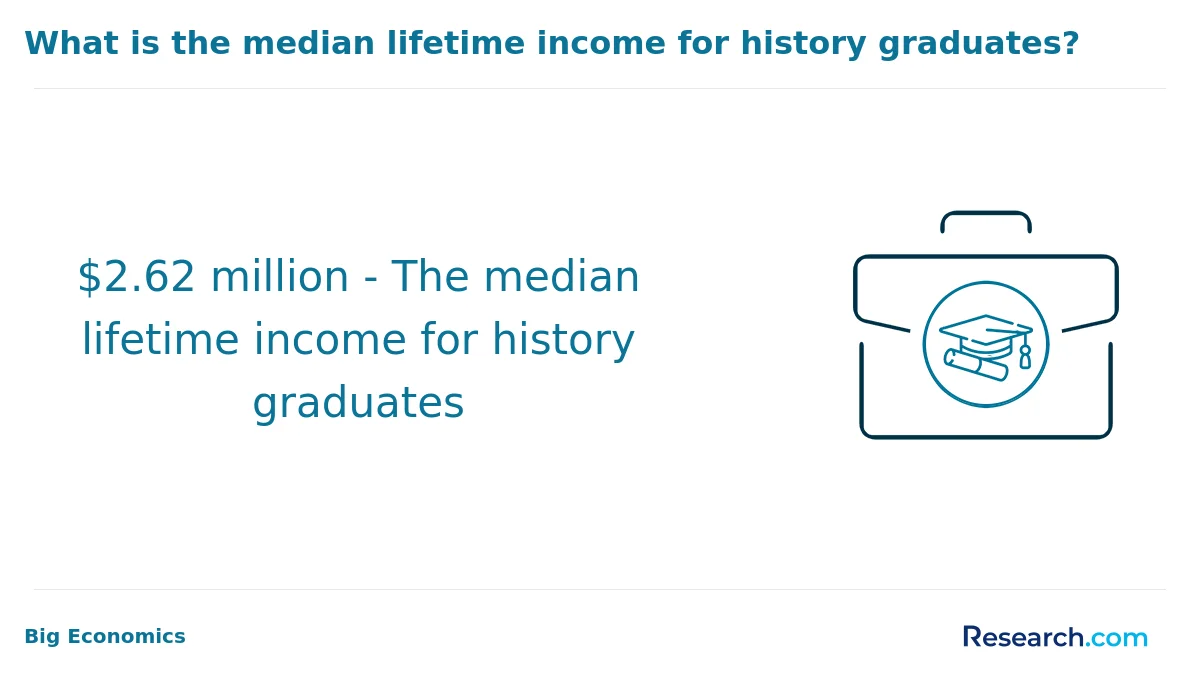
The average cost of an online history degree in the West typically ranges around $58,800 in total tuition, with in-state students paying an average of $64,980 and out-of-state students closer to $72,432. These figures reflect the reality faced by many pursuing affordable online history degree programs western US and provide a practical benchmark for budgeting.
Graduates from well-known institutions in states like California and Washington often share that while tuition can feel daunting, the flexibility of online programs helps them balance work and study effectively. For example, public universities in the West offer tuition rates that are significantly lower for residents, making them an attractive option for local students. Out-of-state learners should prepare for higher fees but may find scholarship opportunities or financial aid packages that reduce costs substantially.
Many find that private universities, although more expensive, offer additional networking benefits and specialized resources that can enhance the learning experience and career prospects. One common approach shared by successful history students is to research financial aid options early and to consider the overall value of the program, not just tuition. Factoring in smaller fees such as technology surcharges, careful planning can keep total expenses manageable.
To explore career possibilities and understand how to maximize your degree investment, consider reviewing data on history degree jobs. This can help new online history students in the West envision their future and choose programs wisely based on both cost and outcome.
What financial aid is available to online history degree students in the West?
Students pursuing an online history degree in the Western United States can access multiple financial aid options to reduce costs. Most start by completing the FAFSA to unlock federal aid such as Pell Grants offering up to $7,395 annually and low-interest Direct Subsidized and Unsubsidized Loans with flexible repayment plans. Graduates from schools like Arizona State University often share how these grants eased their financial worries while studying remotely.
State-specific aid is another valuable resource. For example, California's Cal Grant can cover up to $12,630 in tuition and fees, a considerable help for online history students attending public universities in the state. Similarly, Washington's State Need Grant supports qualified low-income students, providing targeted assistance that graduates frequently praise for making their degrees affordable.
Several Western institutions, including the University of Nevada, Reno, offer tuition discounts tailored for online learners. Combining these with scholarships from organizations like the American Historical Association creates strong financial support. Veterans, meanwhile, benefit from GI Bill benefits, often covering a large portion of degree expenses.
What are the prerequisites for enrolling in online history degree program in the West?
To enroll in an online history degree in the West, start by preparing your academic credentials carefully. Most undergraduate programs at popular Western universities like the University of Washington or Arizona State University ask for a high school diploma or GED and typically look for a GPA around 2.5 to 3.0. One graduate recalled how submitting her strong transcripts and a clear personal statement helped her stand out when applying to a competitive program.
Graduate applicants, aiming for programs at schools such as UCLA or the University of Oregon, usually need a completed bachelor's degree, often with a 3.0 GPA minimum. Many found that highlighting their background in related fields like political science enriched their application. Although GRE requirements have relaxed, some programs may still request scores, so checking each school's specifics ensures you're ready.
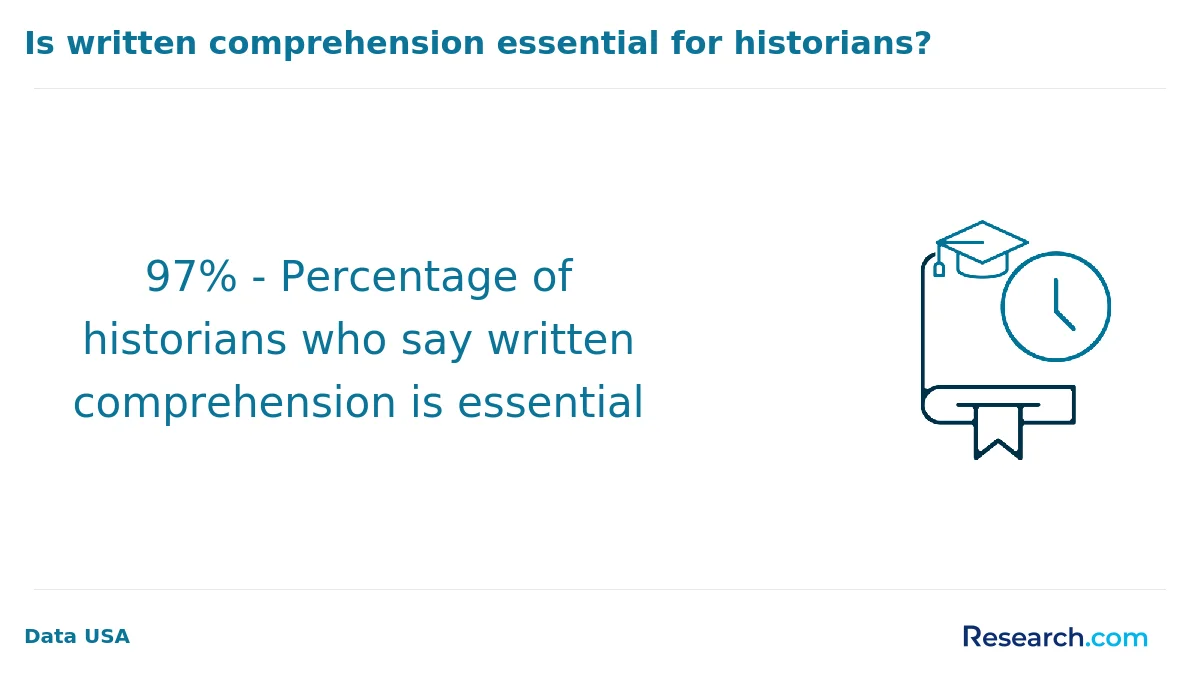
Beyond academics, successful students emphasize the importance of reliable technology. Having stable internet and familiarity with platforms like Blackboard or Canvas proved essential for seamless participation. One alum shared how mastering these tools early made courses feel engaging and manageable, fueling their enthusiasm for history.
What courses are typically in online history degree programs in the West?
Online history degrees in the Western U.S. typically include core courses that build a solid foundation in both American and world history. Graduates from programs at universities like California State University often highlight courses such as Introduction to Western Civilization, which traces key cultural developments from ancient times to today, making the material feel relevant and engaging. Another essential course is U.S. History, covering critical periods like Colonial America and the Civil War-perfect for understanding the nation's roots and their impact on the West.
Students appreciate Historiography and Research Methods classes because they equip them with practical skills to analyze original documents and craft persuasive historical arguments, useful both academically and in careers. World History courses provide a global lens that enriches understanding of Western history's place within broader patterns.
Electives focusing on Regional History of the American West allow learners to explore migration, culture, and politics specific to states like Oregon or Washington, making their education deeply personal and relevant. Many students enjoy hands-on projects such as digital archives and virtual museum collaborations, which bring history to life beyond traditional lectures.
What types of specializations are available in online history degree programs in the West?
Students pursuing an online history degree in the West can choose from a variety of specializations tailored to the region's unique cultural and environmental context. For example, many graduates from popular Western colleges focus on American History, exploring events like frontier expansion and settlement that shaped their local heritage. Others passionate about the environment choose Environmental History, studying the impact of industrialization on Western ecosystems.
Specializations like Native American and Indigenous Studies allow students to engage deeply with the histories and contemporary issues of nearby communities, offering a strong sense of connection and purpose. Public History tracks prepare students to work in museums or archives, often focusing on preserving regional heritage. European or World History provides broader perspectives that complement the West's multicultural roots.
These history degree concentration options in Western USA institutions give students flexibility and relevance, balancing personal interest with career readiness. Many find that these focused paths improve their job prospects, aligning well with the highest-paying jobs with a history degree.
How do you choose the best online history degree in the West?
Start by verifying that the online history degree program is regionally accredited, as graduates from institutions like California State University and the University of Washington in the West often praise their programs for maintaining high academic standards. Look for programs that cover diverse topics including American, Western, and global history to build versatile research and critical thinking skills-qualities essential for rewarding careers.
Consider affordability carefully. Graduates who chose affordable online history degrees West region highlight in-state tuition options and flexible payment plans as key to managing costs effectively. Comparing tuition rates per credit and total expenses helps avoid surprises down the road, especially for working adults balancing family or jobs.
Flexibility can greatly impact your success. Students at these universities appreciate asynchronous course structures that allow them to study on their schedule while accessing strong student support services like advising and online libraries. Engage with faculty who actively research history to benefit from mentorship and relevant insights.
Finally, explore programs offering pathways to advanced degrees or career options. Many students find practical value in internships or state licensure prep for education careers. Understanding the career outlook is vital, and reviewing history masters degree jobs can guide your choice toward programs that align with your professional goals.
What career paths are available for online history degree students in the West?
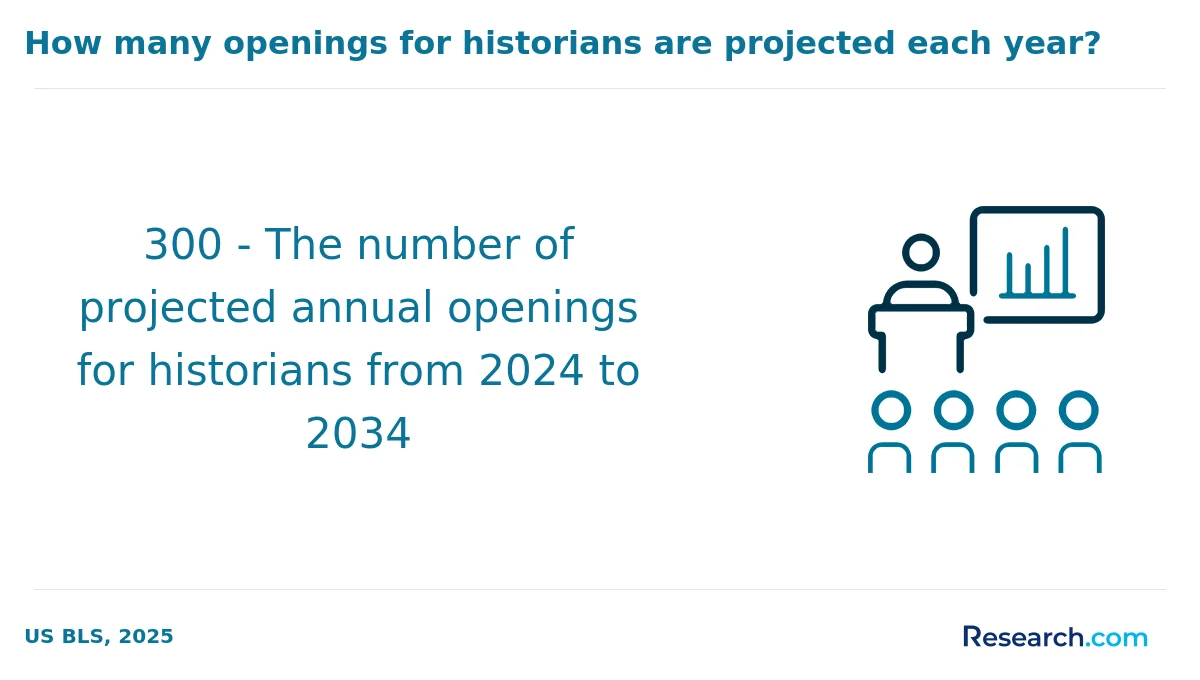
Graduates pursuing an online history degree in the West often find rewarding career paths in education. Many become middle or high school teachers, benefiting from growing demand in states like California, where social studies teaching roles are expected to increase. Those who study at well-regarded institutions such as the University of Washington or Arizona State University share positive stories about how their programs prepared them for certification and practical classroom experience, fostering confidence and a strong professional network. This pathway is ideal for those passionate about sharing historical knowledge and shaping young minds.
Other job opportunities for history graduates West Coast include roles in government and public service. Alumni from popular Western colleges frequently secure positions as archivists, museum curators, or historic preservationists, contributing to the stewardship of cultural landmarks. Additionally, think tanks and nonprofits often recruit research analysts who specialize in regional history and policy, applying their analytical skills to meaningful community projects. Graduates also find fulfillment working as consultants for legal firms or as content specialists, using their expertise to influence diverse industries.
To explore affordable options, prospective students can consider affordable online degree programs history in the West, balancing tuition with strong job prospects in these dynamic fields.
What is the job market for online history degree in the West?
The job market for online history degree graduates in the West offers a range of opportunities, especially for those who leverage the region's unique cultural and educational landscape. Graduates from popular universities in California or Oregon often find that their critical thinking and research skills prepare them well for roles in education, public history, and digital archiving. For example, many recent alumni have secured positions as museum curators or cultural resource managers, benefiting from the growing tech sector's demand for historical data analysis in cities like Seattle and San Francisco.
Employment opportunities with online history degrees in Western states extend beyond traditional paths, including roles in government agencies and nonprofits focused on regional heritage preservation. Graduates frequently emphasize that combining their degree with internships or certifications enhances their prospects and satisfaction in the field. Those interested in advancing their skills can explore masters in history online programs offered by respected Western institutions, which allow for flexible learning while expanding career options.
Frequently Asked Questions About history
Students pursuing online history degrees in the Western US can maximize their learning by actively engaging with digital archives and primary historical sources available through university libraries. Many Western institutions, like the University of California system, offer extensive online databases that supplement coursework.
Participating in virtual discussion groups enhances critical thinking and helps students connect diverse historical perspectives. According to the Western Interstate Commission for Higher Education, interactive learning improves retention by up to 40%.
Additionally, taking advantage of faculty office hours and attending online history seminars or webinars supports deeper understanding. Combining these resources with disciplined study schedules leads to a more effective educational experience.
Emerging niches within the history field reflect growing interests and technological advances in higher education, especially for online learners in the West. One notable area is digital history, which combines traditional historical research with digital tools to analyze and present data. According to the American Historical Association, programs offering courses in digital history have increased by 25% over the past five years.
Environmental history is also gaining attention, focusing on the interaction between humans and their natural surroundings. This niche aligns with broader societal concerns about climate change and sustainability.
Another growing specialization is public history, which emphasizes applying historical knowledge in museums, archives, and communities. The National Council on Public History reports a rise in jobs related to this field, benefiting students seeking practical, career-oriented online degrees.
Graduates with online history degrees in the Western US should focus on building practical skills to improve job prospects. Developing strong research, writing, and critical thinking skills is essential, as these are highly valued in many careers.
Networking through local historical societies and internships can provide significant advantages. According to the National Council for Public History, internships increase employment chances by nearly 40% for history graduates.
Many history majors in the West pursue careers in education, museums, archives, or government. Enhancing digital literacy, such as familiarity with GIS mapping or digital archiving, further strengthens resumes.
Graduates should also consider continuing education or certification to specialize in areas like public history or archival management, improving competitiveness in the growing cultural sector.
Employers in the Western US highly value history degree graduates for their strong critical thinking and analytical skills. According to the American Historical Association, 87% of employers seek candidates who can interpret complex information and present clear arguments. Graduates' ability to conduct thorough research using primary and secondary sources is also crucial.
Communication skills, both written and oral, are among top priorities. History majors often demonstrate proficiency in crafting well-organized reports and delivering presentations, which are essential in many fields.
Additionally, employers appreciate digital literacy, including familiarity with archival databases and digital tools. As reported by the National Center for Education Statistics, over 75% of history graduates in Western states report using digital research methods regularly.
Finding internships relevant to a history degree in the Western US involves strategic planning and resource utilization. Many universities in this region partner with historical societies, museums, and archives that offer internship opportunities. For example, institutions like the Oregon Historical Society and California Historical Society frequently host interns.
Students should explore online platforms such as Handshake and internships.com, which list history-related positions especially in major Western cities like Seattle, San Francisco, and Denver. Additionally, contacting university career centers can provide leads on local and remote internships.
The National Council on Public History reports that 65% of history students secure internships before graduation, enhancing their job prospects significantly.
In the Western United States, earning an online history degree can significantly improve career mobility and advancement. According to data from the National Center for Education Statistics, history graduates often pursue roles in education, public history, and archives, fields which value advanced knowledge and credentials.
Online degrees from accredited Western institutions offer flexibility, allowing working professionals to enhance their qualifications without interrupting their careers. Employers increasingly recognize online degrees, especially from regionally accredited universities, as valid credentials.
Graduates with a history degree from the West reported a 12% higher likelihood of promotion within five years compared to those without a degree, according to a 2022 survey by the American Historical Association. The growing demand for digital archive and museum roles in the West also expands opportunities for degree holders.
Studying for a history degree in the Western United States often equips students with critical thinking and research skills valued across multiple fields. Many online programs emphasize interdisciplinary approaches, integrating social sciences, political science, and cultural studies. This broad training prepares graduates for roles beyond traditional historian careers, such as in law, education, public policy, and museum curation.
Universities in the West incorporate regional history alongside global contexts, helping students understand diverse perspectives. According to the Western Association of Schools and Colleges, approximately 65% of history graduates pursue careers in fields requiring versatile analytical abilities. Online history degrees increasingly include courses in digital humanities and archival management, supporting interdisciplinary competencies.
These programs also teach students to synthesize complex information, a skill essential for collaboration in many industries. The flexibility of online formats allows professionals to gain these skills while continuing work in related areas like journalism or social services.
When choosing between a thesis and a non-thesis online history degree program in the West, consider your career goals first. A thesis option typically requires original research and writing, ideal for students planning to pursue doctoral studies or research-oriented careers. According to the Western Association of Schools and Colleges, nearly 60% of history graduate programs in the Western US offer thesis tracks for students targeting academia.
Non-thesis programs often focus more on coursework and offer practical history applications, better suited for professionals seeking advancement in education, public history, or archival work without research-heavy commitments.
Cost and program length can also differ; thesis options may extend study time by several months. Review your personal schedule and learning preferences carefully.
Students based in the Western United States seeking to study history abroad have growing access to online degree programs offered by well-known institutions. Many public universities in California, Oregon, and Washington provide fully online history bachelor's and master's degrees, allowing learners to engage with global historical perspectives without leaving home.
These programs often include courses on international history, colonial studies, and cultural exchanges, offering a broad understanding of world events. According to the Western Interstate Commission for Higher Education (WICHE), enrollment in online history programs in the West has increased by nearly 15% over the past three years.
Additionally, students can participate in virtual study abroad experiences or internship collaborations that complement their online coursework. This provides an affordable and flexible pathway for those aiming to expand their academic horizons while balancing personal and professional commitments.
Students pursuing online history degrees in the Western US can benefit from several part-time job opportunities that align well with their studies. Positions such as museum assistants, archival interns, or research aides at local historical societies provide practical experience relevant to historical research and preservation.
According to the American Alliance of Museums, part-time museum roles in California and Washington have grown by 7% over the past five years, reflecting increased demand for history-focused work.
Additionally, many universities offer part-time tutoring programs where history majors can help peers, enhancing their communication and analytical skills.
Such roles not only support financial needs but also strengthen resumes with applicable skills in the field.
Online history students in the Western US benefit from a variety of networking opportunities despite their remote setting. Many universities partner with local historical societies and museums, such as the California Historical Society or Oregon Historical Society, offering students access to events and internships. Additionally, professional organizations like the Western History Association provide virtual conferences and forums ideal for making connections within the field.
Students can also engage with faculty and peers via online discussion boards and alumni networks. According to the National Center for Education Statistics, over 60% of history students in the West participate in at least one online networking event annually, enhancing their career prospects and academic support.
Alumni networks provide valuable support for students pursuing online history degrees in the Western United States. These networks offer opportunities for mentoring, professional connections, and job placements, which are essential in a field often dependent on internships and local history organizations. According to the Western History Association, campuses in states like California and Washington report over 60% of history graduates finding employment through alumni referrals.
Online students benefit from virtual alumni events and platforms, which help bridge the distance gap typical of remote education. This connectivity allows access to specialized knowledge about regional historical sites and archives, enhancing research and career prospects.
When pursuing an online history degree in the Western United States, students can tailor their programs to match their career objectives by selecting specific concentrations or elective courses. Many Western universities offer options such as public history, archival studies, or regional American history, allowing learners to focus on areas relevant to museums, education, or government jobs.
Some programs include internships or partnerships with local historical societies, offering practical experience that enhances employability. According to the National Center for Education Statistics, about 65% of online history students in the West customize their coursework through such electives. Additionally, students may engage in research methods or digital history classes to build skills needed in today's job market.
Online history students in the Western United States often face challenges related to the limited availability of specialized courses in regional history. Many programs emphasize broader national or global topics, which can restrict deeper study of Western historical events. According to the Western Association of Schools and Colleges, about 35% of online history courses lack content focused on Western-specific themes.
Additionally, students may struggle with access to archival materials and primary sources essential for historical research, as these are often housed in physical libraries or regional archives. Networking opportunities and mentorship from faculty with Western history expertise can also be limited in online formats, impacting student engagement.
Time management and balancing coursework with work or family commitments remain consistent challenges, especially since 60% of Western online learners are adults returning to education after a break, as reported by the National Center for Education Statistics.
An online history degree from a Western US institution can open doors to several professional certifications. Graduates often pursue credentials such as the Certified Archivist, which is recognized nationally and valued in museums and historical societies. According to the Society of American Archivists, this certification increases job prospects in Western states like California and Washington, where cultural preservation jobs are growing.
Additionally, many history graduates explore becoming Certified Museum Specialists, a credential supported by the American Alliance of Museums. This certification benefits those interested in curatorial or educational roles in Western museums.
Other options include historic preservation certifications endorsed by the National Park Service, useful for careers in heritage conservation.
When applying to an online history degree program in the Western US, focus on crafting a clear and concise personal statement that highlights your passion for history and your career goals. Admissions committees value applicants who demonstrate strong writing skills and a genuine interest in historical research.
Include relevant academic achievements, such as coursework or projects related to history, and emphasize any experience with research or critical analysis. According to the National Center for Education Statistics, online programs in history have grown by over 20% since 2018, showing increased competition.
Additionally, secure strong letters of recommendation from professors or employers who can attest to your intellectual abilities and work ethic. Finally, ensure your application is error-free and submitted before deadlines, as timely and polished applications improve chances of admission.
The global perspective on a history career is evolving, especially for students in the West pursuing online degrees. In the United States, history graduates often find opportunities beyond traditional teaching roles, including positions in museums, archives, and public policy. According to the U.S. Bureau of Labor Statistics, employment for historians is projected to grow 6% from 2021 to 2031, indicating steady demand.
Online history programs allow students to engage with diverse global narratives, preparing them for careers that require cultural awareness and critical analysis skills. Many Western institutions emphasize digital humanities and cross-cultural studies, reflecting broader international trends.
Additionally, transferable skills like research, writing, and critical thinking gained through history degrees are highly valued in fields such as law, journalism, and business.
Gaining practical experience while studying for an online history degree in the West is achievable through several approaches. Many universities in the U.S. offer virtual internships with museums, archives, and historical societies, allowing students to work remotely on research and curation projects. According to the American Historical Association, internships increase employability by 30% for history graduates.
Students can also participate in digital history projects, contributing to online databases or transcription efforts like those hosted by the Library of Congress. Additionally, joining local historical organizations for volunteer work or attending virtual seminars provides valuable networking and hands-on experience.
Choosing the right concentration within an online history degree program in the West involves assessing your interests and career goals. Popular concentrations include American History, Western U.S. History, and Indigenous Studies, reflecting regional significance. According to the Western Historical Association, programs often emphasize local heritage and frontier history to cater to regional demands.
Consider workforce trends; Government and Education sectors in Western states frequently value expertise in these areas. Additionally, review the curriculum and faculty expertise at prospective schools to ensure alignment with your focus. Many Western institutions offer specialized courses on topics like Pacific Coast history and environmental history, which can shape your concentration.
Finally, evaluate available resources such as archives and museum partnerships that enrich online learning experiences. This hands-on access is vital for research opportunities. Choosing a concentration that matches your passion and regional relevance increases program value and career prospects in the Western U.S.
Top Trending History Rankings
References
- The Challenges of Studying History in School | Education Research Project Topics and Materials https://educationtopics.com.ng/the-challenges-of-studying-history-in-school/60853/history-education/
- The Job Search (Outside Academia) I | Canadian Historical Association | Société historique du Canada https://cha-shc.ca/publications/employing-history-a-guide-to-graduate-school-and-navigating-the-job-market/the-job-search-outside-academia-i/
- 5 Challenges of Teaching History in International Classrooms (and How https://millerskills.co.uk/blogs/teaching-overseas/5-challenges-of-teaching-history-in-international-classrooms-and-how-to-overcome-them
- Finding Networking Opportunities as a Student | National Society of High School Scholars https://www.nshss.org/resources/blog/blog-posts/how-to-find-networking-opportunities-as-a-student/
- How to Network with Alumni | Student Guide to Alumni Networking 2026 https://digitalrecordboard.com/blog/how-to-network-with-alumni/
- Bachelor of Arts in History https://www.wiu.edu/cas/history/undergraduate_history.php
- After the Degree: Finding work with a History degree https://www.graduate-jobs.com/news/13219/After_the_Degree__Finding_work_with_a_History_degree
- How to Become a History Researcher: Steps and Career Outlook https://online.norwich.edu/online/about/resource-library/how-become-history-researcher-steps-and-career-outlook
- Niche History Picks from EPOCH https://www.epoch-magazine.com/post/niche-history-picks-from-epoch
- How a Strong Alumni Network Can Benefit Students https://www.pacificu.edu/blog/how-strong-alumni-network-can-benefit-students