2027 Best Online Bachelor's in History Degree Programs Ranking in Alabama

Co-Founder and Chief Data Scientist
Choosing the right history degree program in Alabama can shape your future. Whether you're passionate about understanding the past or aiming to build a rewarding career, finding a quality online program is key.
This article features the 2027 Best Online Bachelor's in History Degree Programs Ranking in Alabama, created by the Research.com team of data scientists. Their research helps students like you make informed decisions about reputable and valuable history degrees.
By exploring this ranking, you'll discover programs that offer flexibility, expertise, and opportunities to grow intellectually. Embracing a history degree opens doors to meaningful work and personal fulfillment.
Key benefits of getting online history degree in Alabama
- History degree graduates in Alabama can expect to explore diverse careers; for example, historians in the U.S. earn a mean annual wage of about $63,000, reflecting promising salary potential.
- Graduates from the University of Alabama often pursue jobs in education, research, or public history, offering exciting opportunities to engage with the past in meaningful ways.
- Online history degrees from institutions like Troy University provide flexible schedules and allow students to balance work and life, making education more accessible and convenient.
- Key benefits of getting online history degree in Alabama
- What can I expect from online history degree in Alabama?
- Where can I work with online history degree in Alabama?
- How much can I make with online history degree in Alabama?
- 2027 Best Online Bachelor's in History Degree Programs Ranking in Alabama
- Key Findings
- How long does it take to complete online history degree in Alabama?
- What's the difference between online and on-campus history degree?
- What is the average cost of online history degree in Alabama?
- What financial aid is available to online history degree students in Alabama?
- What are the prerequisites for enrolling in online history degree program in Alabama?
- What courses are typically in online history degree programs in Alabama?
- What types of specializations are available in online history degree programs in Alabama?
- How do you choose the best online history degree in Alabama?
- What career paths are available for online history degree students in Alabama?
- What is the job market for online history degree in Alabama?
- Related History Rankings for Nearby States
- Top Trending History Rankings
What can I expect from online history degree in Alabama?
The average cost of an online history degree in Alabama generally reflects the state's commitment to accessible education, with many public universities offering competitive in-state tuition rates that make pursuing this passion more feasible. Graduates from programs at schools such as the University of Alabama or Auburn University often highlight how affordable tuition combined with the ability to balance work and study created a sense of empowerment rather than stress.
Many students recall how the lower costs compared to traditional campus programs allowed them to focus more on engaging deeply with subjects like Civil Rights history or Southern political movements, rather than worrying about mounting debt. This financial accessibility opens doors for a broader range of learners, from working parents to career changers eager to connect with Alabama's unique historical narrative.
While exact tuition varies by institution, the blend of quality education, regional expertise, and manageable expenses makes Alabama's online history degrees not just affordable but a compelling investment in one's future capabilities and understanding of history's role in society.
Where can I work with online history degree in Alabama?
Graduates with an online history degree in Alabama frequently find themselves shaping young minds as teachers in public and private high schools across the state. Imagine a graduate from the University of Alabama who combines their passion for history with teaching certification, stepping into a classroom in Birmingham, bringing southern heritage alive to eager students. This real-world impact is common among alumni from both larger universities and smaller colleges like Auburn University, where education remains a strong pathway.
Others discover fulfilling roles supporting higher education institutions-as research assistants or academic advisors-leveraging their degree even without advanced qualifications. Picture a graduate working behind the scenes at a community college in Huntsville, guiding students while helping to weave history into academic programs.
The vibrant cultural scene in Alabama offers unique opportunities too. Graduates often join museums or historic preservation sites, such as those overseen by the Alabama Historical Commission, engaging deeply with local heritage in cities like Montgomery or Mobile. These roles aren't just jobs; they're passionate vocations inviting graduates to preserve and tell stories that define Alabama's identity.
Government roles attract graduates interested in public history or cultural resource management, where they might work onsite at state offices safeguarding landmarks. There's also room in publishing and genealogical research-fields that allow students to channel their curiosity about Alabama's complex past into meaningful, creative careers.
How much can I make with online history degree in Alabama?
Graduates with an online history degree in Alabama often find themselves navigating a diverse salary landscape shaped by the local job market and sector. While precise salary data for Alabama-specific history roles is limited, looking at national figures provides a helpful lens. History professionals across the U.S. earn a median annual wage of about $63,680, a benchmark that Alabama graduates use as a hopeful target.
For many alumni from programs at institutions like the University of Alabama or Auburn University, teaching secondary school history offers annual salaries between $45,000 and $60,000. Postsecondary educators in Alabama, including university instructors, enjoy higher pay, typically ranging up to $85,000, aligning with the value of their advanced expertise.
Others entering museums or public administration often start with salaries near $35,000 to $50,000, gradually increasing as they gain curatorial or policy experience. As one alum reflected, earning a stable income while contributing to Alabama's rich heritage brings a unique sense of fulfillment lost in higher-paying but less meaningful roles elsewhere.
Regional differences matter too. Graduates working in Birmingham or Huntsville often report better pay and more opportunities than those in rural parts, tying income closely to location and institutional prestige. This nuanced reality challenges assumptions that history degrees limit you financially in Alabama, revealing instead a path where passion and earnings can coexist thoughtfully.
2027 Best Online Bachelor's in History Degree Programs Ranking in Alabama
How do we rank schools?
Investing in your education is a significant decision that can shape your future, and the Research.com team understands the importance of making informed choices. To assist prospective students in Alabama, we have meticulously crafted the "2027 Best Online Bachelor's in History Degree Programs Ranking in Alabama." Our commitment to quality, credibility, and accuracy is reflected in the extensive research and analysis conducted to compile this ranking.
We utilized the following reputable data sources to ensure a comprehensive evaluation of online history degree programs:
By exploring this ranking, readers will gain valuable insights into the top online history degree programs in Alabama, enabling them to make well-informed decisions about their academic pursuits. For more detailed information on how this ranking was created, please visit our Research.com methodology page.

# 2 position
Judson College
Bachelor of History


Key Findings
- Online history degrees in Alabama are offered by public and private universities, allowing students to complete coursework remotely with similar curriculum standards as on-campus programs.
- The average annual tuition for in-state students ranges from $7,500 to $12,000 at public universities, while private institutions may charge $20,000 or more.
- Entry-level salaries for history graduates in Alabama average between $40,000 and $45,000 annually, with mid-career pay rising to about $60,000.
- Employment growth for historians, archivists, and curators in Alabama is expected to be near the national average over the next decade.
- Graduates typically find work in education, government, research, or museums, with skills like critical thinking and communication emphasized in these programs.
How long does it take to complete online history degree in Alabama?
Completing an online history degree in Alabama often takes about four years for full-time students, reflecting the standard at institutions like the University of Alabama or Auburn University. Graduates vividly recall managing roughly 120 to 130 credit hours, typically spread across eight semesters-each demanding a balanced pace of study and life.
However, some graduates share how part-time enrollment, juggling jobs and family, stretched their journey to six years or more at schools like Troy University. This flexibility brings relief but also requires persistence, reminding prospective students that time isn't a one-size-fits-all measure.
Others embraced accelerated paths, compressing their studies into three years through disciplined effort and steady focus at places offering intensive sessions. Their stories highlight the excitement and challenge of pushing limits within Alabama's online history programs.
The transfer of previous credits from community colleges or AP exams also reshaped timelines, often shaving months off graduation. These diverse experiences underscore that finishing an online history degree in Alabama is as personal as it is academic.
What's the difference between online and on-campus history degree?
Choosing between an online and on-campus history degree in Alabama is more than just picking a format; it's about how you connect with the past and your peers. Graduates from the University of Alabama recall the vibrant energy of lecture halls where lively debates sparked insights impossible to replicate online. Meanwhile, alumni of the University of Alabama at Birmingham's online program cherish the flexibility it offered, juggling work and family without sacrificing their academic goals.
On-campus students often enjoy direct access to archives and libraries, feeding their curiosity through hands-on historical digging. This environment sparks spontaneous discussions and a deep sense of academic community. On the other hand, online learners cultivate discipline and independence, mastering time management while immersing themselves in digital archives from anywhere in the state.
These experiences highlight not just differences in delivery but how Alabama's history degrees nurture distinct kinds of growth. Whether surrounded by peers on campus or learning remotely, each path shapes your understanding and passion for history in uniquely meaningful ways.
What is the average cost of online history degree in Alabama?
The average cost of an online history degree in Alabama hovers around $40,560, reflecting a balance between affordability and quality education. Many graduates from institutions like the University of Alabama or Auburn University recall that this investment often felt justified not only for the knowledge gained but also for the convenience of learning on their own schedules. These schools, known for solid online offerings, maintain tuition fees that align closely with these median figures, which is especially encouraging for Alabama residents navigating financial decisions about higher education.
Looking deeper into Alabama online bachelor's history degree tuition fees, public universities within the state commonly charge between $250 and $350 per credit hour for online courses. This pricing approach means the full degree, typically around 120 credit hours, totals near the median cost but can vary based on residency status. Out-of-state students usually face higher rates, pushing total expenses closer to the $68,000 range, yet many find that scholarships and employer tuition assistance considerably ease this burden.
Those pursuing degrees in history often find value in exploring available financial aid options and the potential savings that come from online study, including reduced commuting costs and the flexibility to work while studying. For prospective students, examining the specific cost structure at popular Alabama institutions can illuminate the realistic pathway to earning an online history degree, making it feel within reach rather than an overwhelming financial hurdle.
Considering the potential savings and the relatively moderate tuition fees, Alabama's online history programs offer a compelling mix of quality and accessibility. As one graduate puts it, the ability to balance education with life commitments turned the cost into an investment toward a lifelong passion. For others curious about the invisible benefits behind these numbers, exploring degrees in history can offer additional insights into aligning academic pursuits with personal goals.
What financial aid is available to online history degree students in Alabama?
When pursuing an online history degree in Alabama, many students discover that financial aid is more varied and accessible than they initially expected. Graduates from institutions like the University of Alabama or Auburn University have shared how Pell Grants, averaging around $4,000, significantly eased their tuition burdens and allowed them to focus more on their studies rather than financial stress.
Federal Stafford Loans also play a crucial role, offering manageable repayment options tailored to students' needs. One graduate recounted how careful use of federal loans gave them flexibility while balancing work and study. State-specific programs, such as the Alabama Student Assistance Program, provide additional grants based on merit and need, directly supporting residents pursuing accredited online history degrees.
Institutional scholarships at Alabama colleges often consider leadership and community involvement, meaning your dedication outside the classroom can translate into concrete financial support. Some students found work-study positions invaluable, describing them not only as a paycheck but also as hands-on experience that enriched their understanding of history.
What are the prerequisites for enrolling in online history degree program in Alabama?
To embark on an online history degree in Alabama, a high school diploma or GED is the essential ticket, much like graduates from the University of Alabama at Birmingham recall from their own journeys. This baseline ensures you're academically ready to dive into historical narratives and critical analysis, even through a digital platform.
Official transcripts are more than paperwork-they're a reflection of your academic story so far. Many successful students remember submitting theirs to showcase strengths in English and social studies, disciplines that underpin historical insight.
While some institutions have relaxed standardized testing requirements, seeing many peers gain admission without SAT or ACT scores, competitive programs in Alabama may still ask for them, keeping you on your toes and motivated to present your best self.
Beyond numbers and grades, personal essays and letters of recommendation often reveal the passion and mindset that define thriving history majors. Think of these as your opportunity to share the spark that drove you to want to explore the past deeply, alongside stories of extracurriculars that highlight your curiosity and dedication.
What courses are typically in online history degree programs in Alabama?
Online history degree programs in Alabama commonly immerse students in courses such as Survey of American History, tracing key moments from colonization to the present, and World History, which illuminates global civilizations across time. Graduates from schools like the University of Alabama often share how these courses helped them see familiar history in a new light-connecting local stories to wider world events.
Many students find that studying Historical Research Methods and Historiography sharpens their critical thinking, transforming how they interpret sources and narratives. For instance, after completing these classes, some report feeling empowered to challenge conventional historical accounts, especially about Southern history, a focus embraced by programs at Auburn University and others.
Courses on Regional or Thematic Studies, such as Civil Rights or Alabama's cultural heritage, make history tangible and personal. Graduates frequently reflect on how exploring these subjects online allowed them to engage with the state's unique past without leaving home, deepening their pride and connection.
What types of specializations are available in online history degree programs in Alabama?
Students pursuing an online history degree in Alabama routinely choose from a variety of specializations that reflect both the state's unique heritage and broader historical themes. Graduates from institutions such as the University of Alabama and Auburn University often express enthusiasm for the American History specialization, where deep dives into the Civil Rights Movement create a personal connection to the past that feels immediate and transformative. This path proves particularly meaningful for those aiming to work in education or public history locally.
At the same time, many students pursue broader horizons through World History specializations, gaining a global perspective that enriches their understanding beyond regional narratives. Alabama online bachelor's history focus areas also include specialized paths like Historical Preservation and Museum Studies, allowing graduates to engage directly with the state's numerous historic landmarks, turning academic knowledge into tangible cultural stewardship.
Others find Political or Legal History especially compelling, drawn by the chance to explore how governance and law have shaped society. Those considering careers shaped by a history degree often reflect on their experiences in these programs at popular colleges in Alabama, sharing how their studies inspire both passion and purpose. For a detailed look at career options, visit careers that require a history degree.
These specializations in the online history degree specializations in Alabama offer students the chance to engage actively with both local and global histories, fostering critical thinking and a sense of belonging to the broader tapestry of human events.
How do you choose the best online history degree in Alabama?
Choosing the best online history degree programs Alabama offers means looking beyond the surface. Graduates from well-known schools like the University of Alabama often recount how regional accreditation by SACSCOC assured them their degree would be respected both locally and nationally. This assurance transformed their uncertainty into confidence as they pursued careers.
Think about curriculum depth: a graduate from Auburn University shares how targeting courses focused on American history gave them a sense of purpose and personal connection, which kept motivation high. Yet affordability matters just as much. An affordable online bachelor's in history Alabama can make all the difference - one student described relief when they found tuition rates below the national average, freeing resources for books and research.
Flexibility also shapes the journey. Many working adults appreciated asynchronous classes that fit into busy days. Finally, tapping into resources like academic advisors and digital libraries enhanced their learning experience, proving that support systems are not just perks but essentials. To explore career possibilities after graduation, see careers with a master's degree in history.
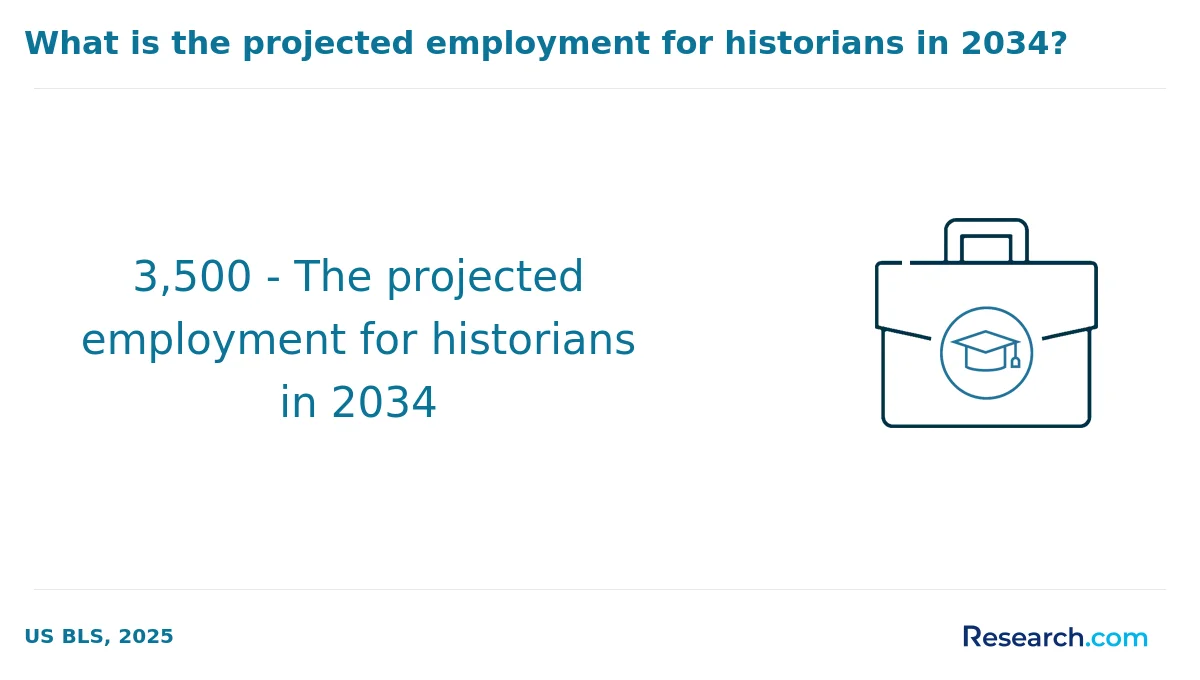
What career paths are available for online history degree students in Alabama?
Graduates who earn an online history degree in Alabama often find themselves stepping beyond traditional teaching roles, embracing dynamic career options that challenge the stereotype of the history major. Many become secondary school history teachers after certification, energized by the chance to kindle curiosity in young minds across the state. Others gravitate toward Alabama's rich cultural institutions, such as those connected with the University of Alabama or Auburn University, where graduates thrive as museum educators or archivists, weaving stories that preserve local heritage and inspire visitors.
For those considering online history degree jobs in Alabama, options expand into government, legal research, and public policy, where analytical rigor transforms abstract past events into actionable insight. Graduates have shared how these diverse pathways tap into their research skills and passion for nuanced storytelling, reshaping how history informs present-day decisions.
Many students also discover fulfilling roles in tourism and nonprofit administration, linking Alabama's unique cultural landscape with economic growth. By choosing affordable history degrees online from respected state programs, they gain the flexibility to balance learning with real-world experiences, building meaningful careers that defy expectations.
What is the job market for online history degree in Alabama?
The job market for an online history degree in Alabama challenges the usual assumptions about career prospects in the humanities. Graduates from institutions known for their history programs, such as the University of Alabama and Auburn University, often find rewarding roles beyond traditional classroom teaching. Many discover opportunities in local museums, archives, and cultural organizations that deeply value Alabama's rich historical landscape. These positions offer a meaningful way to engage with the community while preserving the state's heritage.
Success stories often come from graduates who balanced their studies with internships at the Alabama Historical Commission or worked part-time in Montgomery's historical tourism sector. These experiences reflect the tangible career opportunities that align well with an online history degree job outlook Alabama students face. While the job market is not as broad as STEM fields, niches in public administration, cultural resources, and education create steady demand.
For those considering further specialization, programs offering teacher certification or museum studies elements enhance employability. It's worth exploring resources like the best online masters in history degree to deepen expertise and expand career potential within Alabama's evolving job landscape.
Frequently Asked Questions About history
Students pursuing an online history degree in Alabama can enhance their learning by actively engaging with course materials and participating in virtual discussions. Research shows that Alabama has rich historical sites, including the Civil Rights Trail, which students can explore through virtual tours to contextualize their studies. Alabama's universities often provide access to digital archives and libraries, crucial resources for deepening historical understanding.
Balancing independent study with collaboration via online forums helps students develop critical analysis skills. Additionally, connecting with faculty during virtual office hours supports personalized academic guidance.
Keeping a consistent schedule and utilizing local Alabama historical societies can connect academic study with community history. Leveraging statewide resources enriches the overall online learning experience.
Emerging niches within the history field reflect how the discipline adapts to contemporary interests and societal changes. In Alabama, online history degree programs increasingly emphasize public history, which focuses on preserving and interpreting history for community engagement. This includes museum studies, archival work, and digital history projects.
Another growing area is environmental history, exploring how natural landscapes and human activity intersect over time, a relevant niche given Alabama's diverse ecosystems. Additionally, social justice history, including civil rights and marginalized communities' narratives, remains vital, particularly when considering Alabama's prominent role in civil rights movements.
These niches align with job growth in related sectors such as education, nonprofit organizations, and cultural resource management, providing career opportunities for graduates.
After completing an online history degree in Alabama, preparing for the job market involves developing both specialized and transferable skills. Employers highly value critical thinking, research, and strong writing abilities-core competencies gained through history programs. Graduates should consider internships or volunteer roles in museums, archives, or historical societies across Alabama to gain practical experience and networking opportunities.
The Alabama Department of Labor reports steady demand in education, public history, and cultural resource management fields, where history graduates often find roles. Building proficiency with digital tools like GIS and data visualization can also enhance job prospects.
Joining professional groups such as the Alabama Historical Association provides access to job listings and professional development. Additionally, leveraging university career services and attending local history conferences are effective strategies for entering the workforce.
Employers in Alabama consistently seek specific skills in graduates holding online history degrees. Critical thinking ranks high, as it enables graduates to analyze events and interpret diverse perspectives effectively. Strong research abilities are also essential, allowing candidates to gather and evaluate historical data using various primary and secondary sources.
Additionally, communication skills, both written and verbal, are vital. History graduates often present findings clearly and persuasively, a skill important in education, archives, or public history roles. According to the Alabama Department of Labor, these competencies align with regional demand in museums, libraries, and education sectors.
Technological proficiency, such as familiarity with digital archives and databases, is growing in importance in Alabama's evolving job market.
Finding internships in Alabama relevant to a history degree involves exploring opportunities at museums, historical societies, and archives. Alabama boasts over 180 museums and numerous cultural heritage sites, which regularly offer internship positions to history students. The Alabama Department of Archives and History is one key resource, providing internships that focus on preservation and research.
University career centers and online job platforms, such as Handshake and Indeed, also list internships tailored for history majors. Networking with professors and joining organizations like the Alabama Historical Association can increase your chances of finding valuable internships. According to the National Park Service, Alabama has 15 National Historic Landmarks, which may offer seasonal internships.
An online history degree in Alabama can significantly enhance career mobility and advancement opportunities for graduates. Many employers in the state value the research, analytical, and communication skills developed through history programs. According to the Alabama Commission on Higher Education (ACHE), graduates with humanities degrees, including history, demonstrate strong critical thinking abilities prized in sectors like education, public service, and cultural institutions.
Online degrees offer flexibility for working professionals, enabling them to upskill without interrupting employment. This flexibility supports career transitions or promotions in both public and private sectors. The Alabama Department of Labor notes that positions requiring historical expertise, such as archivists or museum curators, are projected to grow by 5% from 2022 to 2032, indicating stable demand.
Additionally, Alabama's commitment to preserving its rich historical heritage creates various job opportunities for history graduates. Online history degrees can therefore position students to capitalize on expanding career paths in local government, education, and heritage management, fostering long-term career growth within the state.
Studying for an online history degree in Alabama offers students a strong foundation for interdisciplinary roles by emphasizing analytical, research, and communication skills. Programs often integrate coursework that connects history with political science, sociology, and economics, preparing graduates to tackle complex societal issues.
Alabama's public universities align their curricula with national standards set by the American Historical Association, ensuring students gain broad perspectives. For example, the University of Alabama at Birmingham highlights how historical methods apply to public policy and cultural studies.
Such interdisciplinary training equips graduates for careers in education, law, museum curation, and public administration, where understanding diverse viewpoints is essential for success.
Choosing between a thesis and non-thesis history degree program in Alabama depends on your career goals and learning style. Thesis programs typically require in-depth research and writing, preparing students for graduate study or research-intensive jobs. Non-thesis options often focus on coursework and practical skills, suiting those aiming for teaching or public history careers.
In Alabama, some universities like the University of Alabama offer both formats online, providing flexibility. Data from the National Center for Education Statistics indicates that thesis tracks may demand more credit hours but can enhance analytical skills.
Consider your professional plans and whether you prefer research or broader coursework when deciding.
Students based in Alabama who wish to study history abroad have several online options supported by U.S. universities offering global programs. Many institutions in Alabama partner with study abroad consortia that allow history majors to engage in virtual international study experiences, blending online coursework with short-term travel. According to the Institute of International Education, approximately 15% of U.S. undergraduates study abroad before graduation, but online history degrees provide added flexibility for those unable to leave home for extended periods.
Alabama students may also enroll in accredited programs offering digital archives and primary source materials from foreign countries, enhancing global historical perspectives. The University of Alabama and Auburn University facilitate access to such resources through their online offerings. Furthermore, some programs incorporate virtual internships with international museums or historical organizations, offering practical experience without geographical limits.
In Alabama, students pursuing online history degrees can find various part-time job opportunities that align well with their studies. Working as a research assistant at local universities or historical societies offers practical experience in archival work and data analysis. The Alabama Department of Archives and History often hires interns and part-time staff, providing hands-on exposure to preserving state history.
Museum positions, such as docents or educational program assistants, are also common and help students develop communication skills while sharing historical knowledge with the public. Additionally, jobs in libraries or as local tour guides can support history students by deepening their understanding of regional heritage. These roles strengthen resumes and enhance career prospects in Alabama's cultural sector.
Online history students in Alabama have growing opportunities to network despite the distance learning format. Many universities offer virtual events, such as guest lectures and history symposiums, where students can connect with experts and peers. For example, the University of Alabama hosts online discussion groups for history majors that encourage collaboration and resource-sharing.
Additionally, students can join state and national history associations, such as the Alabama Historical Association, which provides workshops, conferences, and newsletters accessible remotely. These platforms promote professional relationships and keep students updated on job openings and internships specific to Alabama's historical sectors.
Some programs also facilitate local meetups or internships within Alabama's vibrant museums and archives, giving students real-world experience and face-to-face networking opportunities. According to the Alabama Department of Archives and History, these partnerships often enhance employment prospects post-graduation.
Alumni networks offer valuable benefits to students pursuing online history degrees in Alabama. These networks create connections between current students and graduates, facilitating mentorship opportunities that help with academic and professional guidance. Many Alabama institutions, including the University of Alabama system, report active alumni engagement that supports career development.
Such networks often provide exclusive access to job postings and internships relevant to history fields, increasing employment chances after graduation. According to national data from the National Association of Colleges and Employers, alumni referrals substantially improve job placement rates.
Furthermore, alumni events and online forums encourage knowledge sharing and professional networking, which are crucial for remote students who lack campus interaction.
Many online history degree programs in Alabama offer flexible curricula that allow students to tailor their studies to match career goals. You can often select electives focused on specific historical periods, regions, or themes such as American, Southern, or civil rights history. Some schools provide opportunities for capstone projects or research papers aligned with professional interests, enhancing practical skills.
Internships or partnerships with Alabama museums, archives, and cultural institutions may be available to gain hands-on experience. According to the Alabama Commission on Higher Education, approximately 25% of online history students pursue such experiential learning options to improve job readiness in education, public history, or government.
Online history students in Alabama often face challenges related to access and engagement. Many report difficulty connecting with instructors and peers, which can impact the depth of academic discussions typical in history studies. According to the National Center for Education Statistics, Alabama's rural population makes reliable internet access a concern for some students, affecting their ability to participate in synchronous sessions or access large digital archives.
Another common issue involves time management; balancing studies with work or family responsibilities creates barriers. History coursework often requires extensive reading and critical analysis, which demands focused study time. Without on-campus resources, students must be self-disciplined to meet these demands.
Finally, the availability of specialized history courses online in Alabama may be limited compared to in-person offerings. This can restrict broad exploration within historical subfields, potentially influencing career preparation.
With an online history degree in Alabama, you can pursue various professional certifications to enhance your career prospects. One popular option is the Certified Archivist credential, which is valued in museums, libraries, and government agencies. This certification is offered by the Academy of Certified Archivists and requires passing an exam that assesses knowledge of archival theory and practice.
Another relevant certification is the Project Management Professional (PMP), useful for historians overseeing research projects. Additionally, becoming a licensed teacher in Alabama enables graduates to teach history at public schools, provided they complete state-required exams and credentials through the Alabama State Department of Education.
When applying to an online history program in Alabama, it is essential to present a clear and focused application. Start by highlighting your passion for history, especially any interest related to Alabama's rich historical heritage, such as the Civil Rights Movement or Southern history. Admissions committees value applicants who demonstrate knowledge of regional history alongside broader historical contexts.
Maintain strong academic records; many Alabama universities require a minimum GPA of 2.5 to 3.0 for online history programs. Include relevant coursework and emphasize any research or writing experiences. Personal statements should be concise, reflecting your goals and how the program meets them.
Letters of recommendation are critical-choose referees who can attest to your analytical skills and commitment. Lastly, familiarize yourself with Alabama's higher education policies and any program-specific requirements, often available on university websites or via the Alabama Commission on Higher Education. This thorough preparation can set your application apart.
The global perspective on a history career values skills in critical thinking, research, and cultural understanding. History graduates in the U.S., including Alabama, often find opportunities in education, museums, archives, and government. According to the U.S. Bureau of Labor Statistics, historian employment is projected to grow 6% from 2022 to 2032, reflecting steady demand.
In Alabama, institutions like the University of Alabama offer online history degrees that prepare students for both local and international roles. Many historians contribute to global projects such as preserving cultural heritage or consulting for international organizations.
Understanding diverse histories is crucial worldwide, making this degree relevant beyond U.S. borders.
Gaining practical experience while pursuing an online history degree in Alabama is essential for building skills beyond the classroom. Students can seek internships with local museums, archives, or historical societies such as the Alabama Historical Association. These roles provide hands-on experience with primary sources and exhibit curation.
Additionally, many programs encourage participation in virtual research projects or digital history initiatives, helping students develop technical competencies. Volunteering at state parks or historical landmarks also offers opportunities to engage directly with Alabama's rich heritage.
Online students should explore partnerships between their universities and community organizations for applied learning. Such experiences improve employability in education, research, or heritage management.
Choosing the right concentration within an online history degree in Alabama requires understanding your interests and career goals. Common focuses include American history, public history, and historical research methods. Alabama's rich history-from the Civil Rights Movement to Native American heritage-often shapes available concentrations at local universities.
Review the curriculum offered by Alabama institutions, such as the University of Alabama or Auburn University, to see which concentrations emphasize regional history or broader themes. According to the Alabama Commission on Higher Education, specialties aligned with public history can lead to career opportunities in museums, archives, or education.
Consider your intended profession: academia may require a research-heavy concentration, while public history suits those aiming for community engagement.
Related History Rankings for Nearby States
Top Trending History Rankings
References
- 2023 Most Popular Online History Bachelor's Degree Schools in Alabama - Course Advisor https://courseadvisor.com/majors/history/rankings/most-popular-online/bachelors-degrees/southeast/alabama/
- How to Become a History Researcher: Steps and Career Outlook https://online.norwich.edu/online/about/resource-library/how-become-history-researcher-steps-and-career-outlook
- Niche History Picks from EPOCH https://www.epoch-magazine.com/post/niche-history-picks-from-epoch
- History https://www.alasu.edu/academics/programs-majors/programs/BA-History.php
- 6-semester-hour sequence in either literature or history https://talk.collegeconfidential.com/t/6-semester-hour-sequence-in-either-literature-or-history/1074231
- Jobs for History Majors: 12 Career Paths That Use Your Skills | Extern https://www.extern.com/post/jobs-for-history-majors-career-guide
- How a Strong Alumni Network Can Benefit Students https://www.pacificu.edu/blog/how-strong-alumni-network-can-benefit-students
- 4 Steps to Find History Research Opportunities as an Undergraduate https://www.coltie.com/post/4-steps-to-find-history-research-opportunities-as-an-undergraduate
- History Programs Abroad: Degrees & Opportunities - AEC https://www.aecoverseas.com/history/
- History Education (Concentration) https://www.lawsonstate.edu/learn_at_lawson/programs_and_divisions/college_transfer_programs/history_education.aspx